
Nutrition comparison
Watermelon vs Bananas: Which Fruit Is Better for Your Goals?
Watermelon hydrates with fewer calories; Bananas fuel you longer and travel better. Compare nutrition, blood sugar impact, weight loss value, and real-world convenience to pick the right fruit for your day.
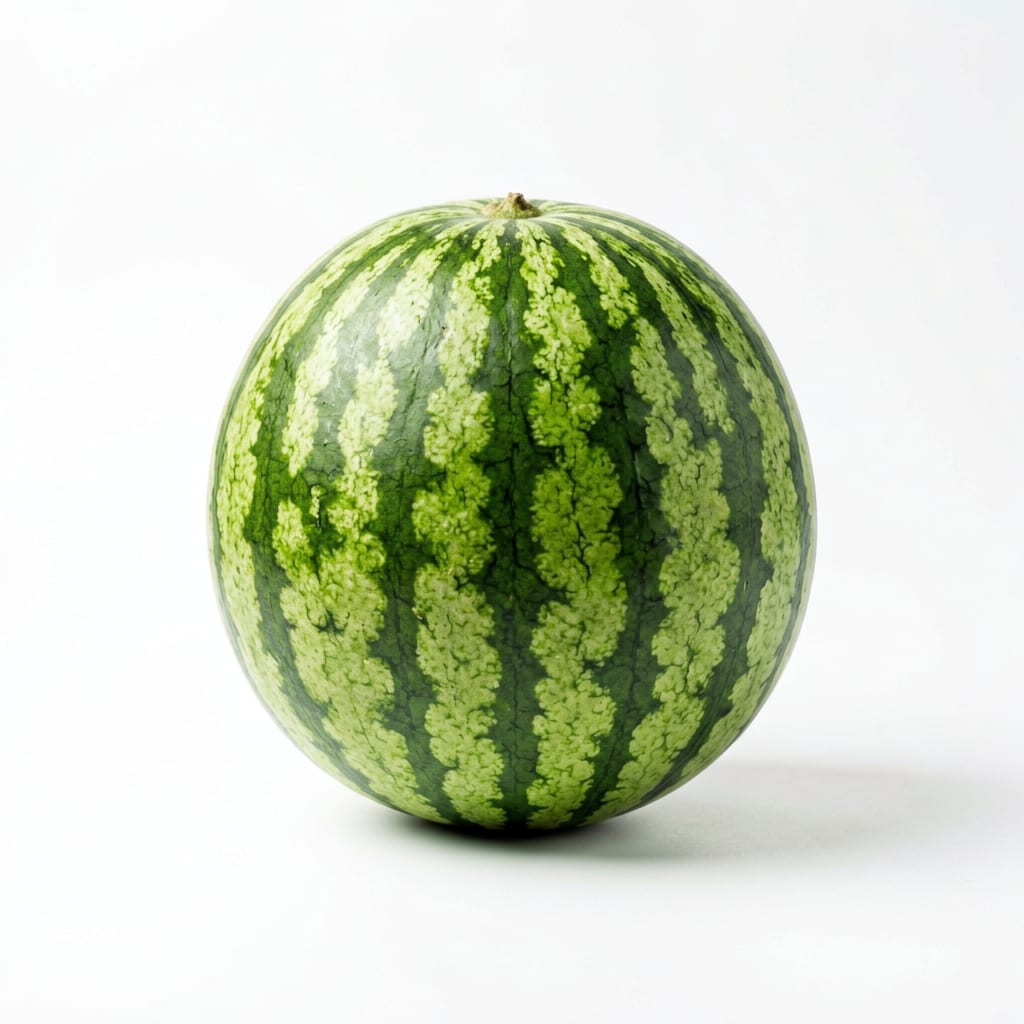
Watermelon
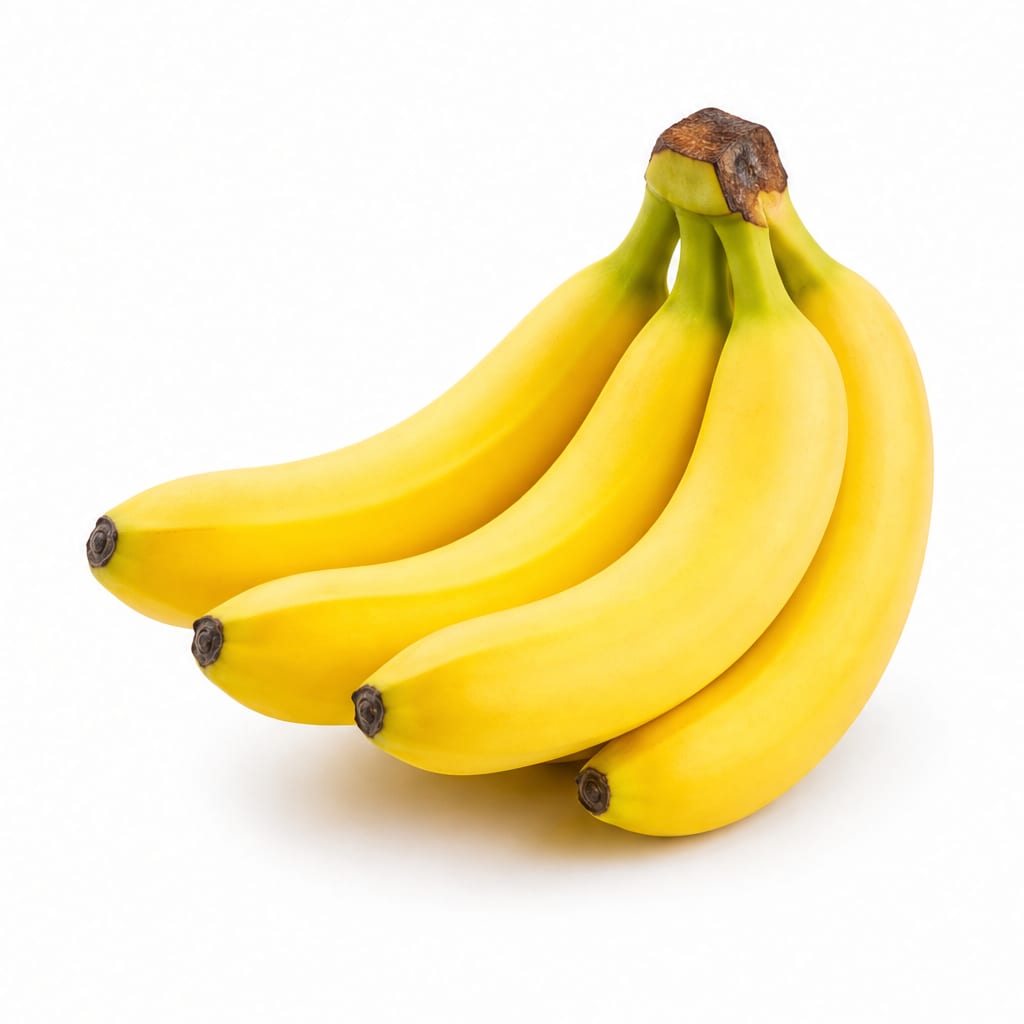
Bananas
Watermelon hydrates and fills you up with fewer calories; Bananas fuel you longer and travel better. Pick based on what your day demands.
Bananas edge ahead on nutrient density, satiety, and everyday practicality. Watermelon wins on hydration and calorie efficiency but falls short on filling power and convenience.
Refreshing low-calorie volume vs portable sustained energy — you sacrifice convenience for lightness with Watermelon, and vice versa with Bananas.
At a glance
Executive summary
Overall
It depends
Healthier
It depends
More practical
Bananas
Daily use
Bananas
Key comparison lenses
Hydration vs sustained energy
Watermelon excels at hydration while Bananas provide longer-lasting fuel — the core tradeoff between these two fruits
Blood sugar management
Both are sweet fruits with different glycemic profiles, a major concern for many users
Snack convenience and portability
Bananas are grab-and-go; Watermelon requires cutting and is messy — practicality matters daily
Weight loss and calorie density
Watermelon's low calorie density makes it a volume-eating favorite, while Bananas are more calorie-dense
Workout and exercise fuel
Bananas are a classic pre- or post-workout snack; Watermelon offers citrulline for blood flow but less sustained energy
Best choice for
Watermelon
- Hot summer days when hydration matters most
- Volume eaters who want to feel full on fewer calories
- Post-meal sweet cravings without the calorie hit
- People watching their calorie intake closely
- Anyone needing a light, refreshing snack that won't weigh them down
Bananas
- Busy mornings when you need fuel on the go
- Pre- or post-workout energy and recovery
- People needing steady energy between meals
- Anyone prone to muscle cramps or low potassium
- Kids' lunchboxes and travel snacks
Least suitable for
Watermelon
- People needing portable, mess-free snacks
- Anyone struggling to get enough calories or protein
- Those wanting long-lasting satiety from a snack
- Cold-weather contexts where a cold watery fruit feels unappealing
Bananas
- People strictly limiting carbohydrate or sugar intake
- Those managing diabetes who need low-glycemic options
- Anyone trying to minimize calorie density in their snacks
- People with latex-fruit allergy syndrome
Deep comparison
Dimension by dimension
Each lens scores both foods and breaks down who each option suits.
- Dimension 1 · Priority 92Watermelon
Hydration & Refreshment
Watermelon · 95Bananas · 40Watermelon is 92% water and delivers unmatched refreshment. Bananas are relatively dry and dense by comparison.
Tradeoff
You get superior hydration from Watermelon but almost no lasting fullness — you'll be hungry again within the hour.
Why it matters
In hot weather or after exercise, hydration from food matters more than most people realize. Watermelon effectively doubles as a drink.
Real-world impact
A big bowl of Watermelon on a summer afternoon feels like a reset button. A Banana in the same moment feels heavy and unappealing.
Watermelon
- Hot weather snacking
- Post-heat exposure rehydration
- Light refreshing desserts
Better for
- Needing sustained energy over hours
Worse for
Bananas
- Cold weather when a watery snack feels wrong
- Situations where bathroom access is limited
Better for
- Rehydration after sweating heavily
Worse for
- Dimension 2 · Priority 88Bananas
Satiety & Fullness
Watermelon · 35Bananas · 72Bananas have more fiber, more calories, and denser texture — all of which keep you fuller longer. Watermelon disappears from your stomach fast.
Tradeoff
Watermelon lets you eat a huge volume for few calories, but that volume empties quickly. Bananas cost more calories but actually tide you over.
Why it matters
If you're snacking to make it to your next meal, Watermelon won't get you there. Bananas reliably bridge 2-3 hour gaps.
Real-world impact
A Banana at 3pm keeps you from raiding the pantry before dinner. Two cups of Watermelon at 3pm and you're hungry again by 4.
Watermelon
- Right after a meal when you just want something sweet
- Volume eating for weight loss
Better for
- Appetite control between meals
Worse for
Bananas
- Bridging meals without crashing
- Breakfast when lunch is hours away
- Pre-workout fuel that lasts
Better for
- Late-night snacking when you want something light
Worse for
- Dimension 3 · Priority 86It depends
Blood Sugar Stability
Watermelon · 55Bananas · 52Watermelon has a high glycemic index but low glycemic load per serving. Bananas have more sugar overall but also more fiber to slow absorption.
Tradeoff
Neither is ideal for strict blood sugar management. Watermelon spikes faster but the total sugar load is small. Bananas deliver more sugar but release it more gradually.
Why it matters
For people with diabetes or insulin resistance, both require portion awareness. The difference is spike speed versus total sugar burden.
Real-world impact
A small Watermelon slice causes a quick but small blood sugar rise. A whole Banana causes a larger but slower rise. Both are manageable with portion control.
Watermelon
- Small portions where you want minimal total sugar
- Pairing with protein to blunt the spike
Better for
- Eating large quantities which multiplies the glycemic load
Worse for
Bananas
- Sustained energy where slower sugar release helps
- Active individuals who will burn the carbs
Better for
- Overripe Bananas which are essentially pure sugar
Worse for
- Dimension 4 · Priority 82Bananas
Nutrient Density
Watermelon · 48Bananas · 74Bananas deliver more potassium, vitamin B6, manganese, and fiber per calorie. Watermelon offers lycopene and citrulline but is mostly water by weight.
Tradeoff
Watermelon's signature nutrients (lycopene, citrulline) are valuable but come in a very dilute package. Bananas concentrate more nutrition per bite.
Why it matters
If you're trying to get the most nutritional value from limited food intake, Bananas work harder per calorie.
Real-world impact
One Banana covers nearly a quarter of your daily vitamin B6 and a solid chunk of potassium. You'd need to eat an impractical amount of Watermelon to match that.
Watermelon
- Antioxidant support from lycopene
- Blood flow benefits from citrulline
Better for
- Getting substantial nutrition without huge volumes
Worse for
Bananas
- Potassium for blood pressure and cramp prevention
- B6 for energy metabolism and mood
- Manganese for bone health
Better for
- Unique antioxidants like lycopene
Worse for
- Dimension 5 · Priority 85Bananas
Convenience & Portability
Watermelon · 30Bananas · 90Bananas come in their own biodegradable packaging, need no refrigeration, and require zero prep. Watermelon demands cutting, dripping, and refrigeration.
Tradeoff
The most refreshing fruit is also the least convenient. Bananas sacrifice excitement for reliability.
Why it matters
In real life, convenience wins. The snack you can grab is the snack you'll actually eat instead of reaching for junk food.
Real-world impact
A Banana goes in your bag, survives hours at room temperature, and peels in seconds. Watermelon needs a knife, a bowl, a fridge, and napkins.
Watermelon
- Served at home as a planned snack or dessert
Better for
- Any on-the-go eating scenario
Worse for
Bananas
- Commute snacking
- Gym bag fuel
- Office desk drawer stash
- Kids' lunchboxes
- Travel and hiking
Better for
- Impressive dinner party desserts
Worse for
- Dimension 6 · Priority 78Bananas
Exercise & Performance Fuel
Watermelon · 45Bananas · 80Bananas are a proven performance food with easily digestible carbs, potassium for cramp prevention, and enough substance to fuel a workout. Watermelon has citrulline for blood flow but lacks the calorie density to sustain effort.
Tradeoff
Watermelon's citrulline may aid circulation and recovery, but you'd need to eat a lot of it to fuel exercise. Bananas are the practical athlete's choice.
Why it matters
Before or after exercise, you need available carbohydrates and electrolytes. Bananas deliver both in a convenient package.
Real-world impact
Runners reach for Bananas at aid stations for a reason. Watermelon is a nice post-race treat but won't fuel your miles.
Watermelon
- Post-workout rehydration in hot conditions
- Recovery smoothies with added protein
Better for
- Sustained energy during long workouts
Worse for
Bananas
- Pre-workout energy 30-60 minutes before exercise
- Mid-workout fuel for endurance activities
- Post-workout potassium replenishment
Better for
- Rehydration after heavy sweating
Worse for
- Dimension 7 · Priority 80Watermelon
Weight Management
Watermelon · 78Bananas · 55Watermelon's extremely low calorie density means you can eat a large satisfying portion for minimal calories. Bananas are more calorie-dense and easier to overeat.
Tradeoff
Watermelon helps with volume eating and calorie control but won't keep you full. Bananas are more filling but contribute more calories per serving.
Why it matters
For weight loss, feeling full on fewer calories is the name of the game. Watermelon excels at this despite poor satiety per unit of fullness.
Real-world impact
Two cups of Watermelon costs about 80 calories and feels like a substantial snack. One Banana costs 105 calories and disappears in four bites.
Watermelon
- Volume eating strategies
- Satisfying sweet cravings with minimal calories
- Replacing higher-calorie desserts
Better for
- Staying satisfied between meals without snacking again
Worse for
Bananas
- Preventing overeating later by staying fuller now
- Active people who can afford the calories
Better for
- Mindless calorie accumulation from multiple Bananas
Worse for
Timeline
Health impact over time
Short-term
Hours to days
Watermelon
- Quick hydration boost, especially in heat
- Rapid but short-lived blood sugar rise
- Very temporary fullness — hunger returns fast
- Natural diuretic effect from high water content
Bananas
- Steadier energy for 1-2 hours after eating
- Quick potassium replenishment for cramp relief
- Mild blood sugar elevation proportional to ripeness
- Gentle digestive regularity from soluble fiber
Long-term
Months to years
Watermelon
- Lycopene intake supports cardiovascular and prostate health
- Citrulline may improve vascular function over time
- Low calorie density supports sustainable weight management
- Inadequate as a standalone snack — may lead to overeating other foods
Bananas
- Consistent potassium intake supports healthy blood pressure
- Vitamin B6 contributes to mood regulation and cognitive function
- Soluble fiber feeds gut bacteria and supports digestive health
- Regular consumption may raise overall sugar intake if not portioned
Risk profile
Safety & processing
Both Watermelon and Bananas are whole, unprocessed foods as typically consumed. Neither raises additive or processing concerns.
Watermelon
Pesticide residue on rind
mediumConventionally grown Watermelon rind can carry pesticide residues. While the flesh is protected, cross-contamination during cutting is possible. Wash the exterior thoroughly before slicing.
Foodborne illness from improper storage
mediumCut Watermelon left at room temperature can harbor bacteria rapidly. Refrigerate cut pieces within 2 hours and consume within 3-4 days.
Bananas
Pesticide residue
mediumBananas are grown with significant pesticide use, though the thick peel reduces flesh exposure. Peeling eliminates most surface risk.
Latex-fruit syndrome allergic reaction
lowPeople with latex allergies may cross-react with Bananas due to similar proteins. Symptoms range from mouth itching to anaphylaxis in rare cases.
Who wins for whom
Audience fit
Same foods, different winners depending on your goal.
children
BananasBananas are easier for kids to hold, eat, and digest. They're less messy, more filling, and provide potassium and B6 that growing bodies need.
daily consumption
BananasBananas offer more consistent energy, better satiety, and superior convenience for daily use. Watermelon is better as an occasional seasonal treat.
diabetes
It dependsNeither is ideal, but portion-controlled Watermelon has a lower total sugar burden per serving, while less-ripe Bananas offer more fiber to slow absorption. Individual response varies significantly.
elderly
BananasBananas are soft, easy to chew, rich in potassium for blood pressure management, and provide B6 for cognitive health — all priorities for older adults.
muscle gain
BananasBananas provide more readily available carbohydrates and potassium to fuel training and support recovery, making them more useful around workouts.
weight loss
WatermelonWatermelon's extremely low calorie density lets you eat a large, satisfying portion for under 100 calories, making it easier to stay in a deficit.
Your move
Decision guide
Choose Watermelon
- You're hot, thirsty, and want something refreshing right now
- You're counting calories and want maximum food volume
- You've just finished a sweaty outdoor activity and need rehydration
- You want a light dessert after a heavy meal
- It's summer and Watermelon is in season at peak flavor
Choose Bananas
- You need fuel that lasts more than an hour
- You're heading to the gym or just finished a workout
- You want a snack that fits in your bag without making a mess
- You're packing food for a busy day away from home
- You tend to get hungry between meals and need something satisfying
Either works if
- You just want a whole-food sweet treat instead of processed junk
- You're meeting general fruit intake goals
- You're pairing it with a protein source like yogurt or nuts
Avoid both if
- You're on a strict very-low-carb or ketogenic diet
- You need a protein-rich snack for muscle recovery
- You have fructose intolerance or malabsorption issues
Final recommendation
Keep both in rotation. Bananas are your reliable daily fuel — grab one for breakfast, pre-workout, or an afternoon bridge. Watermelon is your seasonal refreshment — enjoy it when it's hot, when you're thirsty, or when you want sweetness without the calorie cost. Neither is a complete snack alone; both improve dramatically when paired with a protein or fat source.
Practical
Consumer tips
- 1
Pair Watermelon with feta cheese or cottage cheese — the protein slows sugar absorption and makes it more filling
- 2
Freeze Banana slices for a creamy, ice-cream-like treat with no added sugar
- 3
Choose less-ripe Bananas if you want slower sugar release and more resistant starch
- 4
Wash Watermelon rind before cutting to prevent transferring bacteria or pesticides to the flesh
- 5
Add a handful of almonds when eating Watermelon as a snack — the fat and protein transform it from a temporary bite into a satisfying mini-meal
- 6
Store Bananas away from other fruits unless you want everything to ripen faster — they release ethylene gas
- 7
Freeze Watermelon cubes for flavored water or smoothies — they work as flavorful ice cubes