
Nutrition comparison
Pineapple vs Watermelon: Nutrition, Hydration, and Health Benefits Compared
Discover the nutritional differences between Pineapple and Watermelon. Learn which fruit is better for hydration, weight loss, digestion, and blood sugar control.

Pineapple
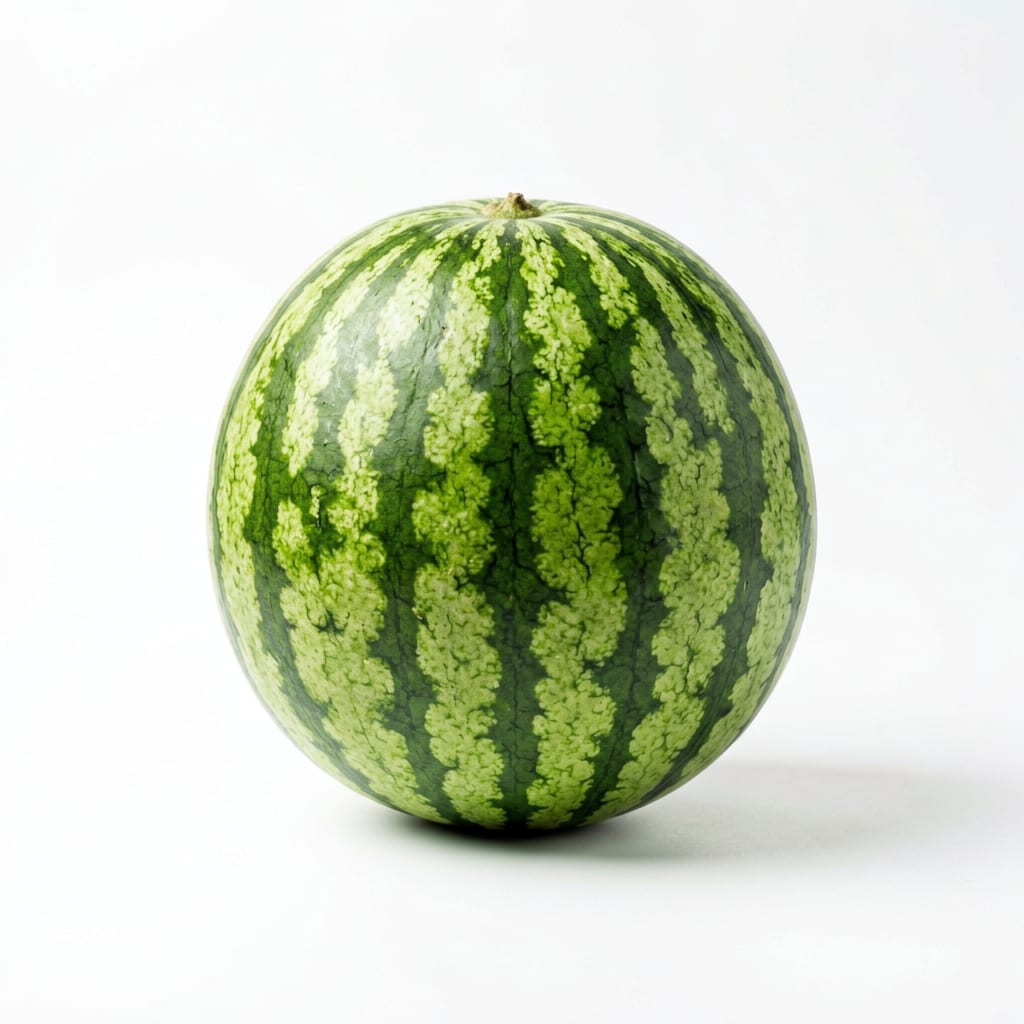
Watermelon
Pineapple delivers stronger nutrients and digestive enzymes, while Watermelon is the ultimate low-calorie hydrator.
Watermelon slightly edges out due to its exceptional hydration and lower calorie density per volume, making it easier to eat in larger quantities without overconsuming sugar, though Pineapple offers stronger micronutrient density and unique enzymes.
Pineapple's dense nutrients and bromelain versus Watermelon's superior hydration and lower calorie density.
At a glance
Executive summary
Overall
It depends
Healthier
It depends
More practical
Watermelon
Daily use
Watermelon
Key comparison lenses
Hydration and refreshment
Watermelon is famous for its water content, making it a go-to for hot days and rehydration.
Blood sugar impact and sugar content
Both are sweet fruits, but their sugar density and glycemic loads differ significantly.
Digestive health and enzyme benefits
Pineapple contains bromelain, a unique enzyme that aids digestion and reduces inflammation.
Vitamin C and antioxidant intake
Pineapple is a vitamin C powerhouse, while Watermelon offers lycopene for cellular protection.
Calorie density for weight management
Watermelon allows for much larger portions for fewer calories, appealing to volume eaters.
Best choice for
Pineapple
- People needing digestive enzyme support after meals
- Those looking to boost vitamin C and manganese intake
- Individuals wanting natural anti-inflammatory benefits
Watermelon
- Hot summer days requiring serious hydration
- People managing calorie intake who want large portions
- Those who want a filling, light snack without the sugar crash
Least suitable for
Pineapple
- People with mouth sores or sensitive gums
- Those watching sugar intake closely
- People on blood thinners due to bromelain interactions
Watermelon
- Those needing dense calorie or nutrient intake
- People looking for high fiber content
- Those wanting sustained long-lasting energy
Deep comparison
Dimension by dimension
Each lens scores both foods and breaks down who each option suits.
- Dimension 1 · Priority 90Watermelon
Hydration and Refreshment
Pineapple · 60Watermelon · 95Watermelon is over 90% water, making it incredibly hydrating and refreshing.
Tradeoff
Pineapple provides more nutrients per ounce, but Watermelon provides sheer volume and hydration.
Why it matters
Staying hydrated impacts energy levels, skin health, and appetite regulation.
Real-world impact
Watermelon is the perfect post-workout or hot day refresher; Pineapple feels more like a nutrient-dense side.
Pineapple
- Getting nutrients alongside fluids
Better for
- Providing large volumes of fluid
Worse for
Watermelon
- Replenishing fluids quickly
- Cooling down on a hot day
Better for
- Delivering concentrated nutrition
Worse for
- Dimension 2 · Priority 85Pineapple
Vitamin C and Immunity
Pineapple · 90Watermelon · 55Pineapple packs significantly more vitamin C and manganese than Watermelon.
Tradeoff
You get a stronger immune and antioxidant boost from Pineapple, but Watermelon offers lycopene instead.
Why it matters
Vitamin C is crucial for tissue repair, skin health, and immune defense.
Real-world impact
Eating Pineapple regularly can help ward off colds and support skin health more effectively than Watermelon.
Pineapple
- Boosting immune function
- Supporting collagen production
Better for
- Providing lycopene benefits
Worse for
Watermelon
- Protecting cells with lycopene
Better for
- Delivering high vitamin C doses
Worse for
- Dimension 3 · Priority 80Pineapple
Digestion and Anti-inflammatory Support
Pineapple · 92Watermelon · 50Pineapple contains bromelain, a powerful enzyme that aids digestion and reduces inflammation.
Tradeoff
Bromelain can cause mouth irritation, whereas Watermelon is soothing and gentle to eat.
Why it matters
Good digestion reduces bloating, and lowering inflammation supports joint health.
Real-world impact
Pineapple after a heavy protein meal can ease digestion; Watermelon will not offer the same benefit but is gentler on a sensitive stomach.
Pineapple
- Breaking down protein-heavy meals
- Reducing sinus or joint inflammation
Better for
- Comfort eating with mouth sores
Worse for
Watermelon
- Soothing the digestive tract
- Avoiding mouth and throat irritation
Better for
- Providing digestive enzyme support
Worse for
- Dimension 4 · Priority 75Watermelon
Calorie Density and Satiety
Pineapple · 65Watermelon · 88Watermelon allows you to eat a much larger volume for fewer calories compared to Pineapple.
Tradeoff
Pineapple is more nutrient-dense, but Watermelon is more volume-dense.
Why it matters
Volume eating helps control hunger and manage weight without feeling deprived.
Real-world impact
You can eat two generous cups of Watermelon for under 100 calories, feeling very full; Pineapple hits that calorie mark much faster.
Pineapple
- Getting more nutrients per calorie
Better for
- Volume eating for weight loss
Worse for
Watermelon
- Eating large portions guilt-free
- Feeling physically full on fewer calories
Better for
- Nutrient density per serving
Worse for
- Dimension 5 · Priority 70Watermelon
Blood Sugar Impact
Pineapple · 60Watermelon · 70Watermelon has a high glycemic index but a very low glycemic load per typical serving due to its water content.
Tradeoff
Pineapple has more fiber to slow absorption, but Watermelon's water dilutes the sugar impact per bite.
Why it matters
Managing blood sugar prevents energy crashes and supports metabolic health.
Real-world impact
A standard portion of Watermelon is less likely to spike blood sugar than an equivalent visual portion of Pineapple.
Pineapple
- Providing fiber to slow sugar absorption
Better for
- Managing blood sugar with larger portions
Worse for
Watermelon
- Keeping glycemic load low per typical serving
Better for
- Providing dietary fiber
Worse for
Timeline
Health impact over time
Short-term
Hours to days
Pineapple
- Quick energy from natural sugars
- Possible tingling or soreness in the mouth from bromelain
- Aid in digesting a heavy protein meal
Watermelon
- Rapid hydration and refreshment
- Light, non-bloated feeling
- Quick but short-lived energy boost
Long-term
Months to years
Pineapple
- Stronger immune function from high vitamin C
- Reduced inflammation due to bromelain
- Potential enamel wear if consumed excessively
Watermelon
- Improved hydration habits
- Cellular protection from lycopene
- Easier weight management due to low calorie density
Risk profile
Safety & processing
Both Pineapple and Watermelon are whole, raw fruits with no artificial additives when purchased fresh.
Pineapple
Oral irritation
mediumBromelain can cause a burning sensation or soreness in the mouth, especially with large quantities.
Pesticide residue
mediumConventional Pineapple can carry pesticide residues, though the thick skin reduces penetration to the edible flesh.
Watermelon
Foodborne illness from pre-cut melon
mediumPre-cut Watermelon has been linked to Salmonella outbreaks; always wash the outside before cutting.
Pesticide residue
lowWatermelon rind can hold pesticides, but the thick barrier protects the edible flesh well.
Who wins for whom
Audience fit
Same foods, different winners depending on your goal.
children
WatermelonWatermelon is gentler on children's sensitive mouths and is a fun, hydrating summer treat without the bite of acidity.
daily consumption
WatermelonWatermelon is easier to eat daily in reasonable amounts without mouth irritation or excessive sugar intake.
diabetes
WatermelonWatermelon has a lower glycemic load per typical serving than Pineapple, making it easier to manage blood sugar in moderate portions.
elderly
PineapplePineapple's bromelain can help with joint inflammation and digestion, common concerns for older adults, provided they have no mouth sensitivity.
muscle gain
It dependsNeither is a primary muscle-building food, but Pineapple's bromelain may help reduce post-workout inflammation, while Watermelon's citrulline aids blood flow.
weight loss
WatermelonWatermelon's high water and low calorie content allow for large, satisfying portions that keep you full without overconsuming calories.
Your move
Decision guide
Choose Pineapple
- You want digestive support after a heavy meal
- You need a vitamin C boost for immune health
- You are looking for natural anti-inflammatory benefits
Choose Watermelon
- You want a low-calorie, high-volume snack
- You need serious hydration on a hot day
- You have a sensitive mouth or stomach
Either works if
- You just want a refreshing, whole-food sweet treat
- You are looking for natural antioxidants
Avoid both if
- You are on a strict very-low-carb or ketogenic diet
- You have severe fructose intolerance
Final recommendation
Let your immediate needs guide you: reach for Pineapple when you need nutrients and digestion support, and choose Watermelon when you want volume, hydration, and a lighter snack.
Practical
Consumer tips
- 1
Cut Pineapple into smaller pieces and let it sit for a few minutes to reduce the bromelain mouth-burn effect.
- 2
Always wash Watermelon rind before slicing to prevent dragging bacteria into the flesh.
- 3
Frozen Pineapple chunks make a great smoothie base that replaces ice while adding creaminess.
- 4
Sprinkle a little salt on Watermelon to enhance its sweetness without adding sugar.