
Nutrition comparison
Mango vs Watermelon: Nutrition, Hydration, and Health Comparison
Compare Mango vs Watermelon to see which fruit is better for weight loss, hydration, and blood sugar. Discover the nutritional tradeoffs between these popular sweet fruits.
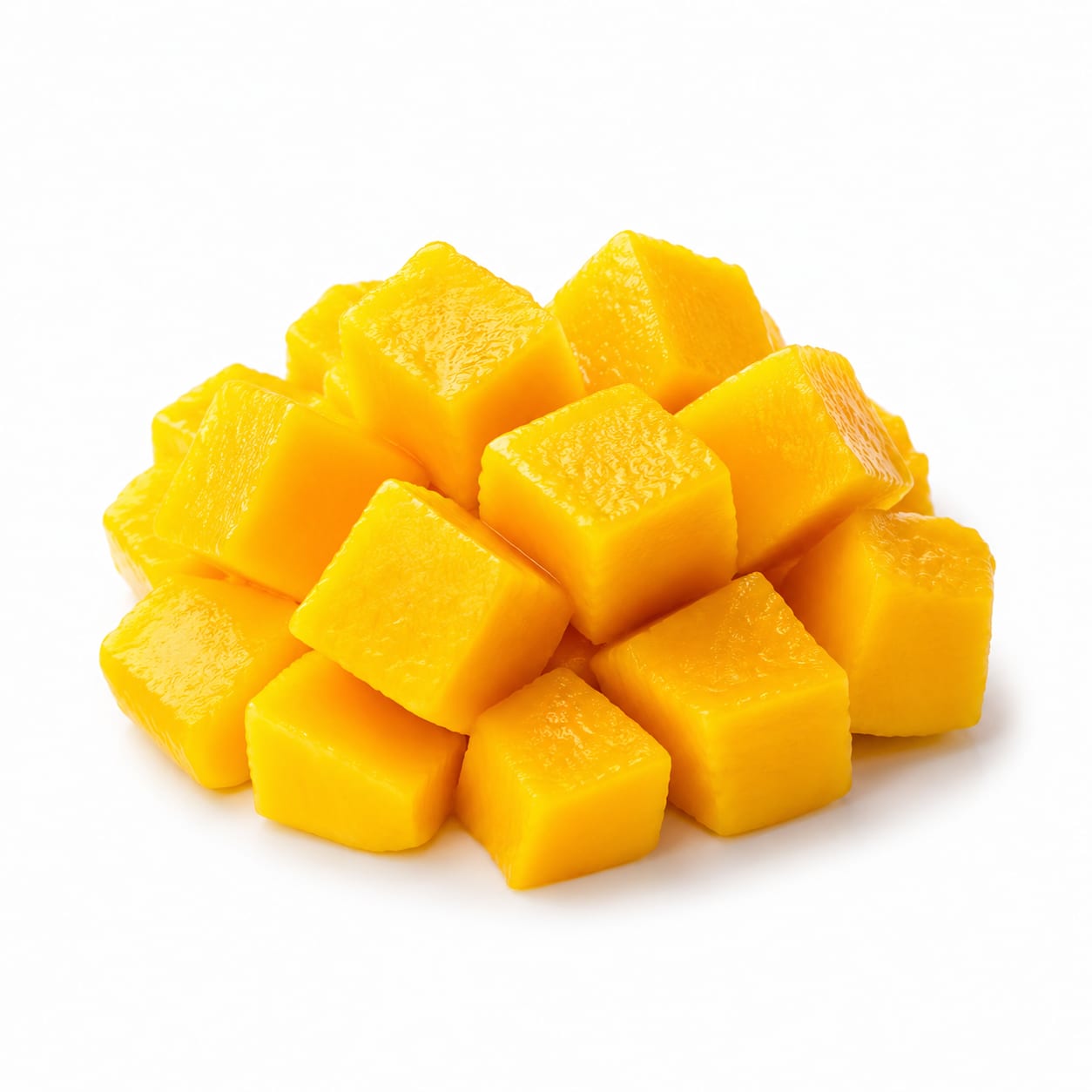
Mango
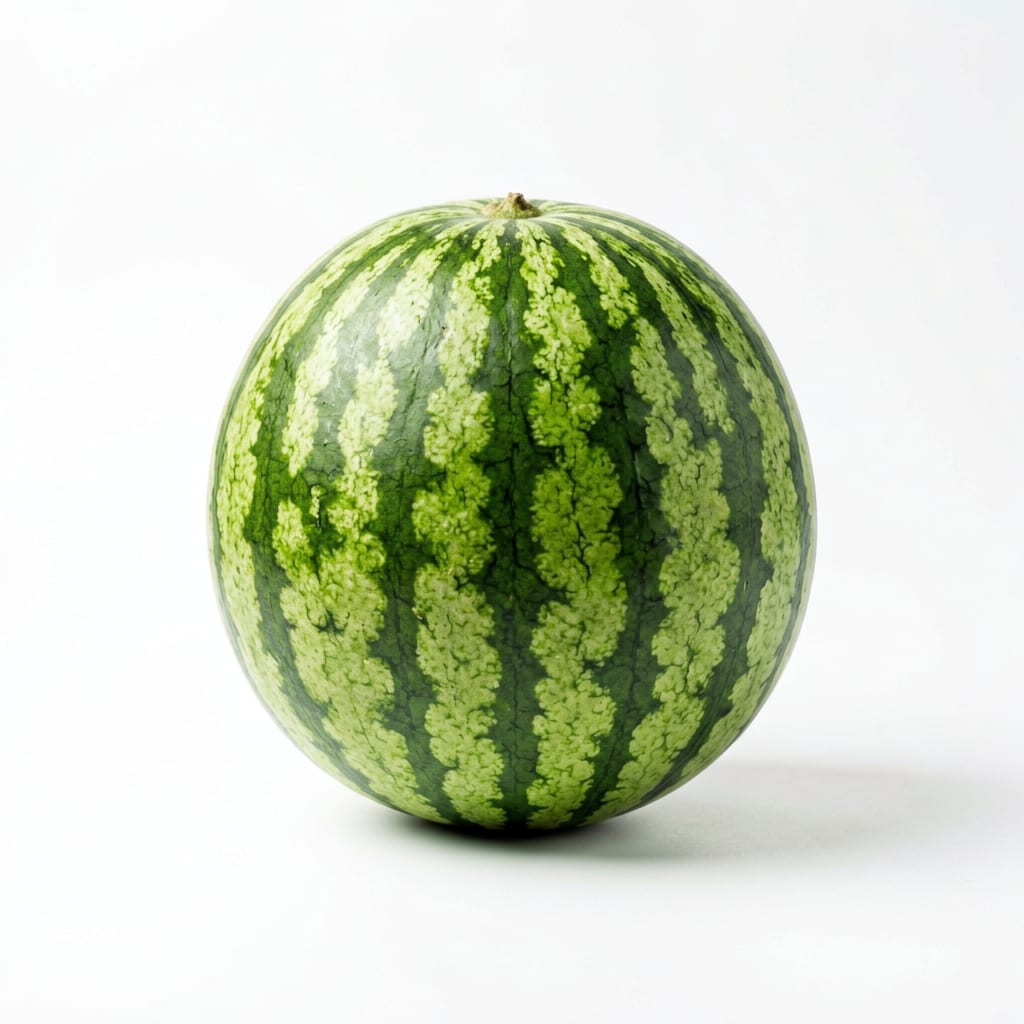
Watermelon
Mango delivers richer nutrition and more filling energy, while Watermelon offers superior hydration and lower calories per bite.
Watermelon scores slightly higher due to its hydration benefits and lower caloric density, making it easier to incorporate daily without overconsuming sugar, though Mango wins on pure micronutrient power.
Nutrient and calorie density versus hydration and volume eating.
At a glance
Executive summary
Overall
It depends
Healthier
It depends
More practical
It depends
Daily use
Watermelon
Key comparison lenses
Hydration vs Nutrient Density
Watermelon is primarily water and hydration, while Mango is a dense source of vitamins and calories.
Blood Sugar and Caloric Impact
Both are sweet fruits, but Mango has significantly more sugar and calories per serving than Watermelon.
Weight Management Snacking
Users often choose between these two for a sweet snack and need to know the volume-to-calorie tradeoff.
Best choice for
Mango
- Boosting vitamin A and C intake
- Satisfying a sweet tooth with smaller portions
- Supporting skin and immune health
Watermelon
- Staying hydrated on hot days
- Eating a large volume of food for few calories
- Post-workout refreshing hydration
Least suitable for
Mango
- Strict low-carb or keto diets
- Those managing severe blood sugar spikes
- Large volume snacking without overconsuming calories
Watermelon
- Those needing dense caloric energy
- People looking for high fiber intake
- Satisfying deep hunger quickly
Deep comparison
Dimension by dimension
Each lens scores both foods and breaks down who each option suits.
- Dimension 1 · Priority 95Watermelon
Hydration & Refreshment
Mango · 50Watermelon · 99Watermelon is 92% water, making it one of the most hydrating foods available. Mango is moist but far less hydrating.
Tradeoff
You sacrifice deep hydration for richer flavor and texture with Mango.
Why it matters
Proper hydration affects energy levels, skin health, and appetite regulation.
Real-world impact
Eating Watermelon on a hot day genuinely cools you down and quenches thirst, while Mango feels more like eating a meal.
Mango
- Satisfying a dessert craving
Better for
- Quick hydration needs
Worse for
Watermelon
- Replenishing fluids after exercise
- Cooling down in summer heat
Better for
- Feeling full and satiated
Worse for
- Dimension 2 · Priority 90Mango
Vitamin & Mineral Density
Mango · 92Watermelon · 65Mango is an exceptional source of vitamin C, vitamin A, and folate. Watermelon provides less overall micronutrition.
Tradeoff
Mango packs far more immune-boosting and skin-supporting vitamins, but at the cost of higher sugar.
Why it matters
Vitamin A and C are crucial for immune function, collagen production, and vision.
Real-world impact
A cup of Mango covers most of your daily vitamin C needs, giving a noticeable boost to skin health and immunity.
Mango
- Supporting immune health
- Improving skin complexion
Better for
- Those watching total carbohydrate intake
Worse for
Watermelon
- Increasing lycopene intake for heart health
Better for
- Preventing vitamin deficiencies
Worse for
- Dimension 3 · Priority 85Watermelon
Blood Sugar & Caloric Load
Mango · 55Watermelon · 80Watermelon has a higher glycemic index but a much lower glycemic load because it is mostly water. Mango has more carbs and calories per serving.
Tradeoff
Mango provides steadier energy due to fiber, but Watermelon allows you to eat a much larger volume without spiking total caloric intake.
Why it matters
Managing blood sugar and calorie intake is essential for weight maintenance and metabolic health.
Real-world impact
You can eat an entire bowl of Watermelon for under 100 calories, but a similar bowl of Mango would pack over 200 calories and significantly more sugar.
Mango
- Sustained energy for active periods
Better for
- Controlling portion sizes easily
Worse for
Watermelon
- Large volume snacking on a diet
- Keeping daily calories low
Better for
- Sustaining energy for long periods
Worse for
- Dimension 4 · Priority 75It depends
Antioxidant Profile
Mango · 85Watermelon · 85Mango is rich in mangiferin and beta-carotene, while Watermelon is a top source of lycopene.
Tradeoff
Mango offers anti-inflammatory benefits unique to tropical fruits, while Watermelon provides antioxidants specifically linked to heart and prostate health.
Why it matters
Different antioxidants protect different systems in the body.
Real-world impact
Eating both fruits gives you a broader spectrum of disease-fighting compounds than eating just one.
Mango
- Reducing systemic inflammation
Better for
- Targeting lycopene-specific benefits
Worse for
Watermelon
- Supporting cardiovascular health
- Protecting prostate health
Better for
- Getting broad-spectrum carotenoids
Worse for
Timeline
Health impact over time
Short-term
Hours to days
Mango
- Quick energy boost from natural sugars
- Immediate feeling of fullness due to denser texture and fiber
Watermelon
- Rapid hydration and thirst quenching
- Light feeling in the stomach, unlikely to cause sluggishness
Long-term
Months to years
Mango
- Enhanced skin health and immunity from high vitamin A and C
- Potential weight gain if portions are not managed due to higher calorie density
Watermelon
- Improved heart health from consistent lycopene intake
- Better overall hydration habits
Risk profile
Safety & processing
Both Mango and Watermelon are whole, raw fruits with no added ingredients when purchased fresh, making them equally clean choices.
Mango
Urushiol exposure
mediumMango skin contains urushiol, the same compound as poison ivy, which can cause severe allergic skin reactions in sensitive individuals.
Pesticide residue
mediumConventionally grown Mangoes often have pesticide residues on the skin, though the thick peel protects the flesh.
Watermelon
Foodborne illness from rind
mediumThe rind of Watermelon can harbor bacteria like Salmonella; it must be washed before cutting to avoid contaminating the flesh.
Digestive upset from overconsumption
lowEating massive quantities of Watermelon can cause diarrhea or bloating due to the sheer volume of water and fructose.
Who wins for whom
Audience fit
Same foods, different winners depending on your goal.
children
MangoMango is easier for small children to chew and less messy than Watermelon, while providing essential vitamins for growth.
daily consumption
WatermelonThe lower calorie and sugar content of Watermelon makes it easier to eat every day without accumulating excess dietary sugar.
diabetes
WatermelonWatermelon has a lower glycemic load per typical serving, meaning less impact on blood sugar despite its high glycemic index.
elderly
WatermelonWatermelon is extremely easy to chew, gentle on the stomach, and helps maintain hydration, which is a common concern in older adults.
muscle gain
MangoMango provides more carbohydrates and calories per serving, offering better post-workout glycogen replenishment for active individuals.
weight loss
WatermelonWatermelon allows for high-volume, low-calorie snacking, making it easier to stick to a calorie deficit without feeling deprived.
Your move
Decision guide
Choose Mango
- You want a nutrient-dense snack that doubles as a dessert
- You need a boost in vitamin A or C for skin and immunity
- You are highly active and need denser carbohydrate energy
Choose Watermelon
- You are craving a large, refreshing snack with minimal calories
- You are spending time in the heat and need to rehydrate
- You want a light food that will not make you feel sluggish
Either works if
- You want a natural whole-food sweet treat
- You are looking for antioxidants to support overall health
Avoid both if
- You are on a strict ketogenic diet
- You have severe fructose intolerance
Final recommendation
Keep both in your rotation. Use Watermelon for daytime hydration and volume snacking, and save Mango for when you need richer flavor, denser energy, or a vitamin boost.
Practical
Consumer tips
- 1
Always wash Watermelon rinds before slicing to prevent dragging bacteria into the flesh.
- 2
Avoid eating Mango skin if you have a poison ivy allergy, as it contains the same irritating oil.
- 3
Freeze cubed Mango for a naturally sweet, chewy snack that takes longer to eat.
- 4
Blend Watermelon with ice and a squeeze of lime for a zero-guilt refreshing cooler.