
Nutrition comparison
Watermelon vs Grapes: Which Fruit Is Healthier for Daily Snacking?
Compare watermelon and grapes on sugar, hydration, antioxidants, and portion control. Find out which fruit is better for weight loss, diabetes, and everyday eating.
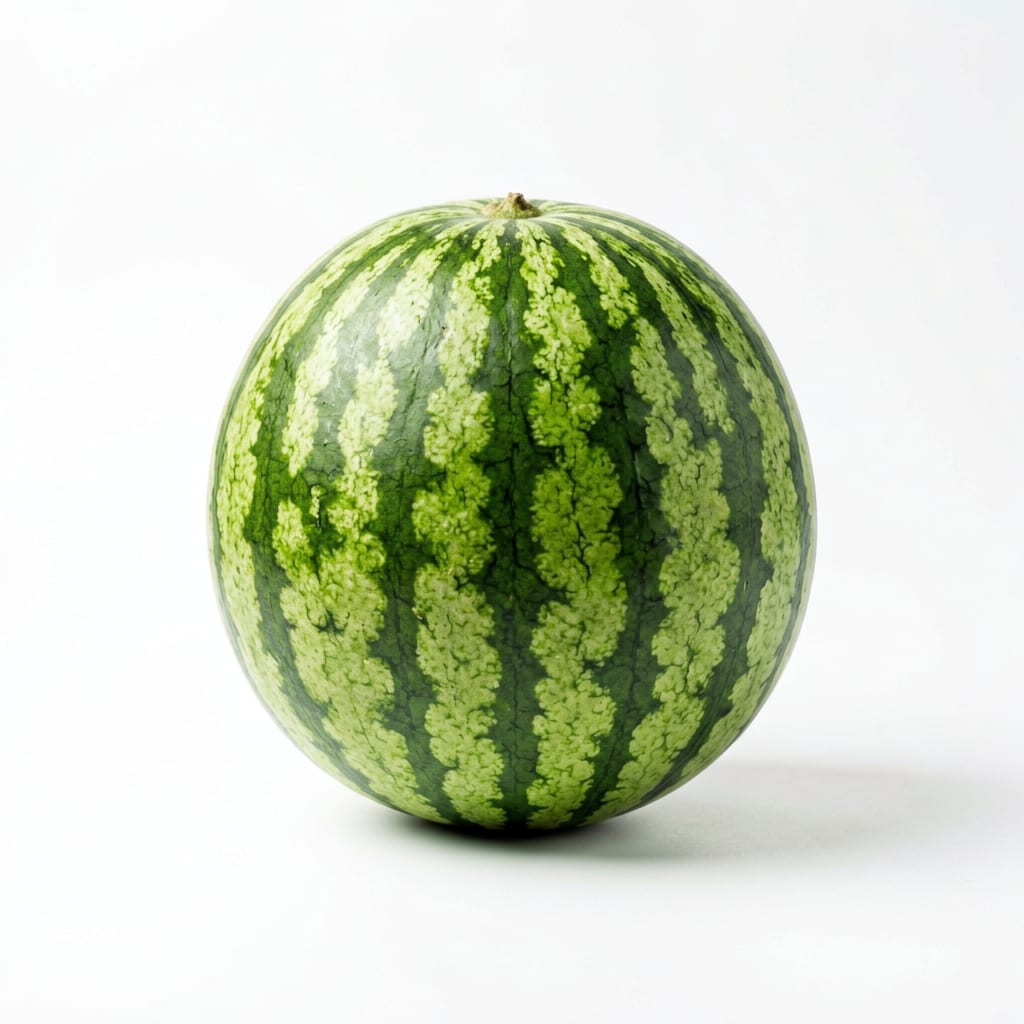
Watermelon
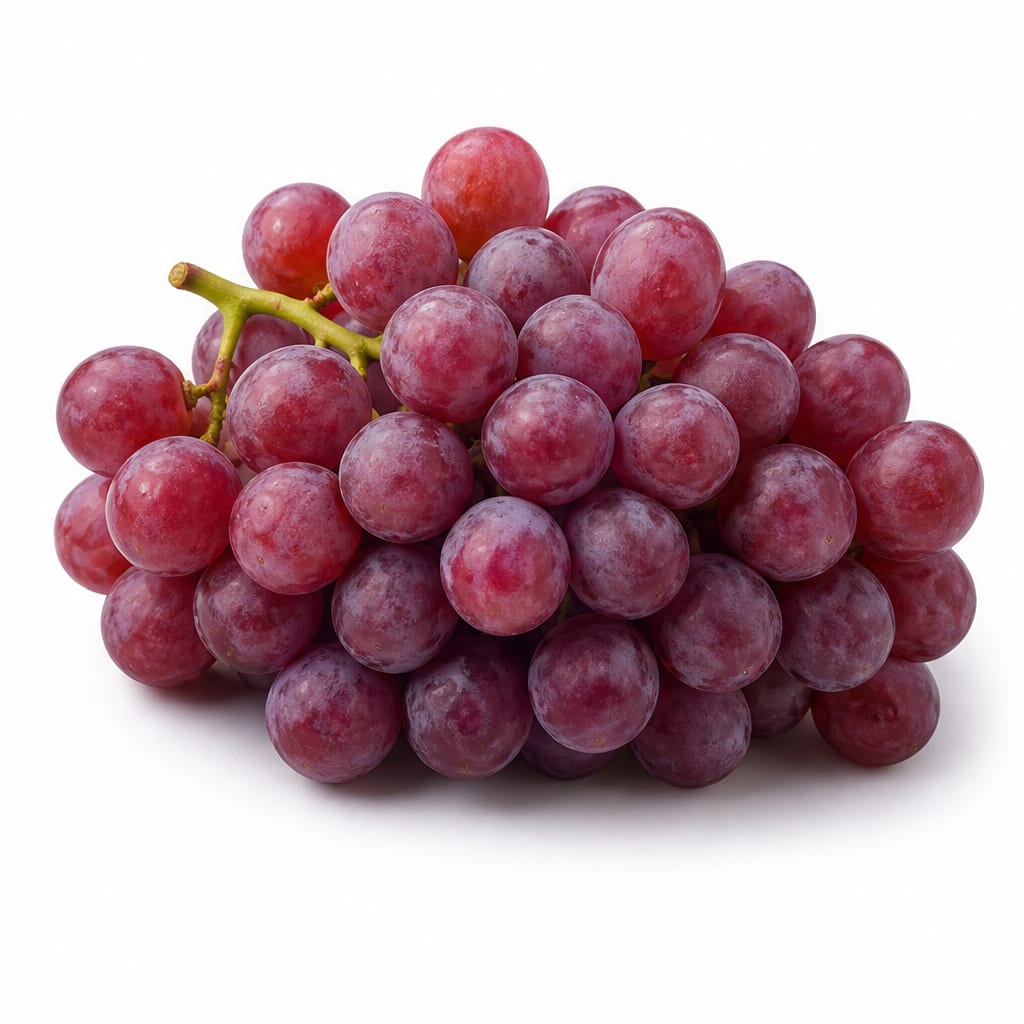
Grapes
Watermelon wins for hydration and effortless portion control; grapes win for portable snacking and concentrated antioxidants. Your pick depends on what you need most.
Watermelon edges ahead due to superior hydration, lower calorie density, and built-in portion control. Grapes score well for nutrient concentration and convenience but lose ground on sugar load and overeating risk.
Watermelon fills you up with water and volume for fewer calories, while grapes deliver more nutrition per bite but make overeating dangerously easy.
At a glance
Executive summary
Overall
It depends
Healthier
Watermelon
More practical
Grapes
Daily use
Watermelon
Key comparison lenses
sugar and blood sugar impact
Both are sweet fruits with notable sugar content, but grapes pack significantly more sugar per serving, making blood sugar response a central concern
hydration and calorie density
Watermelon's massive water content creates a fundamentally different eating experience and satiety signal compared to the concentrated sweetness of grapes
portion control and overeating risk
Grapes are notoriously easy to overeat due to their bite-sized nature and concentrated sweetness, while watermelon's bulk naturally limits intake
antioxidant profile differences
Watermelon offers lycopene while grapes provide resveratrol — two distinct antioxidant families with different health benefits worth comparing
pesticide and contamination exposure
Both fruits frequently appear on the Dirty Dozen list, making organic considerations relevant for regular consumers
Best choice for
Watermelon
- People tracking calories who want satisfying portions
- Hot weather hydration and refreshment
- Anyone who struggles with portion control
- Those seeking lycopene for heart and prostate health
- Post-workout rehydration
Grapes
- On-the-go snacking and lunchboxes
- People wanting resveratrol and polyphenol antioxidants
- Those who prefer concentrated, bite-sized fruit
- Hikers and outdoor athletes needing portable energy
- Anyone needing shelf-stable fruit for travel
Least suitable for
Watermelon
- People needing portable, mess-free snacks
- Anyone requiring calorie-dense fruit for weight gain
- Those who find water-rich foods unsatisfying
- Meal prep requiring long-lasting fruit
Grapes
- People with blood sugar concerns or insulin resistance
- Anyone prone to mindless snacking
- Those strictly limiting sugar intake
- People managing triglyceride levels
Deep comparison
Dimension by dimension
Each lens scores both foods and breaks down who each option suits.
- Dimension 1 · Priority 90Watermelon
Hydration and Fullness
Watermelon · 94Grapes · 52Watermelon is 92% water and physically fills your stomach, creating genuine fullness. Grapes provide minimal hydration and their small size means you can eat hundreds without feeling full.
Tradeoff
Watermelon's bulk is satisfying but makes it less portable. Grapes travel well but leave you wanting more.
Why it matters
Feeling full matters more than most people realize for long-term eating habits. Foods that naturally signal satiety help prevent overconsumption without willpower.
Real-world impact
A large bowl of watermelon leaves you stuffed for 86 calories. The same bowl of grapes delivers 350+ calories and you may still feel hungry.
Watermelon
- Hot summer days when hydration matters
- Large appetites that need volume satisfaction
- Replacing high-calorie desserts with something filling
Better for
- Commuting or travel due to juice and mess
- When you need compact calories
Worse for
Grapes
- Situations where carrying water-heavy fruit is impractical
- When you need energy density over volume
Better for
- Late-night snacking when portion control fails
- Anyone who eats until physically full rather than satisfied
Worse for
- Dimension 2 · Priority 88Watermelon
Sugar Load and Blood Sugar
Watermelon · 72Grapes · 48Grapes contain roughly twice the sugar per serving compared to watermelon. While watermelon has a higher glycemic index, its glycemic load per typical serving is actually lower because you eat less carbohydrate overall.
Tradeoff
Watermelon spikes blood sugar faster per gram of carb, but you consume far fewer carbs per serving. Grapes deliver a slower but significantly larger sugar load.
Why it matters
Total sugar consumed matters more than speed of absorption for most people. A large sugar load from grapes can overwhelm insulin response even if absorption is slightly slower.
Real-world impact
Two cups of grapes delivers about 36g of sugar — close to a can of soda. Two cups of watermelon delivers about 18g with far more fullness.
Watermelon
- People monitoring total sugar intake
- Those with mild insulin resistance
- Anyone trying to reduce sugar cravings
Better for
- Severe diabetics who react to any glycemic spike
- Those eating watermelon in very large quantities
Worse for
Grapes
- Athletes needing quick carbohydrate energy
- Endurance activities requiring sugar replenishment
Better for
- Prediabetics and type 2 diabetics
- Anyone with triglyceride concerns
- Children already consuming excess sugar
Worse for
- Dimension 3 · Priority 80Grapes
Antioxidant and Micronutrient Profile
Watermelon · 70Grapes · 82Grapes offer resveratrol, quercetin, and a broader polyphenol spectrum linked to heart and brain health. Watermelon counters with lycopene, one of the most potent antioxidants for cardiovascular and prostate protection.
Tradeoff
Grapes provide wider antioxidant variety while watermelon delivers one extremely potent antioxidant in lycopene. Different but both valuable.
Why it matters
Resveratrol supports blood vessel health and may slow cellular aging. Lycopene protects against oxidative damage in ways few other compounds can match.
Real-world impact
Regular grape consumption supports heart health through polyphenols. Regular watermelon consumption supports prostate and cardiovascular health through lycopene. Both matter, just differently.
Watermelon
- Men concerned about prostate health
- Those seeking cardiovascular protection
- People who do not eat tomatoes or cooked tomato products
Better for
- People already getting lycopene from tomato products
- Those wanting diverse polyphenol intake
Worse for
Grapes
- Those seeking broad-spectrum antioxidant support
- People interested in anti-aging polyphenols
- Anyone not regularly consuming berries or red wine
Better for
- People taking blood thinners who need to limit vitamin K
- Those sensitive to salicylates found in grape skins
Worse for
- Dimension 4 · Priority 85Watermelon
Portion Control and Overeating Risk
Watermelon · 90Grapes · 38Watermelon's sheer volume and water content create natural portion limits. Grapes are the classic mindless-eating food — small, sweet, and easy to consume by the handful without noticing.
Tradeoff
Watermelon self-regulates through physical fullness. Grapes require active willpower to stop eating, which most people underestimate.
Why it matters
The food you cannot overeat is almost always a better daily choice than the food you can easily overeat, regardless of nutrient content.
Real-world impact
Most people naturally stop after 2-3 cups of watermelon. Most people can easily eat an entire bag of grapes without thinking about it.
Watermelon
- Emotional eaters who struggle with stopping
- Anyone who snacks while watching TV
- People trying to lose weight without tracking
Better for
- Rarely a problem — overeating watermelon is uncommon
Worse for
Grapes
- Deliberate calorie surplus for weight gain
- Controlled pre-portioned snack packs
Better for
- Anyone with a history of binge eating
- Grazers who eat while distracted
- Children who will eat unlimited sweet foods
Worse for
- Dimension 5 · Priority 75Grapes
Convenience and Portability
Watermelon · 42Grapes · 88Grapes are the ultimate grab-and-go fruit. Watermelon requires cutting, creates mess, and does not travel well once sliced.
Tradeoff
Grapes sacrifice nothing for convenience. Watermelon demands preparation and careful storage but rewards you with more food volume.
Why it matters
The healthiest food means nothing if you cannot practically eat it. Convenience often determines what you actually reach for.
Real-world impact
Throwing grapes in a bag takes 5 seconds. Cutting watermelon requires a knife, cutting board, and containers for storage. On a busy morning, grapes win easily.
Watermelon
- Home consumption where mess does not matter
- Picnics and gatherings where whole watermelon works
- Meal prep sessions with dedicated cutting time
Better for
- Commuting and transit
- Quick on-the-go eating
- Small kitchens without prep space
Worse for
Grapes
- Office and workplace snacking
- School lunchboxes
- Road trips and travel
- Hiking and outdoor activities
Better for
- Situations where you want a meal-like eating experience
- Hot environments where grapes get mushy
Worse for
- Dimension 6 · Priority 65Watermelon
Digestive Tolerance
Watermelon · 80Grapes · 62Watermelon is gentle on most digestive systems due to its high water content and low fiber concentration. Grapes contain more fiber and tannins in the skin, which can cause bloating or discomfort in sensitive individuals.
Tradeoff
Watermelon is easier to digest but provides less digestive fiber benefit. Grapes support gut health better but may irritate sensitive systems.
Why it matters
Fruit should make you feel good after eating, not bloated or uncomfortable. Your individual tolerance often matters more than nutrient content.
Real-world impact
Watermelon after a heavy meal feels light and refreshing. A large bunch of grapes can leave you feeling gassy and uncomfortably full without the satisfying fullness.
Watermelon
- People with IBS or sensitive digestion
- Post-meal fruit when you want something light
- Anyone recovering from stomach illness
Better for
- Anyone specifically trying to increase fiber intake
Worse for
Grapes
- Those needing more fiber intake
- People with sluggish digestion who benefit from fiber stimulation
Better for
- FODMAP-sensitive individuals
- People prone to bloating from fructose
- Those with fructose intolerance
Worse for
Timeline
Health impact over time
Short-term
Hours to days
Watermelon
- Quick hydration after exercise or heat exposure
- Mild blood sugar rise that resolves within an hour for most people
- Physical fullness that reduces desire to eat more
- Refreshing satisfaction that feels like a treat rather than restriction
Grapes
- Rapid sugar delivery that can trigger cravings for more sweet foods
- Easy to consume a large sugar load before feeling full
- Mild digestive discomfort if eaten in large quantities
- Convenient energy boost for active moments
Long-term
Months to years
Watermelon
- Lycopene intake supports cardiovascular and prostate health over years
- Consistent hydration supports kidney function and skin health
- Low calorie density supports sustainable weight management
- Unlikely to contribute to sugar-related metabolic issues at normal portions
Grapes
- Resveratrol and polyphenols support heart and brain health with regular consumption
- Risk of excess sugar intake if portion control is poor
- May contribute to elevated triglycerides if consumed in large quantities regularly
- Fiber supports gut microbiome diversity over time
Risk profile
Safety & processing
Both watermelon and grapes are whole, unprocessed fruits you eat as nature intended. Neither typically contains added ingredients when purchased fresh. The main concern is pesticide residue rather than processing.
Watermelon
Pesticide residue on rind
mediumConventionally grown watermelon can carry pesticide residues on the rind that may transfer to flesh during cutting. Washing the exterior before cutting significantly reduces this risk.
Foodborne illness from improper storage
lowCut watermelon left at room temperature can harbor bacteria. Refrigerate promptly after cutting and consume within 3-4 days.
Grapes
Pesticide residue
highGrapes consistently rank on the EWG Dirty Dozen list with multiple pesticide residues detected on conventional samples. Thin skins absorb and retain sprays. Washing helps but does not eliminate all residues. Organic is strongly recommended for frequent consumers.
Mold and fungal contamination
mediumGrapes are prone to mold growth, especially in warm or humid conditions. Inspect bunches carefully and discard any soft or wrinkled grapes immediately.
Who wins for whom
Audience fit
Same foods, different winners depending on your goal.
children
It dependsGrapes are a choking hazard for children under 4 and must be cut. Watermelon is safer for toddlers but messier. For older children, grapes are more lunchbox-friendly but require portion guidance due to sugar content.
daily consumption
WatermelonWatermelon's lower sugar load, superior hydration, and natural portion control make it a safer daily staple. Grapes are fine daily in strict moderation but most people struggle to keep portions small.
diabetes
WatermelonDespite a higher glycemic index, watermelon's lower glycemic load per typical serving and built-in portion control make it the safer choice. Grapes' concentrated sugar makes blood sugar management harder.
elderly
WatermelonWatermelon's hydration benefits, soft texture, and lycopene content are especially valuable for older adults. Grapes can be difficult to chew for those with dental issues and their sugar load is less appropriate for age-related insulin resistance.
muscle gain
GrapesGrapes provide more carbohydrate energy per serving, which supports training intensity and glycogen replenishment. Neither fruit is a significant protein source.
weight loss
WatermelonWatermelon's low calorie density and high volume make it far easier to eat satisfying portions without overshooting your calorie budget. Grapes are easy to overeat and deliver twice the calories per cup.
Your move
Decision guide
Choose Watermelon
- You want to feel full without consuming excess calories
- Heat or exercise has left you dehydrated
- You struggle with portion control and mindless snacking
- Prostate or cardiovascular health is a priority
- You want a refreshing post-meal treat that will not spike sugar heavily
Choose Grapes
- You need a portable, mess-free snack for work or travel
- You are an athlete seeking concentrated carbohydrate energy
- Heart and brain health through polyphenols is your priority
- You can reliably control your portions and stop at one serving
- You want a fruit that pairs well with cheese, nuts, or charcuterie
Either works if
- You simply want fresh fruit and both are available
- You are rotating fruits for antioxidant diversity
- Neither is a dietary staple — just occasional enjoyment
Avoid both if
- You have severe fructose intolerance or malabsorption
- You are on a strict very-low-carb or ketogenic diet
- You have been advised to limit all fruit sugar by your doctor
Final recommendation
Make watermelon your default daily fruit for its hydration, lower sugar impact, and effortless portion control. Add grapes occasionally for their unique polyphenol benefits, but pre-portion them into small containers to prevent mindless overeating. If you buy grapes regularly, choose organic — their pesticide residue profile is among the worst of all fruits.
Practical
Consumer tips
- 1
Wash watermelon rind thoroughly before cutting — knife blades drag surface bacteria into the flesh
- 2
Freeze grapes for a naturally sweet, long-lasting treat that forces slower eating
- 3
Pre-portion grapes into snack bags immediately after purchase to avoid eating the entire bag
- 4
Choose organic grapes whenever possible due to high pesticide residue on conventional varieties
- 5
Store cut watermelon in airtight containers and consume within 3-4 days for best quality
- 6
Red and black grapes contain more resveratrol than green grapes — choose darker varieties when available
- 7
Seedless watermelon and grapes are convenient but seeded varieties often have slightly more nutrient density