
Nutrition comparison
Watermelon vs Strawberries: Which Fruit Is Healthier for You?
Compare watermelon and strawberries on blood sugar impact, hydration, pesticides, weight loss, and daily nutrition. Find out which fruit fits your health goals better.
Overall winner · Strawberries
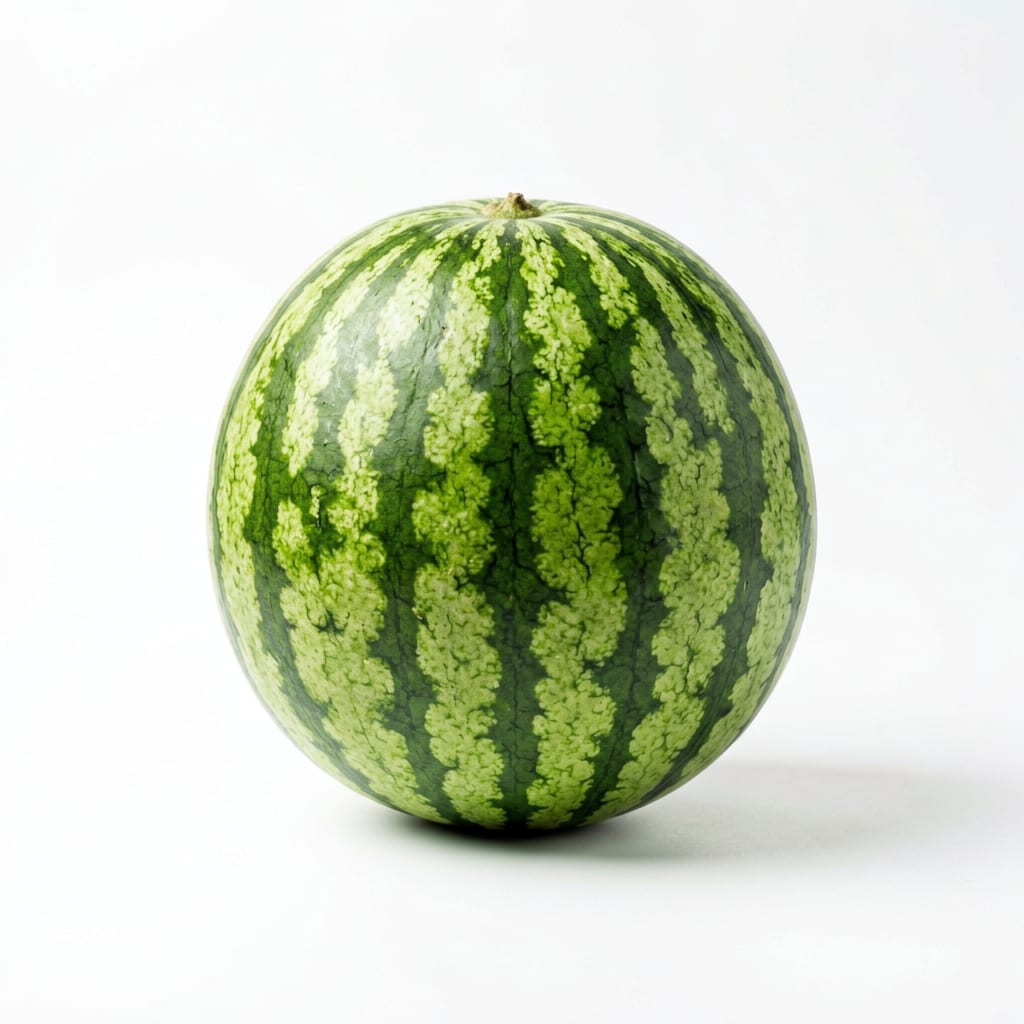
Watermelon
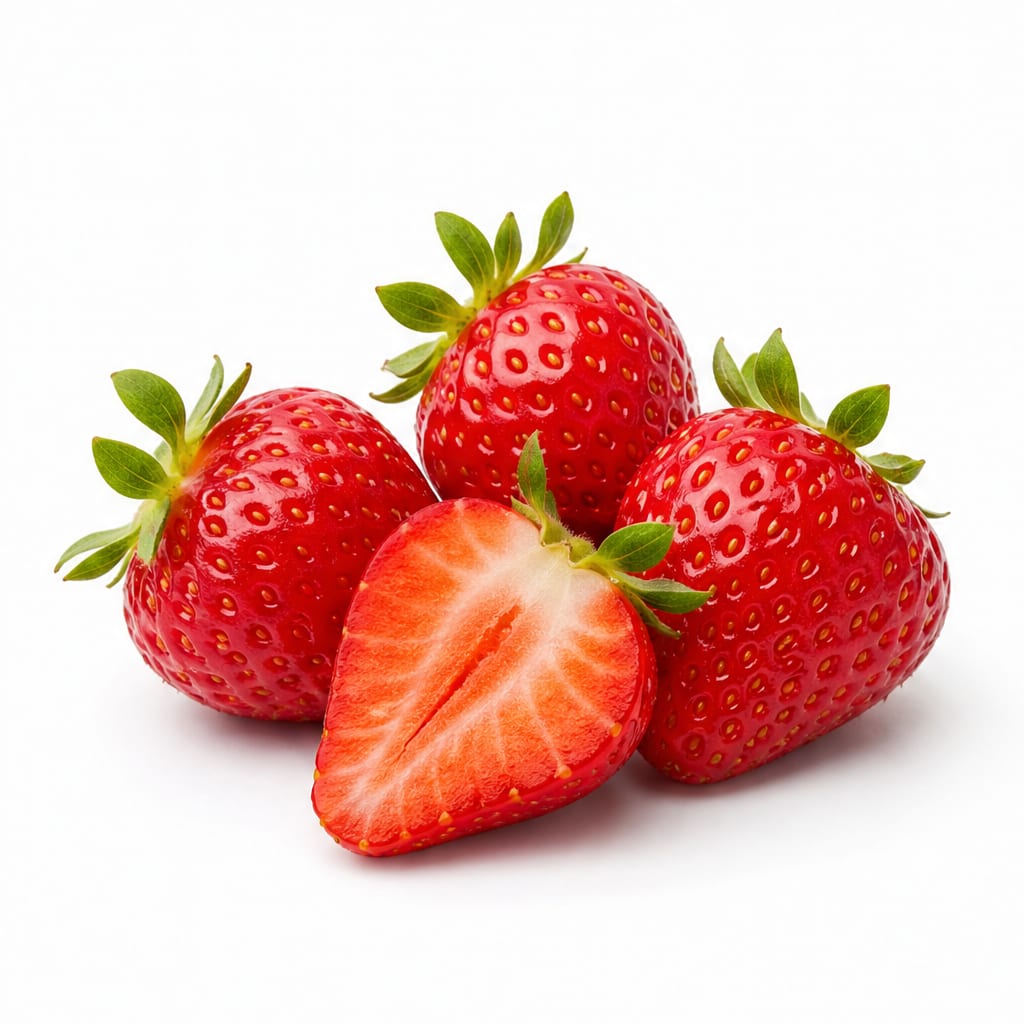
Strawberries
Strawberries edge out watermelon for most health goals thanks to better blood sugar control, more fiber, and higher vitamin C — but watermelon dominates for hydration and low-calorie volume eating.
Strawberries score higher due to superior fiber, lower glycemic impact, and richer micronutrient density per calorie. Watermelon remains valuable but its high GI and lower satiety narrow its best-use cases.
Refreshing volume and hydration versus steadier energy and more nutrients per bite.
At a glance
Executive summary
Overall
Strawberries
Healthier
Strawberries
More practical
Strawberries
Daily use
Strawberries
Key comparison lenses
blood sugar impact and diabetes-friendliness
Watermelon has a high glycemic index while strawberries are low-GI, making this critical for many users
weight loss and calorie efficiency
Both are popular diet fruits but differ significantly in calorie density and satiety
pesticide exposure and safety
Strawberries consistently rank on the Dirty Dozen list while watermelon's thick rind offers protection
hydration and refreshment
Watermelon is uniquely hydrating compared to almost any other fruit
antioxidant diversity
Lycopene versus anthocyanins represents two very different antioxidant strategies
Best choice for
Watermelon
- Hot summer hydration when water alone feels boring
- Low-calorie volume eating to feel full without overeating
- Post-workout rehydration and light carb replenishment
- People who struggle to drink enough fluids
Strawberries
- Steady energy without blood sugar spikes
- Daily fruit intake with real satiety value
- Vitamin C and antioxidant insurance in a small package
- Weight loss diets requiring portion control
Least suitable for
Watermelon
- Strict low-carb or keto diets
- Blood sugar management without portion discipline
- Anyone needing portable, non-messy snacks
- Meal prep since it spoils quickly once cut
Strawberries
- Budget-conscious shoppers unless buying frozen
- People highly concerned about pesticide exposure who cannot find organic
- Anyone with strawberry allergies or salicylate sensitivity
- Large-volume eating strategies due to cost per serving
Deep comparison
Dimension by dimension
Each lens scores both foods and breaks down who each option suits.
- Dimension 1 · Priority 95Strawberries
Blood Sugar Stability
Watermelon · 45Strawberries · 88Strawberries keep blood sugar far steadier. Watermelon spikes glucose faster despite its high water content.
Tradeoff
Watermelon's high GI (72-80) means rapid glucose absorption, while strawberries at GI ~40 digest slowly thanks to fiber and polyphenols that slow sugar release.
Why it matters
For anyone watching blood sugar — not just diabetics — this difference affects energy crashes, cravings, and mood within an hour of eating.
Real-world impact
A bowl of strawberries at 3pm sustains you until dinner. A similar portion of watermelon may leave you hungry again 45 minutes later.
Watermelon
- Athletes needing quick carbs during endurance activity
- Post-workout when rapid glycogen replenishment is the goal
Better for
- Late-night snacking where blood sugar should stay flat
- Intermittent fasters breaking a fast gently
Worse for
Strawberries
- Prediabetics and diabetics managing glucose
- Afternoon snackers trying to avoid energy crashes
- Anyone prone to sugar cravings after eating fruit
Better for
- Mid-run fueling where you need immediate available energy
Worse for
- Dimension 2 · Priority 82Watermelon
Hydration and Refreshment
Watermelon · 97Strawberries · 62Watermelon is essentially flavored water with benefits. Nothing else in the fruit aisle hydrates like it.
Tradeoff
That 92% water content makes watermelon uniquely refreshing but also dilutes its nutrient density per serving compared to strawberries.
Why it matters
Most people are mildly dehydrated daily. A food that actively hydrates while tasting great has real utility, especially in summer.
Real-world impact
After mowing the lawn or a hot commute, watermelon actually replaces fluids in a way strawberries cannot match.
Watermelon
- Summer heat when plain water feels unappealing
- Post-exercise rehydration beyond just electrolytes
- Elderly individuals who forget to drink enough
Better for
- Situations where you need concentrated nutrition in a small serving
Worse for
Strawberries
- Everyday eating where hydration from beverages is sufficient
Better for
- Hot outdoor activities where hydration from food matters
Worse for
- Dimension 3 · Priority 88Strawberries
Satiety and Fullness
Watermelon · 48Strawberries · 79Strawberries keep you fuller longer. Watermelon fills your stomach temporarily but the feeling fades fast.
Tradeoff
Watermelon's volume-based fullness is real but short-lived. Strawberries deliver fiber-driven satiety that persists.
Why it matters
The difference between feeling full for 30 minutes versus 2 hours determines whether you reach for another snack.
Real-world impact
Two cups of strawberries as a snack genuinely takes the edge off. Two cups of watermelon feels satisfying initially but hunger returns quickly.
Watermelon
- Volume eaters who want to feel physically stuffed on few calories
- Right before a meal to reduce overall intake
Better for
- Standalone snacks where you need hours of satiety
Worse for
Strawberries
- Between-meal snacking where lasting fullness matters
- Breakfast pairings where fruit should carry its weight
Better for
- Situations where you want light eating without feeling heavy
Worse for
- Dimension 4 · Priority 78It depends
Antioxidant Profile
Watermelon · 80Strawberries · 85Different antioxidant strategies: watermelon brings lycopene, strawberries bring anthocyanins and ellagic acid. Both are valuable.
Tradeoff
Watermelon is a top lycopene source that rivals tomatoes. Strawberries offer broader antioxidant diversity but less lycopene.
Why it matters
Lycopene supports prostate and cardiovascular health. Anthocyanins support brain and vascular health. You benefit most from both.
Real-world impact
Eating both across the week gives better coverage than loading up on just one.
Watermelon
- Men focused on prostate health
- Cardiovascular protection through lycopene specifically
Better for
- Those seeking broad-spectrum antioxidant coverage from a single fruit
Worse for
Strawberries
- Cognitive health and brain aging protection
- Anti-inflammatory benefits from diverse polyphenols
Better for
- Anyone specifically targeting lycopene intake
Worse for
- Dimension 5 · Priority 85Watermelon
Pesticide and Contamination Safety
Watermelon · 88Strawberries · 42Watermelon's thick rind shields it from pesticides. Strawberries are among the most contaminated fruits available.
Tradeoff
Conventionally grown strawberries consistently land on the EWG Dirty Dozen. Watermelon's protective rind means even conventional is relatively clean.
Why it matters
Pesticide exposure accumulates over time. Choosing cleaner produce matters more than most people think for long-term health.
Real-world impact
If you cannot afford organic, watermelon is the safer bet. With strawberries, organic is almost worth the premium.
Watermelon
- Budget-limited shoppers buying conventional produce
- Parents feeding kids who want to minimize pesticide load
Better for
- Rare concerns about soil-borne contaminants in melons from certain regions
Worse for
Strawberries
- Anyone with reliable access to organic strawberries
Better for
- Conventional strawberry consumption multiple times per week
Worse for
- Dimension 6 · Priority 72Strawberries
Vitamin and Mineral Density
Watermelon · 55Strawberries · 86Strawberries pack significantly more vitamin C, manganese, and folate per calorie. Watermelon offers vitamin A and lycopene but less overall.
Tradeoff
Watermelon's high water content dilutes its micronutrient concentration. Strawberries deliver more nutrition per bite and per calorie.
Why it matters
If fruit is one of your primary vitamin sources, strawberries contribute more meaningfully to daily targets.
Real-world impact
One cup of strawberries covers over 100% of daily vitamin C. Watermelon covers about 21%.
Watermelon
- Vitamin A intake from beta-carotene
- Potassium replenishment in a hydrating format
Better for
- Reliance on it as a primary micronutrient source
Worse for
Strawberries
- Vitamin C needs especially during cold season
- Manganese and folate support for active individuals
Better for
- Situations where vitamin A specifically is the priority
Worse for
- Dimension 7 · Priority 70Strawberries
Convenience and Portability
Watermelon · 40Strawberries · 82Strawberries are grab-and-go. Watermelon requires cutting, dripping, and dealing with rind.
Tradeoff
A whole watermelon is heavy, messy, and spoils fast once cut. Strawberries are pre-portioned and travel well.
Why it matters
The fruit you can actually bring to work or pack for kids is the fruit that gets eaten consistently.
Real-world impact
Strawberries in a container go from fridge to lunchbag in seconds. Watermelon prep means a cutting board, sticky hands, and storage planning.
Watermelon
- Home consumption where mess does not matter
- Parties and gatherings where large-format fruit makes sense
Better for
- Commuting, desk snacking, or any eating away from home
Worse for
Strawberries
- Office and school lunches
- On-the-go snacking and travel
- Meal prep containers for the week
Better for
- Serving large groups where individual berries become expensive
Worse for
Timeline
Health impact over time
Short-term
Hours to days
Watermelon
- Rapid but short-lived energy boost from quick-digesting sugars
- Noticeable hydration effect within 30 minutes
- Possible hunger rebound 45-60 minutes after eating a standard portion
Strawberries
- Steady energy without the crash due to fiber slowing absorption
- Moderate satiety that lasts 1-2 hours
- Vitamin C absorption supporting immediate immune function
Long-term
Months to years
Watermelon
- Consistent lycopene intake supports cardiovascular and prostate health
- High water content promotes kidney function and reduces stone risk
- Without portion awareness, frequent high-GI fruit may challenge insulin sensitivity
Strawberries
- Anthocyanin and ellagic acid intake linked to reduced cancer risk markers
- Regular fiber supports gut microbiome diversity and digestive health
- Lower glycemic load protects long-term metabolic health when eaten consistently
Risk profile
Safety & processing
Both are whole, unprocessed fruits in their natural state. The real concern is not processing but agricultural chemicals — strawberries carry significantly more pesticide residue when conventionally grown.
Watermelon
Foodborne illness from melon cutting
mediumKnife blades can drag bacteria from the rind into the flesh. Always wash the exterior before cutting.
Rapid spoilage after cutting
mediumCut watermelon left at room temperature or in the fridge too long can grow listeria. Consume within 3-4 days refrigerated.
Strawberries
Pesticide residue
highStrawberries rank #1 or near the top on the EWG Dirty Dozen nearly every year. Multiple pesticide residues are common on conventional berries.
Mold and spoilage
mediumStrawberries mold quickly, sometimes within 1-2 days. Mold toxins can spread before visible spots appear.
Allergic reactions
lowStrawberry allergy is relatively common, especially in children, and can cause oral allergy syndrome or hives.
Who wins for whom
Audience fit
Same foods, different winners depending on your goal.
children
It dependsStrawberries win on nutrition but watermelon wins on pesticide safety if buying conventional. Choose organic strawberries for kids when possible.
daily consumption
StrawberriesBetter nutrient density, steadier energy, and more consistent satiety make strawberries a more reliable daily staple.
diabetes
StrawberriesLow glycemic index and high fiber make strawberries far safer for glucose management. Watermelon requires strict portion control.
elderly
WatermelonHydration is a critical concern for older adults and watermelon addresses it directly. The soft texture is also easy to eat.
muscle gain
WatermelonWatermelon's quick-digesting carbs and citrulline content support post-workout recovery and nutrient delivery to muscles.
weight loss
StrawberriesStrawberries provide more satiety per calorie and better blood sugar control, reducing the likelihood of overeating later.
Your move
Decision guide
Choose Watermelon
- You want maximum hydration from food, especially in summer
- You are an athlete needing quick post-workout carbs and fluid
- Volume eating helps you feel satisfied without overconsuming calories
- You buy conventional produce and want to minimize pesticide exposure
- You are caring for an elderly person who does not drink enough water
Choose Strawberries
- Blood sugar control is a priority for you
- You want a daily fruit that keeps you full between meals
- Vitamin C intake matters to your immune strategy
- You can access organic berries or are willing to pay the premium
- You need a portable, mess-free fruit for work or school
Either works if
- You simply want more whole fruit variety in your diet
- Antioxidant diversity from different colored produce is your goal
- Neither fruit is a dietary staple and you rotate seasonally
Avoid both if
- You are on a strict ketogenic diet keeping carbs under 20g daily
- You have fructose intolerance or malabsorption issues
- You need high-protein snacks and are using fruit as a meal replacement
Final recommendation
Eat both across the week for complementary benefits — strawberries as your daily driver for steady energy and nutrients, watermelon as your strategic hydrator when heat, thirst, or post-workout recovery call for it. If you must pick one for daily use, strawberries give you more per bite. If organic is not in your budget, watermelon is the safer conventional choice.
Practical
Consumer tips
- 1
If buying conventional strawberries, soak them in a baking soda solution for 12-15 minutes to reduce surface pesticide residue
- 2
Buy frozen organic strawberries for smoothies — they are cheaper, already washed, and nutritionally comparable to fresh
- 3
Store strawberries unwashed in a paper towel-lined container to extend shelf life by 2-3 days
- 4
Always wash watermelon rind before cutting to prevent dragging bacteria into the flesh
- 5
Pre-cut watermelon from stores spoils faster and loses vitamin C — cut your own when possible
- 6
Freeze leftover watermelon cubes for blending into slushies or infusing water later