
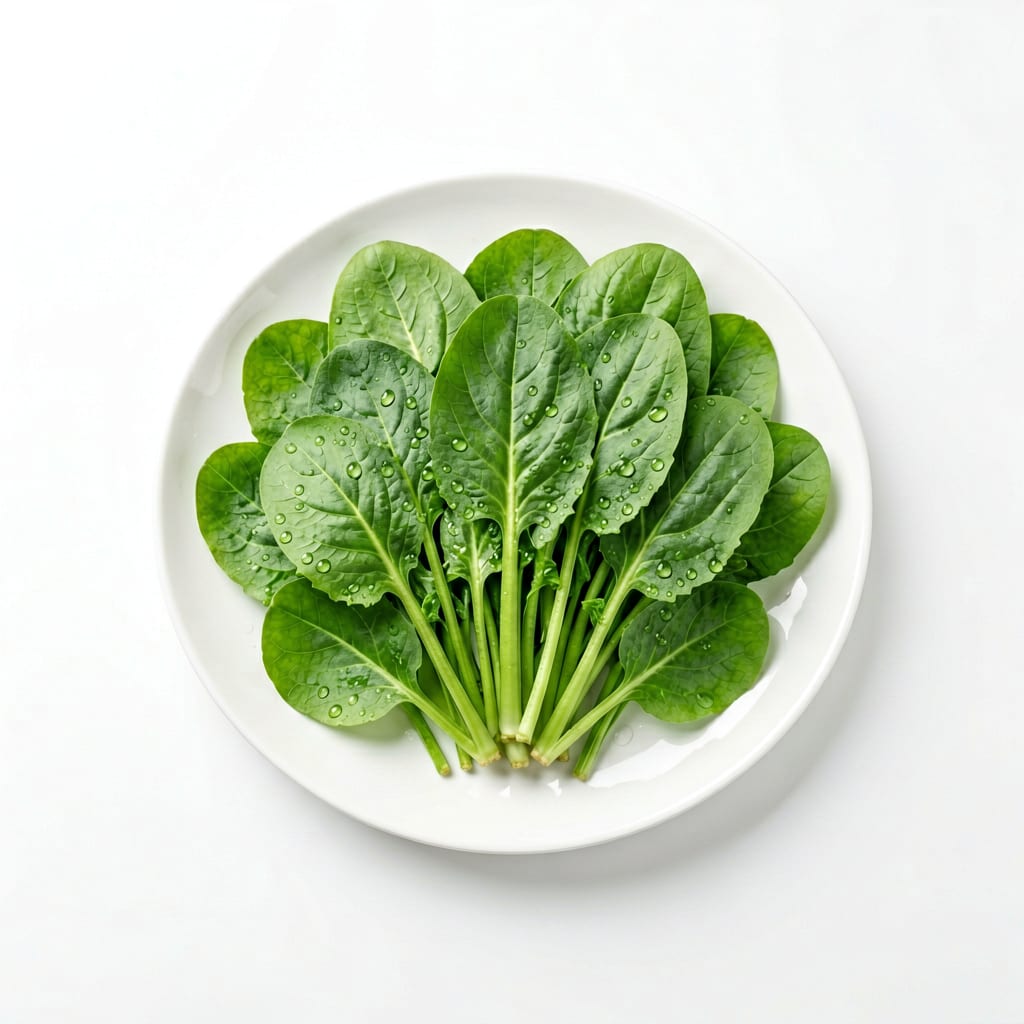
Leafy Green Vegetable
Watercress
Watercress is a nutrient-dense aquatic leafy green known for its high vitamin and antioxidant content and very low calorie count.
Watercress is a rapidly growing, aquatic or semi-aquatic perennial plant native to Europe and Asia, and one of the oldest known leaf vegetables consumed by humans.
nutrient-dense low-calorie leafy green
Typical serving · 34g
Common varieties · common watercress, garden cress, upland cress
Overall context score across nutrition, safety, and diet fit
At a glance
Quick facts
Simple indicators based on nutrition, processing, and diet fit.
The story
What makes it unique
Watercress is an exceptionally nutrient-dense leafy green with a high water content and very low energy density. It digests quickly due to its high water and low fiber content relative to its mass, yet provides remarkable concentrations of vitamins K, C, and A, alongside glucosinolates which offer chemoprotective properties.
Varieties: common watercress · garden cress · upland cress
Per 100g
Nutrition breakdown
Macro balance and key metrics at a glance.
Energy
Density 0.11 kcal/g
Protein
Carbs
Fat
Fiber
Sugar
0.2 g
Sodium
79 mg
Potassium
330 mg
Glycemic index
15
Glycemic load
0
Water content
95%
Standout compounds
Nutrient highlights
Vitamin K
highEssential for blood clotting and bone metabolism
Vitamin C
highSupports immune function and collagen synthesis
Vitamin A
moderateImportant for vision and immune health
Glucosinolates
highCompounds with chemoprotective and antioxidant properties
Potassium
moderateHelps regulate blood pressure and fluid balance
Wellness map
Health scores & processing
NOVA processing scale
unprocessed or minimally processed · Whole food
Raw watercress is a whole, unprocessed plant food.
Diet compatibility
- Weight loss
- Muscle gain
- Diabetes
- Gut health
- Low carb
- High protein
- Heart health
Relative standing
Food rankings
Qualitative ranks compared to similar whole foods.
- Satietygood
- Blood sugarexcellent
- Nutrient densityexcellent
- Fitness fuelpoor
- Processing qualityexcellent
Eat with confidence
Food safety profile
Commercially cultivated watercress is generally safe, but wild-harvested varieties can carry waterborne parasites. Washing thoroughly is recommended.
Evidence confidence 85%
- Pesticidesmoderate
- Antibioticslow
- Heavy metalsmoderate
- Contaminationmoderate
Watch for
- liver fluke
- heavy metals
- pesticide residue
Safer choices
Commercially packaged watercress from reputable suppliers
Prep tips
Rinse thoroughly under cold running water and soak if needed to remove grit and potential contaminants.
Commercially grown watercress is strictly regulated for water quality, but wild-harvested watercress poses significant parasitic risks.
Deep dive
Health analysis
How this food may fit different goals and preparation choices.
Weight loss
Extremely low energy density allows large portions with minimal calories, promoting fullness without caloric excess.
Blood sugar
Virtually zero glycemic load makes it ideal for stabilizing blood sugar and managing insulin response.
Fitness & energy
Not a meaningful source of workout fuel due to near-zero calories and carbs, but excellent for recovery micronutrients.
Gut health
Contains dietary fiber and glucosinolates that support gut lining integrity and a healthy microbiome.
Processing quality
Whole food in its natural state with no additives or processing required.
Food safety
Primary concern is water quality during cultivation; commercial sources are safe, but foraging from wild streams carries parasitic risk.
Common mistakes
Overcooking watercress destroys its heat-sensitive vitamin C and glucosinolates; eating it raw or lightly wilted is best.
Best preparation
Raw in salads, added to sandwiches, or blended into smoothies to preserve heat-sensitive nutrients.
Practical guide
Best use cases
When and how this food fits real eating patterns.
high-volume low-calorie eating
Bulk up meals significantly without adding noticeable calories by using watercress as a salad base.
nutrient-dense salad base
Replace iceberg lettuce with watercress to drastically increase the vitamin and mineral content of salads.
sandwich topping
Add fresh crunch and a peppery kick to sandwiches and burgers while boosting micronutrient intake.
smoothie ingredient
Blend into green smoothies for a potent dose of vitamins K and C without altering the flavor profile heavily.
Balance sheet
Pros & cons
Upsides
- Highest nutrient density score per calorie of any vegetable
- Extremely low calorie and carbohydrate content
- Rich in disease-fighting glucosinolates
- High in vitamin K for bone and blood health
- Versatile raw ingredient for salads and sandwiches
Trade-offs
- Peppery flavor may be too intense for some palates
- High vitamin K requires caution for those on blood thinners
- Short shelf life and wilts quickly
- Contains oxalates which can affect kidney stone-prone individuals
- Not a significant source of energy or protein
Fit check
Who is it for?
Great match
- weight loss diets
- nutrient maximization
- blood sugar control
- bone health support
Consider alternatives
- blood thinner users
- high-oxalate restricted diets
- calorie or carb loading for endurance
Side by side
How it compares
Open the full head-to-head analysis for nutrition, safety, and practical tradeoffs.
This food
Watercress
VS90% alike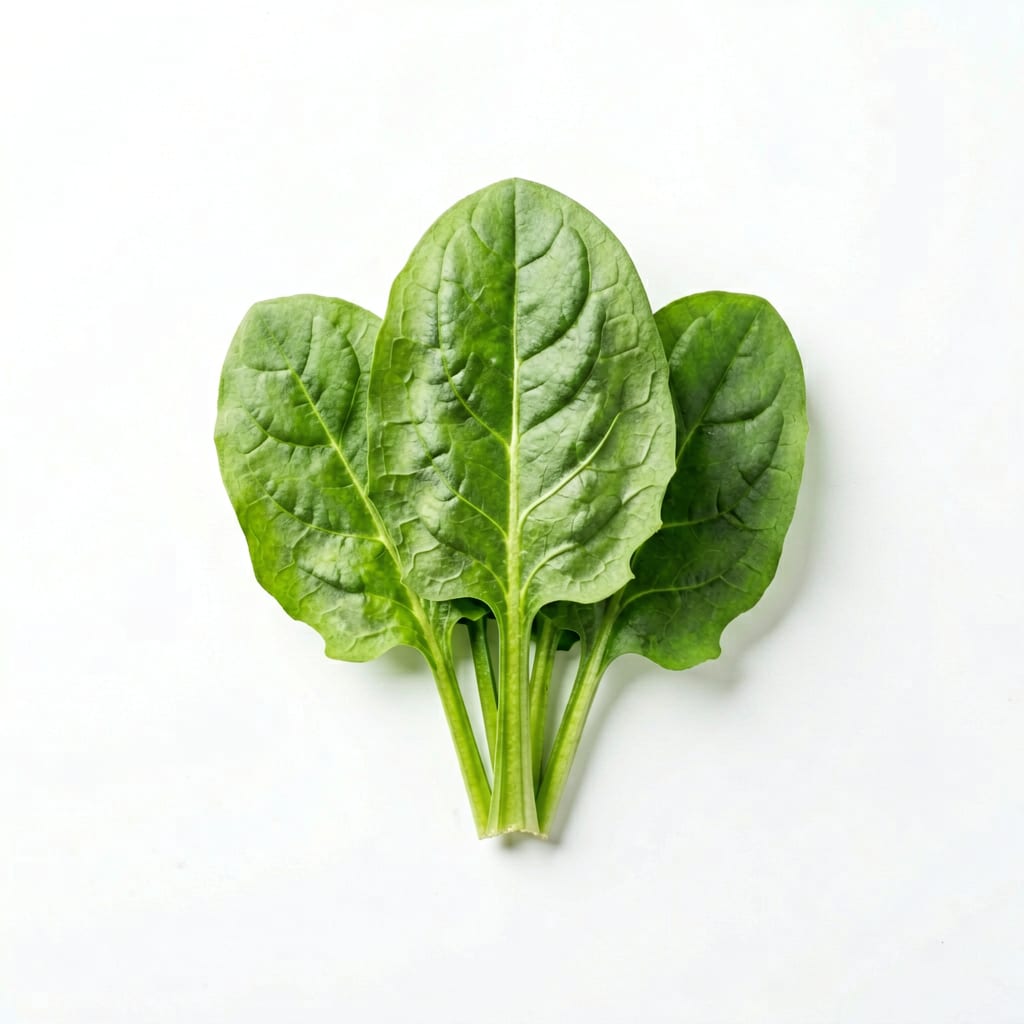
Compare with
Spinach
Spinach is milder and higher in iron, but watercress is more nutrient-dense per calorie.
Watercress provides more vitamin K and nutrient density per calorie, while spinach offers more iron and is milder in flavor.
This food
Watercress
VS85% alike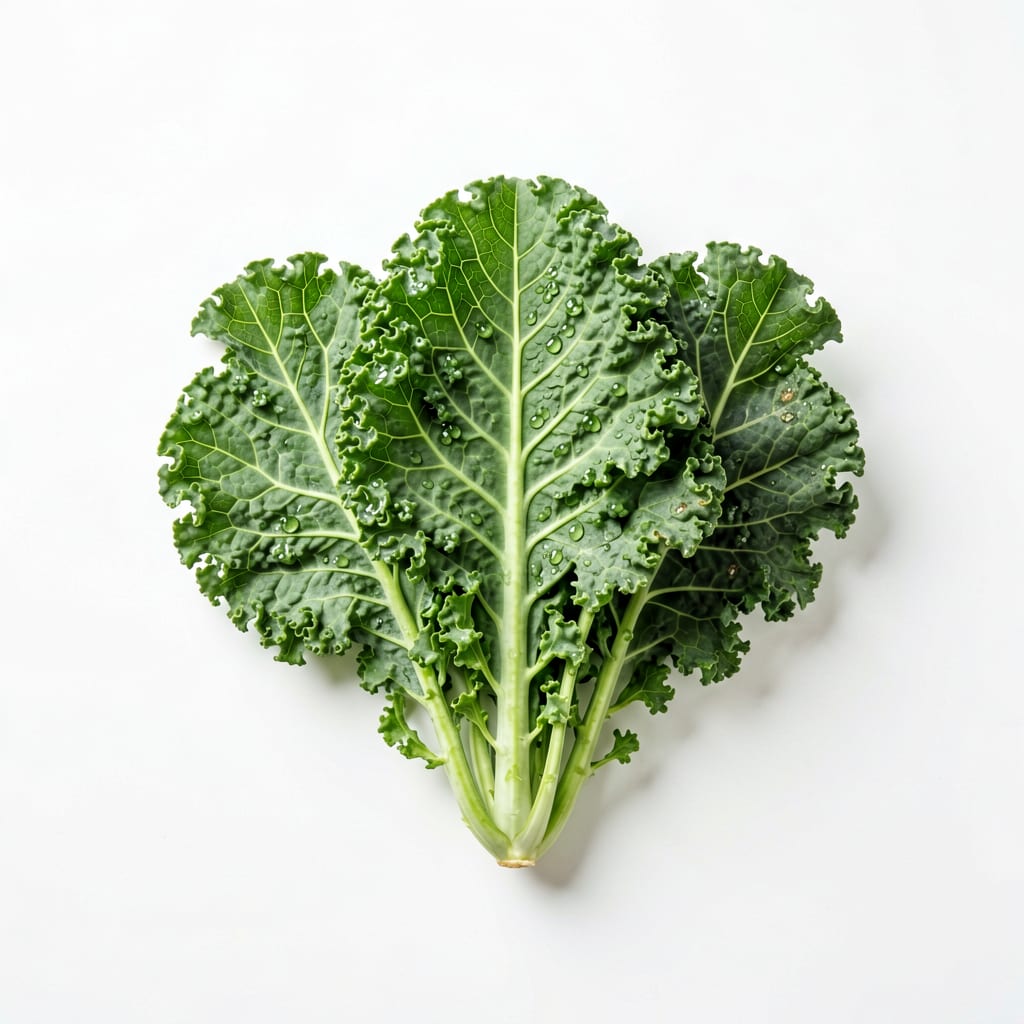
Compare with
Kale
Kale is denser and higher in fiber, while watercress is lighter and more nutrient-dense per calorie.
Kale provides more fiber and volume for satiety, while watercress delivers more micronutrients per calorie.
This food
Watercress
VS88% alike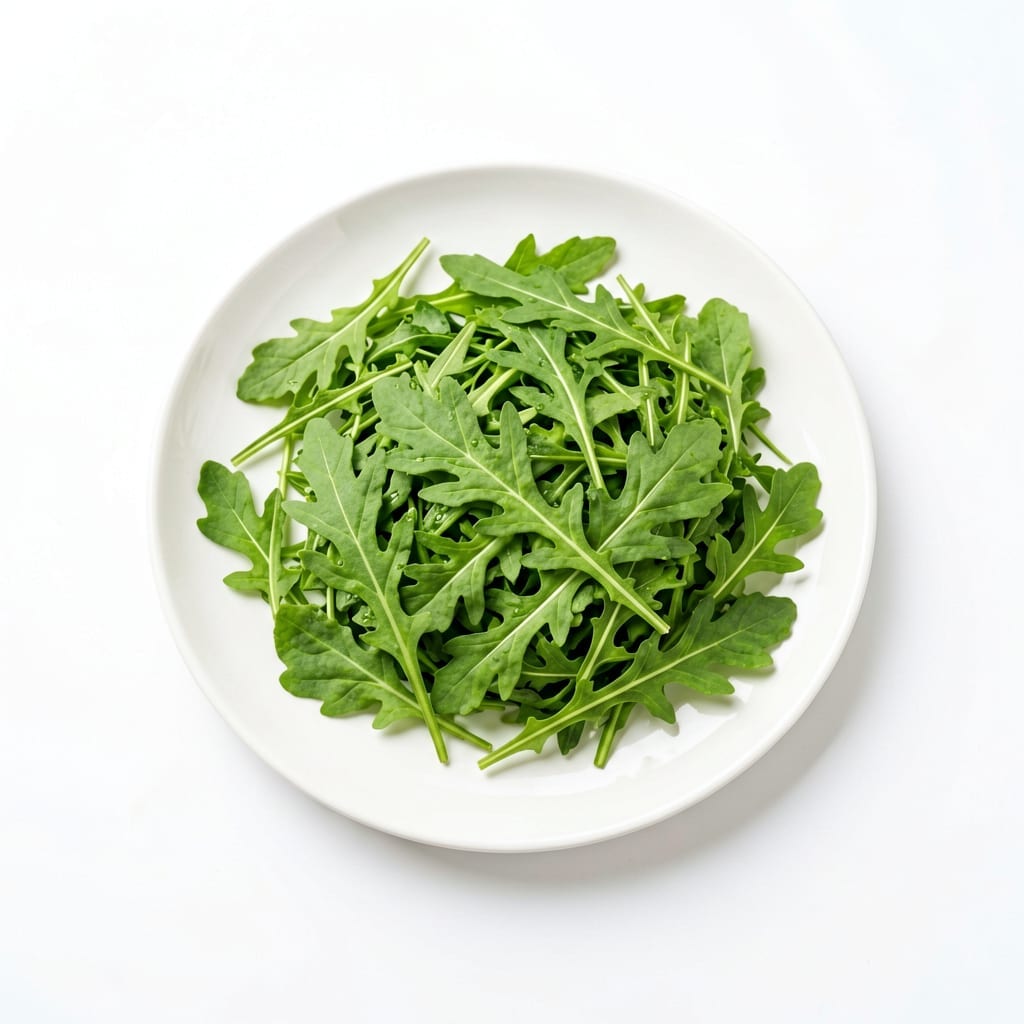
Compare with
Arugula
Both are peppery greens, but watercress provides more vitamin K and vitamin C.
Arugula and watercress share a peppery flavor, but watercress is significantly higher in vitamin K and overall antioxidant content.
This food
Watercress
VS75% alike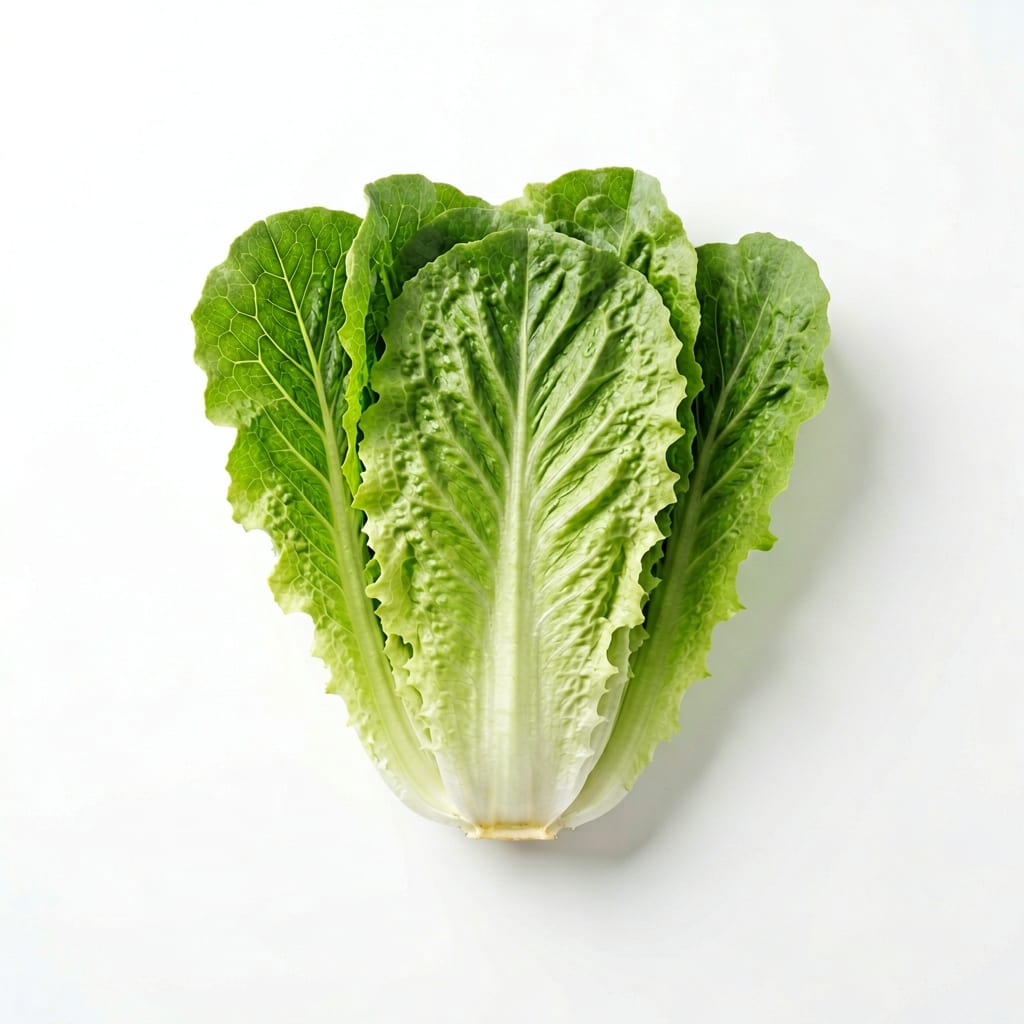
Compare with
Romaine Lettuce
Romaine is crunchier and milder, but watercress is vastly superior in vitamin and mineral density.
Romaine offers more crunch and volume, but watercress is far superior in vitamin density and health benefits.
This food
Watercress
VS80% alike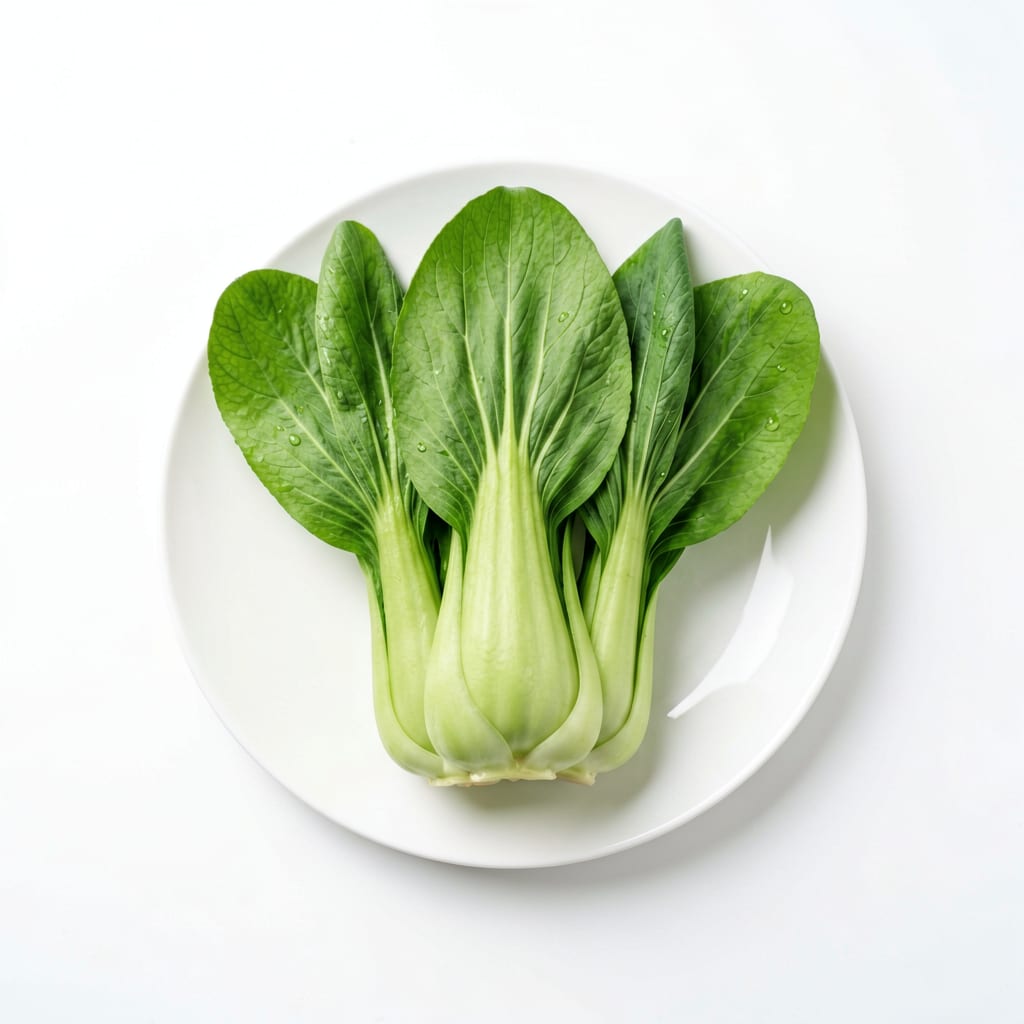
Compare with
Bok Choy
Bok choy offers more calcium and a milder flavor, while watercress is richer in vitamin K and antioxidants.
Bok choy provides more calcium and a crispier texture, while watercress wins on overall nutrient density per calorie.
This food
Watercress
VS70% alike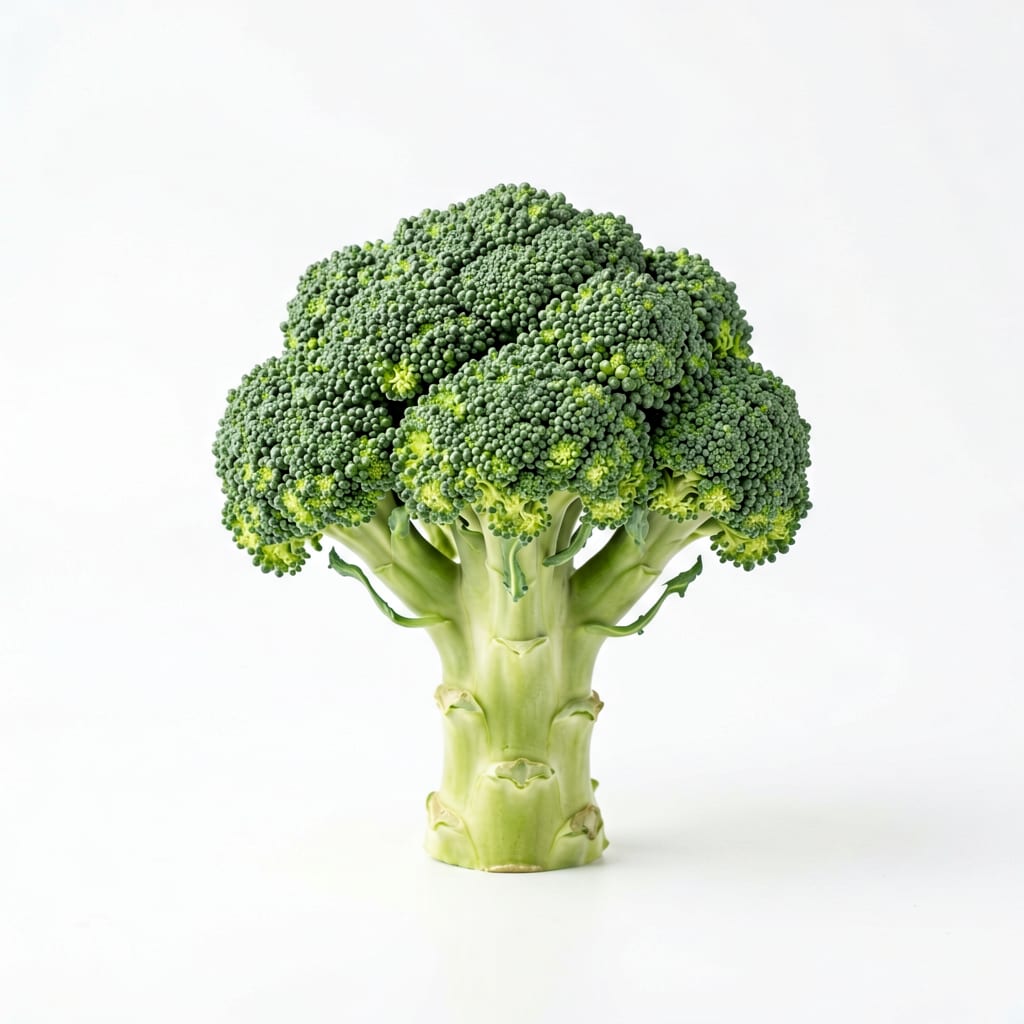
Compare with
Broccoli
Broccoli provides more fiber and protein, but watercress delivers more micronutrients per calorie.
Broccoli is better for satiety and protein, while watercress is the ultimate low-calorie nutrient powerhouse.
This food
Watercress
VS82% alike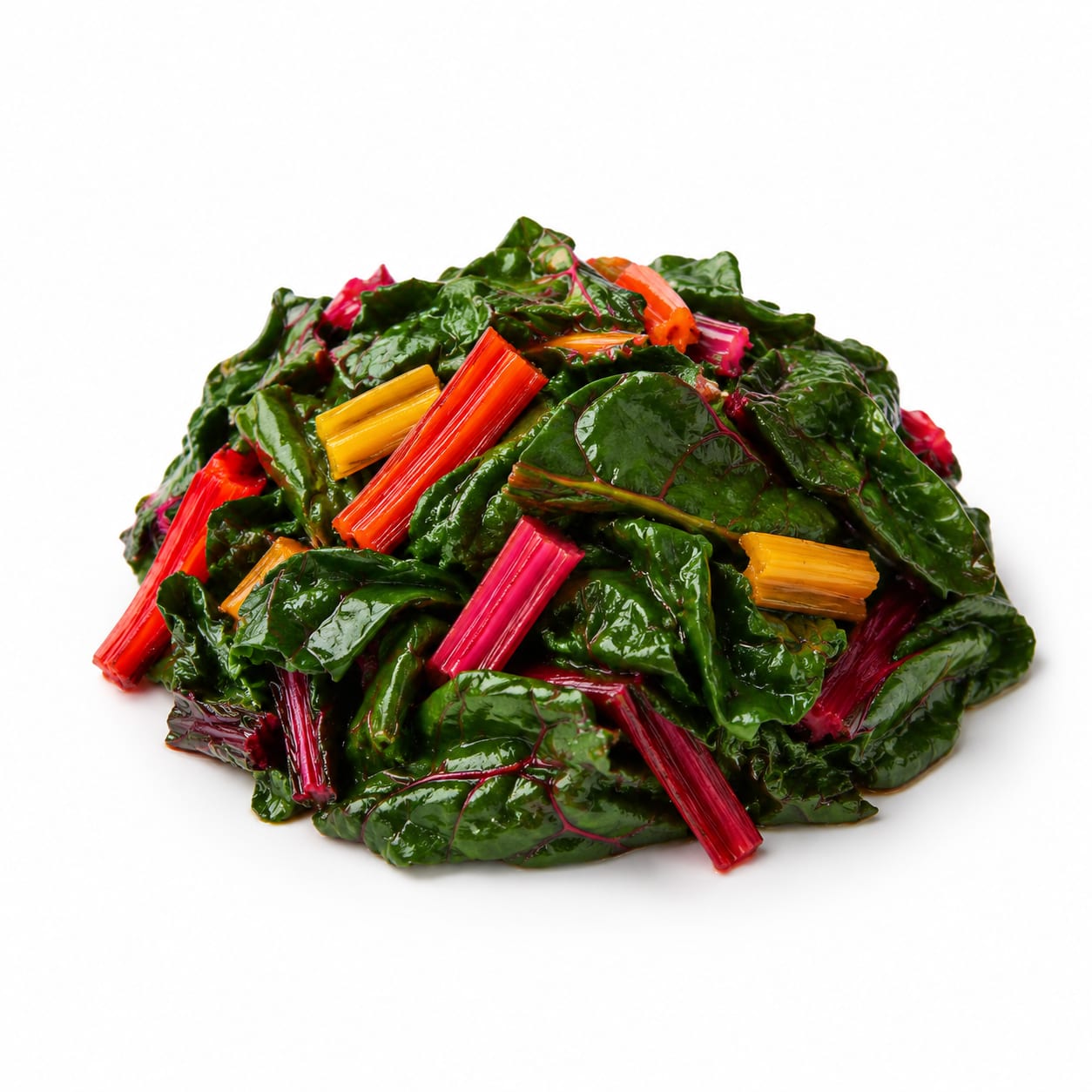
Compare with
Swiss Chard
Swiss chard is higher in magnesium, but watercress wins on overall nutrient density per calorie.
Swiss chard offers more magnesium and fiber, but watercress provides a better nutrient-to-calorie ratio.
This food
Watercress
VS65% alike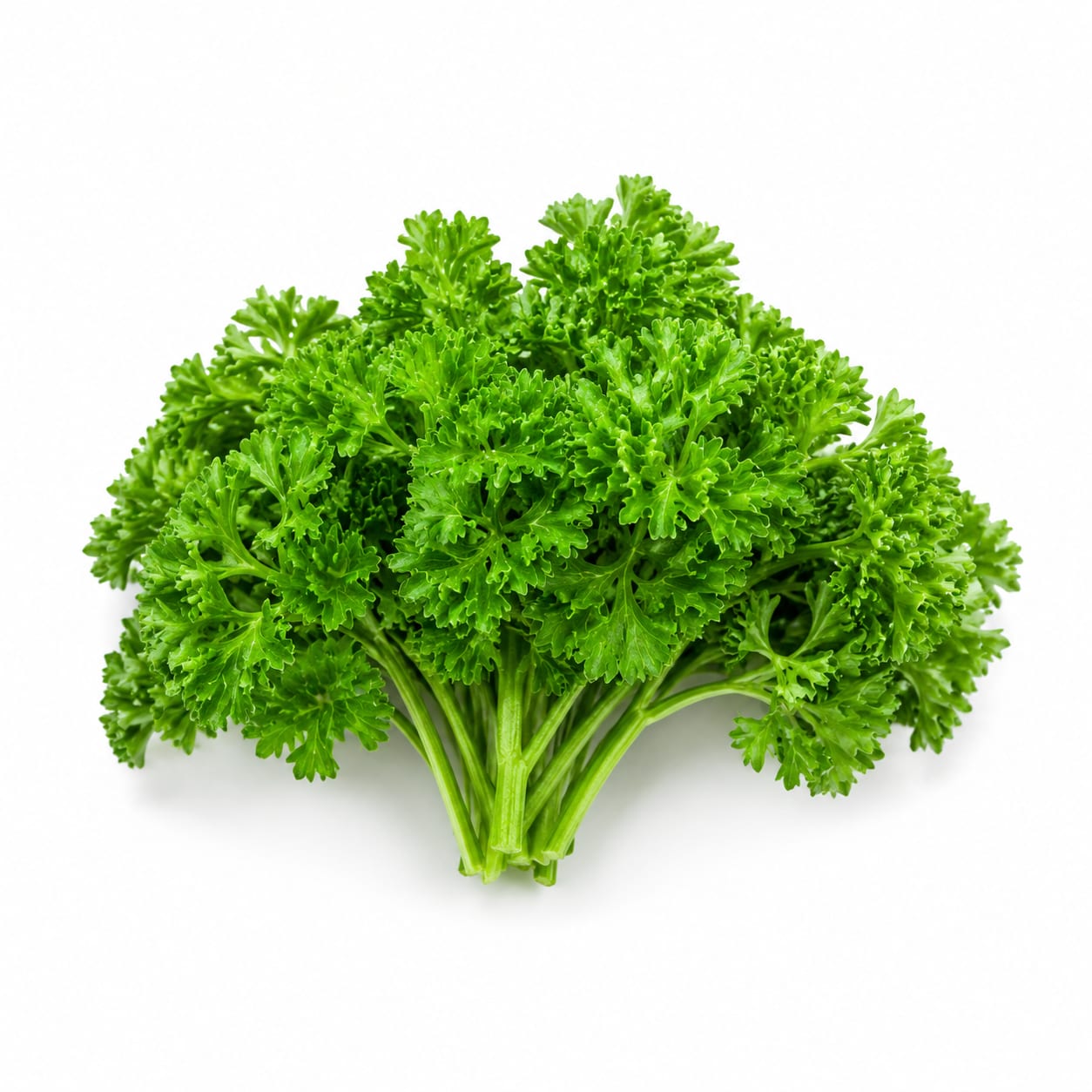
Compare with
Parsley
Parsley is extremely high in vitamin K like watercress, but is used as a garnish rather than a base.
Parsley and watercress are both vitamin K champions, but watercress is more practical as a primary vegetable.
This food
Watercress
VS60% alike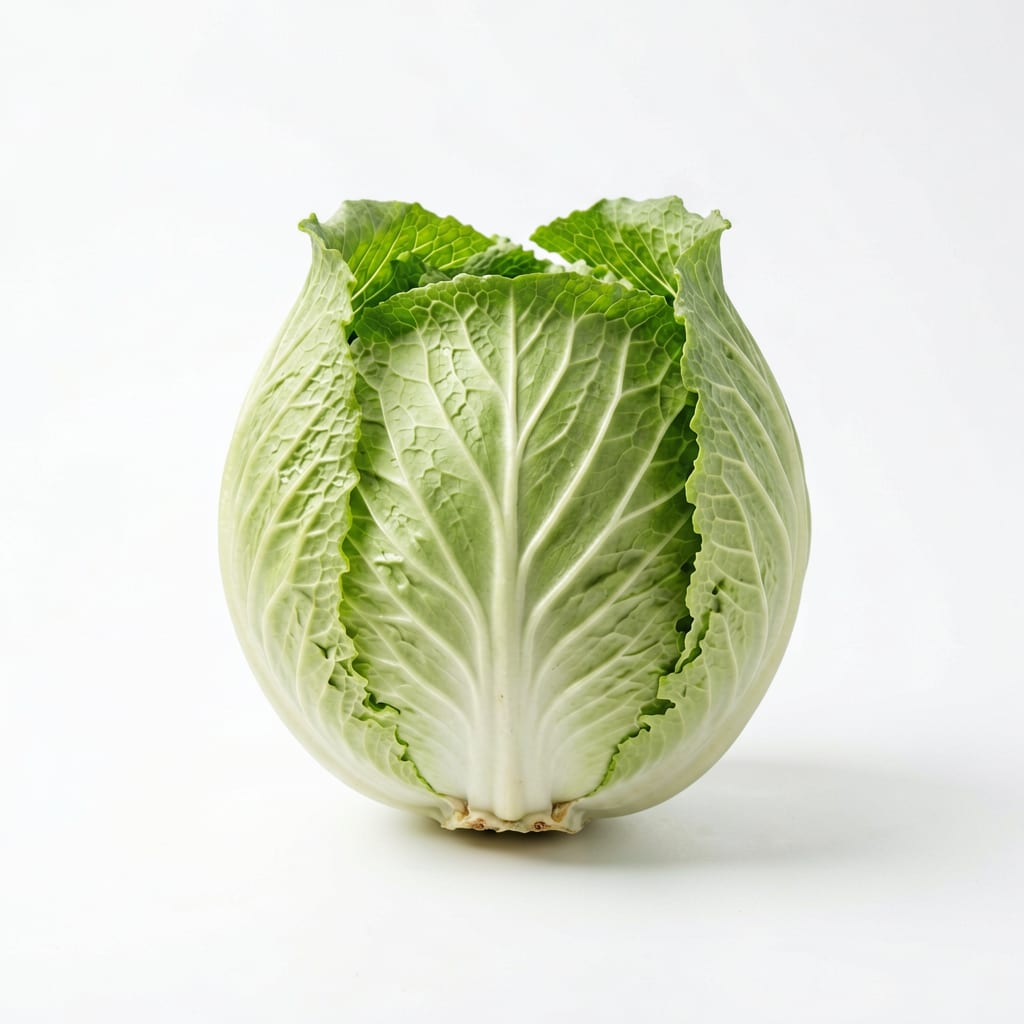
Compare with
Cabbage
Cabbage is more filling and higher in fiber, but watercress is far more micronutrient-dense.
Cabbage provides more fiber and satiety for fewer dollars, but watercress is vastly superior in vitamin density.
This food
Watercress
VS50% alike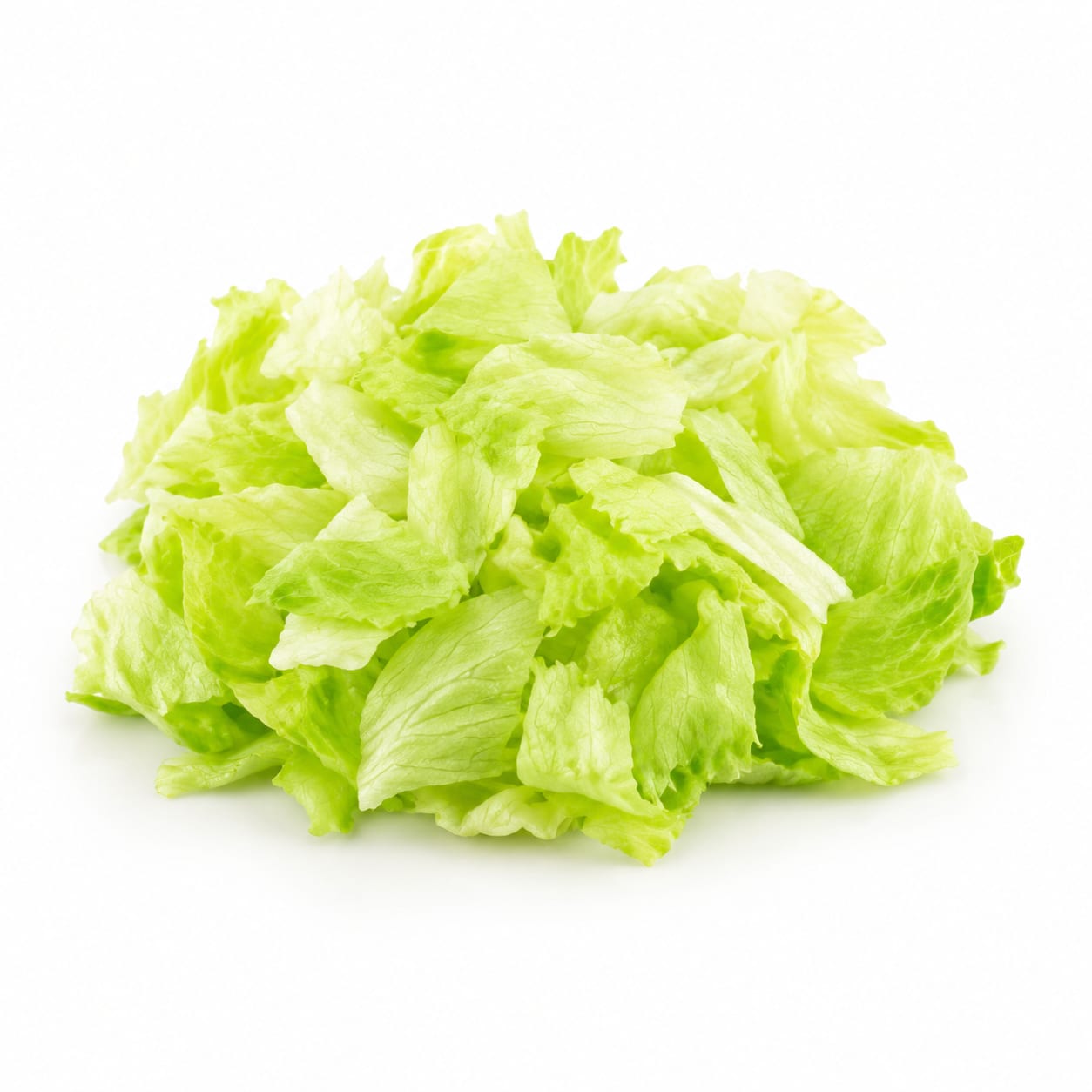
Compare with
Iceberg Lettuce
Iceberg is mostly water with few nutrients, while watercress is a nutritional powerhouse.
Iceberg lettuce provides crunch and volume, but watercress is exponentially more nutritious per calorie.
Common questions
FAQ
Answers aligned with how people search for this food.
Is watercress good for weight loss?
Yes, watercress is excellent for weight loss because it provides maximum volume and nutrients for almost zero calories, helping you feel full without overeating.
Can diabetics eat watercress?
Yes, watercress has an extremely low glycemic load and will not spike blood sugar, making it a safe and beneficial food for diabetes management.
Is watercress healthier than spinach?
Watercress is more nutrient-dense per calorie than spinach, particularly in vitamin K and glucosinolates, though spinach provides more iron and magnesium per serving.
Can you eat watercress every day?
Yes, eating watercress daily is beneficial for most people, but those on blood-thinning medications should consult a doctor due to its high vitamin K content.
What does watercress taste like?
Watercress has a fresh, slightly bitter, and peppery taste, similar to arugula or radish leaves.
Do you need to cook watercress?
No, watercress is best eaten raw to preserve its vitamin C and cancer-fighting glucosinolates, though it can be lightly wilted into soups.
Is watercress safe to forage from the wild?
Foraging wild watercress is risky because it can harbor waterborne parasites like liver fluke from contaminated streams; commercially grown is much safer.
What are the side effects of eating too much watercress?
Eating excessive amounts can interfere with blood thinners due to high vitamin K, and its oxalate content may be a concern for those prone to kidney stones.
Transparency
Data confidence
Estimated confidence for nutrition data, interpretation, safety notes, and comparisons.
Nutrition data
Health analysis
Food safety
Comparisons