
Nutrition comparison
Watercress vs Iceberg Lettuce: Nutrient Density Showdown
Watercress delivers 10x the nutrition of Iceberg Lettuce, but which should you actually buy? Compare health benefits, taste, cost, and real-world tradeoffs.
Overall winner · Watercress
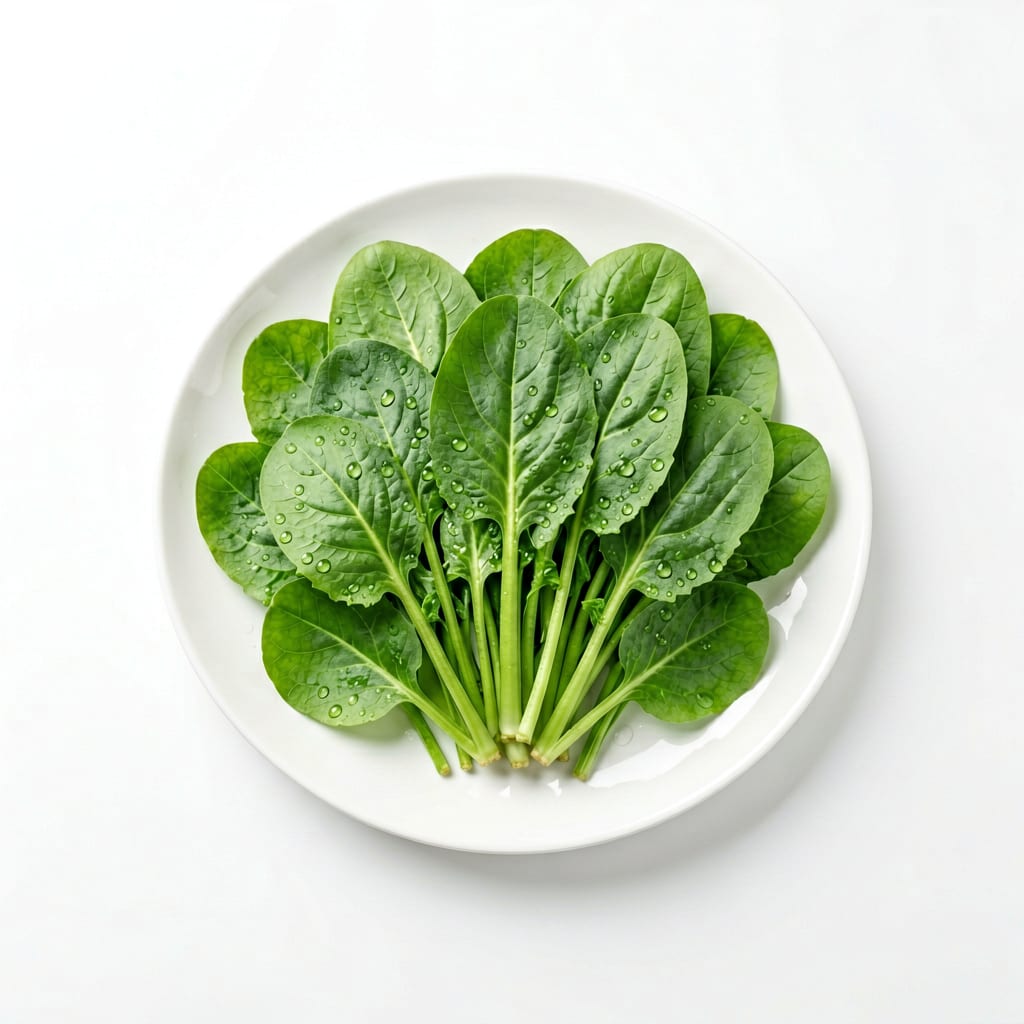
Watercress
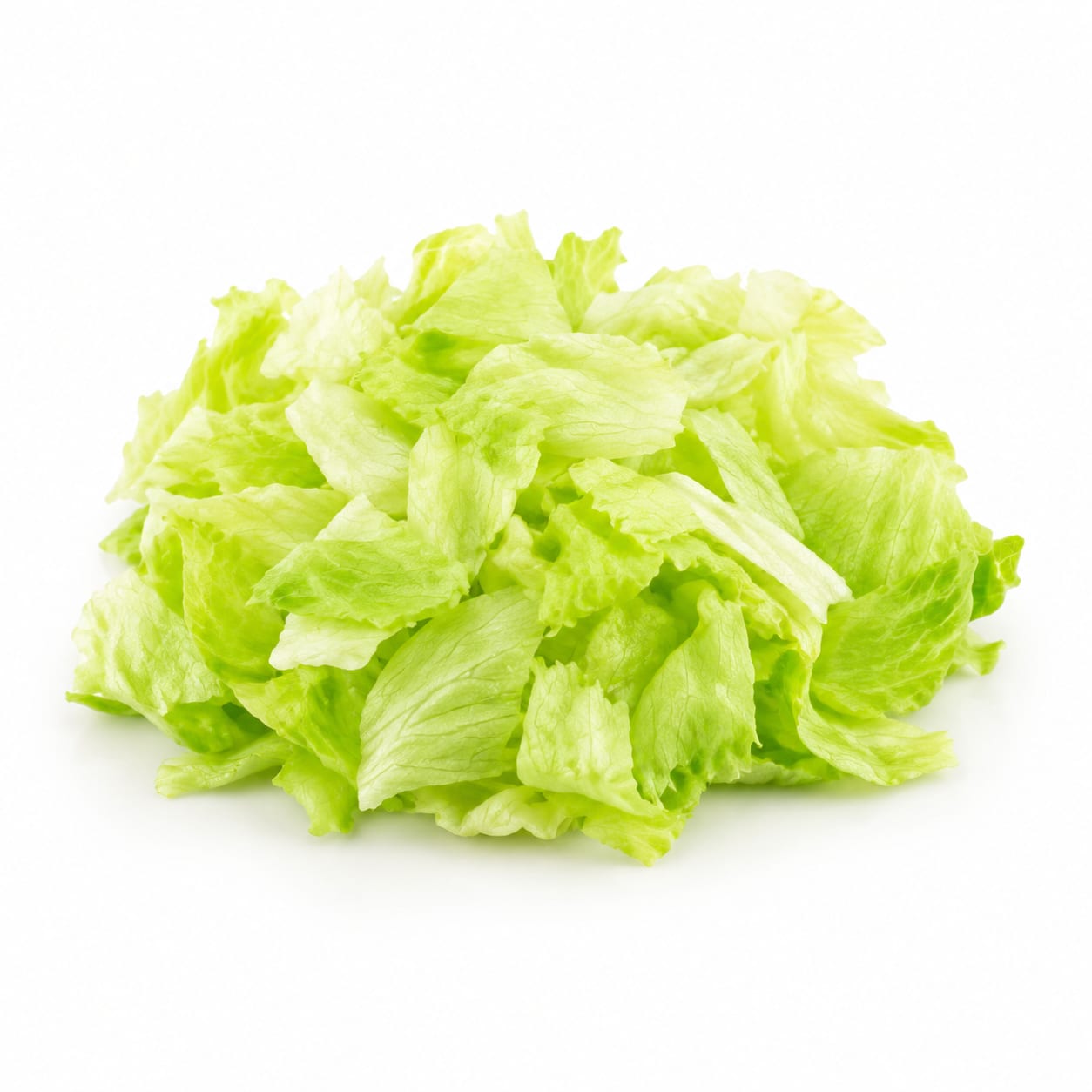
Iceberg Lettuce
Watercress obliterates Iceberg Lettuce on nutrition, but Iceberg wins on cost, crunch, and universal appeal.
Watercress scores dramatically higher due to its exceptional nutrient density, disease-fighting compounds, and vitamin content. Iceberg Lettuce scores low because it provides minimal nutrition beyond hydration and bulk. The gap is large but Iceberg retains practical value for cost and palatability.
Maximum nutrient density and disease-fighting compounds versus affordable, mild crunch that everyone will eat without complaint.
At a glance
Executive summary
Overall
Watercress
Healthier
Watercress
More practical
Iceberg Lettuce
Daily use
Watercress
Key comparison lenses
nutrient density maximization
Watercress consistently ranks as the most nutrient-dense vegetable available, while Iceberg Lettuce is famously nutrient-poor — this is the defining contrast
salad base selection
Both are commonly used as salad foundations, so users are actively choosing between them for meals
budget vs nutrition tradeoff
Iceberg Lettuce is significantly cheaper and more accessible, raising real cost-versus-value questions
taste and palatability
Watercress has a distinct peppery bite that not everyone enjoys, while Iceberg is mild and universally tolerated
cancer prevention diet
Watercress contains glucosinolates linked to cancer-fighting properties, making it relevant for long-term disease prevention
Best choice for
Watercress
- Nutrient density maximization
- Cancer-preventive eating patterns
- Vitamin K deficiency concerns
- Antioxidant-rich meal building
- Anyone already comfortable with bold flavors
Iceberg Lettuce
- Budget-conscious households
- Picky eaters who reject bitter greens
- Bulk salad needs for gatherings
- Sandwich and wrap crunch layer
- Hydration-focused snacking in hot weather
Least suitable for
Watercress
- People on blood thinners who must limit vitamin K
- Very tight grocery budgets
- Large gatherings where cost per serving matters
- Anyone who strongly dislikes peppery or bitter flavors
Iceberg Lettuce
- Anyone seeking meaningful nutrition from their greens
- Vitamin K deficiency recovery
- Antioxidant-focused dietary protocols
- People trying to maximize nutrient intake per calorie
Deep comparison
Dimension by dimension
Each lens scores both foods and breaks down who each option suits.
- Dimension 1 · Priority 95Watercress
Nutrient Density
Watercress · 99Iceberg Lettuce · 12Watercress is the most nutrient-dense vegetable ever scored by the CDC. Iceberg ranks near the bottom of all vegetables.
Tradeoff
You get exponentially more vitamins and minerals per bite with Watercress, but it costs more and yields less volume per dollar.
Why it matters
If you eat a salad specifically to nourish your body, Watercress delivers on that promise. Iceberg mostly fills your stomach with water.
Real-world impact
A single cup of Watercress provides over 100% of your daily vitamin K needs. You would need roughly 15 cups of Iceberg to approach the same benefit.
Watercress
- Meeting daily vitamin requirements efficiently
- Getting maximum nutrition from small portions
- Supporting bone density through vitamin K
Better for
- People who need to restrict vitamin K intake
Worse for
Iceberg Lettuce
- Eating large volumes without overwhelming your system
- Staying hydrated through food in hot climates
Better for
- Anyone relying on salad as a meaningful nutrient source
- Recovering from vitamin deficiencies
Worse for
- Dimension 2 · Priority 85Watercress
Disease-Fighting Compounds
Watercress · 94Iceberg Lettuce · 8Watercress is packed with glucosinolates and isothiocyanates that have documented anti-cancer properties. Iceberg has virtually none.
Tradeoff
Real chemopreventive benefits come with a peppery taste that takes getting used to.
Why it matters
Regular Watercress consumption has been linked to reduced DNA damage in white blood cells — a measurable cancer-risk marker.
Real-world impact
Eating Watercress a few times per week may meaningfully lower long-term cancer risk. Iceberg cannot make any similar claim.
Watercress
- Long-term cancer risk reduction
- Reducing chronic inflammation markers
- Supporting detoxification pathways
Better for
- No significant downside beyond taste preference
Worse for
Iceberg Lettuce
- No specific disease-fighting advantage
Better for
- Providing no meaningful phytochemical protection
- Contributing to a false sense of nutritional adequacy from eating salad
Worse for
- Dimension 3 · Priority 75Iceberg Lettuce
Taste and Palatability
Watercress · 45Iceberg Lettuce · 82Iceberg is crisp, mild, and universally inoffensive. Watercress has a peppery, slightly bitter bite that polarizes people.
Tradeoff
The flavors that make Watercress medicinally powerful are the same ones that make it harder to enjoy in large quantities.
Why it matters
The healthiest food only works if you actually eat it. Iceberg's mildness means it gets consumed consistently across all age groups.
Real-world impact
Kids and picky adults will eat Iceberg without complaint. Watercress often requires mixing with other greens or adding flavorful dressings to be palatable.
Watercress
- Adding complexity and depth to salads
- Culinary enthusiasts who enjoy bold flavors
- Pairing with rich ingredients like eggs or steak
Better for
- Children who reject bitter flavors
- People expecting a mild salad experience
Worse for
Iceberg Lettuce
- Universal appeal at family meals
- Neutral base that lets dressings and toppings shine
- Refreshing crunch on hot days
Better for
- Diners seeking flavor complexity
- Anyone bored by bland salads
Worse for
- Dimension 4 · Priority 70Iceberg Lettuce
Cost and Accessibility
Watercress · 30Iceberg Lettuce · 90Iceberg is one of the cheapest vegetables available year-round. Watercress is pricier and harder to find in many stores.
Tradeoff
Budget-friendly nutrition is a real constraint. Iceberg lets you put greens on every plate affordably.
Why it matters
For families stretching grocery dollars, the cost difference per serving can be 3-5x. That matters weekly.
Real-world impact
A head of Iceberg costs around $1-2 and feeds a family. Watercress often runs $3-5 for a small bunch that serves one or two.
Watercress
- Investment in concentrated nutrition per bite
- Specialty grocery and farmers market shoppers
Better for
- Low-income households
- Rural areas with limited produce selection
Worse for
Iceberg Lettuce
- Feeding large families on a budget
- Consistent daily salad habits without financial strain
- Availability in food deserts and basic grocery stores
Better for
- No significant cost-related downside
Worse for
- Dimension 5 · Priority 65It depends
Culinary Versatility
Watercress · 72Iceberg Lettuce · 70They serve different culinary roles. Watercress shines in soups, sandwiches, and as a garnish. Iceberg excels in wraps, tacos, and crunchy salads.
Tradeoff
Neither is truly versatile across all dishes — they complement different cuisines and preparations.
Why it matters
Choosing the right green for the right dish matters more than forcing one to do everything.
Real-world impact
Watercress elevates egg dishes, Asian soups, and steak plates. Iceberg is irreplaceable in wedge salads, lettuce wraps, and BLTs.
Watercress
- Elevating cooked dishes like soups and stir-fries
- Garnishing plates with flavor and nutrition
- European and Asian recipe traditions
Better for
- Dishes requiring a neutral crunch vessel
- Raw wraps where the filling should dominate
Worse for
Iceberg Lettuce
- Lettuce wraps and taco shells
- Classic American wedge salad
- Adding crunch to sandwiches without competing flavors
Better for
- Cooked applications where it wilts into nothing
- Dishes where the green should contribute flavor
Worse for
- Dimension 6 · Priority 55Iceberg Lettuce
Shelf Life and Storage
Watercress · 35Iceberg Lettuce · 78Iceberg stays crisp and usable for over a week. Watercress wilts and yellows within 2-3 days.
Tradeoff
The delicate leaves that make Watercress nutrient-rich also make it fragile and perishable.
Why it matters
Food waste is both financially and emotionally frustrating. Greens that go bad before you eat them defeat the purpose.
Real-world impact
You can buy Iceberg on Sunday and still enjoy it Friday. Watercress needs to be eaten within 48 hours or it becomes compost.
Watercress
- Forcing you to eat fresh greens quickly, which means higher nutrient intake
Better for
- Impulse buyers who don't cook daily
- Anyone frustrated by produce spoiling quickly
Worse for
Iceberg Lettuce
- Meal preppers who shop once per week
- Reducing food waste in the crisper drawer
- Consistent availability throughout the week
Better for
- No significant shelf-life downside
Worse for
Timeline
Health impact over time
Short-term
Hours to days
Watercress
- Noticeable peppery kick that can clear sinuses slightly
- Vitamin K provides immediate support for blood clotting function
- High water content supports hydration
- May cause mild digestive adjustment if you're not used to bitter greens
Iceberg Lettuce
- Refreshing hydration from very high water content
- Crunchy texture promotes slower eating and better chewing
- Essentially zero risk of digestive upset
- No meaningful short-term nutritional impact
Long-term
Months to years
Watercress
- Significantly reduced cancer risk from glucosinolate compounds
- Stronger bones from exceptional vitamin K intake
- Better skin health from vitamin C and beta-carotene
- Improved cardiovascular markers from antioxidant density
- Potential for thyroid interaction if consumed in extreme quantities raw
Iceberg Lettuce
- Minimal positive health impact beyond basic fiber and hydration
- Risk of nutrient deficiency if used as primary green vegetable
- False sense of dietary adequacy from eating 'salad' that lacks substance
- No known negative effects beyond missed nutritional opportunities
Risk profile
Safety & processing
Both greens are sold raw and unprocessed. Neither typically contains additives. The main concern for both is pesticide residue, which washing addresses. Watercress may carry slightly higher risk of waterborne contaminants since it often grows in aquatic environments.
Watercress
Waterborne contamination
mediumWatercress grows in flowing water, which can harbor parasites like liver fluke if sourced from wild or unmonitored waterways. Commercially grown Watercress is generally safe.
Pesticide residue
lowStandard leafy green pesticide concerns apply. Washing thoroughly reduces risk. Organic options are widely available.
Vitamin K interaction with blood thinners
highExtremely high vitamin K content can interfere with warfarin and other anticoagulants. Patients on blood thinners should consult their doctor before eating Watercress regularly.
Iceberg Lettuce
Pesticide residue
lowIceberg typically has moderate pesticide residue. The tight head formation means inner leaves are somewhat protected. Always wash outer leaves thoroughly.
Foodborne illness
lowLike all raw greens, Iceberg can carry E. coli or salmonella. Outbreaks have been linked to lettuce. Pre-washed bagged versions carry slightly higher risk.
Nutritional complacency
mediumNot a contamination risk, but treating Iceberg as a meaningful vegetable serving can create a false sense of dietary quality.
Who wins for whom
Audience fit
Same foods, different winners depending on your goal.
children
Iceberg LettuceKids accept Iceberg far more readily. The mild crunch makes it an easy entry green. Watercress bitterness usually triggers rejection.
daily consumption
WatercressDaily consumption should prioritize nutrient contribution. Watercress transforms a daily salad from filler into functional nutrition.
diabetes
WatercressWatercress has a lower glycemic load and more antioxidants that combat oxidative stress from blood sugar fluctuations. Iceberg is fine but offers no active benefit.
elderly
WatercressVitamin K and calcium in Watercress directly support bone density concerns in aging populations. The nutrient density matters more when appetite and food intake decline.
muscle gain
It dependsNeither is relevant for muscle building directly. Watercress provides more vitamin K for bone support during heavy training, but both are just plate fillers alongside protein sources.
weight loss
WatercressBoth are extremely low calorie, but Watercress provides actual nutrition during a calorie deficit, preventing nutrient depletion while cutting.
Your move
Decision guide
Choose Watercress
- You want every bite of your salad to actively improve your health
- You're focused on cancer prevention and longevity eating
- You enjoy or can learn to enjoy peppery, assertive flavors
- You're already eating plenty of greens and want to upgrade quality
- Bone health and vitamin K intake are priorities
Choose Iceberg Lettuce
- You're feeding picky eaters who need a gentle entry point to salads
- Budget is the primary constraint in your food choices
- You need a neutral crunch vehicle for wraps, tacos, or sandwiches
- You're meal prepping for the week and need greens that survive in the fridge
- You want a refreshing, hydrating base that won't compete with other flavors
Either works if
- You're building a mixed salad and can use both for different purposes
- Raw greens are just a vehicle for getting more vegetables into your routine
- You rotate greens throughout the week anyway
Avoid both if
- You need substantial calories or protein from your vegetable choices
- You're looking for cooked vegetable options that provide more concentrated nutrition per serving
Final recommendation
Use Watercress whenever your priority is nutritional impact — it is genuinely in a different league. Keep Iceberg around for crunch, wraps, and feeding crowds. The smartest approach is blending both: a Watercress-heavy base for nutrition with Iceberg mixed in for volume and crunch. If you must pick one, Watercress transforms your salad from a hydration exercise into actual medicine.
Practical
Consumer tips
- 1
Mix Watercress with milder greens to ease into its peppery flavor without losing the nutritional payoff
- 2
Add Watercress at the very end of cooking soups — a 30-second wilt preserves nutrients and flavor
- 3
Store Watercress like flowers: trim stems, place in a jar of water in the fridge, cover with a bag
- 4
Iceberg wedge salad is the one preparation where Iceberg genuinely outshines all other lettuces — lean into it
- 5
If on blood thinners, talk to your doctor before making Watercress a daily habit due to its extreme vitamin K content
- 6
Blending Watercress into smoothies with fruit masks the bitterness while keeping all the nutrition
- 7
Buy Watercress from reputable commercial sources to avoid waterborne parasite risk from wild-harvested plants