
Nutrition comparison
Watercress vs Cabbage: Nutrient Density, Cost, and Health Benefits Compared
Watercress vs Cabbage: Which is healthier? Compare nutrient density, satiety, cost, and digestive effects to find out which cruciferous vegetable fits your diet best.
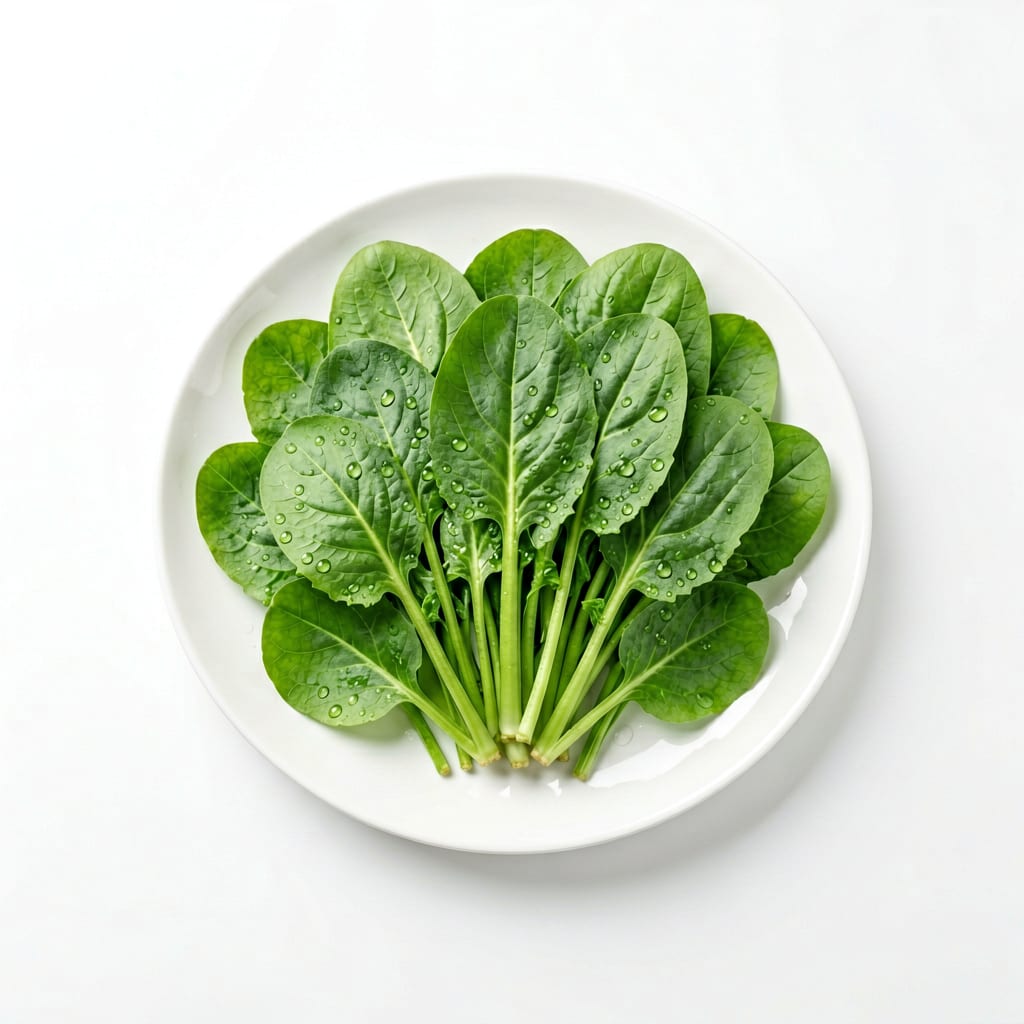
Watercress
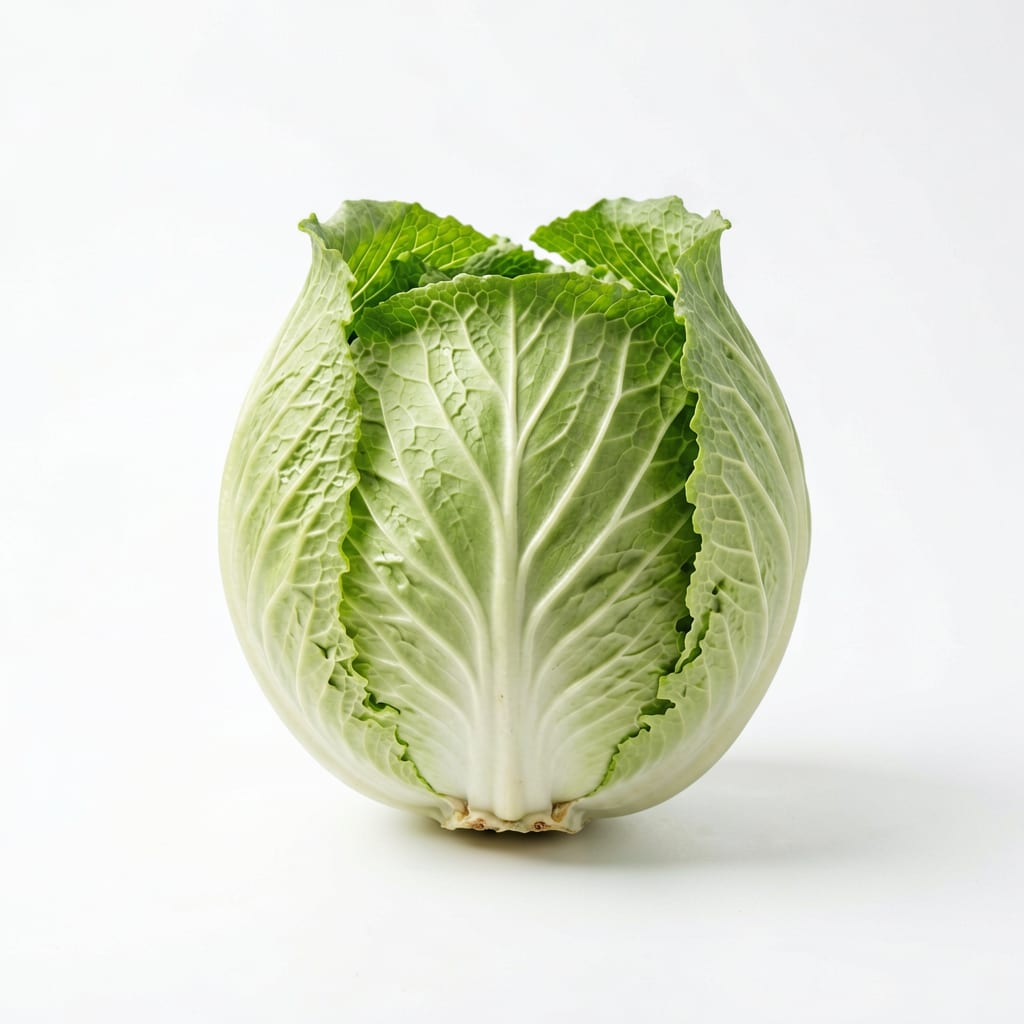
Cabbage
Watercress is the ultimate nutrient powerhouse, but Cabbage is the everyday practical champion for volume, cost, and meal flexibility.
Watercress edges out Cabbage slightly due to its unmatched nutrient density and unique phytochemicals, but Cabbage stays close because of its superior practicality, satiety, and affordability.
Maximum nutrition per bite versus maximum volume and value per dollar.
At a glance
Executive summary
Overall
It depends
Healthier
Watercress
More practical
Cabbage
Daily use
Cabbage
Key comparison lenses
Nutrient density comparison
Watercress ranks #1 on the CDC's powerhouse fruits and vegetables list, while Cabbage is also nutritious but less concentrated per calorie.
Practicality and budget
Cabbage is a budget-friendly staple with a long shelf life, whereas Watercress is expensive and highly perishable.
Satiety and meal volume
Cabbage provides massive volume and crunch for very few calories, making it a staple for large filling meals, while Watercress is typically eaten in smaller quantities.
Cancer-fighting compounds
Both are cruciferous and contain glucosinolates, but Watercress has uniquely high levels of PEITC, a potent compound studied for DNA damage repair.
Best choice for
Watercress
- Maximizing vitamin and mineral intake in small portions
- Adding a peppery, gourmet touch to meals
- Targeting high antioxidant and DNA-protective compounds
Cabbage
- Stretching meals on a tight budget
- Meal prepping bulk dishes like stir-fries and soups
- Getting full on very few calories
Least suitable for
Watercress
- Large, filling salads on a budget
- Long-term storage without wilting
Cabbage
- Those with severe IBS who react to high FODMAP foods
- Dishes requiring a delicate, peppery flavor
Deep comparison
Dimension by dimension
Each lens scores both foods and breaks down who each option suits.
- Dimension 1 · Priority 95Watercress
Nutrient Density
Watercress · 99Cabbage · 75Watercress is arguably the most nutrient-dense vegetable on the planet, packing massive vitamins K, C, and A into a tiny leaf.
Tradeoff
You get more vitamins per calorie with Watercress, but you have to eat a lot of it to match the total nutrients in a large serving of Cabbage.
Why it matters
If your diet lacks variety, Watercress acts like a multivitamin in leaf form.
Real-world impact
A handful of Watercress covers your daily Vitamin K needs easily, while Cabbage requires a full cup to do the same.
Watercress
- Preventing nutrient gaps in low-calorie diets
- Boosting skin and bone health with concentrated vitamins
Better for
- People who struggle to eat enough volume might miss out on total nutrient intake
Worse for
Cabbage
- Getting a solid baseline of nutrients in large, satisfying meals
Better for
- Relying solely on Cabbage for vitamins means you need to eat a lot of bulk
Worse for
- Dimension 2 · Priority 85Cabbage
Satiety and Volume
Watercress · 55Cabbage · 92Cabbage provides incredible crunch and physical fullness for minimal calories, making it a dieting staple.
Tradeoff
Cabbage fills your stomach and satisfies the urge to chew, while Watercress wilts down to almost nothing in volume.
Why it matters
Feeling physically full helps prevent overeating and snacking later in the day.
Real-world impact
A massive Cabbage salad leaves you stuffed for under 100 calories; a Watercress salad leaves you looking for more food.
Watercress
- Light garnishing where you don't want to feel heavy
Better for
- Those who need large meals to feel satisfied
Worse for
Cabbage
- Big dinners when you are very hungry but watching calories
- Replacing higher-calorie carbs in wraps and stir-fries
Better for
- Quick snacks where bulk isn't the goal
Worse for
- Dimension 3 · Priority 90Cabbage
Practicality and Cost
Watercress · 40Cabbage · 95Cabbage is one of the cheapest, longest-lasting vegetables you can buy. Watercress is pricey and spoils within days.
Tradeoff
Cabbage can sit in your fridge for weeks without rotting, while Watercress demands immediate use and a bigger grocery budget.
Why it matters
The healthiest food is the one you can actually afford and keep fresh long enough to eat.
Real-world impact
A $2 head of Cabbage lasts weeks and makes 5 meals; a $4 pack of Watercress might slime over before you finish it.
Watercress
- Special occasion meals or quick weekend salads
Better for
- People who grocery shop once a week or less
- Tight food budgets
Worse for
Cabbage
- Weekly meal prep on a budget
- Families needing affordable bulk produce
Better for
- Those seeking gourmet flavor profiles
Worse for
- Dimension 4 · Priority 80Watercress
Antioxidant and Cancer-Fighting Power
Watercress · 95Cabbage · 80Both are cruciferous powerhouses, but Watercress contains uniquely high levels of PEITC, a compound linked to DNA repair.
Tradeoff
Watercress offers more targeted cellular protection per leaf, but Cabbage provides respectable glucosinolates in much larger serving sizes.
Why it matters
Regular consumption of cruciferous vegetables is strongly linked to lower cancer risk.
Real-world impact
Eating Watercress regularly is like putting premium armor on your cells; eating Cabbage is like wearing a sturdy shield.
Watercress
- Those with a family history of cancer looking to maximize protective compounds
- Smokers or those exposed to high oxidative stress
Better for
- Those who only eat it occasionally won't get the cumulative benefits
Worse for
Cabbage
- General inflammation reduction through consistent, high-volume intake
Better for
- People who boil Cabbage heavily and leach out the beneficial compounds
Worse for
- Dimension 5 · Priority 70Watercress
Digestive Tolerance
Watercress · 85Cabbage · 60Watercress is gentle on the digestive tract, while Cabbage is notorious for causing gas and bloating.
Tradeoff
Cabbage offers great fiber for gut health but can cause social discomfort; Watercress is easier on the stomach but lower in total fiber.
Why it matters
A food that makes you bloated can ruin your afternoon comfort and sleep quality.
Real-world impact
A big bowl of Cabbage soup might keep you gassy until bedtime, whereas Watercress soup feels light and settling.
Watercress
- People with sensitive stomachs or IBS
- Date nights or social events where bloating is a concern
Better for
- Those relying on a single vegetable for their daily fiber needs
Worse for
Cabbage
- Those who need help staying regular due to high fiber volume
Better for
- Anyone prone to severe gas or IBS flare-ups
Worse for
Timeline
Health impact over time
Short-term
Hours to days
Watercress
- Quick hydration due to high water content
- Light, energizing feeling without bloating
- Peppery flavor can clear sinuses slightly
Cabbage
- Immediate feeling of stomach fullness
- Potential for gas and bloating if eaten in large quantities
- Steadier blood sugar from high fiber bulk
Long-term
Months to years
Watercress
- Exceptional bone health from concentrated Vitamin K
- Enhanced cellular defense against DNA damage
- Better skin elasticity from high Vitamin C and A
Cabbage
- Improved gut motility and digestion from consistent fiber
- Lower cholesterol from binding bile acids
- Sustained weight management from low-calorie volume eating
Risk profile
Safety & processing
Both Watercress and Cabbage are whole, natural vegetables typically eaten in their unprocessed state. Neither carries concerns about artificial additives when purchased fresh.
Watercress
Waterborne parasites
mediumWatercress grows in aquatic environments, making it slightly more susceptible to waterborne parasites like liver fluke if sourced from wild or unregulated farms.
Rapid spoilage bacteria
lowBecause it wilts and spoils quickly, slimy Watercress can harbor higher bacterial counts if kept past its prime.
Cabbage
Pesticide residue
mediumCabbage is typically heavily sprayed, though the tight inner leaves are somewhat protected. The outer leaves should be discarded or washed thoroughly.
Goitrogens
lowRaw Cabbage contains goitrogens that can interfere with thyroid function if consumed in extreme excess, especially in those with existing thyroid issues.
Who wins for whom
Audience fit
Same foods, different winners depending on your goal.
children
CabbageCabbage is milder, cheaper, and easier to hide in dishes like slaws or soups, whereas Watercress is peppery and more likely to be rejected by picky eaters.
daily consumption
CabbageCabbage's affordability, shelf life, and culinary versatility make it a far more realistic daily staple for most households.
diabetes
CabbageCabbage's high fiber content slows glucose absorption more effectively across a large meal, helping stabilize blood sugar over hours.
elderly
WatercressWatercress delivers concentrated Vitamin K and calcium for bone health in a soft, easy-to-chew format, without the gas and bloating Cabbage can cause.
muscle gain
It dependsNeither is a primary muscle-building food, but Watercress provides more Vitamin K for bone support, while Cabbage offers more fiber for overall bulk in a high-calorie diet.
weight loss
CabbageCabbage provides massive volume and crunch for minimal calories, making it far easier to create a calorie deficit without feeling deprived.
Your move
Decision guide
Choose Watercress
- You want the most nutrient-dense green possible
- You are focused on cellular health and antioxidant protection
- You have a higher grocery budget and eat what you buy quickly
- You need a gentle green that won't cause bloating
Choose Cabbage
- You are on a tight budget and need meals to stretch
- You want to feel physically full and satisfied after eating
- You meal prep once a week and need produce that lasts
- You are making large family meals like stir-fries or stews
Either works if
- You just want more cruciferous vegetables in your diet
- You are making a blended soup where texture doesn't matter
Avoid both if
- You are on a strict low-Vitamin K diet for blood thinner interactions (consult your doctor)
Final recommendation
Use Cabbage as your reliable daily workhorse for volume and fiber, and treat Watercress as your premium daily multivitamin. Adding a handful of Watercress to a Cabbage-heavy salad gives you the best of both worlds: massive satiety with peak nutrient density.
Practical
Consumer tips
- 1
Store Watercress like a bouquet: stems in a glass of water in the fridge to extend its life by a few days.
- 2
Keep Cabbage whole and uncut in the crisper drawer; it will stay fresh for weeks.
- 3
If raw Cabbage bothers your stomach, try fermenting it into sauerkraut or cooking it thoroughly to break down the gas-causing fibers.
- 4
Buy Watercress from reputable farms to avoid waterborne contamination risks; avoid foraging it from wild streams.
- 5
Use the outer leaves of Cabbage for stocks or compost, and eat the cleaner, sweeter inner leaves raw.