
Nutrition comparison
Watercress vs Spinach: Which Leafy Green Is Healthier?
Compare Watercress and Spinach to discover which green offers better nutrient density, mineral absorption, and practical health benefits for your daily diet.
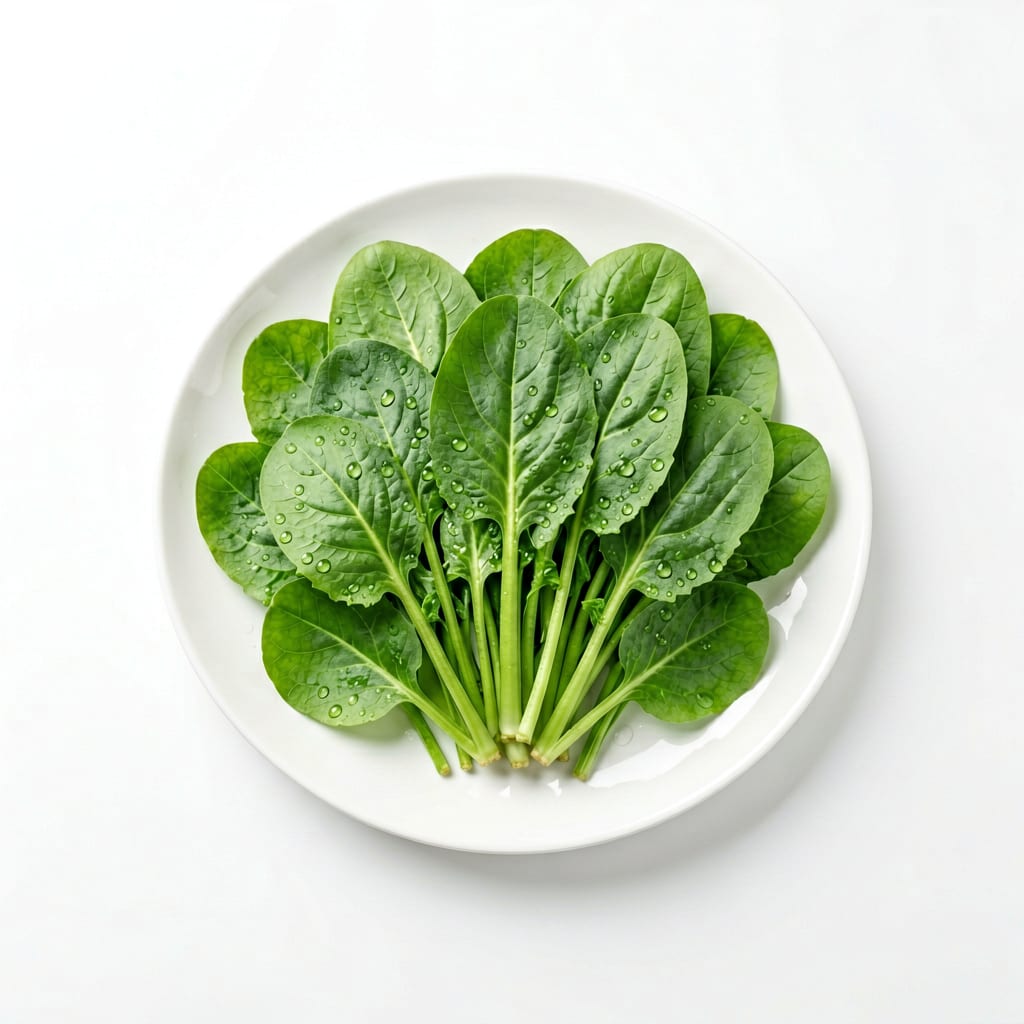
Watercress
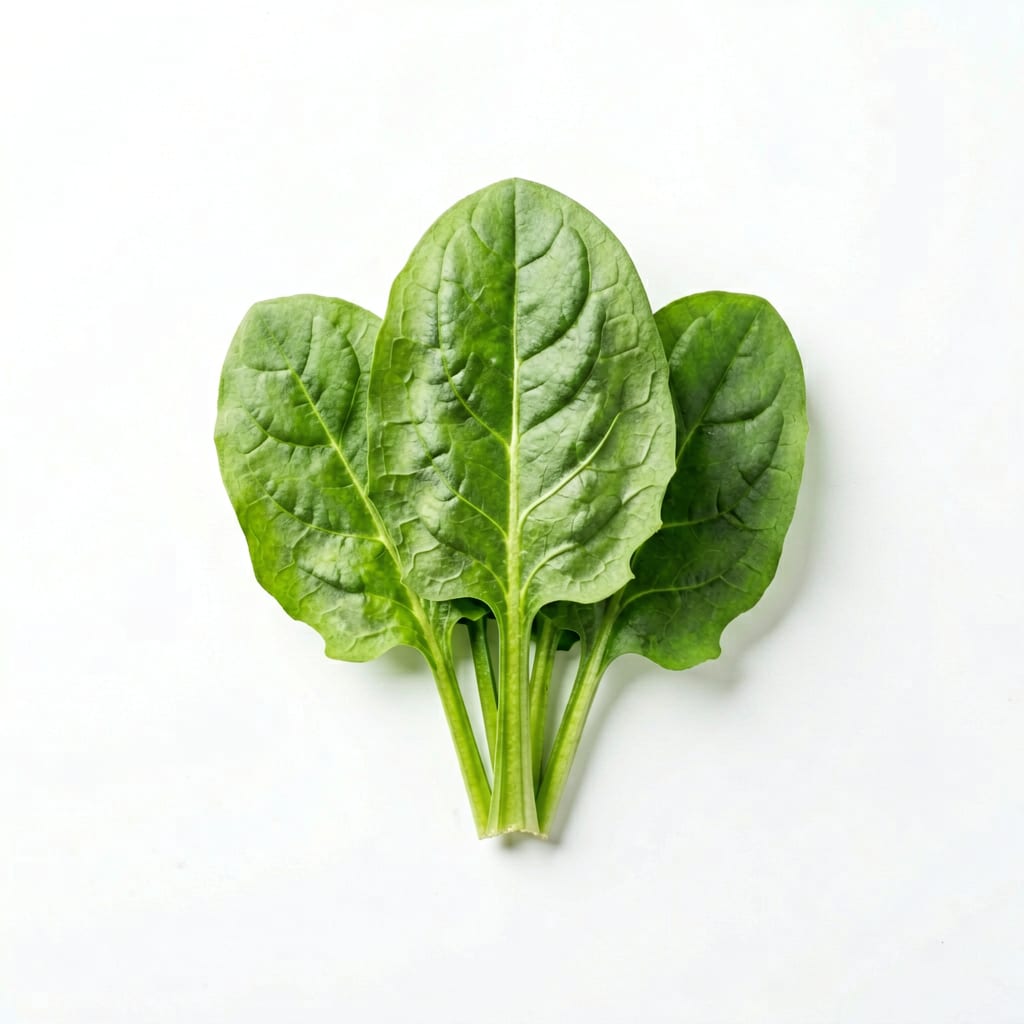
Spinach
Watercress is the undisputed champion of nutrients per bite, but Spinach wins on affordability, versatility, and the ability to eat it in large, satisfying volumes.
Watercress scores slightly higher due to its unmatched nutrient density and low oxalate levels, but Spinach stays very close because its practicality allows for much higher total nutrient intake through volume eating.
Maximum nutrient density and superior mineral absorption (Watercress) versus lower cost, easier availability, and higher consumption volume (Spinach).
At a glance
Executive summary
Overall
It depends
Healthier
Watercress
More practical
Spinach
Daily use
Spinach
Key comparison lenses
Nutrient density and vitamin concentration
Both are powerhouse greens, but Watercress famously tops the CDC's list for nutrient density, making direct comparison crucial.
Mineral bioavailability and oxalate content
Spinach is high in oxalates which block mineral absorption, a key differentiator when comparing its iron and calcium to Watercress.
Practicality and eating volume
Spinach is cheap, mild, and easy to eat in large amounts, whereas Watercress is often used in smaller quantities as a garnish or salad base.
Best choice for
Watercress
Spinach
Least suitable for
Watercress
Spinach
Deep comparison
Dimension by dimension
Each lens scores both foods and breaks down who each option suits.
- Dimension 1 · Priority 95Watercress
Nutrient Density & Vitamin Load
Watercress · 99Spinach · 88Watercress is the most nutrient-dense vegetable on the planet according to the CDC, packing more vitamins per calorie than almost any other food.
Tradeoff
You get more vitamins per gram with Watercress, but Spinach is so mild and cheap that you can easily eat ten times the volume, closing the total nutrient gap.
Why it matters
If you only eat a small amount of greens, Watercress delivers the biggest punch. If you eat a massive salad, Spinach works just fine.
Real-world impact
A handful of Watercress in your sandwich gives you more Vitamin K and C than a handful of Spinach, but a giant bowl of Spinach will ultimately deliver more total nutrients.
Watercress
- Maximizing nutrition from small portions
- Getting abundant Vitamin C and K in a single bite
Better for
- Situations where you need to eat a large volume to feel full
Worse for
Spinach
- Getting a wider variety of antioxidants through higher volume intake
- Sustaining total daily vitamin goals affordably
Better for
- Diets where green intake is minimal and every bite must count
Worse for
- Dimension 2 · Priority 90Watercress
Mineral Bioavailability (The Oxalate Factor)
Watercress · 92Spinach · 55Spinach contains high levels of oxalates, which bind to iron and calcium, preventing your body from absorbing them. Watercress has low oxalates, making its minerals highly bioavailable.
Tradeoff
Spinach has a lot of iron on paper, but your body barely absorbs it. Watercress has less iron overall, but you actually absorb what you eat.
Why it matters
Eating Spinach for iron or calcium is largely ineffective unless you boil it and drain the water. Watercress gives you minerals your body can actually use.
Real-world impact
If you are anemic and relying on Spinach for iron, you are likely not getting much benefit. Switching to Watercress provides a more reliable, absorbable mineral source.
Watercress
- People needing absorbable calcium for bone health
- Those looking for a reliable plant-based iron source
Better for
- None regarding mineral absorption
Worse for
Spinach
- People who boil their greens and drain the water, which reduces oxalates
Better for
- Anyone at risk of kidney stones from oxalates
- Those relying on raw Spinach for iron or calcium
Worse for
- Dimension 3 · Priority 85Spinach
Practicality & Eating Volume
Watercress · 60Spinach · 95Spinach is cheap, available year-round, and mild enough to eat by the handful. Watercress is pricier, harder to find, and has a strong peppery taste that limits portion sizes.
Tradeoff
You sacrifice peak nutrient density for sheer quantity and affordability. Eating two cups of Spinach is easy and cheap; eating two cups of Watercress is expensive and intense.
Why it matters
Nutrition only works if you actually eat it. Spinach is far easier to incorporate into daily meals in meaningful amounts.
Real-world impact
For a family on a budget trying to eat a green smoothie every morning, Spinach is the realistic choice. Watercress is better as an occasional nutrient boost or salad base.
Watercress
- Quick garnishes to elevate a meal's nutrition
- Small, targeted nutrient boosts
Better for
- Feeding a large family on a tight budget
- Making a large, filling salad as a main course
Worse for
Spinach
- Meal prepping large batches of greens
- Making green smoothies palatable for beginners
- Budget-friendly daily nutrition
Better for
- Gourmet dishes where a peppery, distinctive flavor is desired
Worse for
- Dimension 4 · Priority 80It depends
Disease-Fighting Compounds
Watercress · 90Spinach · 88Watercress is rich in glucosinolates, which protect DNA from damage and have strong anti-cancer properties. Spinach is loaded with lutein and zeaxanthin, which are essential for eye health.
Tradeoff
Watercress leans heavily into cellular defense and cancer prevention, while Spinach focuses on protecting your vision and reducing oxidative stress in the eyes.
Why it matters
Your choice depends on your family history and personal health priorities—cellular health versus eye health.
Real-world impact
If macular degeneration runs in your family, Spinach is a daily must. If you are focused on broad cancer prevention and detoxification, Watercress is the better addition.
Watercress
- Cellular defense and DNA protection
- Supporting the body's natural detox pathways
Better for
- Targeted eye health support
Worse for
Spinach
- Protecting eyes from blue light and age-related decline
- Reducing oxidative stress in visual pathways
Better for
- Direct glucosinolate-driven DNA protection
Worse for
Timeline
Health impact over time
Short-term
Hours to days
Watercress
Spinach
Long-term
Months to years
Watercress
Spinach
Risk profile
Safety & processing
Both Watercress and Spinach are whole, natural foods typically sold fresh or lightly washed. Neither carries concerns about artificial additives when bought in their raw form.
Watercress
Waterborne parasites and bacteria
mediumWatercress grows in aquatic environments, making it more susceptible to parasites like liver fluke if sourced from wild or unmonitored waterways. Always buy commercially grown Watercress and wash thoroughly.
Spinach
Pesticide residue
highSpinach consistently ranks near the top of the EWG's Dirty Dozen list for pesticide residue. Buying organic is highly recommended.
E. coli contamination
mediumSpinach has been subject to several major E. coli recalls due to farming and irrigation practices. Always wash thoroughly, even if labeled pre-washed.
Who wins for whom
Audience fit
Same foods, different winners depending on your goal.
children
SpinachSpinach has a much milder flavor and can be easily hidden in smoothies, pasta sauces, and soups, whereas Watercress is too peppery for most kids.
daily consumption
SpinachSpinach is more affordable, versatile, and easier to incorporate into multiple meals a day, making it a more sustainable daily habit for most people.
diabetes
WatercressWatercress has a slightly stronger antioxidant profile for reducing systemic inflammation and contains highly bioavailable chromium, which aids blood sugar regulation, without the oxalate concerns.
elderly
WatercressWatercress provides highly absorbable calcium and Vitamin K for bone health without the oxalate load, which is crucial for aging kidneys that may be prone to stones.
muscle gain
SpinachNeither is a protein source, but Spinach provides more magnesium per typical serving to support muscle function, and its mild flavor blends easily into protein shakes.
weight loss
SpinachSpinach is cheaper and easier to eat in massive volumes, allowing you to fill up on extremely low-calorie food without breaking the bank.
Your move
Decision guide
Choose Watercress
- You want the absolute most nutrients per single bite
- You have a history of kidney stones and need low-oxalate greens
- You are looking for a peppery, flavorful addition to eggs or sandwiches
- You want to maximize DNA-protecting compounds
Choose Spinach
- You are on a budget and need affordable bulk greens
- You want a mild green for daily smoothies or cooking
- Eye health and lutein intake are your top priorities
- You need to eat large volumes to feel full
Either works if
- You just want to eat more leafy greens in general
- You are rotating your greens to get a diverse range of antioxidants
- You are making a mixed salad and want complementary flavors
Avoid both if
- You are taking blood thinners like Warfarin without consulting a doctor, as both are extremely high in Vitamin K
Final recommendation
The best approach is to use both. Rely on Spinach for your daily volume, smoothies, and cooking due to its cost and versatility, but add a handful of Watercress a few times a week to get the unmatched nutrient density and cancer-fighting glucosinolates without the oxalate burden.
Practical
Consumer tips
- 1
Buy organic Spinach whenever possible to avoid high pesticide residues.
- 2
If you eat raw Spinach for iron, add a squeeze of lemon; Vitamin C helps overcome some of the oxalate blocking.
- 3
Boiling Spinach for just one minute and draining the water removes a significant amount of oxalates, making the minerals more absorbable.
- 4
Wash Watercress thoroughly in cold water, as its aquatic growing conditions can harbor more natural sediment and bacteria.
- 5
Store Watercress like a bouquet—stems in a glass of water in the fridge—to keep it crisp longer.