
Nutrition comparison
Watercress vs Broccoli: Which Cruciferous Vegetable Is Better for You?
Watercress ranks as the most nutrient-dense food on earth, but broccoli offers more fiber and satiety. Compare their health benefits, cancer-fighting compounds, and everyday practicality.
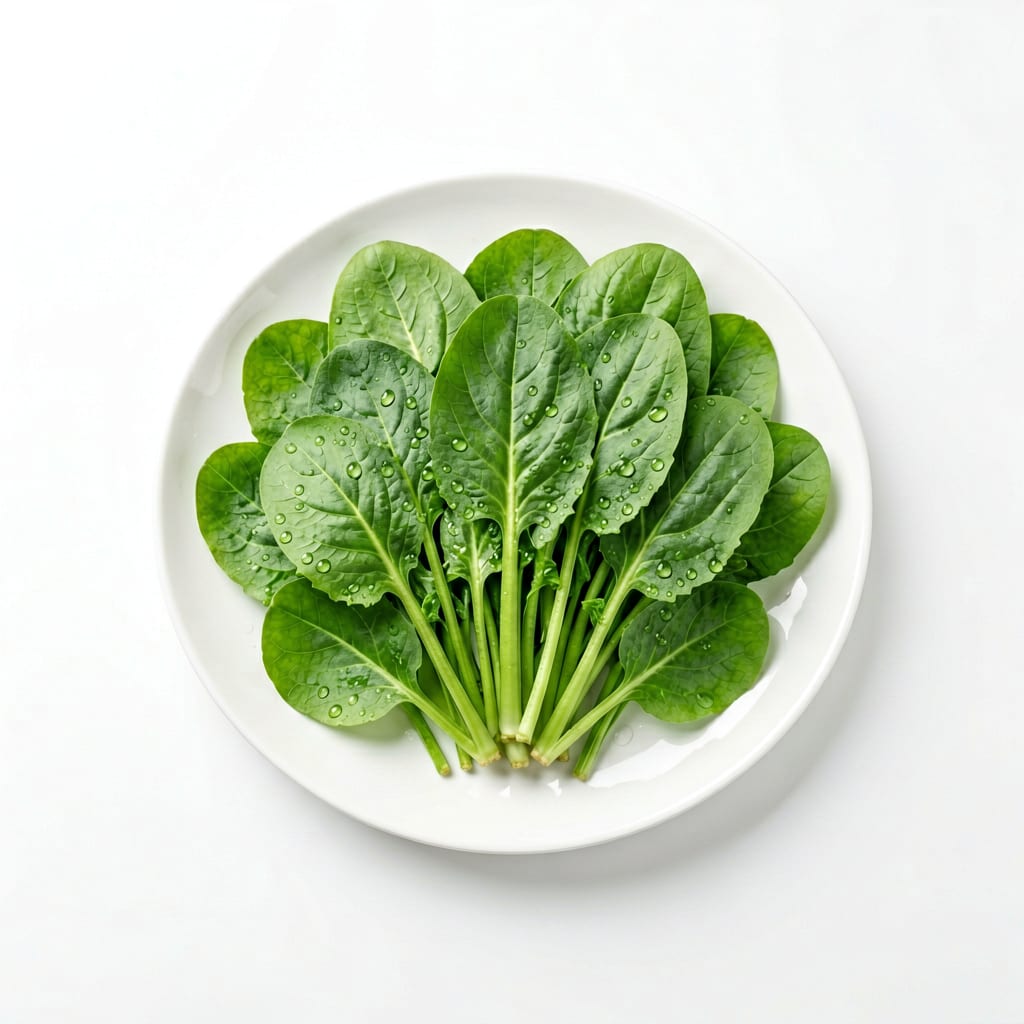
Watercress
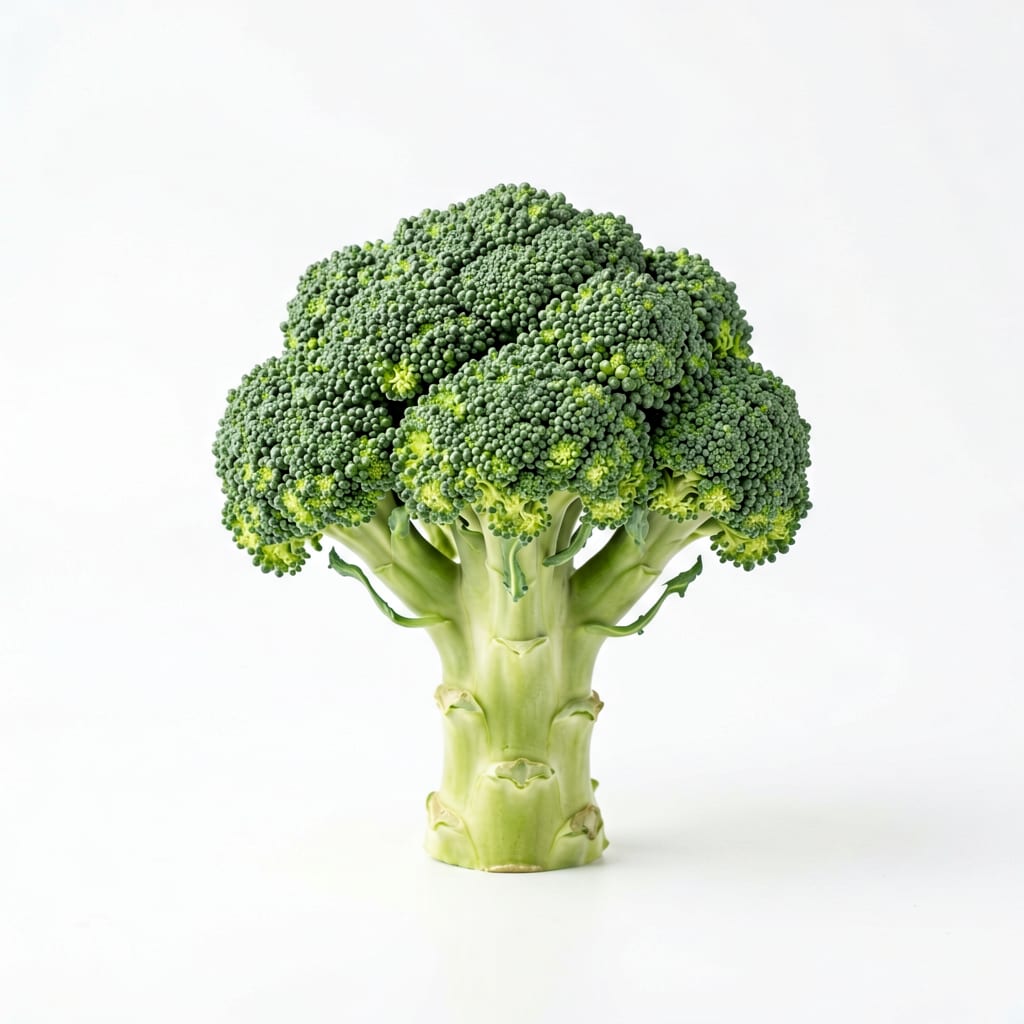
Broccoli
Watercress wins on pure nutrient density per calorie, but broccoli wins on filling power, fiber, and everyday practicality.
Watercress edges ahead on nutrient density, but broccoli's fiber, satiety, and accessibility keep it close. The small gap reflects that both are elite vegetable choices with different strengths.
Maximum micronutrient concentration versus satiety and meal-time versatility.
At a glance
Executive summary
Overall
It depends
Healthier
Watercress
More practical
Broccoli
Daily use
Broccoli
Key comparison lenses
nutrient density per calorie
Watercress consistently ranks as the most nutrient-dense food on the CDC index, making this the defining comparison point
satiety and fiber
Broccoli offers substantially more fiber and bulk, making it far more filling per serving
cancer fighting compounds
Both are cruciferous powerhouses but contain different glucosinolates with distinct anti-cancer mechanisms
practical everyday use
Broccoli is cheaper, more available, and more versatile in meals, which matters for long-term adherence
vitamin k and bone health
Watercress delivers an exceptional vitamin K load, critical for bone density and blood clotting
Best choice for
Watercress
- Maximizing vitamin and mineral intake with minimal calories
- Boosting vitamin K for bone health
- Adding peppery flavor to salads and sandwiches
- People seeking the highest nutrient-to-calorie ratio possible
Broccoli
- Staying full longer between meals
- Getting more fiber for digestive health
- Meal prepping and batch cooking
- Families needing affordable, kid-friendly vegetables
Least suitable for
Watercress
- People on blood thinners who must limit vitamin K
- Anyone wanting a filling standalone side dish
- Budget-conscious shoppers in areas where watercress is expensive
Broccoli
- Those seeking the absolute highest nutrient density per calorie
- People who want a raw leafy green for salads
- Anyone sensitive to cruciferous vegetables causing bloating
Deep comparison
Dimension by dimension
Each lens scores both foods and breaks down who each option suits.
- Dimension 1 · Priority 95Watercress
nutrient_density_per_calorie
Watercress · 98Broccoli · 76Watercress is the most nutrient-dense food ever scored by the CDC, earning a perfect 100/100. Broccoli scores well but cannot match this concentration.
Tradeoff
You get more vitamins per bite with watercress, but the serving sizes people actually eat are small, narrowing the real-world gap.
Why it matters
If you eat limited calories or small portions, watercress delivers more nutritional value per mouthful than almost anything else.
Real-world impact
A small handful of watercress in your salad delivers more vitamin K than a large serving of most other greens.
Watercress
- Low-calorie dieters seeking maximum nutrition
- Older adults needing concentrated micronutrients from small portions
Better for
- Those who only eat a few leaves and expect big nutritional returns from tiny amounts
Worse for
Broccoli
- People who eat large vegetable portions and get total nutrients from volume
Better for
- Anyone trying to maximize vitamin intake within strict calorie limits
Worse for
- Dimension 2 · Priority 85Broccoli
fiber_and_satiety
Watercress · 35Broccoli · 88Broccoli provides roughly 2.6g of fiber per cup compared to watercress at 0.4g. That makes broccoli far more filling and satisfying.
Tradeoff
Watercress keeps calories minimal but leaves you hungry sooner. Broccoli actually helps you stay full.
Why it matters
Fiber is the single biggest factor in whether a vegetable helps control appetite and supports gut health long-term.
Real-world impact
A cup of steamed broccoli as a side dish genuinely takes the edge off hunger. A cup of raw watercress barely registers.
Watercress
- Light eaters who want flavor without fullness
- Appetizer courses where you do not want to fill up
Better for
- People using vegetables as a primary fullness tool
- Those needing fiber for digestive regularity
Worse for
Broccoli
- Weight loss diets relying on volume eating
- People managing blood sugar through fiber intake
- Anyone trying to reduce snacking between meals
Better for
- Individuals with IBS who are sensitive to fibrous cruciferous vegetables
Worse for
- Dimension 3 · Priority 80It depends
cancer_fighting_compounds
Watercress · 85Broccoli · 83Watercress is rich in phenylethyl isothiocyanate (PEITC), while broccoli is the top source of sulforaphane. Both are potent but work through different pathways.
Tradeoff
You get different anti-cancer chemistry from each. Eating both is genuinely better than choosing one.
Why it matters
Cruciferous vegetables are the most consistently cancer-protective food group, and these compounds are the main reason why.
Real-world impact
Adding watercress to a broccoli-rich diet gives you broader anti-cancer coverage than doubling down on either one alone.
Watercress
- People focused on lung and colon cancer prevention where PEITC shows strong evidence
- Smokers or former smokers seeking protective compounds
Better for
- People who only eat cooked vegetables, since PEITC is heat-sensitive
Worse for
Broccoli
- People focused on breast and prostate cancer prevention where sulforaphane has stronger data
- Those who cook vegetables, since broccoli retains sulforaphane better than watercress retains PEITC when heated
Better for
- Those who overcook broccoli into mush, destroying sulforaphane
Worse for
- Dimension 4 · Priority 70Watercress
vitamin_k_and_bone_health
Watercress · 96Broccoli · 72Watercress delivers over 100% of daily vitamin K per cup raw. Broccoli provides a solid amount but far less per serving.
Tradeoff
Watercress is exceptional for bone health, but this becomes a downside for anyone on warfarin or other blood thinners.
Why it matters
Vitamin K is essential for calcium reaching bones instead of arteries, yet most people under-consume it.
Real-world impact
One cup of raw watercress covers your vitamin K needs for the day. You would need several cups of broccoli to match that.
Watercress
- Postmenopausal women concerned about bone density
- Anyone recovering from fractures
- People who do not eat fermented foods or other high-K sources
Better for
- Anyone on warfarin who must keep vitamin K intake stable and predictable
Worse for
Broccoli
- People on blood thinners who need moderate but consistent vitamin K intake
- Those who find it easier to eat broccoli in larger quantities
Better for
- Those relying on a single vegetable to meet vitamin K needs
Worse for
- Dimension 5 · Priority 75Broccoli
practicality_and_accessibility
Watercress · 45Broccoli · 90Broccoli is available everywhere, stores well, freezes beautifully, and works in dozens of dishes. Watercress is perishable, harder to find, and limited in culinary use.
Tradeoff
Watercress is a specialty green with a short shelf life. Broccoli is a reliable weekly staple that adapts to nearly any meal.
Why it matters
The healthiest vegetable only matters if you can actually buy it, store it, and eat it regularly.
Real-world impact
You can keep broccoli in your crisper for a week and freeze extras. Watercress wilts within 2-3 days and does not freeze well at all.
Watercress
- Home cooks who shop at farmers markets or specialty grocers
- People who enjoy fresh salad greens and eat them quickly
Better for
- Anyone who cannot shop frequently
- Rural shoppers with limited grocery options
Worse for
Broccoli
- Busy families who grocery shop once per week
- Meal preppers who cook in batches
- Anyone on a tight budget
- People living in areas with limited produce selection
Better for
- Those who find steamed broccoli boring and need more culinary excitement
Worse for
- Dimension 6 · Priority 65Broccoli
versatility_and_culinary_use
Watercress · 50Broccoli · 85Broccoli works roasted, steamed, stir-fried, in soups, as rice, in casseroles, and raw with dip. Watercress is mainly a salad green or garnish.
Tradeoff
Broccoli can carry a meal. Watercress can enhance one.
Why it matters
Variety in preparation prevents vegetable fatigue and makes healthy eating sustainable long-term.
Real-world impact
You can eat broccoli five days a week in different forms without getting bored. Watercress gets repetitive fast.
Watercress
- Salad lovers who want a peppery arugula alternative
- Sandwich and wrap builders wanting fresh crunch
- Soup garnishers adding a nutrient-dense topper
Better for
- Anyone who wants a cooked side dish as the main vegetable
- People who dislike peppery or bitter greens
Worse for
Broccoli
- Home cooks who want one vegetable that works across cuisines
- Parents hiding vegetables in pasta and casseroles
- Stir-fry enthusiasts
- Soup makers wanting a hearty base ingredient
Better for
- Raw food enthusiasts who find raw broccoli too fibrous
Worse for
Timeline
Health impact over time
Short-term
Hours to days
Watercress
- Quick hydration from high water content
- Immediate vitamin K boost supporting blood clotting function
- Peppery flavor can stimulate digestion and appetite
- Minimal caloric impact, making it easy to add to any meal
Broccoli
- Noticeable fullness after eating due to fiber bulk
- Steadier blood sugar after meals when eaten with carbs
- Possible gas or bloating in sensitive individuals, especially raw
- Vitamin C boost supporting immune function within hours
Long-term
Months to years
Watercress
- Stronger bone density from consistent high vitamin K intake
- Lower cancer risk from regular PEITC exposure
- Better skin health from concentrated carotenoids and vitamin C
- Potential thyroid concern if consumed in extreme amounts raw, due to goitrogens
Broccoli
- Improved digestive regularity and gut microbiome diversity from fiber
- Reduced cancer risk, particularly breast and prostate, from sulforaphane
- Better cardiovascular health from combined fiber and antioxidant effects
- Same thyroid caution with extreme raw intake, though cooking largely resolves this
Risk profile
Safety & processing
Both are whole, unprocessed vegetables typically sold fresh with nothing added. Choose organic for either if you want to minimize pesticide exposure, as both can carry residues, but conventional is still highly beneficial.
Watercress
Waterborne contamination
mediumWatercress grows in aquatic environments, making it more susceptible to parasites and bacteria if sourced from wild or unmonitored water. Always buy commercially grown.
Pesticide residue
lowLeafy greens can carry surface pesticides. Washing thoroughly reduces risk significantly.
Goitrogenic compounds
lowRaw watercress contains goitrogens that can interfere with thyroid function in susceptible people. Cooking reduces this substantially.
Broccoli
Pesticide residue
mediumBroccoli frequently appears on pesticide concern lists. The florets trap spray in their tight heads. Soaking and rinsing helps.
Goitrogenic compounds
lowSame cruciferous thyroid concern as watercress. Light cooking neutralizes most goitrogens.
Digestive discomfort
lowRaw or undercooked broccoli can cause significant gas and bloating, especially for people unaccustomed to high-fiber foods.
Who wins for whom
Audience fit
Same foods, different winners depending on your goal.
children
BroccoliBroccoli can be steamed soft, hidden in mac and cheese, or served with dip. Watercress is too peppery and unfamiliar for most kids.
daily consumption
BroccoliBroccoli's availability, shelf life, fiber content, and culinary flexibility make it a more sustainable daily habit for most people.
diabetes
BroccoliBroccoli's fiber slows glucose absorption more effectively, and sulforaphane has shown specific benefits for blood sugar regulation.
elderly
WatercressWatercress delivers concentrated nutrients in small, easy-to-chew portions, and its exceptional vitamin K content directly supports bone health in aging populations.
muscle gain
BroccoliNeither is a protein source, but broccoli pairs better with high-protein meals as a filling side that supports overall caloric intake for muscle building.
weight loss
BroccoliBroccoli's fiber and bulk create genuine satiety, making it easier to eat less overall. Watercress is low-calorie but will not fill you up.
Your move
Decision guide
Choose Watercress
- You want the most nutrient-dense food possible per calorie
- You enjoy peppery greens in salads and sandwiches
- Bone health is a top priority, especially for older women
- You shop frequently and can use delicate greens before they wilt
- You already eat broccoli regularly and want to diversify your cruciferous intake
Choose Broccoli
- You need a filling vegetable that actually satisfies hunger
- You want one versatile vegetable for the whole week
- Budget and availability matter for your grocery planning
- You cook most of your meals and want a vegetable that handles roasting, steaming, and stir-frying
- Digestive health and fiber intake are primary goals
Either works if
- You simply want more cruciferous vegetables in your life
- Cancer prevention through diet matters to you
- You are building a diverse vegetable rotation rather than picking one winner
Avoid both if
- You are on warfarin and cannot manage fluctuating vitamin K intake from multiple sources
- You have severe thyroid issues and eat large amounts of raw cruciferous vegetables daily without cooking them
Final recommendation
Eat both. Use watercress as your salad base or sandwich green a few times per week for concentrated micronutrients, and keep broccoli as your reliable daily workhorse for fiber, fullness, and sulforaphane. If you must pick one for daily use, broccoli wins on sustainability and satiety. If you are optimizing purely for nutrient density in a small portion, watercress is unmatched.
Practical
Consumer tips
- 1
Let broccoli sit chopped for 40 minutes before cooking to maximize sulforaphane formation — the enzyme needs time to activate
- 2
Watercress loses some nutrients when cooked, so eat it raw or add it at the very end of cooking
- 3
Both vegetables are on the EWG Dirty Dozen list some years — buy organic when affordable, but conventional is still far better than skipping them
- 4
If watercress is hard to find, grow it at home in a container with water — it is one of the easiest greens to cultivate
- 5
Freeze broccoli florets for meal prep, but use watercress within 2-3 days of purchase
- 6
Pair either vegetable with a fat source like olive oil or avocado to absorb fat-soluble vitamins K, A, and E more effectively
- 7
If raw broccoli bothers your stomach, steam it lightly — you retain most nutrients while making it far easier to digest