
Nutrition comparison
Watercress vs Romaine Lettuce: Which Green Is Actually Better for You?
Watercress is the most nutrient-dense vegetable on earth, but Romaine wins on price and practicality. Compare their health benefits, taste, cost, and best uses to pick the right green for your diet.
Overall winner · Watercress
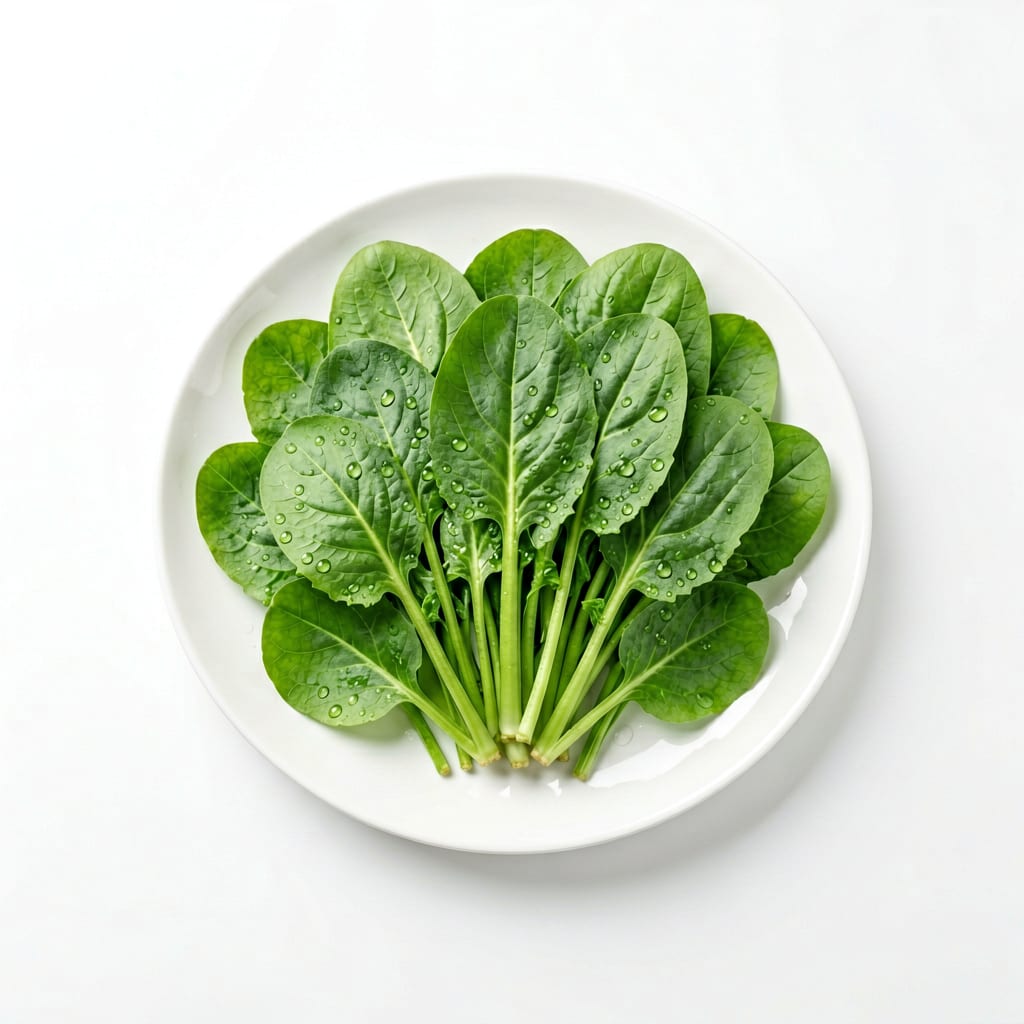
Watercress
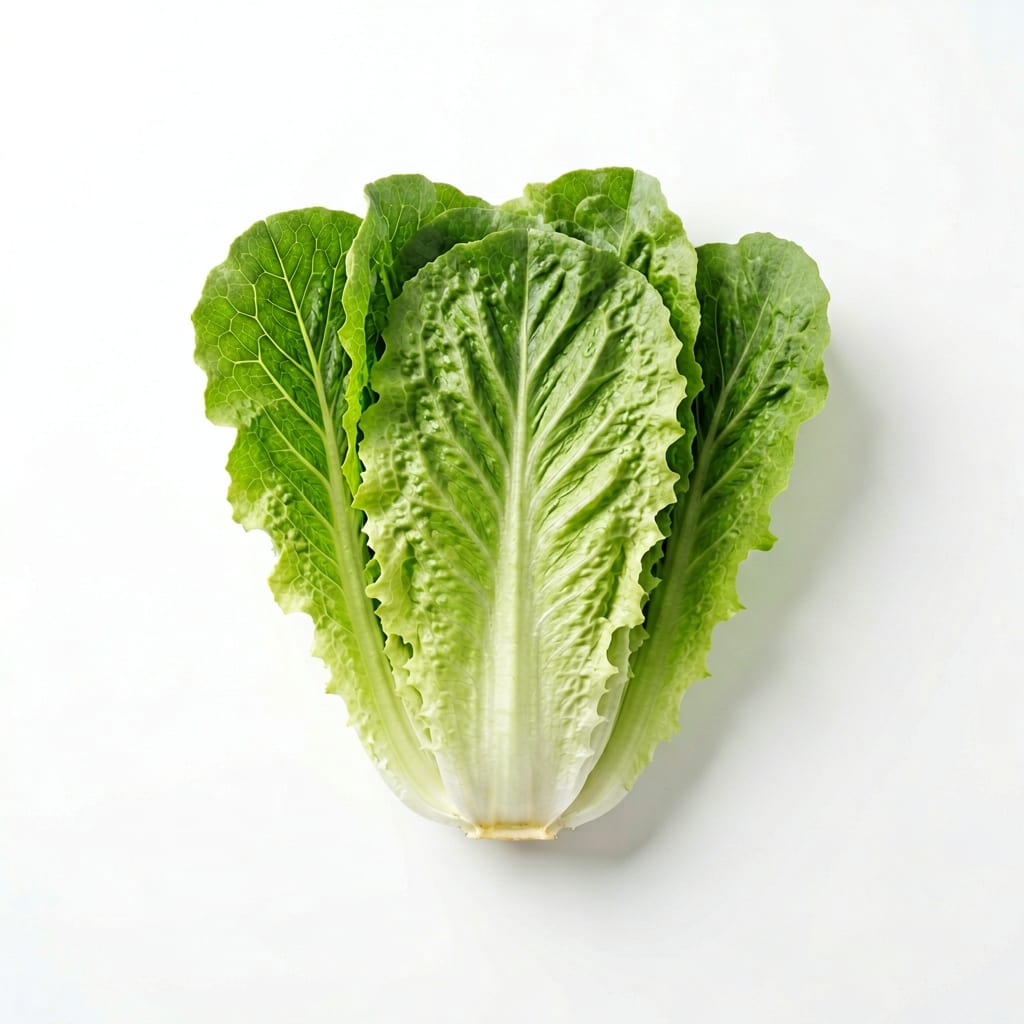
Romaine Lettuce
Watercress is the nutritional heavyweight champion, but Romaine wins on practicality and price. Most people benefit from using both strategically.
Watercress scores higher due to exceptional nutrient density and unique phytochemicals, but Romaine remains competitive because of superior accessibility, shelf life, and cost-effectiveness. The gap reflects nutrition versus practicality tradeoffs.
Maximum nutrition per bite versus everyday convenience and affordability
At a glance
Executive summary
Overall
Watercress
Healthier
Watercress
More practical
Romaine Lettuce
Daily use
Romaine Lettuce
Key comparison lenses
nutrient density maximization
Watercress is the CDC's #1 ranked powerhouse vegetable, making nutrient density the defining difference in this comparison
salad base selection
Both are primarily used as salad greens, so everyday practicality matters enormously
cancer prevention diet
Watercress contains unique glucosinolates linked to cancer-fighting properties that Romaine cannot match
budget friendly nutrition
Romaine is significantly cheaper and more accessible, making cost a key tradeoff
food safety concerns
Both carry distinct contamination risks that influence purchasing decisions
Best choice for
Watercress
- People prioritizing cancer-fighting compounds in their diet
- Anyone wanting maximum vitamins and minerals per calorie
- Smoothie or soup makers who can blend the peppery flavor
- Those following nutrient-dense eating approaches like nutritarian diets
Romaine Lettuce
- Families needing affordable daily salad greens
- Meal preppers who want greens that last all week
- Picky eaters who find bitter greens unpleasant
- Anyone building large salads on a budget
Least suitable for
Watercress
- Budget-conscious shoppers feeding a large household
- People who dislike peppery or bitter flavors
- Anyone needing long-lasting produce for infrequent shopping trips
- Large salad builders who need volume cheaply
Romaine Lettuce
- Those seeking the most nutrient-dense greens possible
- People targeting specific compounds like glucosinolates
- Anyone wanting significant iron or calcium from their salad base
Deep comparison
Dimension by dimension
Each lens scores both foods and breaks down who each option suits.
- Dimension 1 · Priority 95Watercress
nutrient_density
Watercress · 98Romaine Lettuce · 52Watercress is the most nutrient-dense vegetable scientifically documented, scoring a perfect 100/100 on the CDC's powerhouse foods index. Romaine scores around 63.
Tradeoff
You get roughly double the micronutrient concentration in Watercress, but in a smaller, more expensive package
Why it matters
If you eat small portions or struggle to get enough vitamins, Watercress delivers more per bite than almost any other food
Real-world impact
A handful of Watercress provides more vitamin K than an entire head of Romaine, which matters for bone and blood health
Watercress
- Meeting vitamin K needs quickly
- Boosting iron intake without supplements
- Getting significant calcium from a non-dairy source
- Maximizing antioxidant intake in small portions
Better for
- Small serving sizes limit total nutrient intake if you only eat a few sprigs
Worse for
Romaine Lettuce
- Getting more total nutrients by volume if you eat large salads
- Milder flavor means you can eat more total greens comfortably
Better for
- Lower concentration means you need larger quantities to hit the same micronutrient targets
Worse for
- Dimension 2 · Priority 85Watercress
cancer_fighting_compounds
Watercress · 94Romaine Lettuce · 35Watercress is rich in glucosinolates and phenylethyl isothiocyanate, compounds shown to inhibit cancer cell growth. Romaine has minimal amounts of these phytochemicals.
Tradeoff
Watercress offers therapeutic-level plant compounds that Romaine simply cannot provide, but you need to eat it regularly for meaningful effects
Why it matters
Research shows Watercress can suppress DNA damage in white blood cells, a unique benefit among salad greens
Real-world impact
Eating Watercress a few times per week may meaningfully reduce oxidative stress in ways that Romaine cannot replicate
Watercress
- Reducing chronic inflammation markers
- Adding cancer-preventive compounds to your diet
- Supporting detoxification pathways
- Protecting cells from DNA damage
Better for
- Benefits require consistent intake, not occasional use
Worse for
Romaine Lettuce
- No specific advantage in this category
Better for
- Lacks the glucosinolate family entirely, missing a major class of protective compounds
Worse for
- Dimension 3 · Priority 80Romaine Lettuce
taste_and_versatility
Watercress · 55Romaine Lettuce · 82Romaine's mild crunch works in almost any dish. Watercress brings a peppery kick that limits where it fits comfortably.
Tradeoff
Romaine is the reliable team player; Watercress is the bold specialist that not every dish can accommodate
Why it matters
If greens taste unpleasant, people eat less of them. Romaine's approachability keeps salads on the menu.
Real-world impact
Kids and picky eaters will generally accept Romaine in wraps and salads, while Watercress often gets picked around or rejected
Watercress
- Adding complex flavor to soups and sandwiches
- Peppeing up egg dishes and potato salads
- Making gourmet presentations
Better for
- Peppery bitterness limits portion sizes for many people
- Overpowers delicate dressings and flavors
Worse for
Romaine Lettuce
- Building large satisfying salads as a meal base
- Wraps and lettuce cups that need crunch
- Juicing and smoothies where you want neutral flavor
- Caesar salads and classic recipes
Better for
- Can feel watery and bland without strong dressings or toppings
Worse for
- Dimension 4 · Priority 78Romaine Lettuce
cost_and_accessibility
Watercress · 35Romaine Lettuce · 90Romaine is available everywhere year-round at low prices. Watercress is often specialty-store-only and costs 3-5 times more per ounce.
Tradeoff
Affordable and everywhere versus premium and harder to find
Why it matters
The healthiest green only matters if you can actually buy it and afford to eat it regularly
Real-world impact
A family of four can eat Romaine daily for under $10 per week. The same frequency with Watercress could cost $30-40.
Watercress
- Specialty recipes where its unique flavor justifies the cost
Better for
- Prohibitive cost for daily use for many households
- May require trips to specialty or higher-end stores
Worse for
Romaine Lettuce
- Daily salad eaters on a budget
- Large households needing affordable produce
- People in areas with limited grocery options
- Consistent weekly meal planning
Better for
- No specific cost disadvantage
Worse for
- Dimension 5 · Priority 72Romaine Lettuce
shelf_life_and_storage
Watercress · 38Romaine Lettuce · 78Romaine lasts 7-10 days refrigerated. Watercress wilts within 2-3 days and turns slimy quickly.
Tradeoff
Romaine forgives busy schedules and infrequent shopping; Watercress demands immediate use
Why it matters
Wilted greens get thrown away, wasting both money and nutrition. Shelf life directly affects real-world consumption.
Real-world impact
Buy Watercress on Monday and it may be unusable by Thursday. Romaine bought on Saturday still looks great the following weekend.
Watercress
- No real advantage in storage
Better for
- Must be consumed within 1-2 days of purchase
- High waste risk if plans change
- Cannot buy in bulk
Worse for
Romaine Lettuce
- Weekly grocery shopping without waste
- Meal prepping salads in advance
- Less food waste and money saved
- Stocking up during sales
Better for
- Outer leaves brown eventually but inner leaves remain usable
Worse for
- Dimension 6 · Priority 65Romaine Lettuce
digestive_tolerance
Watercress · 58Romaine Lettuce · 85Romaine is gentle on nearly all digestive systems. Watercress's peppery compounds can irritate sensitive stomachs in larger amounts.
Tradeoff
Easy digestion versus potent plant chemistry that may challenge sensitive systems
Why it matters
The strongest greens only help if your body can comfortably process them
Real-world impact
People with IBS or acid reflux may find Watercress aggravates symptoms, while Romaine is generally well-tolerated
Watercress
- Stimulating digestion with its bitter compounds
- Supporting healthy gut bacteria through polyphenols
Better for
- May cause heartburn or stomach upset in sensitive individuals
- Large portions can irritate the GI tract
Worse for
Romaine Lettuce
- Sensitive stomachs and IBS
- Recovery from digestive illness
- Introducing more greens after a low-produce period
Better for
- Lower fiber per serving than Watercress
Worse for
Timeline
Health impact over time
Short-term
Hours to days
Watercress
- Noticeable energy lift from high B-vitamin content
- Peppery warmth that can clear sinuses slightly
- Quick hydration from high water content
- Possible mild stomach warming sensation from active compounds
Romaine Lettuce
- Refreshing crunch that satisfies the urge to eat something fresh
- Gentle hydration without any digestive challenge
- Comforting familiarity that reduces stress around healthy eating
- Very low calorie intake, easy on blood sugar
Long-term
Months to years
Watercress
- Stronger bones from exceptional vitamin K levels
- Potential reduction in cancer risk from glucosinolates
- Better skin health from concentrated vitamin C and beta-carotene
- Improved cardiovascular markers from nitrates and antioxidants
Romaine Lettuce
- Consistent fiber intake supporting regular digestion
- Steady vitamin A intake for eye health
- Reliable hydration habit from daily salad consumption
- Weight management through low-calorie volume eating
Risk profile
Safety & processing
Both greens are sold raw and unprocessed, making them equally clean choices. Neither typically carries additives or preservatives when sold fresh.
Watercress
Waterborne contamination
mediumWatercress grows in aquatic environments that can harbor parasites like liver fluke, especially from wild-harvested sources. Commercially grown Watercress is much safer but still warrants thorough washing.
Bacterial contamination
lowLike all raw greens, Watercress can carry E. coli or Salmonella, but major outbreaks linked specifically to Watercress are rare compared to other greens.
Romaine Lettuce
E. coli outbreaks
highRomaine has been linked to multiple significant E. coli outbreaks in recent years, particularly from certain growing regions. Check CDC advisories during known outbreak periods.
Pesticide residue
mediumRomaine frequently appears on EWG's Dirty Dozen list, meaning it tends to carry more pesticide residue than many other produce items. Washing helps but does not remove all residues.
Who wins for whom
Audience fit
Same foods, different winners depending on your goal.
children
Romaine LettuceRomaine's mild crunch is far more kid-friendly than Watercress's peppery bite, and children are more likely to actually eat it
daily consumption
Romaine LettuceAffordability, availability, and shelf life make Romaine realistic for daily use, while Watercress is better as a strategic addition a few times per week
diabetes
WatercressWatercress has slightly more fiber and significantly more antioxidants that combat oxidative stress associated with diabetes complications
elderly
WatercressExceptional vitamin K and calcium content in Watercress directly supports bone density and cardiovascular health concerns common in older adults
muscle gain
WatercressWatercress provides more iron, calcium, and vitamin K per serving, supporting the nutrient needs of active bodies recovering from training
weight loss
Romaine LettuceRomaine's mild flavor and low cost make it easier to eat in large volumes, creating satisfying low-calorie meals you can actually sustain
Your move
Decision guide
Choose Watercress
- You want the most nutrient-dense greens possible and budget is not a barrier
- Cancer prevention and antioxidant intake are top health priorities
- You enjoy or can tolerate peppery, bitter flavors
- You can shop frequently and use produce quickly
- You make smoothies, soups, or egg dishes where Watercress shines
Choose Romaine Lettuce
- You need affordable greens for daily family meals
- You meal prep or shop once per week
- You want a versatile base for large salads and wraps
- Picky eaters or children need to accept the greens
- You cannot easily find Watercress in your area
Either works if
- You simply want more raw greens in your diet and both are available
- You are building a mixed salad and can combine both for layered flavor
- Neither poses a specific health risk to you
Avoid both if
- You are on a blood thinner like warfarin without medical guidance, as both are high in vitamin K
- You have a known allergy to brassica vegetables or lettuce family
Final recommendation
Use Romaine as your daily salad foundation for its practicality, and add Watercress 2-3 times per week as a nutritional booster. This combo gives you the volume and affordability of Romaine with the concentrated phytochemical punch of Watercress. Think of Romaine as your reliable daily driver and Watercress as your premium supplement.
Practical
Consumer tips
- 1
Buy Watercress the day you plan to use it, or at most one day before
- 2
Store Watercress stems-down in a glass of water in the fridge to extend life by a day
- 3
Mix both greens together: Romaine for bulk and crunch, Watercress for flavor and nutrition
- 4
Wash Romaine thoroughly, especially during known E. coli outbreak seasons
- 5
Choose organic Romaine when possible due to pesticide residue concerns
- 6
Blend Watercress into green smoothies if the peppery taste is too strong on its own
- 7
Freeze Watercress before it wilts for later use in soups and smoothies
- 8
Check the stems of Watercress before buying — they should be crisp, not slimy