
Nutrition comparison
Watercress vs Parsley: Nutrient Density, Health Benefits & Uses
Compare Watercress vs Parsley to see which green is healthier. Discover the differences in nutrient density, antioxidants, and culinary uses to make the best choice.
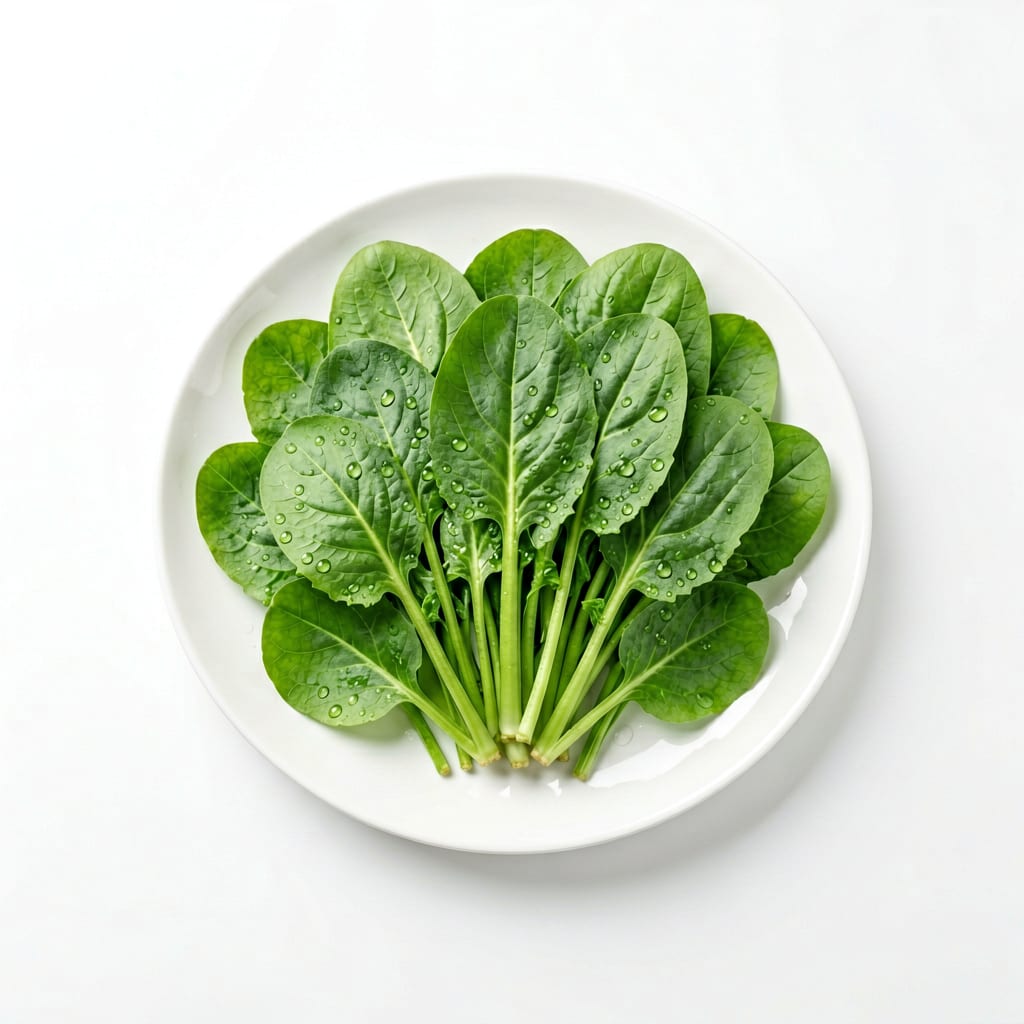
Watercress
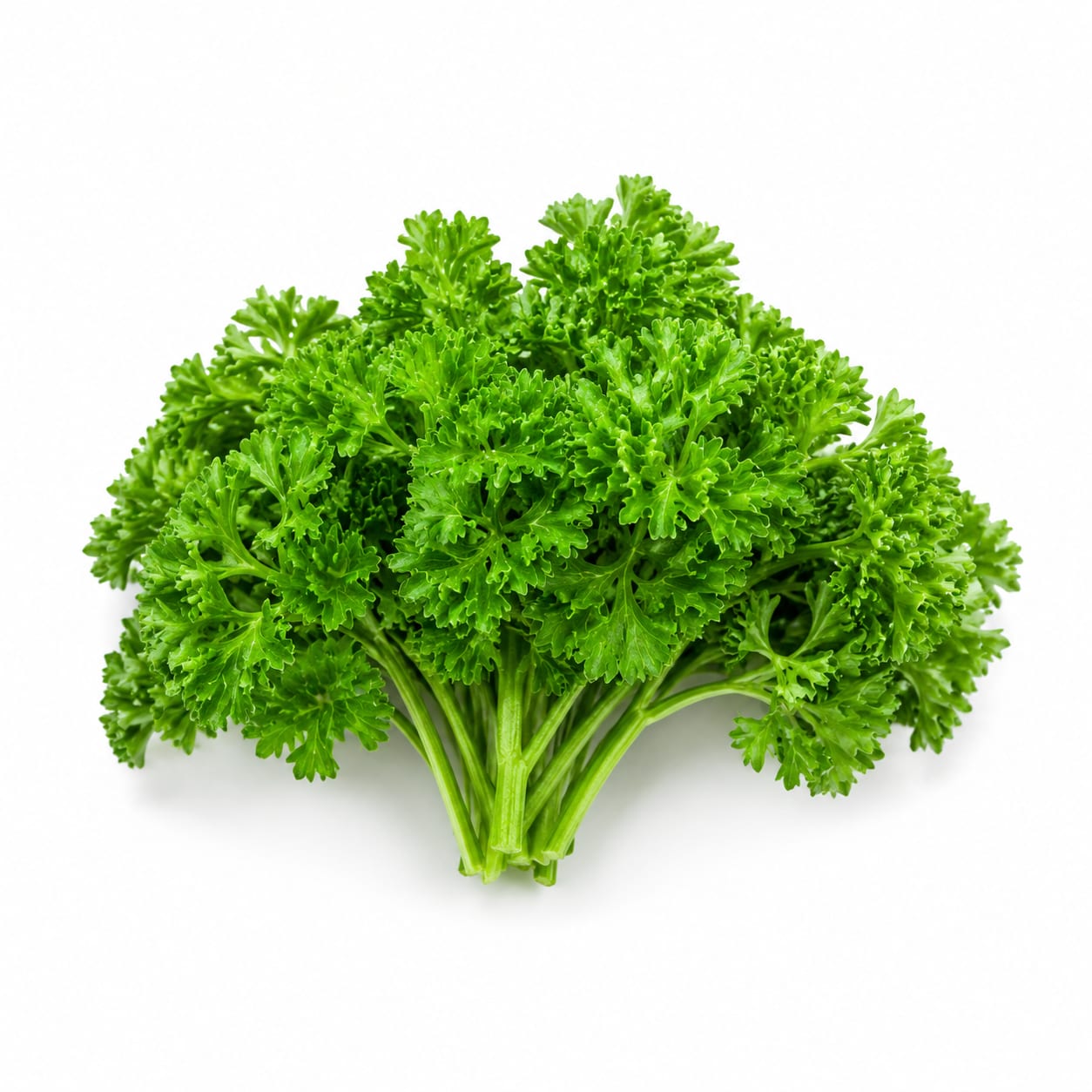
Parsley
Watercress wins on raw nutrient density and cancer-fighting potential, but Parsley is far more practical for daily use and still packs a massive nutritional punch.
Watercress scores slightly higher for sheer nutrient density and unique disease-fighting compounds, but Parsley's versatility and ease of daily use keep it very close in practical value.
Maximum nutritional impact per bite versus everyday convenience and culinary flexibility.
At a glance
Executive summary
Overall
It depends
Healthier
Watercress
More practical
Parsley
Daily use
Parsley
Key comparison lenses
Nutrient density supremacy
Both are powerhouse greens, but Watercress famously tops the CDC's nutrient density index, making direct comparison crucial.
Culinary role and everyday practicality
Parsley is a ubiquitous garnish and flavor enhancer, while Watercress is a more specialized salad or soup ingredient.
Cancer-fighting and antioxidant compounds
Watercress is rich in glucosinolates, while Parsley provides apigenin; both have distinct, powerful cellular defense properties.
Shelf life and food waste
Watercress wilts notoriously fast, whereas Parsley is relatively hardy, impacting real-world usability and grocery budgets.
Best choice for
Watercress
- Maximizing vitamin intake per calorie
- Targeted antioxidant and cellular defense
- Elegant salads and comforting soups
Parsley
- Easy daily flavor boosts
- Garnishing nearly any savory dish
- Making herb-heavy dishes like tabbouleh or chimichurri
Least suitable for
Watercress
- People who want a long-lasting fridge staple
- Those who dislike peppery, slightly bitter flavors
Parsley
- People looking for a bulky salad base
- Those who want large, filling serving sizes
Deep comparison
Dimension by dimension
Each lens scores both foods and breaks down who each option suits.
- Dimension 1 · Priority 95Watercress
Nutrient Density
Watercress · 99Parsley · 92Watercress is the undisputed king of nutrient density, ranking #1 on the CDC's powerhouse vegetables list, while Parsley still ranks impressively high.
Tradeoff
You get slightly more vitamins per leaf with Watercress, but Parsley is easier to consume in varied meals throughout the week.
Why it matters
Higher nutrient density means better cellular health, immunity, and energy from fewer calories.
Real-world impact
Eating a handful of Watercress delivers a slightly bigger vitamin punch than the same amount of Parsley, but both outclass almost every other vegetable.
Watercress
- Nutrient maximization per calorie
- Replacing lettuce in salads for a health upgrade
Better for
- Those who waste it because it goes bad before finishing the bag
Worse for
Parsley
- Consistently adding nutrients to meals without thinking about it
Better for
- Situations requiring a large, filling vegetable base
Worse for
- Dimension 2 · Priority 85Watercress
Antioxidant & Disease-Fighting Potential
Watercress · 96Parsley · 88Watercress contains glucosinolates like PEITC, which are heavily studied for cancer defense, while Parsley offers apigenin, a flavonoid with its own strong health benefits.
Tradeoff
Watercress has more clinical backing for cellular defense, while Parsley's apigenin is great but slightly less studied for acute impacts.
Why it matters
Chronic disease prevention relies heavily on these unique phytochemicals that go beyond basic vitamins.
Real-world impact
Regularly eating Watercress gives your cells high-tier defense compounds, whereas Parsley provides a solid but different class of antioxidants.
Watercress
- Targeted cellular protection
- Those with a family history of chronic disease looking for an edge
Better for
- Anyone expecting immediate, noticeable physical changes
Worse for
Parsley
- Reducing everyday inflammation through varied meals
Better for
- Situations where maximum glucosinolate intake is the priority
Worse for
- Dimension 3 · Priority 90Parsley
Culinary Versatility & Practicality
Watercress · 70Parsley · 94Parsley is a universal flavor enhancer and garnish, while Watercress is a more specialized ingredient that dominates the dish.
Tradeoff
Parsley effortlessly slips into almost any meal, whereas Watercress requires intentional recipe planning.
Why it matters
The healthiest food only works if you actually eat it regularly without getting bored or wasting it.
Real-world impact
You can toss Parsley into eggs, pasta, and salads daily, but Watercress often sits in the fridge waiting for a specific recipe.
Watercress
- Creating a featured salad or soup
- Making a visually impressive side dish
Better for
- Busy people who need low-prep additions
- Those who dislike peppery flavors
Worse for
Parsley
- Quick weeknight cooking
- Enhancing flavor without meal prep
Better for
- Acting as the main component of a meal
Worse for
- Dimension 4 · Priority 80Parsley
Shelf Life & Waste
Watercress · 55Parsley · 80Parsley holds up well in the fridge for over a week, while Watercress is notoriously fragile and wilts within days.
Tradeoff
Watercress demands immediate consumption, while Parsley gives you a larger window to use it up.
Why it matters
Food waste directly undermines the nutritional and financial value of your grocery haul.
Real-world impact
That bag of Watercress might turn to slime by day three, but Parsley will still be vibrant and ready for your weekend cooking.
Watercress
- Meal preppers who shop and eat on the same day
Better for
- Infrequent cooks
- Those annoyed by slimy greens in the crisper drawer
Worse for
Parsley
- People who grocery shop once a week
- Reducing food waste and saving money
Better for
- Situations where immediate, high-volume consumption is needed
Worse for
Timeline
Health impact over time
Short-term
Hours to days
Watercress
- Quick hydration due to high water content
- Peppery flavor can clear sinuses
- Immediate boost in vitamins K and C
Parsley
- Freshens breath naturally after meals
- Aids digestion when eaten with heavy dishes
- Mild diuretic effect to reduce bloating
Long-term
Months to years
Watercress
- Strong cellular defense against DNA damage
- Improved bone density from extreme vitamin K levels
- Better skin health from high vitamin C and A
Parsley
- Consistent anti-inflammatory benefits from apigenin
- Support for kidney health and reduced water retention
- Steady improvement in heart health via folate
Risk profile
Safety & processing
Both Watercress and Parsley are whole, raw vegetables with virtually no processing or additives when bought fresh.
Watercress
Waterborne parasites
mediumBecause Watercress grows in aquatic environments, it can occasionally harbor parasites like liver flukes if sourced from unclean wild waterways. Always buy cultivated Watercress and wash thoroughly.
Parsley
Pesticide residue
mediumCurly Parsley can sometimes hold onto pesticide residues in its tight leaves. Washing well or buying organic mitigates this risk.
Who wins for whom
Audience fit
Same foods, different winners depending on your goal.
children
ParsleyParsley's milder, fresher flavor is easier to hide in kid-friendly meals than Watercress's peppery bite.
daily consumption
ParsleyParsley's versatility and longer shelf life make it far easier to incorporate into everyday meals without waste.
diabetes
WatercressWatercress has an exceptionally low glycemic index and its glucosinolates may help improve insulin sensitivity.
elderly
WatercressThe extreme vitamin K density in Watercress is highly beneficial for bone health and cardiovascular protection in older adults.
muscle gain
It dependsNeither is a significant protein source, but both provide the micronutrients needed to support recovery. Parsley is easier to pair with protein dishes.
weight loss
WatercressWatercress is incredibly filling per calorie due to its high water and nutrient volume, making it an excellent bulky salad base for weight loss.
Your move
Decision guide
Choose Watercress
- You want the absolute most nutrient-dense green available.
- You are making a fancy salad, sandwich, or soup.
- You can shop frequently and use delicate greens quickly.
Choose Parsley
- You want an easy way to add freshness and nutrients to everyday cooking.
- You hate wasting food and need greens that last.
- You are making sauces, garnishes, or Mediterranean dishes.
Either works if
- You just want to boost your vitamin K and antioxidant intake.
- You are looking for low-calorie flavor enhancers.
Avoid both if
- You are on blood thinners like Warfarin and cannot manage high vitamin K intake.
- You are looking for substantial calories or protein.
Final recommendation
Keep Parsley as your daily driver for effortless flavor and nutrition, but treat Watercress as a premium upgrade when you have the time to shop and cook with it.
Practical
Consumer tips
- 1
Store Watercress like flowers: stems down in a glass of water in the fridge to extend its life by a few days.
- 2
Don't just use Parsley as a garnish; make it a main ingredient in tabbouleh or chimichurri to reap its health benefits.
- 3
If Watercress is hard to find, a mix of arugula and Parsley can mimic its peppery, fresh flavor profile.
- 4
Always wash both greens thoroughly, even pre-washed packages, to remove hidden grit and potential residues.