
Nutrition comparison
Watercress vs Arugula: Which Peppery Green Is Healthier?
Watercress ranks as the most nutrient-dense vegetable available, but arugula wins on taste, price, and daily practicality. Compare their health benefits, flavor, and best uses to pick the right green for you.
Overall winner · Watercress
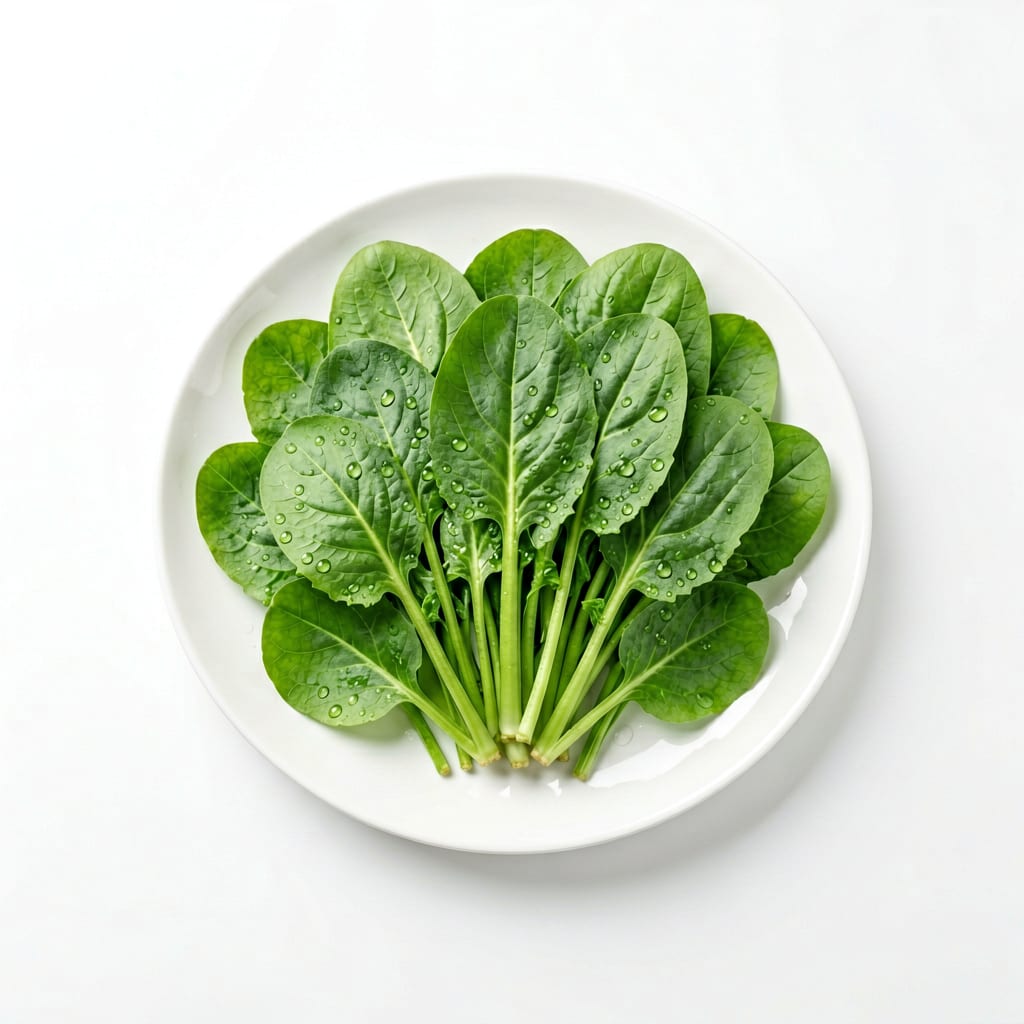
Watercress
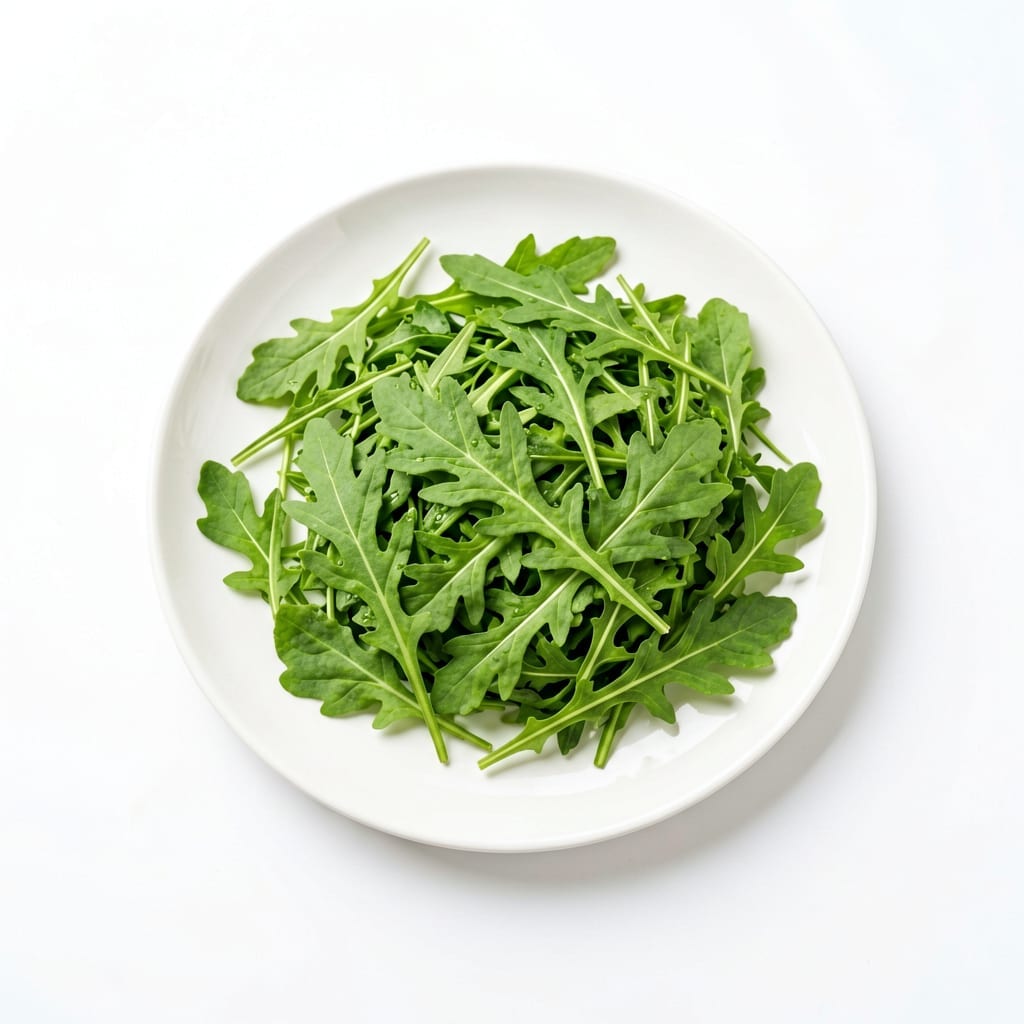
Arugula
Watercress is the nutritional powerhouse that outperforms arugula in nearly every vitamin and mineral category, but arugula wins on taste, price, and everyday practicality.
Watercress scores higher due to its unmatched nutrient density and superior antioxidant profile, but arugula remains close because of better accessibility, affordability, and flavor enjoyment — factors that determine whether someone actually eats greens consistently.
Maximum nutrition versus everyday usability — watercress delivers more health benefits per leaf, but arugula is easier to find, cheaper, and more pleasant to eat regularly.
At a glance
Executive summary
Overall
Watercress
Healthier
Watercress
More practical
Arugula
Daily use
Arugula
Key comparison lenses
nutrient density maximization
Watercress consistently ranks as the most nutrient-dense vegetable available, making this the primary differentiator
salad green selection
Both are peppery salad greens often used interchangeably, so users want to know which delivers more value per bite
cancer prevention diet
Both contain glucosinolates, but watercress has significantly higher concentrations linked to anti-cancer research
budget friendly nutrition
Arugula is more affordable and accessible, making it the practical choice for daily use
flavor preference
Watercress is more bitter and peppery while arugula offers a milder nutty pepper flavor, affecting enjoyment and consistency
Best choice for
Watercress
- People prioritizing maximum nutrient density per calorie
- Those focused on cancer-preventive eating patterns
- Anyone needing a vitamin K boost
- Individuals with iron-deficiency concerns seeking plant sources
Arugula
- Budget-conscious shoppers wanting healthy greens daily
- People who find bitter greens unpleasant
- Home cooks wanting a versatile salad base
- Those who need reliable year-round availability at regular grocery stores
Least suitable for
Watercress
- Pick eaters sensitive to bitter flavors
- Tight grocery budgets requiring bulk greens
- People who cannot find it locally or regularly
- Those wanting a mild base for large salads
Arugula
- People seeking the absolute most nutrient-dense option available
- Those specifically targeting high glucosinolate intake
- Anyone wanting maximum vitamin C from their salad greens
- Individuals needing therapeutic doses of phytonutrients
Deep comparison
Dimension by dimension
Each lens scores both foods and breaks down who each option suits.
- Dimension 1 · Priority 95Watercress
Nutrient Density
Watercress · 98Arugula · 72Watercress is the undisputed champion of nutrient density, ranking #1 on the CDC's fruit and vegetable power classification with a perfect score of 100 out of 100.
Tradeoff
You get dramatically more vitamins and minerals per calorie from watercress, but you may eat smaller portions due to its stronger flavor.
Why it matters
Higher nutrient density means every bite works harder for your health, which matters especially if you do not eat large volumes of vegetables.
Real-world impact
A small handful of watercress delivers more vitamin K, vitamin C, and iron than a large arugula salad — making it ideal when appetite or stomach capacity is limited.
Watercress
- Maximizing nutrition in small portions
- Older adults with reduced appetite
- Anyone eating fewer calories who still needs nutrients
Better for
- Situations where you want a big filling salad base
- Anyone turned off by intense flavor limiting intake
Worse for
Arugula
- Building large satisfying salads
- People who enjoy eating bigger volumes of food
- Those who get full nutrients from variety rather than density
Better for
- When every calorie needs to count nutritionally
- Those relying on greens as a primary nutrient source
Worse for
- Dimension 2 · Priority 85Watercress
Cancer-Fighting Compounds
Watercress · 92Arugula · 68Watercress contains significantly more glucosinolates and phenethyl isothiocyanate (PEITC), compounds extensively studied for their anti-cancer properties.
Tradeoff
Watercress offers stronger chemoprotective potential, but both greens provide some benefit — arugula still delivers meaningful glucosinolates compared to non-cruciferous vegetables.
Why it matters
PEITC from watercress has been shown in studies to inhibit cancer cell growth and support the body's natural detoxification pathways.
Real-world impact
Regular watercress consumption has been linked to reduced DNA damage in white blood cells — a measurable marker of cancer-protective activity.
Watercress
- Family history of cancer seeking preventive foods
- People in remission wanting supportive nutrition
- Those focused on long-term disease prevention
Better for
- Situations where consistency matters more than peak dose — if you cannot eat it often, the advantage shrinks
Worse for
Arugula
- Anyone wanting moderate protection without dietary extremes
- People who find watercress too intense to eat regularly
Better for
- Those specifically targeting high glucosinolate intake for therapeutic purposes
Worse for
- Dimension 3 · Priority 82Watercress
Vitamin K Content
Watercress · 96Arugula · 78Watercress provides roughly twice the vitamin K of arugula per serving, making it one of the best dietary sources available.
Tradeoff
Superior vitamin K supports bone health and blood clotting, but people on blood thinners like warfarin need to monitor intake carefully regardless of which green they choose.
Why it matters
Vitamin K is essential for calcium reaching bones instead of arteries, and most people under-consume it.
Real-world impact
Eating watercress regularly can meaningfully improve bone density markers over time, especially in postmenopausal women.
Watercress
- Older adults concerned about bone health
- Postmenopausal women at risk for osteoporosis
- Anyone wanting to optimize vitamin K naturally
Better for
- Patients on anticoagulants who must strictly limit vitamin K fluctuations
Worse for
Arugula
- People on warfarin who need stable moderate vitamin K intake
- Those already meeting vitamin K needs through other sources
Better for
- Those relying on salad greens as their primary vitamin K source
Worse for
- Dimension 4 · Priority 78Arugula
Flavor and Enjoyment
Watercress · 55Arugula · 82Arugula offers a pleasant peppery-nutty flavor that most people enjoy, while watercress is more intensely bitter and peppery, which limits portion sizes for many.
Tradeoff
Better flavor means you eat more greens more often, which can outweigh the nutrient-per-gram advantage of a green you rarely choose.
Why it matters
The healthiest food only works if you actually eat it consistently — enjoyment drives adherence.
Real-world impact
You are more likely to build a daily salad habit with arugula because it tastes good in larger quantities without overwhelming other ingredients.
Watercress
- Adventurous eaters who enjoy bold bitter flavors
- Culinary use in small amounts as a garnish or accent
- Pairing with rich foods where bitterness cuts through fat
Better for
- Large salads where the flavor becomes overwhelming
- Picky eaters or those new to bitter greens
Worse for
Arugula
- Daily salad eaters wanting an enjoyable base green
- Families introducing greens to children
- Recipes where the green should complement rather than dominate
Better for
- Dishes where a bold peppery accent is specifically desired
Worse for
- Dimension 5 · Priority 75Arugula
Accessibility and Cost
Watercress · 45Arugula · 88Arugula is available at nearly every grocery store year-round at reasonable prices, while watercress can be harder to find, more perishable, and noticeably more expensive.
Tradeoff
Paying more for watercress gets you superior nutrition, but if availability limits you to occasional use, arugula's consistent access may deliver more total benefit over time.
Why it matters
A green you can buy anytime and afford regularly will contribute more to your health than a superior green you rarely purchase.
Real-world impact
Arugula costs roughly half as much per ounce and lasts longer in the fridge, making it the realistic choice for weekly meal prep.
Watercress
- Shopping at specialty stores or farmers markets with reliable supply
- Those willing to budget more for peak nutrition
Better for
- Rural areas with limited produce selection
- Tight weekly grocery budgets
Worse for
Arugula
- Weekly grocery runs at standard supermarkets
- Meal preppers needing greens that last several days
- Families feeding multiple people cost-effectively
Better for
- None significant — arugula is widely accessible
Worse for
- Dimension 6 · Priority 72Watercress
Antioxidant Power
Watercress · 90Arugula · 65Watercress delivers significantly more antioxidants including beta-carotene, lutein, and zeaxanthin, which protect cells from oxidative damage.
Tradeoff
Higher antioxidant content supports eye health and cellular aging defense, but arugula still provides meaningful amounts compared to most other foods.
Why it matters
Antioxidants from whole foods work synergistically in ways supplements cannot replicate — food sources remain the gold standard.
Real-world impact
Regular watercress eaters show measurable reductions in oxidative stress markers, which translates to slower visible aging and better long-term eye health.
Watercress
- People concerned about eye health and macular degeneration
- Those wanting maximum anti-aging nutrition from food
- Anyone with high oxidative stress from intense exercise or pollution exposure
Better for
- None — more antioxidants from whole food is always beneficial
Worse for
Arugula
- Those getting antioxidants from a varied diet already
- Anyone finding watercress impractical to source regularly
Better for
- Those relying heavily on salad greens as their primary antioxidant source
Worse for
Timeline
Health impact over time
Short-term
Hours to days
Watercress
- Noticeable energy support from high B-vitamin content
- Quick hydration boost due to high water content
- Possible digestive stimulation from bitter compounds
Arugula
- Mild digestive support from fiber and bitter compounds
- Light satisfying addition to meals without heaviness
- Easy on the stomach for most people
Long-term
Months to years
Watercress
- Stronger bone density from exceptional vitamin K levels
- Reduced cancer risk markers from high glucosinolate intake
- Better eye health preservation from lutein and zeaxanthin
- Improved cardiovascular markers from nitrates and antioxidants
Arugula
- Consistent moderate nutrient intake supporting overall health
- Maintained salad habit due to enjoyable flavor and easy access
- Decent bone support from good vitamin K content
- Gradual anti-inflammatory benefits from regular cruciferous consumption
Risk profile
Safety & processing
Both watercress and arugula are whole, unprocessed greens typically sold fresh with no additives. Neither raises processing concerns — this is as natural as food gets.
Watercress
Waterborne contamination
mediumWatercress grows in aquatic environments that can harbor bacteria or parasites if water quality is poor. Commercial sources are regulated, but always wash thoroughly.
Pesticide residue
lowWater growing systems often require fewer pesticides, but residues can still occur. Organic options further reduce this concern.
Arugula
Pesticide residue
lowArugula is on the lower end for pesticide concerns compared to other leafy greens, but washing is still recommended.
E. coli from irrigation water
lowLike all raw leafy greens, arugula can carry bacteria from contaminated water. Pre-washed packaged versions have slightly higher safety processing.
Who wins for whom
Audience fit
Same foods, different winners depending on your goal.
children
ArugulaArugula's milder flavor is more likely to be accepted by kids, and consistent consumption matters more than peak nutrient density for developing palates.
daily consumption
ArugulaArugula's better availability, lower cost, and more enjoyable flavor make it the realistic daily staple — consistency beats intensity for long-term health outcomes.
diabetes
WatercressWatercress has a lower glycemic impact and more chromium, which supports insulin sensitivity, plus higher magnesium content that aids glucose regulation.
elderly
WatercressOlder adults benefit most from watercress's exceptional vitamin K for bone health, higher iron for anemia prevention, and concentrated nutrition for smaller appetites.
muscle gain
It dependsNeither green is a significant protein source. Both offer useful micronutrients for recovery, but protein needs must come from other foods regardless.
weight loss
WatercressWatercress provides more nutrients per calorie, helping you feel more nourished while eating less — though both are extremely low calorie and excellent choices.
Your move
Decision guide
Choose Watercress
- You want the most nutrient-dense food possible per calorie
- Cancer prevention is a top health priority for you
- You can find and afford watercress regularly
- You enjoy or tolerate bold bitter flavors
- You are focused on bone health and need maximum vitamin K
Choose Arugula
- You want an affordable everyday salad green you actually look forward to eating
- Availability at your regular grocery store matters
- You are feeding a family with varying taste preferences
- You need a versatile green for cooking and raw use
- Consistency and habit-building matter more than peak nutrition
Either works if
- You simply want to eat more leafy greens and both are available
- You rotate greens for variety and nutrient diversity
- You are making a mixed salad and can combine both
Avoid both if
- You are on warfarin and cannot manage vitamin K fluctuations — consult your doctor first
- You have a known cruciferous vegetable allergy
Final recommendation
Eat watercress when you can find it and afford it — its nutrient density is genuinely exceptional. But keep arugula as your reliable daily staple, because the green you eat consistently always beats the green you rarely buy. The ideal approach is using arugula as your salad base and adding watercress as a nutrient-dense accent when available.
Practical
Consumer tips
- 1
Mix both greens together — arugula as the base, watercress as the nutrient booster
- 2
Add watercress to sandwiches and burgers where small amounts deliver big nutrition
- 3
Choose organic for either green when possible to minimize pesticide exposure
- 4
Store both in damp paper towels inside sealed bags to extend freshness
- 5
Watercress pairs especially well with egg dishes, where its bitterness balances richness
- 6
If watercress is unavailable, arugula is your best nutritional substitute among common greens
- 7
Blending either green into smoothies masks bitterness while preserving all nutrients
- 8
Wash both greens thoroughly even if pre-washed — extra caution prevents foodborne illness