
Nutrition comparison
Watercress vs Kale: Which Green Is Actually Healthier?
Watercress ranks #1 in nutrient density but Kale wins on versatility and value. Compare these superfood greens on nutrition, cancer-fighting power, digestion, and real-world practicality.
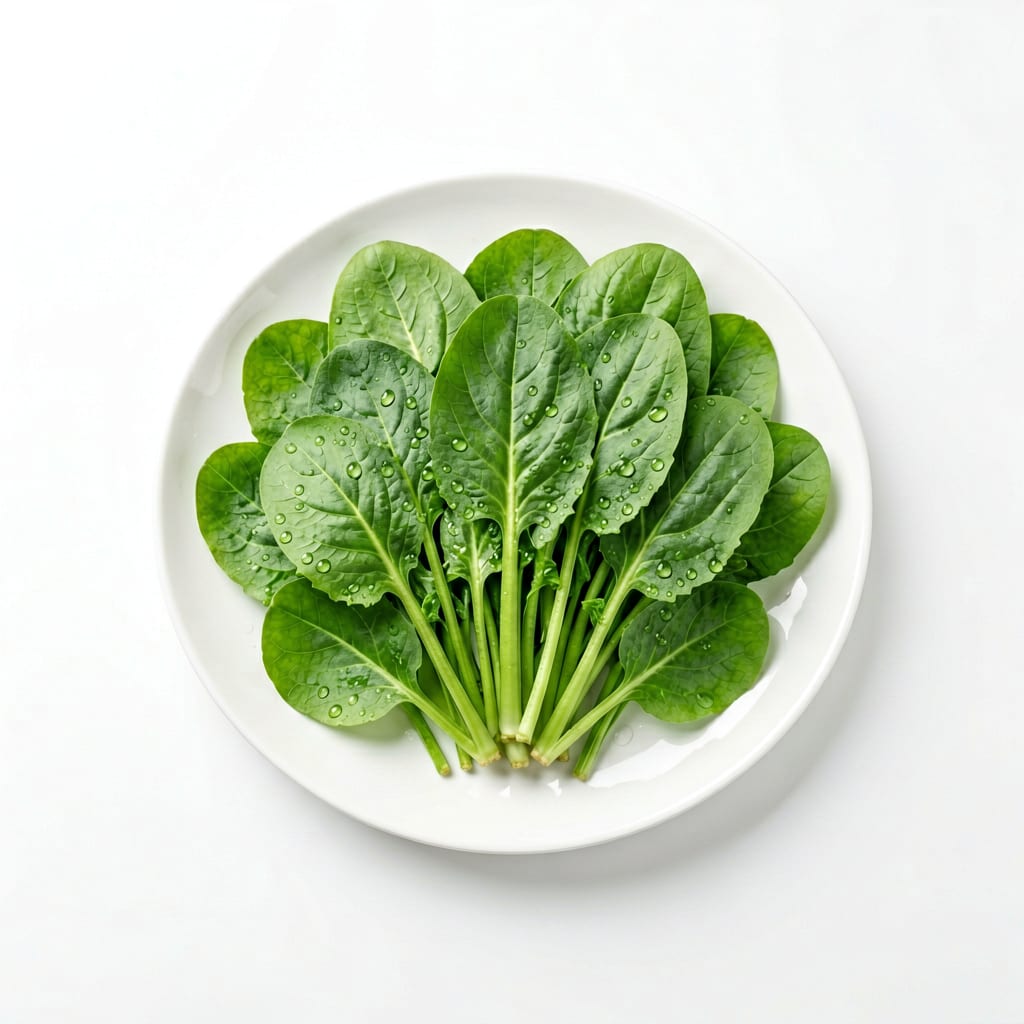
Watercress
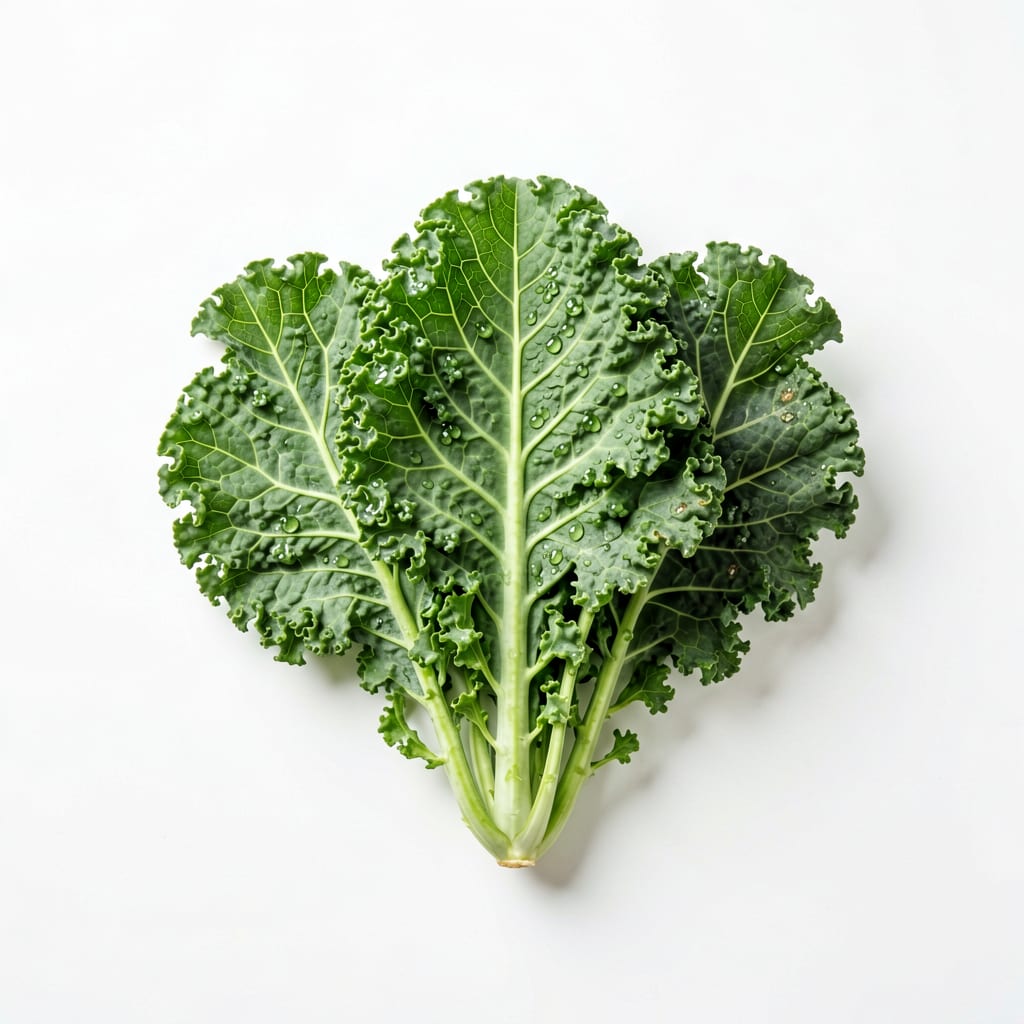
Kale
Watercress is the most nutrient-dense vegetable on earth per calorie, but Kale is the more practical daily workhorse that fits into almost any meal.
Watercress edges ahead on pure nutritional quality but Kale stays competitive thanks to superior practicality, satiety, and cooking versatility. The small gap reflects that the best green is the one you actually eat consistently.
Maximum nutrient density per bite versus versatility, availability, and satiety that keeps you actually eating greens consistently.
At a glance
Executive summary
Overall
It depends
Healthier
Watercress
More practical
Kale
Daily use
Kale
Key comparison lenses
nutrient density supremacy
Watercress ranks #1 on the CDC's nutrient density index while Kale ranks #15, making this the most critical differentiator
everyday practicality and versatility
Kale is far more versatile in cooking and meal prep while Watercress is delicate and perishable, affecting real-world adoption
cancer fighting phytochemicals
Both are cruciferous powerhouses with glucosinolates but users often want to know which offers more protective benefit
digestive tolerance and goitrogen concerns
Raw kale poses goitrogen and digestive issues for some people while watercress is generally easier on the stomach raw
cost and accessibility
Kale is cheap and available everywhere while Watercress can be harder to find and more expensive
Best choice for
Watercress
- People who want maximum nutrition in the smallest portion
- Those eating small amounts of greens who need every bite to count
- Anyone seeking the highest antioxidant and glucosinolate concentration per calorie
- Smoothie and salad toppers who want a peppery flavor boost
Kale
- Meal preppers who cook greens in bulk for the week
- Families needing an affordable, widely available green
- People who want a filling, fibrous side dish that satisfies hunger
- Anyone who prefers cooked greens over raw delicate leaves
Least suitable for
Watercress
- People on tight grocery budgets in areas with limited produce selection
- Anyone who needs a sturdy green for cooking or roasting
- Those who dislike peppery or bitter flavors
- Meal preppers since Watercress wilts and spoils quickly
Kale
- People with thyroid sensitivity who eat large amounts of raw greens daily
- Those prone to bloating from raw cruciferous vegetables
- Anyone seeking the absolute highest nutrient density per calorie consumed
Deep comparison
Dimension by dimension
Each lens scores both foods and breaks down who each option suits.
- Dimension 1 · Priority 95Watercress
nutrient_density_per_calorie
Watercress · 99Kale · 82Watercress is the undisputed champion of nutrient density, scoring a perfect 100/100 on the CDC's ranking. Kale scores a respectable 49/100.
Tradeoff
You get more vitamins and minerals per calorie from Watercress, but the portions people typically eat are small compared to a hearty kale salad.
Why it matters
If you only eat a few bites of greens, those bites should be as nutrient-packed as possible.
Real-world impact
A small handful of Watercress delivers more vitamin K, vitamin C, and iron per calorie than a large bowl of Kale. But most people eat far more Kale volume, which can close the gap.
Watercress
- Small-portion eaters who need maximum nutrition per bite
- Nutrient optimization enthusiasts tracking micronutrient intake
Better for
- People who only eat a few leaves and assume that is enough total nutrition
Worse for
Kale
- Big eaters who consume large volumes and get total nutrients from quantity
- Those who find a small garnish unsatisfying and need a full side dish
Better for
- Anyone assuming Kale is the most nutrient-dense green when it is not even top 10
Worse for
- Dimension 2 · Priority 88Kale
versatility_and_cooking
Watercress · 45Kale · 92Kale can be roasted, sautéed, blended, massaged into salads, baked into chips, or added to soups and stews. Watercress is best raw or lightly wilted.
Tradeoff
Watercress loses its delicate nutrients and texture when cooked hard, while Kale holds up to almost any cooking method and even improves in digestibility.
Why it matters
A green you can cook 10 ways gets eaten far more often than one with limited uses.
Real-world impact
You can meal-prep Kale for the week in multiple dishes. Watercress needs to be eaten within a day or two and mostly in salads or as a garnish.
Watercress
- Raw food enthusiasts who prefer delicate uncooked greens
- Quick garnish or sandwich topper needs
Better for
- Anyone trying to build a meal around a cooked green side dish
Worse for
Kale
- Home cooks who want one green for soups, stir-fries, salads, and snacks
- Meal preppers who need greens that survive the week
- Parents sneaking greens into cooked family meals
Better for
- Those who only enjoy tender raw greens and find Kale too tough uncooked
Worse for
- Dimension 3 · Priority 82Watercress
cancer_fighting_compounds
Watercress · 90Kale · 83Both contain potent glucosinolates that convert to cancer-fighting isothiocyanates, but Watercress has a particularly well-studied compound called PEITC that shows strong anti-cancer activity.
Tradeoff
Watercress has a slight edge in unique anti-cancer compounds, but Kale provides more total glucosinolates per typical serving because people eat larger portions of it.
Why it matters
Cruciferous vegetables are the most consistently cancer-protective food category, and both deliver meaningfully here.
Real-world impact
Regular consumption of either green is associated with reduced cancer risk. The difference between them is small compared to the difference between eating either versus eating no cruciferous vegetables at all.
Watercress
- Those specifically seeking PEITC for its studied anti-cancer properties
- People with a family history of cancer wanting maximum protective compounds
Better for
- Anyone eating such tiny amounts that total compound intake remains low
Worse for
Kale
- People who eat large volumes and get more total glucosinolates from bigger portions
Better for
- Those who overcook Kale and destroy the myrosinase enzyme needed for glucosinolate activation
Worse for
- Dimension 4 · Priority 78Watercress
digestive_tolerance
Watercress · 80Kale · 62Watercress is gentler on the digestive system raw, while raw Kale can cause bloating and gas in sensitive people due to its tough fiber and goitrogenic compounds.
Tradeoff
Watercress is easier to eat raw without discomfort, but cooking Kale resolves most digestive issues and actually makes it more tolerable than Watercress.
Why it matters
A green that causes bloating or discomfort gets avoided, no matter how healthy it is on paper.
Real-world impact
Many people report stomach discomfort from raw Kale salads but have no issues with raw Watercress. However, lightly cooking Kale eliminates this problem for most.
Watercress
- People with sensitive digestion who prefer raw greens
- Those who experience bloating from raw Kale salads
Better for
- Those who eat very large quantities and find any raw cruciferous vegetable irritating
Worse for
Kale
- People who cook their greens anyway and have no raw-digestion issues
- Anyone who finds cooked Kale soothing and filling
Better for
- People with thyroid conditions who consume large amounts of raw Kale daily
- Those with IBS who are sensitive to raw cruciferous fiber
Worse for
- Dimension 5 · Priority 75Kale
satiety_and_fullness
Watercress · 40Kale · 82Kale is substantially more filling due to its higher fiber content and the volume people typically consume. Watercress is light and delicate, rarely eaten in large enough quantities to satisfy hunger.
Tradeoff
Watercress is almost calorie-free and nutrient-dense but will not fill you up. Kale takes more effort to eat but actually contributes to feeling full.
Why it matters
Greens that satisfy hunger help prevent overeating other less nutritious foods.
Real-world impact
A big Kale salad can be a satisfying meal base. A Watercress salad leaves you reaching for something else within an hour.
Watercress
- Those who want a light nutrient boost without feeling full
- People eating multiple courses who want a delicate starter
Better for
- People relying on a Watercress salad as a full meal and ending up hungry
Worse for
Kale
- Anyone using greens as a main dish or substantial side
- People trying to stay full longer between meals
- Weight loss dieters who need volume and fiber to feel satisfied
Better for
- Those who find dense fibrous greens too heavy before physical activity
Worse for
- Dimension 6 · Priority 70Kale
cost_and_accessibility
Watercress · 42Kale · 88Kale is available in nearly every grocery store at low cost year-round. Watercress is harder to find, more expensive, and often sold in small fragile bunches.
Tradeoff
You pay a premium for Watercress and may need specialty stores, while Kale is one of the most affordable and accessible greens anywhere.
Why it matters
The healthiest green only works if you can actually buy it regularly.
Real-world impact
Kale is a staple that fits any budget. Watercress can cost 3-4 times more per serving and may require trips to specialty markets.
Watercress
- People with access to farmers markets or specialty grocers
- Those willing to pay more for peak nutrient density
Better for
- Low-income households who cannot justify the premium price
Worse for
Kale
- Budget-conscious shoppers feeding a family
- Anyone relying on standard grocery stores with limited produce sections
- People in areas where Watercress is simply unavailable
Better for
- Those who can easily access and afford Watercress and want maximum nutrition
Worse for
Timeline
Health impact over time
Short-term
Hours to days
Watercress
- Quick hydration boost from high water content
- Peppery flavor can stimulate digestion and appetite
- Light energy lift without any heaviness or food coma
- Very gentle on blood sugar with virtually no glycemic impact
Kale
- Noticeable fullness and satiety after eating a substantial portion
- Possible bloating or gas if eaten raw in large amounts by sensitive individuals
- Steady energy from fiber slowing any digestion
- Raw Kale may slightly suppress thyroid function in vulnerable people if consumed in extreme quantities
Long-term
Months to years
Watercress
- Strong cancer risk reduction from consistent PEITC and glucosinolate intake
- Excellent bone health support from exceptionally high vitamin K levels
- Cardiovascular protection through antioxidants and nitrates that support blood vessel function
- Skin health benefits from high vitamin C and beta-carotene content
Kale
- Robust cancer protection from regular glucosinolate consumption in typical serving sizes
- Heart health support from fiber, potassium, and antioxidants
- Improved digestive regularity from substantial fiber intake
- Potential thyroid issues only if consuming extreme amounts of raw Kale daily over long periods
Risk profile
Safety & processing
Both Watercress and Kale are whole, unprocessed vegetables typically sold fresh. Neither carries meaningful additive concerns unless purchased pre-washed in bags with preservatives. Choose loose bunches when possible for maximum freshness and minimal processing.
Watercress
Waterborne contamination
mediumWatercress grows in aquatic environments which can harbor bacteria or parasites if sourced from contaminated water. Always buy from reputable suppliers and wash thoroughly.
Rapid spoilage and bacterial growth
lowHigh water content makes Watercress perishable. Spoiled greens can cause mild gastrointestinal issues. Use within 1-2 days of purchase.
Kale
Pesticide residue
mediumKale frequently appears on the EWG's Dirty Dozen list with detectable pesticide residues. Organic Kale significantly reduces this concern.
Goitrogenic compound exposure
lowRaw Kale contains goitrogens that can interfere with thyroid function in susceptible individuals. Cooking reduces this risk substantially. Only concerning with extreme daily consumption.
Who wins for whom
Audience fit
Same foods, different winners depending on your goal.
children
KaleKale can be hidden in smoothies, soups, and baked goods more easily. Watercress has a peppery bite most kids reject, and its delicate texture is harder to blend into familiar foods.
daily consumption
KaleKale is more affordable, available, versatile, and filling. These practical advantages make it easier to eat consistently every day, which matters more than marginal nutrient differences.
diabetes
WatercressWatercress has virtually zero glycemic impact and its antioxidants may help improve insulin sensitivity. Kale is also excellent but Watercress wins by a slim margin for blood sugar neutrality.
elderly
WatercressWatercress is easier to chew and digest raw, and its exceptional vitamin K content supports bone density and cardiovascular health which are critical concerns for older adults.
muscle gain
KaleNeither is a protein source, but Kale pairs better with high-protein meals as a filling side. Its magnesium and vitamin K support muscle recovery and bone health under load.
weight loss
KaleKale provides more fiber and volume per serving, helping you feel full on fewer calories. Watercress is nearly calorie-free but too light to satisfy hunger alone.
Your move
Decision guide
Choose Watercress
- You want the absolute most nutrition per calorie and per bite
- You enjoy peppery flavors and delicate textures in salads
- You have access to fresh Watercress and can use it within a day or two
- You eat small portions of greens and need each one to count maximally
- You are focused on cancer-preventive compounds like PEITC
Choose Kale
- You need one versatile green for cooking, salads, smoothies, and meal prep
- Budget and accessibility are important factors in your food choices
- You want a filling green that actually satisfies hunger as part of a meal
- You prefer cooked greens or want to make kale chips and hearty soups
- You are feeding a family and need an affordable staple vegetable
Either works if
- You simply want to eat more cruciferous vegetables and both are available
- You are rotating greens for nutrient diversity, which is ideal
- You have no thyroid issues, budget constraints, or strong flavor preferences
- You are already eating a varied diet and the difference between these two is marginal
Avoid both if
- You are on blood thinners like warfarin and cannot manage the high vitamin K intake without medical guidance
- You have severe cruciferous vegetable allergies, which are rare but possible
Final recommendation
Eat Watercress when you can get it fresh and want a nutrient-dense salad topper or garnish. Eat Kale as your everyday workhorse green that fills you up, fits any recipe, and stays within budget. The best strategy is rotating both for maximum nutrient diversity, but if you must pick one for daily use, Kale wins on sustainability and practicality while Watercress wins on pure nutritional power.
Practical
Consumer tips
- 1
Add Watercress at the very end of cooking or use it raw to preserve its delicate nutrients and peppery flavor
- 2
Massage raw Kale with olive oil and salt for 2 minutes to break down tough fibers and make it easier to digest
- 3
Choose organic Kale when possible since it frequently tests high for pesticide residue
- 4
Use Watercress within 48 hours of purchase as it wilts and spoils faster than almost any other green
- 5
If you have thyroid concerns, lightly steam Kale before eating to reduce goitrogenic compounds by up to half
- 6
Blend Watercress into smoothies for a nutrient boost that masks its peppery flavor behind fruit
- 7
Freeze Kale for soups and smoothies if you cannot use it fresh before it wilts
- 8
Pair either green with a fat source like olive oil or avocado to absorb fat-soluble vitamins K, A, and E