
Nutrition comparison
Watercress vs Bok Choy: Which Leafy Green Is Better for You?
Watercress is the most nutrient-dense vegetable on earth, but Bok Choy is more practical for daily cooking. Compare their health benefits, taste, cost, and best uses to find your ideal green.
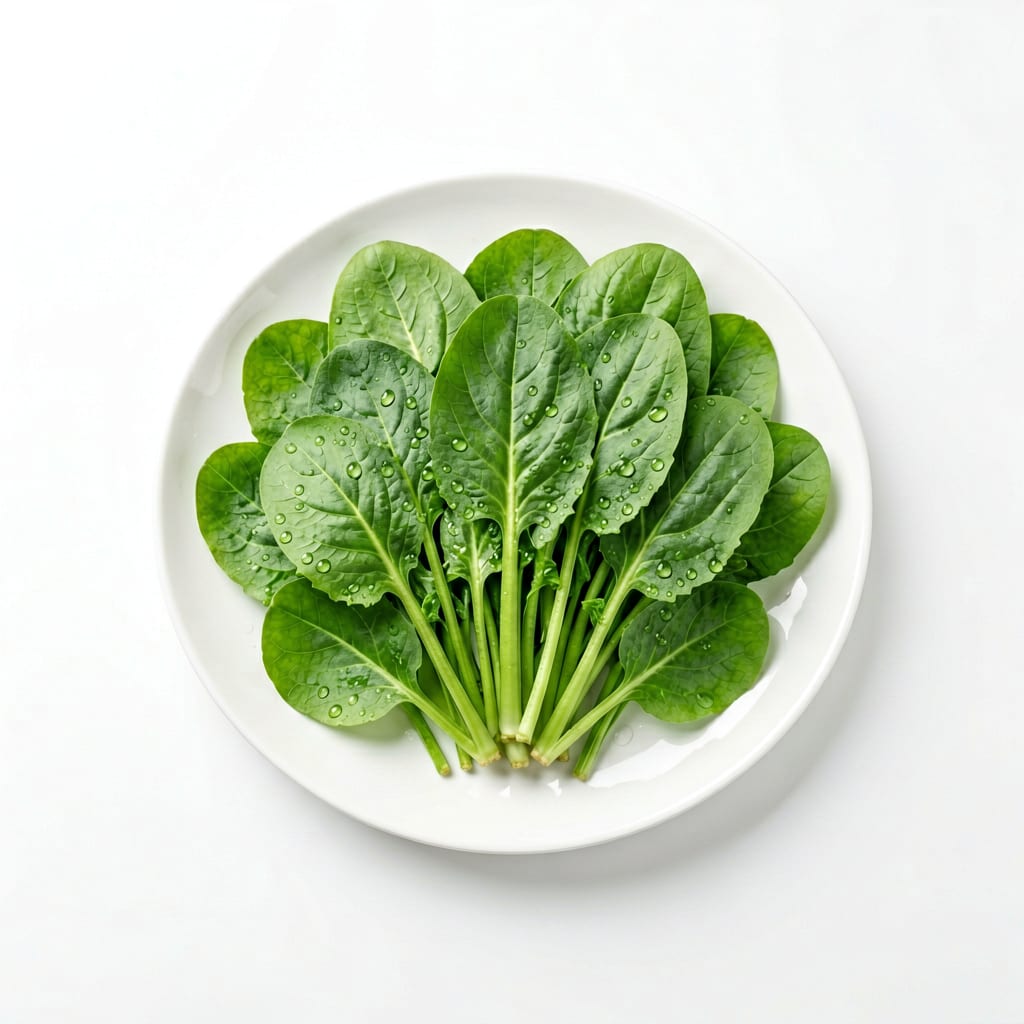
Watercress
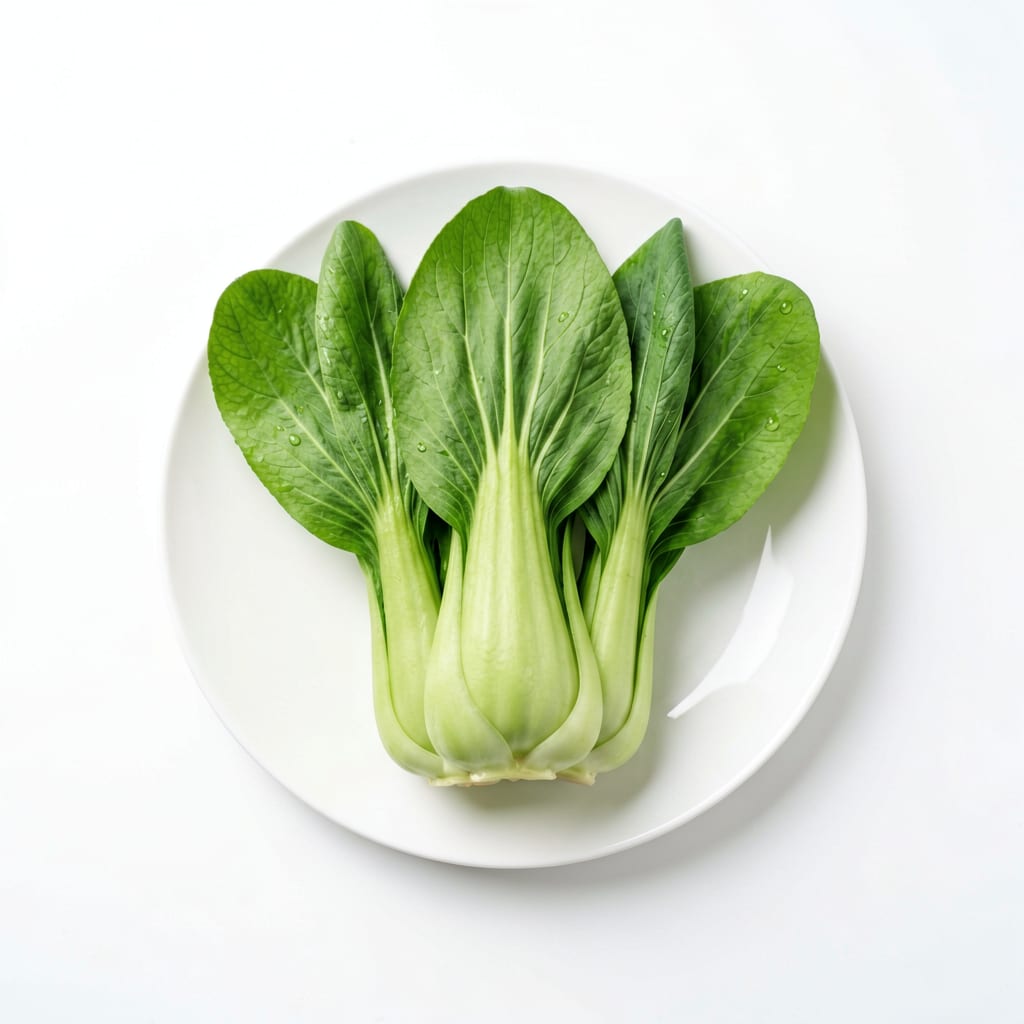
Bok Choy
Watercress is the nutritional heavyweight champion, but Bok Choy is the practical everyday winner that most people will actually eat consistently.
Watercress scores higher on pure nutritional merit, but Bok Choy closes the gap through superior practicality, cooking versatility, and likelihood of consistent consumption. The 6-point gap reflects that the best vegetable is the one you actually eat regularly.
Maximum nutrient density versus everyday usability and taste accessibility.
At a glance
Executive summary
Overall
It depends
Healthier
Watercress
More practical
Bok Choy
Daily use
Bok Choy
Key comparison lenses
nutrient density supremacy
Watercress is the CDC's #1 ranked powerhouse vegetable, making nutrient density the central question of this comparison
everyday practicality
Bok Choy is far more versatile in cooking and widely available, which matters for sustained daily use
cancer fighting potential
Both are cruciferous vegetables with glucosinolates, but watercress has uniquely high concentrations of PEITC
taste accessibility
Watercress is peppery and polarizing while Bok Choy is mild and crowd-pleasing, affecting long-term adherence
bone health support
Both are excellent vitamin K sources but watercress packs significantly more per serving
Best choice for
Watercress
- Maximizing vitamin K and antioxidant intake per calorie
- Targeted cancer-prevention eating patterns
- Adding peppery complexity to salads and sandwiches
- Bone health optimization
- Detoxification and liver support protocols
Bok Choy
- Stir-fries, soups, and hot meals where greens need to hold texture
- Families needing a mild-tasting vegetable kids will accept
- Budget-conscious weekly meal prep
- Consistent daily vegetable intake without palate fatigue
- Calcium supplementation without dairy
Least suitable for
Watercress
- Pickny eaters who dislike bitter or peppery flavors
- Large-volume cooking like soups where it wilts to almost nothing
- Budget-limited households as it tends to be pricier per pound
Bok Choy
- Raw salad-centric diets where crunch and mildness are expected over bold flavor
- Those specifically seeking the highest possible antioxidant concentration per bite
Deep comparison
Dimension by dimension
Each lens scores both foods and breaks down who each option suits.
- Dimension 1 · Priority 95Watercress
nutrient_density
Watercress · 99Bok Choy · 78Watercress is the most nutrient-dense vegetable scientifically measured, scoring a perfect 100/100 on the CDC's powerhouse vegetables ranking. Bok Choy scores respectably but cannot compete at this level.
Tradeoff
You get more vitamins and minerals per bite from Watercress, but you need far less Bok Choy to feel satisfied due to its bulk and crunch.
Why it matters
If you eat small portions or struggle to get enough nutrients, density per bite becomes critical. Watercress delivers more with less chewing.
Real-world impact
A small handful of Watercress in your sandwich delivers more vitamin K than most people get all day. Bok Choy needs a larger serving to hit the same marks.
Watercress
- Small-portion eaters who need maximum nutrition per bite
- Smoothie add-ins where volume doesn't matter
- Nutrient-gap closing for deficient diets
Better for
- People who judge vegetable value by plate coverage
Worse for
Bok Choy
- Large-volume meals where you want to feel full
- Meal prep where you need substantial vegetable bulk
Better for
- Anyone needing maximum micronutrient delivery from minimal intake
Worse for
- Dimension 2 · Priority 88Bok Choy
cooking_versatility
Watercress · 55Bok Choy · 92Bok Choy thrives in stir-fries, soups, steaming, grilling, and braising while holding its texture. Watercress wilts into near-nothing when cooked and shines mainly raw or barely warmed.
Tradeoff
Watercress is a one-trick pony that does its trick beautifully. Bok Choy is a culinary workhorse that adapts to almost any hot dish.
Why it matters
If you cook most of your vegetables, a green that disappears in heat feels wasteful. Bok Choy gives you options that Watercress simply cannot.
Real-world impact
Toss Bok Choy into ramen, stir-fry it with garlic, grill it with sesame oil, or braise it with mushrooms. Watercress mostly goes into salads, sandwiches, or as a garnish.
Watercress
- Raw food enthusiasts and salad lovers
- Garnish-focused plating and sandwich layering
- Quick wilted additions at the very end of cooking
Better for
- Anyone who primarily eats cooked vegetables
- Hearty stew or soup makers
Worse for
Bok Choy
- Stir-fry and Asian-inspired home cooking
- Soup additions where you want substance not just color
- Grilled or roasted vegetable preparations
Better for
- Raw salad-centric meal patterns
Worse for
- Dimension 3 · Priority 82Watercress
cancer_fighting_compounds
Watercress · 94Bok Choy · 76Both contain glucosinolates, but Watercress is uniquely rich in PEITC (phenethyl isothiocyanate), a compound that has shown impressive anti-cancer activity in research, particularly against tobacco-induced lung damage.
Tradeoff
Watercress offers more potent chemopreventive compounds, but Bok Choy still provides meaningful glucosinolate benefits and you are more likely to eat it in larger quantities.
Why it matters
For people with family history of cancer or those prioritizing prevention, the PEITC advantage in Watercress is a legitimate differentiator worth the extra cost or effort.
Real-world impact
Smokers and former smokers especially benefit from Watercress, as PEITC has been shown to inhibit lung tumor formation in studies. Bok Choy helps too, just less powerfully.
Watercress
- Former or current smokers seeking lung-protective compounds
- People with strong family cancer history prioritizing prevention
- Those specifically targeting PEITC intake
Better for
- Anyone unable to eat it consistently due to taste or cost
Worse for
Bok Choy
- General cancer risk reduction through higher total vegetable volume
- People who find Watercress too pungent to eat regularly
Better for
- Those seeking the most concentrated chemopreventive dose per serving
Worse for
- Dimension 4 · Priority 80Bok Choy
taste_and_palate_appeal
Watercress · 52Bok Choy · 85Bok Choy is mild, slightly sweet, and universally approachable. Watercress is peppery, bitter, and polarizing. Most people enjoy Bok Choy on first taste; Watercress often requires acquired appreciation.
Tradeoff
Watercress delivers a sophisticated flavor punch that elevates dishes for adventurous eaters. Bok Choy delivers comfort and familiarity that keeps people coming back.
Why it matters
The healthiest vegetable only works if you actually eat it. Taste is not superficial, it is the primary driver of long-term dietary adherence.
Real-world impact
Kids and picky adults will usually accept Bok Choy in a stir-fry. Watercress gets picked off sandwiches by anyone not already converted to its peppery charm.
Watercress
- Adventurous eaters who enjoy bold, peppery greens
- Culinary enthusiasts building complex flavor profiles
- Arugula lovers seeking the next-level bite
Better for
- Children and picky eaters
- Anyone sensitive to bitter flavors
Worse for
Bok Choy
- Family meals needing broad appeal
- Introducing more vegetables into a reluctant eater's diet
- Comforting, mild-flavored dishes
Better for
- Flavor-seekers who find mild greens boring
Worse for
- Dimension 5 · Priority 75Watercress
bone_health_support
Watercress · 93Bok Choy · 80Watercress delivers substantially more vitamin K per serving, which is critical for calcium binding to bone matrix. Both support bone health, but Watercress does it more efficiently.
Tradeoff
Watercress gives you more bone-building vitamin K per calorie, but Bok Choy provides meaningful calcium alongside its vitamin K, offering a more balanced bone-support package.
Why it matters
Vitamin K deficiency is surprisingly common and underappreciated as a fracture risk factor. Getting enough from greens is one of the most natural prevention strategies.
Real-world impact
One cup of Watercress provides over 100% of daily vitamin K needs. Bok Choy covers about 40-60% depending on serving size, but adds notable calcium that Watercress lacks in comparable amounts.
Watercress
- Osteoporosis prevention focused on vitamin K optimization
- Post-menopausal women needing maximum K intake
- Fracture recovery support
Better for
- Those who also need significant calcium from the same serving
Worse for
Bok Choy
- Dairy-free individuals needing combined calcium and vitamin K
- Balanced bone support from multiple nutrients simultaneously
Better for
- Anyone specifically targeting the highest possible vitamin K intake
Worse for
- Dimension 6 · Priority 72Bok Choy
affordability_and_access
Watercress · 48Bok Choy · 86Bok Choy is widely available year-round at low cost, especially in areas with Asian grocery stores. Watercress is often specialty-priced, harder to find, and spoils quickly.
Tradeoff
Watercress costs more and requires more effort to source, but delivers more nutrition per gram. Bok Choy is budget-friendly and reliable but less nutrient-concentrated.
Why it matters
Cost and access determine whether a food becomes a habit or a one-time purchase. The best superfood is the one you can afford weekly.
Real-world impact
Bok Choy is often $1-2 per head and lasts a week in the fridge. Watercress can run $4-6 per small bunch and turns slimy in 2-3 days if not used promptly.
Watercress
- Shoppers with access to farmers markets or specialty grocers
- Those willing to invest in peak nutrient density regardless of cost
Better for
- Food desert residents
- Anyone meal-prepping for the full week ahead
Worse for
Bok Choy
- Budget-conscious families
- Weekly grocery shoppers at standard supermarkets
- People who buy in bulk and need vegetables that last
Better for
- Those with unlimited budgets seeking maximum nutritional return
Worse for
Timeline
Health impact over time
Short-term
Hours to days
Watercress
- Rapid vitamin K intake can improve blood clotting function within hours
- Peppery compounds may clear sinuses and stimulate digestion
- Nitrates in Watercress can modestly lower blood pressure within hours of consumption
- High vitamin C content supports immediate immune cell activity
Bok Choy
- Gentle fiber supports comfortable digestion without bloating
- Mild flavor makes it easy to eat larger volumes, quickly boosting vegetable intake
- Hydrating crunch helps with satiety during meals
- Calcium content begins supporting muscle function and nerve signaling
Long-term
Months to years
Watercress
- Consistent PEITC intake may significantly reduce certain cancer risks, particularly lung and colorectal
- High vitamin K intake supports long-term bone density and reduces fracture risk
- Antioxidant load may slow skin aging and protect against UV damage
- Nitrates may improve exercise tolerance and cardiovascular health over months
- Thyroid-sensitive individuals should note that very high glucosinolate intake can interfere with iodine uptake if consumed in extreme amounts
Bok Choy
- Regular consumption supports sustained bone health through combined calcium and vitamin K
- Glucosinolates provide ongoing cancer risk reduction, though less potently than Watercress
- High water and fiber content supports healthy weight maintenance long-term
- Consistent vegetable volume intake trains palate toward preferring whole foods
- Very large daily amounts of raw Bok Choy could theoretically affect thyroid function in iodine-deficient individuals, though cooking largely neutralizes this
Risk profile
Safety & processing
Both Watercress and Bok Choy are whole, unprocessed vegetables typically sold fresh and raw. Neither carries meaningful processing or additive concerns. The only consideration is that Watercress is sometimes sold pre-washed in plastic clamshells, which involves more handling and packaging, while Bok Choy is often sold loose with minimal packaging.
Watercress
Waterborne contamination
mediumWatercress grows in aquatic environments and has historically carried liver fluke risk in certain regions. Commercially grown Watercress in regulated markets is generally safe, but always wash thoroughly.
Rapid spoilage
mediumWatercress deteriorates quickly and can harbor bacteria once slimy. Discard any yellowed or wilted stems and use within 2-3 days of purchase.
Bok Choy
Pesticide residue
lowBok Choy has appeared on EWG's Dirty Dozen list in some years due to pesticide residues. Washing thoroughly or choosing organic reduces this concern significantly.
Goitrogenic compounds when raw
lowRaw Bok Choy contains goitrogens that can interfere with thyroid function in extremely high amounts. Cooking neutralizes most of this risk. Normal dietary amounts are not concerning for healthy individuals.
Who wins for whom
Audience fit
Same foods, different winners depending on your goal.
children
Bok ChoyBok Choy's mild, slightly sweet taste and fun crunchy texture make it far more kid-friendly. Watercress's peppery bite is a tough sell for most children.
daily consumption
Bok ChoyBok Choy's mild flavor, cooking versatility, longer shelf life, and lower cost make it the more sustainable daily habit. Watercress is better used as a strategic addition rather than a daily staple.
diabetes
WatercressWatercress has slightly more fiber per calorie and a lower effective glycemic impact due to its concentrated nutrient-to-carb ratio. Both are excellent choices, but Watercress edges ahead for blood sugar stability.
elderly
WatercressWatercress delivers more vitamin K and antioxidants per bite, which matters when appetite shrinks and nutrient needs stay high or increase. The bone and cognitive protection compounds are especially valuable for aging bodies.
muscle gain
It dependsNeither is a protein source, but Bok Choy's calcium supports muscle contraction and its versatility pairs well with protein-rich meals. Watercress adds more vitamin K which supports bone strength under loading. Both are supporting players, not leads.
weight loss
Bok ChoyBok Choy's bulk, crunch, and mild flavor make it easier to eat in large volumes for minimal calories, creating physical fullness that supports calorie restriction without feeling deprived.
Your move
Decision guide
Choose Watercress
- You want the most nutrient-dense vegetable available and cost is not a barrier
- You are building a cancer-prevention-focused eating pattern
- You love or want to love peppery, bold greens like arugula
- You need maximum vitamin K for bone health or blood clotting support
- You are a former smoker looking for lung-protective compounds
- You eat salads regularly and want to upgrade your greens
Choose Bok Choy
- You cook most of your vegetables and need a green that holds up to heat
- You are feeding a family and need broad taste appeal
- You want a budget-friendly vegetable you can buy every week without thinking
- You are new to eating more greens and need an approachable starting point
- You make stir-fries, soups, or Asian-inspired dishes regularly
- You meal-prep for the week and need vegetables that stay fresh longer
Either works if
- You simply want more cruciferous vegetables in your life
- You are focused on general cancer risk reduction through diet
- You need more vitamin K and calcium from plant sources
- You are dairy-free and seeking bone-supporting alternatives
Avoid both if
- You are on warfarin or blood thinners without medical guidance on vitamin K intake, as both can significantly affect medication efficacy
- You have severe thyroid issues and consume very large amounts of raw cruciferous vegetables without adequate iodine intake
Final recommendation
Keep both in rotation. Use Watercress as your salad and sandwich powerhouse 2-3 times per week for maximum nutrient density, and rely on Bok Choy as your everyday cooking green that actually makes it into meals consistently. If budget forces a choice, Bok Choy wins for sustainability, but try to add Watercress even once weekly for its unique PEITC and vitamin K benefits that Bok Choy cannot fully replicate.
Practical
Consumer tips
- 1
Store Watercress like flowers: trim stems, place in a jar of water in the fridge, and cover with a plastic bag. It lasts 2-3 days longer this way.
- 2
Bok Choy lasts up to a week in a loosely closed bag in the crisper drawer. Don't wash until ready to use.
- 3
Blend Watercress into pesto with basil and garlic to mellow its peppery bite while preserving its nutrients.
- 4
Cut Bok Choy in half lengthwise and grill cut-side down with sesame oil for a 5-minute side dish that converts non-vegetable eaters.
- 5
If Watercress is too intense raw, try wilting it briefly at the end of soup preparation. The heat mellows the pepperiness while retaining most nutrients.
- 6
Buy Bok Choy with firm white stems and dark green leaves. Yellowing means it is past peak nutrition.
- 7
Freeze Watercress in ice cube trays with olive oil for instant nutrient boosts in future cooking.
- 8
Both vegetables pair well with ginger, garlic, and soy sauce, making them easy to combine in the same meal for complementary benefits.