
Nutrition comparison
Watercress vs Swiss Chard: Which Leafy Green Is Healthier?
Watercress ranks #1 for nutrient density, but Swiss Chard offers more minerals and cooking versatility. Compare oxalate risks, cancer-fighting compounds, and real-world meal use to find your best green.
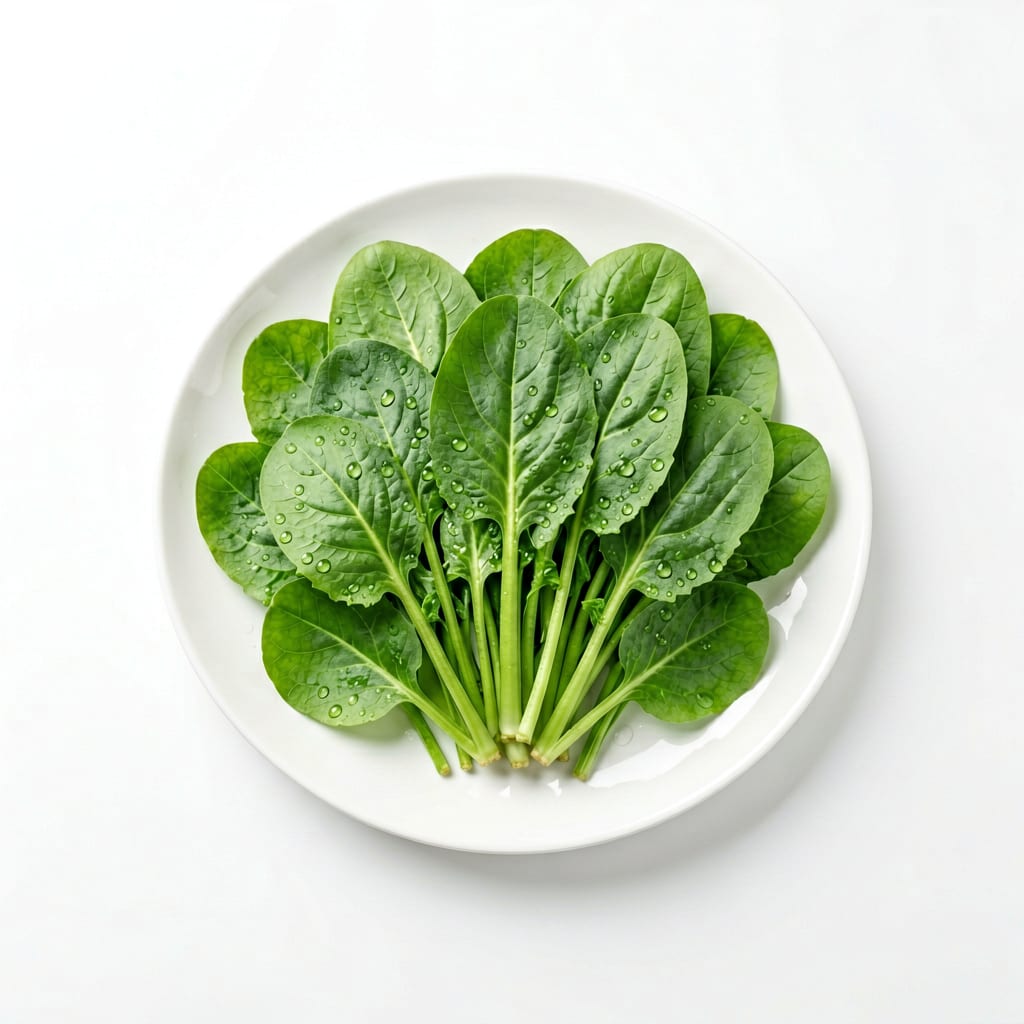
Watercress
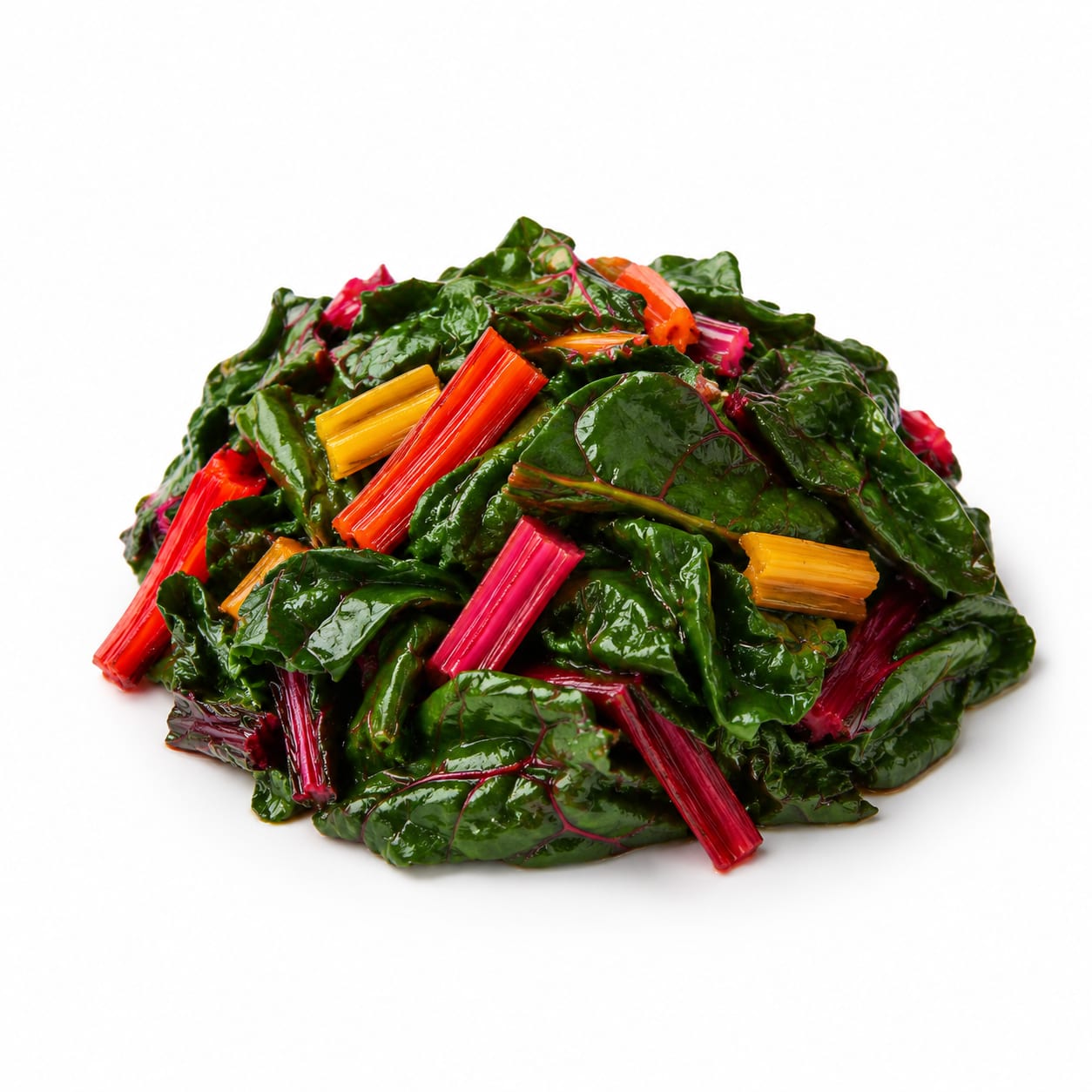
Swiss Chard
Watercress wins on pure nutrient density and cancer-fighting potential, while Swiss Chard offers more filling volume, more minerals, and far greater cooking versatility.
Watercress edges ahead on nutrient density and lower oxalate risk, but Swiss Chard stays competitive with superior mineral content, more satiety, and far better cooking versatility. The close scores reflect that both are elite greens with different strengths.
Peak nutrient concentration per bite versus more food volume, more minerals, and easier integration into cooked meals.
At a glance
Executive summary
Overall
It depends
Healthier
Watercress
More practical
Swiss Chard
Daily use
Swiss Chard
Key comparison lenses
nutrient density per calorie
Watercress is famously the #1 nutrient-dense vegetable on the CDC ranking, making this the most natural comparison point
oxalate and kidney stone risk
Swiss Chard is notoriously high in oxalates while Watercress is comparatively lower, a critical safety distinction
cooking versatility and meal integration
Swiss Chard holds up to cooking and can replace spinach in many dishes; Watercress is more delicate and limited in use
cancer fighting compounds
Watercress contains unique glucosinolates linked to cancer risk reduction, a standout feature worth highlighting
mineral intake for bone and muscle health
Swiss Chard delivers significantly more magnesium and potassium per serving, relevant for active individuals
Best choice for
Watercress
- Maximizing nutrient density per calorie
- People prone to kidney stones who still want leafy greens
- Raw salad enthusiasts wanting a peppery kick
- Those seeking glucosinolate-rich cancer-fighting foods
Swiss Chard
- Cooked meals like soups, stews, and sautés
- People needing more magnesium for muscle recovery or sleep
- Larger portions that actually fill you up
- Budget-conscious shoppers wanting nutrient-rich greens
Least suitable for
Watercress
- People who find bitter or peppery flavors unpleasant
- Those wanting a substantial cooked green as a side dish
- Anyone on a tight grocery budget in areas where Watercress is expensive
Swiss Chard
- Anyone with a history of calcium oxalate kidney stones
- People taking blood thinners who need stable vitamin K intake (Swiss Chard's vitamin K content is extremely high and variable)
- Those sensitive to high-fiber greens causing bloating
Deep comparison
Dimension by dimension
Each lens scores both foods and breaks down who each option suits.
- Dimension 1 · Priority 95Watercress
Nutrient Density Per Calorie
Watercress · 98Swiss Chard · 82Watercress ranks #1 on the CDC's nutrient density index, delivering more vitamins and minerals per calorie than virtually any other food.
Tradeoff
You get unmatched concentration in Watercress, but the portions are tiny and less satisfying compared to a hearty serving of Swiss Chard.
Why it matters
If you eat small amounts or track calories closely, Watercress gives you more nutritional bang per bite.
Real-world impact
A small handful of Watercress in a salad delivers a surprising nutritional punch, but you would need to eat a large volume to feel full.
Watercress
- Calorie-restricted diets where every bite must count
- People who eat small portions by preference
Better for
- Anyone who finds tiny portions unsatisfying
Worse for
Swiss Chard
- Those who need to feel physically full after eating greens
- People who get more nutrients by actually eating a larger volume of food they enjoy
Better for
- Strict calorie counters wanting maximum density per gram
Worse for
- Dimension 2 · Priority 88Watercress
Oxalate Content and Kidney Safety
Watercress · 85Swiss Chard · 35Swiss Chard is one of the highest-oxalate leafy greens available, while Watercress contains moderate but significantly lower levels.
Tradeoff
Swiss Chard's rich mineral content comes bundled with oxalates that can bind those minerals and contribute to kidney stones in susceptible people.
Why it matters
For the roughly 1 in 10 people who will experience a kidney stone, this difference is not trivial.
Real-world impact
If you have had kidney stones before, a large Swiss Chard smoothie could be a painful mistake, while Watercress poses much less risk.
Watercress
- Anyone with a personal or family history of kidney stones
- People concerned about oxalate reducing mineral absorption
Better for
- People who assume all leafy greens are equally safe for kidney stone formers
Worse for
Swiss Chard
- Those with no kidney stone risk who can absorb minerals adequately
Better for
- Kidney stone formers who eat large amounts of raw Swiss Chard
- People relying on Swiss Chard for calcium or iron, which oxalates partially block
Worse for
- Dimension 3 · Priority 82Swiss Chard
Cooking Versatility and Meal Integration
Watercress · 45Swiss Chard · 88Swiss Chard can be sautéed, added to soups, used in gratins, or eaten raw when young. Watercress is best raw or barely wilted and shrinks to almost nothing when cooked.
Tradeoff
Watercress delivers more nutrients raw, but Swiss Chard fits into far more meals and cooking methods, making it easier to eat regularly.
Why it matters
The healthiest green is the one you actually eat consistently. Versatility drives consistency.
Real-world impact
Swiss Chard can replace spinach in most recipes and become a substantial side dish. Watercress works beautifully in salads and sandwiches but disappears in hot dishes.
Watercress
- Raw salad lovers who enjoy peppery flavors
- Sandwich and wrap additions for a flavor boost
Better for
- Those who want a cooked green side dish
- People who find raw greens unappealing in cold weather
Worse for
Swiss Chard
- Home cooks wanting a versatile green for hot meals
- Anyone meal-prepping soups or stews with greens
- People who prefer cooked vegetables over raw salads
Better for
- Raw food enthusiasts who dislike even mild cooking
Worse for
- Dimension 4 · Priority 78Watercress
Cancer-Fighting Phytochemicals
Watercress · 90Swiss Chard · 72Watercress contains glucosinolates, the same cancer-fighting compounds found in broccoli and kale, and studies show it may suppress DNA damage in white blood cells.
Tradeoff
Swiss Chard has betalains with anti-inflammatory properties, but the evidence for cancer prevention is stronger for Watercress's glucosinolates.
Why it matters
For people with family history of cancer, every dietary advantage matters, and Watercress has some of the most compelling data among greens.
Real-world impact
Regular Watercress consumption has been shown in small studies to reduce DNA damage from exercise and environmental stress, a unique benefit among leafy greens.
Watercress
- People with family history of cancer seeking preventive foods
- Athletes looking to reduce exercise-induced oxidative stress
Better for
- Anyone expecting dramatic effects from small occasional portions
Worse for
Swiss Chard
- Those focused on reducing chronic inflammation rather than cancer risk specifically
Better for
- People prioritizing the strongest available evidence for cancer prevention
Worse for
- Dimension 5 · Priority 75Swiss Chard
Mineral Content for Muscles and Bones
Watercress · 65Swiss Chard · 88Swiss Chard delivers substantially more magnesium, potassium, and iron per serving, all critical for muscle function, bone health, and blood pressure regulation.
Tradeoff
Swiss Chard's minerals are partially blocked by oxalates, so the net absorption is lower than the raw numbers suggest, but it still wins on total delivery.
Why it matters
Many people are deficient in magnesium and potassium, and Swiss Chard is one of the best food sources for both.
Real-world impact
A cooked cup of Swiss Chard can meaningfully contribute to your daily magnesium needs, supporting better sleep and muscle recovery in a way Watercress portions simply cannot match.
Watercress
- Those who get minerals from other sources and prioritize vitamins instead
Better for
- People relying on one green as their primary mineral source
Worse for
Swiss Chard
- Active people needing magnesium for muscle recovery
- Anyone looking to boost potassium for blood pressure management
- Those wanting a single green that covers more mineral needs
Better for
- Those unaware that oxalates reduce the net mineral absorption from Swiss Chard
Worse for
- Dimension 6 · Priority 70Swiss Chard
Satiety and Volume
Watercress · 40Swiss Chard · 82Swiss Chard leaves are large and substantial, especially when cooked, providing real physical fullness. Watercress stems and leaves are delicate and almost weightless in the mouth.
Tradeoff
You can eat a massive bowl of Swiss Chard and feel satisfied, but the same volume of Watercress would be impractical and expensive.
Why it matters
Feeling full after eating greens helps prevent overeating higher-calorie foods later.
Real-world impact
A sautéed bunch of Swiss Chard makes a legitimate side dish that fills half your plate. Watercress is more of a garnish or salad accent.
Watercress
- Those who eat small, frequent meals and prefer lighter fare
Better for
- Big eaters who feel unsatisfied after light salads
Worse for
Swiss Chard
- People using volume eating to manage weight
- Anyone who wants greens to actually feel like part of a meal
Better for
- Those who prefer lighter, less filling meals
Worse for
Timeline
Health impact over time
Short-term
Hours to days
Watercress
- Peppery flavor can clear sinuses and stimulate digestion
- High vitamin C content supports immediate immune function
- Nitrates may cause a slight blood pressure drop within hours of consumption
Swiss Chard
- High fiber content can cause bloating or gas if eaten in large amounts suddenly
- Significant potassium load supports hydration and muscle function after exercise
- Oxalates may cause discomfort in sensitive individuals even after one large serving
Long-term
Months to years
Watercress
- Glucosinolate consumption is associated with reduced cancer risk in epidemiological studies
- Consistent vitamin K intake supports bone density and cardiovascular health
- Low oxalate profile makes it sustainable for kidney stone-prone individuals
Swiss Chard
- High magnesium and potassium intake supports lower blood pressure and better heart health over time
- Betalains provide anti-inflammatory benefits that may reduce chronic disease risk
- Chronic high oxalate intake increases kidney stone risk in susceptible people, requiring awareness
Risk profile
Safety & processing
Both Watercress and Swiss Chard are whole, unprocessed vegetables typically sold fresh. Neither carries meaningful additive concerns. Watercress is sometimes sold hydroponically, while Swiss Chard is more commonly field-grown, but both remain as natural as vegetables get.
Watercress
Waterborne contamination
mediumWatercress grows in water and has historically been linked to parasitic infections like liver fluke in regions with contaminated water sources. Commercially grown Watercress in regulated markets is generally safe.
Pesticide residue
lowWatercress typically has lower pesticide residues than many other leafy greens, but washing is still important.
Swiss Chard
Oxalate-related kidney stones
highSwiss Chard is one of the highest-oxalate foods commonly eaten. For people with a history of calcium oxalate kidney stones, regular consumption poses a real and documented risk.
Vitamin K variability and blood thinner interactions
mediumSwiss Chard contains extremely high and variable amounts of vitamin K, which can interfere with blood thinners like warfarin. Consistent intake patterns are essential for those on anticoagulant therapy.
Pesticide residue
lowSwiss Chard appears on the EWG's Dirty Dozen list in some years, so organic selection or thorough washing is advisable.
Who wins for whom
Audience fit
Same foods, different winners depending on your goal.
children
Swiss ChardSwiss Chard can be hidden in pasta sauces, soups, and smoothies more easily. Watercress's peppery taste is more likely to be rejected by picky eaters.
daily consumption
Swiss ChardSwiss Chard is more affordable, more versatile, and easier to incorporate into daily meals. Watercress is excellent but harder to find, more expensive, and less adaptable to varied cooking.
diabetes
WatercressWatercress has essentially zero impact on blood sugar and its glucosinolates may improve insulin sensitivity. Swiss Chard is also fine but its oxalate content can complicate the mineral absorption that diabetics especially need.
elderly
WatercressWatercress's lower oxalate content and higher nutrient density per bite suit older adults who eat less but need more. Its vitamin K supports bone health without the kidney stone risk of Swiss Chard.
muscle gain
Swiss ChardSwiss Chard delivers more magnesium and potassium per serving, both critical for muscle function and recovery. The larger portions also pair better with protein-heavy meals.
weight loss
Swiss ChardSwiss Chard provides more volume and fiber per serving, helping you feel full on fewer calories. Watercress is incredibly low-calorie but too insubstantial to satisfy hunger alone.
Your move
Decision guide
Choose Watercress
- You want the most nutrient-dense food possible per calorie
- You have a history of kidney stones or oxalate sensitivity
- You enjoy peppery flavors and eat raw salads regularly
- You are focused on cancer-preventive dietary choices
- You eat small portions and want every bite to count nutritionally
Choose Swiss Chard
- You want a filling, substantial green that feels like a real part of a meal
- You cook often and need a versatile green for hot dishes
- You need more magnesium, potassium, or iron in your diet
- You are on a budget and want maximum nutritional value per dollar
- You have no kidney stone concerns and prefer cooked greens over raw
Either works if
- You simply want more leafy greens in your diet and both are available
- You rotate greens to diversify your phytochemical intake
- You are generally healthy with no specific oxalate or medication concerns
Avoid both if
- You are on strict blood thinners and have not consulted your doctor about vitamin K intake from greens
- You have severe digestive issues that make any raw leafy greens uncomfortable
Final recommendation
Eat both if you can. Use Watercress raw in salads and sandwiches for its unmatched nutrient density and cancer-fighting compounds. Use Swiss Chard cooked in meals for its mineral content, filling volume, and versatility. If you must pick one, choose Watercress for raw eating and health optimization, or Swiss Chard for practical daily cooking and satiety. Anyone with kidney stone history should lean toward Watercress and limit Swiss Chard.
Practical
Consumer tips
- 1
Add Watercress to sandwiches instead of lettuce for a nutrient upgrade with a peppery kick
- 2
Boiling Swiss Chard and discarding the water reduces oxalate content by up to 87%, making it safer for kidney stone formers
- 3
Pair Swiss Chard with a calcium-rich food like cheese — calcium binds oxalates in the gut, reducing absorption
- 4
Watercress loses much of its delicate flavor and nutrients when overcooked — add it at the very end of soups or eat raw
- 5
Buy Watercress with the stems in water if possible — it wilts quickly and freshness dramatically affects both taste and nutrition
- 6
Swiss Chard stems are edible and delicious when chopped and sautéed — do not discard them
- 7
If on blood thinners, keep your Swiss Chard intake consistent day to day rather than avoiding it entirely
- 8
Freeze Swiss Chard in portions after a quick blanch — it retains nutrients well and is convenient for smoothies and soups