
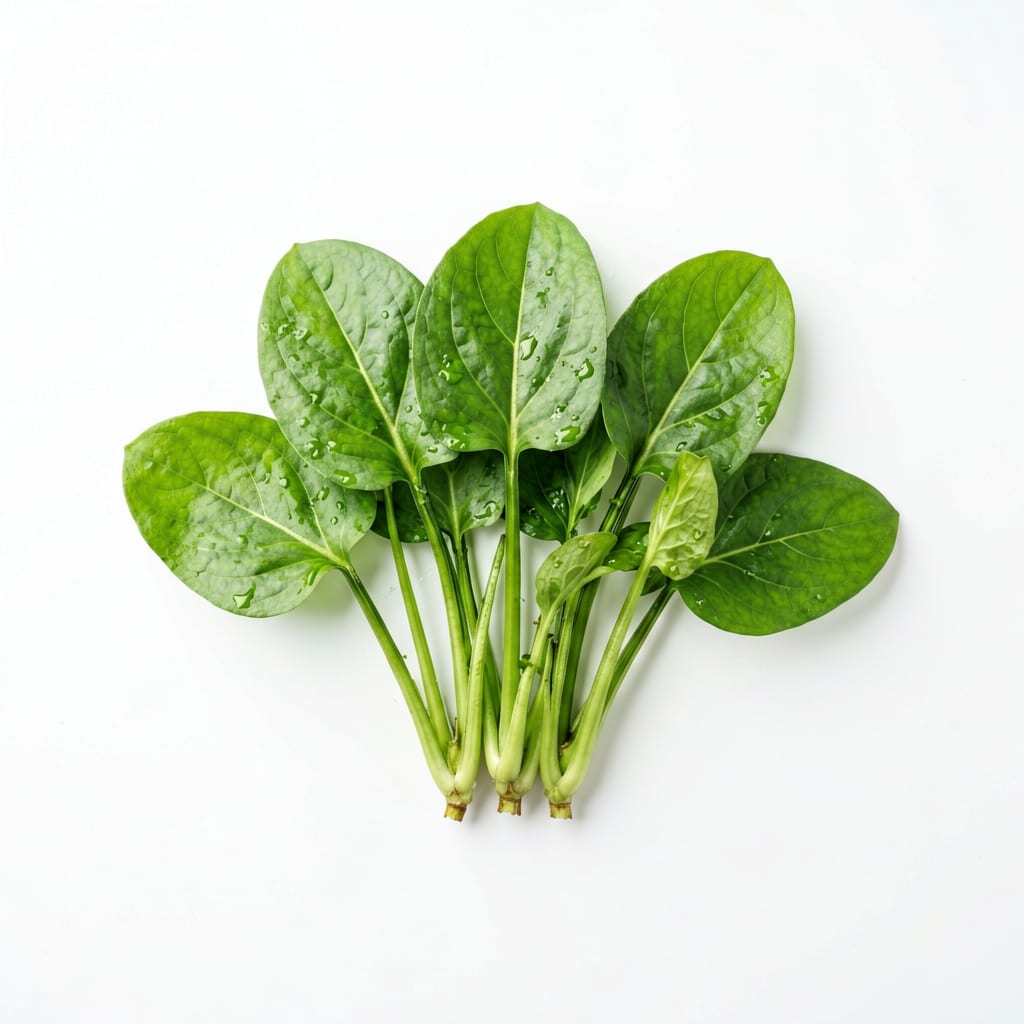
Leafy Green Vegetable
Water Spinach
A low-calorie, nutrient-dense aquatic leafy green popular in Asian stir-fries and soups.
Water spinach, also known as kangkong or morning glory, is a semi-aquatic tropical plant widely consumed in Asian cuisine for its tender leaves and hollow stems.
high-volume low-calorie leafy green
Typical serving · 100g
Common varieties · green-stemmed kangkong, white-stemmed kangkong, red-stemmed water spinach, swamp cabbage
Overall context score across nutrition, safety, and diet fit
At a glance
Quick facts
Simple indicators based on nutrition, processing, and diet fit.
The story
What makes it unique
A fast-digesting, high-volume leafy green with high water content and low energy density. Provides moderate fiber and micronutrients while delivering significant physical satiety with minimal caloric intake. Minimally processed when consumed fresh.
Varieties: green-stemmed kangkong · white-stemmed kangkong · red-stemmed water spinach · swamp cabbage
Per 100g
Nutrition breakdown
Macro balance and key metrics at a glance.
Energy
Density 0.19 kcal/g
Protein
Carbs
Fat
Fiber
Sugar
0.5 g
Sodium
113 mg
Potassium
312 mg
Glycemic index
15
Glycemic load
0
Water content
91%
Standout compounds
Nutrient highlights
Vitamin A
highSupports eye health and immune function.
Vitamin C
moderatePromotes collagen synthesis and antioxidant protection.
Iron
moderateEssential for oxygen transport in the blood.
Fiber
moderateSlows digestion and supports gut microbiome health.
Potassium
moderateHelps regulate blood pressure and fluid balance.
Wellness map
Health scores & processing
NOVA processing scale
minimally processed · Whole food
Fresh water spinach is a whole, unprocessed agricultural product requiring only washing and cutting before cooking.
Diet compatibility
- Weight loss
- Muscle gain
- Diabetes
- Gut health
- Low carb
- High protein
- Heart health
Relative standing
Food rankings
Qualitative ranks compared to similar whole foods.
- Satietyexcellent
- Blood sugarexcellent
- Nutrient densitygood
- Fitness fuelmoderate
- Processing qualityexcellent
Eat with confidence
Food safety profile
Water spinach grows in water, making it susceptible to waterborne parasites and heavy metals. Thorough washing and cooking are essential to mitigate infection risks.
Evidence confidence 85%
- Pesticidesmoderate
- Antibioticslow
- Heavy metalsmoderate
- Contaminationhigh
Watch for
- liver flukes
- E. coli
- heavy metals
- pesticide residue
Safer choices
Hydroponically grown or commercially farmed water spinach from regulated sources.
Prep tips
Soak leaves and stems in vinegar water for 15 minutes, rinse thoroughly under running water, and always cook fully by blanching or stir-frying to kill potential parasites.
Often grown in potentially contaminated aquatic environments or wastewater, which can lead to parasite and heavy metal accumulation.
Deep dive
Health analysis
How this food may fit different goals and preparation choices.
Weight loss
Extremely low energy density and high water content physically fill the stomach with minimal calories, making it an excellent food for volume eating.
Blood sugar
Virtually zero impact on blood sugar due to low carbohydrates, high fiber, and a glycemic index near zero when consumed with fat or protein.
Fitness & energy
Provides micronutrient support for metabolic functions but lacks the carbohydrates or protein needed as a direct workout fuel source.
Gut health
Fiber and water content support healthy bowel movements and feed beneficial gut bacteria, though cooking reduces some prebiotic fiber availability.
Processing quality
A whole food in its natural state with no additives, preservatives, or refined components.
Food safety
Raw consumption carries a high risk of aquatic parasites and bacterial contamination; blanching or stir-frying until wilted is mandatory for safety.
Common mistakes
Eating it raw in salads, undercooking the stems, or adding excessive oil during stir-frying which drastically increases the calorie density.
Best preparation
Blanching followed by a light dressing, or a quick stir-fry with garlic and a minimal amount of oil to maintain low calorie density while ensuring safety.
Practical guide
Best use cases
When and how this food fits real eating patterns.
High-volume low-calorie meals
Bulks up stir-fries and soups to create large, satisfying meals with very few calories.
Asian stir-fry base
Classic ingredient in dishes like kangkong belacan or garlic stir-fry, absorbing flavors well while adding crunch.
Low-carb diet side dish
Provides a nutrient-dense, fibrous side dish for ketogenic or low-carbohydrate meal plans.
Balance sheet
Pros & cons
Upsides
- Very low in calories and carbohydrates
- High water and fiber content promotes fullness
- Rich in vitamins A and C
- Versatile for quick cooking methods
- Absorbs flavors well in savory dishes
Trade-offs
- High risk of parasites if eaten raw or undercooked
- Can absorb heavy metals from contaminated water
- Perishable and wilts quickly in the fridge
- Easily absorbs excess cooking oil, increasing calories
- Not a significant source of protein or energy
Fit check
Who is it for?
Great match
- high-volume eating
- low-carb diets
- blood sugar management
- adding bulk to stir-fries
Consider alternatives
- raw salads
- calorie-dense meal prep
- strict iron-overload diets
Side by side
How it compares
Open the full head-to-head analysis for nutrition, safety, and practical tradeoffs.
This food
Water Spinach
VS90% alike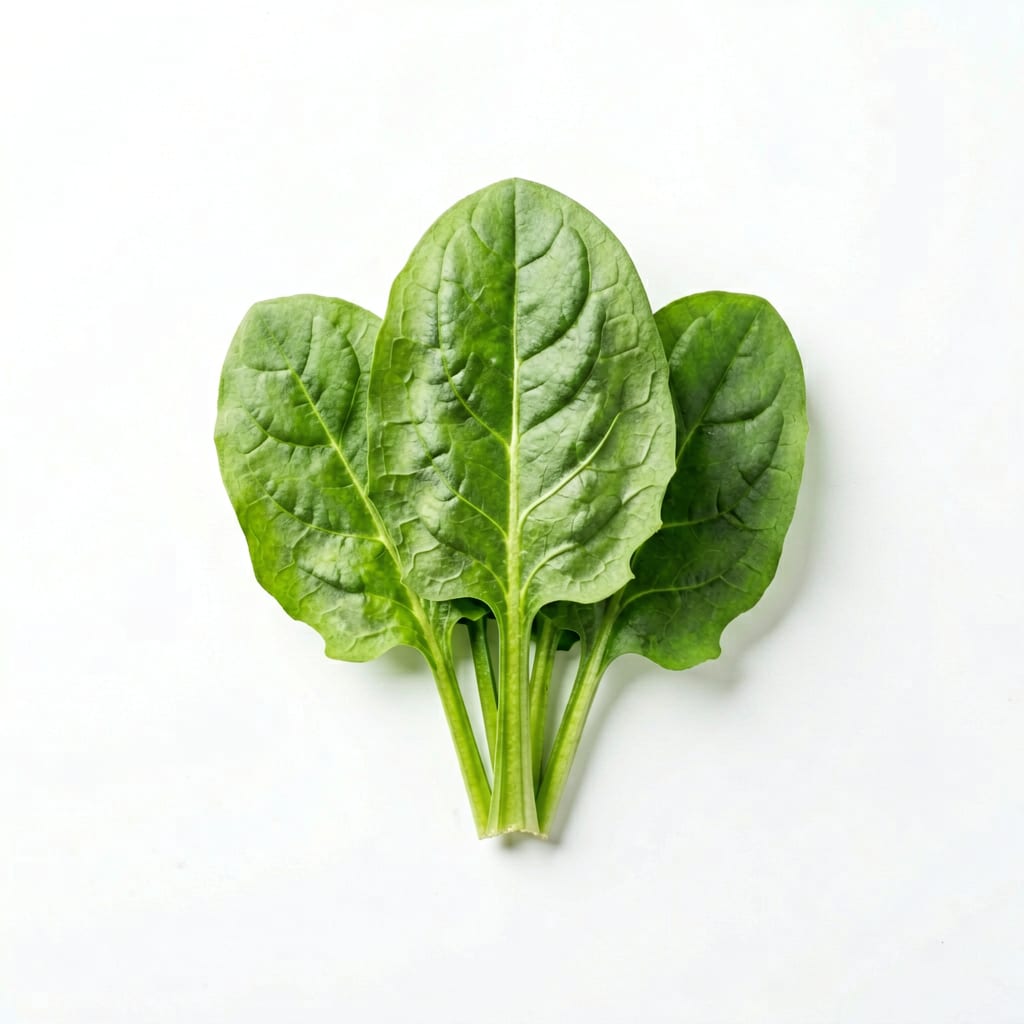
Compare with
Spinach
Spinach is more versatile for raw use and has higher iron, while water spinach yields more volume per calorie and is safer for stir-frying due to texture.
Water spinach provides more volume and crunch for stir-fries, while spinach is better for raw salads and offers slightly more iron per serving.
This food
Water Spinach
VS85% alike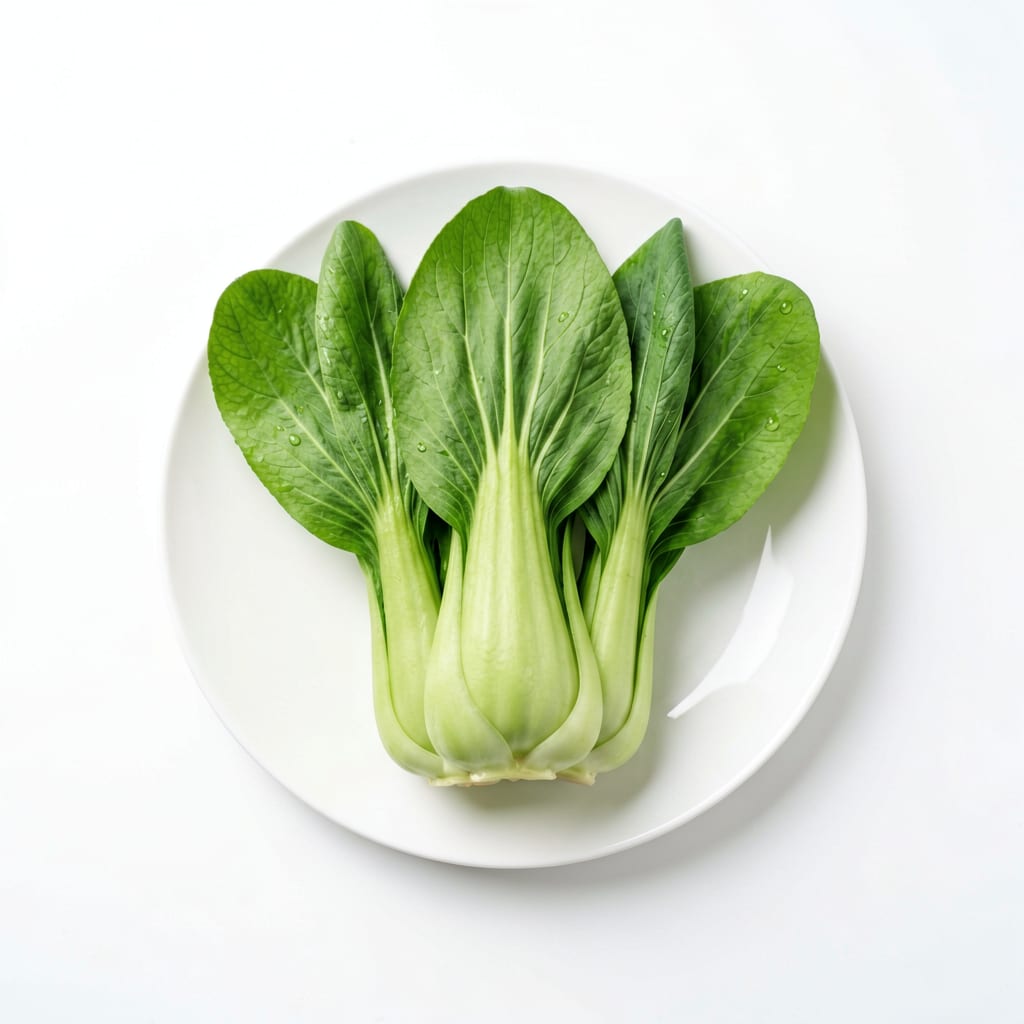
Compare with
Bok Choy
Bok choy offers more calcium and vitamin C, while water spinach provides more volume for fewer calories.
Bok choy is richer in calcium and vitamin C, but water spinach is lower in calories and better for high-volume weight loss meals.
This food
Water Spinach
VS75% alike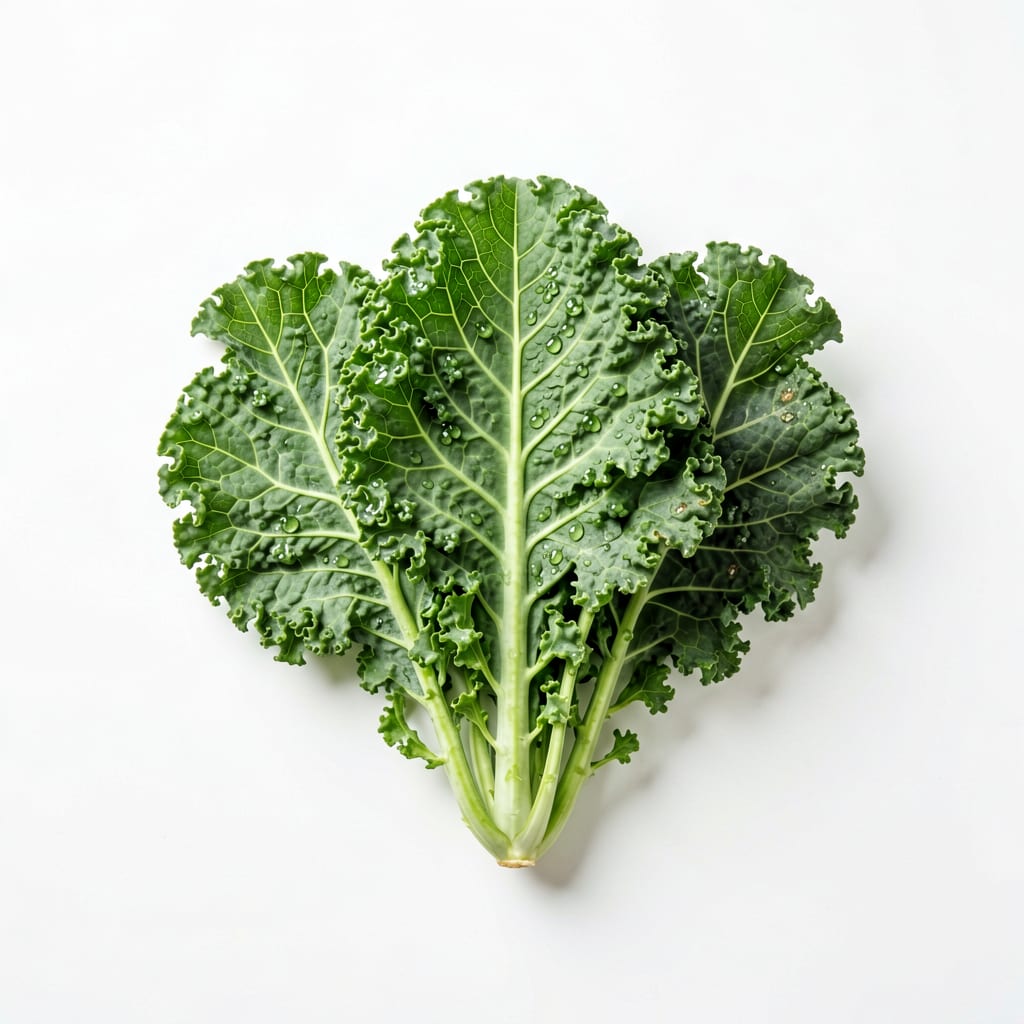
Compare with
Kale
Kale is a micronutrient powerhouse with more vitamin K and C, while water spinach is much lower in calories and faster to cook.
Kale provides more vitamin K and antioxidants, but water spinach has fewer calories and is easier to eat in large quantities.
This food
Water Spinach
VS75% alike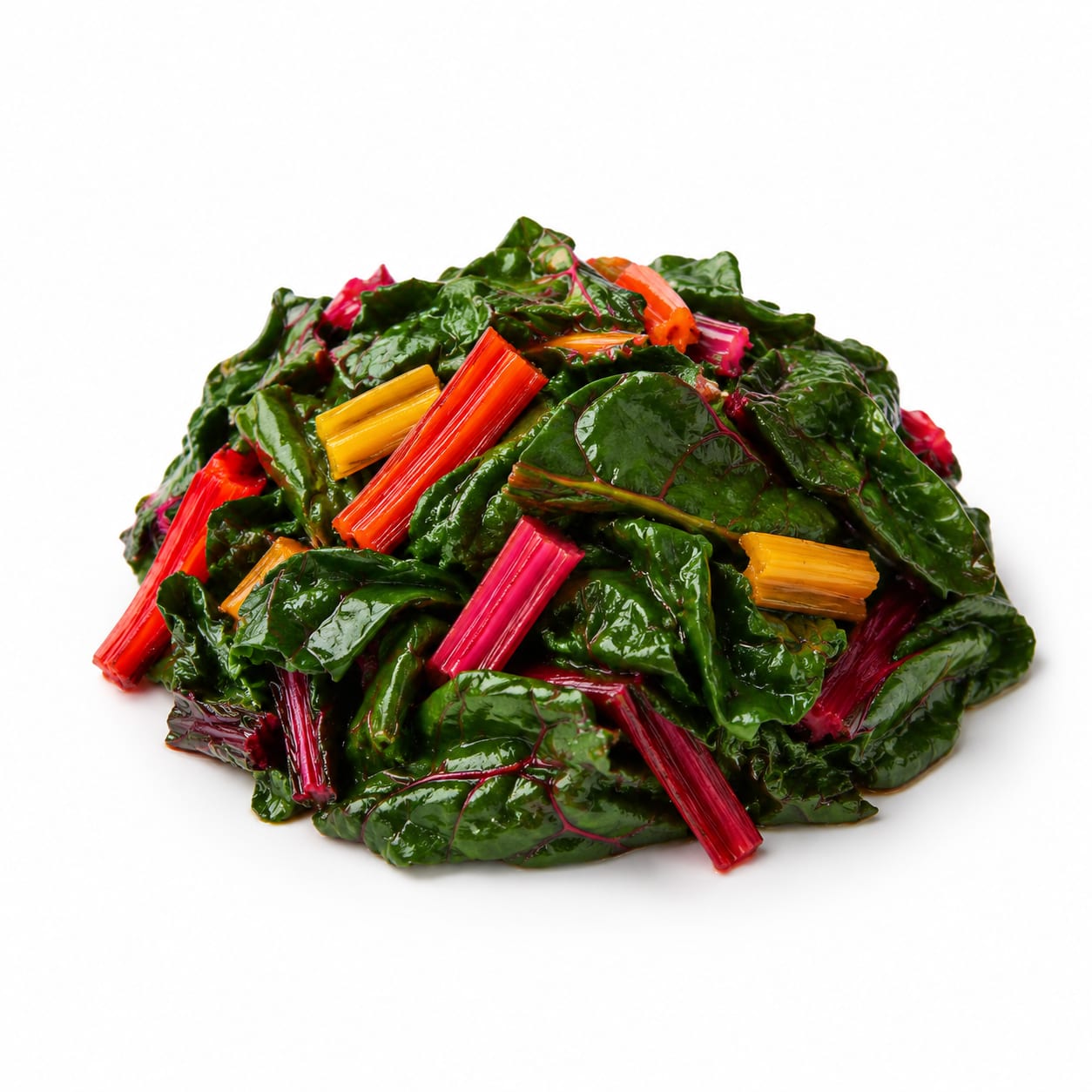
Compare with
Swiss Chard
Swiss chard is higher in magnesium and vitamin K, but water spinach is significantly lower in calories and oxalates.
Swiss chard offers more magnesium, but water spinach is lower in calories and oxalates, making it better for volume eating.
This food
Water Spinach
VS70% alike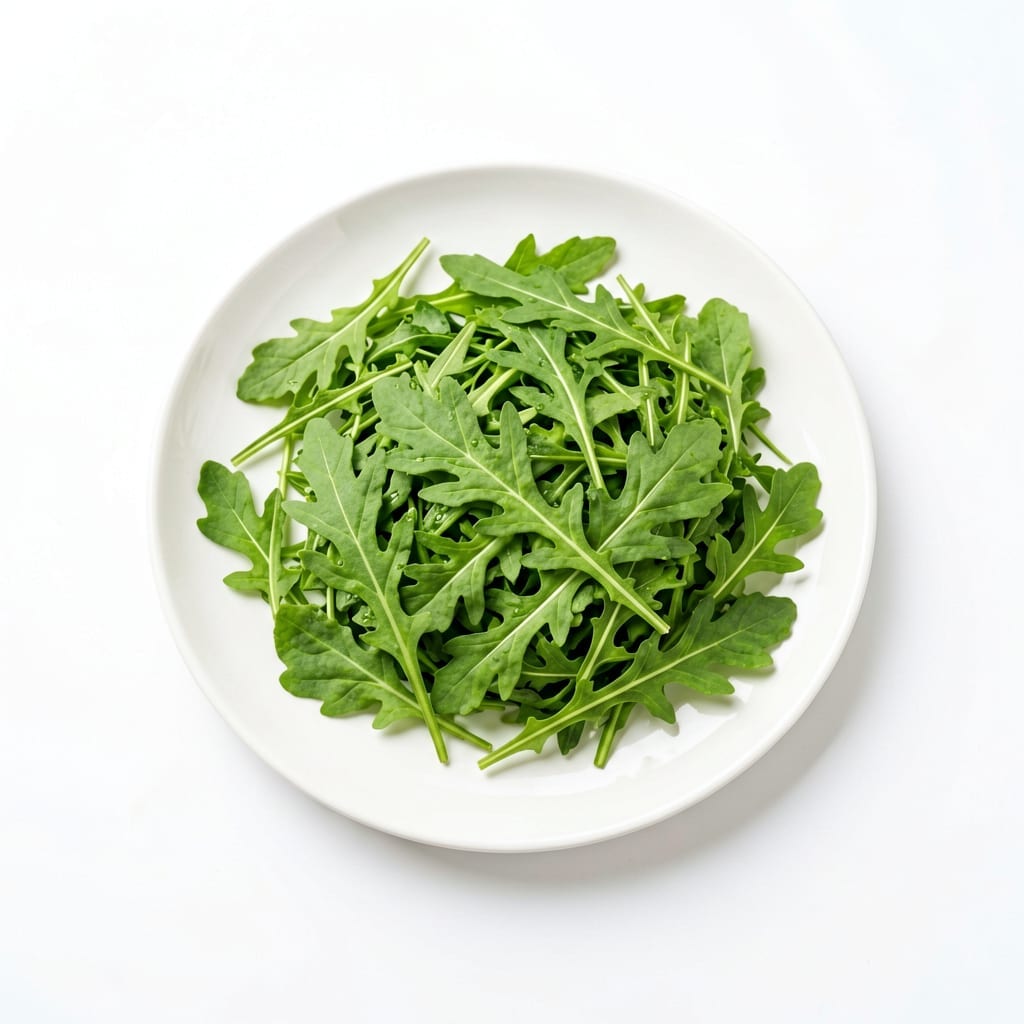
Compare with
Arugula
Arugula provides a peppery flavor for raw salads, while water spinach is better suited for hot dishes and offers more fiber.
Arugula is best for raw salads with a peppery kick, while water spinach is ideal for cooked dishes and provides more satiety per calorie.
This food
Water Spinach
VS65% alike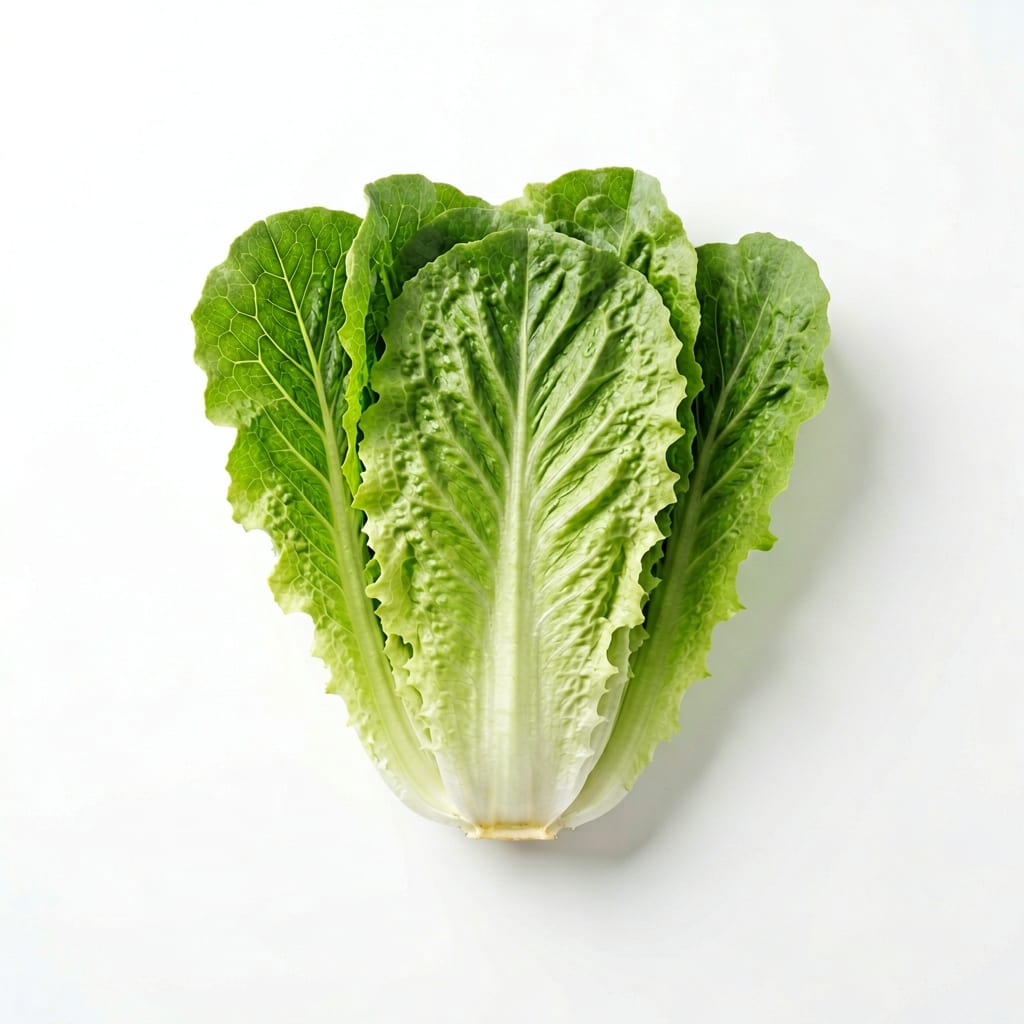
Compare with
Romaine Lettuce
Romaine is crisp and ideal for raw salads, while water spinach must be cooked and offers more iron and fiber.
Romaine is better for raw salads, but water spinach provides more fiber and iron when cooked, offering greater satiety.
This food
Water Spinach
VS70% alike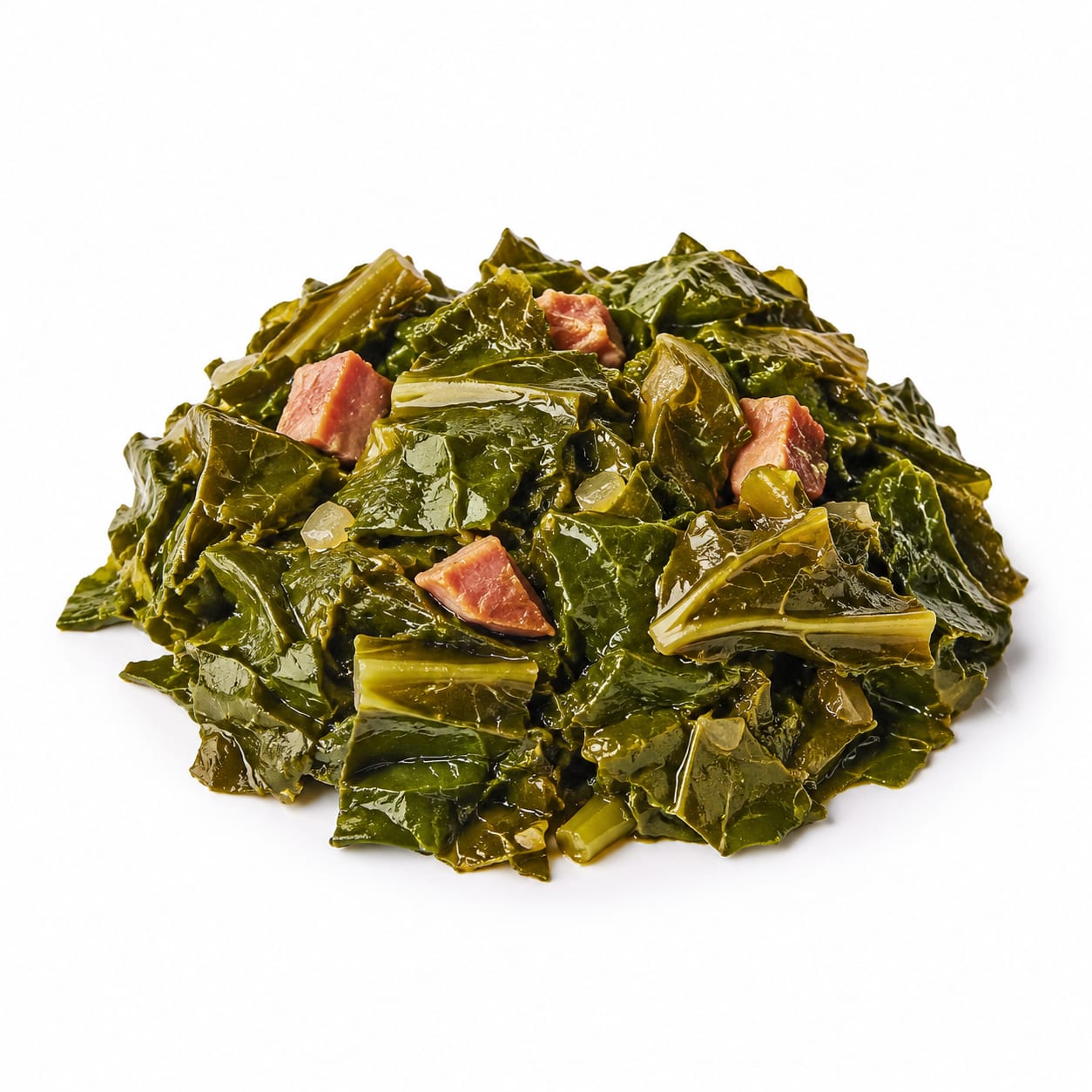
Compare with
Collard Greens
Collard greens are higher in protein and calcium, while water spinach is much lower in calories and faster to cook.
Collard greens offer more calcium and protein, but water spinach is lower in calories and cooks in minutes.
This food
Water Spinach
VS70% alike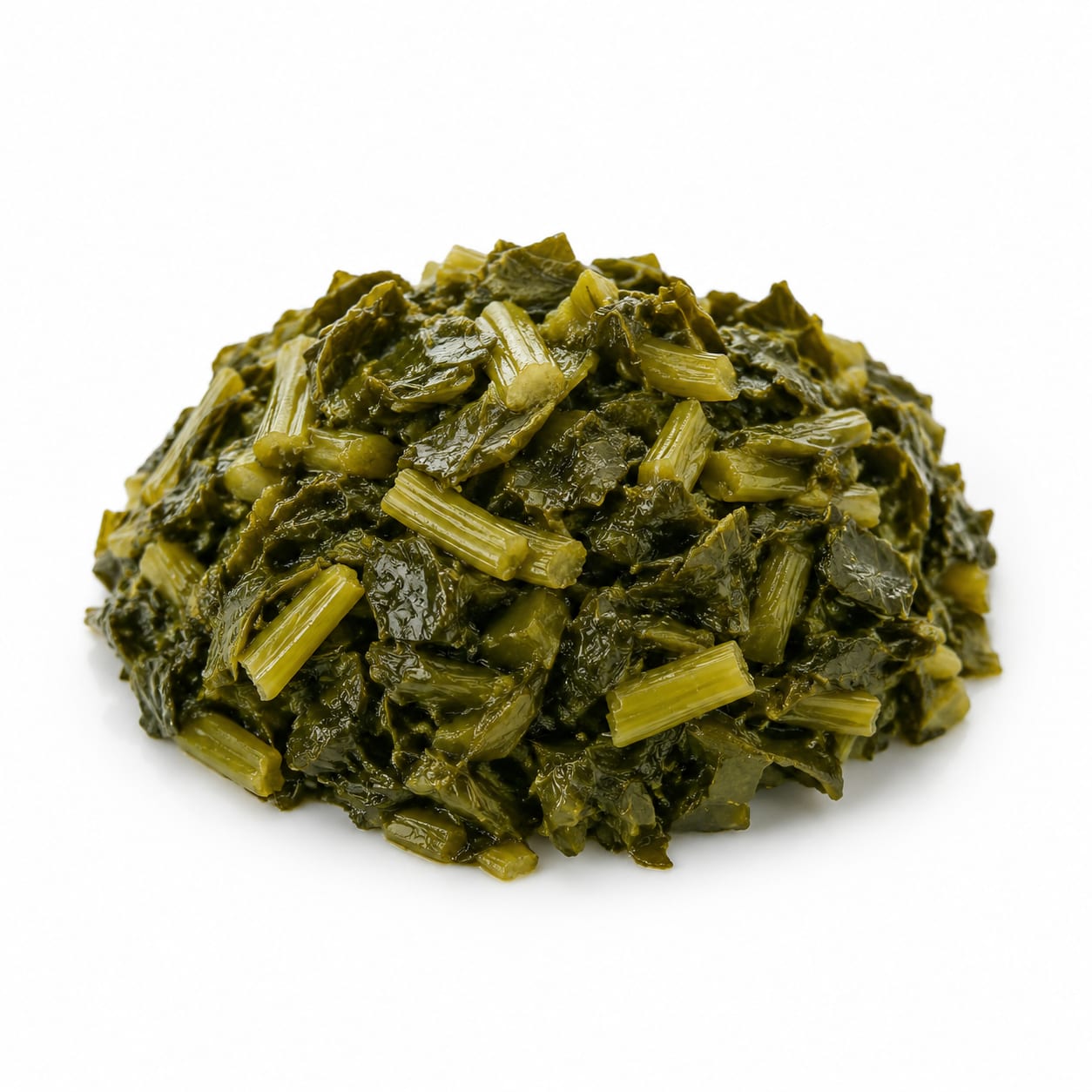
Compare with
Mustard Greens
Mustard greens have a spicy flavor and more vitamin K, while water spinach is milder and lower in calories.
Mustard greens provide a spicy kick and more vitamin K, whereas water spinach is milder and better for low-calorie bulk.
This food
Water Spinach
VS60% alike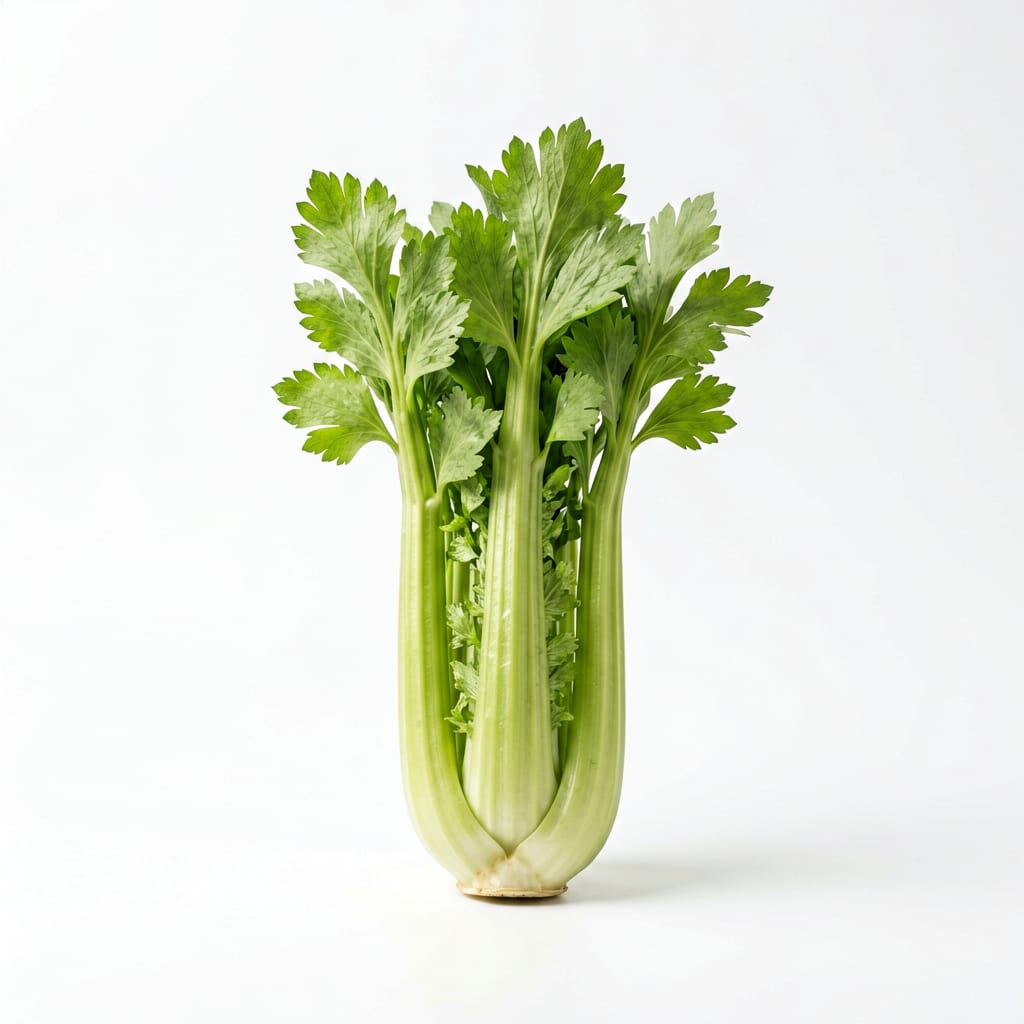
Compare with
Celery
Celery is eaten raw as a snack, while water spinach is cooked and offers more vitamin A and iron.
Celery is a classic raw low-calorie snack, but cooked water spinach provides more vitamins and better satiety for weight loss meals.
This food
Water Spinach
VS55% alike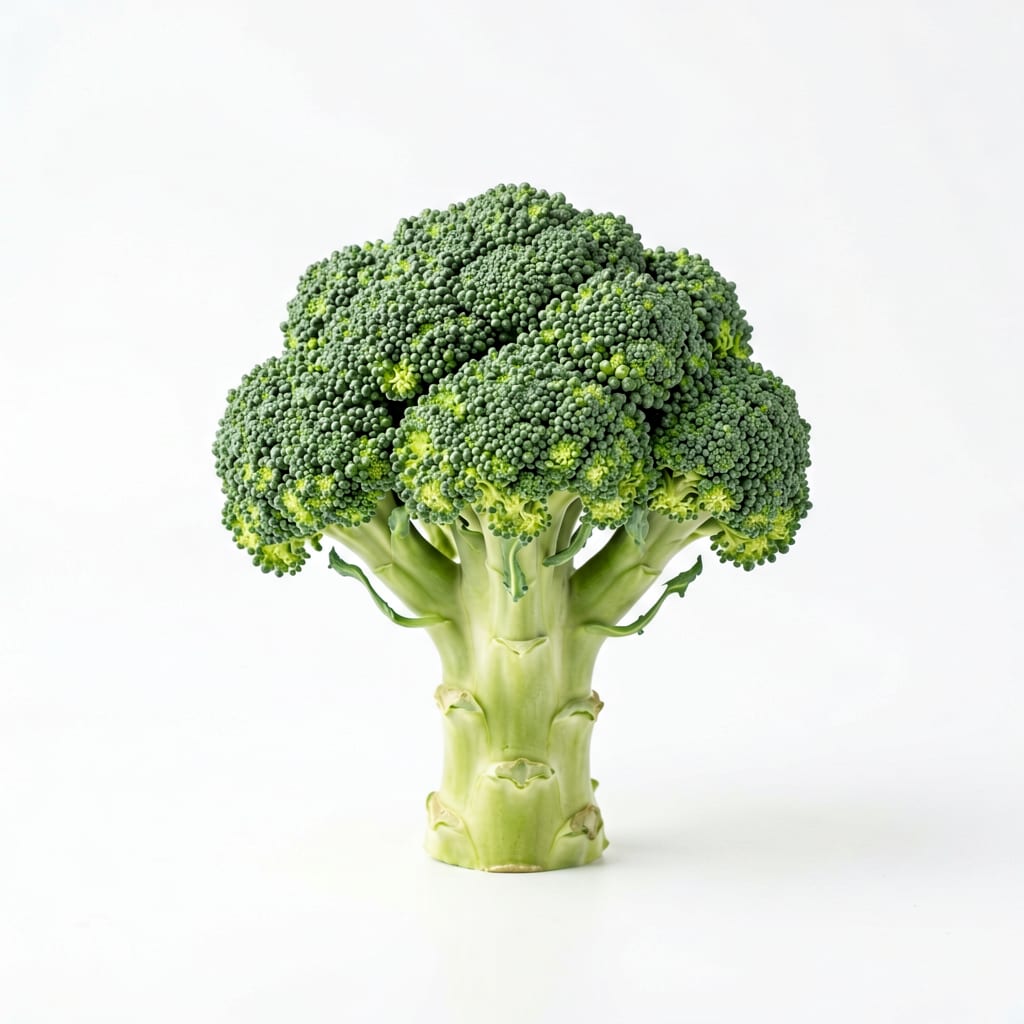
Compare with
Broccoli
Broccoli is a nutritional powerhouse with more protein and vitamin C, while water spinach is significantly lower in calories and carbs.
Broccoli provides more protein and vitamin C for fitness recovery, but water spinach is much lower in calories and carbs for strict weight loss.
Common questions
FAQ
Answers aligned with how people search for this food.
Is water spinach good for weight loss?
Yes, water spinach is excellent for weight loss. It has only 19 calories per 100g and is 91% water, allowing you to eat a large volume of food to feel full without consuming excess calories.
Can diabetics eat water spinach?
Yes, water spinach is highly suitable for diabetics. It has a glycemic index of 15 and a glycemic load near zero, meaning it will not spike blood sugar levels.
Is it safe to eat raw water spinach?
No, eating raw water spinach is not recommended. Because it grows in aquatic environments, it can harbor liver flukes and harmful bacteria. Always cook it thoroughly before eating.
What is the difference between water spinach and regular spinach?
Water spinach has long, hollow stems and larger, lighter green leaves compared to regular spinach. It also grows in water or damp soil, while regular spinach is grown on dry land. Water spinach must be cooked before eating, whereas regular spinach can be eaten raw.
Why does water spinach need to be cooked?
Cooking is required to kill potential waterborne parasites, like liver flukes, and bacteria that thrive in the aquatic environments where water spinach grows. Cooking also reduces oxalic acid, improving nutrient absorption.
Is water spinach high in potassium?
Yes, water spinach provides a moderate amount of potassium, offering about 312mg per 100g serving, which supports healthy blood pressure and fluid balance.
How do you clean water spinach?
Soak the leaves and stems in a solution of water and a small amount of vinegar for 15 minutes to help remove dirt and potential pathogens, then rinse thoroughly under cold running water before cooking.
Is water spinach keto-friendly?
Yes, water spinach is keto-friendly. It contains only 3.1g of carbohydrates and 2.1g of fiber per 100g, resulting in just 1g of net carbs.
Does water spinach have parasites?
It can. Water spinach grown in contaminated water may carry Fasciolopsis buski (intestinal fluke). This is why blanching or stir-frying it thoroughly until wilted is essential for safe consumption.
What does water spinach taste like?
Water spinach has a mild, slightly sweet, and earthy flavor similar to regular spinach but with a more tender texture. The hollow stems remain crisp when quickly cooked.
Transparency
Data confidence
Estimated confidence for nutrition data, interpretation, safety notes, and comparisons.
Nutrition data
Health analysis
Food safety
Comparisons