
Nutrition comparison
Water Spinach vs Collard Greens: Nutrition, Safety, and Which to Choose
Compare water spinach and collard greens on nutrient density, calcium, food safety, and cooking convenience. Find out which leafy green is better for your health goals.
Overall winner · Collard Greens
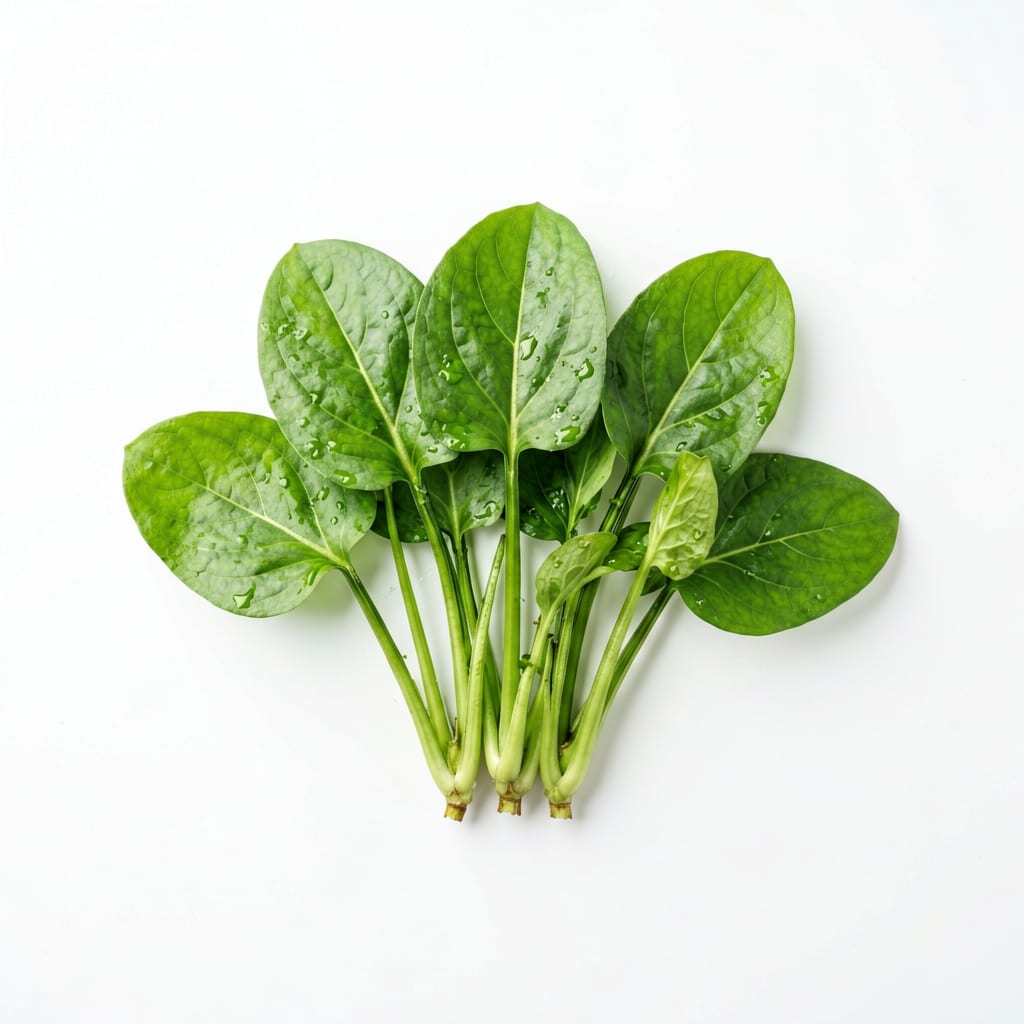
Water Spinach
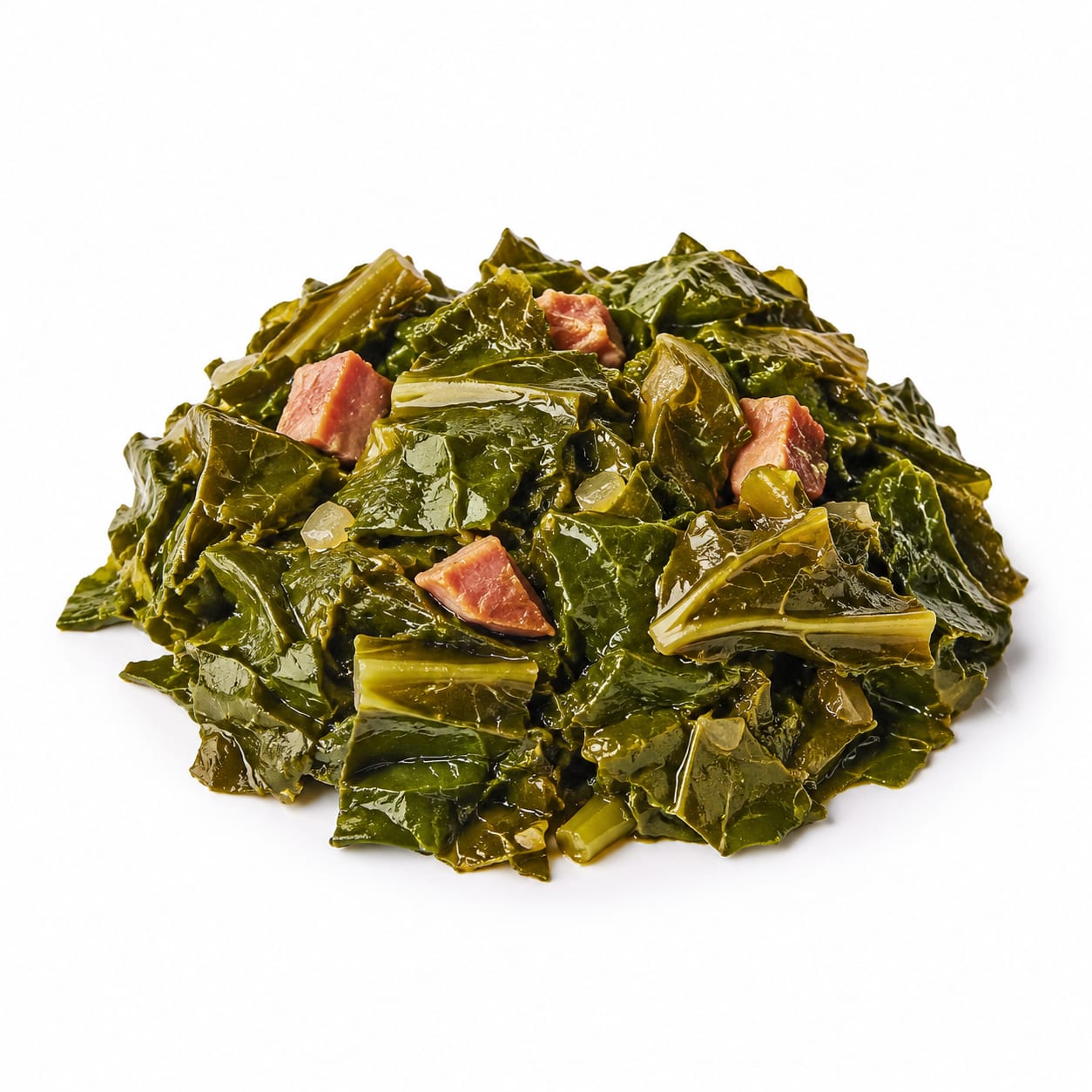
Collard Greens
Collard greens deliver substantially more nutrition per bite, especially calcium and vitamin K, while water spinach offers a lighter, quicker-cooking option with unique culinary appeal.
Collard greens score notably higher due to superior nutrient density, calcium content, and fewer contamination concerns. Water spinach remains a solid choice but with clear nutritional and safety tradeoffs.
You trade nutrient density and calcium for a more delicate texture and faster cooking time with water spinach, plus potential food safety considerations.
At a glance
Executive summary
Overall
Collard Greens
Healthier
Collard Greens
More practical
Collard Greens
Daily use
Collard Greens
Key comparison lenses
nutrient density comparison
Both are leafy greens but collard greens pack significantly more vitamins and minerals per serving, making this the core decision factor
food safety and contamination
Water spinach grows in aquatic environments that can harbor parasites and heavy metals, a concern collard greens largely avoid
calcium and bone health
Collard greens are among the best plant-based calcium sources, while water spinach offers far less
culinary tradition and accessibility
These greens belong to entirely different food cultures, so availability and cooking familiarity heavily influence real-world choice
digestive lightness vs hearty satiety
Water spinach feels lighter and cooks down soft quickly, while collard greens are robust and more filling
Best choice for
Water Spinach
- Quick stir-fries and Southeast Asian dishes
- People wanting a light, easy-to-digest green
- Those who find tough greens unappealing
- Anyone seeking faster cooking times
Collard Greens
- Maximizing vitamin and mineral intake
- Bone health and calcium needs
- Long-term chronic disease prevention
- Meal prep and batch cooking
Least suitable for
Water Spinach
- People concerned about waterborne contamination
- Those needing high calcium from greens
- Anyone in regions where it is hard to find fresh
- Individuals on blood thinners needing stable vitamin K
Collard Greens
- People who dislike tough or chewy greens
- Quick weeknight meals with limited cooking time
- Those with thyroid sensitivity to cruciferous vegetables raw
Deep comparison
Dimension by dimension
Each lens scores both foods and breaks down who each option suits.
- Dimension 1 · Priority 95Collard Greens
Nutrient Density
Water Spinach · 55Collard Greens · 90Collard greens are significantly more nutrient-dense, offering far more vitamins K, A, and calcium per serving than water spinach.
Tradeoff
Water spinach provides a lighter nutritional load, which can feel easier on digestion but delivers less per bite.
Why it matters
If you eat greens primarily to maximize your vitamin intake, collard greens accomplish much more in a single serving.
Real-world impact
One cup of cooked collard greens covers over 300% of your daily vitamin K needs, while water spinach covers a smaller fraction.
Water Spinach
- Gentle digestive systems that struggle with nutrient-heavy meals
Better for
- Those relying on greens as a primary calcium source
Worse for
Collard Greens
- Anyone trying to get maximum nutrition from fewer calories
- People who do not eat a wide variety of vegetables daily
Better for
- People who find very nutrient-dense foods overwhelming in large portions
Worse for
- Dimension 2 · Priority 88Collard Greens
Calcium and Bone Support
Water Spinach · 35Collard Greens · 92Collard greens are one of the best plant-based calcium sources available, while water spinach provides relatively little calcium.
Tradeoff
If bone health is a priority, collard greens are dramatically more useful. Water spinach simply cannot compete here.
Why it matters
Many people avoid dairy and depend on greens for calcium. Collard greens actually deliver on this; water spinach does not.
Real-world impact
A serving of cooked collard greens provides roughly 260mg of calcium. Water spinach provides less than a third of that.
Water Spinach
- Those getting calcium adequately from other sources
Better for
- Anyone counting on leafy greens for meaningful calcium intake
Worse for
Collard Greens
- Dairy-free individuals needing plant calcium
- Older adults concerned about bone density
- Post-menopausal women
Better for
- People already exceeding calcium needs through supplements or other foods
Worse for
- Dimension 3 · Priority 85Collard Greens
Food Safety and Contamination Risk
Water Spinach · 50Collard Greens · 85Water spinach grows in waterlogged environments that can harbor parasites, bacteria, and heavy metals. Collard greens grown in soil carry fewer such risks.
Tradeoff
Water spinach requires thorough cooking to be safe, while collard greens are safer even with lighter cooking methods.
Why it matters
In regions where water spinach is common, foodborne illness from undercooked greens is a real and documented concern.
Real-world impact
If you blanch water spinach briefly, you may not eliminate all risks. Collard greens can be safely eaten with simpler preparation.
Water Spinach
- Home cooks who always thoroughly cook their greens anyway
Better for
- People who enjoy quick-blanching or semi-raw preparations
Worse for
Collard Greens
- Anyone immunocompromised
- People feeding young children or elderly family members
- Those who prefer lightly cooked or raw greens
Better for
- Those concerned about pesticide residue on conventional collards
Worse for
- Dimension 4 · Priority 72Water Spinach
Cooking Convenience and Speed
Water Spinach · 88Collard Greens · 55Water spinach cooks in minutes with a quick stir-fry, while collard greens require longer cooking to become tender and palatable.
Tradeoff
Speed and tenderness favor water spinach, but collard greens reward patience with deeper flavor and better nutrient retention.
Why it matters
On a busy weeknight, water spinach can go from fridge to plate in under five minutes. Collard greens demand more planning.
Real-world impact
Water spinach wilts into a soft side dish almost instantly. Collard greens need 20-40 minutes of simmering for ideal texture.
Water Spinach
- Busy weeknight dinners
- Stir-fry enthusiasts
- Cooks who want minimal prep time
Better for
- Recipes requiring a sturdy green that holds its shape
Worse for
Collard Greens
- Slow cooker and meal prep fans
- Those who enjoy long-simmered comfort food
Better for
- Anyone needing a vegetable side in under 10 minutes
Worse for
- Dimension 5 · Priority 70Water Spinach
Digestive Comfort and Lightness
Water Spinach · 82Collard Greens · 58Water spinach feels lighter in the stomach and is easier to digest for most people. Collard greens can feel heavy and produce gas.
Tradeoff
Lightness comes with less fiber and satiety. Collard greens keep you fuller longer but may cause bloating in sensitive individuals.
Why it matters
If you have a sensitive gut or want a vegetable that does not sit heavily, water spinach is the more comfortable choice.
Real-world impact
After a water spinach stir-fry, you feel satisfied but not stuffed. A large collard greens portion can feel weighty.
Water Spinach
- People with IBS or sensitive digestion
- Light lunch preferences
- Hot weather eating when heavy foods feel unappealing
Better for
- Anyone relying on greens for lasting satiety
Worse for
Collard Greens
- Those who want a vegetable that keeps them full for hours
- People needing more fiber intake
Better for
- People prone to bloating from cruciferous vegetables
Worse for
- Dimension 6 · Priority 78Collard Greens
Antioxidant and Cancer-Fighting Compounds
Water Spinach · 60Collard Greens · 88Collard greens contain glucosinolates and sulforaphane precursors linked to cancer prevention. Water spinach has antioxidants but less research backing.
Tradeoff
Collard greens belong to the cruciferous family with well-documented chemoprotective compounds. Water spinach offers antioxidants but with weaker evidence.
Why it matters
If you eat greens partly for long-term disease prevention, the cruciferous advantage of collard greens is meaningful.
Real-world impact
Regular collard greens consumption is associated with lower cancer risk in epidemiological studies. Water spinach lacks equivalent data.
Water Spinach
- Those already eating a variety of cruciferous vegetables elsewhere
Better for
- Those relying on a single green for maximum protective benefit
Worse for
Collard Greens
- People with family history of cancer seeking preventive diets
- Anyone wanting well-researched protective compounds
Better for
- People with thyroid conditions who must limit cruciferous intake raw
Worse for
Timeline
Health impact over time
Short-term
Hours to days
Water Spinach
- Quick energy from easily digested carbohydrates
- Light feeling after meals without heaviness
- Mild hydration benefit from high water content
Collard Greens
- Noticeable fullness and satiety after eating
- Potential gas or bloating if you are not used to high-fiber cruciferous vegetables
- Steadier blood sugar from higher fiber content
Long-term
Months to years
Water Spinach
- Adequate but not outstanding vitamin intake if eaten regularly
- Possible exposure to waterborne contaminants if sourcing is inconsistent
- Moderate antioxidant benefits from regular consumption
Collard Greens
- Stronger bone density from consistent calcium and vitamin K intake
- Lower chronic disease risk from glucosinolate compounds
- Improved digestive regularity from high fiber intake
Risk profile
Safety & processing
Both greens are whole, minimally processed foods. Neither typically contains additives when purchased fresh. The main concern is agricultural contamination rather than processing.
Water Spinach
Waterborne parasites
mediumWater spinach grows in aquatic environments where liver flukes and other parasites can thrive. Thorough cooking eliminates this risk.
Heavy metal accumulation
mediumPlants grown in contaminated water can absorb heavy metals. Sourcing from clean farms is essential.
Bacterial contamination
lowStagnant water growing conditions can harbor harmful bacteria. Proper washing and cooking mitigates this.
Collard Greens
Pesticide residue
lowConventional collard greens can carry pesticide residue. Washing thoroughly or choosing organic reduces exposure.
Goitrogenic compounds when raw
lowRaw collard greens contain goitrogens that can interfere with thyroid function. Cooking largely neutralizes these compounds.
Who wins for whom
Audience fit
Same foods, different winners depending on your goal.
children
Collard GreensCollard greens provide more calcium for growing bones and carry fewer contamination risks when properly cooked.
daily consumption
Collard GreensHigher nutrient density, better safety profile, and stronger evidence for long-term health benefits make collard greens the more reliable daily choice.
diabetes
Collard GreensHigher fiber in collard greens slows glucose absorption more effectively, supporting steadier blood sugar levels.
elderly
Collard GreensBone-supporting calcium and vitamin K are especially valuable for older adults, and collard greens deliver both abundantly.
muscle gain
Collard GreensNeither green is a protein powerhouse, but collard greens offer slightly more protein and more magnesium to support muscle function.
weight loss
Collard GreensCollard greens provide more fiber and protein per calorie, keeping you fuller longer with very few calories.
Your move
Decision guide
Choose Water Spinach
- You cook Southeast Asian cuisine regularly and want an authentic ingredient
- You prefer delicate greens that cook in under five minutes
- You have reliable access to cleanly sourced water spinach
- You find cruciferous vegetables too heavy or gas-producing
Choose Collard Greens
- You want maximum nutrition from your leafy greens
- Bone health and calcium intake matter to you
- You enjoy slow-cooked comfort food sides
- Food safety is a top priority, especially for vulnerable family members
- You are meal prepping for the week
Either works if
- You simply want more greens in your diet and enjoy both
- You rotate vegetables regularly and value variety
- You are eating plenty of other nutrient-dense foods already
Avoid both if
- You are on warfarin or blood thinners and need stable vitamin K intake without fluctuation
- You have a specific allergy to either plant family
Final recommendation
For most people seeking the healthiest everyday green, collard greens are the stronger choice due to superior nutrient density, calcium content, and safety profile. Water spinach is worth enjoying when you want its unique texture and flavor, especially in Asian dishes, but it should not be your primary green if maximizing nutrition is the goal.
Practical
Consumer tips
- 1
Always cook water spinach thoroughly to eliminate potential parasites and bacteria from its aquatic growing environment
- 2
Source water spinach from reputable suppliers who test for heavy metals in their water supply
- 3
Massage raw collard greens with olive oil and lemon juice if using them in salads to soften the tough leaves
- 4
Collard greens freeze well after blanching, making them practical for bulk buying and meal prep
- 5
If you are new to collard greens, try them simmered with garlic and broth rather than boiled plain to avoid bitterness
- 6
Pair water spinach with garlic and fermented bean paste for a traditional and flavorful preparation
- 7
Choose organic collard greens when possible to reduce pesticide exposure on a frequently consumed staple