
Nutrition comparison
Water Spinach vs Mustard Greens: Nutrition, Taste & Safety
Compare Water Spinach and Mustard Greens to see which leafy green is healthier, safer, and better for your recipes. Learn about parasite risks, vitamin K, and bitterness.
Overall winner · Mustard Greens
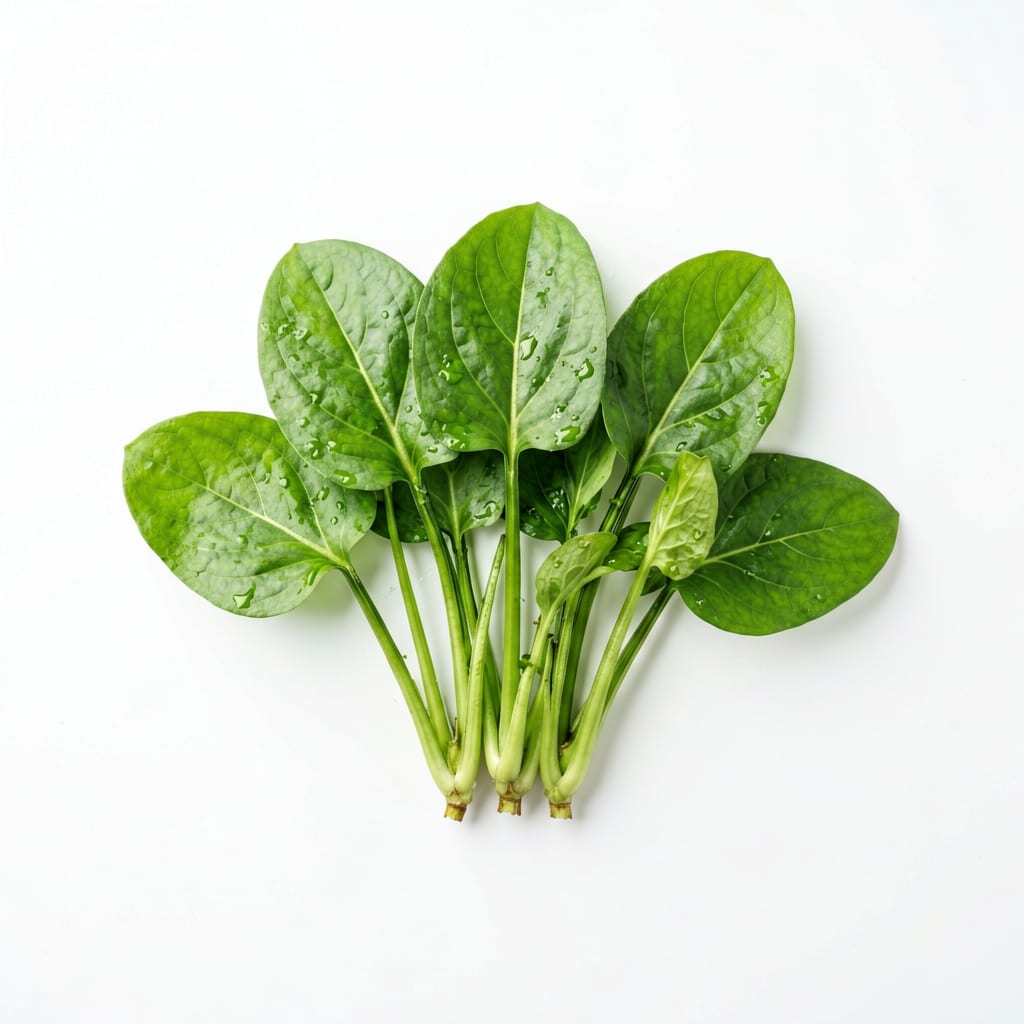
Water Spinach
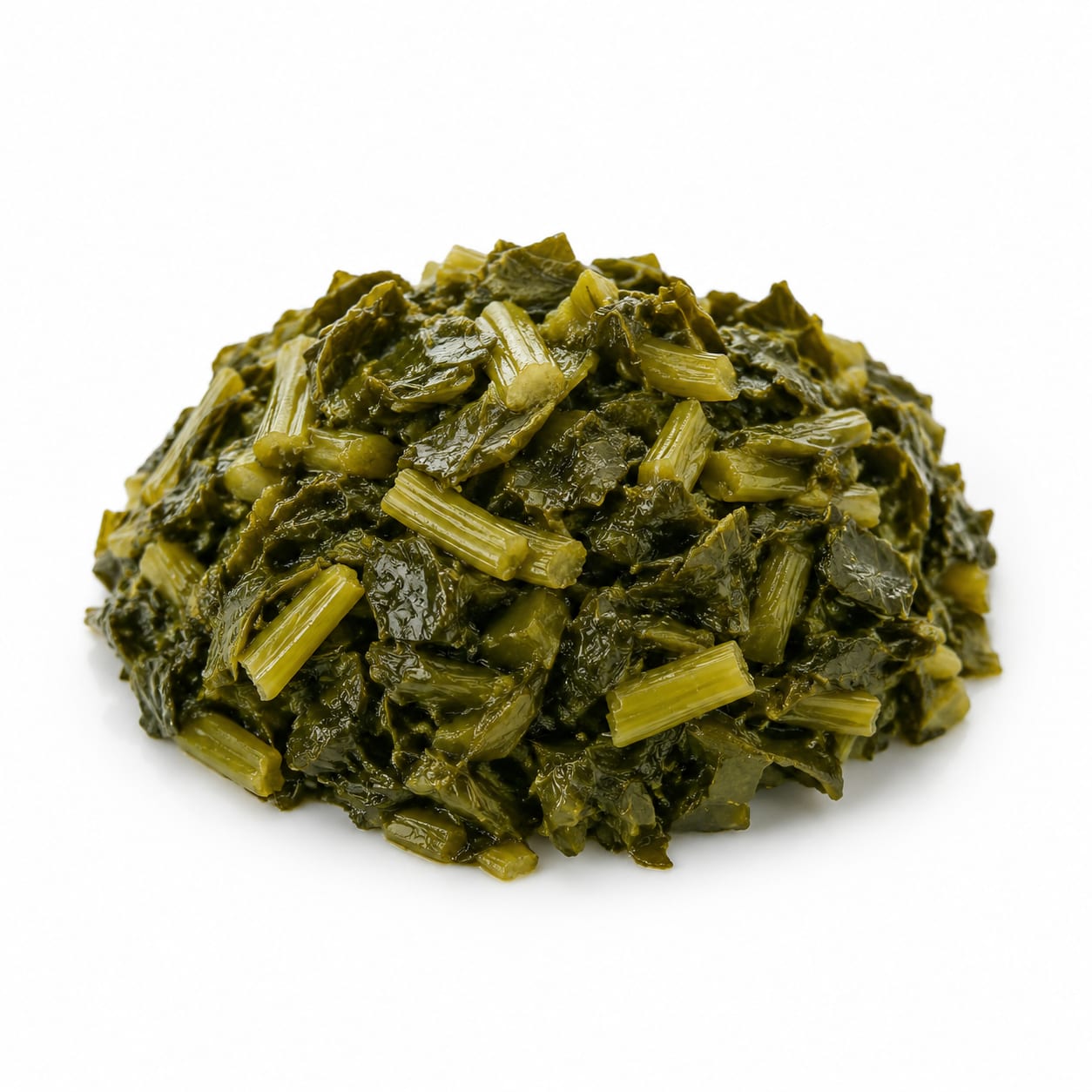
Mustard Greens
Mustard Greens deliver a far more potent nutritional punch and cancer-fighting compounds, while Water Spinach offers a milder, hydrating crunch but carries higher safety risks if not cooked properly.
Mustard Greens score higher due to superior nutrient density, stronger disease-fighting compounds, and lower contamination risk. Water Spinach remains a solid, enjoyable vegetable but requires more caution and offers fewer vitamins per serving.
Robust, bitter nutrition with proven cellular benefits versus a mild, watery crunch with a higher risk of aquatic contamination.
At a glance
Executive summary
Overall
Mustard Greens
Healthier
Mustard Greens
More practical
It depends
Daily use
Mustard Greens
Key comparison lenses
Nutrient density and vitamin load
Mustard Greens provide significantly more vitamins K, A, and folate per calorie compared to the watery profile of Water Spinach.
Food safety and contamination risk
Water Spinach grows in aquatic environments that can harbor parasites and heavy metals, making cooking safety a primary concern.
Flavor profile and culinary use
Water Spinach offers a mild, tender crunch ideal for quick stir-fries, while Mustard Greens bring a bold, peppery bitterness that requires specific cooking techniques.
Disease-fighting compounds
Mustard Greens are rich in glucosinolates for cellular health, whereas Water Spinach provides different antioxidants but at lower concentrations.
Best choice for
Water Spinach
- People who strongly dislike bitter greens
- Stir-fry enthusiasts wanting a tender, crunchy texture
- Those seeking a low-calorie volume food to fill up
Mustard Greens
- Vitamin K and bone health support
- Detoxification and antioxidant benefits
- Fans of bold, peppery flavors in Southern or Asian cooking
Least suitable for
Water Spinach
- People with compromised immune systems due to parasite risks
- Those seeking maximum nutrient density per bite
Mustard Greens
- People sensitive to bitter flavors
- Those on blood thinners who need stable, low vitamin K intake
Deep comparison
Dimension by dimension
Each lens scores both foods and breaks down who each option suits.
- Dimension 1 · Priority 92Mustard Greens
Nutrient Density
Water Spinach · 60Mustard Greens · 95Mustard Greens absolutely dominate in vitamin content, especially vitamin K, vitamin A, and folate.
Tradeoff
You get more vitamins per bite with Mustard Greens, but Water Spinach provides more hydration and a lighter eating experience.
Why it matters
Higher nutrient density means your body gets more of what it needs for bone health, immunity, and energy production from the same portion size.
Real-world impact
Eating Mustard Greens makes a much bigger dent in your daily vitamin requirements than Water Spinach, which is mostly water.
Water Spinach
- Staying hydrated in hot climates
- Eating large volumes without consuming many calories
Better for
- Maximizing nutrition on a restricted calorie budget
Worse for
Mustard Greens
- Meeting daily vitamin K needs for bone health
- Boosting folate intake naturally
Better for
- Light, refreshing summer meals where heaviness is unwanted
Worse for
- Dimension 2 · Priority 88Mustard Greens
Food Safety and Contamination
Water Spinach · 55Mustard Greens · 85Water Spinach's aquatic growing conditions make it a common host for parasites and heavy metals, requiring thorough cooking.
Tradeoff
Water Spinach demands strict cooking to be safe, while Mustard Greens carry standard leafy green pesticide risks but no parasite concerns.
Why it matters
Ingesting aquatic parasites can lead to severe long-term organ damage, turning a healthy meal into a medical risk.
Real-world impact
You can safely eat lightly cooked Mustard Greens, but Water Spinach must always be blanched or fully cooked to eliminate safety risks.
Water Spinach
- Quick blanching before adding to soups
Better for
- Raw salads or lightly sautéed dishes
- People with weakened immune systems
Worse for
Mustard Greens
- Safe consumption with standard washing
- Raw or lightly wilted salad preparations
Better for
- Concerns about conventional pesticide residue on leafy greens
Worse for
- Dimension 3 · Priority 85It depends
Flavor and Culinary Versatility
Water Spinach · 82Mustard Greens · 78Water Spinach is mild and crunchy, absorbing sauces beautifully. Mustard Greens are assertively bitter and peppery, standing out in a dish.
Tradeoff
Water Spinach is an easy, crowd-pleasing canvas for flavors, while Mustard Greens are a polarizing ingredient that defines the dish.
Why it matters
If a vegetable doesn't taste good to you, you won't eat it. Palate preference dictates long-term dietary habits.
Real-world impact
Water Spinach is perfect for a garlic sauce stir-fry that even kids will eat; Mustard Greens are ideal for a rich, salty ham stew that bitter green lovers crave.
Water Spinach
- Picky eaters and children
- Absorbing rich garlic and soy sauces
Better for
- Dishes where the green needs to provide a sharp, tangy contrast
Worse for
Mustard Greens
- Cutting through rich, fatty meats
- Adding depth to slow-cooked stews
Better for
- Delicate dishes where bitterness would overwhelm other ingredients
Worse for
- Dimension 4 · Priority 80Mustard Greens
Antioxidant and Disease-Fighting Compounds
Water Spinach · 65Mustard Greens · 92Mustard Greens are packed with glucosinolates, which break down into compounds studied for cancer prevention.
Tradeoff
Mustard Greens offer targeted cellular defense mechanisms, while Water Spinach provides more general, lower-potency antioxidants.
Why it matters
Glucosinolates actively support the body's detoxification enzymes, offering protection beyond basic nutrition.
Real-world impact
Regularly eating Mustard Greens gives your cells a stronger, more specialized defense against environmental stressors compared to Water Spinach.
Water Spinach
- General oxidative stress reduction
Better for
- Targeted cancer-prevention diets
Worse for
Mustard Greens
- Supporting the body's natural detox pathways
- Long-term cellular protection strategies
Better for
- Those taking medications that interact with cruciferous vegetables
Worse for
Timeline
Health impact over time
Short-term
Hours to days
Water Spinach
- Quick hydration due to high water content
- Light, non-bloating meal addition that feels easy on the stomach
Mustard Greens
- Strong bitter kick can stimulate digestive juices
- High fiber provides immediate fullness and satiety
Long-term
Months to years
Water Spinach
- Supports eye health with consistent vitamin A intake
- Risk of parasitic infection if habitually undercooked
Mustard Greens
- Excellent bone and heart support from massive vitamin K doses
- Glucosinolates support long-term cellular health and detoxification
Risk profile
Safety & processing
Both Water Spinach and Mustard Greens are whole, natural vegetables typically sold fresh without any artificial additives or processing.
Water Spinach
Aquatic parasites (e.g., liver flukes)
highGrows in muddy water; can carry parasites that cause severe organ damage if eaten raw or lightly cooked.
Heavy metal accumulation
mediumCan absorb heavy metals from polluted water sources more readily than soil-grown greens.
Mustard Greens
Pesticide residue
mediumLeafy greens often retain pesticide spray on their curly edges; requires thorough washing.
Goitrogens
lowRaw cruciferous vegetables contain compounds that can interfere with thyroid function if consumed in extreme excess.
Who wins for whom
Audience fit
Same foods, different winners depending on your goal.
children
Water SpinachWater Spinach has a milder, sweeter flavor and softer texture when cooked, making it far easier for kids to accept than bitter Mustard Greens.
daily consumption
Mustard GreensMustard Greens offer a wider array of daily vitamins and cellular protectants with fewer safety concerns than Water Spinach.
diabetes
Mustard GreensMustard Greens have a denser fiber profile that slows sugar absorption more effectively than the watery composition of Water Spinach.
elderly
Mustard GreensThe exceptional vitamin K content in Mustard Greens is crucial for bone density and cardiovascular health in older adults.
muscle gain
It dependsNeither is a significant protein source; both serve best as nutrient-dense sides to a high-protein main dish.
weight loss
Mustard GreensMustard Greens provide more fiber and nutrients per calorie, keeping you fuller for longer despite the lower volume.
Your move
Decision guide
Choose Water Spinach
- You want a mild, crunchy green for a garlic stir-fry
- You struggle to enjoy bitter vegetables and need an easier entry point
- You are cooking on a hot day and want a hydrating, light side dish
Choose Mustard Greens
- You want maximum vitamins and antioxidants per bite
- You enjoy bold, peppery flavors in soups or braised dishes
- You want to actively support bone health and natural detoxification
Either works if
- You just need a nutritious leafy green to round out a balanced dinner plate
Avoid both if
- You are looking for a high-protein food to fuel muscle recovery
Final recommendation
Make Mustard Greens your daily driver for superior nutrition and safety, but keep Water Spinach in rotation for delicious, milder stir-fries—just ensure you cook it thoroughly to eliminate aquatic parasite risks.
Practical
Consumer tips
- 1
Always blanch or fully cook Water Spinach to eliminate potential parasites; never eat it raw in salads.
- 2
Boil Mustard Greens for a few minutes and drain the water to mellow out their intense bitterness before finishing them in a pan.
- 3
Wash both greens thoroughly in multiple changes of cold water to remove hidden dirt and pesticide residue.
- 4
If on blood thinners like Warfarin, maintain a consistent intake of Mustard Greens rather than suddenly eating a large amount, due to its extremely high vitamin K content.