
Nutrition comparison
Water Spinach vs Arugula: Nutrition, Safety, and Which Green to Choose
Compare Water Spinach and Arugula side by side — iron content, safety risks, best uses, and which leafy green fits your health goals and cooking style.
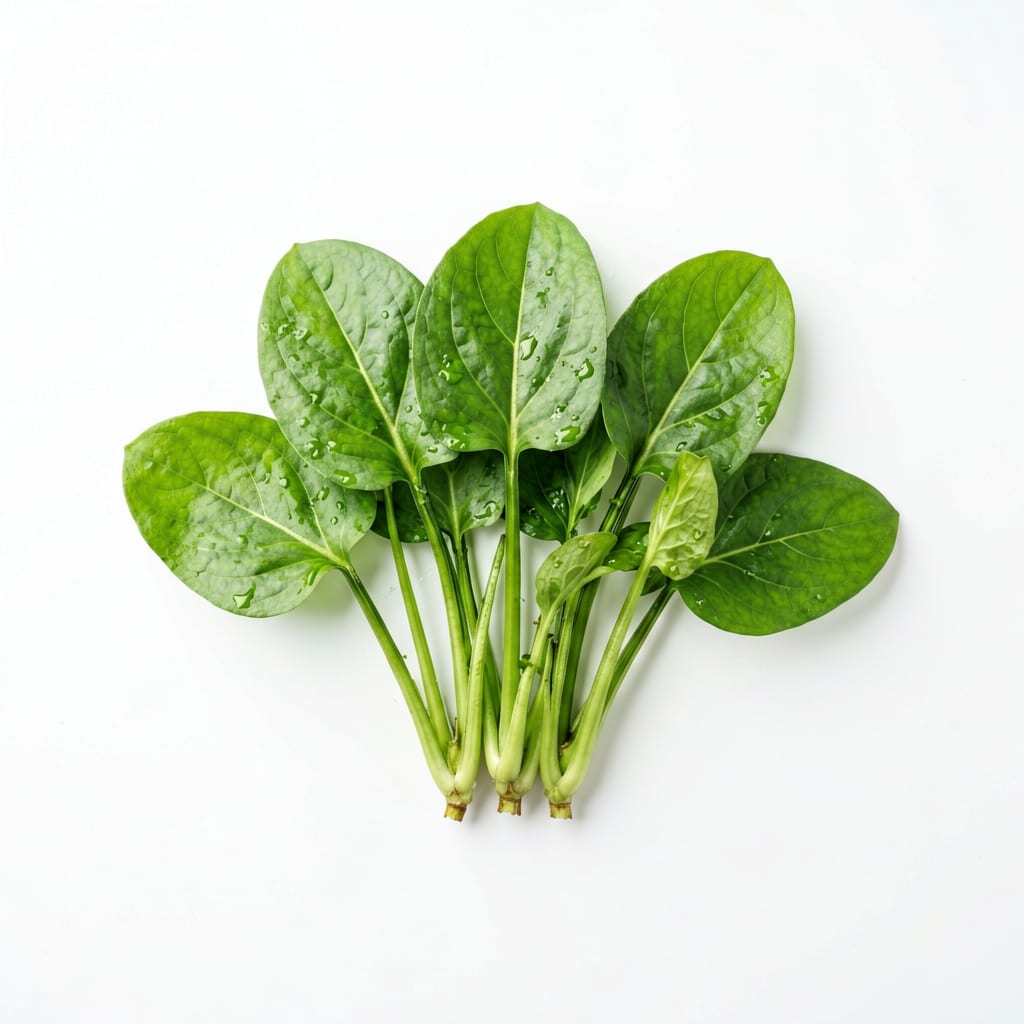
Water Spinach
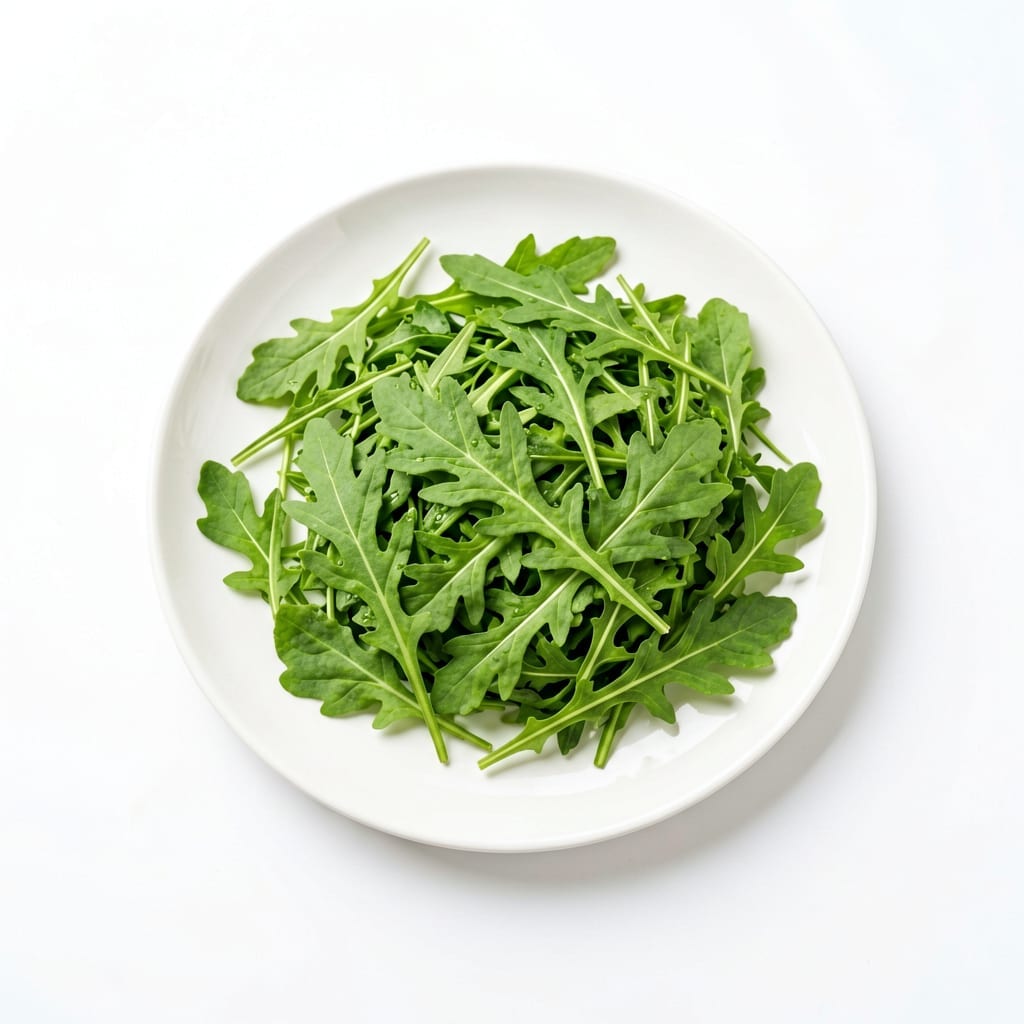
Arugula
Arugula wins for raw everyday salads and safety, while Water Spinach dominates in cooked dishes with higher iron and mineral content.
Arugula scores slightly higher due to superior safety profile, raw versatility, and vitamin K density. Water Spinach earns strong marks for iron and mineral content but loses ground on contamination risk and limited raw usability.
You trade raw convenience and cleaner safety profile for significantly more iron, potassium, and cooking versatility.
At a glance
Executive summary
Overall
It depends
Healthier
It depends
More practical
Arugula
Daily use
Arugula
Key comparison lenses
leafy green nutritional density comparison
Users comparing these greens are typically deciding which offers more vitamins, minerals, and antioxidants per serving
food safety and contamination risk
Water Spinach grows in aquatic environments raising legitimate concerns about heavy metals and parasites
culinary versatility and preparation ease
These greens serve very different roles in the kitchen — one is a cooking green, the other is primarily raw
weight management and satiety
Both are extremely low calorie but differ in volume, fiber type, and how filling they feel in a meal
daily salad green selection
Arugula is a common salad base while Water Spinach is rarely eaten raw, making everyday use patterns very different
Best choice for
Water Spinach
- Iron-deficient individuals needing plant-based iron sources
- Home cooks making stir-fries and Asian soups
- Those seeking higher potassium for blood pressure support
- People wanting a filling cooked green with substantial volume
Arugula
- Daily salad eaters wanting a flavorful raw green
- Pregnant women needing folate without cooking-related losses
- Those concerned about waterborne contamination risks
- Vitamin K seekers for bone health support
Least suitable for
Water Spinach
- Immunocompromised individuals due to parasite risk if undercooked
- Raw salad preparations — texture and safety don't support it
- Areas where Water Spinach sourcing is unverified or from polluted water
Arugula
- People who find bitter flavors unpleasant
- Cooked dishes where delicate leaves disappear entirely
- Those needing significant iron from a single green
Deep comparison
Dimension by dimension
Each lens scores both foods and breaks down who each option suits.
- Dimension 1 · Priority 92Water Spinach
nutrient density
Water Spinach · 82Arugula · 76Water Spinach packs more iron, potassium, and magnesium per serving. Arugula counters with exceptional vitamin K and folate.
Tradeoff
Water Spinach gives you more minerals but requires cooking, which can reduce some heat-sensitive vitamins. Arugula delivers vitamins intact since it's eaten raw.
Why it matters
If you're eating greens primarily for iron or electrolytes, Water Spinach is the stronger choice. For vitamin-focused nutrition, Arugula has the edge.
Real-world impact
A cooked cup of Water Spinach provides roughly 15% of your daily iron needs versus about 5% from Arugula — a meaningful difference for plant-based eaters.
Water Spinach
- Iron supplementation through whole foods
- Potassium intake for active individuals
- Magnesium support for muscle recovery
Better for
- Heat-sensitive vitamin retention
- Raw nutrient delivery
Worse for
Arugula
- Vitamin K for bone and blood health
- Folate intake especially during pregnancy
- Vitamin C preservation through raw consumption
Better for
- Mineral density per calorie
- Iron contribution to daily needs
Worse for
- Dimension 2 · Priority 88Arugula
food safety and contamination
Water Spinach · 55Arugula · 88Water Spinach's aquatic growing environment creates real risks for heavy metals and parasites. Arugula grown in soil has a cleaner safety profile.
Tradeoff
Water Spinach offers more minerals but some of those minerals might include contaminants you don't want. Arugula's soil-based cultivation is inherently safer.
Why it matters
This is the most important differentiator. Even highly nutritious food becomes a net negative if it carries harmful contaminants.
Real-world impact
Sourcing Water Spinach from reputable farms or well-regulated markets essentially eliminates most risk, but the baseline concern remains higher than Arugula.
Water Spinach
- Minimal risk when sourced from clean, regulated farms
Better for
- Potential lead and cadmium uptake from water
- Liver fluke risk if grown in contaminated water
- Requires thorough cooking for safety
Worse for
Arugula
- Lower heavy metal accumulation risk
- No parasite concerns from water exposure
- Safer for raw consumption without cooking
Better for
- Standard pesticide residue concerns shared by all leafy greens
Worse for
- Dimension 3 · Priority 80It depends
culinary versatility
Water Spinach · 72Arugula · 78Arugula excels raw in salads, sandwiches, and garnishes. Water Spinach shines in stir-fries, soups, and braised dishes where its texture holds up beautifully.
Tradeoff
Each green owns a different culinary domain. Neither substitutes well for the other's primary use case.
Why it matters
The best green nutritionally is useless if you don't actually enjoy eating it or can't fit it into your cooking routine.
Real-world impact
Trying to make a salad with Water Spinach feels wrong and risky. Sautéing Arugula leaves you with a tiny puddle of wilted nothing. Use each for its strength.
Water Spinach
- Stir-fries with garlic and chili
- Asian soups and curries
- Braised vegetable sides
- Dishes where you want substantial cooked volume
Better for
- Any raw application
- Delicate dishes where its slightly mucilaginous texture is unwelcome
Worse for
Arugula
- Fresh salads with vinaigrette
- Pizza and sandwich toppings
- Pesto alternatives to basil
- Quick garnishes that add peppery flavor
Better for
- Cooked applications where volume and texture matter
- Dishes requiring a neutral flavor base
Worse for
- Dimension 4 · Priority 78Arugula
antioxidant and phytonutrient profile
Water Spinach · 70Arugula · 80Arugula's glucosinolates and flavonoids offer well-documented anti-cancer and anti-inflammatory benefits. Water Spinach has carotenoids and phenolics but less research backing.
Tradeoff
Arugula's bitter compounds are the very things protecting your cells long-term. Water Spinach's antioxidants are real but less studied and potentially diminished by cooking.
Why it matters
Chronic disease prevention through diet depends heavily on these phytonutrients, not just vitamins and minerals.
Real-world impact
Regular Arugula consumption is linked to lower cancer risk markers in studies. Water Spinach shows promise but the evidence base is thinner.
Water Spinach
- Carotenoid content supporting eye health
- Phenolic compounds with antioxidant activity
Better for
- Cooking reduces some antioxidant availability
- Smaller body of clinical research
Worse for
Arugula
- Glucosinolates with documented cancer-fighting properties
- Dietary nitrates supporting cardiovascular health
- Flavonoids preserved through raw consumption
Better for
- Bitter compounds may limit intake quantity for some people
Worse for
- Dimension 5 · Priority 72Water Spinach
digestibility and gut friendliness
Water Spinach · 78Arugula · 68Cooked Water Spinach is gentle on the digestive system and its fiber becomes easier to process. Raw Arugula's bitter compounds and fiber can irritate sensitive stomachs.
Tradeoff
Water Spinach requires cooking to be safe and digestible, but that cooking actually makes it more gut-friendly. Arugula's raw fiber is harder on some digestive systems.
Why it matters
The healthiest green on paper causes real problems if it bloating or discomfort keeps you from eating it regularly.
Real-world impact
People with IBS or sensitive digestion often tolerate cooked Water Spinach better than raw Arugula salads.
Water Spinach
- Cooked fiber is gentler on sensitive digestion
- Traditional use as a digestive-supportive food in Asian medicine
- Lower FODMAP profile when cooked
Better for
- Raw consumption is not safe or digestible
- Slightly slippery texture may bother some eaters
Worse for
Arugula
- Raw fiber supports healthy gut microbiome diversity
- Bitter compounds stimulate digestive enzyme production
Better for
- Raw fiber can cause bloating in sensitive individuals
- Bitterness may trigger acid reflux in prone individuals
Worse for
- Dimension 6 · Priority 68Water Spinach
weight management and satiety
Water Spinach · 76Arugula · 70Both are extremely low calorie, but cooked Water Spinach provides more physical volume and fiber density per serving, making meals feel more substantial.
Tradeoff
Water Spinach fills more plate space and stomach volume when cooked. Arugula is lighter and less filling but easier to add to meals without thinking about it.
Why it matters
Satiety from vegetables helps prevent overeating higher-calorie foods. Volume matters for psychological satisfaction.
Real-world impact
A large bowl of sautéed Water Spinach feels like a real vegetable side dish. A large bowl of Arugula feels like a light starter.
Water Spinach
- Greater cooked volume for stomach fill
- More substantial fiber per serving
- Works as a main vegetable dish, not just a garnish
Better for
- Requires cooking oil which adds calories if not measured
- Less convenient for quick low-effort meals
Worse for
Arugula
- Effortless calorie reduction when used as salad base
- Low commitment — easy to add without meal planning
Better for
- Less satiating as a standalone vegetable portion
- Easily overpowered by calorie-dense salad toppings
Worse for
Timeline
Health impact over time
Short-term
Hours to days
Water Spinach
- Provides quick mineral replenishment after sweating or exercise
- Supports hydration due to high water content when consumed as soup
- Mild laxative effect from fiber content supports regularity
Arugula
- Peppery flavor stimulates appetite and digestive enzyme release
- Nitrates may provide subtle blood pressure reduction within hours
- Vitamin C supports immediate immune cell function
Long-term
Months to years
Water Spinach
- Consistent iron intake supports prevention of anemia over time
- Potassium contribution helps maintain healthy blood pressure trends
- Risk of heavy metal accumulation if sourced from contaminated water long-term
Arugula
- Glucosinolate consumption associated with reduced cancer risk in population studies
- Vitamin K supports long-term bone density maintenance
- Dietary nitrates contribute to sustained cardiovascular health
Risk profile
Safety & processing
Both greens are whole foods typically sold fresh and unprocessed. Water Spinach is sometimes sold pre-cut or bagged in Asian markets, while Arugula is commonly available in pre-washed clamshell packaging. Neither inherently requires additives, though pre-washed Arugula may carry chlorine wash residues.
Water Spinach
Heavy metal contamination
mediumWater Spinach readily absorbs lead, cadmium, and other metals from water and sediment. Risk varies dramatically by growing location and water quality.
Parasitic contamination
mediumLiver flukes and other parasites can inhabit Water Spinach grown in contaminated freshwater. Thorough cooking eliminates this risk entirely.
Agricultural chemical residues
lowStandard pesticide concerns apply, particularly in regions with less regulated farming practices.
Arugula
Pesticide residues
lowArugula appears on EWG's Clean Fifteen list relatively often, meaning pesticide residues are typically low. Organic options further reduce this.
Bacterial contamination from pre-washed packaging
lowPre-washed Arugula has been linked to occasional E. coli and salmonella recalls. Washing again at home adds a safety margin.
Nitrate accumulation
lowArugula is naturally high in nitrates, which is beneficial for most people but may concern those with specific methemoglobinemia conditions.
Who wins for whom
Audience fit
Same foods, different winners depending on your goal.
children
ArugulaArugula is safer for raw consumption and its small leaves work well in familiar foods like sandwiches. Water Spinach's safety requires careful sourcing and cooking.
daily consumption
ArugulaArugula's safety profile, raw convenience, and consistent nutrient delivery make it more sustainable as an everyday green without extra precautions.
diabetes
ArugulaArugula's raw fiber and bitter compounds help moderate blood sugar response when eaten before or with carbohydrate-containing meals.
elderly
ArugulaArugula's vitamin K supports bone density, and its raw form preserves folate important for cognitive health. Lower contamination risk matters more for vulnerable populations.
muscle gain
Water SpinachHigher iron content supports oxygen delivery to working muscles, and the mineral profile better complements the needs of active individuals.
weight loss
Water SpinachCooked Water Spinach provides more physical volume and satiety per calorie, making it easier to fill up on fewer calories during meals.
Your move
Decision guide
Choose Water Spinach
- You regularly cook Asian-style dishes and want an authentic, nutrient-dense green
- You need more plant-based iron and potassium in your diet
- You can source Water Spinach from trusted, clean farms or markets
- You find raw salads unsatisfying and prefer warm, cooked vegetable sides
Choose Arugula
- You eat salads daily and want a flavorful, peppery base green
- You're pregnant or planning pregnancy and need reliable folate without cooking losses
- You want maximum food safety with minimal preparation effort
- You're focused on long-term cancer prevention through glucosinolate intake
Either works if
- You simply want more leafy greens in your diet regardless of type
- You're meeting vitamin and mineral needs through variety rather than relying on one green
- You enjoy both raw and cooked vegetable preparations across different meals
Avoid both if
- You take blood thinners like warfarin without medical guidance on vitamin K intake
- You have severe oxalate sensitivity and kidney stone risk
Final recommendation
Keep both in rotation. Use Arugula as your daily raw salad green for safety and convenience. Add Water Spinach to your cooking rotation once or twice weekly when you can source it from reputable suppliers. The real nutritional win comes from diversity — each green fills gaps the other leaves open.
Practical
Consumer tips
- 1
Buy Water Spinach from Asian grocery stores with high turnover — fresher stock means less time for quality degradation
- 2
Always cook Water Spinach thoroughly — even a quick blanch eliminates parasite risk and reduces heavy metal bioavailability
- 3
Choose organic Arugula when possible to minimize pesticide residues, though conventional is generally low-risk
- 4
Store Arugula with a dry paper towel in its container to extend freshness by 2-3 days
- 5
Don't wash Water Spinach until you're ready to cook it — excess moisture accelerates spoilage
- 6
If Arugula's bitterness is too intense, mix it with milder greens like butter lettuce to ease into the flavor
- 7
Add a squeeze of lime to cooked Water Spinach — the vitamin C significantly boosts iron absorption