
Nutrition comparison
Water Spinach vs Spinach: Nutrition, Safety, and Best Uses
Compare Water Spinach vs Spinach to see which is healthier. Learn about oxalates, parasite risks, iron content, and which green is best for your diet.
Overall winner · Spinach
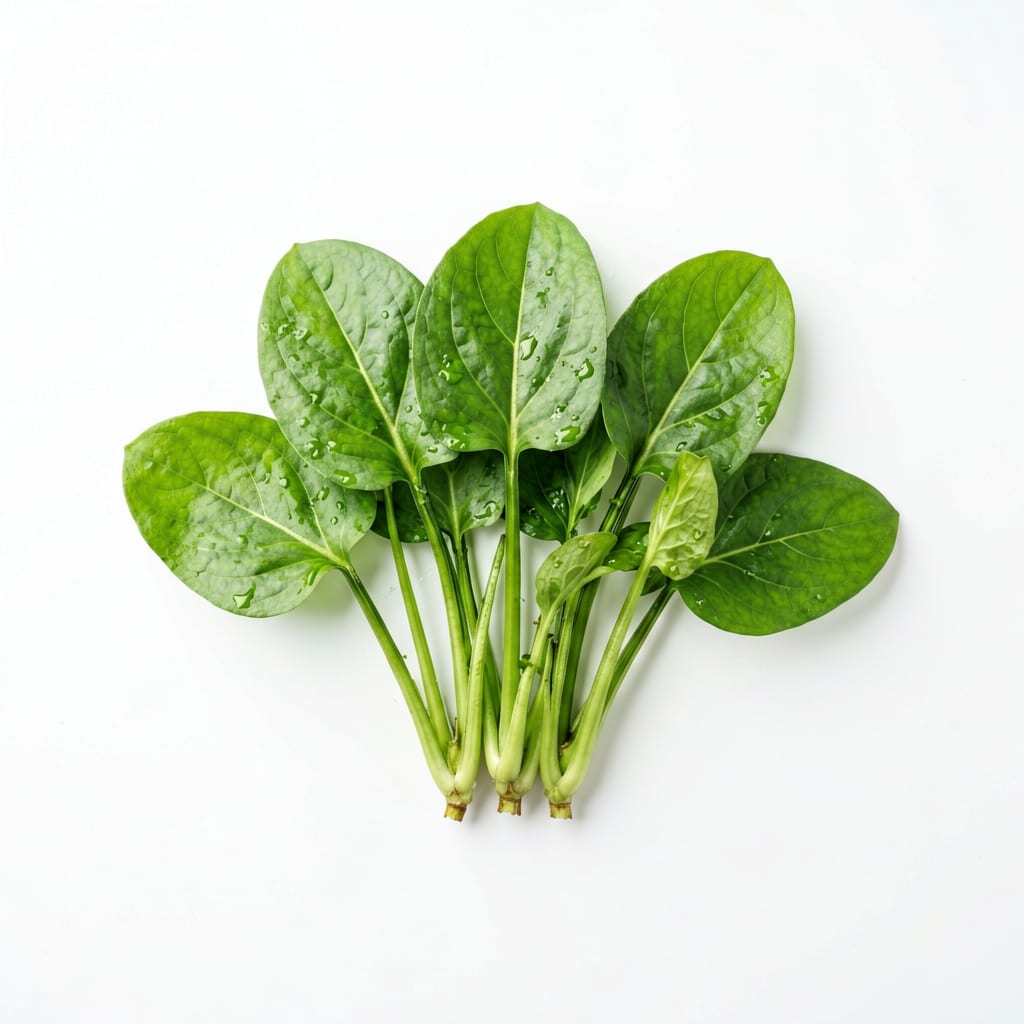
Water Spinach
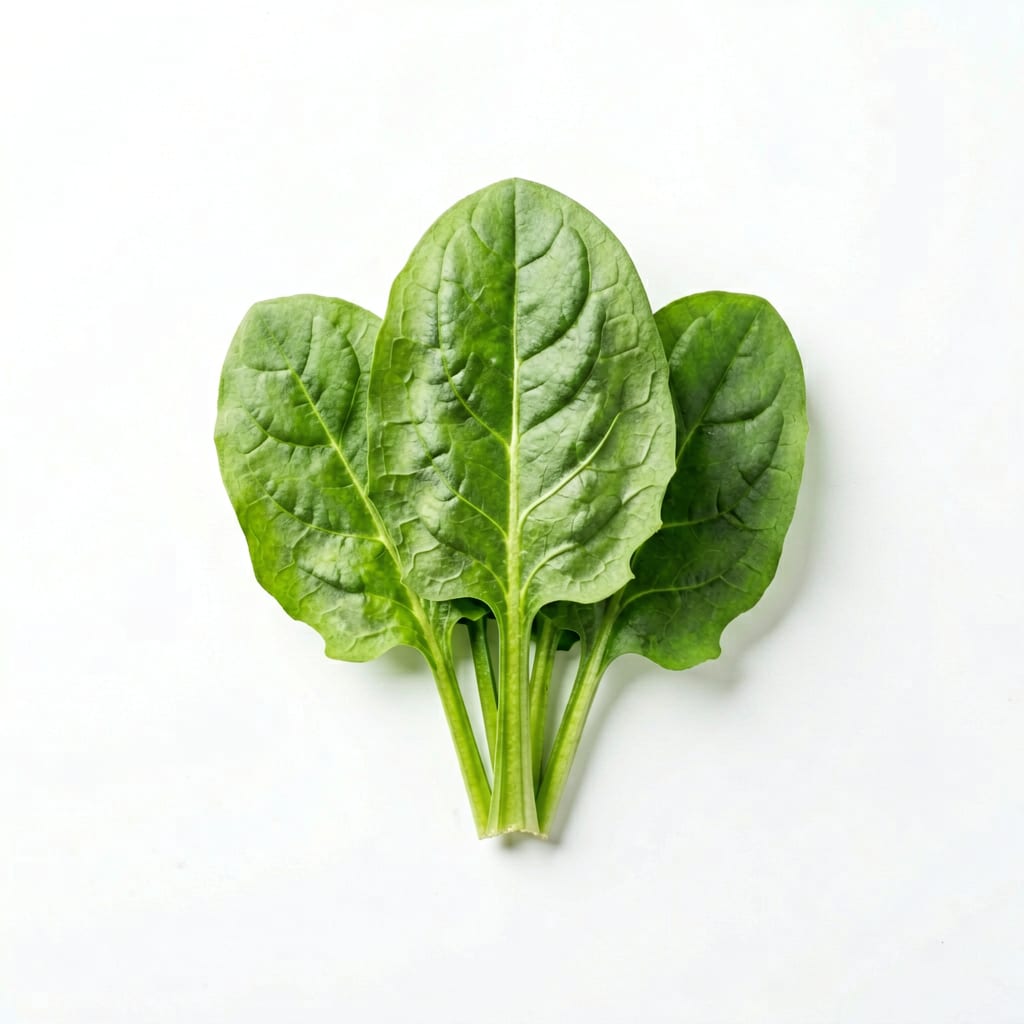
Spinach
Spinach packs a heavier nutritional punch and is safer to source, but Water Spinach offers a lighter, lower-oxalate alternative with a satisfying crunch.
Spinach scores higher due to its exceptional nutrient density and lower contamination risk, while Water Spinach remains a strong choice for those prioritizing lower oxalates and digestive comfort.
Spinach delivers far more iron and vitamins but comes with high oxalates, while Water Spinach is gentler on the kidneys but carries a higher risk of waterborne parasites if not cooked properly.
At a glance
Executive summary
Overall
Spinach
Healthier
Spinach
More practical
Spinach
Daily use
It depends
Key comparison lenses
Nutrient density and vitamin contribution
Users primarily compare leafy greens to maximize their vitamin and mineral intake.
Kidney stone risk and oxalate content
Spinach is notoriously high in oxalates, making this a critical differentiator for sensitive individuals.
Food safety and contamination risk
Water Spinach grows in aquatic environments, raising unique parasite and heavy metal concerns not present in soil-grown Spinach.
Culinary texture and cooking behavior
How these greens behave in a pan—wilting versus staying crunchy—drastically affects meal satisfaction.
Best choice for
Water Spinach
- People prone to kidney stones
- Those seeking a crunchy stir-fry green
- Anyone wanting a lighter, less dense leafy green
Spinach
- Boosting iron and vitamin K intake
- Smoothies and salads
- Budget-friendly widely available nutrition
Least suitable for
Water Spinach
- People eating it raw due to parasite risk
- Those concerned about water source contamination
Spinach
- People with severe oxalate sensitivity or kidney stones
- Those who dislike mushy cooked greens
Deep comparison
Dimension by dimension
Each lens scores both foods and breaks down who each option suits.
- Dimension 1 · Priority 95Spinach
Nutrient Density & Micronutrients
Water Spinach · 65Spinach · 92Spinach is a micronutrient powerhouse, drastically outperforming Water Spinach in iron, folate, and vitamins A and K.
Tradeoff
You get significantly more vitamins with Spinach, but also a much higher oxalate load that can block mineral absorption.
Why it matters
If you are eating greens to fix nutrient gaps, Spinach does the heavy lifting, provided you do not have oxalate issues.
Real-world impact
A single cup of Spinach covers over 100% of your daily Vitamin K, whereas Water Spinach offers a smaller but still useful vitamin boost.
Water Spinach
- Avoiding mineral absorption interference from oxalates
Better for
- Relying on it as a primary iron source
Worse for
Spinach
- Maximizing iron and vitamin intake per calorie
Better for
- Absorbing calcium and iron due to high oxalates
Worse for
- Dimension 2 · Priority 85Water Spinach
Digestive & Kidney Health (Oxalate Load)
Water Spinach · 90Spinach · 55Water Spinach is much lower in oxalates, making it significantly gentler on your digestive system and kidneys.
Tradeoff
Spinach's high oxalates can contribute to kidney stones and block calcium absorption, while Water Spinach avoids this issue entirely.
Why it matters
For the 10-15% of people prone to kidney stones, Spinach can be a hidden trigger, whereas Water Spinach is a safer everyday green.
Real-world impact
Eating Spinach daily might increase kidney stone risk for susceptible people, while Water Spinach lets you enjoy greens without the worry.
Water Spinach
- Kidney stone prevention
- Better calcium absorption
Better for
- None related to oxalates
Worse for
Spinach
- Providing bulk and fiber for digestion
Better for
- Triggering kidney stones in sensitive individuals
Worse for
- Dimension 3 · Priority 90Spinach
Food Safety & Contamination
Water Spinach · 60Spinach · 85Water Spinach grows in aquatic environments that can harbor parasites and heavy metals, making thorough cooking mandatory.
Tradeoff
Spinach is generally grown in controlled soil with lower parasite risk, but it often carries higher pesticide residues that require careful washing.
Why it matters
Eating Water Spinach raw or undercooked is a genuine health risk due to flukes and bacteria from stagnant water.
Real-world impact
A quick Spinach salad is safe with a good rinse, but Water Spinach must always be blanched or stir-fried thoroughly to kill potential parasites.
Water Spinach
- Lower pesticide residue if grown in clean water
Better for
- Risk of liver flukes if undercooked
- Heavy metal accumulation from water sources
Worse for
Spinach
- Safe to eat raw in salads
- Lower risk of parasitic infection
Better for
- Pesticide exposure if not washed properly
Worse for
- Dimension 4 · Priority 75It depends
Culinary Experience & Versatility
Water Spinach · 80Spinach · 80Spinach is incredibly versatile for raw and cooked dishes, while Water Spinach excels specifically in hot, fast-cooked Asian dishes.
Tradeoff
Spinach turns soft and mushy when cooked, losing volume rapidly, while Water Spinach retains a satisfying crunch and vibrant color.
Why it matters
If you hate wilted, slimy greens, Water Spinach offers a texture that holds up beautifully to heat.
Real-world impact
Spinach shrinks to almost nothing in a pan, requiring huge bags to make a side dish. Water Spinach stays plump and crunchy in a stir-fry.
Water Spinach
- Stir-fries where crunch is desired
- Dishes requiring the green to hold its shape
Better for
- Raw salads
- Green smoothies
Worse for
Spinach
- Green smoothies
- Salads
- Soups and quiches
Better for
- Stir-fries where you want a firm bite
- Meal prep where you want greens to stay perky
Worse for
Timeline
Health impact over time
Short-term
Hours to days
Water Spinach
- Quick, light energy from easily digestible carbs
- Satisfying crunch makes meals more enjoyable
Spinach
- Rapid boost in Vitamin K and folate
- Can cause stomach discomfort or bloating in sensitive individuals due to oxalates
Long-term
Months to years
Water Spinach
- Lower risk of kidney stones
- Potential heavy metal accumulation if sourced from polluted water
Spinach
- Stronger bones and blood from consistent Vitamin K and iron
- Increased risk of calcium oxalate kidney stones with overconsumption
Risk profile
Safety & processing
Both Water Spinach and Spinach are whole, natural vegetables with minimal processing and no artificial additives.
Water Spinach
Waterborne Parasites
highWater Spinach often grows in muddy, stagnant water, harboring parasites like liver flukes. It must always be cooked thoroughly.
Heavy Metal Contamination
mediumAquatic plants can absorb heavy metals from polluted water sources, making sourcing critical.
Spinach
Pesticide Residues
mediumSpinach frequently appears on the EWG's Dirty Dozen list due to high pesticide residues; washing thoroughly or buying organic is advised.
Oxalate Overload
mediumHigh oxalate content can lead to kidney stones and mineral absorption issues in vulnerable people.
Who wins for whom
Audience fit
Same foods, different winners depending on your goal.
children
SpinachSpinach is safer to serve raw or lightly cooked in various kid-friendly formats, whereas Water Spinach must be cooked thoroughly to eliminate parasite risks.
daily consumption
It dependsSpinach is better for daily nutrition unless you are prone to kidney stones, in which case Water Spinach is the safer daily staple.
diabetes
It dependsSpinach has a lower glycemic load and more fiber, but Water Spinach is traditionally used to manage blood sugar in some herbal practices.
elderly
SpinachSpinach offers denser nutrition for smaller appetites, though those with kidney issues should lean toward Water Spinach.
muscle gain
SpinachSpinach provides more iron and magnesium, which are crucial for oxygen transport and muscle function.
weight loss
SpinachSpinach is lower in calories and higher in fiber per volume, making it more filling for fewer calories.
Your move
Decision guide
Choose Water Spinach
- You have a history of kidney stones or oxalate sensitivity
- You want a stir-fry green that stays crunchy and does not wilt into nothing
- You are confident in your sourcing and will always cook it thoroughly
Choose Spinach
- You want maximum vitamins and minerals per bite
- You enjoy green smoothies, salads, or adding greens to eggs
- You have no issues with oxalates and want a widely accessible superfood
Either works if
- You just need a healthy green vegetable to round out a hot dinner
- You rotate your greens regularly to get a variety of micronutrients
Avoid both if
- You are on a strict vitamin K-restricted diet due to blood thinners like Warfarin
Final recommendation
Keep Spinach as your daily nutritional workhorse, but swap in Water Spinach when you crave a satisfying crunch or need a break from oxalates. Just remember to always cook Water Spinach thoroughly.
Practical
Consumer tips
- 1
Always blanch or fully cook Water Spinach—never eat it raw to avoid waterborne parasites.
- 2
Buy organic Spinach when possible to avoid high pesticide residues.
- 3
Squeeze lemon juice on Spinach; the Vitamin C helps your body absorb its non-heme iron despite the oxalates.
- 4
If cooking Spinach, boil it briefly and discard the water to reduce oxalate content by up to 50%.
- 5
Look for Water Spinach with crisp, intact stems and vibrant green leaves to ensure freshness.