
Nutrition comparison
Water Spinach vs Romaine Lettuce: Nutrition, Safety, and Which Green to Pick
Water Spinach packs more iron and nutrients per calorie, but Romaine Lettuce wins on convenience and safety. Compare these leafy greens side by side to find which fits your diet better.
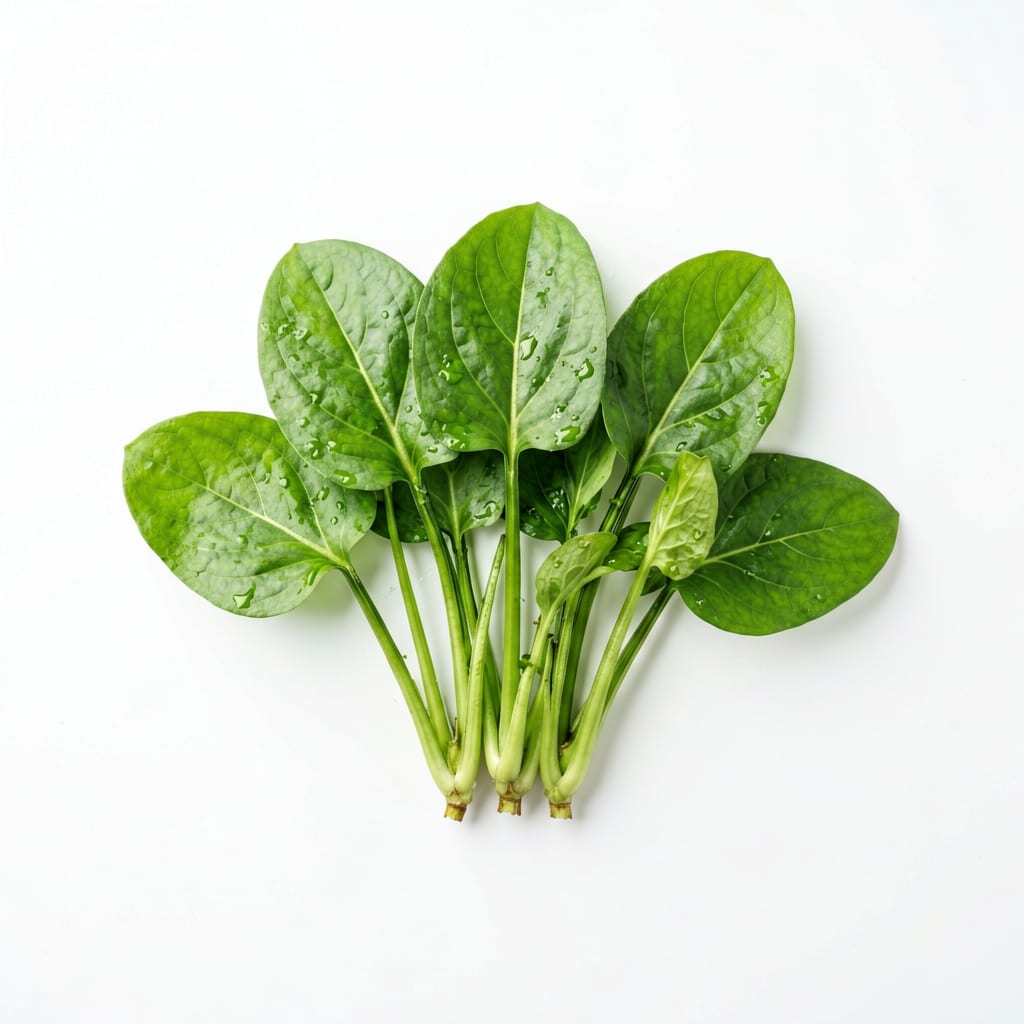
Water Spinach
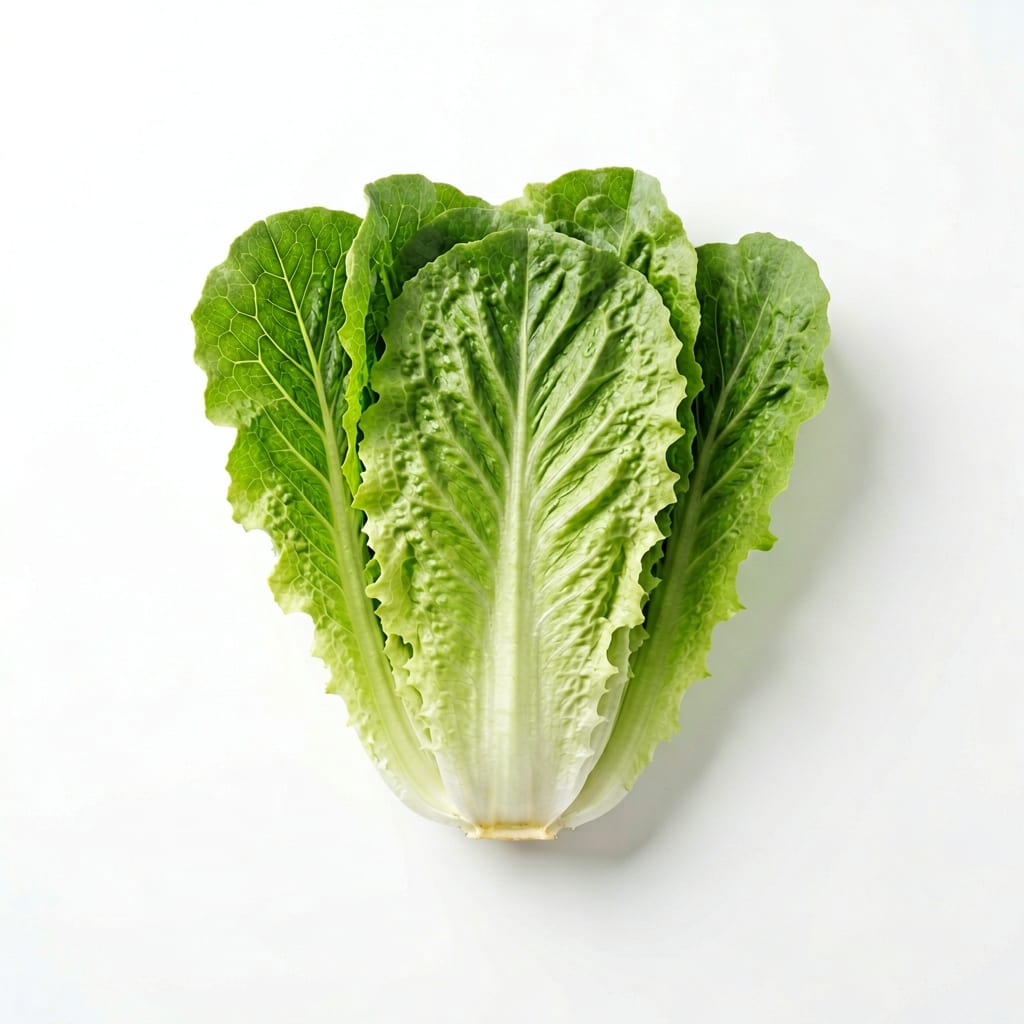
Romaine Lettuce
Water Spinach is the nutritional powerhouse, but Romaine Lettuce wins on safety confidence and everyday convenience.
Water Spinach scores higher nutritionally but loses ground on safety and convenience. Romaine is more accessible and safer but nutritionally thinner. The gap reflects that nutrient density matters, but so does peace of mind and daily practicality.
More nutrients and minerals versus easier access and lower contamination risk.
At a glance
Executive summary
Overall
It depends
Healthier
Water Spinach
More practical
Romaine Lettuce
Daily use
It depends
Key comparison lenses
nutrient density comparison
Water Spinach dramatically outperforms Romaine in iron, vitamin A, and mineral content per calorie, making this the most consequential difference
safety and contamination risk
Water Spinach grows in water and can accumulate heavy metals and parasites, while Romaine has recurring E. coli outbreak concerns
everyday convenience and accessibility
Romaine is available everywhere and requires no cooking; Water Spinach is harder to find and typically needs cooking before eating
weight loss and satiety
Both are extremely low calorie but Water Spinach offers more fiber and nutrients per bite, keeping you fuller longer
culinary versatility
Water Spinach excels in cooked dishes like stir-fries, while Romaine dominates raw applications like salads and wraps
Best choice for
Water Spinach
- Iron-deficient individuals needing plant-based iron sources
- People cooking Southeast Asian meals regularly
- Anyone seeking maximum nutrition per calorie from greens
- Those wanting more fiber and satiety from leafy vegetables
Romaine Lettuce
- Busy people who need grab-and-go salad greens
- Anyone meal-prepping raw salads for the week
- Households wanting a safe, familiar everyday green
- People who dislike cooking greens before eating
Least suitable for
Water Spinach
- People worried about heavy metal exposure from water sources
- Anyone lacking access to Asian grocery stores
- Raw food dieters who avoid cooking vegetables
- Those concerned about parasite risk from aquatic vegetables
Romaine Lettuce
- People needing significant iron or mineral intake from greens
- Anyone finding salads unsatisfying or too light
- Those wanting a cooked green with deeper flavor
- People seeking high antioxidant density per serving
Deep comparison
Dimension by dimension
Each lens scores both foods and breaks down who each option suits.
- Dimension 1 · Priority 95Water Spinach
Nutrient Density
Water Spinach · 91Romaine Lettuce · 58Water Spinach delivers significantly more iron, vitamin A, vitamin C, and minerals per calorie than Romaine.
Tradeoff
You get far more nutritional value from Water Spinach, but you must cook it first to access those nutrients safely.
Why it matters
If you eat greens partly to cover micronutrient gaps, Water Spinach does substantially more heavy lifting per serving.
Real-world impact
A single cooked cup of Water Spinach provides roughly 4x the iron of Romaine, making a real difference for anyone borderline anemic.
Water Spinach
- Covering iron needs from plant sources
- Getting more vitamins per meal without supplements
- Maximizing nutrition on a calorie budget
Better for
- Raw food enthusiasts who avoid cooking
Worse for
Romaine Lettuce
- Adding bulk to meals without thinking about cooking
- Keeping meals light when nutrients come from other dishes
Better for
- Anyone relying on salads as a primary nutrient source
Worse for
- Dimension 2 · Priority 88Romaine Lettuce
Safety and Contamination Risk
Water Spinach · 52Romaine Lettuce · 71Water Spinach carries higher risk of heavy metals and parasites from aquatic growing conditions; Romaine has had notable E. coli outbreaks but is generally safer when washed.
Tradeoff
Romaine offers more predictable safety, while Water Spinach requires trusting the source and proper cooking to mitigate risks.
Why it matters
Contamination risk affects whether you can eat something with confidence daily or only occasionally with caution.
Real-world impact
Sourcing Water Spinach from unknown waterways could mean ingesting lead or parasites; cooking thoroughly reduces but does not eliminate all risk.
Water Spinach
- Home gardeners controlling their own water source
Better for
- Pregnant women cautious about foodborne illness
- Anyone buying from unverified sources
Worse for
Romaine Lettuce
- Daily salad eaters wanting peace of mind
- Anyone immunocompromised needing safer produce
- People buying from conventional grocery stores
Better for
- People who remember the 2018 E. coli outbreaks and remain wary
Worse for
- Dimension 3 · Priority 82Romaine Lettuce
Convenience and Accessibility
Water Spinach · 40Romaine Lettuce · 90Romaine is available in nearly every grocery store and requires zero cooking. Water Spinach is harder to find and must be cooked.
Tradeoff
Romaine saves time and effort every single day; Water Spinach demands a trip to an Asian market and stovetop preparation.
Why it matters
The green you can actually get and use easily will always beat the one that sits in your fridge because preparation feels like work.
Real-world impact
You can throw Romaine into a salad in 30 seconds. Water Spinach needs washing, trimming, and at least 3-5 minutes of cooking.
Water Spinach
- Home cooks already preparing stir-fries or soups
- Anyone living near Asian markets with fresh stock
Better for
- People with 15-minute weeknight dinner windows
- Anyone in areas without Asian grocery stores
Worse for
Romaine Lettuce
- Meal preppers building quick salads
- Office lunch packers needing minimal prep
- Anyone without easy access to specialty grocers
Better for
- Those who find raw salads tedious and unsatisfying
Worse for
- Dimension 4 · Priority 75Water Spinach
Fiber and Satiety
Water Spinach · 78Romaine Lettuce · 60Water Spinach provides more fiber per serving, contributing to better fullness and digestive regularity.
Tradeoff
Water Spinach keeps you satisfied longer, but Romaine's crunch and water content can feel more refreshing in hot weather.
Why it matters
If greens are your main fiber source at a meal, the difference between feeling satisfied and still hungry an hour later is real.
Real-world impact
A cooked portion of Water Spinach with rice and protein feels like a complete meal. A Romaine salad often needs additions to feel filling.
Water Spinach
- Anyone using greens as a significant satiety tool
- People managing digestion through fiber intake
Better for
- Those wanting a light pre-dinner salad
Worse for
Romaine Lettuce
- Hot weather meals where light and refreshing wins
- Appetizer courses where you do not want to fill up
Better for
- People who feel hungry again 90 minutes after a salad lunch
Worse for
- Dimension 5 · Priority 70It depends
Culinary Versatility
Water Spinach · 72Romaine Lettuce · 74Water Spinach shines in cooked dishes; Romaine dominates raw applications. They barely overlap in the kitchen.
Tradeoff
Each green owns its own territory. Substituting one for the other usually disappoints.
Why it matters
Choosing between these is really choosing between cooking styles, not just ingredients.
Real-world impact
Water Spinach in a stir-fry with garlic and chili is a standalone dish. Romaine as a Caesar salad base is equally iconic but completely different.
Water Spinach
- Stir-fries and sautés
- Asian soups and curries
- Blanched side dishes with dipping sauce
Better for
- Anyone wanting a raw salad base
Worse for
Romaine Lettuce
- Salads and salad wraps
- Sandwich and burger layers
- Lettuce cups for low-carb tacos
Better for
- Cooked dishes where lettuce turns soggy and sad
Worse for
- Dimension 6 · Priority 68Water Spinach
Antioxidant and Anti-inflammatory Value
Water Spinach · 80Romaine Lettuce · 55Water Spinach contains more diverse antioxidants including flavonoids and phenolic compounds linked to anti-inflammatory effects.
Tradeoff
Water Spinach offers more protective compounds, but you need regular consumption to see meaningful benefits.
Why it matters
Chronic inflammation drives many long-term health issues; food choices that reduce it compound over decades.
Real-world impact
Eating Water Spinach a few times weekly contributes meaningfully to an anti-inflammatory eating pattern. Romaine helps but less dramatically.
Water Spinach
- People managing inflammatory conditions through diet
- Anyone building an antioxidant-rich eating pattern
Better for
- Infrequent eaters who only have it occasionally
Worse for
Romaine Lettuce
- Those getting antioxidants from other sources like berries and herbs
Better for
- People relying heavily on lettuce as their primary green vegetable
Worse for
Timeline
Health impact over time
Short-term
Hours to days
Water Spinach
- Improved satiety after meals due to higher fiber content
- Better hydration from high water content when cooked in soups
- Potential digestive adjustment if unused to high-fiber greens
Romaine Lettuce
- Quick hydration from high water content in raw form
- Very light feeling after eating, which may not satisfy hunger
- Immediate crunch satisfaction that makes meals feel more substantial texturally
Long-term
Months to years
Water Spinach
- Better iron status reducing fatigue and weakness risk
- Stronger antioxidant intake supporting cellular health over decades
- Possible heavy metal accumulation if sourced from contaminated water regularly
Romaine Lettuce
- Consistent vitamin K intake supporting bone and blood health
- Very low calorie intake making weight maintenance easier
- Risk of nutrient gaps if Romaine is your only regular green vegetable
Risk profile
Safety & processing
Both are whole, unprocessed vegetables sold fresh. Neither typically contains additives. Water Spinach is sometimes sold pre-packaged in Asian markets but remains unprocessed. Romaine occasionally comes pre-washed in bags, which may involve chlorine washes, but the concern remains low.
Water Spinach
Heavy metal contamination
mediumWater Spinach grows in water and efficiently absorbs heavy metals like lead and cadmium from contaminated sources. Sourcing from clean farms is essential.
Parasite exposure
mediumAquatic growing conditions can harbor parasites, particularly in regions where water quality is unregulated. Thorough cooking eliminates most risk.
Pesticide residue
lowLike all leafy greens, Water Spinach may carry pesticide residue. Washing thoroughly and buying organic when possible reduces exposure.
Romaine Lettuce
E. coli and bacterial contamination
mediumRomaine has been linked to multiple foodborne illness outbreaks, primarily from irrigation water contamination. Washing helps but does not eliminate all risk.
Pesticide residue
lowRomaine frequently appears on EWG's Dirty Dozen list, meaning it often carries detectable pesticide residues. Organic options reduce this concern.
Who wins for whom
Audience fit
Same foods, different winners depending on your goal.
children
Romaine LettuceRomaine is milder, safer from a contamination standpoint, and easier for kids to eat raw in familiar formats like wraps and salads.
daily consumption
It dependsRomaine is easier to eat daily due to convenience and safety confidence. Water Spinach is nutritionally superior but requires more effort and source verification for daily use.
diabetes
Water SpinachWater Spinach has slightly more fiber and a marginally lower glycemic impact, though both are excellent very-low-carb choices that will not spike blood sugar.
elderly
Romaine LettuceOlder adults with weaker immune systems benefit from Romaine's lower contamination risk and easier digestibility when raw.
muscle gain
It dependsNeither is a significant protein source. Water Spinach offers more iron which supports oxygen delivery to muscles, but the difference is marginal for this goal.
weight loss
Water SpinachBoth are extremely low calorie, but Water Spinach provides more fiber and nutrients per calorie, helping you feel satisfied on less food overall.
Your move
Decision guide
Choose Water Spinach
- You have access to a trusted source or Asian market with quality produce
- You want maximum iron, vitamins, and minerals from your greens
- You enjoy cooking stir-fries, soups, or blanched vegetable dishes
- You feel unsatisfied after salads and want something more filling
- You are managing iron deficiency or want plant-based iron support
Choose Romaine Lettuce
- You need a convenient everyday salad base with minimal prep
- You are immunocompromised or cautious about food safety risks
- You want a refreshing raw green for wraps, sandwiches, or light meals
- You lack access to specialty grocery stores carrying Water Spinach
- You prefer eating greens raw and dislike cooking vegetables
Either works if
- You simply want more leafy greens in your diet regardless of type
- You are eating well below your calorie needs and both help
- You rotate greens regularly and want variety in your vegetable intake
Avoid both if
- You have a specific leafy green allergy or sensitivity
- You are looking for a significant protein source from vegetables
Final recommendation
Eat both. Use Romaine for raw meals and quick salads. Cook Water Spinach when you have time and want a nutrient-dense side dish. If you must pick one for daily use, Romaine's safety and convenience make it the easier habit to sustain. But if you can source Water Spinach reliably, its nutritional advantages are genuinely worth the extra effort a few times per week.
Practical
Consumer tips
- 1
Always cook Water Spinach thoroughly to reduce parasite and bacterial risk — blanching or stir-frying for at least 3 minutes works well
- 2
Buy Water Spinach from reputable Asian markets that source from clean farms; ask about origin if unsure
- 3
Wash Romaine leaves individually under running water, even if pre-washed, to reduce E. coli risk
- 4
Choose organic Romaine when possible since it frequently carries pesticide residue
- 5
Store Water Spinach like fresh herbs — upright in water in the fridge, and use within 2-3 days
- 6
Rotate your greens weekly — neither Water Spinach nor Romaine should be your only vegetable
- 7
If trying Water Spinach for the first time, a simple garlic stir-fry with a splash of fish sauce is the most approachable introduction