
Nutrition comparison
Water Spinach vs Bok Choy: Which Leafy Green Is Healthier?
Compare Water Spinach and Bok Choy nutrition, safety, and cooking uses. Discover which green is better for iron, calcium, digestion, and daily meals.
Overall winner · Bok Choy
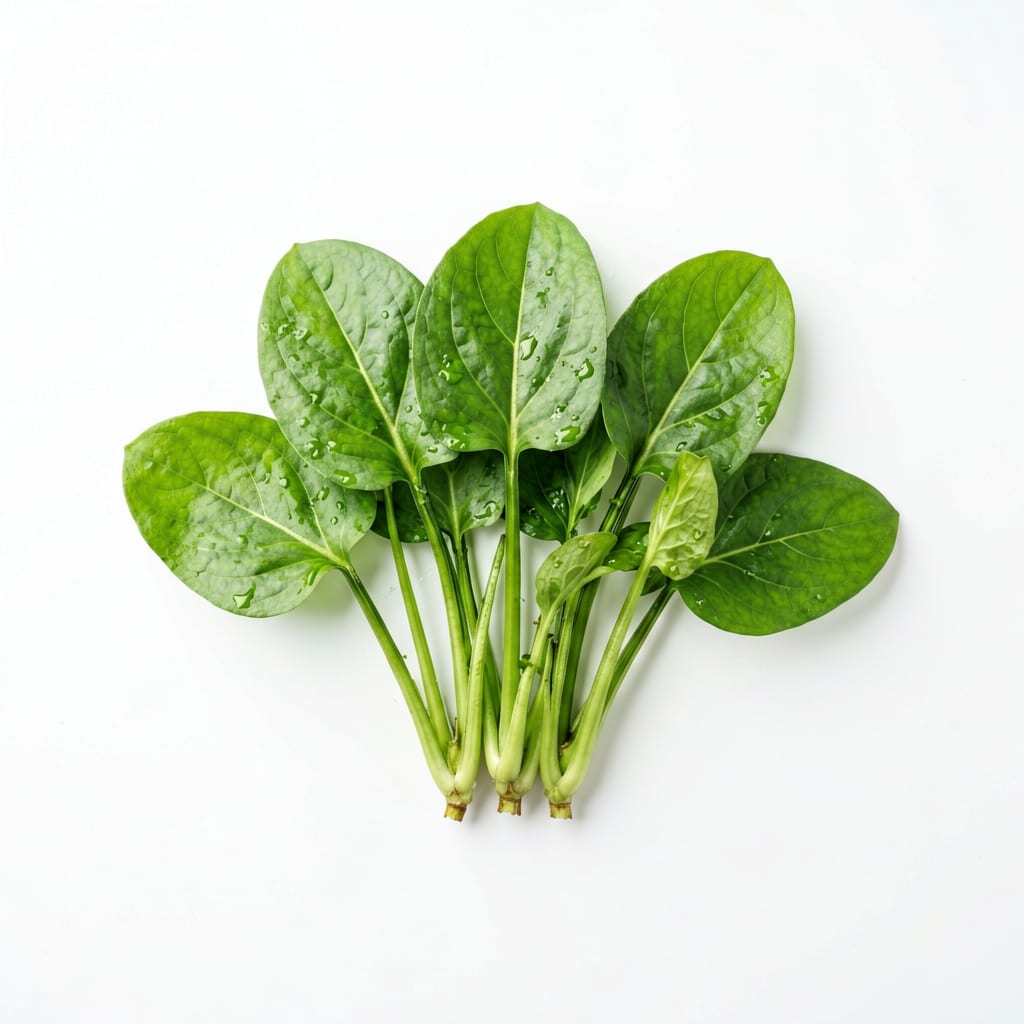
Water Spinach
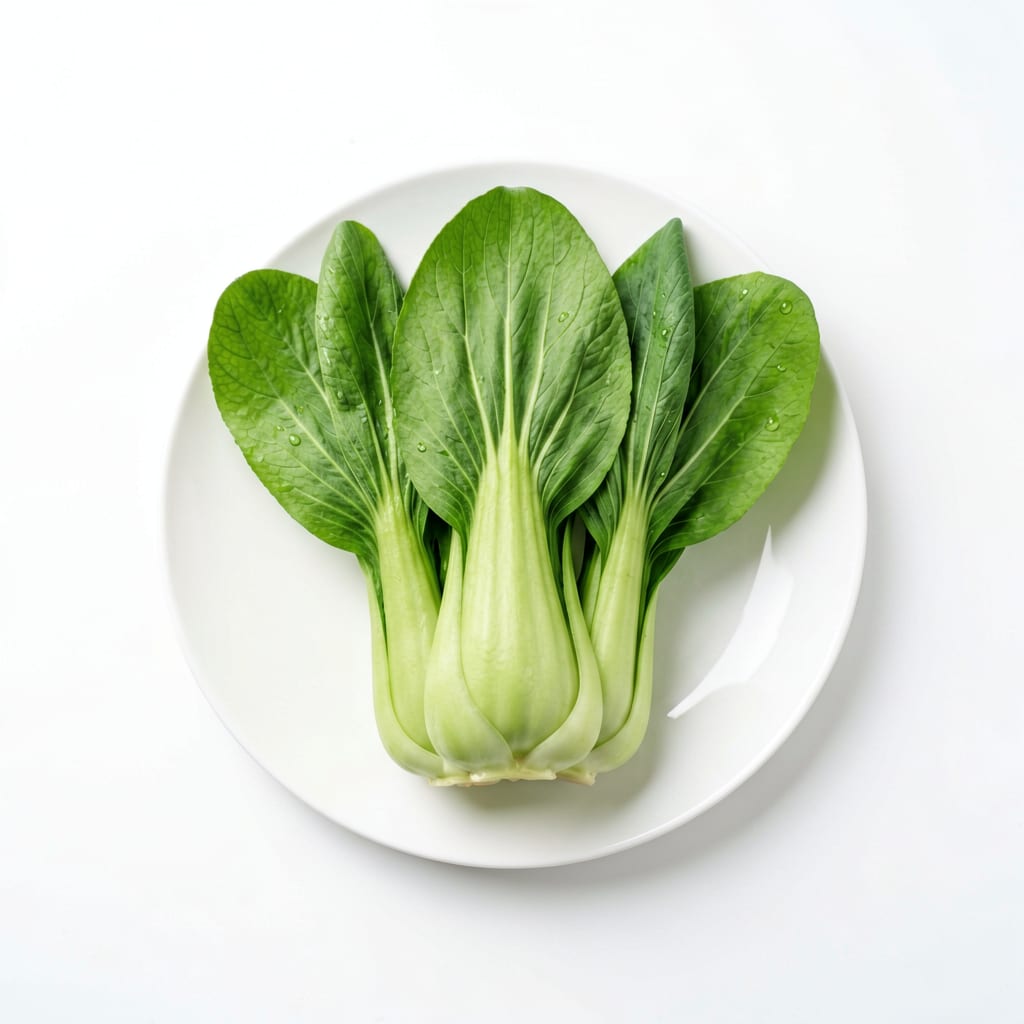
Bok Choy
Bok Choy edges ahead with safer sourcing, broader availability, and stronger bone-supporting nutrients, though Water Spinach wins on iron and digestibility.
Bok Choy scores higher primarily due to superior safety profile, wider availability, and stronger calcium and vitamin K content. Water Spinach remains valuable for iron and gentler digestion but its aquatic growing conditions introduce meaningful contamination risk that holds its score back.
Water Spinach gives you more iron and is easier to digest, but Bok Choy delivers more calcium, vitamin K, and comes with fewer contamination worries.
At a glance
Executive summary
Overall
Bok Choy
Healthier
Bok Choy
More practical
Bok Choy
Daily use
Bok Choy
Key comparison lenses
nutrient density comparison
Both are leafy greens popular in Asian cuisine, so users want to know which packs more nutrition per bite
safety and contamination risk
Water Spinach grows in aquatic environments raising heavy metal and parasite concerns that Bok Choy avoids
mineral bioavailability
Water Spinach offers more iron while Bok Choy delivers more calcium, creating a meaningful tradeoff
cooking versatility and accessibility
Bok Choy is easier to find globally and works in more dishes, while Water Spinach requires specific sourcing
digestive tolerance
Bok Choy's cruciferous nature may cause bloating for some, while Water Spinach is gentler on the stomach
Best choice for
Water Spinach
- People with iron deficiency or low hemoglobin
- Those with sensitive digestion who find cruciferous vegetables bloating
- Anyone seeking a traditional Southeast Asian flavor profile
- People wanting a tender green that cooks in under 2 minutes
Bok Choy
- People focused on bone health and calcium intake
- Anyone wanting a reliable, widely available leafy green
- Those concerned about waterborne contamination risks
- Families wanting a mild green that kids accept more easily
Least suitable for
Water Spinach
- People with kidney stones prone to oxalate issues
- Anyone immunocompromised if the sourcing is uncertain
- Those without access to Asian grocery stores
Bok Choy
- People with thyroid issues who eat large amounts raw
- Those sensitive to cruciferous vegetables and bloating
- Anyone seeking high iron from greens
Deep comparison
Dimension by dimension
Each lens scores both foods and breaks down who each option suits.
- Dimension 1 · Priority 93Bok Choy
Nutrient Density
Water Spinach · 75Bok Choy · 84Bok Choy delivers more calcium, vitamin K, and folate per serving, while Water Spinach provides more iron and vitamin A.
Tradeoff
You get stronger bone nutrients from Bok Choy but better blood-building minerals from Water Spinach.
Why it matters
If you rarely eat dairy, Bok Choy's calcium matters more. If you're prone to fatigue or low iron, Water Spinach fills that gap better.
Real-world impact
A daily serving of Bok Choy covers about 15% of your calcium needs, while Water Spinach covers closer to 8% but gives you noticeably more iron.
Water Spinach
- Iron-deficient individuals
- Pregnant women needing non-heme iron sources
- Vegans and vegetarians with low ferritin levels
Better for
- Those relying on greens as their primary calcium source
Worse for
Bok Choy
- Post-menopausal women concerned about bone density
- Anyone avoiding dairy who needs plant calcium
- People wanting broad-spectrum micronutrient coverage
Better for
- People whose primary nutritional gap is iron
Worse for
- Dimension 2 · Priority 90Bok Choy
Safety and Contamination Risk
Water Spinach · 58Bok Choy · 88Water Spinach's aquatic growing environment creates real risks for heavy metals, parasites, and bacterial contamination that Bok Choy largely avoids.
Tradeoff
Water Spinach's unique nutrient profile comes with a safety burden that requires careful sourcing and thorough cooking.
Why it matters
If you're immunocompromised, pregnant, or feeding children, this difference is significant enough to sway your choice.
Real-world impact
Improperly washed Water Spinach has been linked to parasitic infections in Southeast Asia. Bok Choy grown in soil has far fewer contamination pathways.
Water Spinach
- Those with trusted organic or hydroponic sources
Better for
- People buying from unverified roadside vendors
- Anyone eating raw or lightly cooked greens
Worse for
Bok Choy
- Immunocompromised individuals
- Pregnant women
- Parents cooking for young children
- Anyone unsure about their produce sourcing
Better for
- Those concerned about conventional pesticide residues on cruciferous vegetables
Worse for
- Dimension 3 · Priority 78Water Spinach
Digestive Tolerance
Water Spinach · 85Bok Choy · 68Water Spinach is gentler on the digestive system, while Bok Choy's cruciferous fiber can cause gas and bloating in sensitive people.
Tradeoff
Bok Choy's tougher fiber feeds gut bacteria better long-term, but Water Spinach feels lighter and more comfortable immediately after eating.
Why it matters
If you avoid greens because they make you bloated, Water Spinach may be the one you actually stick with.
Real-world impact
A stir-fry of Water Spinach sits lightly in the stomach. A large serving of Bok Choy can leave you feeling puffy and gassy for hours.
Water Spinach
- People with IBS or sensitive digestion
- Those new to eating greens regularly
- Anyone wanting a light post-workout vegetable
Better for
- People needing high insoluble fiber for gut health
Worse for
Bok Choy
- People wanting to improve gut microbiome diversity
- Those who tolerate cruciferous vegetables well
Better for
- Anyone prone to bloating from cabbage-family vegetables
- People with active IBS flare-ups
Worse for
- Dimension 4 · Priority 75Bok Choy
Cooking Versatility
Water Spinach · 65Bok Choy · 82Bok Choy works in soups, stir-fries, braises, and even raw in salads. Water Spinach really shines only in quick stir-fries and soups.
Tradeoff
Water Spinach has a unique tender-crisp texture when flash-cooked, but Bok Choy adapts to far more recipes and cuisines.
Why it matters
A green you can use ten ways gets eaten more often than one that fits only two or three dishes.
Real-world impact
Bok Choy can be the vegetable in your ramen, your salad, your braise, or your sheet-pan dinner. Water Spinach mostly wants a hot wok and garlic.
Water Spinach
- Home cooks specializing in Southeast Asian cuisine
- Anyone wanting a quick 2-minute side dish
Better for
- People who eat salads as a primary vegetable source
Worse for
Bok Choy
- Meal preppers wanting one green for multiple recipes
- Cooks blending Eastern and Western dishes
- Anyone wanting a raw and cooked vegetable option
Better for
- Those seeking authentic Southeast Asian flavor profiles
Worse for
- Dimension 5 · Priority 80Bok Choy
Antioxidant and Anti-inflammatory Profile
Water Spinach · 72Bok Choy · 83Bok Choy's glucosinolates provide cancer-fighting compounds that Water Spinach lacks, though Water Spinach offers more carotenoids.
Tradeoff
Bok Choy gives you cruciferous cancer-fighting compounds; Water Spinach gives you more eye-protecting vitamin A precursors.
Why it matters
If cancer prevention is a priority, cruciferous vegetables like Bok Choy have stronger evidence. If eye health matters more, Water Spinach has the edge.
Real-world impact
Regular Bok Choy consumption is associated with lower rates of certain cancers in population studies. Water Spinach supports night vision and skin health more directly.
Water Spinach
- People focused on eye health and vision support
- Those wanting more skin-protective carotenoids
Better for
- Those specifically seeking glucosinolate benefits
Worse for
Bok Choy
- People with family history of hormone-sensitive cancers
- Anyone wanting well-studied anti-cancer vegetable compounds
Better for
- People with thyroid dysfunction who consume large quantities raw
Worse for
- Dimension 6 · Priority 76Bok Choy
Availability and Practicality
Water Spinach · 50Bok Choy · 88Bok Choy is available in nearly every supermarket worldwide. Water Spinach requires Asian grocery stores and may even be restricted in some regions.
Tradeoff
Water Spinach offers a unique culinary experience, but you may not be able to find it consistently depending on where you live.
Why it matters
The healthiest green is the one you can actually buy and eat regularly.
Real-world impact
You can grab Bok Choy at Walmart, Tesco, or any local store. Water Spinach might require a 30-minute drive to a specialty market and may not be in stock.
Water Spinach
- People living near well-stocked Asian markets
- Those who enjoy seeking out specialty ingredients
Better for
- Anyone without Asian grocery access
- People in regions where Water Spinach is classified as a noxious weed
Worse for
Bok Choy
- Busy people who shop at conventional grocery stores
- Anyone wanting a reliable weekly staple green
- Rural dwellers with limited market access
Better for
- Those who find Bok Choy too bland or generic tasting
Worse for
Timeline
Health impact over time
Short-term
Hours to days
Water Spinach
- Quick energy lift from easily absorbed iron
- Light comfortable feeling after meals due to gentle fiber
- Possible stomach upset if produce was contaminated and undercooked
Bok Choy
- Noticeable satiety from denser fiber content
- Possible gas and bloating within 1-2 hours for sensitive individuals
- Steadier blood sugar after meals due to fiber slowing absorption
Long-term
Months to years
Water Spinach
- Improved iron status and reduced fatigue risk with regular consumption
- Better eye health from consistent carotenoid intake
- Potential heavy metal accumulation if sourced from polluted waterways
Bok Choy
- Stronger bones from consistent calcium and vitamin K intake
- Lower inflammation markers from regular glucosinolate consumption
- Possible thyroid impact only if consumed raw in very large amounts daily
Risk profile
Safety & processing
Both greens are sold whole and unprocessed, making them equally natural choices. The bigger distinction is growing conditions rather than processing. Water Spinach's aquatic habitat introduces environmental contamination variables, while Bok Choy's soil-based cultivation is more controlled and predictable.
Water Spinach
Parasitic contamination
highWater Spinach grows in stagnant or slow-moving water where Fasciolopsis buski and other parasites thrive. Thorough cooking eliminates this risk, but raw or lightly blanched preparations are dangerous.
Heavy metal accumulation
mediumAquatic plants absorb lead, cadmium, and arsenic from water and sediment. Sourcing from clean farms is essential, but this information is rarely available to consumers.
Bacterial contamination
mediumWater environments harbor E. coli and Salmonella more readily than soil. Washing and cooking reduce but do not eliminate all risk if the growing water was contaminated.
Regulatory restrictions
lowWater Spinach is classified as a noxious weed in some US states and Australia, meaning it may be illegally harvested from wild waterways rather than farmed safely.
Bok Choy
Pesticide residue
mediumCruciferous vegetables are frequent targets for pesticide application. Choosing organic reduces this significantly, and washing helps remove surface residues.
Goitrogenic compounds
lowRaw Bok Choy contains goitrogens that can interfere with thyroid function, but cooking deactivates most of them. You would need to eat very large raw quantities daily for this to matter.
Oxalate content
lowBok Choy contains moderate oxalates, a concern only for people with a history of calcium oxalate kidney stones.
Who wins for whom
Audience fit
Same foods, different winners depending on your goal.
children
Bok ChoyBok Choy's milder flavor and safer contamination profile make it more appropriate for developing immune systems. The calcium also supports growing bones.
daily consumption
Bok ChoyBok Choy's easier availability, stronger safety profile, and broader nutrient coverage make it more sustainable as a daily staple green.
diabetes
Bok ChoyBok Choy's denser fiber slows glucose absorption more effectively, and its glucosinolates are associated with improved insulin sensitivity in emerging research.
elderly
Bok ChoyCalcium and vitamin K from Bok Choy directly address the bone density and fracture risk concerns that increase with age, and its safety profile suits more vulnerable immune systems.
muscle gain
Water SpinachWater Spinach's higher iron content supports oxygen transport to working muscles, which matters more for athletic performance than the calcium Bok Choy provides.
weight loss
Bok ChoyBok Choy's higher fiber content provides more satiety per calorie, making it easier to feel full on fewer calories throughout the day.
Your move
Decision guide
Choose Water Spinach
- You have reliable access to clean, farmed Water Spinach from trusted sources
- Iron deficiency or low energy is your primary health concern
- You find cruciferous vegetables cause uncomfortable bloating
- You want an authentic Southeast Asian home-cooking experience
- You prefer greens that cook in under 2 minutes for weeknight meals
Choose Bok Choy
- Bone health and calcium intake are priorities for you
- You want a green you can find at any grocery store anytime
- You are pregnant, immunocompromised, or cooking for young children
- You want one versatile vegetable for soups, stir-fries, salads, and braises
- You are focused on cancer-preventive dietary patterns
Either works if
- You simply want more leafy greens in your diet and both are available
- You rotate vegetables weekly for microbiome diversity
- You are generally healthy with no specific deficiency concerns
Avoid both if
- You have severe oxalate-related kidney stone issues and need to limit all high-oxalate greens
- You are on blood thinners like warfarin and cannot maintain consistent vitamin K intake
Final recommendation
Make Bok Choy your everyday green for its safety, availability, and bone-supporting nutrients. Add Water Spinach when you find it from a trusted source and want its iron boost and tender texture. Rotating both gives you the broadest mineral coverage and keeps meals interesting.
Practical
Consumer tips
- 1
Always cook Water Spinach thoroughly to eliminate parasite risk. Blanching is not enough. A full stir-fry or boil is safest.
- 2
Soak Water Spinach in vinegar water for 10 minutes before cooking to help reduce surface contaminants.
- 3
Choose organic Bok Choy when possible to minimize pesticide exposure on a vegetable you might eat frequently.
- 4
If Bok Choy gives you gas, try cooking it longer or starting with smaller portions. Your gut adapts over time.
- 5
Buy Water Spinach only from refrigerated displays at reputable Asian markets. Avoid wilted or slimy bunches.
- 6
Store both greens in perforated bags in the crisper drawer. Bok Choy lasts 5-7 days. Water Spinach is more perishable and best used within 3 days.
- 7
If you cannot find Water Spinach locally, do not forage it from wild waterways. Contamination risk is too high.
- 8
Pair Water Spinach with a vitamin C source like tomatoes or citrus to boost iron absorption by up to 3 times.