
Nutrition comparison
Water Spinach vs Kale: Which Green Is Actually Better for You?
Kale packs more nutrients per bite, but Water Spinach is easier to digest and cook. Compare safety, taste, and health benefits to find your best daily green.
Overall winner · Kale
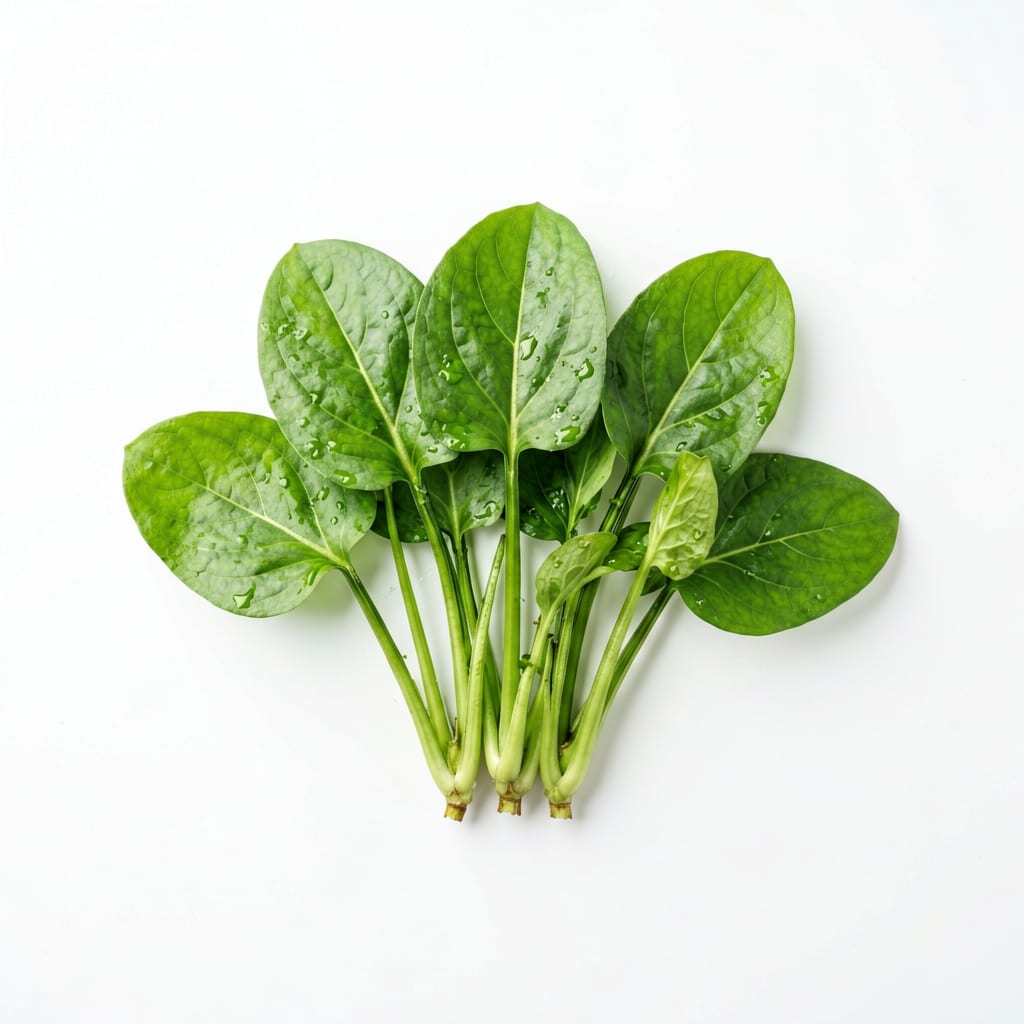
Water Spinach
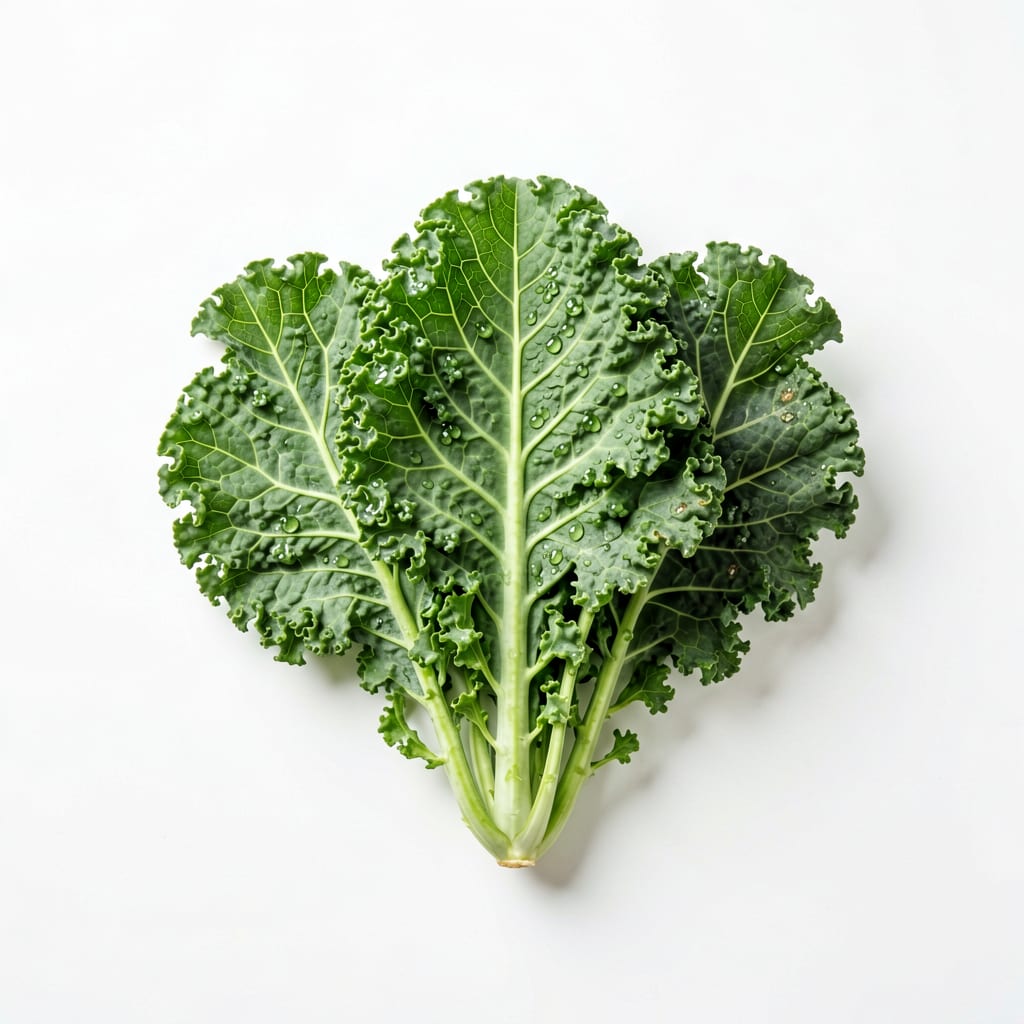
Kale
Kale delivers far more nutrients per bite, but Water Spinach is easier to digest and cook with, making it the more enjoyable daily green for many people.
Kale scores notably higher due to its exceptional nutrient density and disease-fighting compounds. Water Spinach remains a solid choice but cannot match Kale's vitamin and mineral concentration. The gap narrows significantly when digestibility and cooking enjoyment are prioritized.
Nutritional firepower versus eating pleasure and digestive comfort — Kale wins on paper, Water Spinach wins on the plate.
At a glance
Executive summary
Overall
Kale
Healthier
Kale
More practical
Water Spinach
Daily use
It depends
Key comparison lenses
nutrient density comparison
Kale is famously nutrient-dense while Water Spinach is lighter but still nutritious — users want to know if the hype gap is real
contamination safety
Water Spinach grows in aquatic environments raising parasite and heavy metal concerns that Kale does not share
digestive tolerance
Kale is notoriously tough on digestion raw, while Water Spinach is gentler and more cook-friendly
antioxidant and disease prevention
Kale's glucosinolates and Water Spinach's unique flavonoids offer different protective benefits worth comparing
cuisine and practicality
These greens belong to different culinary traditions — accessibility and cooking familiarity vary widely by region
Best choice for
Water Spinach
- People with sensitive digestion who find raw kale causes bloating
- Home cooks wanting a tender green that wilts beautifully in stir-fries
- Anyone seeking a mild-flavored green that picks up sauce flavors well
- Budget-conscious shoppers in tropical and Southeast Asian markets
Kale
- Nutrient maximizers wanting the most vitamins per calorie
- People focused on bone health needing high vitamin K and calcium
- Smoothie drinkers who blend greens for nutrient extraction
- Anyone prioritizing cancer-fighting glucosinolates in their diet
Least suitable for
Water Spinach
- People concerned about waterborne parasites in regions with unsafe water sources
- Anyone seeking maximum vitamin K intake for bone or blood health
- Consumers in regions where Water Spinach is hard to find or expensive
- Those wanting a robust salad base that holds texture
Kale
- People with thyroid issues who are sensitive to goitrogens
- Anyone who experiences bloating or discomfort from tough raw greens
- Those who dislike bitter flavors and struggle to eat kale consistently
- Smoothie skeptics who will not blend or cook kale thoroughly
Deep comparison
Dimension by dimension
Each lens scores both foods and breaks down who each option suits.
- Dimension 1 · Priority 95Kale
nutrient_density
Water Spinach · 55Kale · 94Kale is one of the most nutrient-dense foods on the planet. Water Spinach is nutritious but far less concentrated.
Tradeoff
You get more vitamins and minerals per calorie from Kale, but you also have to eat something that tastes more intense and requires more effort to prepare pleasantly.
Why it matters
If you eat small portions or have limited appetite, Kale delivers more nutritional value per forkful.
Real-world impact
A single cup of raw Kale covers over 100% of daily vitamin K and most of your vitamin A. Water Spinach provides meaningful but smaller contributions.
Water Spinach
- Getting gentle hydration and light nutrition without feeling stuffed
- Adding bulk to meals without overwhelming other ingredients
Better for
- Anyone counting on their greens as a primary vitamin K source
- Situations where you need concentrated nutrition in limited volume
Worse for
Kale
- Maximizing vitamin intake when you only eat small portions
- Getting calcium from a plant source without dairy
- Loading up on vitamin K for bone and blood health
Better for
- Meals where strong flavor would overpower delicate dishes
- People who struggle to eat enough volume of bitter greens
Worse for
- Dimension 2 · Priority 85Water Spinach
digestive_comfort
Water Spinach · 88Kale · 52Water Spinach is gentle and easy on the stomach. Raw Kale is notoriously difficult to digest for many people.
Tradeoff
Kale's toughness means more chewing and more potential bloating, but also more fiber reaching your gut bacteria intact.
Why it matters
If a healthy food makes you uncomfortable, you will stop eating it. Digestibility often trumps nutrient content in real life.
Real-world impact
Water Spinach cooks down into a soft, pleasant side dish. Raw Kale salads leave many people feeling heavy and gassy.
Water Spinach
- People with IBS or sensitive stomachs
- Post-workout meals when you want something light
- Older adults with reduced digestive capacity
Better for
- Situations where you want prolonged fullness from resistant fiber
Worse for
Kale
- Those wanting prebiotic fiber to feed gut bacteria
- Anyone who massages or cooks kale to break down toughness
Better for
- Anyone prone to bloating from cruciferous vegetables
- Raw salad eaters who skip the massage step
Worse for
- Dimension 3 · Priority 90Kale
safety_and_contamination
Water Spinach · 48Kale · 78Water Spinach's aquatic growing conditions create real contamination risks. Kale's main risk is pesticide residue.
Tradeoff
Kale's pesticide concern is manageable with organic choices. Water Spinach's parasite and heavy metal risks are harder to control at home.
Why it matters
Contamination can undermine all the health benefits of eating greens. This is especially critical for pregnant women and children.
Real-world impact
Water Spinach from unknown water sources can carry liver flukes and heavy metals. Kale from conventional farms often lands on the Dirty Dozen list but washing and organic options reduce risk significantly.
Water Spinach
- Sourced from verified clean farms with tested water supplies
- Home-grown in controlled hydroponic systems
Better for
- Pregnant women avoiding potential parasite exposure
- Regions where water spinach grows in untreated waterways
Worse for
Kale
- Organic kale that minimizes pesticide exposure
- Any situation where supply chain safety matters
Better for
- Conventional kale eaten without thorough washing
- Budget shoppers who cannot afford organic options
Worse for
- Dimension 4 · Priority 75Water Spinach
cooking_versatility_and_enjoyment
Water Spinach · 82Kale · 60Water Spinach is a joy to cook with — tender, quick, and flavor-absorbing. Kale requires more effort to make palatable.
Tradeoff
Kale rewards effort with robust texture and heartiness. Water Spinach delivers immediate satisfaction with less work.
Why it matters
The best green for you is the one you actually enjoy eating regularly. Flavor and ease often determine long-term adherence.
Real-world impact
Water Spinach stir-fries cook in under two minutes and taste restaurant-quality. Kale needs massaging, long cooking, or blending to become enjoyable.
Water Spinach
- Quick weeknight stir-fries and soups
- Anyone who wants greens that taste good with minimal effort
- Dishes where the green should complement, not dominate
Better for
- Raw salads and preparations requiring structural integrity
- Recipes where you want the green to be the star ingredient
Worse for
Kale
- Hearty soups and stews where toughness becomes an asset
- Chips and baked preparations that use kale's sturdy leaves
- Smoothies where texture is blended away
Better for
- Quick cooking when you are tired and hungry
- Delicate dishes where bitterness would clash
Worse for
- Dimension 5 · Priority 80Kale
antioxidant_and_disease_prevention
Water Spinach · 58Kale · 90Kale contains unique cancer-fighting glucosinolates and exceptional antioxidant levels. Water Spinach has antioxidants but less research backing.
Tradeoff
Kale's disease-fighting profile is among the best studied of any vegetable. Water Spinach shows promise but has far less evidence.
Why it matters
For people with family history of chronic disease, choosing greens with proven protective compounds matters.
Real-world impact
Kale's glucosinolates break down into sulforaphane and other compounds linked to reduced cancer risk. Water Spinach offers general antioxidant benefits without the same depth of clinical evidence.
Water Spinach
- General antioxidant support as part of a varied diet
- Traditional medicine applications in Southeast Asian practice
Better for
- Anyone seeking clinically-backed disease prevention from their greens
Worse for
Kale
- Targeted cancer risk reduction through glucosinolates
- Cardiovascular protection via high vitamin K and antioxidants
- Eye health support from exceptional lutein and zeaxanthin levels
Better for
- People on blood thinners who must limit vitamin K intake
Worse for
- Dimension 6 · Priority 70Kale
satiety_and_fullness
Water Spinach · 50Kale · 75Kale's dense fiber and tough texture keep you fuller longer. Water Spinach is light and watery, disappearing quickly in the stomach.
Tradeoff
Kale fills you up but can feel heavy. Water Spinach feels refreshing but will not sustain you alone.
Why it matters
If you are using greens to manage hunger between meals, density matters more than you might expect.
Real-world impact
A kale salad stays with you for hours. A Water Spinach dish leaves you looking for a snack within an hour.
Water Spinach
- Light meals before exercise when you do not want heaviness
- Hot weather eating when heavy food feels unappealing
Better for
- Using greens as a main satiety strategy for weight management
Worse for
Kale
- Replacing higher-calorie foods to manage weight
- Building meals that keep you satisfied without snacking
Better for
- Pre-workout meals where heavy digestion slows you down
Worse for
Timeline
Health impact over time
Short-term
Hours to days
Water Spinach
- Quick, light energy without digestive heaviness
- Good hydration from high water content
- Possible mild blood sugar stabilization from fiber
Kale
- Noticeable fullness and reduced hunger between meals
- Potential bloating or gas if eaten raw without preparation
- Blood sugar stabilization from dense fiber content
Long-term
Months to years
Water Spinach
- Consistent gentle nutrition if sourced safely
- Lower risk of nutrient deficiency compared to eating no greens, but higher risk compared to Kale
- Potential heavy metal accumulation if sourced from contaminated water over years
Kale
- Stronger bone density protection from exceptional vitamin K levels
- Reduced chronic disease risk from glucosinolates and antioxidants
- Possible thyroid impact with excessive raw consumption for sensitive individuals
Risk profile
Safety & processing
Both greens are whole, minimally processed foods. Neither typically carries artificial additives when purchased fresh. The naturalness concern for Water Spinach is environmental contamination, not processing. For Kale, it is pesticide residue from conventional farming.
Water Spinach
Liver flukes and aquatic parasites
highWater Spinach grows in water that may harbor Fasciola and other parasites. Thorough cooking eliminates this risk, but raw consumption is dangerous in endemic regions.
Heavy metal contamination
mediumAquatic environments near industrial or agricultural runoff can concentrate lead, cadmium, and arsenic in Water Spinach tissues.
Bacterial contamination from water sources
mediumE. coli and other waterborne bacteria can contaminate Water Spinach more readily than soil-grown greens.
Kale
Pesticide residue
mediumKale frequently appears on the EWG Dirty Dozen list. Conventional kale can carry multiple pesticide residues. Organic options or thorough washing reduce this significantly.
Goitrogen exposure
lowRaw kale contains goitrogens that can interfere with thyroid function in susceptible people. Cooking reduces this concern substantially.
Oxalate load
lowKale contains moderate oxalates. Less than spinach but worth noting for those prone to kidney stones.
Who wins for whom
Audience fit
Same foods, different winners depending on your goal.
children
Water SpinachWater Spinach's milder flavor and softer cooked texture make it far more appealing to children. Kale's bitterness is a hard sell for most kids.
daily consumption
It dependsKale is nutritionally superior but harder to eat daily without fatigue. Water Spinach is more enjoyable and sustainable as a daily habit for many people.
diabetes
KaleKale's denser fiber and lower glycemic impact provide steadier blood sugar control, plus its antioxidants help combat diabetic oxidative stress.
elderly
It dependsWater Spinach is easier to chew and digest, but elderly people often benefit more from Kale's concentrated vitamin K and calcium for bone health.
muscle gain
It dependsNeither is a significant protein source. Kale offers slightly more mineral support for recovery, but the difference is minimal for muscle goals.
weight loss
KaleKale's higher fiber and greater satiety per calorie help control hunger better, though both are excellent low-calorie choices.
Your move
Decision guide
Choose Water Spinach
- You find Kale causes bloating or digestive discomfort
- You cook primarily Southeast Asian or Chinese dishes
- You want a green that cooks in under three minutes on busy nights
- You can source Water Spinach from clean, verified farms
- You prefer mild flavors that blend into your meals rather than dominating them
Choose Kale
- You want maximum nutritional return per calorie consumed
- Bone health and vitamin K intake are top priorities for you
- You enjoy making smoothies, kale chips, or massaged salads
- You have a family history of chronic disease and want proven protective compounds
- You can afford organic kale to avoid pesticide concerns
Either works if
- You simply want more leafy greens in your diet regardless of type
- You rotate greens weekly to diversify your nutrient intake
- You cook both into soups and stews where differences fade
Avoid both if
- You take blood thinners like warfarin without medical guidance on vitamin K intake
- You have severe oxalate sensitivity and kidney stone risk
Final recommendation
Eat both. Kale gives you unmatched nutrient density and disease protection. Water Spinach gives you pleasure, ease, and digestive comfort. The ideal approach is rotating between them — Kale when you have time to prepare it well, Water Spinach when you need something quick and gentle. If you must pick one, choose Kale for health optimization and Water Spinach for sustainable enjoyment.
Practical
Consumer tips
- 1
Always cook Water Spinach thoroughly to eliminate parasite risk — never eat it raw from unknown sources
- 2
Massage raw kale with olive oil and salt for five minutes to break down toughness and reduce bitterness
- 3
Buy organic kale when possible — it consistently ranks high for pesticide residue on conventional farms
- 4
If Water Spinach is unavailable, substitute with bok choy or chard for similar cooking qualities
- 5
Freeze kale for smoothies — it blends better when frozen and retains nutrients well
- 6
Soak Water Spinach in vinegar water for ten minutes before cooking as an extra safety step
- 7
Remove kale stems before cooking or blending — they are the toughest and most bitter part