
Nutrition comparison
Water Spinach vs Broccoli: Which Green Vegetable Is Healthier?
Compare Water Spinach and Broccoli on nutrition, safety, cancer-fighting compounds, and digestibility. Find out which green is better for your health goals and when to choose each one.
Overall winner · Broccoli
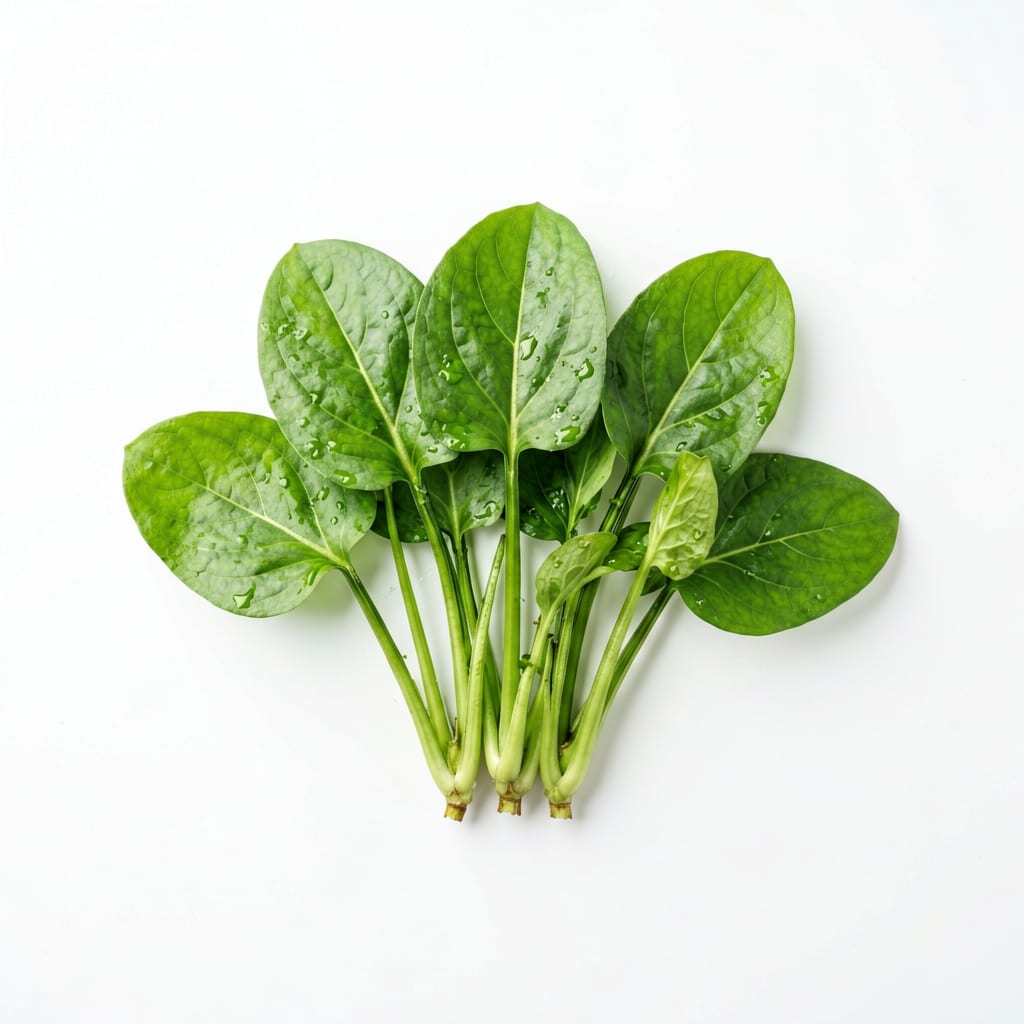
Water Spinach
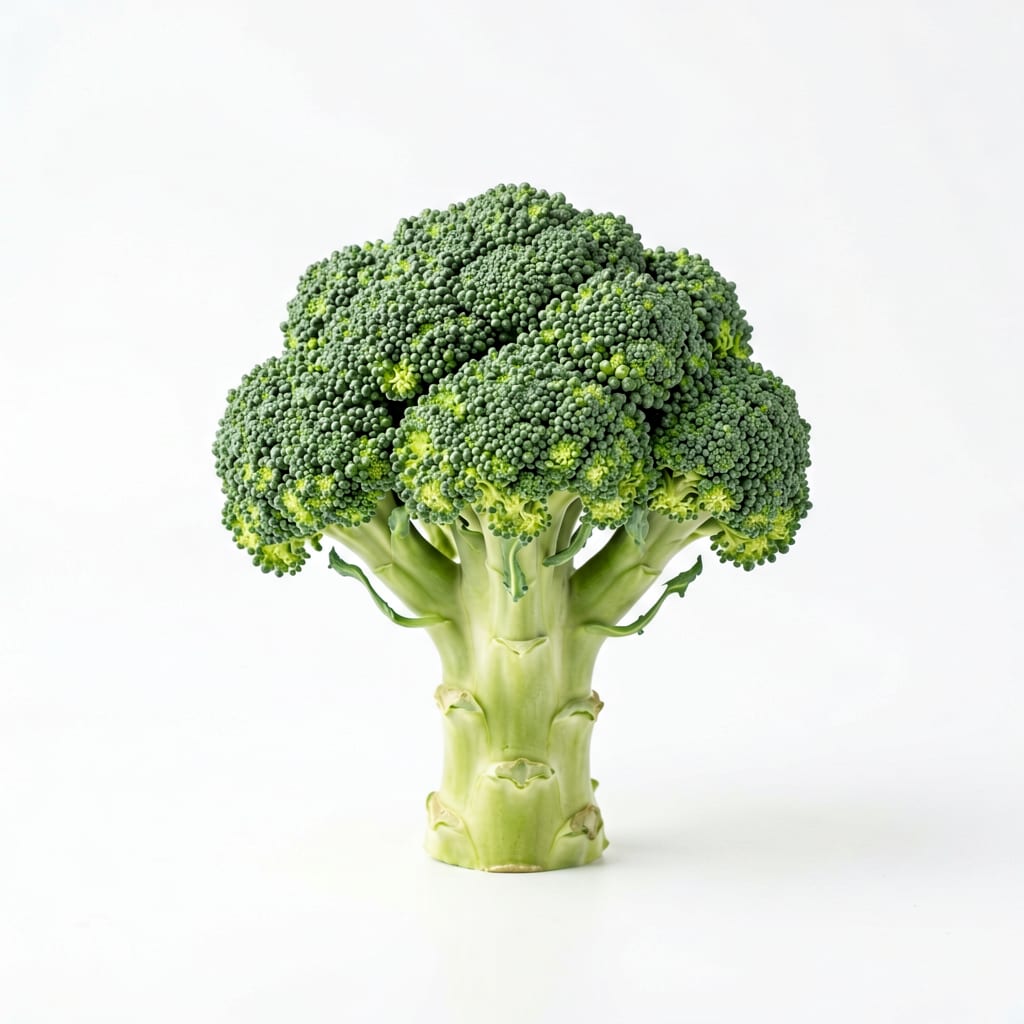
Broccoli
Broccoli wins on nutrient density, safety, and research-backed health benefits, but Water Spinach offers lighter digestion and unique cultural cuisine value.
Broccoli scores significantly higher due to superior nutrient density, extensive research backing, and much lower contamination risk. Water Spinach remains a solid choice in its regional context but carries meaningful safety caveats that reduce its score for general recommendation.
Broccoli delivers more proven disease-fighting compounds and safer sourcing, while Water Spinach cooks faster, digests lighter, and costs less in tropical regions.
At a glance
Executive summary
Overall
Broccoli
Healthier
Broccoli
More practical
Broccoli
Daily use
Broccoli
Key comparison lenses
nutrient density comparison
Both are green vegetables but have very different micronutrient profiles and phytochemical content
safety and contamination risk
Water Spinach grows in aquatic environments with significant heavy metal and parasite contamination concerns
cancer prevention potential
Broccoli is renowned for sulforaphane while Water Spinach has less studied but still notable antioxidant properties
everyday practicality and availability
Broccoli is globally available year-round while Water Spinach is regional and seasonal
digestive tolerance and fiber
Different fiber profiles affect digestion differently, especially for sensitive stomachs
Best choice for
Water Spinach
- People in Southeast Asia wanting affordable local greens
- Those with sensitive digestion who find cruciferous vegetables too heavy
- Quick stir-fry meals needing a vegetable that cooks in under 2 minutes
- Anyone seeking a very low-calorie, high-volume food
Broccoli
- People prioritizing cancer-fighting sulforaphane intake
- Anyone concerned about food safety and contamination risks
- Families wanting a globally available, well-studied vegetable
- Those looking to maximize vitamin C and K from a single vegetable
Least suitable for
Water Spinach
- People worried about waterborne contaminants and heavy metals
- Those without access to reliable Asian grocery stores
- Anyone on blood thinners needing stable vitamin K intake
- Immunocompromised individuals at higher risk from parasites
Broccoli
- People with severe IBS who react to cruciferous fiber
- Those who find broccoli causes uncomfortable bloating
- Anyone wanting a delicate-tasting green for light Asian dishes
Deep comparison
Dimension by dimension
Each lens scores both foods and breaks down who each option suits.
- Dimension 1 · Priority 94Broccoli
nutrient_density
Water Spinach · 62Broccoli · 88Broccoli packs more vitamins and minerals per calorie, especially vitamin C, vitamin K, and folate.
Tradeoff
Water Spinach provides respectable vitamin A and iron but cannot match the breadth of micronutrients in broccoli.
Why it matters
Higher nutrient density means you get more health value from each bite, which matters when trying to eat well on limited calories.
Real-world impact
A single cup of broccoli covers over 100% of daily vitamin C needs, while Water Spinach covers roughly 20%.
Water Spinach
- Vitamin A intake from beta-carotene
- Iron contribution for plant-based eaters
Better for
- Lower overall vitamin and mineral coverage
- Less studied phytochemical profile
Worse for
Broccoli
- Vitamin C for immune support
- Vitamin K for bone and blood health
- Folate for cell repair and pregnancy
- Potassium for blood pressure regulation
Better for
- None significant in this dimension
Worse for
- Dimension 2 · Priority 88Broccoli
cancer_fighting_compounds
Water Spinach · 55Broccoli · 92Broccoli is one of the best dietary sources of sulforaphane, a compound with strong anti-cancer evidence.
Tradeoff
Water Spinach contains antioxidants but lacks the specific glucosinolate compounds that make cruciferous vegetables stand out.
Why it matters
Regular sulforaphane intake is linked to reduced risk of several cancers, making broccoli a functional food beyond basic nutrition.
Real-world impact
Eating broccoli 3-4 times weekly may meaningfully reduce cancer risk markers, a benefit Water Spinach cannot match with current evidence.
Water Spinach
- General antioxidant carotenoids
Better for
- No glucosinolate compounds
- Far less research on disease prevention
Worse for
Broccoli
- Sulforaphane for cellular defense
- Indole-3-carbinol for hormone balance
- Extensive human research backing
Better for
- None significant in this dimension
Worse for
- Dimension 3 · Priority 90Broccoli
safety_and_contamination
Water Spinach · 45Broccoli · 85Water Spinach's aquatic growing environment creates real risks for heavy metals, parasites, and bacterial contamination.
Tradeoff
Broccoli grown in soil has standard pesticide concerns but nothing approaching the waterborne contamination risks of Water Spinach.
Why it matters
Contaminants can undermine the health benefits of any vegetable, and some Water Spinach risks are serious for vulnerable people.
Real-world impact
Water Spinach from polluted waterways may contain lead or cadmium, while broccoli's main concern is washable pesticide residue.
Water Spinach
- Often grown with fewer synthetic pesticides in traditional farming
Better for
- Parasite risk from water sources
- Heavy metal accumulation in leaves
- Less regulated sourcing in many regions
Worse for
Broccoli
- Lower heavy metal accumulation risk
- No parasite contamination concern
- Regulated growing standards in most countries
- Safer for pregnant women and children
Better for
- Pesticide residue on conventional crops
Worse for
- Dimension 4 · Priority 75Water Spinach
digestive_tolerance
Water Spinach · 82Broccoli · 58Water Spinach is gentler on the stomach and cooks down to a soft, easily digested vegetable.
Tradeoff
Broccoli's tough fiber and cruciferous nature can cause bloating and gas, especially when raw or undercooked.
Why it matters
If a vegetable causes discomfort, people stop eating it, making digestibility a practical health factor.
Real-world impact
Someone with IBS might enjoy Water Spinach without issues but avoid broccoli due to bloating and cramping.
Water Spinach
- Soft texture after quick cooking
- Less gas-producing fiber
- Gentler for sensitive digestive systems
Better for
- Lower fiber means less prebiotic benefit
Worse for
Broccoli
- More fiber supports healthy gut bacteria long-term
Better for
- Common cause of bloating and flatulence
- Tough stems require thorough cooking
- Can trigger IBS symptoms
Worse for
- Dimension 5 · Priority 70Broccoli
cooking_versatility
Water Spinach · 60Broccoli · 80Broccoli works raw, steamed, roasted, stir-fried, or blended into soups, while Water Spinach is best suited for quick stir-fries and soups.
Tradeoff
Water Spinach excels in its niche of Asian stir-fry dishes but lacks the range of broccoli.
Why it matters
Versatility determines how often you can incorporate a vegetable without getting bored.
Real-world impact
You can meal-prep broccoli five ways for a week, but Water Spinach really shines in one or two specific dishes.
Water Spinach
- Perfect for quick Asian stir-fries
- Cooks in under 2 minutes
- Traditional pairing with garlic and fermented sauces
Better for
- Wilts too quickly for raw preparations
- Limited to mostly Asian recipe contexts
Worse for
Broccoli
- Edible raw in salads and dips
- Roasts beautifully for caramelized flavor
- Blends into creamy soups
- Works in pasta, casseroles, and grain bowls
Better for
- Takes longer to cook properly
- Can become mushy if overcooked
Worse for
- Dimension 6 · Priority 72It depends
affordability_and_access
Water Spinach · 70Broccoli · 75Water Spinach is extremely cheap in tropical Asian markets but nearly impossible to find elsewhere; broccoli is moderately priced and globally available.
Tradeoff
Your location determines which vegetable is actually more practical and affordable.
Why it matters
The healthiest vegetable is the one you can actually buy and eat regularly.
Real-world impact
In Bangkok, Water Spinach costs pennies per bunch; in Chicago, you might never see it at any price.
Water Spinach
- Very low cost in Southeast Asia
- Abundant in wet markets across tropical regions
Better for
- Rare or absent in Western supermarkets
- Imported versions are expensive when available
Worse for
Broccoli
- Available in virtually every grocery store worldwide
- Consistent pricing year-round
- Frozen options extend accessibility
Better for
- More expensive than local greens in tropical countries
Worse for
Timeline
Health impact over time
Short-term
Hours to days
Water Spinach
- Light, comfortable digestion after meals
- Quick hydration from high water content
- Mild iron boost for energy levels
Broccoli
- Possible bloating or gas if not cooked enough
- Noticeable vitamin C boost for immune resilience
- Sustained fullness from dense fiber
Long-term
Months to years
Water Spinach
- Potential heavy metal accumulation if sourced from polluted water
- Moderate antioxidant protection against cellular aging
- Possible parasite exposure with inconsistent sourcing
Broccoli
- Reduced cancer risk from regular sulforaphane intake
- Stronger bones from consistent vitamin K consumption
- Better gut microbiome diversity from prebiotic fiber
- Lower inflammation markers over time
Risk profile
Safety & processing
Both vegetables are whole foods typically sold fresh with minimal processing. Neither carries significant additive concerns, making this a neutral comparison point.
Water Spinach
Heavy metal contamination
highWater Spinach efficiently absorbs lead, cadmium, and arsenic from water and soil, making source quality critical.
Parasitic contamination
mediumGrows in water that may harbor intestinal parasites, especially in regions using untreated water for irrigation.
Bacterial contamination
mediumAquatic growing conditions can introduce E. coli and other waterborne bacteria if hygiene is poor.
Broccoli
Pesticide residue
mediumBroccoli appears on EWG's clean fifteen list but conventional farming still uses pesticides that should be washed off.
Goitrogenic compounds
lowRaw broccoli contains goitrogens that may affect thyroid function in very large amounts, but cooking neutralizes most of this concern.
Who wins for whom
Audience fit
Same foods, different winners depending on your goal.
children
BroccoliBroccoli's safety profile is more reliable for developing bodies, and its nutrients support growth more comprehensively.
daily consumption
BroccoliBroccoli's combination of safety, availability, and nutrient breadth makes it more sustainable as a daily vegetable choice.
diabetes
BroccoliBroccoli's sulforaphane may improve insulin sensitivity, and its higher fiber slows glucose absorption more effectively.
elderly
BroccoliBroccoli's vitamin K supports bone density and its fiber helps prevent constipation, both critical concerns for older adults.
muscle gain
BroccoliBroccoli offers more vitamin C for collagen synthesis and recovery, plus better mineral support for active bodies.
weight loss
BroccoliBroccoli's higher fiber content provides more satiety per calorie, helping control hunger on reduced-calorie diets.
Your move
Decision guide
Choose Water Spinach
- You live in Southeast Asia and can source it from clean, trusted vendors
- You have IBS or sensitive digestion and cruciferous vegetables cause discomfort
- You want a quick-cooking green for authentic Asian stir-fry dishes
- You are looking for the most affordable leafy green in tropical regions
Choose Broccoli
- You want maximum cancer-fighting potential from your vegetables
- Food safety and contamination risk matter deeply to you
- You need a vegetable you can find anywhere and cook many ways
- You are building a long-term daily vegetable habit for disease prevention
Either works if
- You simply want more green vegetables in your diet and enjoy both
- You rotate vegetables weekly for nutrient diversity
- You are generally healthy without specific digestive or safety concerns
Avoid both if
- You are on warfarin or blood thinners and need strictly controlled vitamin K intake without medical guidance
- You have a known allergy to either vegetable family
Final recommendation
Make broccoli your default daily green for its unmatched nutrient density and safety profile. Enjoy Water Spinach as a delicious addition when you can source it from clean, trusted suppliers, especially in Asian dishes where it truly belongs. Think of broccoli as your reliable daily driver and Water Spinach as a rewarding specialty choice.
Practical
Consumer tips
- 1
If buying Water Spinach, source from reputable Asian markets that test for heavy metals, and always cook it thoroughly to kill potential parasites.
- 2
Soak broccoli in salt water for 10 minutes before cooking to remove hidden insects and reduce pesticide residue.
- 3
For maximum sulforaphane from broccoli, let chopped florets sit for 40 minutes before cooking, or add mustard seed powder after cooking.
- 4
If broccoli causes bloating, try steaming it longer or starting with smaller portions to let your gut adapt gradually.
- 5
When available, organic broccoli eliminates most pesticide concerns, while Water Spinach safety depends more on water source than farming method.
- 6
Water Spinach pairs beautifully with garlic, chili, and fermented bean paste in a 2-minute stir-fry that preserves its delicate texture.