
Nutrition comparison
Water Spinach vs Celery: Nutrition, Safety, and Which to Choose
Water Spinach delivers far more vitamins and minerals per calorie than Celery, but Celery wins on convenience. Compare nutrition, safety risks, and best uses for each vegetable.
Overall winner · Water Spinach
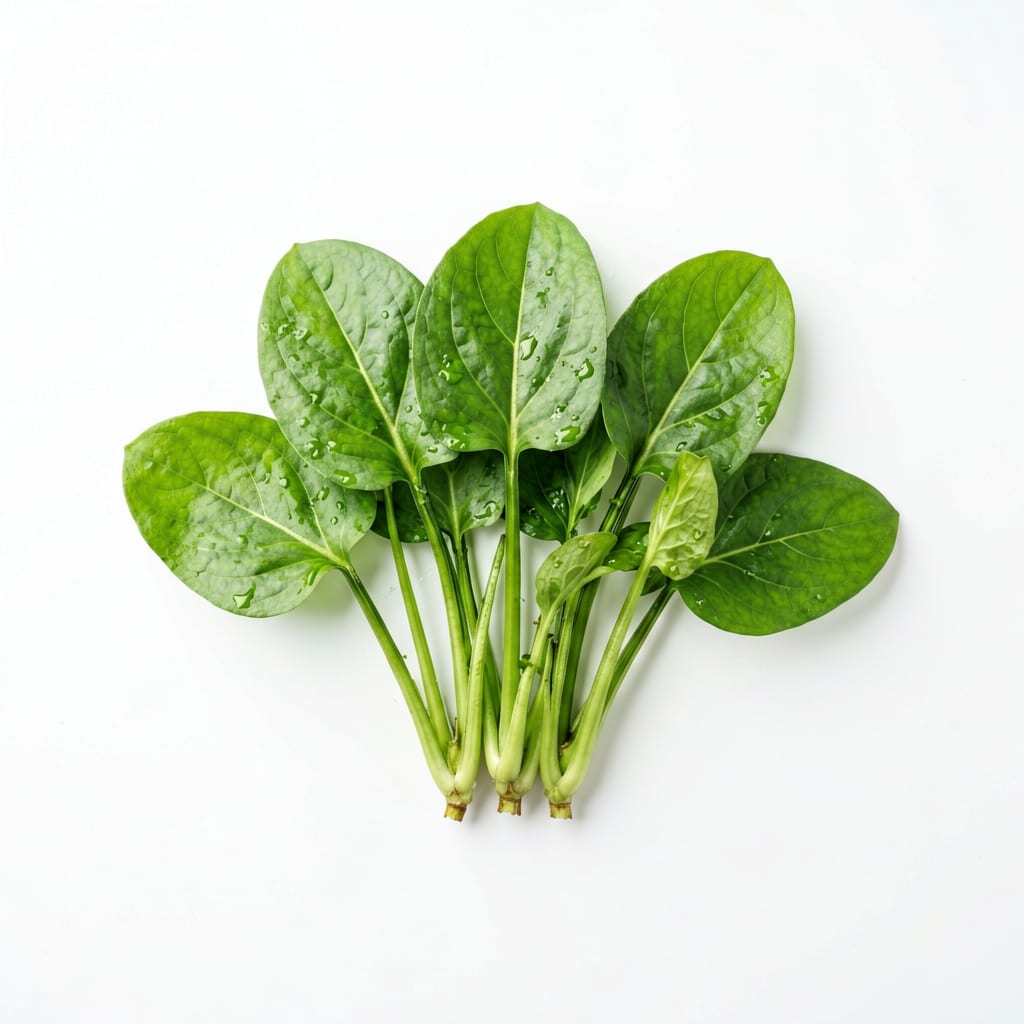
Water Spinach
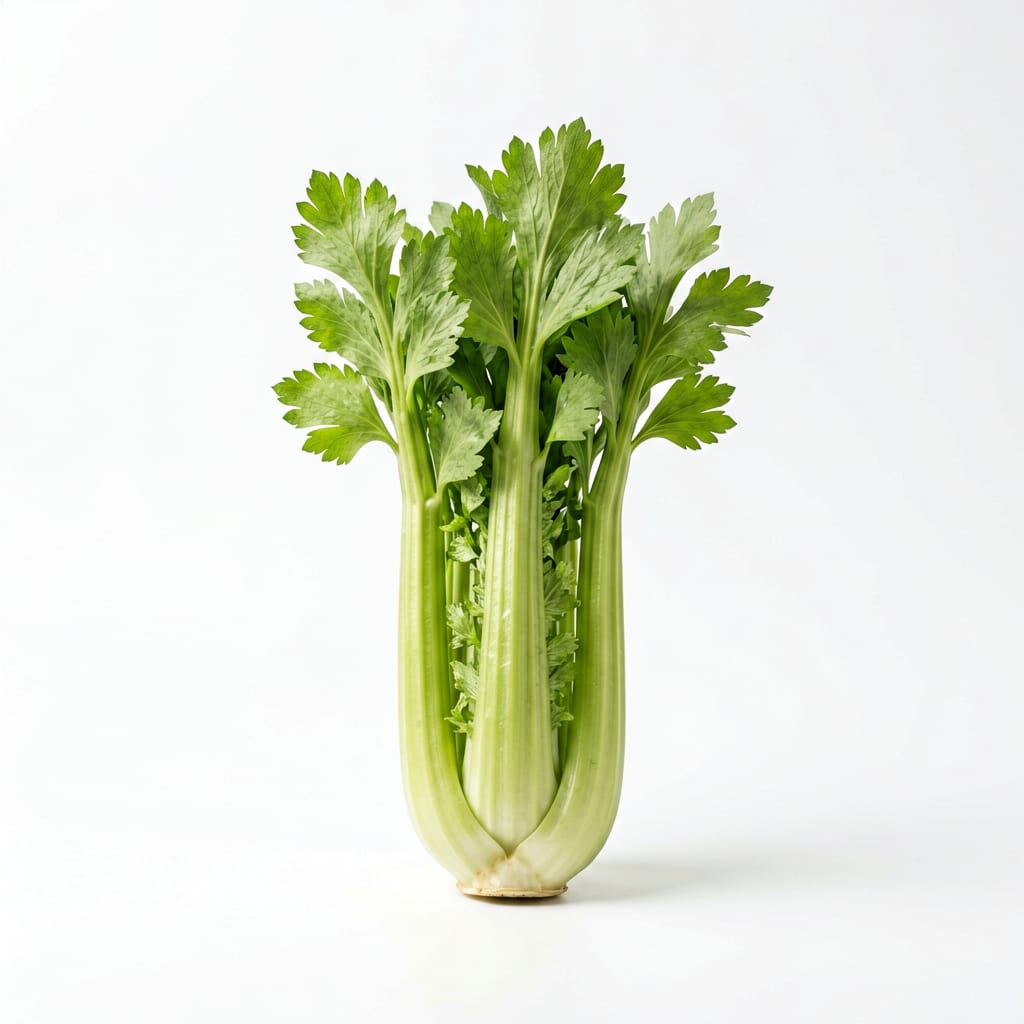
Celery
Water Spinach is the nutritional powerhouse, delivering far more vitamins and minerals per bite, while Celery wins on convenience and everyday snackability.
Water Spinach scores notably higher due to its superior vitamin A, iron, and mineral content. Celery remains solid for hydration and convenience but offers less nutritional substance per serving.
You trade significantly higher nutrient density in Water Spinach for the grab-and-go simplicity and wide availability of Celery.
At a glance
Executive summary
Overall
Water Spinach
Healthier
Water Spinach
More practical
Celery
Daily use
It depends
Key comparison lenses
nutrient density comparison
Water Spinach dramatically outshines Celery in vitamins and minerals per calorie, making this the most consequential difference
weight loss snacking
Both are extremely low-calorie vegetables often chosen for dieting, but they serve different roles in a weight loss plan
food safety and contamination
Water Spinach grows in aquatic environments raising contamination concerns, while Celery carries high pesticide residue risk
everyday practicality and accessibility
Celery is a grocery staple available everywhere, whereas Water Spinach requires Asian markets or specialty stores for most people
digestive and blood sugar benefits
Both are gentle on blood sugar, but their fiber types and digestive effects differ meaningfully
Best choice for
Water Spinach
- People wanting maximum nutrition per calorie
- Those cooking Asian stir-fries and soups
- Anyone needing more iron and vitamin A
- Individuals with mineral deficiencies
- Home cooks who enjoy preparing leafy greens
Celery
- Busy people needing ready-to-eat snacks
- Those who want a crunchy low-calorie base for dips
- Anyone meal-prepping raw vegetable sticks
- People who grocery shop at conventional stores
- Those seeking a mild-flavored hydration food
Least suitable for
Water Spinach
- People far from Asian grocery stores
- Those who dislike cooking leafy greens
- Anyone worried about waterborne contamination
- People who want a raw snack they can eat immediately
- Those on blood thinners who must limit vitamin K
Celery
- People seeking nutrient-dense greens
- Those who need significant iron intake
- Anyone bored by bland flavors
- People avoiding high-pesticide produce unless organic
- Those wanting a cooked vegetable side dish with depth
Deep comparison
Dimension by dimension
Each lens scores both foods and breaks down who each option suits.
- Dimension 1 · Priority 95Water Spinach
Nutrient Density
Water Spinach · 91Celery · 42Water Spinach delivers dramatically more vitamins and minerals per calorie than Celery, especially vitamin A, vitamin C, iron, and calcium.
Tradeoff
You get far more nutritional value from Water Spinach, but it requires cooking and preparation that Celery does not.
Why it matters
If you eat vegetables partly for their vitamin and mineral contribution, Water Spinach works much harder for you on a per-bite basis.
Real-world impact
A single cooked cup of Water Spinach provides over half your daily vitamin A needs, while Celery gives you mostly water with trace nutrients.
Water Spinach
- Correcting mild iron deficiency
- Boosting vitamin A for skin and eye health
- Getting more nutrition from fewer calories
Better for
- Raw snacking — not typically eaten uncooked
Worse for
Celery
- Staying hydrated during hot weather
- Adding bulk to meals without strong flavors
Better for
- Meeting daily vitamin and mineral targets efficiently
Worse for
- Dimension 2 · Priority 78Water Spinach
Satiety and Fullness
Water Spinach · 68Celery · 55Water Spinach provides slightly more lasting fullness due to its cooked volume and mineral content, while Celery's crunch satisfies momentarily but fades quickly.
Tradeoff
Celery feels lighter and more refreshing, but Water Spinach keeps you satisfied longer after a meal.
Why it matters
If you snack on Celery alone, you will likely be hungry again within 30 minutes. Water Spinach as part of a meal stays with you longer.
Real-world impact
A stir-fry with Water Spinach feels like a real side dish. Celery sticks feel like something you eat while waiting for actual food.
Water Spinach
- Making meals feel more complete
- Reducing between-meal hunger when part of a dish
Better for
- Quick grab-and-go snacking
Worse for
Celery
- Light snacking without feeling heavy
- Refreshing crunch during hot afternoons
Better for
- Sustained fullness without adding protein or fat
Worse for
- Dimension 3 · Priority 82It depends
Blood Sugar Stability
Water Spinach · 85Celery · 83Both are excellent for blood sugar — extremely low carbohydrate, low glycemic impact, and safe for diabetic diets.
Tradeoff
Neither poses a blood sugar risk. The choice comes down to which fits your meal routine better.
Why it matters
When you need vegetables that will not spike glucose, both are reliable options you can eat freely.
Real-world impact
Whether you stir-fry Water Spinach or snack on Celery sticks, your blood sugar stays steady either way.
Water Spinach
- Adding a cooked green to a low-carb dinner
Better for
Celery
- A quick raw snack between meals without cooking
Better for
- Dimension 4 · Priority 80Celery
Convenience and Accessibility
Water Spinach · 35Celery · 90Celery is available in virtually every grocery store and requires zero cooking. Water Spinach is a specialty item requiring Asian markets and cooking preparation.
Tradeoff
You sacrifice significant nutritional value with Celery but gain the ability to grab it anywhere and eat it immediately.
Why it matters
The best vegetable nutritionally is worthless if you cannot find it or will not prepare it regularly.
Real-world impact
Celery sticks can be packed in a lunch bag in 30 seconds. Water Spinach requires sourcing, washing, and stir-frying — a 15-minute commitment minimum.
Water Spinach
- Cooked side dishes when you have time to prepare
Better for
- Spontaneous snacking
- Conventional grocery shopping
Worse for
Celery
- Meal prep and raw snacking
- Office lunches and on-the-go eating
- Quick additions to salads and soups without cooking
Better for
- Dimension 5 · Priority 75It depends
Food Safety and Contamination
Water Spinach · 60Celery · 58Water Spinach risks waterborne parasites and heavy metals from aquatic growing conditions. Celery ranks high on pesticide residue lists unless organic.
Tradeoff
Both carry real but different risks — Water Spinach from its water environment, Celery from conventional farming chemicals.
Why it matters
Ignoring contamination risk with either vegetable is unwise, especially if you eat them frequently.
Real-world impact
Sourcing Water Spinach from clean farms and cooking it thoroughly reduces parasite risk. Choosing organic Celery avoids most pesticide concerns.
Water Spinach
- Cooked preparations that kill potential pathogens
Better for
- Eating raw or undercooked from unknown sources
- Regular consumption from potentially polluted waterways
Worse for
Celery
- Organic options that eliminate most pesticide risk
Better for
- Conventional Celery eaten frequently without washing
Worse for
- Dimension 6 · Priority 65It depends
Culinary Versatility
Water Spinach · 60Celery · 72Celery works raw and cooked across many cuisines. Water Spinach excels in Asian cooking but has limited use outside that tradition.
Tradeoff
Celery adapts to more dishes and cuisines easily. Water Spinach delivers bolder flavor in its specialty domain.
Why it matters
If you cook Asian food regularly, Water Spinach is a star. Otherwise, Celery fits more seamlessly into weekly meals.
Real-world impact
Celery goes into salads, soups, stuffings, and snack plates. Water Spinach shines in garlic stir-fries and noodle soups but feels out of place elsewhere.
Water Spinach
- Asian stir-fries and soups
- Dishes where you want a tender cooked green
Better for
- Raw applications
- Western-style recipes
Worse for
Celery
- Raw crudités and dip plates
- Mirepoix and soup bases
- Salads and juice blends
Better for
- Standing alone as a flavorful cooked side dish
Worse for
Timeline
Health impact over time
Short-term
Hours to days
Water Spinach
- Provides noticeable iron and mineral boost after a cooked serving
- Supports hydration due to high water content
- Can cause digestive mild discomfort if not cooked thoroughly due to potential contaminants
Celery
- Delivers quick hydration and refreshing crunch
- Very gentle on digestion when raw
- Minimal caloric or nutritional impact — you feel light but not nourished
Long-term
Months to years
Water Spinach
- Regular consumption supports healthy iron levels and reduces anemia risk
- Vitamin A content benefits skin, vision, and immune function over time
- Consistent intake from clean sources provides meaningful mineral support
Celery
- Helps maintain hydration habits and low-calorie snacking patterns
- Vitamin K contribution supports bone density with regular consumption
- High pesticide exposure from conventional Celery may pose cumulative risks if eaten daily
Risk profile
Safety & processing
Both vegetables are whole, unprocessed foods in their natural state. Neither typically contains added ingredients when purchased fresh.
Water Spinach
Waterborne parasites and bacteria
mediumWater Spinach grows in marshy aquatic environments where contamination from E. coli, giardia, or liver flukes is possible, especially from farms using untreated water.
Heavy metal accumulation
lowAquatic plants can absorb heavy metals from water and sediment. Sourcing from reputable clean farms significantly reduces this concern.
Celery
Pesticide residue
highCelery consistently appears on the Environmental Working Group's Dirty Dozen list due to high pesticide residue on conventional samples. Choosing organic strongly recommended.
Allergic cross-reactivity
lowSome individuals with mugwort pollen allergy may experience oral allergy syndrome with raw Celery, causing mouth and throat itching.
Who wins for whom
Audience fit
Same foods, different winners depending on your goal.
children
CeleryCelery sticks with peanut butter or hummus are a kid-friendly snack. Water Spinach's flavor and required cooking make it less appealing to most children.
daily consumption
CeleryCelery's convenience and availability make daily consumption realistic for most people, whereas Water Spinach requires more effort and sourcing.
diabetes
It dependsBoth have negligible carbohydrate content and will not spike blood sugar. Choose based on meal context — Celery for raw snacking, Water Spinach for cooked meals.
elderly
Water SpinachWater Spinach's higher iron, calcium, and vitamin A content addresses common elderly deficiencies. Its cooked tenderness also makes it easier to chew than stringy Celery.
muscle gain
Water SpinachNeither is a protein source, but Water Spinach provides more iron and minerals that support training recovery and oxygen transport.
weight loss
It dependsBoth are extremely low in calories. Celery works better as a convenient snack, while Water Spinach provides more nutrients to support metabolism during calorie restriction.
Your move
Decision guide
Choose Water Spinach
- You want the most nutrition per calorie possible
- You regularly cook Asian dishes at home
- You have access to a reliable Asian grocery store
- You need more iron and vitamin A in your diet
- You enjoy cooking and preparing leafy greens
Choose Celery
- You need a grab-and-go raw snack for busy days
- You want a low-calorie base for dips and nut butters
- You shop at conventional grocery stores exclusively
- You prefer crunchy textures over cooked greens
- You want something children will actually eat
Either works if
- You need a blood-sugar-friendly vegetable
- You want to increase your daily vegetable volume
- You are trying to eat more whole unprocessed foods
Avoid both if
- You need a protein-rich food — neither provides meaningful protein
- You are looking for a calorie-dense energy source
- You want a single food that satisfies hunger on its own
Final recommendation
Eat both for different purposes. Use Water Spinach when you cook and want maximum nutritional payoff. Keep Celery on hand for raw snacking and hydration. If you must pick one, Water Spinach nourishes you more deeply, but only if you will actually cook it regularly.
Practical
Consumer tips
- 1
Buy organic Celery whenever possible — it is one of the highest pesticide residue vegetables
- 2
Cook Water Spinach thoroughly to eliminate potential waterborne parasites
- 3
Source Water Spinach from reputable Asian markets that inspect their supply chain
- 4
Pair Celery with protein-rich dips like hummus or nut butter to make it more satisfying
- 5
Store Water Spinach like other leafy greens — refrigerate and use within 2-3 days
- 6
Celery lasts much longer in the fridge — up to 2 weeks wrapped in foil
- 7
Blanch Water Spinach briefly before stir-frying for better texture and safety
- 8
If you cannot find Water Spinach, spinach or bok choy are reasonable nutritional substitutes