
Nutrition comparison
Water Spinach vs Swiss Chard: Which Leafy Green Is Better for You?
Compare Water Spinach and Swiss Chard on nutrients, oxalates, safety, and digestibility. Find out which green fits your health goals and when to choose each one.
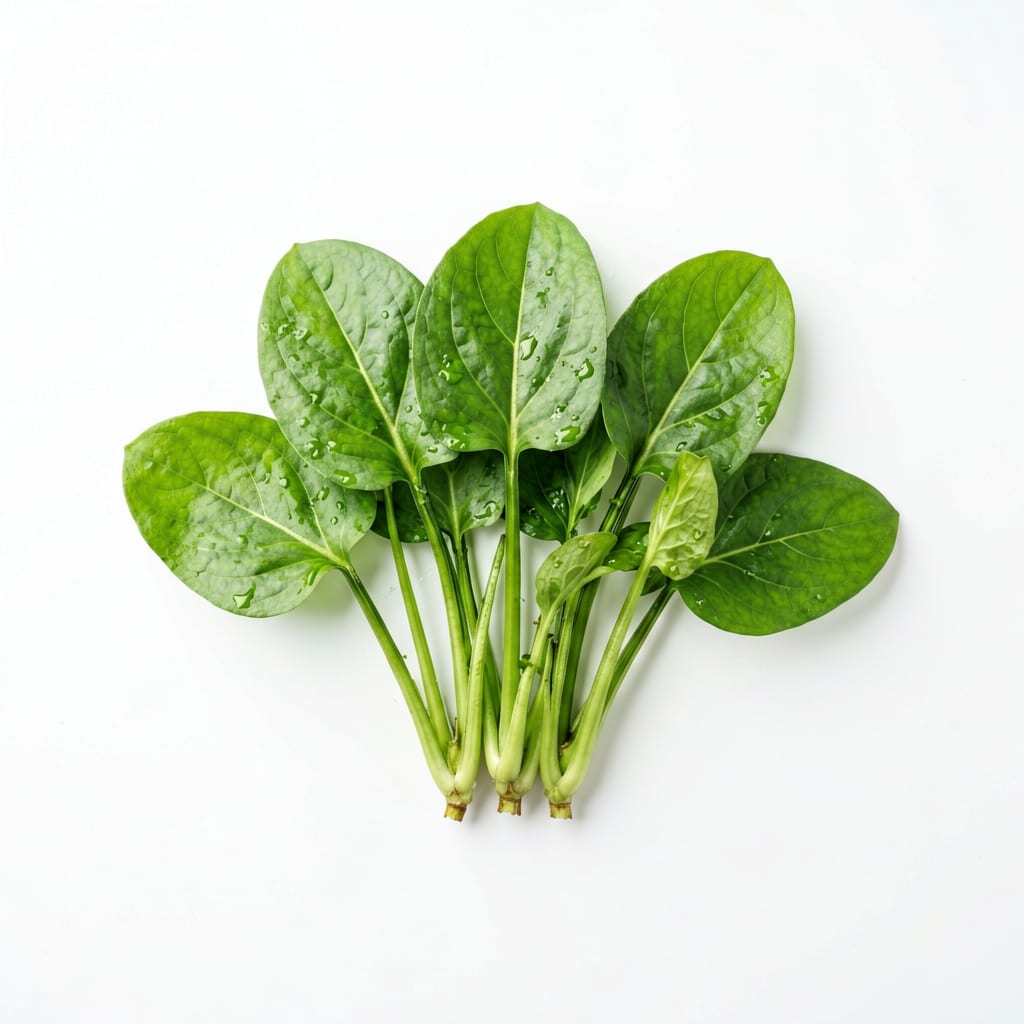
Water Spinach
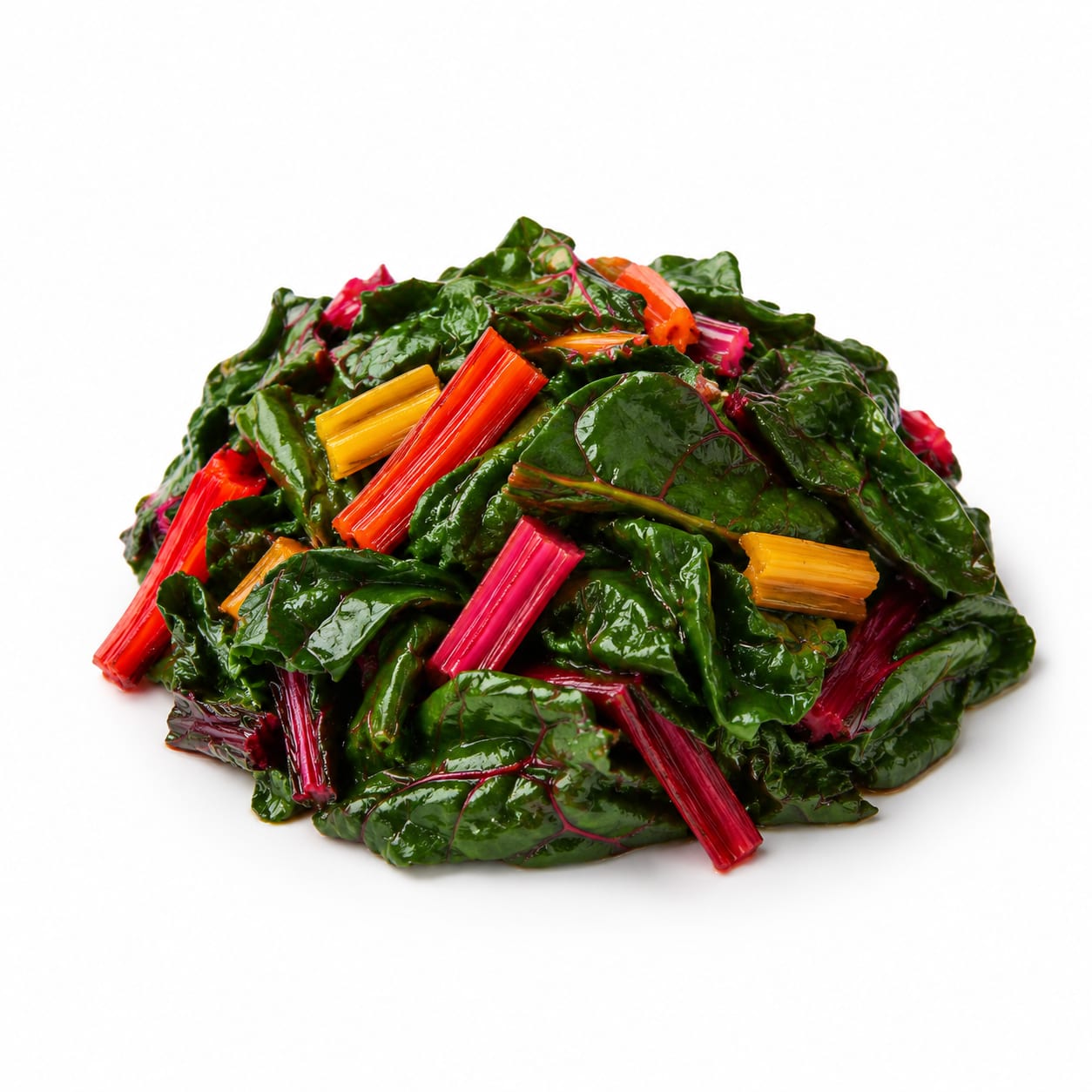
Swiss Chard
Swiss Chard delivers higher overall nutrient density and is safer from contamination, but Water Spinach is the better choice if you are oxalate-sensitive or prone to kidney stones.
Swiss Chard scores higher due to superior nutrient density and cleaner safety profile, but Water Spinach stays competitive thanks to its low oxalate advantage and digestibility. The gap reflects Swiss Chard's broader reliability rather than a landslide win.
Swiss Chard gives you more minerals and antioxidants per bite, while Water Spinach gives you a gentler, lower-oxalate green with less kidney stone risk but requires more careful sourcing.
At a glance
Executive summary
Overall
It depends
Healthier
Swiss Chard
More practical
Swiss Chard
Daily use
Swiss Chard
Key comparison lenses
nutrient density comparison between leafy greens
Both are nutrient-packed greens but with different mineral and vitamin profiles that matter for daily nutrition choices
safety and contamination risk assessment
Water Spinach grows in aquatic environments raising legitimate heavy metal and parasite concerns that Swiss Chard avoids
oxalate and kidney stone risk
Swiss Chard is notably high in oxalates which is a real concern for susceptible individuals, while Water Spinach is significantly lower
mineral bioavailability especially iron
Both greens are touted for iron content but actual absorption differs due to oxalate interference and preparation methods
culinary and cultural accessibility
Availability and cooking traditions differ substantially between these greens, affecting real-world adoption
Best choice for
Water Spinach
- People prone to kidney stones or oxalate sensitivity
- Those seeking a lighter, more digestible green for frequent consumption
- Cooking Southeast Asian dishes where authenticity matters
- Anyone wanting high vitamin A with minimal oxalate load
Swiss Chard
- People prioritizing maximum nutrient density per calorie
- Those wanting strong bone support from vitamin K and magnesium
- Anyone seeking blood sugar regulation benefits
- Mediterranean and Western recipe integration
Least suitable for
Water Spinach
- People concerned about waterborne contamination or heavy metals
- Those without access to reliable, clean-sourced Water Spinach
- Anyone on blood thinners needing consistent vitamin K intake
Swiss Chard
- People with a history of calcium oxalate kidney stones
- Those with severe oxalate sensitivity or gut issues triggered by high-oxalate foods
- Anyone who struggles to cook greens properly to reduce oxalate content
Deep comparison
Dimension by dimension
Each lens scores both foods and breaks down who each option suits.
- Dimension 1 · Priority 95Swiss Chard
Nutrient Density
Water Spinach · 70Swiss Chard · 92Swiss Chard packs more vitamins and minerals per serving, especially magnesium, potassium, and vitamin K.
Tradeoff
Water Spinach is no slouch but delivers less total mineral content, particularly magnesium and potassium.
Why it matters
Higher nutrient density means you get more health benefits from each plate, which adds up significantly over months of regular consumption.
Real-world impact
A single serving of Swiss Chard covers over 300% of your vitamin K needs and nearly half your magnesium, while Water Spinach covers less of both.
Water Spinach
- Getting vitamin A efficiently with lower oxalate baggage
Better for
- Those relying on one green as their primary mineral source
Worse for
Swiss Chard
- Maximizing mineral intake from a single vegetable
- Supporting bone density through high vitamin K and magnesium
- Getting more nutritional value per calorie consumed
Better for
- People who cannot tolerate high oxalate loads
Worse for
- Dimension 2 · Priority 88Water Spinach
Oxalate Load and Kidney Health
Water Spinach · 85Swiss Chard · 35Water Spinach has dramatically lower oxalate levels, making it far safer for anyone concerned about kidney stones.
Tradeoff
Swiss Chard is one of the highest-oxalate vegetables available, which is a serious drawback for susceptible people despite its other nutrients.
Why it matters
High oxalate intake can contribute to kidney stones and may interfere with mineral absorption, which undermines some of Swiss Chard's nutritional advantages.
Real-world impact
If you have ever passed a kidney stone, Swiss Chard should be eaten cautiously and always cooked, while Water Spinach is much less risky.
Water Spinach
- Anyone with a history of calcium oxalate kidney stones
- People with gut issues that worsen with high-oxalate foods
- Those wanting to absorb more calcium and iron from their greens
Better for
- No significant downside here — low oxalate is universally safer
Worse for
Swiss Chard
- People with no oxalate sensitivity who want maximum antioxidant benefit
Better for
- Kidney stone formers should limit or avoid Swiss Chard
- People taking high-dose calcium supplements may experience poor absorption
Worse for
- Dimension 3 · Priority 90Swiss Chard
Safety and Contamination Risk
Water Spinach · 50Swiss Chard · 88Swiss Chard grows in standard soil conditions with well-regulated farming, while Water Spinach's aquatic habitat raises contamination concerns.
Tradeoff
Water Spinach can accumulate heavy metals and harbor parasites from the water it grows in, requiring careful sourcing and thorough cooking.
Why it matters
Contamination risk is not theoretical — Water Spinach has been flagged for lead and cadmium in regions with polluted waterways.
Real-world impact
Buying Swiss Chard from any grocery store is generally safe. Buying Water Spinach requires trusting your source, especially if imported.
Water Spinach
- No significant safety advantage over Swiss Chard
Better for
- People in regions with questionable water quality for cultivation
- Anyone eating raw or lightly cooked Water Spinach from unknown sources
Worse for
Swiss Chard
- Consistent safety regardless of source
- No parasite risk from aquatic growing conditions
- Lower heavy metal accumulation risk
Better for
- Pesticide residue is a minor concern but comparable to any conventionally grown green
Worse for
- Dimension 4 · Priority 78Swiss Chard
Antioxidant Profile
Water Spinach · 68Swiss Chard · 88Swiss Chard contains unique betalain pigments alongside standard carotenoids, giving it a broader antioxidant spectrum.
Tradeoff
Water Spinach offers solid antioxidant carotenoids and flavonoids but lacks the distinctive betalains that make Swiss Chard special.
Why it matters
Betalains have been linked to anti-inflammatory and liver-protective effects that go beyond what typical green vegetables offer.
Real-world impact
Regularly eating Swiss Chard gives your body a wider variety of protective compounds, which is more beneficial than relying on a single antioxidant type.
Water Spinach
- Still provides meaningful antioxidant protection from carotenoids
Better for
- Less diverse antioxidant coverage compared to Swiss Chard
Worse for
Swiss Chard
- Unique betalain compounds for inflammation support
- Broader spectrum of protective plant compounds
- Better support for liver and detoxification pathways
Better for
- Betalains can be lost with excessive boiling
Worse for
- Dimension 5 · Priority 80Water Spinach
Digestive Tolerance
Water Spinach · 82Swiss Chard · 55Water Spinach is gentler on the digestive system thanks to its lower oxalate content and softer fiber profile when cooked.
Tradeoff
Swiss Chard's high oxalate and tougher fibrous ribs can cause discomfort for sensitive individuals, especially if undercooked.
Why it matters
A vegetable you digest comfortably is one you will actually eat regularly, which matters more than theoretical nutrient content.
Real-world impact
Water Spinach tends to feel lighter in the stomach and less likely to cause bloating, while Swiss Chard can feel heavy if not cooked thoroughly.
Water Spinach
- People with sensitive digestion or IBS tendencies
- Those who find high-oxalate greens cause stomach discomfort
- Anyone wanting a lighter side dish that does not feel heavy
Better for
- Minimal digestive downsides when properly cooked
Worse for
Swiss Chard
- People with robust digestion who tolerate high-fiber, high-oxalate foods well
Better for
- Can cause bloating or discomfort in oxalate-sensitive people
- Tough stems require longer cooking to become digestible
Worse for
- Dimension 6 · Priority 72Swiss Chard
Availability and Convenience
Water Spinach · 40Swiss Chard · 85Swiss Chard is widely available in most grocery stores year-round, while Water Spinach is harder to find outside Asian markets.
Tradeoff
Water Spinach's limited availability restricts it to specialty stores and Asian groceries, making consistent access difficult for most people.
Why it matters
The healthiest green is the one you can actually buy and eat regularly, not the one that sounds best on paper.
Real-world impact
Most people can grab Swiss Chard at any supermarket. Finding fresh Water Spinach often requires a trip to a specialty store or farmers market.
Water Spinach
- People living near Asian grocery stores with reliable supply
Better for
- Rural or suburban areas without Asian markets
- Anyone wanting to meal-plan around reliable availability
Worse for
Swiss Chard
- Anyone shopping at standard grocery stores
- People who want consistent year-round access
- Those who value convenience in meal planning
Better for
- Minimal availability concerns in most markets
Worse for
Timeline
Health impact over time
Short-term
Hours to days
Water Spinach
- Quick hydration from high water content
- Mild digestive comfort with low bloating risk
- Satisfying light vegetable side that does not feel heavy after meals
Swiss Chard
- Noticeable nutrient boost especially in magnesium and potassium
- Potential stomach discomfort if eaten raw or undercooked by sensitive individuals
- Stronger feeling of having eaten something substantial and mineral-rich
Long-term
Months to years
Water Spinach
- Lower risk of kidney stone formation with regular consumption
- Consistent vitamin A intake supporting eye and skin health
- Potential heavy metal exposure if sourced from contaminated water over time
Swiss Chard
- Improved bone density from high vitamin K and magnesium intake
- Better blood sugar regulation from magnesium and fiber content
- Increased kidney stone risk in susceptible individuals with frequent consumption
Risk profile
Safety & processing
Both greens are whole, minimally processed vegetables with no additive concerns. The key difference is environmental exposure during growth, not processing.
Water Spinach
Heavy metal contamination
mediumWater Spinach grows in water and can accumulate lead, cadmium, and arsenic from polluted sources. Sourcing from clean farms is essential.
Parasite exposure
mediumAquatic environments can harbor parasites like Fasciolopsis. Thorough cooking eliminates this risk, but raw consumption is dangerous.
Inconsistent regulation
lowImported Water Spinach may come from regions with less stringent agricultural water quality standards.
Swiss Chard
High oxalate content
mediumSwiss Chard contains very high levels of oxalates that can contribute to kidney stones in susceptible people. Boiling and discarding the water reduces this significantly.
Pesticide residue
lowLike all leafy greens, Swiss Chard can carry pesticide residue. Washing thoroughly or choosing organic mitigates this.
Who wins for whom
Audience fit
Same foods, different winners depending on your goal.
children
Swiss ChardSwiss Chard is easier to source safely and provides more bone-building vitamin K and magnesium for growing bodies, assuming no oxalate sensitivity.
daily consumption
Swiss ChardSwiss Chard's wider availability, superior nutrient density, and cleaner safety profile make it more reliable for daily use, provided you tolerate oxalates well.
diabetes
Swiss ChardSwiss Chard's higher magnesium content supports insulin sensitivity, and its fiber helps stabilize blood sugar more effectively.
elderly
It dependsSwiss Chard supports bone density better, but Water Spinach is gentler on aging digestive systems and safer for elderly prone to kidney stones.
muscle gain
Swiss ChardSwiss Chard provides more magnesium and potassium, both critical for muscle function and recovery, though neither green is a primary protein source.
weight loss
Swiss ChardSwiss Chard's higher fiber and mineral content provides more satiety per calorie, helping control hunger better during calorie restriction.
Your move
Decision guide
Choose Water Spinach
- You have a history of kidney stones or oxalate sensitivity
- You want a lighter, easier-to-digest green for frequent meals
- You have access to clean, trusted sources of Water Spinach
- You cook Southeast Asian cuisine regularly and want authentic flavor
Choose Swiss Chard
- You want maximum nutrient density from your greens
- You have no oxalate concerns and want the strongest nutritional payoff
- You value easy grocery store availability and consistency
- You want unique anti-inflammatory benefits from betalains
Either works if
- You simply want more variety in your leafy green rotation
- You are generally healthy with no specific kidney or digestive concerns
- You enjoy cooking and want to explore different flavor profiles
Avoid both if
- You are on blood thinners like warfarin and cannot maintain consistent vitamin K intake
- You have severe leafy green allergies or sensitivities
Final recommendation
Eat Swiss Chard as your default green for its nutrient density and easy access, but rotate in Water Spinach when you can source it cleanly — especially if you are oxalate-sensitive. Variety between these two gives you the best of both worlds: Swiss Chard's mineral richness and Water Spinach's kidney-friendly profile. Always cook Water Spinach thoroughly, and boil Swiss Chard then discard the water if oxalates concern you.
Practical
Consumer tips
- 1
Boil Swiss Chard for 2-3 minutes and drain the water to remove up to 60% of its oxalates before using in recipes
- 2
Always cook Water Spinach thoroughly — never eat it raw due to parasite risk
- 3
Source Water Spinach from reputable Asian grocers who can confirm clean growing conditions
- 4
Swiss Chard stems take longer to cook than leaves — start stems first for even texture
- 5
Both greens pair well with garlic and a splash of vinegar or lemon juice, which can improve iron absorption
- 6
If you have kidney stones, Water Spinach is the safer everyday green — Swiss Chard should be an occasional treat
- 7
Frozen Swiss Chard retains most nutrients and is a convenient option when fresh is unavailable