
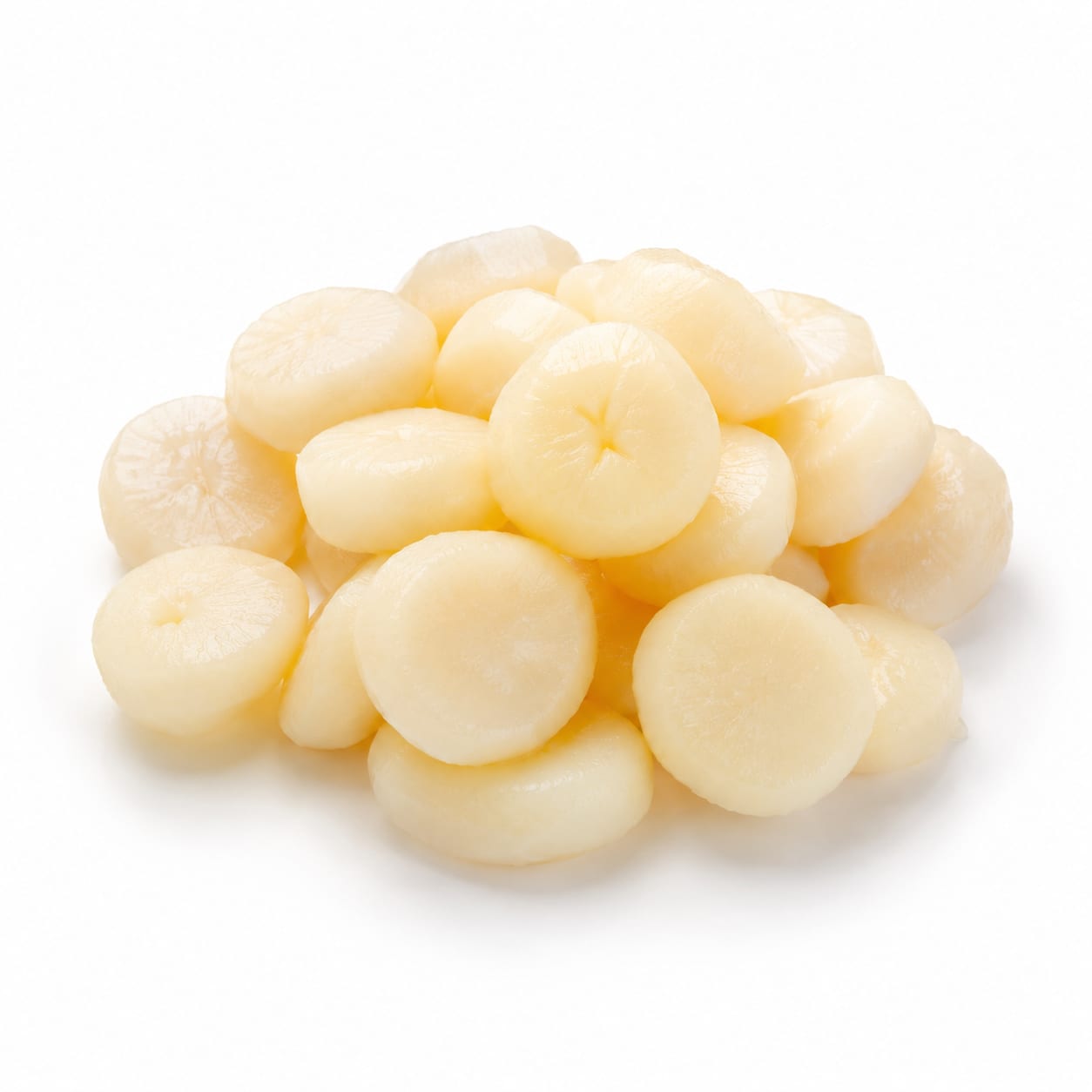
Aquatic Vegetable
Water Chestnut
A crisp, mildly sweet aquatic vegetable that retains its crunch when cooked.
A grass-like aquatic plant cultivated for its edible corms, known for a crisp texture and mild, slightly sweet flavor that remains distinct even after cooking.
high-water starchy vegetable
Typical serving · 100g
Common varieties · Chinese water chestnut, European water chestnut, Indian water chestnut, Taiwanese water chestnut
Overall context score across nutrition, safety, and diet fit
At a glance
Quick facts
Simple indicators based on nutrition, processing, and diet fit.
The story
What makes it unique
Water chestnuts (Eleocharis dulcis) are starchy aquatic corms composed mostly of water and complex carbohydrates. They digest at a moderate pace due to their fiber content, which slows glycemic impact. Their cell walls contain ferulic acid cross-links, preventing breakdown during cooking and maintaining their signature crunch. Macronutrient profile is dominated by carbs with negligible fat and low protein.
Varieties: Chinese water chestnut · European water chestnut · Indian water chestnut · Taiwanese water chestnut
Per 100g
Nutrition breakdown
Macro balance and key metrics at a glance.
Energy
Density 0.97 kcal/g
Protein
Carbs
Fat
Fiber
Sugar
4.8 g
Sodium
14 mg
Potassium
584 mg
Glycemic index
60
Glycemic load
14
Water content
74%
Standout compounds
Nutrient highlights
Potassium
highSupports healthy blood pressure and fluid balance
Copper
moderateEssential for iron metabolism and energy production
Fiber
moderatePromotes digestive regularity and feeds gut bacteria
Vitamin B6
moderateSupports brain health and amino acid metabolism
Ferulic acid
highAntioxidant properties that preserve cell wall structure during cooking
Wellness map
Health scores & processing
NOVA processing scale
minimally processed · Whole food
Fresh water chestnuts are whole, unprocessed raw corms. Canned versions are processed for preservation but remain minimally processed.
Diet compatibility
- Weight loss
- Muscle gain
- Diabetes
- Gut health
- Low carb
- High protein
- Heart health
Relative standing
Food rankings
Qualitative ranks compared to similar whole foods.
- Satietymoderate
- Blood sugarmoderate
- Nutrient densitymoderate
- Fitness fuelmoderate
- Processing qualityexcellent
Eat with confidence
Food safety profile
Fresh water chestnuts grow in mud and can harbor parasites; peeling and cooking eliminates this risk. Canned versions are safe but may contain added sodium.
Evidence confidence 85%
- Pesticideslow
- Antibioticslow
- Heavy metalsmoderate
- Contaminationmoderate
Watch for
- Fasciolopsis buski (intestinal fluke)
- sediment bacteria
- heavy metals from water runoff
Safer choices
Thoroughly washed, peeled, and cooked fresh corms, or BPA-free canned versions.
Prep tips
Scrub thoroughly under running water, peel the skin completely, and cook before eating to kill potential aquatic parasites.
Freshwater parasite risk in endemic regions requires proper food safety warnings.
Deep dive
Health analysis
How this food may fit different goals and preparation choices.
Weight loss
Low energy density and high water content support volume eating, though carbohydrate content is higher than non-starchy vegetables.
Blood sugar
Moderate glycemic index means it raises blood sugar more steadily than potatoes, but portion control is needed for diabetics.
Fitness & energy
Provides starchy carbohydrates for sustained energy but lacks the protein needed for muscle recovery.
Gut health
Contains insoluble fiber that supports bowel regularity and acts as a prebiotic for gut bacteria.
Processing quality
Fresh is a whole food; canned versions lose some nutrients and add sodium but remain minimally processed.
Food safety
Must be peeled and cooked to eliminate the risk of freshwater parasites like intestinal flukes.
Common mistakes
Eating raw fresh water chestnuts due to parasite risk; assuming canned versions are low in sodium.
Best preparation
Peel and stir-fry, boil, or roast. Avoid eating raw from unknown freshwater sources.
Practical guide
Best use cases
When and how this food fits real eating patterns.
Stir-fry crunch addition
Maintains crisp texture during high-heat cooking, adding a satisfying crunch to Asian stir-fries.
Low-fat carb source
Provides starchy energy with virtually zero fat for those monitoring lipid intake.
Potassium boost
Offers a significant amount of potassium to help meet daily electrolyte needs.
Balance sheet
Pros & cons
Upsides
- Unique crunch that survives cooking
- High in potassium for heart health
- Very low in fat
- Good source of prebiotic fiber
- Versatile in savory dishes
Trade-offs
- Moderate to high carbohydrate content
- Fresh raw corms carry parasite risk
- Canned versions are high in sodium
- Not suitable for strict low-carb diets
Fit check
Who is it for?
Great match
- stir-fry and Asian cooking
- volume eating on moderate carb diets
- potassium supplementation
Consider alternatives
- strict ketogenic diets
- low-sodium diets if using canned
- raw food diets due to parasite risk
Side by side
How it compares
Open the full head-to-head analysis for nutrition, safety, and practical tradeoffs.
This food
Water Chestnut
VS85% alike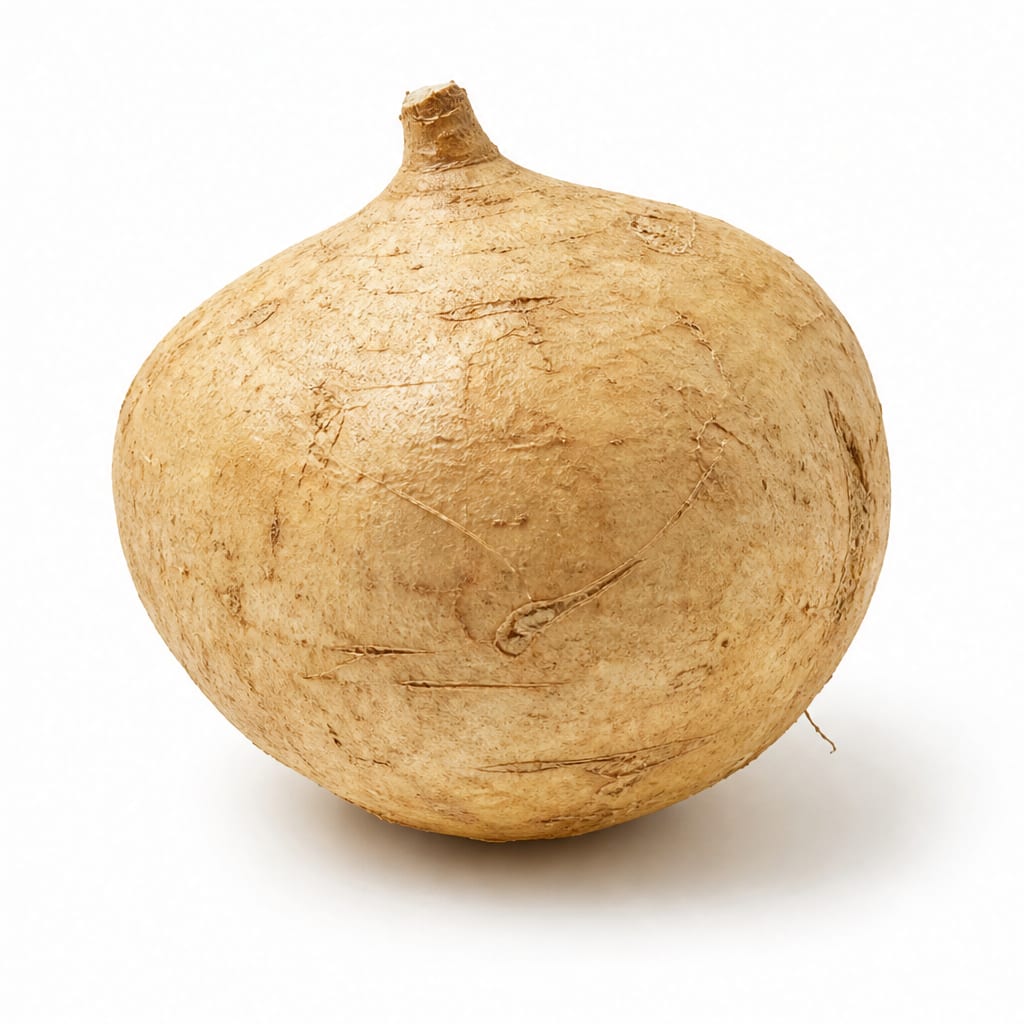
Compare with
Jicama
Jicama is lower in calories and carbs, making it better for weight loss, while water chestnut provides more potassium.
Jicama is lower in calories and carbs, while water chestnuts offer more potassium and starch for energy.
This food
Water Chestnut
VS80% alike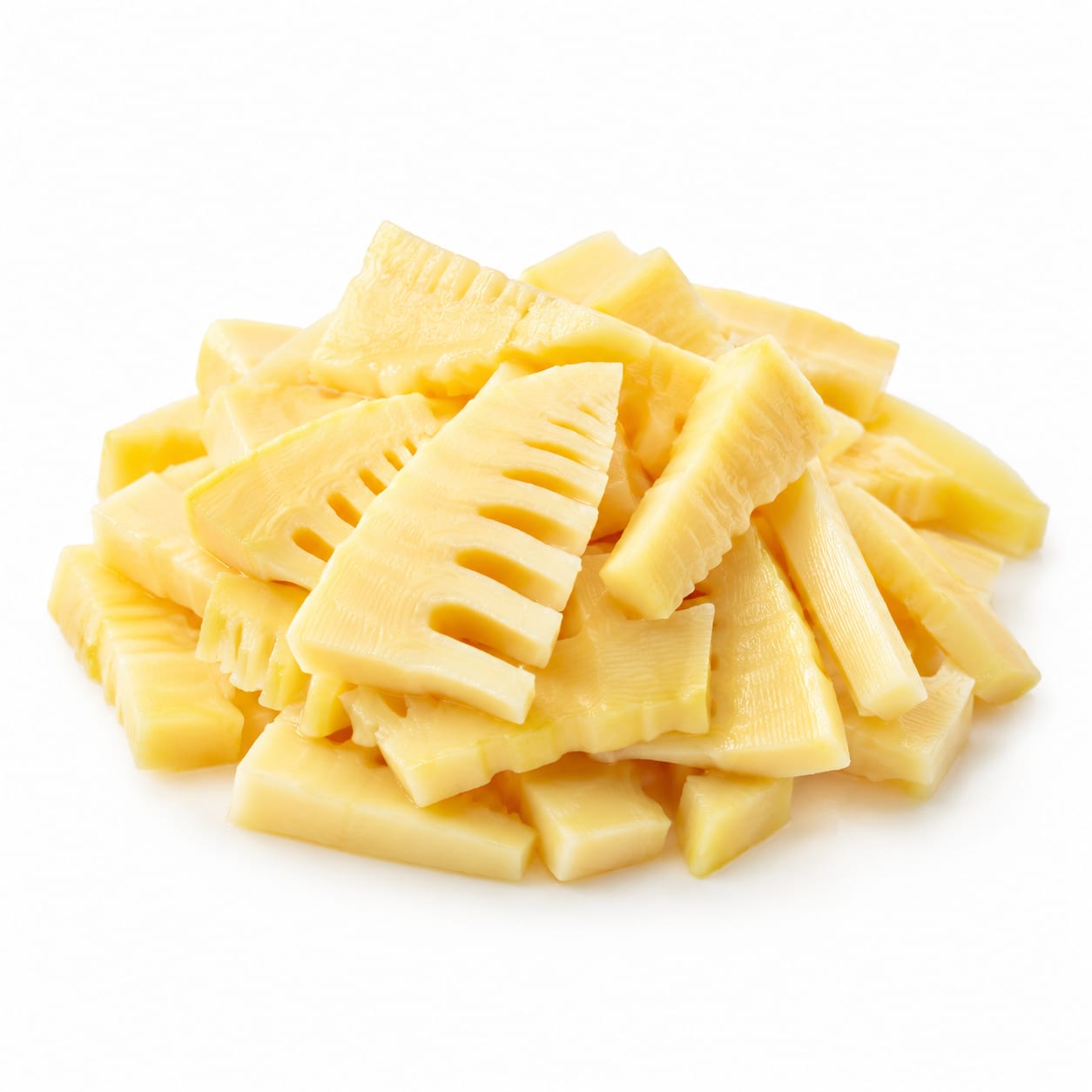
Compare with
Bamboo Shoots
Bamboo shoots are much lower in calories and carbs, winning for weight loss, while water chestnuts are starchier.
Bamboo shoots are lower in calories and carbs, whereas water chestnuts provide more energy and crunch when cooked.
This food
Water Chestnut
VS70% alike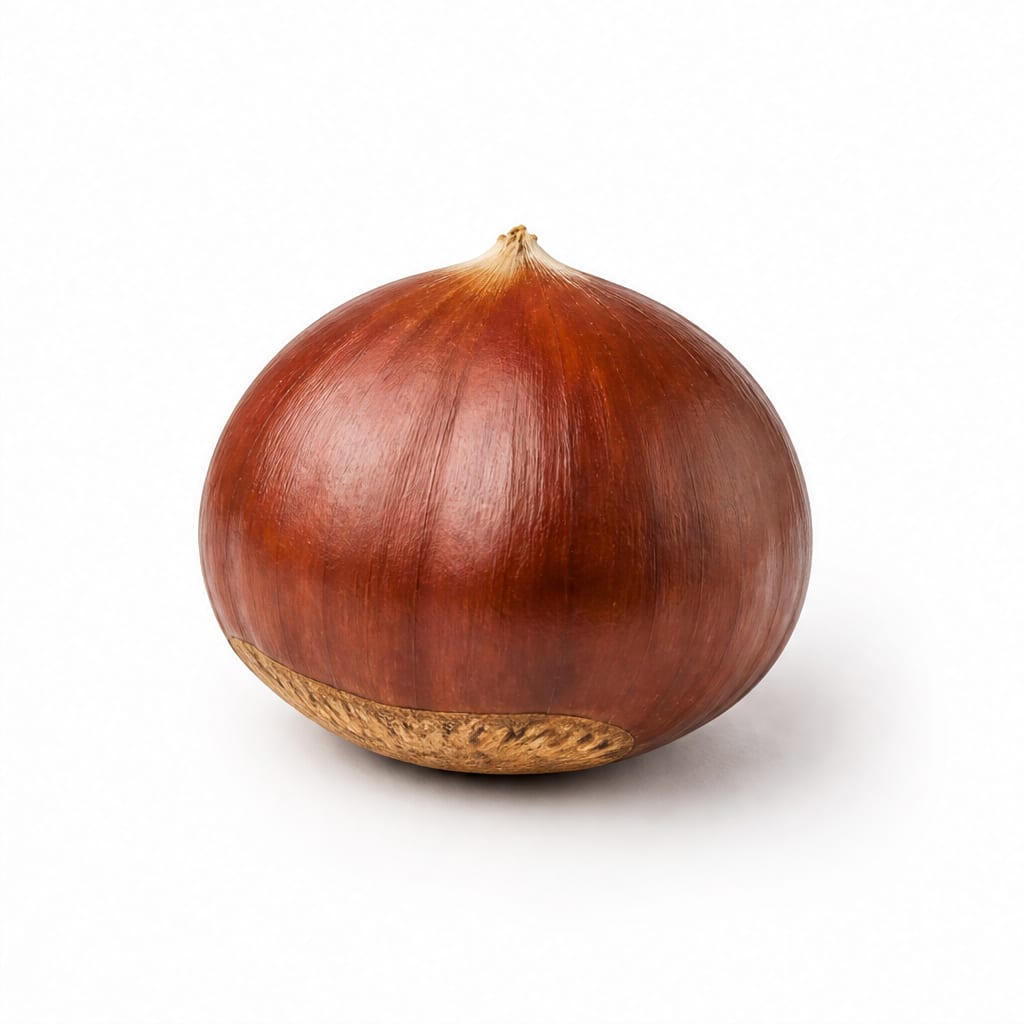
Compare with
Chestnut
Tree chestnuts are much higher in calories, fiber, and vitamin C, while water chestnuts are lower in calories and higher in water.
Tree chestnuts are denser in calories and fiber, while water chestnuts are lighter and much lower in calories.
This food
Water Chestnut
VS75% alike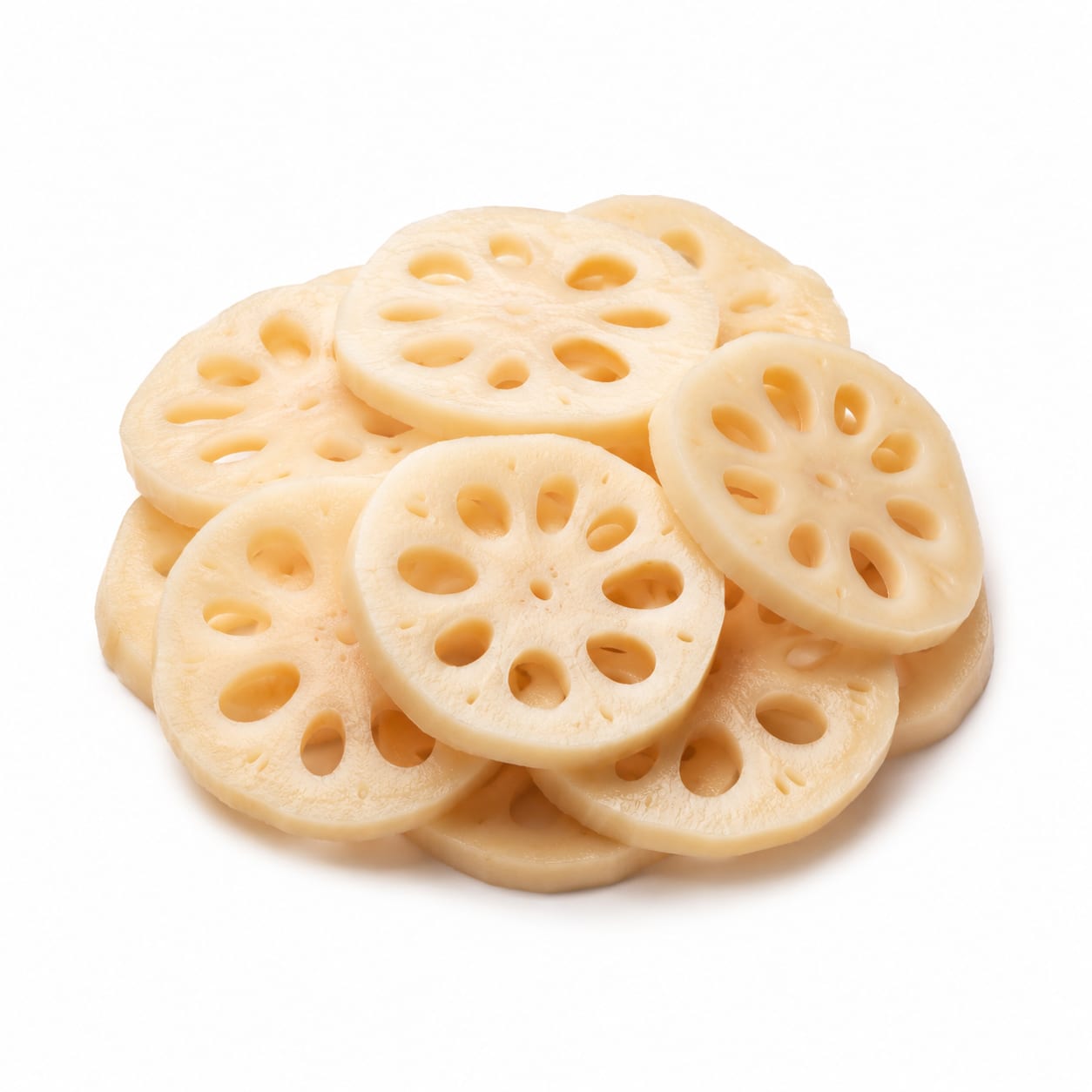
Compare with
Lotus Root
Lotus root is higher in vitamin C and fiber, while water chestnut is lower in calories and slightly higher in potassium.
Lotus root offers more fiber and vitamin C, while water chestnuts are lower in calories and starchier.
This food
Water Chestnut
VS65% alike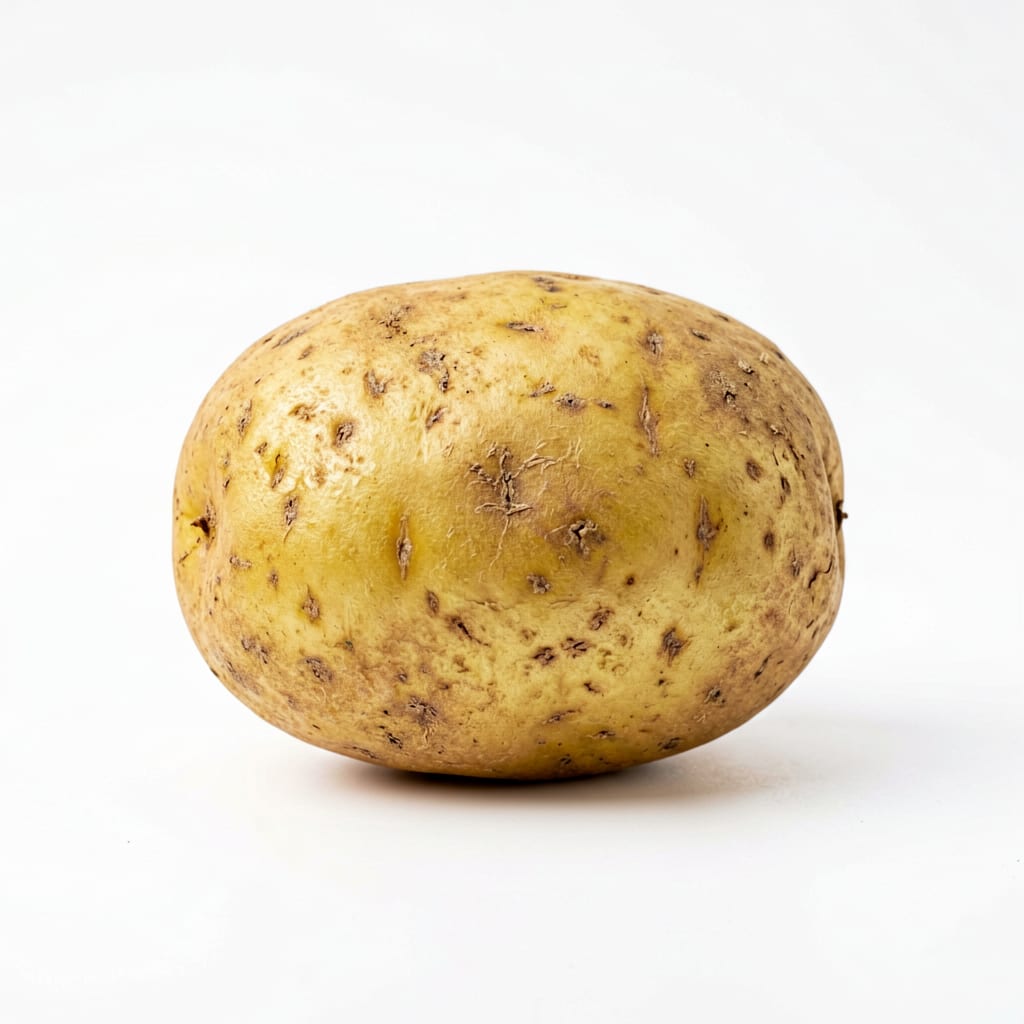
Compare with
Potato
Potatoes are higher in protein and satiety, but water chestnuts have a lower glycemic index and more potassium per calorie.
Potatoes provide more satiety and protein, while water chestnuts offer a lower calorie, crunchier alternative.
This food
Water Chestnut
VS60% alike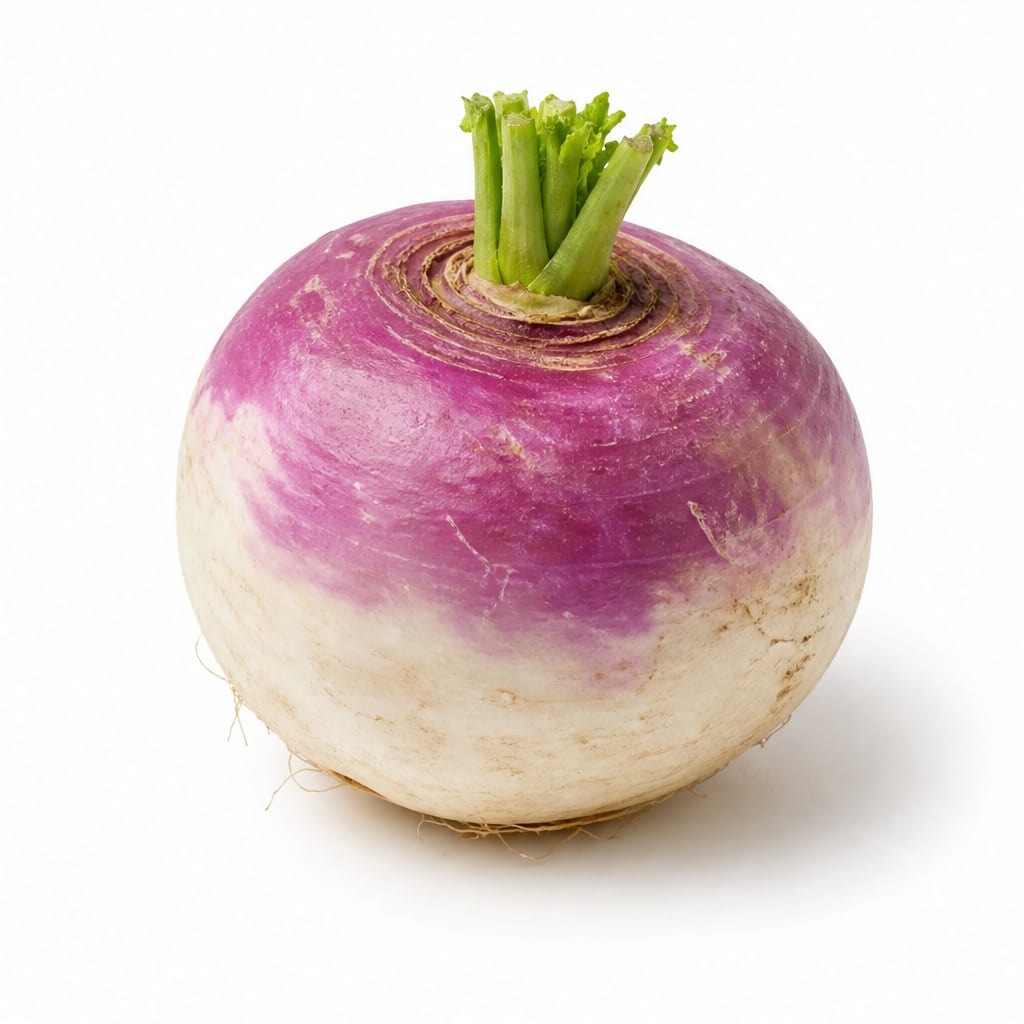
Compare with
Turnip
Turnips are much lower in carbs and calories, making them better for low-carb diets, while water chestnuts are starchier.
Turnips are far lower in carbs and calories, while water chestnuts provide more quick energy and a unique crunch.
This food
Water Chestnut
VS65% alike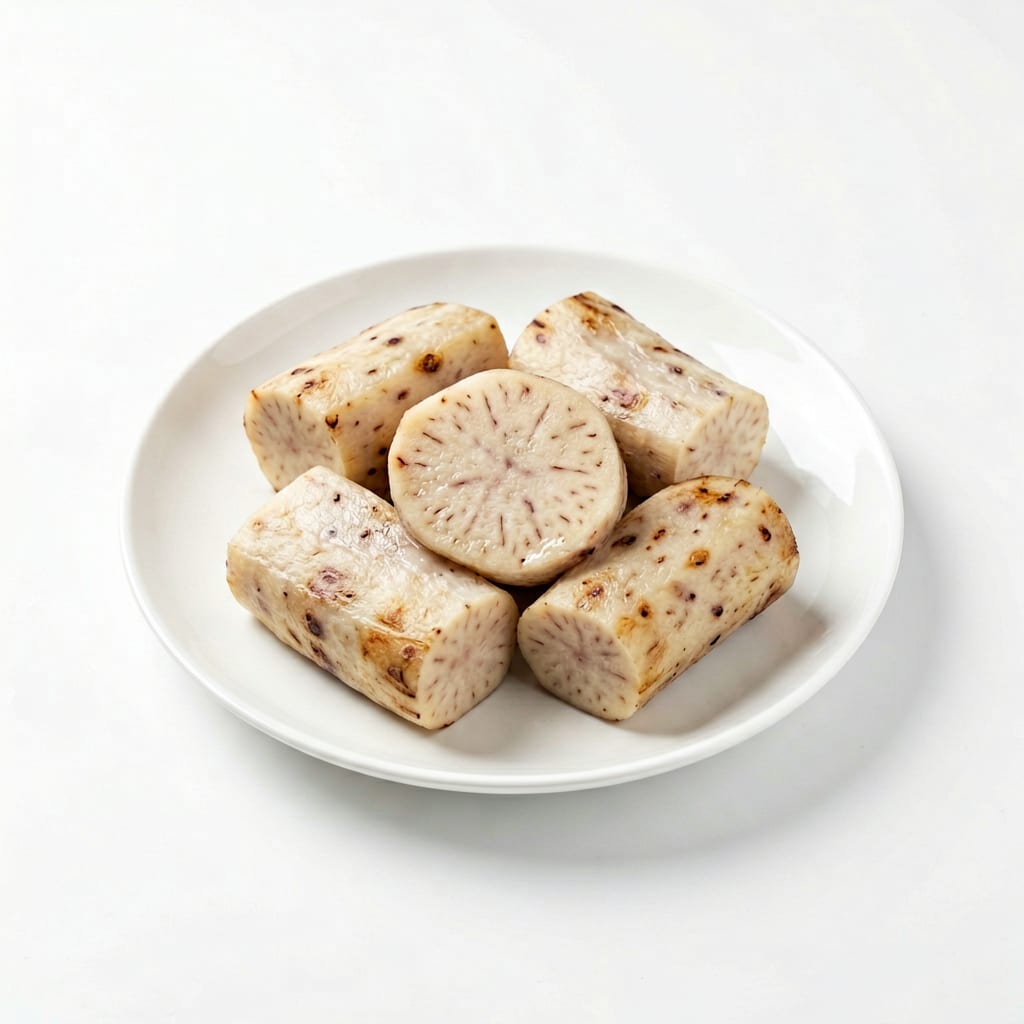
Compare with
Taro
Taro is higher in calories and fiber, while water chestnut is lower in energy density and provides more crunch.
Taro is denser in calories and fiber, while water chestnuts are lighter and maintain a crisp texture when cooked.
This food
Water Chestnut
VS60% alike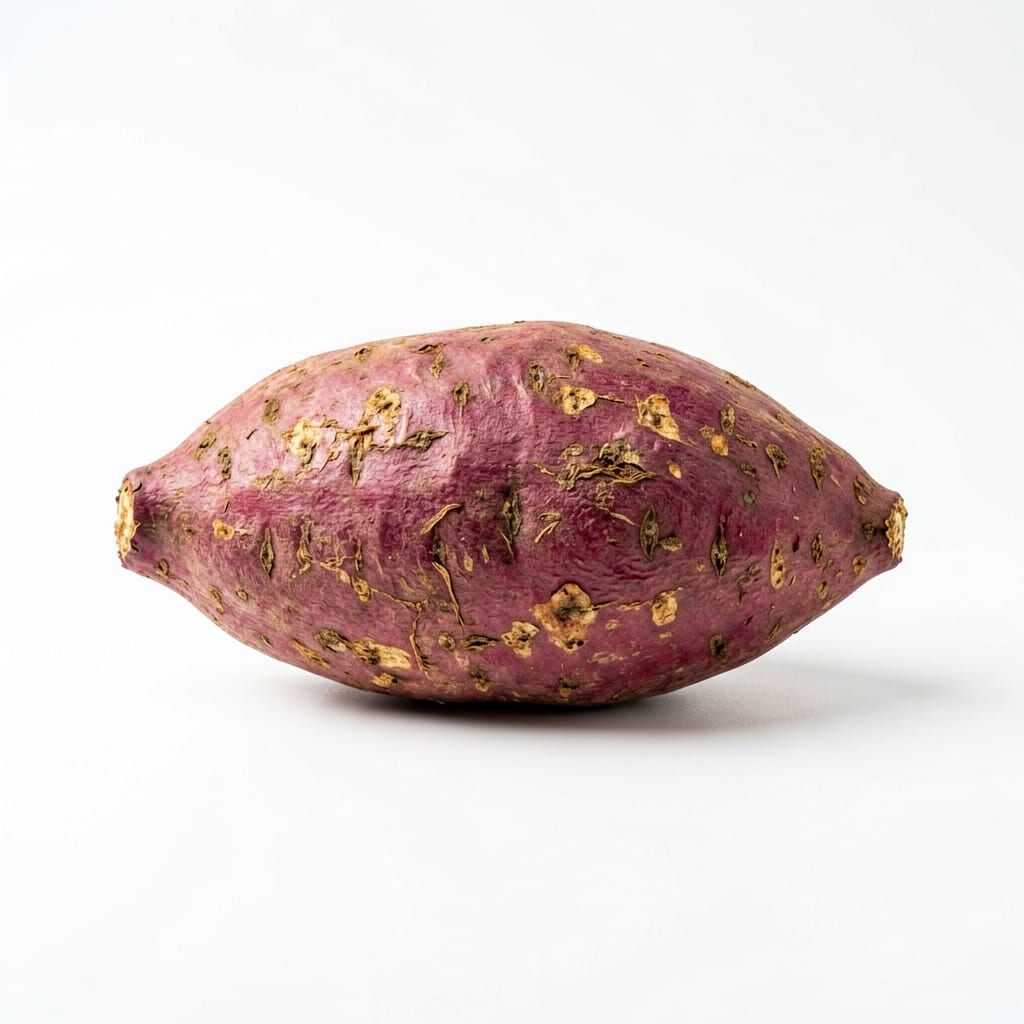
Compare with
Sweet Potato
Sweet potatoes are richer in vitamins A and C, while water chestnuts are lower in calories and have a crunchy texture.
Sweet potatoes offer far more vitamin A and satiety, while water chestnuts are lower in calories and crunchier.
This food
Water Chestnut
VS55% alike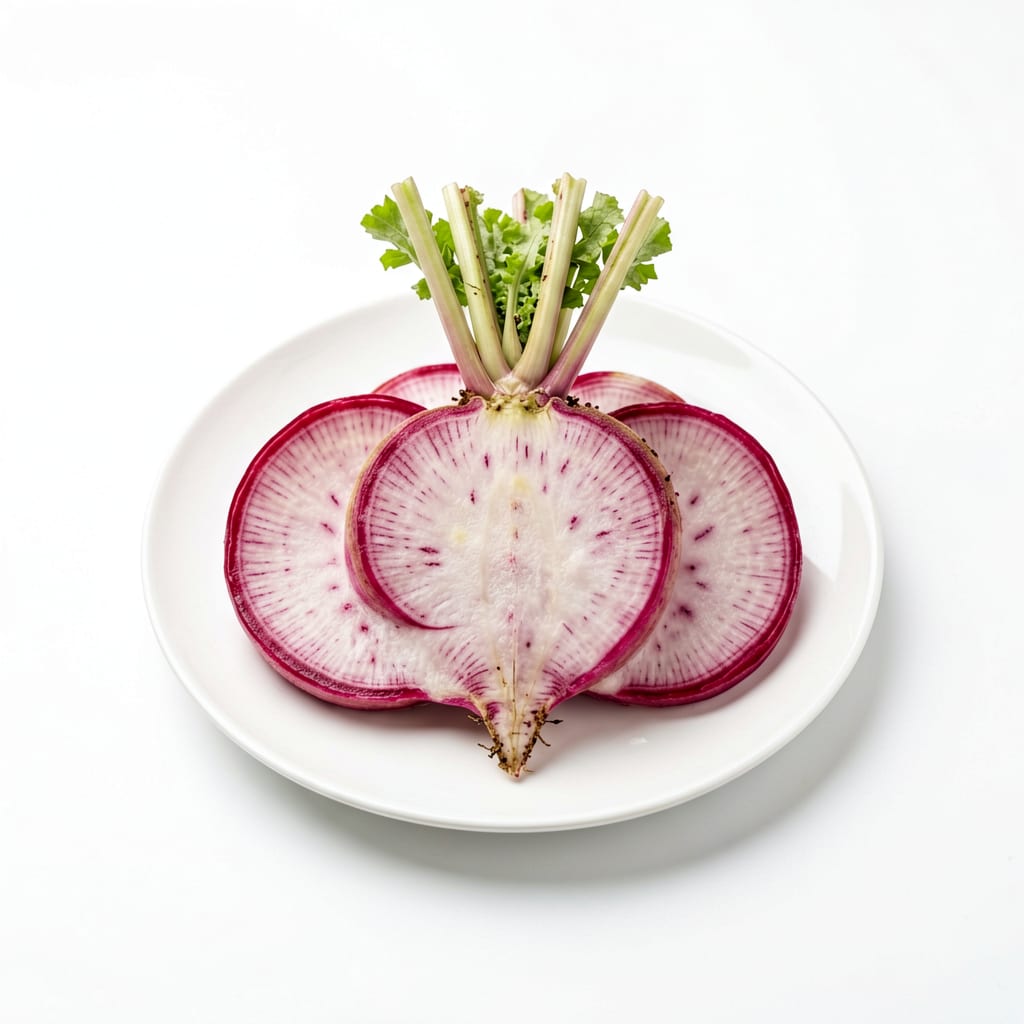
Compare with
Radish
Radishes are very low calorie and low carb, while water chestnuts are starchier and provide more potassium.
Radishes are much lower in calories and carbs, while water chestnuts offer more starch and potassium.
This food
Water Chestnut
VS90% alike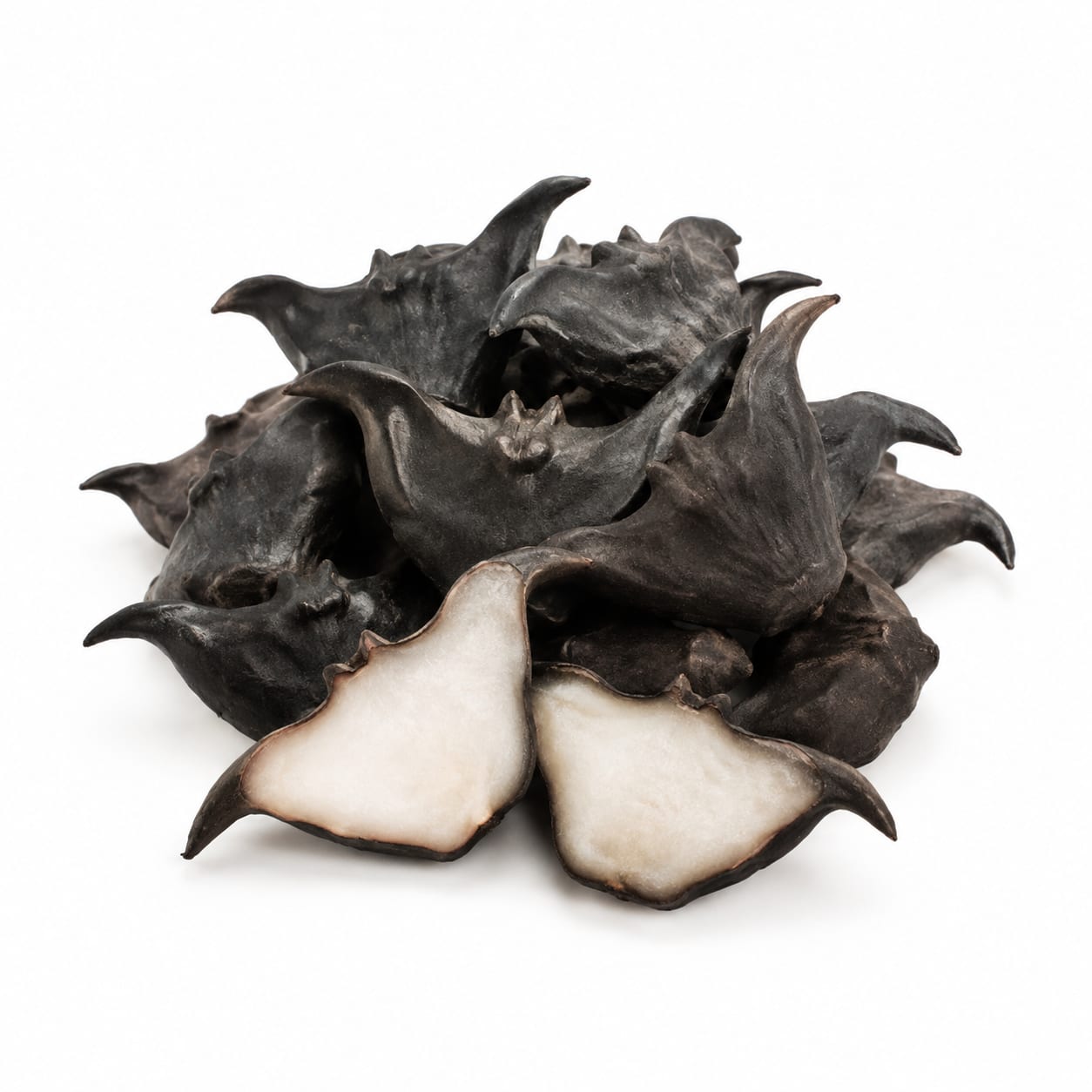
Compare with
Water Caltrop
Water caltrop is often higher in starch and must be cooked thoroughly, while water chestnut is more commonly eaten for its tender crunch.
Water caltrop is starchier and tougher, while water chestnuts are lighter, sweeter, and prized for their crunch.
Common questions
FAQ
Answers aligned with how people search for this food.
Are water chestnuts good for weight loss?
Yes, they are low in fat and have high water content, making them a good volume-eating carb source, though they are higher in calories than leafy greens.
Can diabetics eat water chestnuts?
In moderation. They contain moderate carbohydrates and have a medium glycemic index, so portion control is important to manage blood sugar.
Can you eat water chestnuts raw?
It is not recommended to eat raw fresh water chestnuts due to the risk of freshwater parasites like Fasciolopsis buski. Canned water chestnuts are safe to eat raw or cooked.
Are water chestnuts keto-friendly?
No, they are too high in carbohydrates to fit into a strict ketogenic diet.
Why do water chestnuts stay crunchy when cooked?
They contain ferulic acid that cross-links their cell wall phenols, preventing the cell walls from breaking down during the cooking process.
What is the difference between water chestnuts and chestnuts?
Water chestnuts are aquatic vegetables with high water content and a crisp texture, while tree chestnuts are tree nuts with high starch density and a soft, mealy texture when cooked.
Do canned water chestnuts have nutritional value?
Yes, but they are higher in sodium and lower in certain water-soluble vitamins compared to fresh ones due to the canning process.
Transparency
Data confidence
Estimated confidence for nutrition data, interpretation, safety notes, and comparisons.
Nutrition data
Health analysis
Food safety
Comparisons