
Nutrition comparison
Water Chestnut vs Sweet Potato: Nutrition, Blood Sugar, and Which to Choose
Compare Water Chestnut and Sweet Potato on nutrition, glycemic impact, satiety, and daily usability. Find out which starchy food is better for your health goals.
Overall winner · Sweet Potato
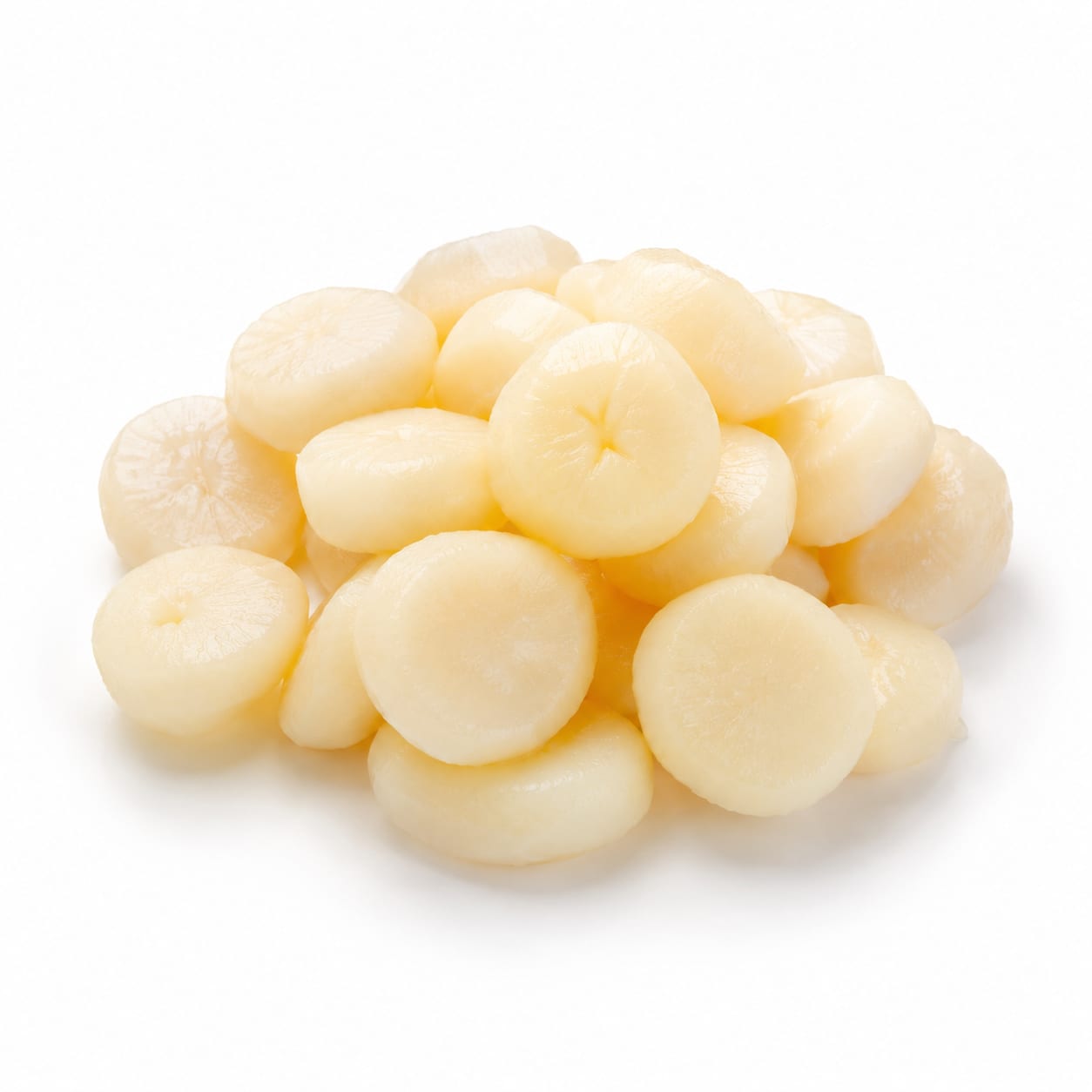
Water Chestnut
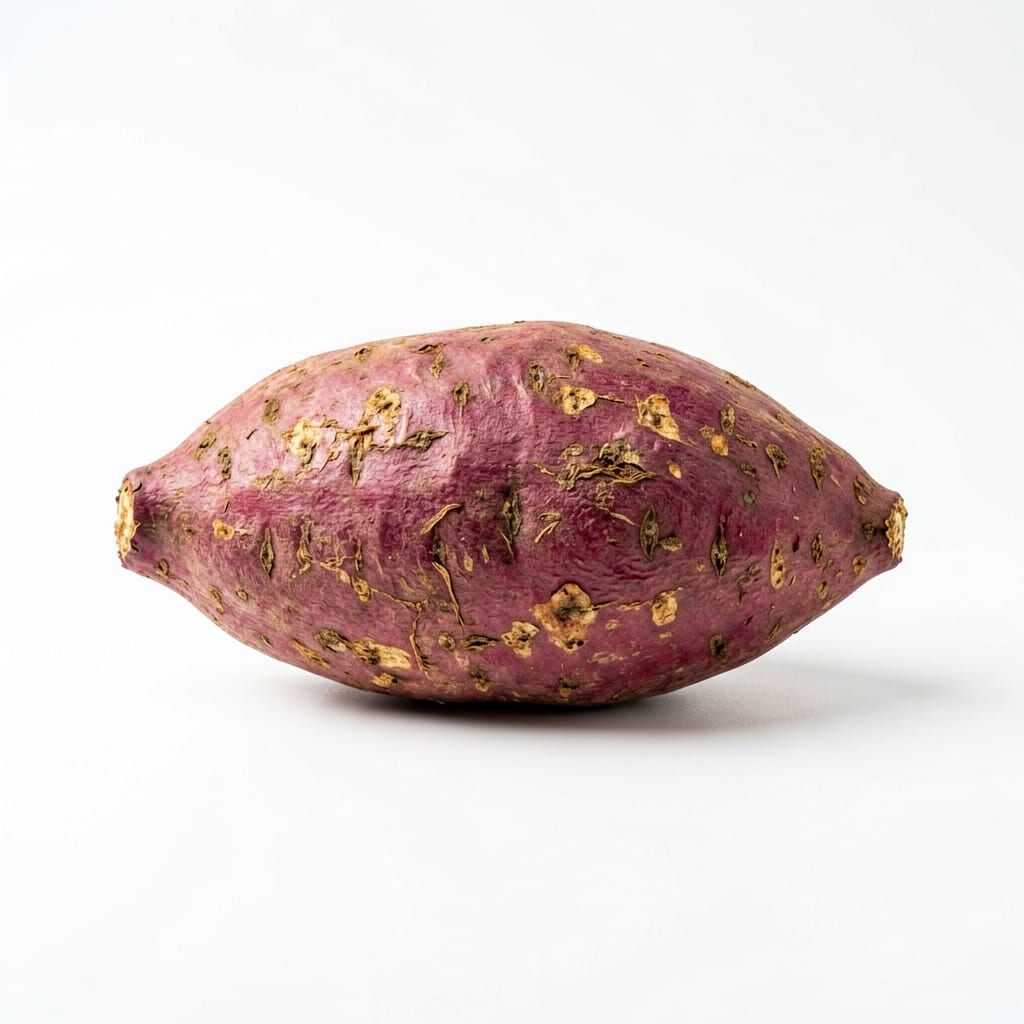
Sweet Potato
Sweet Potato delivers far more nutrition per bite, especially vitamin A and antioxidants, while Water Chestnut offers a lighter, lower-glycemic crunch but comes up short on substance.
Sweet Potato wins convincingly on nutritional density, satiety, and daily utility. Water Chestnut has a niche role as a low-glycemic, low-calorie textural ingredient but cannot compete as a foundational food.
Sweet Potato fuels you with real sustenance and vitamins; Water Chestnut gives you low-calorie volume and steadier blood sugar but little nutritional payoff.
At a glance
Executive summary
Overall
Sweet Potato
Healthier
Sweet Potato
More practical
Sweet Potato
Daily use
Sweet Potato
Key comparison lenses
carbohydrate quality and blood sugar impact
Both are starchy carb sources but with very different glycemic profiles and nutrient density, making this the central tradeoff
vitamin and micronutrient density
Sweet Potato is a nutritional powerhouse with massive vitamin A content while Water Chestnut is relatively micronutrient-poor
weight management and calorie efficiency
Water Chestnut offers more volume per calorie, appealing to those managing intake
culinary role and meal integration
These foods serve very different purposes in meals — one is a crisp accent, the other is a hearty staple
digestive tolerance and gut friendliness
Both are generally well-tolerated but Sweet Potato's soluble fiber is more actively beneficial for gut health
Best choice for
Water Chestnut
- Low-carb or keto-adjacent eaters wanting a starchy crunch without the carb load
- Blood sugar-sensitive individuals avoiding glycemic spikes
- Stir-fry and Asian cuisine enthusiasts needing authentic texture
- Calorie counters wanting maximum volume for minimum calories
Sweet Potato
- Anyone needing sustained energy and real meal satisfaction
- Families seeking affordable, nutrient-dense everyday food
- Vitamin A-deficient diets or people who rarely eat orange vegetables
- Athletes and active people refueling after training
Least suitable for
Water Chestnut
- People relying on a single starch as a nutritional cornerstone
- Those needing calorie-dense fuel for weight gain or high activity
- Anyone expecting significant vitamin or mineral contribution from their carb source
- Budget-conscious shoppers (canned water chestnuts cost more per nutrient than sweet potatoes)
Sweet Potato
- Strict low-carb dieters tracking every gram of carbohydrate
- People with severe blood sugar volatility who need minimal glycemic impact
- Those who dislike sweet or soft-textured foods
Deep comparison
Dimension by dimension
Each lens scores both foods and breaks down who each option suits.
- Dimension 1 · Priority 95Sweet Potato
Nutritional Density
Water Chestnut · 30Sweet Potato · 90Sweet Potato is dramatically more nutrient-dense, especially in vitamin A, vitamin C, and several B vitamins. Water Chestnut is mostly water and starch with modest mineral content.
Tradeoff
You get far more vitamins and health-promoting compounds from Sweet Potato. Water Chestnut keeps calories low but delivers little nutritional reward.
Why it matters
Eating should nourish you, not just fill you. A single Sweet Potato can cover your entire daily vitamin A needs.
Real-world impact
One medium Sweet Potato gives you over 400% of your daily vitamin A. You would need to eat pounds of Water Chestnuts to approach that kind of micronutrient payoff.
Water Chestnut
- Minimizing calorie intake while still eating something
- Keeping meals light before sedentary periods
Better for
- Reliance on it as a primary carb source leaves nutritional gaps
- Does not meaningfully contribute to vitamin A, C, or B-vitamin needs
Worse for
Sweet Potato
- Meeting daily vitamin requirements from food
- Getting the most health value per dollar spent
- Building meals around nutrient-rich staples
Better for
- Higher calorie density means easier to overeat if not mindful
Worse for
- Dimension 2 · Priority 90Water Chestnut
Blood Sugar Stability
Water Chestnut · 82Sweet Potato · 55Water Chestnut has a lower glycemic impact due to its high water content and resistant starch. Sweet Potato raises blood sugar more noticeably, though less than white potatoes.
Tradeoff
Water Chestnut is gentler on blood sugar but gives you less lasting energy. Sweet Potato provides more sustained fuel but with a more pronounced glucose response.
Why it matters
For diabetics or insulin-resistant individuals, the glycemic difference is meaningful. For active people, the energy from Sweet Potato is actually desirable.
Real-world impact
After Water Chestnuts, your blood sugar stays flatter — good for sitting at a desk. After Sweet Potato, you get a usable energy rise — better before or after physical activity.
Water Chestnut
- Sedentary days when you want carbs without the crash
- Diabetics managing post-meal glucose carefully
- Evening eating when you want something light
Better for
- May leave you underfueled for physical demands
Worse for
Sweet Potato
- Pre-workout fueling when you need available energy
- Recovery meals after exercise
- Active people who burn through carbohydrates
Better for
- Can spike blood sugar if eaten in large portions without protein or fat
Worse for
- Dimension 3 · Priority 85Sweet Potato
Satiety and Fullness
Water Chestnut · 40Sweet Potato · 82Sweet Potato is genuinely filling with its dense starch and fiber. Water Chestnut is light and watery — pleasant but not satisfying on its own.
Tradeoff
Sweet Potato can anchor a meal and keep you full for hours. Water Chestnut is a side player that disappears from your stomach quickly.
Why it matters
Foods that fail to satisfy lead to more snacking and higher total intake. Real fullness matters for weight management.
Real-world impact
Eat a baked Sweet Potato and you may skip your afternoon snack. Eat Water Chestnuts and you will be looking for something else within the hour.
Water Chestnut
- Light appetizers or when you want to eat without feeling heavy
- Hot weather meals where heavy food feels unappealing
Better for
- Unlikely to prevent overeating later in the day
- Not viable as a standalone energy source for active people
Worse for
Sweet Potato
- Main course carb that actually holds you over
- Replacing less healthy fillers like white bread or white rice
- Meal prep where one item needs to carry real satiety
Better for
- Heavy Sweet Potato meals can feel sluggish if you overportion
Worse for
- Dimension 4 · Priority 80Sweet Potato
Antioxidant and Anti-inflammatory Value
Water Chestnut · 35Sweet Potato · 88Sweet Potato, especially orange and purple varieties, is loaded with beta-carotene, anthocyanins, and other anti-inflammatory compounds. Water Chestnut has modest antioxidant content.
Tradeoff
Sweet Potato actively fights inflammation and oxidative stress. Water Chestnut is mostly neutral — it does not harm but does not help much either.
Why it matters
Chronic inflammation drives most lifestyle diseases. Choosing antioxidant-rich foods is one of the simplest preventive health strategies.
Real-world impact
Regular Sweet Potato consumption is linked to lower inflammatory markers. Water Chestnut has no comparable evidence base for health protection.
Water Chestnut
- Situations where you want neutral food that does not interact with medications or conditions
Better for
- Misses an opportunity to add protective antioxidants to your diet
Worse for
Sweet Potato
- Long-term disease prevention diets
- Anti-inflammatory eating patterns
- Skin and eye health support through beta-carotene
Better for
- Very high beta-carotene intake can cause harmless skin yellowing if overconsumed
Worse for
- Dimension 5 · Priority 72Sweet Potato
Culinary Versatility and Convenience
Water Chestnut · 50Sweet Potato · 85Sweet Potato can be baked, roasted, mashed, fried, steamed, or microwaved and works in sweet and savory dishes. Water Chestnut is mainly a stir-fry ingredient and loses its signature crunch if overcooked.
Tradeoff
Sweet Potato adapts to nearly any meal. Water Chestnut has one textural trick that limits its culinary range.
Why it matters
Foods you can cook many ways stay interesting longer and are easier to keep in regular rotation.
Real-world impact
You can meal-prep Sweet Potatoes five ways for five days. Water Chestnuts are really just for stir-fries and maybe a salad topping.
Water Chestnut
- Adding authentic crunch to Asian dishes
- Raw snacking with a satisfying crisp texture
Better for
- Limited to mostly one cuisine tradition
- Canned versions lose texture and flavor
Worse for
Sweet Potato
- Weekly meal prep with multiple cooking methods
- Breakfast, lunch, or dinner integration
- Sweet and savory recipe flexibility
Better for
- Requires cooking — not a grab-and-go raw food
Worse for
- Dimension 6 · Priority 75Sweet Potato
Gut Health and Fiber Quality
Water Chestnut · 45Sweet Potato · 80Sweet Potato provides more total fiber and a better mix of soluble and insoluble types that feed beneficial gut bacteria. Water Chestnut has some fiber but less diversity and quantity.
Tradeoff
Sweet Potato actively supports your microbiome. Water Chestnut contributes fiber but without the same prebiotic impact.
Why it matters
Gut health affects immunity, mood, and digestion. Soluble fiber from whole foods is one of the best ways to support it.
Real-world impact
Regular Sweet Potato eaters often notice more regular digestion. Water Chestnut is unlikely to move the needle on gut health.
Water Chestnut
- Adding mild fiber without heaviness
Better for
- Insufficient fiber to serve as a primary gut-health food
Worse for
Sweet Potato
- Feeding beneficial gut bacteria with diverse fiber
- Improving bowel regularity through higher fiber volume
- Supporting microbiome diversity
Better for
- Very large portions can cause gas in fiber-sensitive individuals
Worse for
Timeline
Health impact over time
Short-term
Hours to days
Water Chestnut
- Light, non-sleepy feeling after eating due to low glycemic impact
- Minimal blood sugar fluctuation
- Quick digestion — may feel hungry again soon
- Refreshing crunch that satisfies textural cravings without heaviness
Sweet Potato
- Noticeable energy boost within 30-60 minutes as carbohydrates become available
- Satisfying fullness that reduces urge to snack
- Possible mild blood sugar rise depending on portion and preparation method
- Warm, comforting feeling that supports emotional satisfaction from eating
Long-term
Months to years
Water Chestnut
- Consistent low-glycemic eating pattern if used as a carb substitute
- Possible nutritional gaps if relied on as a primary starch without other varied foods
- Modest mineral intake from regular consumption, especially potassium and manganese
- Unlikely to contribute to weight gain due to low calorie density
Sweet Potato
- Significant improvement in vitamin A status, supporting eye and immune health
- Better inflammatory profile from regular antioxidant intake
- Improved gut health and digestion from consistent fiber consumption
- Potential for healthy weight maintenance when portions are appropriate
Risk profile
Safety & processing
Both foods are whole and minimally processed in their fresh form. However, canned Water Chestnuts often contain added sodium and may lose texture and some nutrients. Fresh Water Chestnuts are harder to find. Sweet Potato is almost always sold fresh and requires no processing concerns.
Water Chestnut
Contamination in canned varieties
mediumCanned water chestnuts may contain BPA from can linings and added sodium. Fresh water chestnuts are safer but less accessible.
Aquatic environment contamination
lowWater chestnuts grow in marshy aquatic environments that could carry parasites or bacteria. Thorough cooking or peeling eliminates most risk.
Sweet Potato
Mold and aflatoxin risk from improper storage
lowSweet Potatoes can develop mold when stored in damp conditions. Discard any with soft spots or mold growth entirely.
Oxalate content
lowSweet Potatoes contain moderate oxalates, which may concern people with a history of calcium oxalate kidney stones.
Who wins for whom
Audience fit
Same foods, different winners depending on your goal.
children
Sweet PotatoSweet Potato's natural sweetness, soft texture, and massive vitamin A content make it ideal for growing kids. Most children enjoy it more than the neutral flavor of Water Chestnut.
daily consumption
Sweet PotatoSweet Potato provides consistent nutritional value that compounds over time. Water Chestnut is fine daily but does not contribute meaningfully enough to serve as a dietary cornerstone.
diabetes
Water ChestnutWater Chestnut's lower glycemic impact makes it safer for blood sugar management. Sweet Potato can work in moderation but requires more careful portioning and pairing.
elderly
Sweet PotatoSweet Potato's soft texture when cooked, high nutrient density, and gut-friendly fiber make it more appropriate for older adults with higher nutritional needs and potential digestive changes.
muscle gain
Sweet PotatoSweet Potato provides more usable carbohydrates for glycogen replenishment and more potassium for muscle function. It is a staple carb for athletes for good reason.
weight loss
It dependsWater Chestnut has fewer calories per serving, but Sweet Potato's superior satiety may prevent overeating throughout the day. For strict calorie counting, Water Chestnut wins. For sustainable weight loss, Sweet Potato often works better.
Your move
Decision guide
Choose Water Chestnut
- You are managing diabetes or insulin resistance and need low-glycemic carbs
- You want a crunchy, refreshing addition to stir-fries and salads without adding calories
- You are on a calorie-restricted diet and prioritize volume over nutrient density
- You eat a varied diet already and just want textural variety, not nutritional reliance
Choose Sweet Potato
- You want a nutrient-dense staple that actually nourishes you with every serving
- You need lasting energy for physical activity or long workdays
- You are feeding a family and need affordable, versatile, kid-friendly food
- You care about long-term anti-inflammatory and antioxidant benefits
- You want one carb source that can anchor multiple meals per week
Either works if
- You are eating a diverse diet and both can play supporting roles
- You enjoy variety and want to rotate between light and hearty carb sources
- Neither is a dietary trigger or allergy concern for you
Avoid both if
- You are on a strict very-low-carb or ketogenic diet and cannot accommodate starchy foods
- You have specific oxalate restrictions that limit both foods
Final recommendation
Make Sweet Potato your everyday carb staple — it earns its place with real nutrition, satisfying fullness, and long-term health benefits. Keep Water Chestnut as an occasional guest star for crunch and variety, but do not expect it to carry the nutritional weight of a real meal.
Practical
Consumer tips
- 1
If buying Water Chestnuts, choose fresh over canned when possible to avoid added sodium and BPA exposure
- 2
Roast Sweet Potatoes with a little olive oil — the fat helps your body absorb the beta-carotene significantly better
- 3
Pair Sweet Potato with a protein source to blunt the glycemic response and extend satiety even further
- 4
Store Sweet Potatoes in a cool, dark, dry place — never the refrigerator, which alters texture and flavor
- 5
Canned Water Chestnuts should be rinsed thoroughly before use to remove excess sodium
- 6
Purple Sweet Potatoes offer even more antioxidants than orange varieties — seek them out if available
- 7
If blood sugar is a concern, eat Sweet Potato with the skin on for more fiber and slower glucose absorption