
Nutrition comparison
Water Chestnut vs Radish: Nutrition, Calories, and Which Crunch Is Right for You
Compare water chestnuts and radishes side by side — calories, carbs, potassium, cooking versatility, and which one fits your diet better. Full nutritional breakdown and practical recommendations.
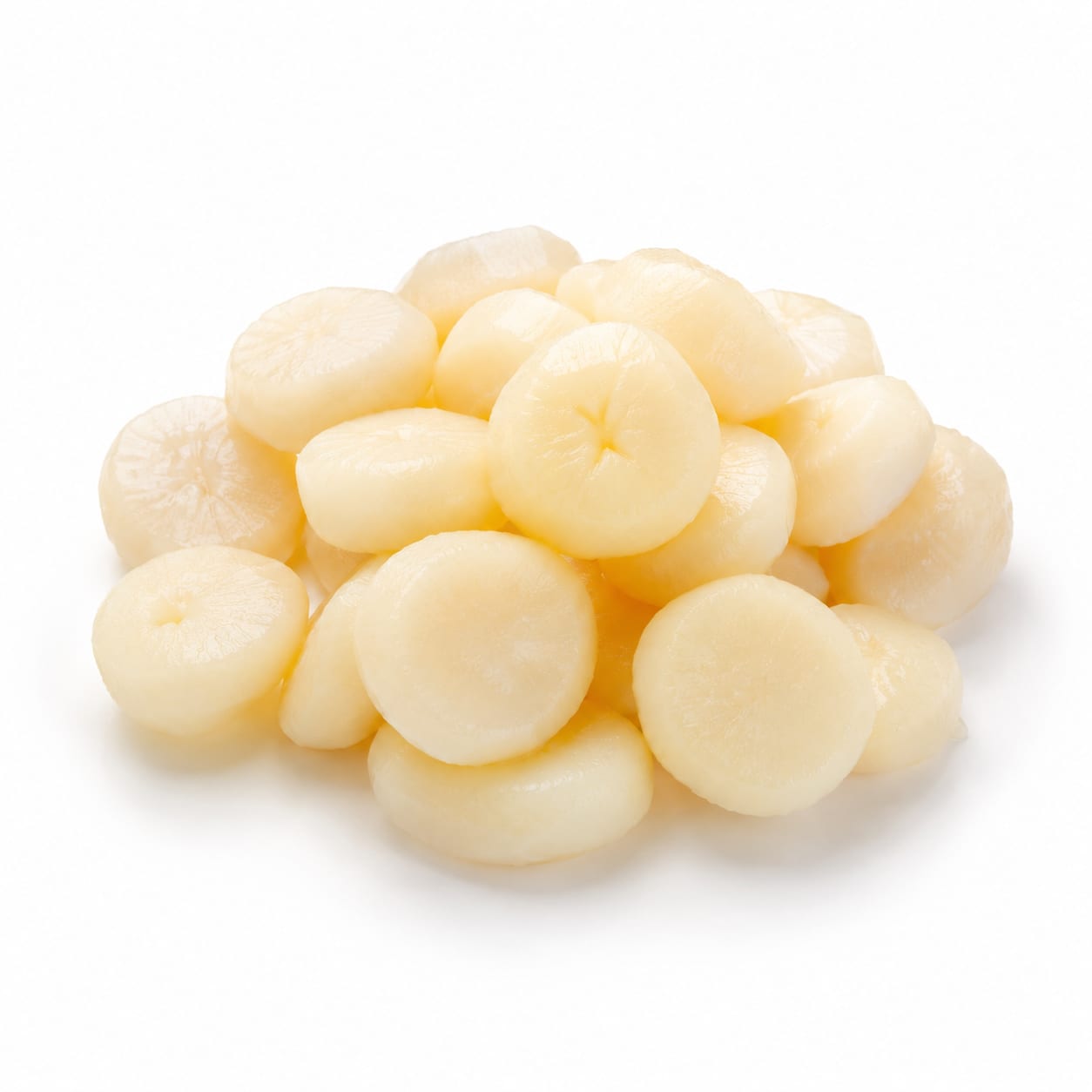
Water Chestnut
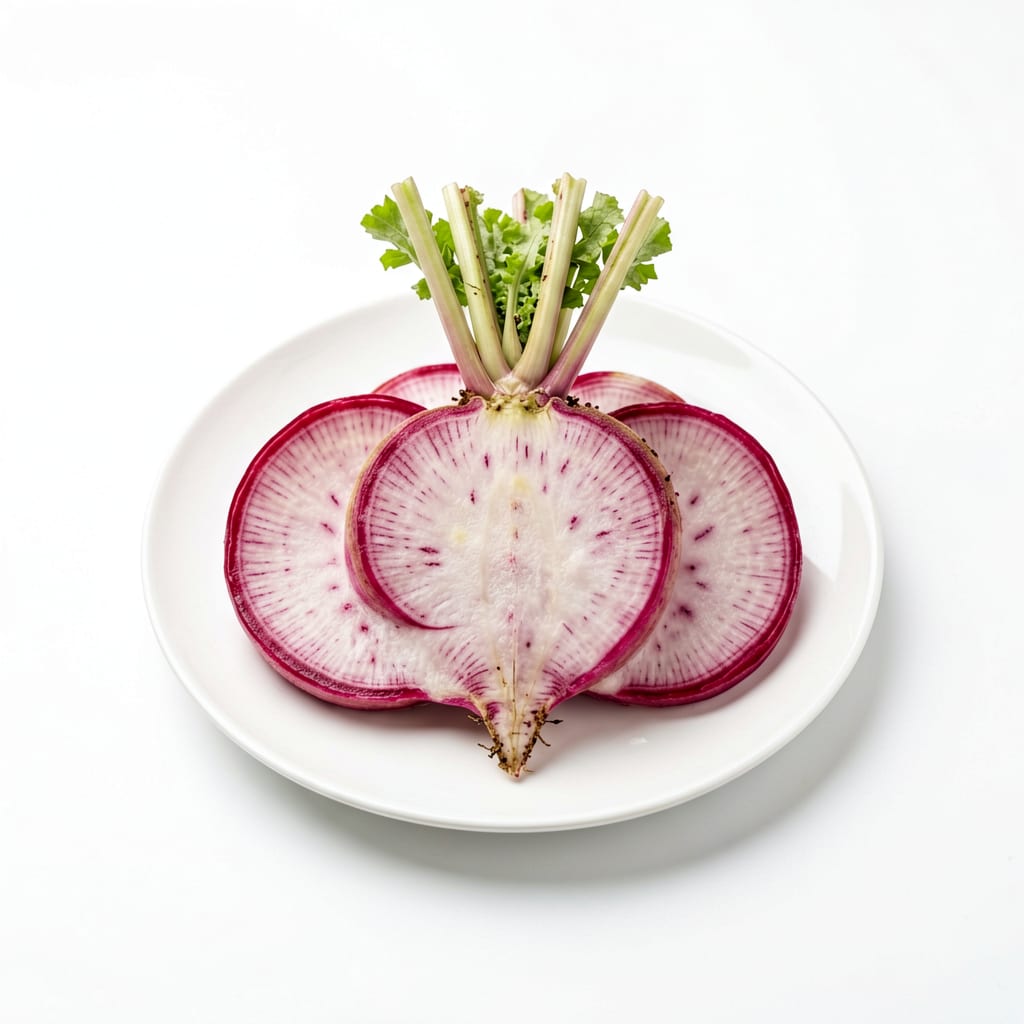
Radish
Radishes win for low-calorie crunch and blood sugar control; water chestnuts win for potassium, cooking versatility, and more sustained energy.
Radishes score higher overall due to their dramatically lower calorie density, negligible carb load, and broader suitability for common health goals. Water chestnuts remain valuable for their potassium content and cooking resilience, but their higher carb count narrows their audience.
Calorie and carb density versus mineral content and culinary flexibility — radishes are lighter, water chestnuts are more nourishing.
At a glance
Executive summary
Overall
It depends
Healthier
Radish
More practical
Water Chestnut
Daily use
Radish
Key comparison lenses
low-calorie snacking and weight management
Both are crisp, hydrating vegetables often chosen as low-calorie snacks, but their calorie density differs dramatically
blood sugar and carb consciousness
Water chestnuts are surprisingly carb-dense for a vegetable, while radishes are nearly carb-free
culinary texture and cooking versatility
Water chestnuts are prized for their crunch that holds up in stir-fries, whereas radishes are typically raw or quick-pickled
mineral and micronutrient density
Water chestnuts offer significantly more potassium, while radishes provide vitamin C and glucosinolates
digestive and gut health
Radishes stimulate bile production and contain compounds that support liver function, while water chestnuts offer more fiber per serving
Best choice for
Water Chestnut
- Stir-fry and hot dish cooking where crunch retention matters
- Athletes needing potassium replenishment after sweating
- People wanting a more filling vegetable with steadier energy
- Those on high-sodium diets needing potassium balance
Radish
- Weight loss and calorie-controlled eating plans
- Low-carb and keto-friendly meal plans
- Blood sugar management and diabetes-friendly snacking
- Quick raw snacking with zero prep required
Least suitable for
Water Chestnut
- Strict low-carb or keto dieters due to higher carb content
- Those tracking every calorie closely
- People with raw water chestnut allergies (rare but documented)
Radish
- Those needing substantial mineral intake from vegetables
- People who find the peppery bite unpleasant
- Anyone looking for a vegetable that holds texture when cooked
Deep comparison
Dimension by dimension
Each lens scores both foods and breaks down who each option suits.
- Dimension 1 · Priority 93Radish
Calorie Density and Weight Management
Water Chestnut · 45Radish · 95Radishes contain roughly 16 calories per 100g versus water chestnuts at 97 calories — a sixfold difference that matters enormously for volume eating.
Tradeoff
Water chestnuts provide more satiety per serving due to higher carb content, but at the cost of significantly more calories.
Why it matters
If you fill your plate with radishes, you get massive volume for almost no caloric cost. Water chestnuts require more portion awareness.
Real-world impact
A large bowl of sliced radishes costs you about 30 calories. The same bowl of water chestnuts runs closer to 200.
Water Chestnut
- People who find very low-calorie foods unsatisfying and need more substance
Better for
- Mindless snackers who eat by the bowlful
Worse for
Radish
- Volume eaters who want to feel full without calorie overshooting
- Anyone in an active fat-loss phase
Better for
- Those who feel hungry again 30 minutes after eating raw vegetables
Worse for
- Dimension 2 · Priority 87Radish
Blood Sugar and Carbohydrate Impact
Water Chestnut · 40Radish · 92Water chestnuts pack about 24g of carbs per 100g — similar to sweet potatoes. Radishes sit at roughly 3.4g, making them virtually carb-free.
Tradeoff
Water chestnuts provide usable energy for active people but can spike blood sugar if eaten in large quantities. Radishes barely register on blood sugar.
Why it matters
Many people assume all vegetables are low-carb. Water chestnuts are a surprising exception that can quietly push someone over their carb limit.
Real-world impact
A cup of sliced water chestnuts has more carbs than a slice of bread. A cup of radishes has fewer carbs than a celery stick.
Water Chestnut
- Endurance athletes needing carb-based fuel from whole food sources
- Post-workout recovery when some carb intake is desired
Better for
- Diabetics who assume all raw vegetables are safe in unlimited amounts
Worse for
Radish
- Anyone monitoring blood sugar closely
- Keto and very-low-carb dieters
- People with insulin resistance
Better for
- Athletes in heavy training who need carb replenishment from any source
Worse for
- Dimension 3 · Priority 76Water Chestnut
Mineral and Micronutrient Profile
Water Chestnut · 78Radish · 62Water chestnuts deliver roughly 584mg of potassium per 100g — impressive for any vegetable. Radishes offer vitamin C and unique sulfur compounds but less overall mineral content.
Tradeoff
Potassium versus vitamin C and glucosinolates. Water chestnuts nourish electrolyte balance; radishes support immune function and liver detox pathways.
Why it matters
Most people under-consume potassium, which affects blood pressure and muscle function. Water chestnuts are a genuinely good source.
Real-world impact
A serving of water chestnuts covers about 12% of daily potassium needs. Radishes cover about 25% of vitamin C needs but only 5% of potassium.
Water Chestnut
- People on high-sodium diets who need potassium to balance it out
- Athletes losing electrolytes through sweat
- Those at risk for muscle cramps
Better for
- Those with kidney disease who must limit potassium intake
Worse for
Radish
- Anyone wanting immune support during cold season
- People interested in liver-supportive compounds
Better for
- People relying on vegetables as a primary potassium source
Worse for
- Dimension 4 · Priority 74Water Chestnut
Cooking Versatility and Texture Retention
Water Chestnut · 88Radish · 48Water chestnuts maintain their signature crunch even after prolonged cooking — a rare trait. Radishes turn soft and bitter when cooked, losing their best quality.
Tradeoff
Water chestnuts shine in hot dishes; radishes are best raw or pickled. Each has a narrower culinary lane than people assume.
Why it matters
If you want crunch in a stir-fry or soup, water chestnuts are nearly irreplaceable. Radishes wilt quickly and become unappealing when heated.
Real-world impact
Toss water chestnuts into a 15-minute stir-fry and they stay crisp. Do the same with radishes and you get a soggy, bitter disappointment.
Water Chestnut
- Home cooks making Asian stir-fries
- Anyone wanting crunch in soups or braised dishes
- Meal preppers who want texture to survive reheating
Better for
- Those who only eat vegetables raw and want a peppery bite
Worse for
Radish
- Raw snackers and salad builders
- Quick-pickling enthusiasts
- People who enjoy crudité platters
Better for
- Anyone trying to add crunch to a cooked dish
Worse for
- Dimension 5 · Priority 70Radish
Digestive and Gut Health
Water Chestnut · 58Radish · 74Radishes stimulate bile flow and contain glucosinolates that support liver and gut detoxification. Water chestnuts offer more fiber but fewer targeted digestive benefits.
Tradeoff
Fiber quantity versus digestive stimulation. Water chestnuts bulk up stool; radishes actively promote bile and enzyme release.
Why it matters
Good digestion is not just about fiber. Bile stimulation helps fat digestion and nutrient absorption in ways fiber alone cannot.
Real-world impact
Eating radishes before a heavy meal can help your body break down fats more efficiently. Water chestnuts mainly add bulk to keep things moving.
Water Chestnut
- People needing more dietary fiber to relieve constipation
Better for
- Those who eat them canned, where fiber is reduced and sodium is high
Worse for
Radish
- Those with sluggish digestion or bloating after fatty meals
- People interested in liver-supportive eating patterns
Better for
- People with sensitive stomachs who find peppery foods irritating
Worse for
- Dimension 6 · Priority 65Radish
Practicality and Accessibility
Water Chestnut · 52Radish · 80Fresh radishes are available year-round in nearly every grocery store and require zero prep. Fresh water chestnuts are harder to find, and canned versions lose nutritional value.
Tradeoff
Canned water chestnuts are convenient but sodium-loaded and less nutritious. Fresh water chestnuts are superior but require peeling and specialty store access.
Why it matters
The best vegetable is the one you actually eat regularly. Radishes win on ease of acquisition and preparation.
Real-world impact
You can grab radishes at any supermarket, rinse, and eat. Finding fresh water chestnuts often means a trip to an Asian market plus peeling time.
Water Chestnut
- People who already cook Asian cuisine regularly and have access to fresh sources
Better for
- Anyone relying on canned versions, which add unnecessary sodium
Worse for
Radish
- Busy people who want grab-and-eat vegetables
- Those living in areas without specialty grocery access
Better for
- People who find the peppery flavor limits how often they actually eat them
Worse for
Timeline
Health impact over time
Short-term
Hours to days
Water Chestnut
- Provides quick energy from carbohydrates, making it a decent pre-activity snack
- Potassium helps with immediate muscle function and hydration balance
- Higher fiber content supports satiety between meals
Radish
- Vitamin C supports immediate immune function and iron absorption when eaten with iron-rich foods
- Peppery compounds can clear sinuses and stimulate digestion within minutes
- Extremely low calorie load means no post-snack energy crash or sluggishness
Long-term
Months to years
Water Chestnut
- Consistent potassium intake supports healthy blood pressure over time
- Moderate fiber contributes to sustained gut health and regularity
- Higher carb load requires portion awareness to avoid gradual weight gain if overconsumed
Radish
- Glucosinolates may reduce cancer risk with regular consumption over years
- Consistent low-calorie intake supports long-term weight maintenance
- Vitamin C contributes to skin health, collagen production, and immune resilience over decades
Risk profile
Safety & processing
Both are whole, natural vegetables in their fresh form. However, canned water chestnuts are heavily processed with added sodium and should be considered a different product entirely. Fresh radishes are almost always sold unprocessed.
Water Chestnut
Fasciolopsis buski parasite from raw water chestnuts grown in contaminated water
mediumWater chestnuts grow in aquatic environments where parasitic flukes can contaminate the surface. Peeling and cooking eliminates this risk. Eating them raw and unwashed from uncertain sources is inadvisable.
Canned version sodium overload
mediumCanned water chestnuts often contain 300-500mg of sodium per serving, which can push daily intake over recommended limits if eaten frequently.
Radish
Pesticide residue on conventionally grown radishes
lowRadishes are root vegetables that can accumulate soil pesticides. Washing thoroughly or choosing organic reduces this concern significantly.
Goitrogenic compounds affecting thyroid function
lowRadishes contain goitrogens that can interfere with thyroid hormone production when consumed in extreme quantities. Normal intake poses no risk for healthy individuals.
Who wins for whom
Audience fit
Same foods, different winners depending on your goal.
children
RadishRadishes are easier to find, prepare, and offer as raw snacks. Their mild-to-peppery flavor is more kid-accessible than the unusual texture of water chestnuts.
daily consumption
RadishLower calorie density, broader availability, easier prep, and no carb-counting required make radishes the simpler daily habit for most people.
diabetes
RadishRadishes have negligible carbs and will not spike blood sugar. Water chestnuts carry enough carbs to require insulin consideration in larger portions.
elderly
RadishRadishes are gentler on blood sugar, provide vitamin C for immune support, and stimulate digestion — all particularly relevant for older adults.
muscle gain
Water ChestnutWater chestnuts provide more carbs for training fuel and more potassium for muscle function and cramp prevention. Neither is a protein source.
weight loss
RadishAt 16 calories per 100g, radishes allow massive portion sizes without calorie concern. Water chestnuts at 97 calories per 100g require more restraint.
Your move
Decision guide
Choose Water Chestnut
- You cook stir-fries regularly and want authentic crunch that survives heat
- You are active and need potassium and carb-based energy from whole foods
- You have reliable access to fresh water chestnuts and enjoy peeling and preparing them
- You are trying to increase potassium intake to balance a higher-sodium diet
Choose Radish
- You want the lowest-calorie crunchy snack possible
- You are monitoring carbs or blood sugar and need a worry-free vegetable
- You prefer grab-and-eat convenience with no cooking required
- You want liver-supportive and immune-boosting compounds in your daily diet
Either works if
- You simply want more vegetable variety in your diet and enjoy both textures
- You are building a crudité platter and want diverse crunch options
- You are eating an Asian-inspired meal and could incorporate either
Avoid both if
- You are looking for a significant protein source — neither delivers meaningful protein
- You need calorie-dense foods to gain weight — both are too light
- You have severe gastrointestinal sensitivity to raw cruciferous vegetables or high-fiber foods
Final recommendation
Keep radishes in your regular rotation for effortless, low-calorie crunch and blood sugar safety. Add water chestnuts strategically when cooking Asian dishes or when you need a potassium boost. Think of radishes as your daily driver and water chestnuts as your specialty tool.
Practical
Consumer tips
- 1
If buying water chestnuts, always choose fresh over canned when possible — the potassium and fiber difference is substantial
- 2
Peel fresh water chestnuts with a sharp paring knife and soak briefly in water to remove any muddy residue
- 3
Slice radishes thin and salt them lightly for 5 minutes to mellow the peppery bite if it bothers you
- 4
Quick-pickle radishes in rice vinegar for 20 minutes to transform them into a tangy, versatile condiment
- 5
Avoid canned water chestnuts if you have high blood pressure — a single serving can contain 15-20% of your daily sodium limit
- 6
Store radishes with greens removed in a damp paper towel in the fridge — they last up to two weeks this way
- 7
Add sliced water chestnuts to soups at the very end to preserve their signature crunch