
Nutrition comparison
Lotus Root vs Water Chestnut: Nutrition, Crunch, and Which to Choose
Compare lotus root and water chestnut side by side — nutrition, calories, fiber, cooking behavior, and safety. Find out which aquatic vegetable fits your health goals and kitchen needs.
Overall winner · Lotus Root
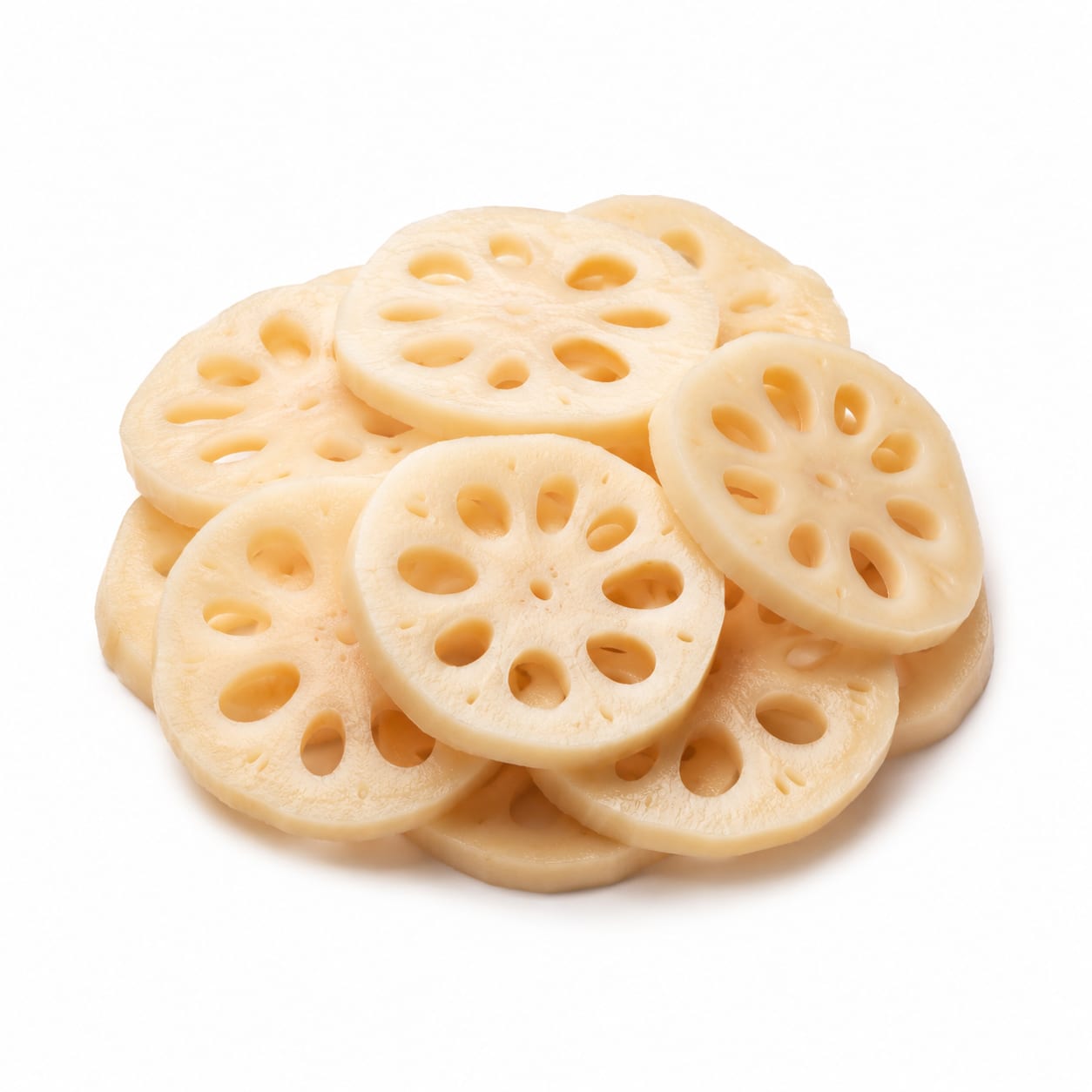
Lotus Root
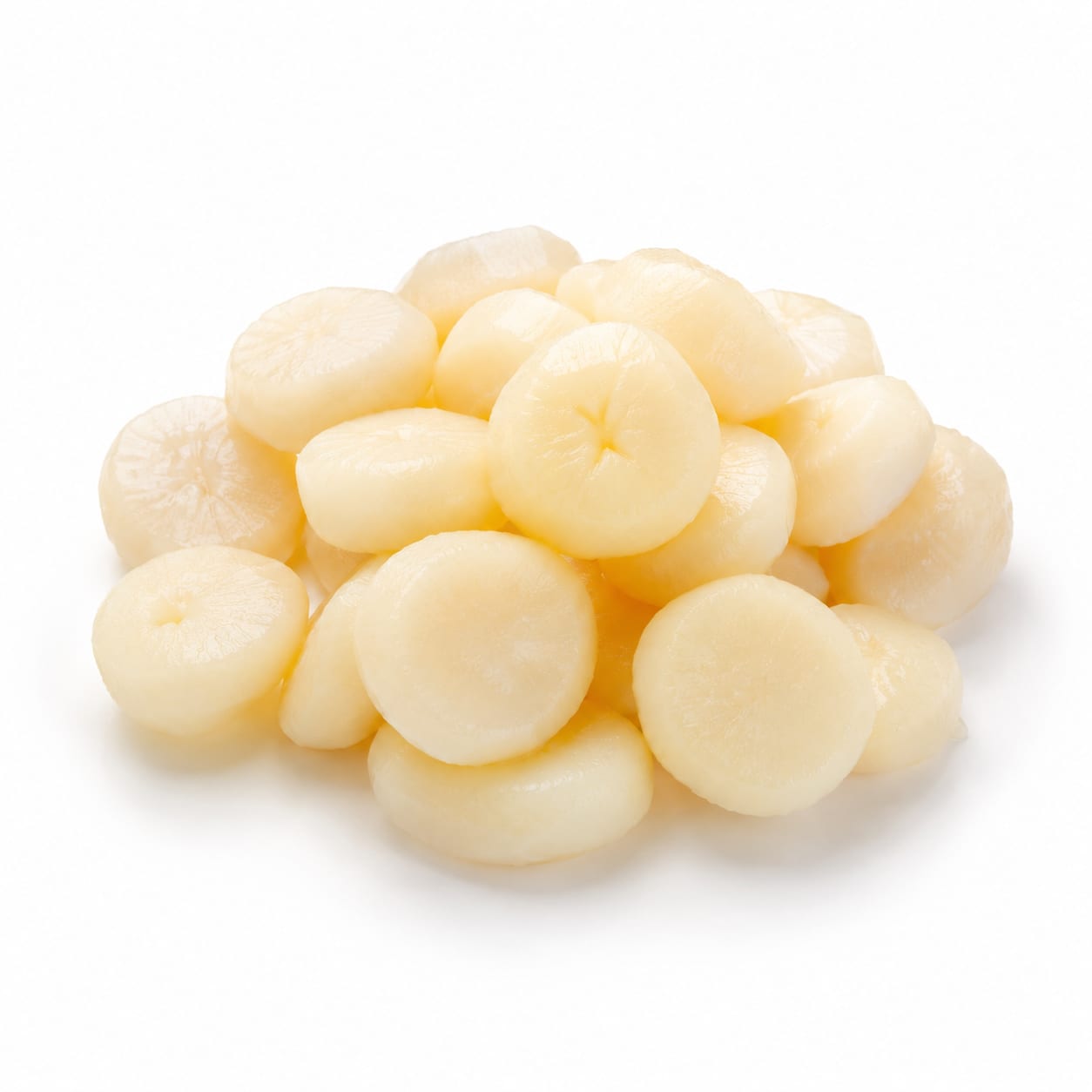
Water Chestnut
Lotus root wins on nutritional depth, but water chestnuts offer lighter calories and unmatched crunch retention in cooked dishes.
Lotus root scores higher due to substantially more vitamin C, iron, potassium, and fiber. Water chestnuts remain competitive for low-calorie crunch but lack the nutritional density that makes lotus root a genuinely health-supporting food.
More vitamins, minerals, and fiber in lotus root versus fewer calories and better cooked texture in water chestnuts.
At a glance
Executive summary
Overall
Lotus Root
Healthier
Lotus Root
More practical
Water Chestnut
Daily use
Lotus Root
Key comparison lenses
nutritional density and vitamin content
Lotus root delivers significantly more vitamin C, iron, and potassium per serving, making this the most consequential difference between the two
fiber and digestive benefits
Both are aquatic root vegetables prized for crunch, but lotus root has notably more fiber which changes satiety and digestive outcomes
calorie and weight management
Water chestnuts are lower in calories and carbs, appealing to those managing intake
culinary texture and cooking behavior
Water chestnuts uniquely retain crispness after cooking, while lotus root softens — a key practical difference for meal planning
parasite and food safety risk
Both grow in muddy aquatic environments and carry parasite risk if consumed raw, a genuine safety concern many people overlook
Best choice for
Lotus Root
- Boosting vitamin C and iron intake naturally
- Improving digestive regularity through higher fiber
- Adding substantial nutrition to soups and stir-fries
- Supporting immune function during cold season
Water Chestnut
- Keeping calories low while enjoying satisfying crunch
- Stir-fry dishes where persistent crispness matters
- Quick convenience cooking with canned options
- Light snacking without feeling heavy afterward
Least suitable for
Lotus Root
- Those watching carb intake strictly
- People wanting a low-calorie filler food
- Dishes requiring long-lasting crunch after cooking
Water Chestnut
- Anyone needing iron or vitamin C from their vegetables
- Those seeking high-fiber satisfaction from a side dish
- People avoiding canned foods with potential BPA exposure
Deep comparison
Dimension by dimension
Each lens scores both foods and breaks down who each option suits.
- Dimension 1 · Priority 92Lotus Root
vitamin_and_mineral_density
Lotus Root · 88Water Chestnut · 42Lotus root is dramatically richer in vitamin C, iron, potassium, and several B vitamins compared to water chestnuts.
Tradeoff
You get far more micronutrition per bite with lotus root, but at the cost of higher calories and carbs.
Why it matters
A single serving of lotus root covers over half your daily vitamin C needs, while water chestnuts contribute minimal vitamins.
Real-world impact
Eating lotus root regularly can meaningfully support immune health and energy levels; water chestnuts mainly add texture, not nutrition.
Lotus Root
- Fighting off colds with natural vitamin C
- Boosting iron intake without supplements
- Getting more nutrition from fewer dishes
Better for
- Strict low-carb meal plans
Worse for
Water Chestnut
- Avoiding excess calories while still eating vegetables
Better for
- Anyone relying on vegetables for essential vitamins and minerals
Worse for
- Dimension 2 · Priority 85Lotus Root
fiber_and_satiety
Lotus Root · 80Water Chestnut · 50Lotus root contains roughly twice the fiber of water chestnuts, making it noticeably more filling.
Tradeoff
More fiber means better digestion and longer fullness, but also a heavier eating experience some may not want.
Why it matters
Fiber is the difference between a vegetable that satisfies and one you forget you ate within an hour.
Real-world impact
A lotus root side dish can replace a starch and keep you full; water chestnuts disappear quickly from your hunger radar.
Lotus Root
- Staying full between meals without snacking
- Supporting healthy digestion and regularity
- Replacing refined carbs with a fibrous alternative
Better for
- Those with sensitive digestion unaccustomed to high fiber
Worse for
Water Chestnut
- Light meals where you don't want to feel stuffed
- Eating before physical activity without heaviness
Better for
- Anyone using vegetables as a primary satiety tool
Worse for
- Dimension 3 · Priority 78Water Chestnut
calorie_and_carb_efficiency
Lotus Root · 48Water Chestnut · 78Water chestnuts deliver their signature crunch with roughly half the calories and carbs of lotus root per serving.
Tradeoff
Fewer calories means easier portion control, but you also get fewer nutrients per calorie spent.
Why it matters
If you are tracking calories carefully, water chestnuts let you add volume and texture cheaply.
Real-world impact
You can eat a larger portion of water chestnuts for the same calorie budget as a modest lotus root serving.
Lotus Root
- Getting more nutrition per calorie if calories aren't a constraint
Better for
- Calorie-restricted eating plans
- Those counting carbs for blood sugar management
Worse for
Water Chestnut
- Weight loss diets where calorie density matters most
- Bulking out stir-fries without adding significant calories
- Keto-adjacent eaters wanting lower-carb crunch
Better for
- Active people needing calorie-dense fuel from whole foods
Worse for
- Dimension 4 · Priority 75Water Chestnut
culinary_versatility_and_texture
Lotus Root · 65Water Chestnut · 82Water chestnuts uniquely stay crisp after prolonged cooking, while lotus root softens and changes texture.
Tradeoff
Lotus root offers more textural variety across preparations, but water chestnuts are the reliable crunch that never quits.
Why it matters
In stir-fries and soups, water chestnuts deliver consistent crunch that lotus root simply cannot maintain.
Real-world impact
If you want crunch in a dish that cooks for more than a few minutes, water chestnuts are the dependable choice.
Lotus Root
- Deep-fried or braised preparations where tender-crisp is the goal
- Beautiful presentation with the signature hole pattern
- Soups where a softer but still textured bite is welcome
Better for
- Dishes where you need crunch to survive long cooking
Worse for
Water Chestnut
- Stir-fries that simmer for a while
- Dumpling fillings needing retained crunch
- Any dish where persistent crispness is essential
Better for
- Recipes wanting a vegetable that softens and absorbs flavors
Worse for
- Dimension 5 · Priority 68Water Chestnut
convenience_and_accessibility
Lotus Root · 45Water Chestnut · 75Canned water chestnuts are widely available and ready to use, while fresh lotus root requires peeling and prompt cooking.
Tradeoff
Convenience comes with potential BPA exposure from cans and slight nutrient loss, but saves significant prep time.
Why it matters
Most home cooks reach for what's easy; water chestnuts win that battle decisively in Western markets.
Real-world impact
You can find canned water chestnuts in nearly any grocery store; fresh lotus root may require an Asian market trip.
Lotus Root
- Those who prioritize fresh whole foods over canned
- Cooking for special occasions where prep effort is acceptable
Better for
- Spontaneous weeknight meals
- Cooks unfamiliar with peeling and preparing fresh aquatic roots
Worse for
Water Chestnut
- Weeknight cooking when time is limited
- People without access to specialty Asian markets
- Anyone wanting a crunchy vegetable on hand at all times
Better for
- Those avoiding canned foods due to BPA or sodium concerns
Worse for
- Dimension 6 · Priority 65Lotus Root
antioxidant_and_anti_inflammatory_value
Lotus Root · 76Water Chestnut · 48Lotus root contains more polyphenols and vitamin C, giving it stronger antioxidant potential.
Tradeoff
The antioxidant edge is real but modest; neither food is a major antioxidant powerhouse compared to berries or leafy greens.
Why it matters
Over time, consistently choosing higher-antioxidant vegetables adds up to meaningful cellular protection.
Real-world impact
Lotus root contributes to your daily antioxidant intake in a way water chestnuts barely register.
Lotus Root
- Reducing oxidative stress through everyday food choices
- Supporting skin health with vitamin C and polyphenols
Better for
- People expecting dramatic anti-inflammatory effects from a single vegetable
Worse for
Water Chestnut
- Those who get antioxidants from other sources and just want crunch
Better for
- Anyone relying on this as a meaningful antioxidant source
Worse for
Timeline
Health impact over time
Short-term
Hours to days
Lotus Root
- Noticeable fullness after eating due to higher fiber content
- Vitamin C supports immediate immune readiness
- Mild blood sugar rise from higher carb content
Water Chestnut
- Light eating experience with minimal fullness
- Quick energy from easily digestible carbs
- Very gentle on the stomach due to low fiber
Long-term
Months to years
Lotus Root
- Better digestive regularity from consistent fiber intake
- Improved iron status reducing fatigue risk
- Stronger immune resilience from habitual vitamin C consumption
Water Chestnut
- Easier weight maintenance from lower calorie density
- Minimal nutritional contribution if relied on as a primary vegetable
- Possible BPA exposure if consuming canned versions frequently
Risk profile
Safety & processing
Fresh lotus root is typically sold whole and unprocessed, while most water chestnuts consumed outside Asia are canned with added sodium and potential BPA exposure from can linings. Fresh water chestnuts exist but are harder to find.
Lotus Root
Parasitic infection from raw consumption
highLotus root grows in muddy pond sediment and can harbor Fasciolopsis buski and other parasites. Always cook thoroughly; never eat raw even if thinly sliced for salads.
Oxalate content
lowContains moderate oxalates which are rarely problematic unless you have a history of calcium oxalate kidney stones.
Water Chestnut
Parasitic infection from raw consumption
highWater chestnuts grow in similar aquatic environments and carry comparable parasite risk. Canned versions are safe due to heat processing, but fresh water chestnuts must be cooked.
BPA exposure from canned versions
mediumMost water chestnuts sold in Western markets are canned. Can linings may contain BPA, which is an endocrine disruptor. Look for BPA-free cans or seek fresh water chestnuts.
Added sodium in canned products
lowCanned water chestnuts typically contain added salt. Rinsing before use reduces sodium by roughly 30-40%.
Who wins for whom
Audience fit
Same foods, different winners depending on your goal.
children
Lotus RootThe higher vitamin C and iron content supports growing bodies, and the fun hole pattern makes lotus root visually appealing to kids when prepared well.
daily consumption
Lotus RootThe stronger nutritional profile makes lotus root a better everyday vegetable, provided you can access fresh roots and don't mind the prep.
diabetes
Water ChestnutLower carbohydrate content and lower glycemic load make water chestnuts the safer choice for blood sugar management, though both are moderate-GI foods.
elderly
Lotus RootIron, potassium, and fiber are especially important for older adults, and lotus root delivers all three meaningfully.
muscle gain
Lotus RootLotus root provides more iron for oxygen transport and more carbs for training fuel, though neither is a protein-rich muscle food.
weight loss
Water ChestnutWater chestnuts offer satisfying crunch at roughly half the calories per serving, making it easier to stay within a calorie budget.
Your move
Decision guide
Choose Lotus Root
- You want maximum nutrition from your vegetable sides
- Iron or vitamin C intake is a priority for you
- You enjoy cooking and have access to fresh lotus root
- Digestive regularity and fiber intake matter to you
- You're preparing a special meal where presentation counts
Choose Water Chestnut
- Calorie control is your primary concern
- You need reliable crunch that survives cooking
- Weeknight convenience matters more than peak nutrition
- You can't easily find fresh lotus root locally
- You want a light addition to meals without feeling heavy
Either works if
- You're making an Asian-inspired stir-fry and both work
- You want aquatic root vegetable variety in your rotation
- Neither is a dietary staple for you, just an occasional ingredient
Avoid both if
- You have a known allergy to aquatic vegetables
- You're unwilling to cook them thoroughly due to parasite risk
- You're on a very strict very-low-carb diet
Final recommendation
Choose lotus root when nutrition matters most and you have access to fresh roots. Choose water chestnuts when you need low-calorie crunch that survives the wok. Both deserve a place in a varied diet, but lotus root earns the daily-use nod for its vitamin C, iron, and fiber advantages.
Practical
Consumer tips
- 1
Always cook both vegetables thoroughly to eliminate parasite risk — never eat fresh lotus root or water chestnuts raw
- 2
If buying canned water chestnuts, rinse them well to reduce sodium and look for BPA-free cans
- 3
Fresh lotus root should be pale and firm with no soft spots; peel just before cooking to prevent browning
- 4
Soak sliced lotus root in vinegar water for 10 minutes before cooking to preserve its color
- 5
Fresh water chestnuts are worth seeking out at Asian markets — the flavor and texture far exceed canned versions
- 6
Store fresh lotus root wrapped in damp paper towel in the fridge and use within a week
- 7
Lotus root pairs beautifully with ginger and soy sauce; water chestnuts shine alongside garlic and sesame oil