
Nutrition comparison
Water Chestnut vs Turnip: Which Root Vegetable Is Healthier?
Compare water chestnut and turnip nutrition — calories, vitamins, disease-fighting compounds, and best uses. Find out which is better for weight loss, diabetes, and daily meals.
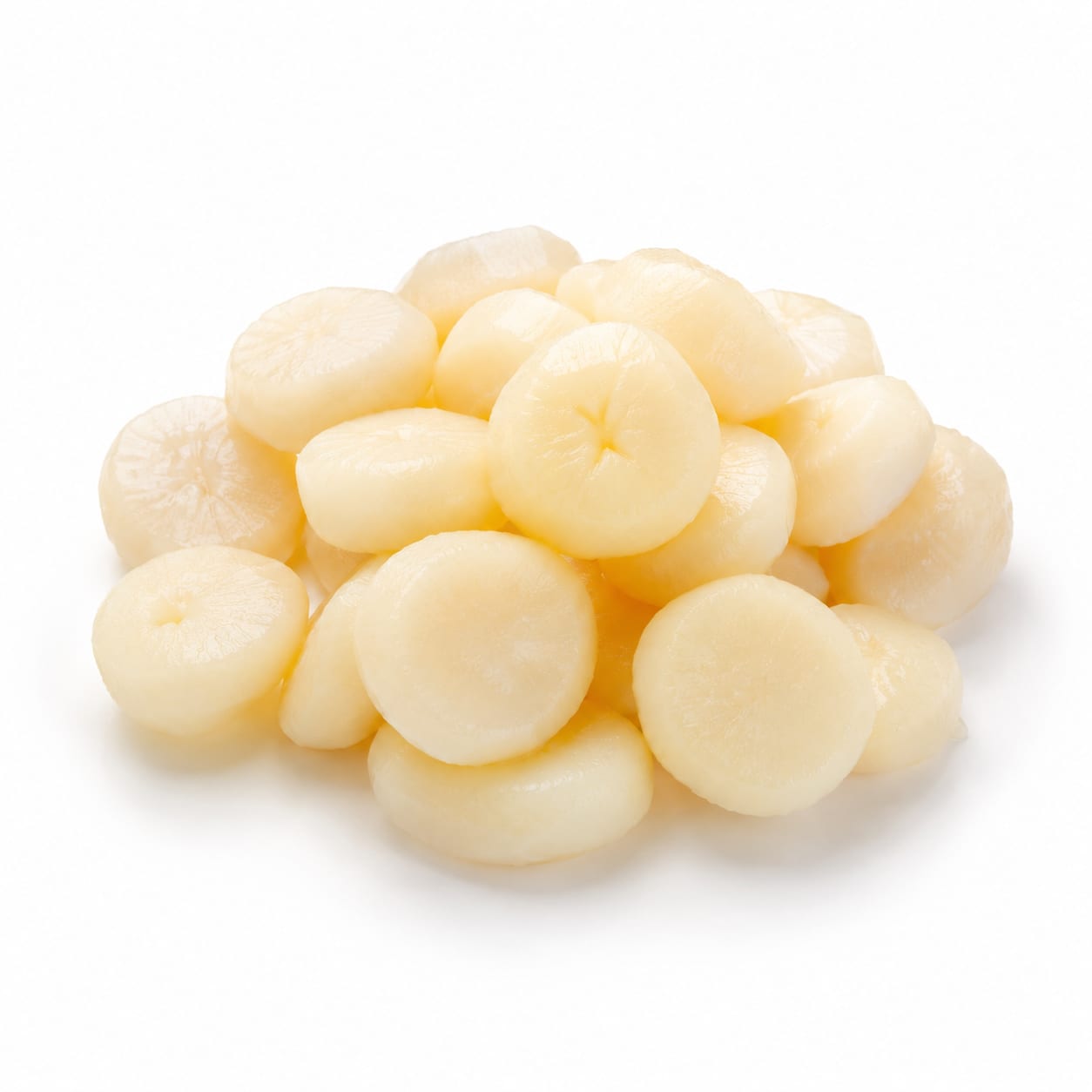
Water Chestnut
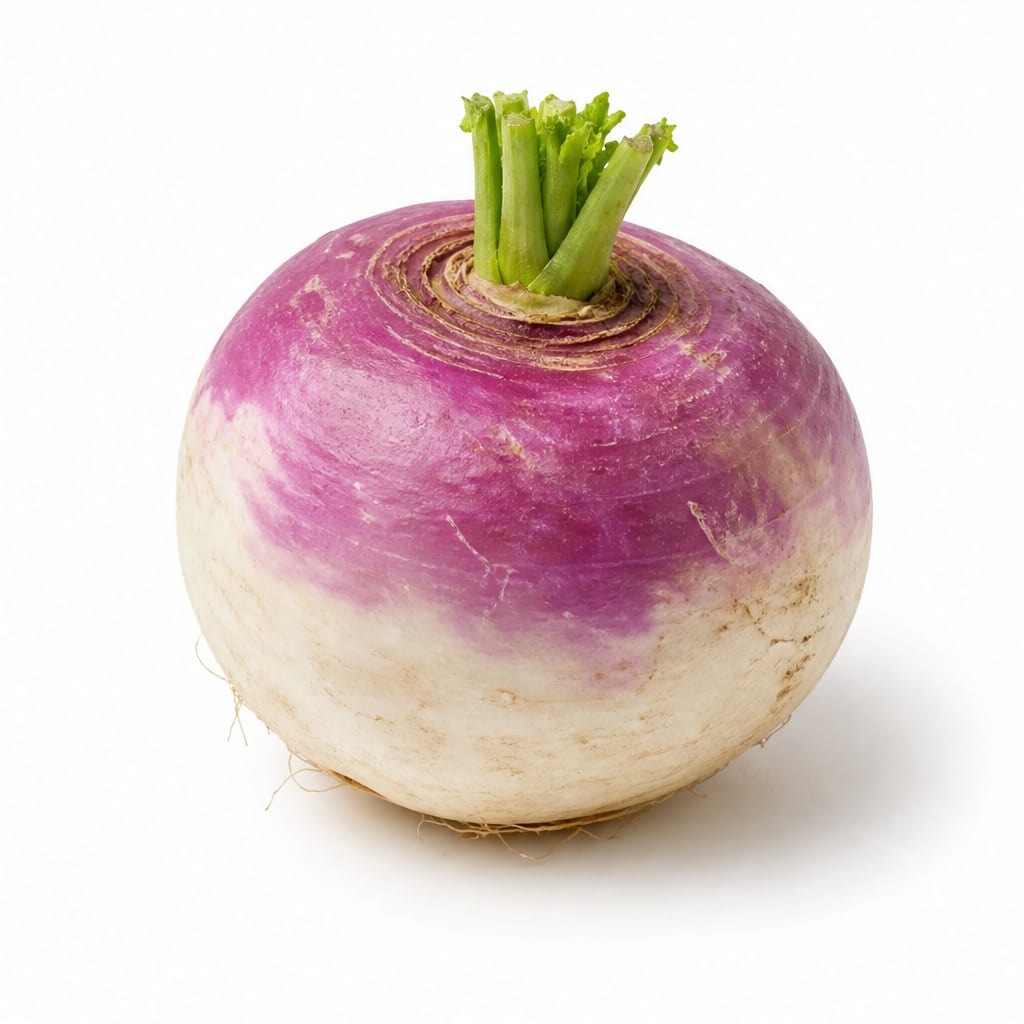
Turnip
Turnip wins on nutrient density and disease-fighting power, but water chestnut offers a unique crunchy satisfaction that turnip simply cannot replicate.
Turnip scores higher due to superior nutrient density, lower calories, and glucosinolate content. Water chestnut remains valuable for its unique texture and mineral profile but offers less overall nutritional bang per bite.
Turnip gives you more vitamins and protective compounds per calorie; water chestnut gives you a satisfying crisp texture and slightly more energy for active days.
At a glance
Executive summary
Overall
It depends
Healthier
Turnip
More practical
Turnip
Daily use
Turnip
Key comparison lenses
Low-calorie vegetable comparison for weight management
Both are very low-calorie root vegetables often chosen by people watching their weight, but they deliver very different nutritional value per calorie
Nutrient density evaluation
Turnip packs significantly more vitamins per calorie, while water chestnut offers unique minerals and a satisfying crunch
Culinary role and meal versatility
These two serve completely different purposes in cooking — water chestnut adds crunch and sweetness, turnip adds bulk and mild earthy flavor
Blood sugar and diabetes-friendly eating
Both are low-glycemic options but differ in carb content and how they affect fullness
Disease-fighting compound comparison
Turnip contains glucosinolates linked to cancer prevention; water chestnut offers different antioxidants
Best choice for
Water Chestnut
- Stir-fries and Asian dishes needing crunch
- People wanting a low-calorie snack with satisfying texture
- Active individuals needing slightly more carbs for energy
- Anyone bored with soft cooked vegetables
Turnip
- Maximizing nutrition per calorie eaten
- People focused on cancer-fighting cruciferous vegetables
- Budget-conscious shoppers wanting affordable nutrition
- Those managing blood sugar who want more volume with fewer carbs
Least suitable for
Water Chestnut
- People watching carb intake strictly on keto
- Those seeking high vitamin C from their vegetables
- Anyone needing a soft, comforting cooked vegetable
Turnip
- Dishes requiring a crunchy texture
- People who find cruciferous vegetables cause bloating
- Those wanting a slightly sweet vegetable flavor
Deep comparison
Dimension by dimension
Each lens scores both foods and breaks down who each option suits.
- Dimension 1 · Priority 95Turnip
Nutrient Density
Water Chestnut · 45Turnip · 82Turnip delivers significantly more vitamins per calorie, especially vitamin C and K, while water chestnut is surprisingly modest in micronutrients despite its wholesome reputation.
Tradeoff
Water chestnut provides more potassium and manganese, but turnip wins on almost every vitamin metric that matters daily.
Why it matters
If you are eating limited calories, every bite needs to count nutritionally — turnip makes those calories work harder.
Real-world impact
A serving of turnip covers a meaningful chunk of your daily vitamin C; water chestnut barely moves the needle on vitamins.
Water Chestnut
- Potassium intake for active people who sweat heavily
- Manganese needs for bone and connective tissue support
Better for
- Vitamin C is minimal — you will need other sources
- B-vitamin content is unremarkable
Worse for
Turnip
- Vitamin C for immune function and skin health
- Vitamin K for bone health and blood clotting
- Folate needs during pregnancy
- Overall micronutrient coverage on a calorie budget
Better for
- Not a significant potassium source compared to water chestnut
Worse for
- Dimension 2 · Priority 90Turnip
Calorie Efficiency and Satiety
Water Chestnut · 58Turnip · 78Turnip gives you more food volume for fewer calories, making it easier to feel full without overeating. Water chestnut is still low-calorie but packs more energy per gram.
Tradeoff
Water chestnut's crunch creates a psychological satisfaction that turnip's softer texture cannot match, even though turnip fills your plate with fewer calories.
Why it matters
For weight management, volume eating helps you feel satisfied — turnip excels here. But texture satisfaction matters for sticking with healthy eating long-term.
Real-world impact
You can eat nearly three times the volume of turnip for the same calories as water chestnut, which means a bigger, more filling plate.
Water Chestnut
- Crunch lovers who find soft vegetables unsatisfying
- People who eat smaller portions and need calorie density to feel energized
Better for
- More than triple the calories per gram compared to turnip
- Easier to overeat if you are not measuring portions
Worse for
Turnip
- Volume eaters who want to feel full on fewer calories
- Anyone tracking calories closely for weight loss
Better for
- Soft texture when cooked may feel less satisfying as a snack
Worse for
- Dimension 3 · Priority 88Turnip
Disease-Fighting Compounds
Water Chestnut · 40Turnip · 85Turnip belongs to the cruciferous family and contains glucosinolates, which break down into compounds studied for cancer prevention. Water chestnut has antioxidants but far less evidence behind disease-fighting power.
Tradeoff
Water chestnut offers ferulic acid and some unique antioxidants, but the research on cruciferous vegetables and cancer risk reduction is far more robust.
Why it matters
If you are eating vegetables partly for long-term disease protection, cruciferous choices like turnip have the strongest evidence base.
Real-world impact
Regular cruciferous vegetable intake is linked to lower rates of several cancers — turnip earns its place in a protective diet.
Water Chestnut
- Mild antioxidant support from ferulic acid
Better for
- Lacks the powerful sulfur compounds found in cruciferous vegetables
- Antioxidant profile is less studied for disease prevention
Worse for
Turnip
- Glucosinolates with established cancer-prevention research
- Anti-inflammatory isothiocyanates released during chewing
- Detoxification enzyme support in the liver
Better for
- Goitrogenic compounds may concern people with thyroid issues when consumed raw in large amounts
Worse for
- Dimension 4 · Priority 82Turnip
Blood Sugar Stability
Water Chestnut · 55Turnip · 80Turnip has fewer carbs and a lower glycemic impact, making it more blood-sugar-friendly. Water chestnut is still a reasonable choice but contains noticeably more carbohydrates.
Tradeoff
Water chestnut's carbs come with fiber that slows absorption, but the total carb load is still higher — a consideration for anyone monitoring glucose closely.
Why it matters
For diabetes management or steady energy throughout the day, lower carb vegetables help prevent spikes and crashes.
Real-world impact
A turnip side dish is unlikely to move your blood sugar at all; water chestnut may cause a small but noticeable rise.
Water Chestnut
- Still low-glycemic compared to grains or starchy vegetables
- Fiber helps moderate the carb impact
Better for
- Nearly four times the carbs of turnip per 100g
- Less ideal for strict low-carb or keto approaches
Worse for
Turnip
- Significantly fewer carbs per serving
- Essentially negligible glycemic impact
- Better for maintaining steady energy between meals
Better for
- Minimal concern — turnip is very blood-sugar friendly
Worse for
- Dimension 5 · Priority 80It depends
Culinary Versatility and Enjoyment
Water Chestnut · 72Turnip · 70Water chestnut shines in stir-fries and Asian cuisine with its unmatched crunch. Turnip is more versatile across roasting, mashing, soups, and stews but lacks textural excitement.
Tradeoff
Water chestnut does one thing exceptionally well — stay crunchy even after cooking. Turnip does many things adequately but nothing that wows texturally.
Why it matters
Enjoyment drives consistency. If you love the crunch, water chestnut keeps you eating vegetables. If you want a workhorse vegetable for many dishes, turnip adapts better.
Real-world impact
Water chestnut transforms a stir-fry; turnip quietly disappears into soups and stews, adding nutrition without drawing attention.
Water Chestnut
- Retains crunch after cooking — unique among vegetables
- Adds textural contrast to any dish
- Slightly sweet flavor appeals to picky eaters
Better for
- Limited to mostly Asian-style preparations
- Canned version loses flavor and some nutrients
- Fresh water chestnuts can be hard to find
Worse for
Turnip
- Works in roasting, mashing, soups, stews, and raw in salads
- Takes on flavors of whatever it is cooked with
- More affordable and widely available year-round
Better for
- Can become watery and bland if overcooked
- No textural excitement — soft and mild
Worse for
- Dimension 6 · Priority 72Water Chestnut
Digestive Tolerance
Water Chestnut · 82Turnip · 60Water chestnut is gentle on digestion and rarely causes discomfort. Turnip, as a cruciferous vegetable, can cause gas and bloating in sensitive people, especially when raw.
Tradeoff
Turnip's health benefits come with a digestive cost for some people. Water chestnut is the safer bet if you have a sensitive stomach.
Why it matters
The healthiest vegetable only works if you can actually eat it without discomfort — cruciferous vegetables are a common trigger for IBS-like symptoms.
Real-world impact
If you feel bloated after broccoli or cabbage, turnip may cause similar issues. Water chestnut is unlikely to cause any digestive drama.
Water Chestnut
- Very gentle on the digestive system
- Low FODMAP and unlikely to trigger IBS symptoms
- Good option for people recovering from stomach illness
Better for
- Minimal prebiotic fiber compared to turnip
Worse for
Turnip
- Fiber supports healthy gut bacteria when tolerated well
- Cooking reduces gas-producing compounds significantly
Better for
- Raw turnip can cause significant gas and bloating
- Cruciferous vegetables are high-FODMAP
- People with IBS often need to limit portions
Worse for
Timeline
Health impact over time
Short-term
Hours to days
Water Chestnut
- Provides quick, light energy from easily digested carbs
- Satisfying crunch may reduce cravings for less healthy crispy snacks
- Very unlikely to cause digestive discomfort
Turnip
- Almost no caloric impact — easy to add to any meal without budget concerns
- Vitamin C supports immediate immune function
- May cause mild bloating or gas if eaten raw in larger amounts
Long-term
Months to years
Water Chestnut
- Potassium supports healthy blood pressure over time
- Moderate antioxidant intake contributes to cellular protection
- Does not provide the same disease-prevention evidence as cruciferous vegetables
Turnip
- Regular cruciferous intake linked to lower cancer risk in large population studies
- Vitamin K supports long-term bone density
- Fiber promotes consistent digestive health and microbiome diversity
- Goitrogen exposure is generally not a concern when intake is moderate and iodine is adequate
Risk profile
Safety & processing
Both are whole, natural root vegetables with minimal processing concerns. However, canned water chestnuts often contain added sodium and lose some flavor and nutrients — fresh is strongly preferred when available. Turnip is almost always sold fresh and requires no processing concerns.
Water Chestnut
Canned sodium content
mediumCanned water chestnuts can contain 200-400mg of sodium per serving, which adds up quickly if you are watching blood pressure. Rinsing helps but does not eliminate it entirely.
Aquatic contaminant exposure
lowWater chestnuts grow in marshy aquatic environments that could theoretically accumulate contaminants, but commercial farming practices keep this risk very low.
Turnip
Pesticide residue on conventional turnips
lowRoot vegetables generally have lower pesticide exposure than leafy produce, and peeling further reduces any residue.
Goitrogenic effects with excessive raw consumption
lowRaw turnip contains goitrogens that can interfere with thyroid function, but this is only a concern with very large amounts and inadequate iodine intake. Cooking largely deactivates these compounds.
Who wins for whom
Audience fit
Same foods, different winners depending on your goal.
children
Water ChestnutWater chestnut's mild sweetness and fun crunch make it more appealing to kids, and it is gentler on small digestive systems.
daily consumption
TurnipTurnip's superior nutrient density, lower calories, and broader culinary adaptability make it a better everyday vegetable for most people.
diabetes
TurnipTurnip has far fewer carbs and essentially no glycemic impact, making it the safer choice for blood sugar management.
elderly
TurnipTurnip's soft texture when cooked, higher vitamin K for bone health, and stronger disease-fighting compounds make it more valuable for aging bodies.
muscle gain
It dependsNeither is a significant protein source. Water chestnut offers slightly more carbs for training energy, but turnip provides more vitamin C which supports recovery. Both should be supporting players, not protein staples.
weight loss
TurnipTurnip provides more food volume per calorie, making it easier to create large, satisfying meals that keep you full without overeating.
Your move
Decision guide
Choose Water Chestnut
- You are making stir-fries and want that signature crunch that survives cooking
- You have a sensitive stomach and cruciferous vegetables cause bloating
- You want a low-calorie snack with satisfying texture to replace chips
- You are feeding kids who resist most vegetables but enjoy crunchy foods
- You need slightly more carbohydrate energy for an active lifestyle
Choose Turnip
- You want maximum nutrition per calorie in your meals
- You are focused on cancer prevention and long-term disease protection
- You are managing blood sugar or following a low-carb approach
- You need an affordable, versatile vegetable for soups, roasts, and mashes
- You want a vegetable that quietly adds nutrition without dominating the dish
Either works if
- You simply want more vegetable variety in your week
- You are eating well overall and neither choice will make or break your health
- You enjoy both and want to rotate them for different meals
Avoid both if
- You need a significant protein source — neither delivers meaningful protein
- You are looking for a calorie-dense food to gain weight
Final recommendation
Keep both in rotation. Turnip is the smarter daily vegetable for most people — more nutrients, fewer calories, stronger disease-fighting evidence. But water chestnut earns its place for texture satisfaction and digestive gentleness. Use turnip as your workhorse and water chestnut as your secret weapon for crunch.
Practical
Consumer tips
- 1
If buying water chestnuts, choose fresh over canned when possible — the flavor and nutrition difference is substantial
- 2
Rinse canned water chestnuts thoroughly to remove up to 40% of the added sodium
- 3
Roast turnips with olive oil and salt at 400°F for 25 minutes — it brings out natural sweetness and reduces bitterness
- 4
If turnip causes bloating, try cooking it instead of eating raw — heat breaks down the gas-producing compounds
- 5
Water chestnuts stay crunchy even after prolonged cooking, making them perfect for slow-cooked dishes that need textural interest
- 6
Peel turnips if you find the skin too bitter, but keeping the skin retains more fiber and nutrients
- 7
Store turnips unwashed in a cool dark place — they last weeks. Fresh water chestnuts should be refrigerated and used within a week