
Nutrition comparison
Water Chestnut vs Jicama: Which Crunchy Root is Healthier?
Compare Water Chestnut and Jicama for snacking, cooking, and gut health. Discover which low-calorie root vegetable is best for your diet.
Overall winner · Jicama
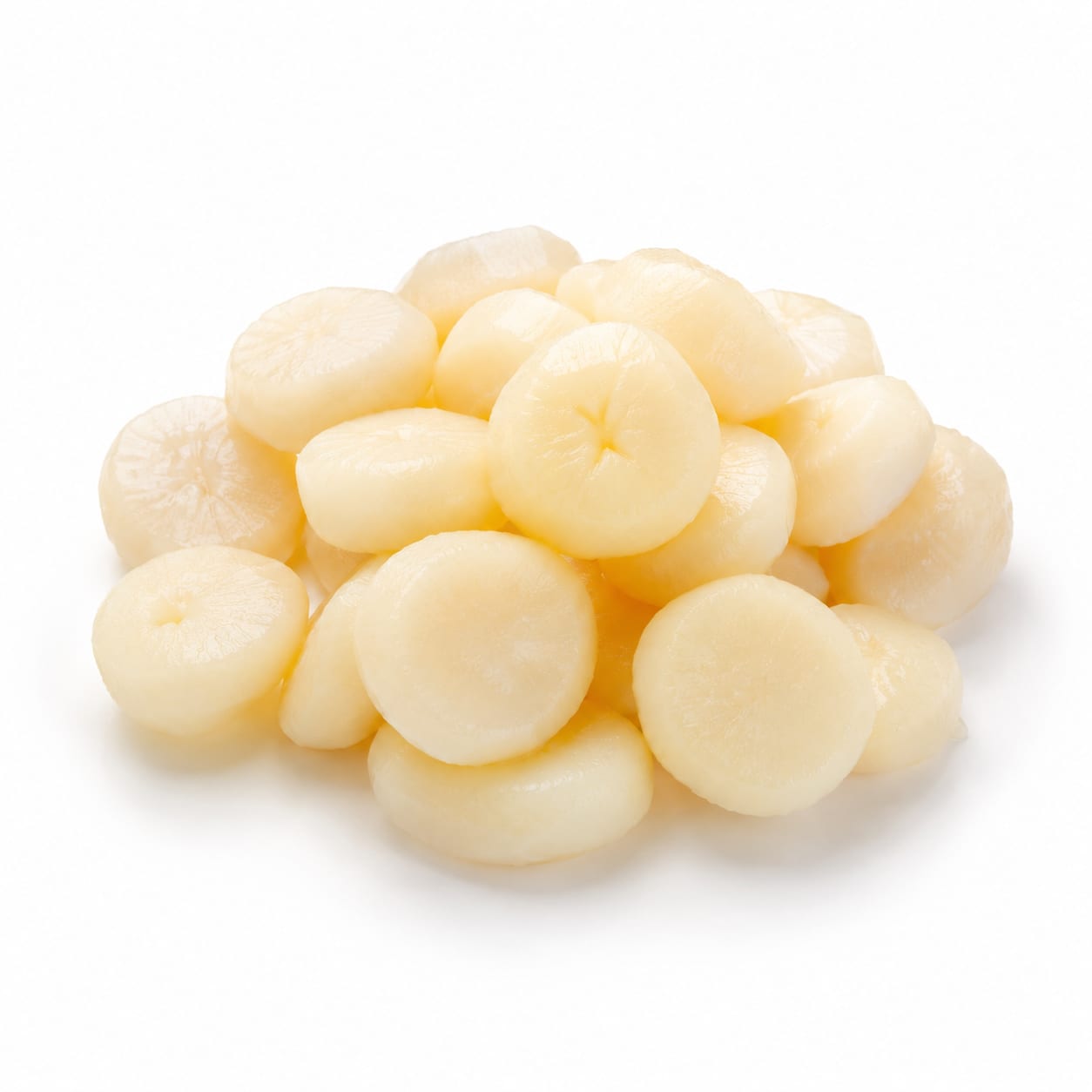
Water Chestnut
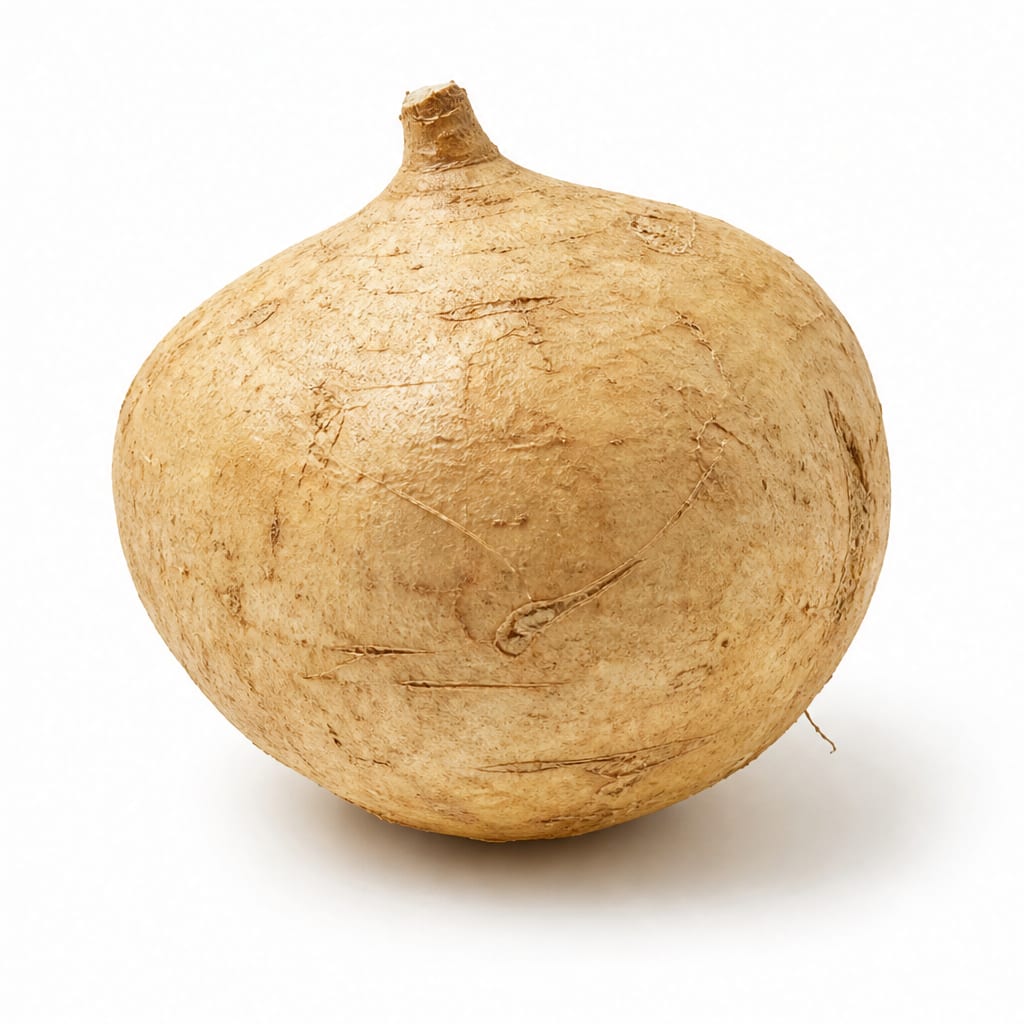
Jicama
Jicama wins for raw snacking, gut health, and vitamin C, while Water Chestnut is the better choice for stir-fries and cooked dishes where you want a lasting crunch.
Jicama scores higher due to its superior fiber content, prebiotic benefits, and vitamin C, making it a more well-rounded daily health food. Water Chestnut remains excellent but is more niche culinarily.
Raw prebiotic powerhouse (Jicama) versus heat-resistant culinary crunch (Water Chestnut).
At a glance
Executive summary
Overall
Jicama
Healthier
Jicama
More practical
Jicama
Daily use
Jicama
Key comparison lenses
Low-calorie crunchy snacking
Both are famous for their crisp texture and low calorie counts, making them popular diet snacks.
Gut health and fiber intake
Jicama is exceptionally high in inulin fiber, a powerful prebiotic, while Water Chestnut offers a different fiber profile.
Cooking vs raw usage
Water Chestnut retains its signature crunch when cooked, unlike Jicama which is best raw.
Best choice for
Water Chestnut
- Stir-fries and hot dishes
- Asian cuisine recipes
- Those needing more potassium
Jicama
- Raw snacking
- Gut health and digestion
- Vitamin C boost
Least suitable for
Water Chestnut
- Convenient grab-and-go snacking (fresh ones require peeling)
- High vitamin C diets
Jicama
- Hot cooked meals
- Traditional Asian stir-fry dishes
Deep comparison
Dimension by dimension
Each lens scores both foods and breaks down who each option suits.
- Dimension 1 · Priority 95Jicama
Gut Health & Digestion
Water Chestnut · 65Jicama · 95Jicama is a prebiotic champion thanks to its high inulin content, feeding beneficial gut bacteria far more effectively than Water Chestnut.
Tradeoff
Water Chestnut provides decent fiber but lacks the specific prebiotic punch that makes Jicama a gut-health superstar.
Why it matters
A healthy gut microbiome improves digestion, immunity, and even mood. Inulin makes a noticeable difference in daily regularity.
Real-world impact
Eating Jicama regularly can reduce bloating and improve bathroom regularity, while Water Chestnut acts more like standard fiber.
Water Chestnut
- Basic fiber intake
Better for
- Targeted prebiotic benefits
Worse for
Jicama
- Prebiotic support
- Bowel regularity
- Microbiome diversity
Better for
- Those with severe IBS who react to inulin
Worse for
- Dimension 2 · Priority 85Water Chestnut
Culinary Versatility & Cooking
Water Chestnut · 90Jicama · 60Water Chestnut uniquely retains its crispness when cooked, making it a staple in hot dishes. Jicama turns mushy and loses its appeal when heated.
Tradeoff
You must eat Jicama raw to enjoy it, whereas Water Chestnut bridges the gap between raw and cooked meals.
Why it matters
If you want a satisfying crunch in a warm stir-fry or soup, Jicama simply cannot do the job.
Real-world impact
Water Chestnut gives you that satisfying snap in a hot takeout dish; Jicama is strictly a salad or snack stick.
Water Chestnut
- Stir-fries
- Hot soups
- Steamed dishes
Better for
- Quick raw snacking without peeling
Worse for
Jicama
- Cold salads
- Crudité platters
Better for
- Any heated recipe
Worse for
- Dimension 3 · Priority 80It depends
Vitamin & Mineral Profile
Water Chestnut · 78Jicama · 82Jicama is loaded with vitamin C, while Water Chestnut brings more potassium and vitamin B6 to the table.
Tradeoff
Immune and skin support (Jicama) versus electrolyte balance and energy metabolism (Water Chestnut).
Why it matters
Your micronutrient needs vary based on diet and lifestyle. Active individuals might crave the potassium in Water Chestnut.
Real-world impact
Jicama helps you hit your daily vitamin C for immune defense; Water Chestnut helps replenish electrolytes after a sweaty workout.
Water Chestnut
- Potassium intake
- Vitamin B6 needs
Better for
- Immune-boosting vitamin C
Worse for
Jicama
- Vitamin C intake
- Antioxidant support
Better for
- Electrolyte replenishment
Worse for
- Dimension 4 · Priority 85Jicama
Blood Sugar Stability
Water Chestnut · 75Jicama · 90Both are low-glycemic, but Jicama's high inulin content slows digestion even further, leading to steadier blood sugar.
Tradeoff
Water Chestnut has slightly more carbohydrates, while Jicama's fiber-to-carb ratio is much more favorable.
Why it matters
Steady blood sugar means no afternoon energy crashes and fewer cravings later in the day.
Real-world impact
Jicama is a safer, crash-free afternoon snack for those watching their glucose levels.
Water Chestnut
- Low-glycemic snacking
Better for
- Maximum blood sugar dampening
Worse for
Jicama
- Diabetes-friendly snacking
- Crash-free energy
Better for
Timeline
Health impact over time
Short-term
Hours to days
Water Chestnut
- Provides quick, crisp hydration
- Satisfies the urge to crunch without heavy calories
Jicama
- Immediate refreshing and hydrating effect
- High water and fiber content quickly curbs appetite
Long-term
Months to years
Water Chestnut
- Consistent potassium intake supports healthy blood pressure
- B6 aids in long-term cognitive function
Jicama
- Inulin significantly improves gut flora diversity over time
- Sustained vitamin C intake promotes better skin aging and immunity
Risk profile
Safety & processing
Both are whole, raw root vegetables when purchased fresh. However, canned Water Chestnut is common and contains added sodium and sulfites, making fresh the far better choice.
Water Chestnut
Sulfite sensitivity (if canned)
mediumCanned Water Chestnut often contains sodium bisulfite to preserve whiteness, which can trigger reactions in sensitive individuals.
Parasitic contamination (if raw/wild)
lowFreshwater parasites can reside on the skin of Water Chestnut grown in certain regions; peeling and cooking mitigates this.
Jicama
Inulin overload
lowEating a very large amount of Jicama at once can cause gas or bloating in those unaccustomed to high prebiotic fiber.
Who wins for whom
Audience fit
Same foods, different winners depending on your goal.
children
JicamaJicama sticks are sweeter, easier to chew raw, and provide a fun, vitamin C-rich snack for kids.
daily consumption
JicamaJicama's raw snackability and prebiotic benefits make it easier and more beneficial to eat every day.
diabetes
JicamaThe high inulin fiber in Jicama creates a slower, safer digestive process that prevents glucose spikes better than Water Chestnut.
elderly
It dependsJicama is better for gut regularity and immune support, but Water Chestnut is softer when cooked for those with severe dental issues.
muscle gain
Water ChestnutWater Chestnut offers slightly more potassium and B6, which help with muscle contraction and protein metabolism, though neither is a primary muscle-building food.
weight loss
JicamaJicama has fewer calories per serving and more filling fiber, making it easier to stay within a calorie deficit.
Your move
Decision guide
Choose Water Chestnut
- You are making a stir-fry, soup, or hot dish
- You want a satisfying crunch that survives high heat
- You need a potassium boost after intense exercise
Choose Jicama
- You want a refreshing, low-calorie raw snack
- Improving your gut health and digestion is a priority
- You need an easy source of daily vitamin C
Either works if
- You just want a hydrating, crunchy vegetable side
- You are looking for low-calorie alternatives to chips
Avoid both if
- You are looking for a significant protein or fat source
- You need a high-calorie food for weight gain
Final recommendation
Keep Jicama in the fridge for daily raw snacking and gut health, but buy fresh Water Chestnut when you need that irreplaceable crunch in a cooked meal. Avoid canned Water Chestnut to skip unnecessary sulfites and sodium.
Practical
Consumer tips
- 1
Always buy fresh Water Chestnut over canned to avoid sulfites and sodium; the flavor and texture are vastly superior.
- 2
Peel Jicama thoroughly, as the skin contains a mild natural toxin (rotenone) that is unsafe to eat.
- 3
Cut Jicama into sticks and pair with lime juice and chili powder for a metabolism-boosting snack.
- 4
Store peeled Water Chestnuts in water in the fridge to maintain their signature snap.