
Nutrition comparison
Water Chestnut vs Chestnut: Nutrition, Calories, and Which to Choose
Water chestnuts are low-calorie and convenient; chestnuts are nutrient-dense and comforting. Compare calories, vitamins, blood sugar impact, and real-world practicality to find which fits your goals.
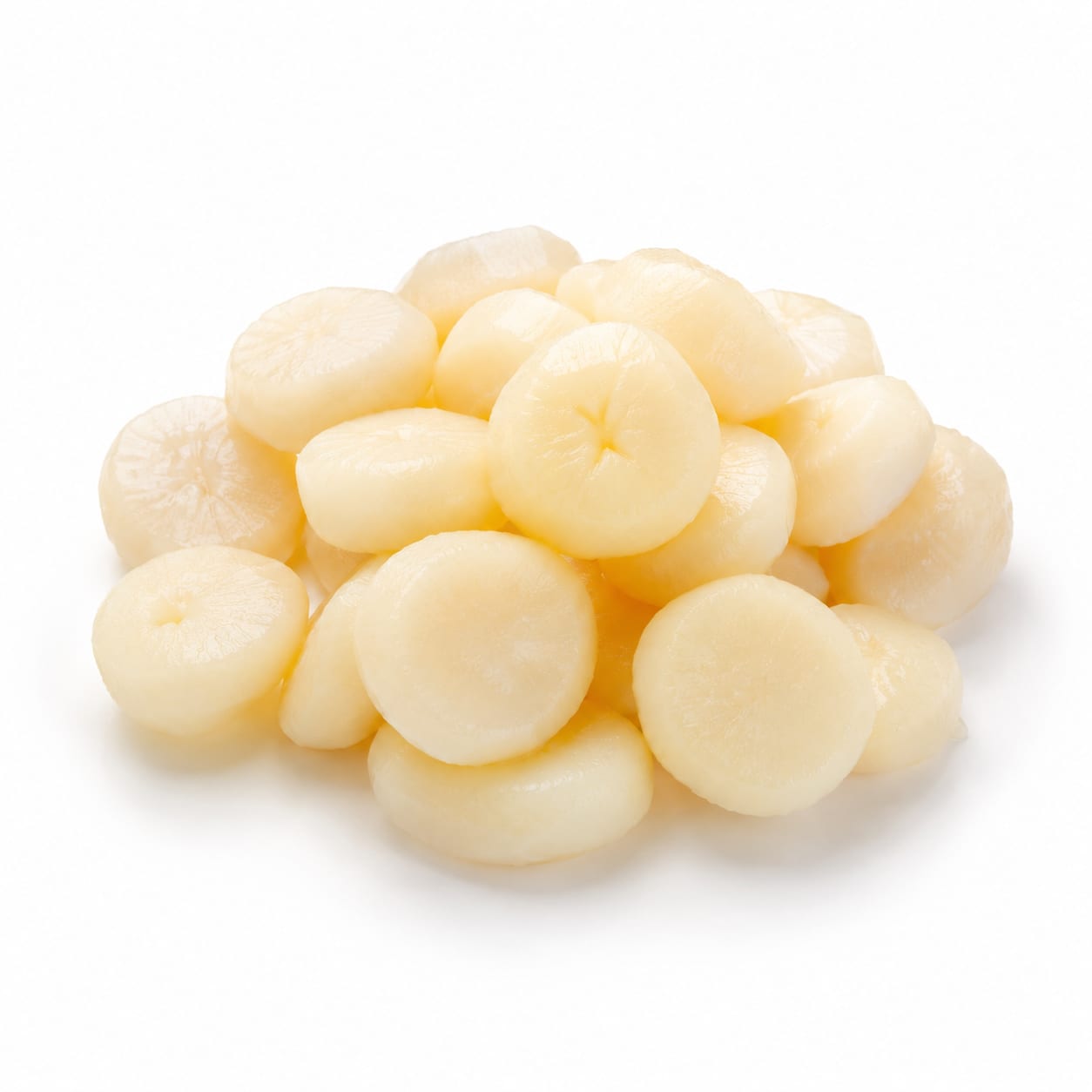
Water Chestnut
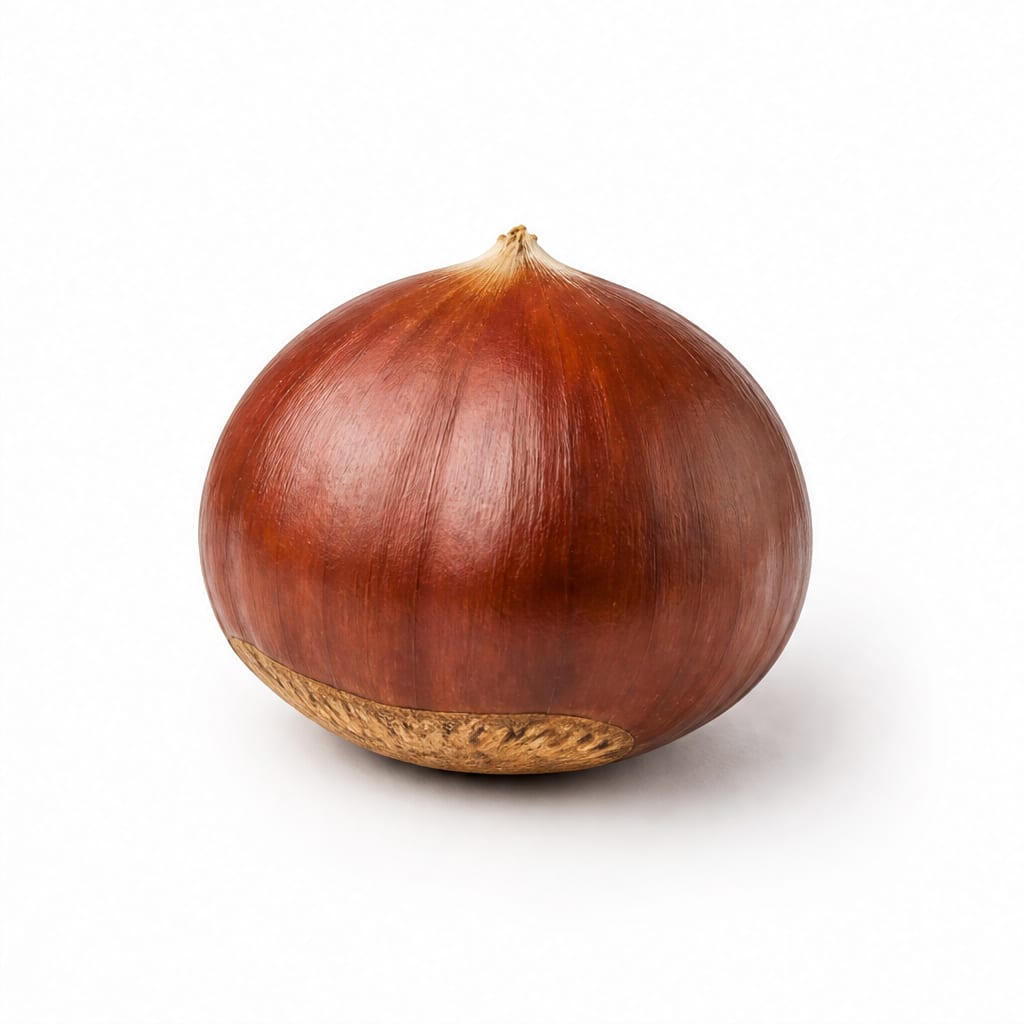
Chestnut
Water chestnuts are a light, low-calorie crunch; chestnuts are a hearty, nutrient-rich starch. They serve completely different eating occasions.
Chestnuts score higher for nutrient density and satiety, but water chestnuts win on calorie control and convenience. The moderate confidence reflects how context-dependent this comparison is — neither is universally better.
Chestnuts deliver far more nutrients and satisfying energy but at double the calories. Water chestnuts let you eat generously with minimal caloric cost but offer less nutritional payoff per bite.
At a glance
Executive summary
Overall
It depends
Healthier
It depends
More practical
Water Chestnut
Daily use
Water Chestnut
Key comparison lenses
carbohydrate and energy profile
Both foods are starchy carb sources unlike typical nuts or vegetables, so understanding their energy density and carb quality is the central question
weight management and satiety
Calorie density differs dramatically between these two, making portion control and fullness a key decision factor
nutrient density per calorie
Users want to know which delivers more vitamins and minerals for the calories invested
culinary convenience and availability
Water chestnuts are commonly canned while chestnuts are seasonal and require cooking, affecting real-world usability
blood sugar impact
Both are carb-heavy foods, so glycemic considerations matter especially for diabetes-conscious users
Best choice for
Water Chestnut
- Low-calorie snacking and volume eating
- Adding crunch to stir-fries without extra calories
- Weight loss phases where portion size matters psychologically
- People watching total caloric intake closely
Chestnut
- Winter comfort eating and holiday meals
- Recovering from illness when nutrient density matters
- Active people needing sustained energy from whole foods
- Anyone wanting a vitamin C boost from an unexpected source
Least suitable for
Water Chestnut
- Anyone needing calorie-dense fuel for physical exertion
- Those seeking significant vitamin or mineral intake from their carbs
- People avoiding canned or packaged foods
Chestnut
- Strict calorie counters trying to lose weight
- People on low-carb or keto eating plans
- Those with tree nut allergies who want to be cautious
Deep comparison
Dimension by dimension
Each lens scores both foods and breaks down who each option suits.
- Dimension 1 · Priority 92Water Chestnut
caloric_efficiency
Water Chestnut · 88Chestnut · 52Water chestnuts deliver satisfying volume at roughly half the calories of chestnuts per 100g serving.
Tradeoff
You get more food on your plate with water chestnuts, but less actual nourishment per bite compared to chestnuts.
Why it matters
For anyone tracking calories, water chestnuts let you eat a generous portion without budget stress. Chestnuts require more restraint.
Real-world impact
A full cup of sliced water chestnuts costs you about 130 calories. The same volume of chestnuts runs closer to 350 calories — a meaningful difference if you eat them daily.
Water Chestnut
- Weight loss diets
- Volume eaters who need visual plate satisfaction
- Calorie cycling days
Better for
- Endurance athletes who need calorie density
- Recovering from illness when every calorie counts
Worse for
Chestnut
- Hikers and athletes needing compact energy
- Underweight individuals seeking healthy weight gain
- Winter meals where calorie warmth feels right
Better for
- Sedentary days with low energy needs
- Anyone prone to mindless snacking
Worse for
- Dimension 2 · Priority 85Chestnut
nutrient_density
Water Chestnut · 42Chestnut · 78Chestnuts are surprisingly rich in vitamin C, folate, manganese, and copper. Water chestnuts offer potassium and little else in notable amounts.
Tradeoff
Chestnuts function almost like a whole-food multivitamin with starch. Water chestnuts are mostly water and carbs with minimal micronutrient contribution.
Why it matters
If your carb budget is limited, chestnuts give you more nutritional return per calorie. Water chestnuts are essentially empty crunch by comparison.
Real-world impact
A serving of chestnuts provides about 40% of your daily vitamin C and significant B vitamins. Water chestnuts offer potassium but little else you cannot get elsewhere easily.
Water Chestnut
- Potassium-focused diets
- People already taking multivitamins who just want low-cal crunch
Better for
- Nutrient-poor diets that need every calorie to count
- Anyone relying on food as their primary vitamin source
Worse for
Chestnut
- Anyone not supplementing who wants food-based vitamins
- Pregnant women needing natural folate sources
- Immune support during cold season from the vitamin C content
Better for
- Megadosing vitamin C from supplements already
Worse for
- Dimension 3 · Priority 72Water Chestnut
blood_sugar_stability
Water Chestnut · 68Chestnut · 55Water chestnuts have a lower glycemic impact per typical serving due to lower carb density. Chestnuts are starchier and more likely to spike blood sugar in larger portions.
Tradeoff
Chestnuts provide more fiber which helps moderate glucose response, but their higher total carb load still hits harder per serving.
Why it matters
For diabetics or anyone monitoring glucose, portion size matters more with chestnuts. Water chestnuts are safer to eat freely.
Real-world impact
Eating a handful of chestnuts can raise blood sugar noticeably within 30 minutes. The same handful of water chestnuts has a gentler, more manageable effect.
Water Chestnut
- Type 2 diabetes management
- Insulin resistance patterns
- Pre-diabetic blood sugar control
Better for
- Hypoglycemic episodes where you need quick sugar
Worse for
Chestnut
- Post-workout glycogen replenishment when some sugar rise is desired
- Active individuals with healthy glucose metabolism
Better for
- Uncontrolled diabetes
- Sedentary evenings when glucose clearance is slow
Worse for
- Dimension 4 · Priority 75Water Chestnut
convenience_and_availability
Water Chestnut · 82Chestnut · 48Water chestnuts are available year-round in cans and require no cooking. Chestnuts are seasonal, need roasting or boiling, and fresh ones spoil quickly.
Tradeoff
Canned water chestnuts lose some texture and flavor nuance but win on speed. Fresh chestnuts taste incredible but demand time and skill to prepare.
Why it matters
In real life, convenience often determines what actually gets eaten. The food you can grab easily usually wins over the one that requires planning.
Real-world impact
You can toss water chestnuts into a weeknight stir-fry in 30 seconds. Roasting chestnuts takes 20-30 minutes plus scoring, peeling, and hoping they cooperate.
Water Chestnut
- Busy weeknight cooking
- Meal prep efficiency
- Consistent year-round availability
Better for
- Anyone avoiding canned foods due to BPA or sodium concerns
- Slow food enthusiasts who value fresh preparation
Worse for
Chestnut
- Weekend cooking projects
- Holiday traditions and special occasions
- Farmers market shoppers who enjoy seasonal eating
Better for
- Last-minute meal needs
- People without oven access
- Anyone who has ever fought with chestnut shells and lost
Worse for
- Dimension 5 · Priority 65Water Chestnut
digestive_tolerance
Water Chestnut · 74Chestnut · 60Water chestnuts are light and easy on digestion for most people. Chestnuts are denser and their starch can cause bloating in sensitive individuals.
Tradeoff
Chestnuts have more fiber which supports gut health long-term, but their heaviness can feel uncomfortable in the short term.
Why it matters
If you have IBS or a sensitive stomach, water chestnuts are less likely to trigger discomfort after eating.
Real-world impact
A large serving of chestnuts can sit heavy and cause gas within hours. Water chestnuts rarely cause digestive complaints even in larger portions.
Water Chestnut
- IBS or sensitive digestion
- Light meals before physical activity
- People prone to bloating
Better for
- Anyone needing fiber intake from their carb sources
Worse for
Chestnut
- Constipation relief from the higher fiber content
- Building gut microbiome diversity
Better for
- FODMAP-sensitive individuals
- Post-surgical digestion recovery
Worse for
Timeline
Health impact over time
Short-term
Hours to days
Water Chestnut
- Light, hydrated feeling after eating due to high water content
- Minimal blood sugar disruption in normal portions
- Quick culinary addition without digestive heaviness
Chestnut
- Noticeable fullness and warmth after eating, especially roasted
- Moderate blood sugar rise within 30-60 minutes
- Possible bloating if eaten in large quantities
Long-term
Months to years
Water Chestnut
- Consistent low-calorie intake supports weight maintenance
- Potassium contribution helps blood pressure regulation over time
- Risk of relying on canned versions with added sodium if not rinsed
Chestnut
- Vitamin C and antioxidant intake supports immune resilience
- Folate contributes to cellular repair and healthy blood formation
- Seasonal enjoyment pattern naturally prevents overconsumption
Risk profile
Safety & processing
Fresh water chestnuts are minimally processed, but most consumers encounter them canned with added sodium and potential BPA exposure from can linings. Chestnuts are typically sold fresh or vacuum-packed with minimal additives, making them the cleaner whole-food choice.
Water Chestnut
BPA exposure from can linings
mediumMost water chestnuts are canned, and the linings may contain BPA. Rinsing helps but does not eliminate exposure. Fresh water chestnuts avoid this entirely but are harder to find.
Sodium from canning liquid
mediumCanned water chestnuts can contain 200-400mg sodium per serving if not rinsed. Always drain and rinse thoroughly to reduce this by roughly 40%.
Aquatic contamination
lowWater chestnuts grow in mud and standing water, raising theoretical concerns about heavy metals or parasites. Commercial sourcing and washing minimize this risk significantly.
Chestnut
Mold and mycotoxins
mediumFresh chestnuts are prone to mold if stored improperly. Some molds produce aflatoxins. Inspect carefully and discard any with visible mold, soft spots, or off smells.
Allergen cross-reactivity
lowThough botanically different from tree nuts, chestnuts can trigger reactions in people with tree nut allergies. Latex-allergic individuals may also react due to cross-reactivity.
Choking hazard
lowWhole chestnuts, especially poorly chewed, can pose a choking risk for young children and elderly individuals. Cut into smaller pieces before serving.
Who wins for whom
Audience fit
Same foods, different winners depending on your goal.
children
ChestnutHigher nutrient density supports growth, and roasted chestnuts are a fun, whole-food snack. Just cut them into safe pieces for younger kids.
daily consumption
Water ChestnutLower calorie cost and year-round availability make water chestnuts easier to incorporate daily without overconsuming calories.
diabetes
Water ChestnutLower carbohydrate density per serving gives more forgiving blood sugar responses. Chestnuts can fit in moderation but require stricter portion control.
elderly
ChestnutThe folate, vitamin C, and mineral content in chestnuts supports bone health and immune function in aging. The softer texture when cooked is also easier to chew.
muscle gain
ChestnutMore calories and carbohydrates per serving support glycogen replenishment and training fuel, though neither is a protein powerhouse.
weight loss
Water ChestnutHalf the calories per serving means you can eat more volume while staying in a deficit. The crunch also provides psychological satisfaction without the caloric cost.
Your move
Decision guide
Choose Water Chestnut
- You are actively losing weight and need low-calorie volume
- You want easy crunch in stir-fries and salads without cooking effort
- You need a carb source that will not spike your blood sugar significantly
- You value convenience and year-round availability over peak flavor
Choose Chestnut
- You want a nutrient-dense carb that earns its calories with vitamins and minerals
- It is winter and you crave warm, comforting, seasonal food
- You are active and need real energy from whole-food starch
- You enjoy cooking and the ritual of roasting as part of the experience
Either works if
- You want a starchy side that is not a grain or potato
- You are building variety into your carbohydrate sources
- You are bored with rice and want something different
Avoid both if
- You are on a strict ketogenic diet — both are too carb-heavy
- You have severe FODMAP sensitivities and react to starchy foods
- You need a significant protein source — neither delivers meaningfully
Final recommendation
Keep both in your rotation for different occasions. Use water chestnuts for everyday cooking where calories and convenience matter. Save chestnuts for colder months when their warmth, nutrients, and ritual feel most rewarding. Neither is a staple food, so treat them as complementary rather than competing choices.
Practical
Consumer tips
- 1
Always drain and rinse canned water chestnuts to remove roughly 40% of the added sodium
- 2
Look for fresh water chestnuts at Asian markets — the texture and flavor are dramatically better than canned
- 3
Score chestnut shells before roasting to prevent explosions and make peeling easier
- 4
Store fresh chestnuts in the refrigerator and use within one to two weeks to prevent mold
- 5
Vacuum-packed chestnuts are a convenient middle ground between fresh and canned — less sodium than canned water chestnuts, less prep than fresh chestnuts
- 6
Freeze roasted and peeled chestnuts for up to six months to enjoy them beyond their short season