
Nutrition comparison
Water Chestnut vs Potato: Which Carb Is Better for You?
Compare water chestnuts and potatoes on blood sugar impact, satiety, nutrition, and weight loss. Find out which starchy food fits your health goals better.
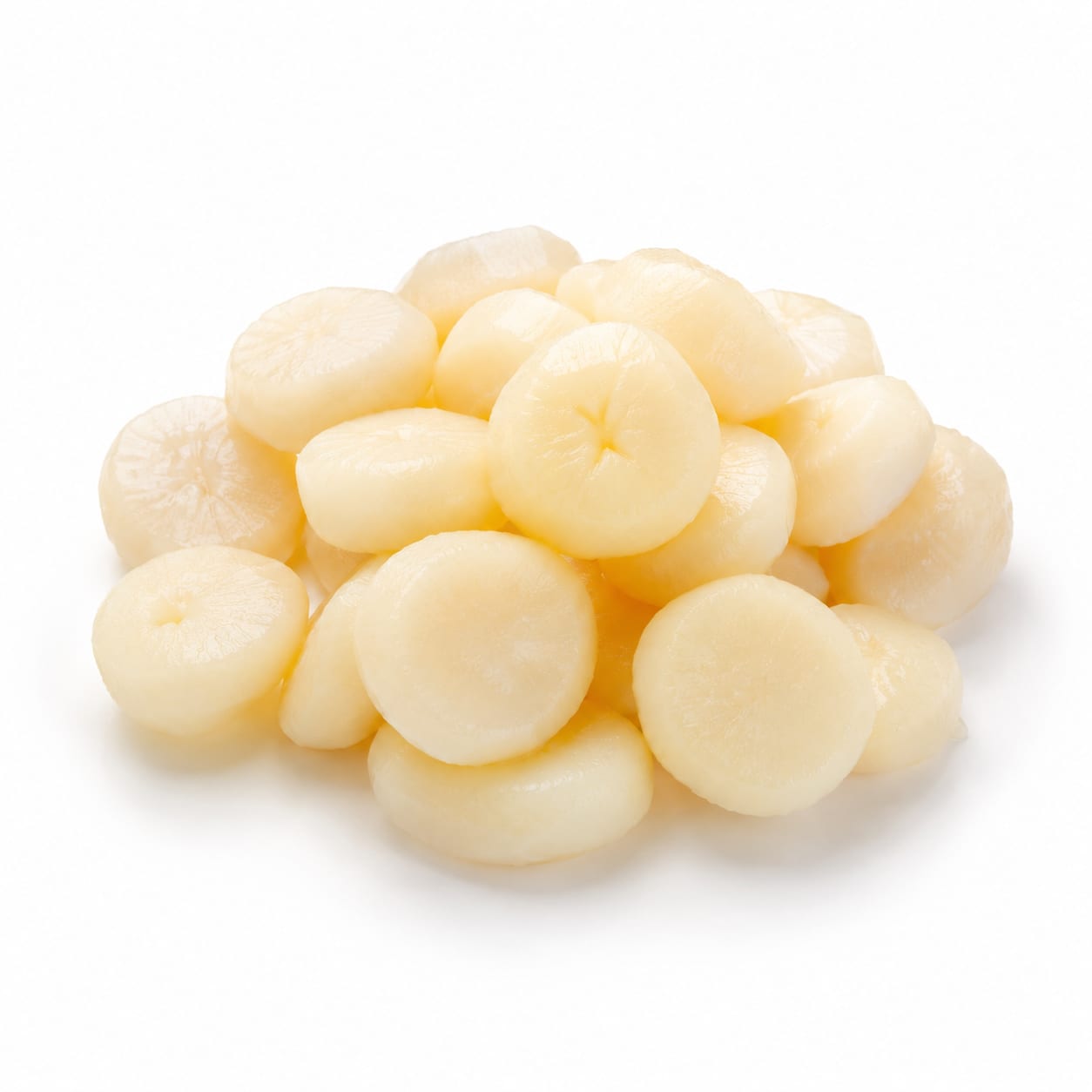
Water Chestnut
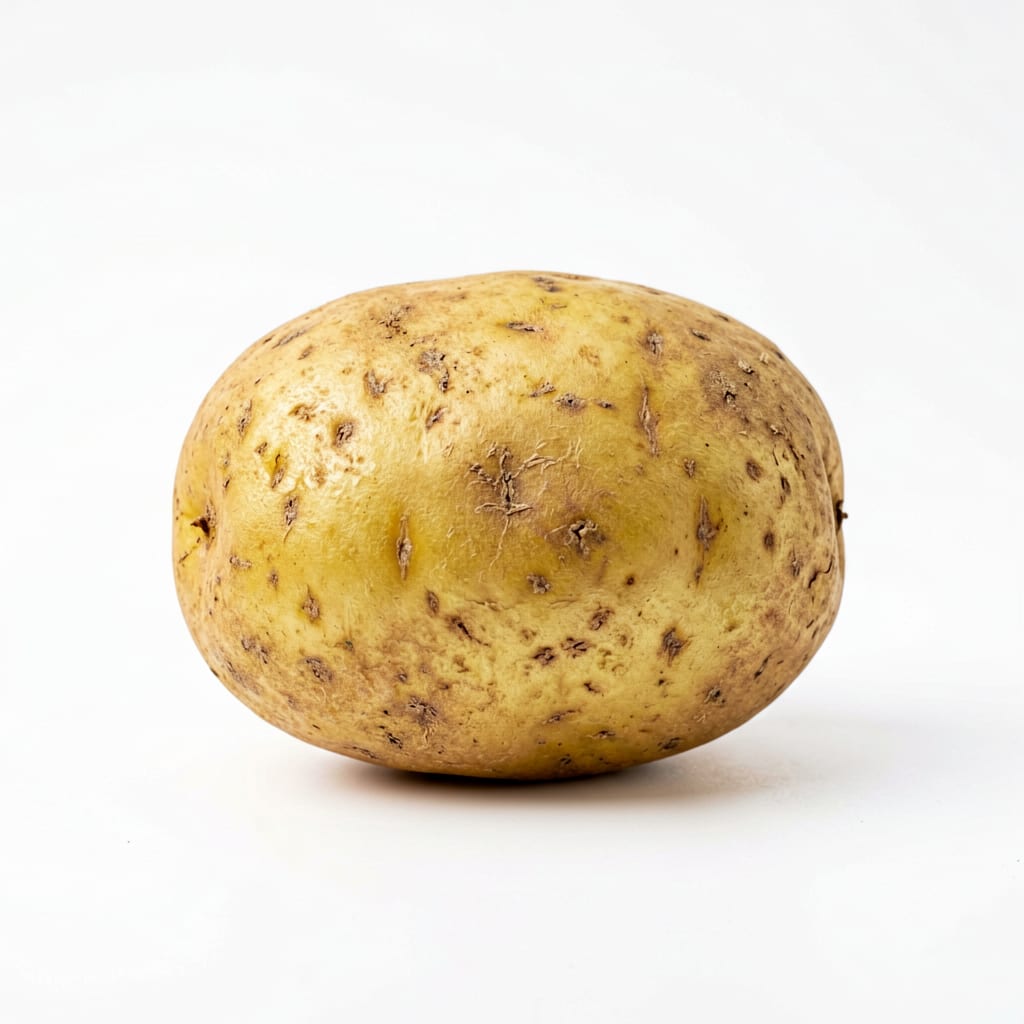
Potato
Potatoes win on satiety, versatility, and vitamin content, but water chestnuts are the smarter pick for blood sugar control and lighter meals.
Potatoes score higher overall due to superior satiety, vitamin content, and everyday practicality. Water chestnuts remain valuable for specific needs like blood sugar management, but their limited culinary role and lower nutrient density keep them from matching potatoes as a daily staple.
You trade the filling, nutrient-rich familiarity of potatoes for the gentler blood sugar response and crunch of water chestnuts.
At a glance
Executive summary
Overall
It depends
Healthier
It depends
More practical
Potato
Daily use
Potato
Key comparison lenses
blood sugar management
Potatoes are notorious for spiking blood sugar, while water chestnuts have a lower glycemic impact, making this the most critical differentiator
weight loss and satiety
Both are starchy carb sources, so understanding which keeps you fuller and supports calorie control matters deeply
everyday practicality and cost
Potatoes are a global staple that are cheap and versatile; water chestnuts are specialty items with limited culinary roles
nutrient density comparison
Users want to know if they are sacrificing nutrition by choosing one over the other
food safety and preparation risks
Raw water chestnuts carry parasite risks, while potatoes have solanine and acrylamide concerns depending on preparation
Best choice for
Water Chestnut
- People managing diabetes or insulin resistance
- Those wanting a low-glycemic carb option
- Anyone seeking a light, crunchy addition to stir-fries
- People on calorie-controlled diets who want volume without heavy fullness
Potato
- Athletes needing post-workout carb replenishment
- Families wanting an affordable, filling staple
- Anyone prioritizing satiety and long-lasting energy
- People who cook at home regularly and need versatile ingredients
Least suitable for
Water Chestnut
- Those who need a filling main carb source
- People on tight grocery budgets
- Anyone unfamiliar with Asian cooking techniques
Potato
- People with severe blood sugar concerns
- Those on very low-carb or keto diets
- Anyone prone to overeating starchy comfort foods
Deep comparison
Dimension by dimension
Each lens scores both foods and breaks down who each option suits.
- Dimension 1 · Priority 92Water Chestnut
blood sugar stability
Water Chestnut · 78Potato · 42Water chestnuts cause a slower, gentler blood sugar rise compared to the rapid spike most potatoes produce.
Tradeoff
Water chestnuts give you steadier energy but less total fuel, while potatoes deliver quick energy that can crash.
Why it matters
If you get sleepy after carb-heavy meals or are watching your blood sugar, this difference is significant.
Real-world impact
A water chestnut stir-fry leaves you comfortable; a large baked potato might cause an afternoon energy dip.
Water Chestnut
- Steady energy without crashes
- Better for insulin-sensitive individuals
- Less likely to trigger cravings an hour later
Better for
- Not enough carb fuel for intense physical activity
Worse for
Potato
- Faster glycogen replenishment after exercise
- More immediate energy when you genuinely need it
Better for
- Rapid blood sugar spike followed by a crash
- Can trigger hunger again sooner than expected
Worse for
- Dimension 2 · Priority 88Potato
satiety and fullness
Water Chestnut · 45Potato · 82Potatoes are among the most filling foods tested, while water chestnuts are light and minimally satisfying on their own.
Tradeoff
Potatoes keep you full for hours but feel heavy; water chestnuts feel refreshing but will not replace a real meal.
Why it matters
If you are trying to eat less overall, feeling full matters more than almost anything else.
Real-world impact
A boiled potato with dinner can prevent late-night snacking; water chestnuts alone will leave you hungry again soon.
Water Chestnut
- Light meals when you do not want to feel stuffed
- Hot weather eating when heavy food sounds unappealing
Better for
- Unlikely to hold you over between meals
- Easy to overeat other foods because you still feel hungry
Worse for
Potato
- Staying full between meals
- Reducing overall daily calorie intake through natural portion control
- Replacing more calorie-dense carb sources like pasta or bread
Better for
- Can feel too heavy in large portions
- The fullness may encourage eating beyond actual calorie needs if loaded with toppings
Worse for
- Dimension 3 · Priority 80Potato
nutrient density
Water Chestnut · 48Potato · 72Potatoes deliver more vitamin C, potassium, and B6 per calorie, while water chestnuts offer modest manganese and copper.
Tradeoff
Potatoes are surprisingly nutrient-rich for a starchy food; water chestnuts are mostly water and carbs with trace minerals.
Why it matters
If you rely on carb sources for vitamins, potatoes actually contribute meaningfully to your daily intake.
Real-world impact
A medium potato covers about 30% of your daily vitamin C and nearly 20% of potassium; water chestnuts barely move the needle.
Water Chestnut
- Slightly more fiber per serving
- Contains some unique trace minerals like manganese and copper
Better for
- Minimal vitamin content overall
- Does not meaningfully contribute to micronutrient goals
Worse for
Potato
- Significantly more potassium for blood pressure support
- Real vitamin C content that contributes to daily needs
- More vitamin B6 for energy metabolism
Better for
- Nutrient content drops with peeling and prolonged boiling
Worse for
- Dimension 4 · Priority 78Potato
versatility and practicality
Water Chestnut · 35Potato · 90Potatoes can be baked, mashed, roasted, fried, boiled, or turned into soup. Water chestnuts are mostly a stir-fry addition.
Tradeoff
Potatoes fit nearly any meal; water chestnuts serve one narrow culinary role extremely well.
Why it matters
The food you can actually cook with regularly beats the one that sits in your pantry unused.
Real-world impact
Potatoes can anchor breakfast, lunch, or dinner. Water chestnuts add crunch to one dish, then you forget about them.
Water Chestnut
- Unique crunch that nothing else replicates in Asian dishes
- No cooking required if using canned versions
Better for
- Very limited culinary applications
- Fresh ones require peeling and are hard to find
- Canned versions lose some texture and flavor
Worse for
Potato
- Works across dozens of cuisines and cooking methods
- Cheap and available everywhere year-round
- Easy to meal prep in bulk
- Familiar and family-friendly
Better for
- Requires cooking to be edible and digestible
Worse for
- Dimension 5 · Priority 82It depends
weight management
Water Chestnut · 62Potato · 60Water chestnuts have slightly fewer digestible carbs and a lower glycemic load, but potatoes are more filling per calorie.
Tradeoff
Lower blood sugar impact versus greater natural appetite control — both approaches work depending on your eating style.
Why it matters
Some people lose weight by controlling blood sugar; others succeed by simply staying full. Your strategy determines the winner.
Real-world impact
If you snack mindlessly when blood sugar drops, water chestnuts help. If you overeat because you never feel full, potatoes help more.
Water Chestnut
- Lower glycemic load per serving
- Less likely to trigger the insulin-hunger cycle
- Easier to portion-control because they are not a comfort food
Better for
- Not filling enough to prevent overeating later
- Often paired with high-calorie sauces in stir-fries
Worse for
Potato
- Highest satiety index score of any food tested
- Naturally replaces higher-calorie carb choices
- Plain boiled potatoes are very low in calorie density
Better for
- Butter, cheese, and frying can make them extremely calorie-dense
- Easy to overeat mashed or fried versions
Worse for
- Dimension 6 · Priority 60Water Chestnut
digestive tolerance
Water Chestnut · 75Potato · 58Water chestnuts are gentle on digestion and rarely cause bloating, while potatoes can trigger issues in sensitive people.
Tradeoff
Water chestnuts are easier on the gut but provide less prebiotic fiber; potatoes feed gut bacteria but can cause gas.
Why it matters
If you have IBS or a sensitive stomach, the wrong starchy food can ruin your afternoon.
Real-world impact
Water chestnuts sit lightly in the stomach. Potatoes, especially with skin, can cause bloating in some people.
Water Chestnut
- Rarely causes gas or bloating
- Well-tolerated by most sensitive stomachs
- Light enough for eating when digestion is sluggish
Better for
- Minimal prebiotic benefit for gut microbiome
Worse for
Potato
- Resistant starch from cooled potatoes feeds beneficial gut bacteria
- More fiber with skin on supports regular bowel movements
Better for
- Can cause bloating and gas in IBS-sensitive individuals
- Nightshade sensitivity affects some people
Worse for
Timeline
Health impact over time
Short-term
Hours to days
Water Chestnut
- Light, comfortable feeling after eating without heaviness
- Stable blood sugar with no energy crash
- Unlikely to cause digestive discomfort
Potato
- Strong feeling of fullness that can last hours
- Possible blood sugar spike and subsequent energy dip within 1-2 hours
- Warm, comforting satisfaction especially when served hot
Long-term
Months to years
Water Chestnut
- Consistent lower glycemic load may support insulin sensitivity over time
- Minimal contribution to overall micronutrient status
- Unlikely to drive weight gain when used as a minor ingredient
Potato
- Regular consumption linked to adequate potassium intake and blood pressure support
- Resistant starch from cooled potatoes may improve gut health over time
- Frequent high-glycemic preparation could increase metabolic risk if not managed
Risk profile
Safety & processing
Both foods are whole and minimally processed in their natural form. Canned water chestnuts may contain sodium preservatives, and processed potato products like fries or chips are a different story entirely. Stick to fresh or minimally prepared versions of both.
Water Chestnut
Parasite contamination from raw water chestnuts
mediumFreshwater-grown water chestnuts can carry Fasciolopsis buski parasites. Always cook thoroughly or peel carefully. Canned versions are safe.
Canned sodium content
lowCanned water chestnuts often contain added sodium. Rinse before use if watching salt intake.
Potato
Solanine toxicity from green or sprouted potatoes
mediumGreen spots and sprouts contain glycoalkaloids that can cause nausea and headaches. Cut away green areas or discard entirely.
Acrylamide formation when fried or roasted at high temperatures
mediumHigh-heat cooking above 120°C creates acrylamide, a probable carcinogen. Boiling and steaming avoid this entirely.
Foodborne illness from improperly stored potatoes
lowDamaged or rotting potatoes can harbor harmful bacteria. Store in cool, dark places and discard any soft or moldy ones.
Who wins for whom
Audience fit
Same foods, different winners depending on your goal.
children
PotatoKids love potatoes in many forms, they provide real vitamins, and the satiety helps growing bodies. Water chestnuts are unfamiliar and offer less nutritional value for developing kids.
daily consumption
PotatoPotatoes are affordable, versatile, and nutrient-dense enough to eat daily in varied preparations. Water chestnuts are best as an occasional ingredient, not a daily staple.
diabetes
Water ChestnutWater chestnuts have a significantly lower glycemic impact, making them safer for blood sugar management. Potatoes can be managed in small portions but require more caution.
elderly
PotatoPotatoes are easy to chew, digest when cooked, and provide potassium that supports blood pressure. Water chestnuts can be too firm for some older adults and offer less nutritional benefit.
muscle gain
PotatoPotatoes provide more readily available carbs for glycogen replenishment after training, and their potassium supports muscle function and recovery.
weight loss
It dependsWater chestnuts win if you are controlling blood sugar and eating light; potatoes win if you need to stay full and avoid snacking. Both work in different weight loss strategies.
Your move
Decision guide
Choose Water Chestnut
- You are managing diabetes, prediabetes, or insulin resistance
- You want a crunchy, light addition to Asian-inspired meals
- Blood sugar spikes after meals are a real problem for you
- You prefer eating small, frequent meals and want a gentle carb
Choose Potato
- You need an affordable, filling carb that works with any meal
- You are active and need solid post-workout fuel
- You want to feel satisfied and avoid between-meal snacking
- You are cooking for a family and need something everyone will eat
Either works if
- You are generally healthy and just want a whole-food carb source
- You rotate your starches throughout the week anyway
- Neither food is a dietary trigger for you
Avoid both if
- You are on a strict ketogenic or very low-carb diet
- You have severe carbohydrate malabsorption issues
Final recommendation
Keep potatoes as your everyday carb staple — they are more filling, more nutritious, and far more versatile. Add water chestnuts when you want crunch in a stir-fry or need a gentler carb option for blood sugar reasons. Neither is a bad choice, but potatoes earn their spot on the plate more often.
Practical
Consumer tips
- 1
Cool boiled potatoes in the fridge before eating to increase resistant starch, which lowers the glycemic impact and feeds gut bacteria
- 2
Always cook fresh water chestnuts thoroughly to eliminate any parasite risk — never eat them raw from unknown sources
- 3
Rinse canned water chestnuts to remove excess sodium before adding to dishes
- 4
Leave the skin on potatoes when possible — that is where most fiber and nutrients concentrate
- 5
Avoid frying potatoes at high temperatures if you are concerned about acrylamide; boiling or steaming is safer
- 6
Cut away any green spots on potatoes completely — solanine cannot be cooked away
- 7
Store potatoes in a cool, dark place but never in the refrigerator, which converts starches to sugars and affects taste and cooking quality