
Nutrition comparison
Water Chestnut vs Water Caltrop: Safety, Nutrition, and Which to Choose
Compare water chestnut and water caltrop nutrition, safety, and culinary use. Learn why water chestnuts are safer for daily eating and when water caltrop is worth the extra care.
Overall winner · Water Chestnut
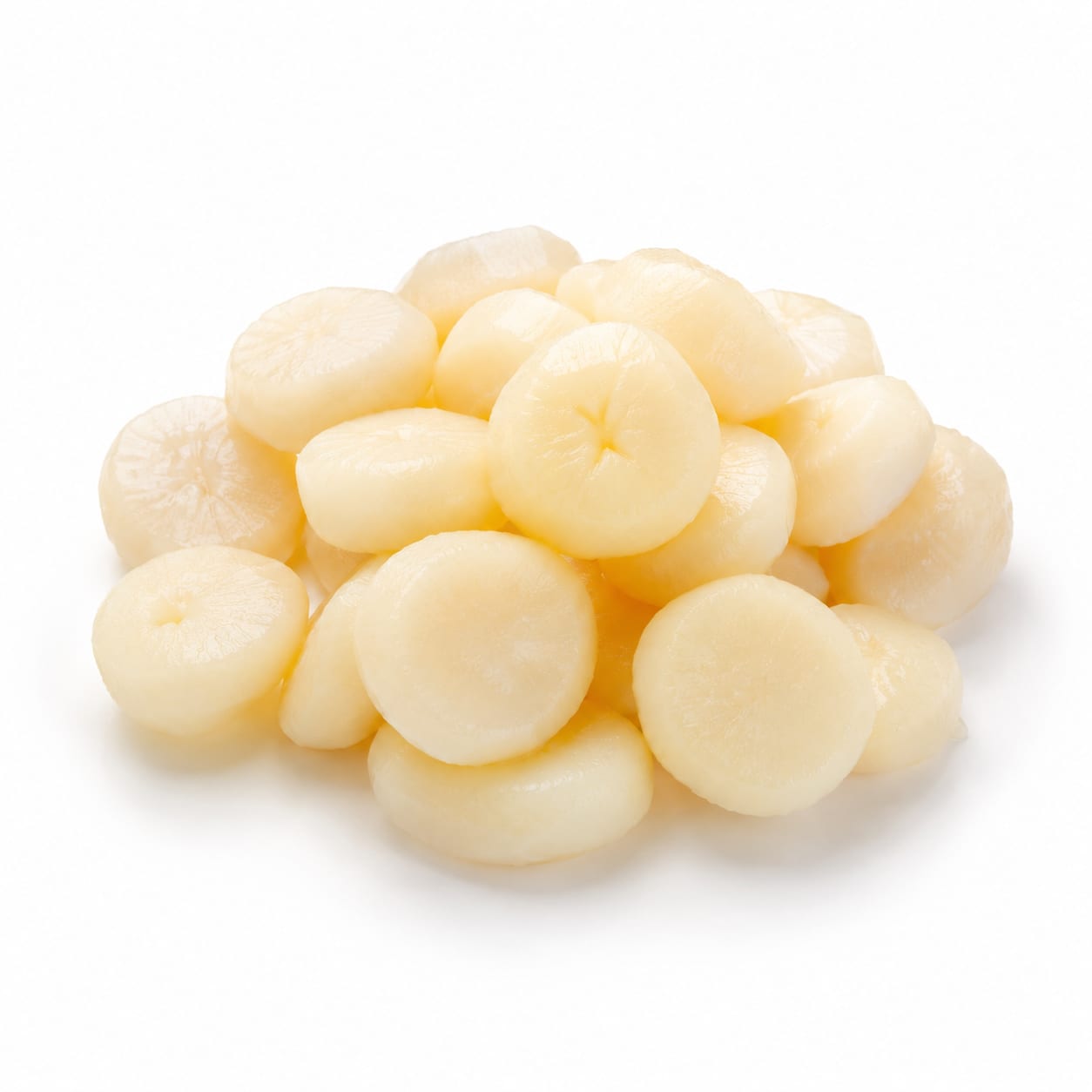
Water Chestnut
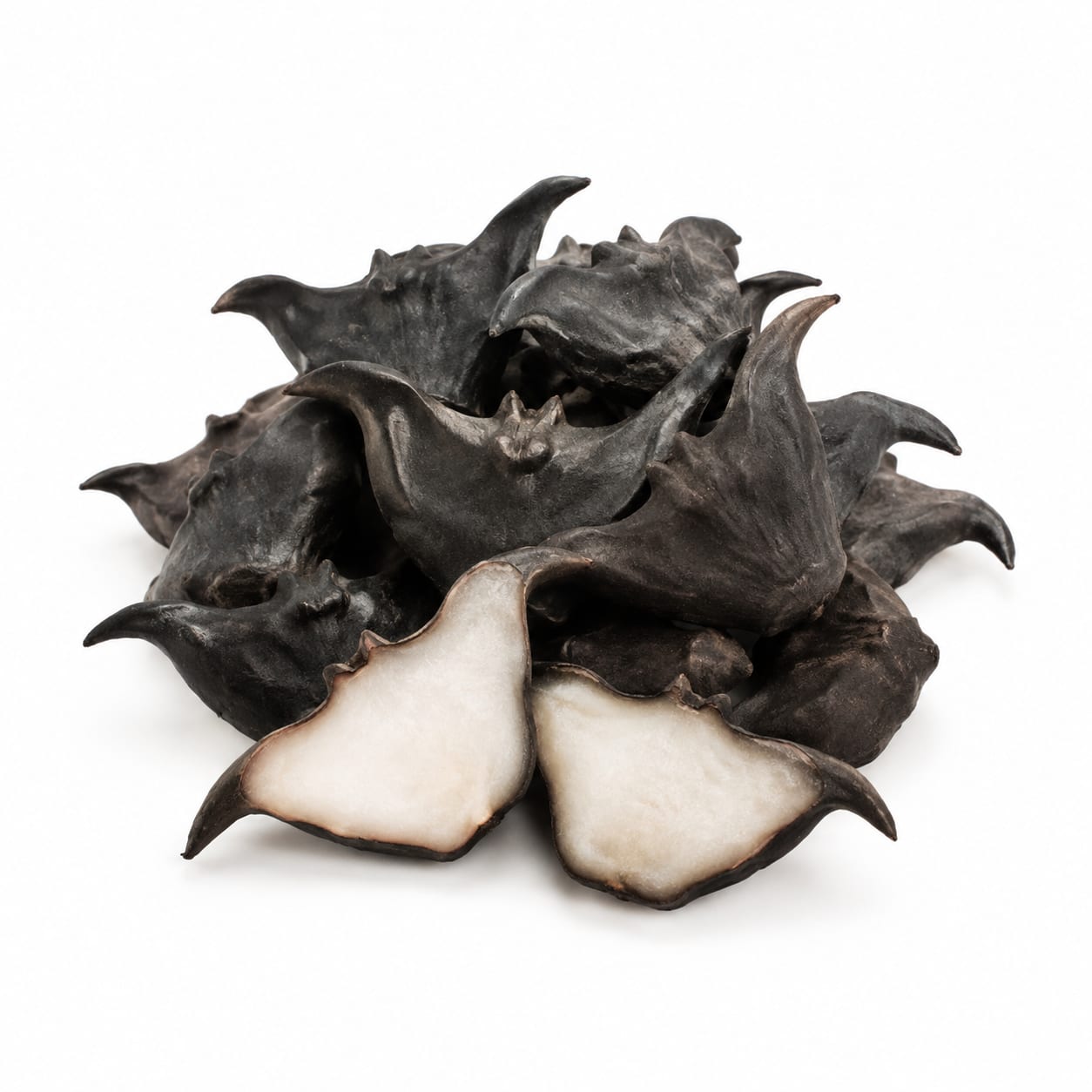
Water Caltrop
Water chestnuts are the safer, lighter, more versatile choice for everyday eating. Water caltrop offers richer starch and unique flavor but carries serious parasite risks if undercooked.
Water chestnuts score notably higher due to superior safety, lower calorie density, broader availability, and easier preparation. Water caltrop loses ground primarily on parasite risk and starch load, though it wins on caloric richness and traditional culinary value.
Water caltrop gives you more calories, starch, and a distinctive nutty experience, but demands careful cooking and carries safety risks that water chestnuts simply do not.
At a glance
Executive summary
Overall
Water Chestnut
Healthier
Water Chestnut
More practical
Water Chestnut
Daily use
Water Chestnut
Key comparison lenses
safety and parasite risk
Water caltrop is notorious for harboring parasites like Fasciolopsis buski when consumed raw or undercooked, making this the single most critical differentiator
carbohydrate load and blood sugar
Water caltrop is significantly starchier and more calorie-dense, directly impacting blood sugar and weight management decisions
culinary versatility and accessibility
Water chestnuts are widely available canned and fresh with broad culinary use, while water caltrop is niche and harder to find
nutritional density per calorie
Users choosing between these aquatic tubers want to know which delivers more nutrition per bite
digestive tolerance
The starchiness and preparation requirements of water caltrop affect digestibility differently than the lighter water chestnut
Best choice for
Water Chestnut
- Low-calorie snacking and weight management
- Stir-fries and dishes needing crunch
- People who want a safe, no-worry aquatic vegetable
- Blood sugar-conscious eaters
Water Caltrop
- Traditional Asian recipes calling for starchy tubers
- People wanting higher calorie plant-based fuel
- Culinary adventurers seeking unique textures and flavors
- Colder months when hearty, filling foods feel right
Least suitable for
Water Chestnut
- People seeking high-calorie plant-based energy
- Traditional recipes specifically requiring water caltrop's texture
Water Caltrop
- Anyone unwilling to thoroughly cook it before eating
- Immunocompromised individuals concerned about parasite exposure
- Low-carb or keto dieters
- Casual snackers wanting grab-and-go convenience
Deep comparison
Dimension by dimension
Each lens scores both foods and breaks down who each option suits.
- Dimension 1 · Priority 95Water Chestnut
Safety and Contamination Risk
Water Chestnut · 90Water Caltrop · 45Water chestnuts are generally safe whether raw or cooked. Water caltrop can harbor dangerous intestinal flukes if consumed raw or undercooked.
Tradeoff
Water caltrop's traditional appeal comes with a non-negotiable cooking requirement that water chestnuts do not demand.
Why it matters
Fasciolopsiasis from raw water caltrop is a real and documented health issue in regions where it is commonly eaten.
Real-world impact
Eating undercooked water caltrop could mean weeks of abdominal pain and diarrhea. Water chestnuts carry no such risk even straight from the can.
Water Chestnut
- Casual snackers who might eat raw
- Families with children who grab food casually
- Anyone with a compromised immune system
Better for
- No meaningful safety downside
Worse for
Water Caltrop
- None — safety always favors water chestnut here
Better for
- People who skip cooking steps
- Raw food diet followers
- Those in regions with poor water quality where caltrop is grown
Worse for
- Dimension 2 · Priority 85Water Chestnut
Calorie Efficiency and Weight Management
Water Chestnut · 82Water Caltrop · 55Water chestnuts deliver satisfying crunch at roughly 97 calories per 100g raw. Water caltrop packs about 130-160 calories per 100g with significantly more starch.
Tradeoff
Water caltrop fills you up more per serving but at a steeper caloric cost. Water chestnuts let you eat more volume for fewer calories.
Why it matters
For anyone watching portions or managing weight, calorie density determines how much you can comfortably eat.
Real-world impact
A cup of sliced water chestnuts in your stir-fry adds crunch without guilt. The same amount of water caltrop feels more like eating a potato.
Water Chestnut
- Weight loss diets
- Volume eaters who want more food for fewer calories
- Light lunch sides
Better for
- Endurance athletes needing dense carb fuel
Worse for
Water Caltrop
- Hikers and athletes needing calorie-dense plant fuel
- Underweight individuals seeking healthy calorie sources
- Winter meals where heavier foods feel appropriate
Better for
- Calorie counters
- Low-carb eaters
Worse for
- Dimension 3 · Priority 80Water Chestnut
Blood Sugar Impact
Water Chestnut · 75Water Caltrop · 50Water chestnuts have a moderate glycemic load. Water caltrop's higher starch content means a faster, larger blood sugar rise.
Tradeoff
Water caltrop provides quicker energy but less metabolic stability. Water chestnuts offer steadier, gentler blood sugar response.
Why it matters
Starchy tubers can spike blood sugar, and water caltrop behaves more like a potato than a vegetable.
Real-world impact
After a water caltrop-heavy meal, you might feel a brief energy surge followed by a dip. Water chestnuts keep things more even-keeled.
Water Chestnut
- People with prediabetes or diabetes
- Anyone avoiding afternoon energy crashes
- Steady-energy seekers
Better for
- Situations demanding immediate high-glycemic fuel
Worse for
Water Caltrop
- Post-workout recovery when quick carbs help
- People needing rapid caloric replenishment
Better for
- Insulin-resistant individuals
- Low-glycemic diet followers
Worse for
- Dimension 4 · Priority 75Water Chestnut
Culinary Versatility and Convenience
Water Chestnut · 88Water Caltrop · 52Water chestnuts are available canned worldwide, retain crunch when cooked, and work in stir-fries, salads, and soups. Water caltrop is niche, seasonal, and requires boiling or roasting.
Tradeoff
Water chestnuts are the weeknight cook's friend. Water caltrop is a specialty ingredient for specific traditional dishes.
Why it matters
A food you can actually find and easily use will always beat one that sits on a bucket list.
Real-world impact
You can grab canned water chestnuts at most grocery stores tonight. Water caltrop might require an Asian market trip and 30 minutes of boiling.
Water Chestnut
- Weeknight stir-fries
- Meal prep enthusiasts
- Home cooks wanting reliable crunch
- People without access to specialty markets
Better for
- Authentic traditional recipes specifically requiring water caltrop
Worse for
Water Caltrop
- Traditional Chinese festival cooking
- Culinary hobbyists exploring regional cuisine
- Boiled or roasted snack preparations
Better for
- Quick weeknight meals
- Anyone outside Asian market range
- Canned convenience seekers
Worse for
- Dimension 5 · Priority 65It depends
Nutritional Micronutrient Profile
Water Chestnut · 70Water Caltrop · 68Water chestnuts offer more potassium and vitamin B6. Water caltrop provides slightly more iron and calcium. Both are modest nutrient sources overall.
Tradeoff
Neither is a micronutrient powerhouse. Water chestnuts edge ahead on electrolytes, water caltrop on minerals for blood health.
Why it matters
If you are relying on these for nutrition, you need to know which micronutrients matter more for your situation.
Real-world impact
Water chestnuts help with hydration and nerve function. Water caltrop contributes a bit more toward iron needs, especially relevant for plant-based eaters.
Water Chestnut
- People needing potassium for blood pressure
- Active individuals losing electrolytes through sweat
Better for
- Those specifically seeking iron from plant sources
Worse for
Water Caltrop
- Plant-based eaters watching iron intake
- Women with higher calcium needs
Better for
- People relying on food for potassium
Worse for
- Dimension 6 · Priority 60Water Chestnut
Digestive Tolerance
Water Chestnut · 78Water Caltrop · 58Water chestnuts are light and easy on digestion for most people. Water caltrop's dense starch can cause bloating, especially if undercooked.
Tradeoff
Water chestnuts feel light and comfortable. Water caltrop can sit heavy, particularly for sensitive stomachs.
Why it matters
A food that causes discomfort after eating undermines any nutritional benefit it offers.
Real-world impact
After water chestnuts, you feel satisfied but not stuffed. After water caltrop, you might feel like you ate a baked potato — fine for some, uncomfortable for others.
Water Chestnut
- People with sensitive digestion
- Those prone to bloating from starchy foods
- Light dinner preferences
Better for
- People who find low-calorie foods unfilling
Worse for
Water Caltrop
- Robust digesters who enjoy hearty meals
- People who find light meals unsatisfying
Better for
- IBS sufferers sensitive to starch
- Anyone eating it undercooked
Worse for
Timeline
Health impact over time
Short-term
Hours to days
Water Chestnut
- Light, satisfying crunch with minimal digestive burden
- Steady energy without blood sugar spikes
- Safe to eat raw or canned without preparation concerns
Water Caltrop
- Heavier fullness from starch density
- Possible bloating if undercooked or eaten in large portions
- Risk of parasitic infection if consumed raw — abdominal pain, diarrhea within weeks
Long-term
Months to years
Water Chestnut
- Consistent low-calorie option supports weight maintenance
- Potassium intake contributes to blood pressure regulation over time
- Minimal health risk with regular consumption
Water Caltrop
- Higher starch intake may challenge blood sugar management if eaten frequently
- Iron and calcium contribute to long-term bone and blood health
- Recurring undercooking could lead to chronic parasitic issues in endemic regions
Risk profile
Safety & processing
Both foods are whole, natural aquatic tubers in their fresh form. Canned water chestnuts may contain added sodium from the canning liquid, so rinsing is advisable. Fresh water caltrop is unprocessed but requires thorough cooking.
Water Chestnut
Sodium from canned varieties
lowCanned water chestnuts can contain 200-400mg sodium per serving. Rinsing reduces this significantly. Fresh water chestnuts have negligible sodium.
Minor bacterial contamination on fresh produce
lowLike any fresh produce, washing before consumption is sufficient. No unusual contamination risk compared to other vegetables.
Water Caltrop
Fasciolopsis buski parasite infection
highRaw or undercooked water caltrop is a known vector for this intestinal fluke, common in parts of Asia. Symptoms include abdominal pain, diarrhea, and malabsorption. Thorough boiling or roasting eliminates the risk.
Environmental water contamination
mediumWater caltrop grows in stagnant or slow-moving water, which may contain agricultural runoff or heavy metals depending on the source region.
Choking hazard from hard shell
mediumThe tough spiny shell must be removed before eating. Improper shelling can leave sharp fragments, posing a risk especially to children.
Who wins for whom
Audience fit
Same foods, different winners depending on your goal.
children
Water ChestnutNo parasite risk, easier to prepare safely, and the fun crunch appeals to kids. Water caltrop's safety risks and hard shell make it less suitable.
daily consumption
Water ChestnutSafety, availability, and ease of preparation make water chestnuts a realistic daily ingredient. Water caltrop is better reserved for occasional traditional use.
diabetes
Water ChestnutLower starch content and gentler blood sugar impact make water chestnuts the safer choice for glycemic control.
elderly
Water ChestnutEasier to digest, safer to prepare, and gentler on blood sugar. Water caltrop's density and safety concerns are harder to manage with age.
muscle gain
Water CaltropHigher carbohydrate and calorie content provides more fuel for training, though neither food is a significant protein source.
weight loss
Water ChestnutLower calorie density and lighter digestive footprint make water chestnuts easier to fit into a calorie deficit without feeling deprived.
Your move
Decision guide
Choose Water Chestnut
- You want a safe, low-calorie crunch for stir-fries and salads
- You are managing blood sugar or watching your weight
- You need something easy to find and prepare on busy weeknights
- You are feeding children or anyone with a sensitive stomach
Choose Water Caltrop
- You are cooking a traditional Asian festival dish that calls for it
- You want a starchy, filling plant-based carb for energy
- You have access to fresh water caltrop and will boil it thoroughly
- You enjoy exploring unique regional ingredients and flavors
Either works if
- You want a whole-food aquatic vegetable with minimal processing
- You are looking for gluten-free, plant-based carb options
- You enjoy incorporating traditional Asian ingredients into your cooking
Avoid both if
- You need a high-protein food — neither delivers meaningful protein
- You have a strict low-carb or keto requirement
- You are looking for a significant source of vitamins or minerals
Final recommendation
Water chestnuts are the clear everyday choice — safer, lighter, easier to find, and simpler to use. Water caltrop is worth trying for cultural and culinary exploration, but always boil it thoroughly and treat it as an occasional specialty, not a staple.
Practical
Consumer tips
- 1
Rinse canned water chestnuts before using to cut sodium by up to 40%
- 2
Fresh water chestnuts peel easily with a paring knife and taste noticeably sweeter than canned
- 3
Never eat water caltrop raw — boil for at least 20 minutes or roast thoroughly
- 4
Store fresh water chestnuts in water in the refrigerator to maintain crunch for up to a week
- 5
If buying water caltrop, choose ones with intact shells and no cracks, which can indicate spoilage or contamination entry points
- 6
Slice water chestnuts just before cooking to preserve their signature crunch