
Nutrition comparison
Water Chestnut vs Taro: Which Root Vegetable Is Healthier?
Compare water chestnut and taro nutrition, health benefits, and safety. Learn which is better for weight loss, blood sugar, gut health, and daily meals.
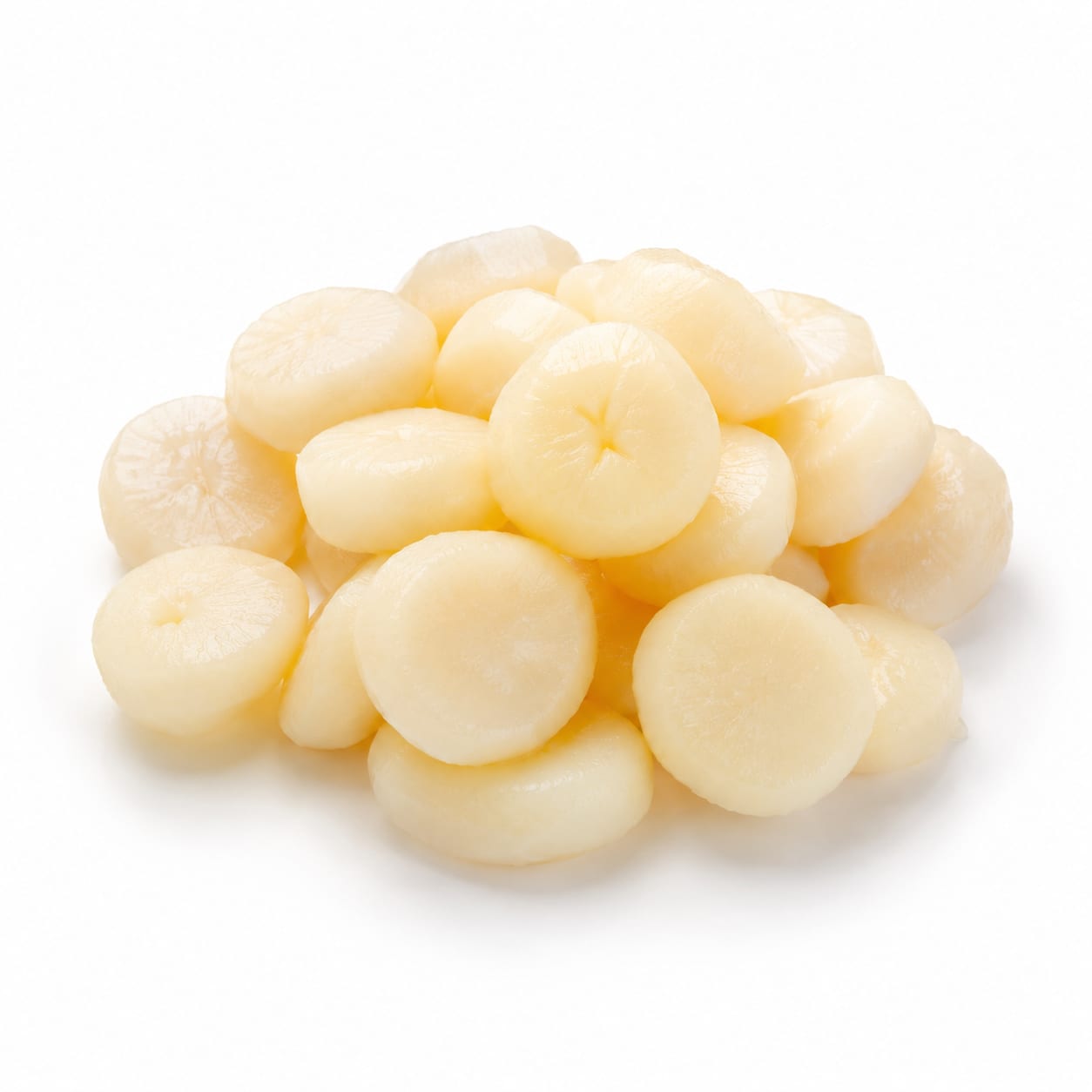
Water Chestnut
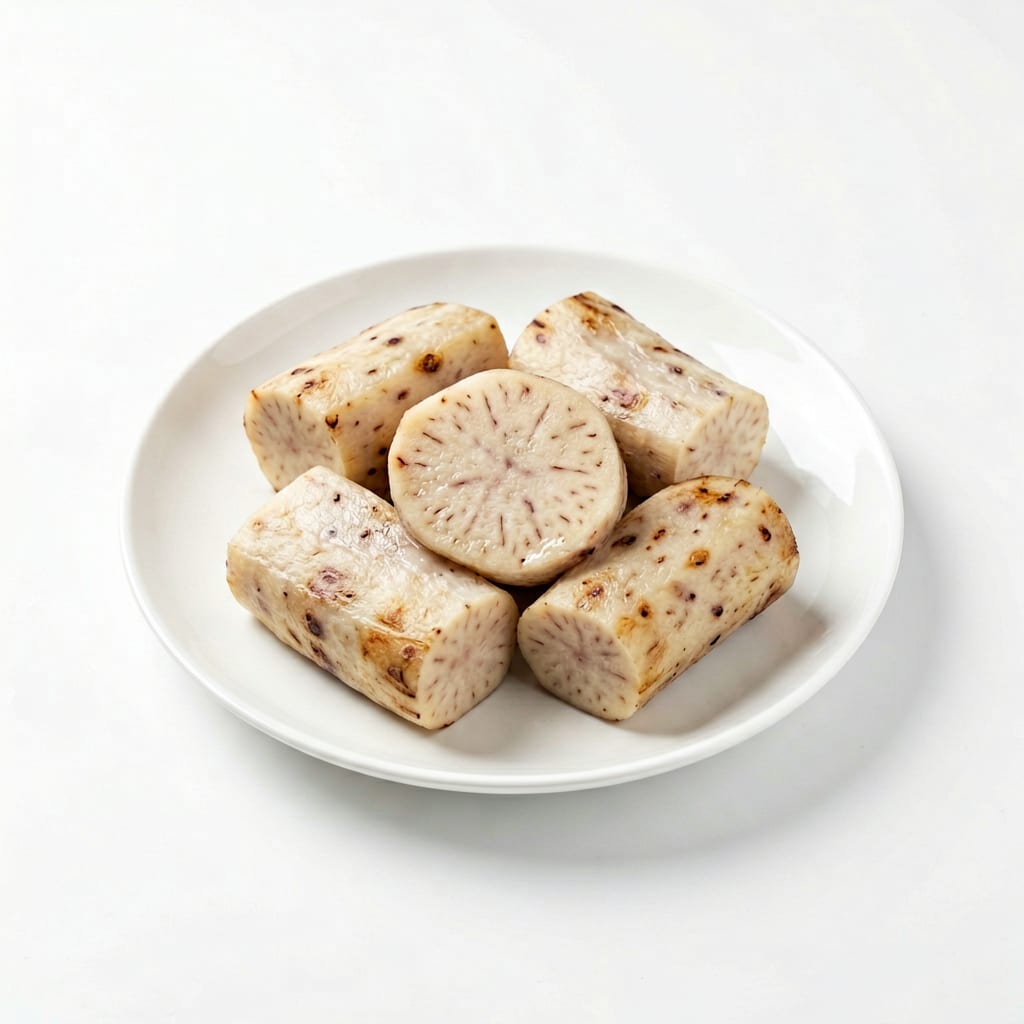
Taro
Taro is more nutrient-dense and filling, but water chestnut is lighter and safer to handle raw. Your pick depends on whether you want a satisfying staple or a low-calorie crunch.
Taro scores higher due to superior fiber, resistant starch, and micronutrient content, making it a more complete staple food. Water chestnut remains valuable for its lightness and versatility but offers less nutritional substance per serving.
Taro gives you more fiber, vitamins, and lasting fullness at the cost of higher calories and mandatory cooking. Water chestnut offers a crisp, low-calorie bite but less nutritional substance.
At a glance
Executive summary
Overall
It depends
Healthier
Taro
More practical
Water Chestnut
Daily use
Taro
Key comparison lenses
blood sugar management
Both are starchy root vegetables with very different glycemic impacts, making this the top concern for most users comparing them
digestive health and gut comfort
Taro's resistant starch and fiber content contrast sharply with water chestnut's lighter digestive profile
weight management and satiety
Calorie density and fullness differ significantly between these two, affecting portion control and meal planning
safety and preparation requirements
Taro has serious raw toxicity concerns that water chestnut does not, which matters for home cooks
nutrient density for daily staple use
Users choosing between these as a carbohydrate source need to understand what vitamins and minerals they gain or sacrifice
Best choice for
Water Chestnut
- Low-calorie snacking and light meals
- Quick stir-fries where crunch matters
- Raw or minimally cooked preparations
- Blood sugar-sensitive meals needing lower carb load
Taro
- Hearty, filling meals as a carb staple
- Gut health and digestive regularity
- Active individuals needing sustained energy
- Replacing potatoes or rice for more nutrients
Least suitable for
Water Chestnut
- Those seeking a filling carbohydrate base for meals
- Anyone needing high nutrient density per calorie
- People wanting resistant starch benefits for gut health
Taro
- Low-calorie or strict portion-controlled diets
- Anyone who might accidentally undercook it
- Quick-prep meals with minimal cooking time
Deep comparison
Dimension by dimension
Each lens scores both foods and breaks down who each option suits.
- Dimension 1 · Priority 92Taro
blood sugar stability
Water Chestnut · 58Taro · 74Taro's resistant starch slows digestion and creates a gentler blood sugar curve, while water chestnut's carbs absorb more quickly despite having fewer total carbohydrates.
Tradeoff
Water chestnut has fewer total carbs per serving, but taro's resistant starch means those carbs hit your bloodstream more gradually.
Why it matters
If you're managing diabetes or avoiding afternoon energy crashes, how steadily carbs release matters more than the total amount.
Real-world impact
A taro-based meal keeps you steadier for longer. Water chestnut in a stir-fry adds crunch without heavy carbs, but won't anchor your blood sugar the same way.
Water Chestnut
- Smaller total carb loads per serving
- Light meals where you want minimal glycemic impact from the vegetable component
Better for
- Less resistant starch means quicker glucose absorption
- Not substantial enough to stabilize blood sugar on its own
Worse for
Taro
- Sustained energy without spikes
- Diabetic-friendly carb sources when portioned appropriately
- Pre-workout meals needing slow-release fuel
Better for
- Larger carb portions can still spike blood sugar if overeaten
- Requires careful portioning for strict low-carb approaches
Worse for
- Dimension 2 · Priority 88Taro
digestive health and gut comfort
Water Chestnut · 52Taro · 82Taro is a gut health champion with high resistant starch and fiber that feeds beneficial bacteria. Water chestnut is gentle but doesn't actively nourish your microbiome.
Tradeoff
Taro feeds your gut flora powerfully but can cause bloating if you're not used to high fiber. Water chestnut is easy on the stomach but doesn't offer the same prebiotic benefits.
Why it matters
Your gut microbiome affects everything from immunity to mood. A food that actively feeds good bacteria is a long-term investment in digestive health.
Real-world impact
Regular taro consumption can improve bowel regularity within days. Water chestnut won't cause digestive upset, but it won't actively improve gut health either.
Water Chestnut
- Sensitive stomachs that react to high fiber
- Recovery meals after digestive illness
- Light eating when you want minimal digestive workload
Better for
- Minimal prebiotic fiber for gut bacteria
- Doesn't contribute meaningfully to digestive regularity
Worse for
Taro
- Building a healthy gut microbiome over time
- Chronic constipation relief
- Long-term digestive wellness strategies
Better for
- Can cause gas and bloating if introduced too quickly
- Heavy feeling if you're not accustomed to dense root vegetables
Worse for
- Dimension 3 · Priority 85It depends
weight management and satiety
Water Chestnut · 70Taro · 72Water chestnut has fewer calories per serving, but taro fills you up much more effectively. The satiety advantage often makes taro better for weight management in practice.
Tradeoff
Water chestnut lets you eat more volume for fewer calories. Taro makes you feel full faster, so you naturally eat less overall.
Why it matters
Crash diets fail because hunger wins. A food that keeps you satisfied on fewer total calories is more sustainable than one that's low-cal but leaves you snacking an hour later.
Real-world impact
A taro-based dinner keeps you full until morning. A water chestnut stir-fry is light and refreshing, but you might reach for a snack by 9 PM.
Water Chestnut
- Volume eating strategies where you want large portions
- Low-calorie meal assembly without feeling heavy
- Hot weather eating when heavy food feels unappealing
Better for
- Low satiety means you may overeat later
- Doesn't replace heavier carbs effectively in meals
Worse for
Taro
- Appetite control without counting calories
- Replacing higher-calorie starches like white rice or potatoes
- One-dish meals where satiety matters most
Better for
- Higher calorie density requires portion awareness
- Easy to overconsume if you love the taste and texture
Worse for
- Dimension 4 · Priority 78Taro
nutrient density
Water Chestnut · 48Taro · 80Taro delivers significantly more vitamin E, vitamin B6, potassium, manganese, and folate per serving. Water chestnut is not nutrient-poor, but it cannot match taro's micronutrient profile.
Tradeoff
Taro is a nutritional workhorse that earns its calories. Water chestnut gives you fewer nutrients but also fewer calories, which can be the right tradeoff in calorie-restricted contexts.
Why it matters
If a starchy vegetable is your main carb source, picking the one with more vitamins and minerals per bite reduces the need for supplementation or additional food variety.
Real-world impact
Eating taro regularly contributes meaningfully to your daily potassium and B-vitamin needs. Water chestnut contributes some potassium but falls short on most other micronutrients.
Water Chestnut
- Diets where calorie budget is tighter than nutrient needs
- Situations where other foods already cover micronutrient gaps
Better for
- Relatively thin micronutrient profile for a root vegetable
- Doesn't pull its weight nutritionally as a staple carb
Worse for
Taro
- Plant-based diets needing nutrient-dense carb sources
- Anyone relying on starchy vegetables as a nutritional cornerstone
- Pregnancy-adjacent diets needing folate and B6
Better for
- More calories required to access those nutrients
- Not ideal when calorie restriction is the priority
Worse for
- Dimension 5 · Priority 82Water Chestnut
safety and preparation
Water Chestnut · 88Taro · 55Water chestnut is safe to eat raw and simple to prepare. Raw taro contains calcium oxalate crystals that cause severe mouth and throat irritation, requiring thorough cooking every time.
Tradeoff
Water chestnut is forgiving and safe even with minimal prep. Taro demands respect and proper cooking, but rewards you with creaminess and nutrition once handled correctly.
Why it matters
A food that can hurt you if undercooked adds real risk to your kitchen, especially if children or inexperienced cooks are involved.
Real-world impact
You can snack on raw water chestnut without worry. Accidentally undercooked taro causes immediate burning and swelling in your mouth that can last hours.
Water Chestnut
- Households with children who might sample raw ingredients
- Raw preparations and quick cooking methods
- Beginner cooks who might not recognize undercooked taro
Better for
- No significant safety concerns to flag
Worse for
Taro
- Experienced cooks comfortable with proper preparation
- Cultural cuisines where taro handling knowledge is standard
Better for
- Raw toxicity risk is real and painful
- Requires peeling gloves for sensitive skin
- Must be cooked thoroughly every time with no shortcuts
Worse for
- Dimension 6 · Priority 72It depends
culinary versatility and enjoyment
Water Chestnut · 75Taro · 78Water chestnut brings unmatched crunch that survives cooking, while taro offers creamy, comforting texture that absorbs flavors beautifully. They serve completely different culinary roles.
Tradeoff
Water chestnut is a texture enhancer that plays a supporting role. Taro is a satisfying base that can carry a dish on its own.
Why it matters
Food has to be enjoyable to be sustainable. A nutritious food you never want to eat doesn't help you. Both foods shine in different dishes, so your cooking style matters.
Real-world impact
Water chestnut makes stir-fries and salads more interesting. Taro makes curries, soups, and desserts feel rich and comforting. They're not really interchangeable.
Water Chestnut
- Stir-fries needing crunch retention
- Fresh salads and cold dishes
- Dumpling fillings where texture contrast matters
Better for
- Loses its unique appeal when overcooked or canned
- Cannot serve as a meal base on its own
Worse for
Taro
- Hearty soups and stews as a thickening base
- Mashed or puréed side dishes
- Traditional desserts like taro cake or taro bubble tea
Better for
- Texture becomes unappealing if overcooked to mushiness
- Doesn't work in raw or crisp applications
Worse for
Timeline
Health impact over time
Short-term
Hours to days
Water Chestnut
- Light, crisp eating experience that won't cause food coma
- Minimal digestive discomfort even in larger quantities
- Quick energy from easily digested carbohydrates
- Low risk of any adverse reaction from raw consumption
Taro
- Comforting fullness that reduces between-meal hunger
- Possible bloating or gas if you eat a large portion unaccustomed
- Steady energy release over 2-3 hours without crash
- Immediate mouth irritation if accidentally consumed undercooked
Long-term
Months to years
Water Chestnut
- Maintains low calorie intake patterns easily
- Does not significantly contribute to gut microbiome health
- Potassium intake supports blood pressure management
- Unlikely to cause any chronic health concerns with regular consumption
Taro
- Resistant starch feeding gut bacteria improves long-term digestive and immune health
- Consistent fiber intake reduces cardiovascular and metabolic disease risk
- Vitamin E and B6 support skin health and nervous system function
- Requires disciplined portion control to avoid gradual weight gain from calorie density
Risk profile
Safety & processing
Both foods are whole vegetables in their fresh form. However, canned water chestnuts are extremely common and contain added sodium and sometimes preservatives, which raises the additive concern. Fresh water chestnuts are as clean as fresh taro. Always choose fresh water chestnuts when available, and rinse canned versions thoroughly.
Water Chestnut
Canned sodium overload
mediumCanned water chestnuts often contain 200-400mg sodium per serving. Rinsing helps but doesn't eliminate it entirely. Fresh water chestnuts avoid this completely.
Aquatic contamination
lowWater chestnuts grow in water and can accumulate environmental contaminants from polluted water sources. Reputable suppliers and proper washing minimize this risk.
Taro
Calcium oxalate toxicity from raw or undercooked taro
highRaw taro contains needle-shaped calcium oxalate crystals that cause immediate burning, swelling, and irritation in the mouth and throat. Thorough cooking destroys these crystals. Never taste-test raw taro dough or batter.
Skin irritation during peeling
mediumRaw taro can cause itchy, irritated skin when peeling. Wearing gloves and oiling your hands before handling prevents this common kitchen complaint.
Who wins for whom
Audience fit
Same foods, different winners depending on your goal.
children
Water ChestnutWater chestnut is safe raw, has a fun crunchy texture kids enjoy, and poses no toxicity risk if undercooked. Taro's raw danger makes it less suitable for households where children might sample ingredients.
daily consumption
TaroTaro offers more nutritional value per serving and better supports gut health as a daily staple. Water chestnut works better as an occasional ingredient than a daily carb source.
diabetes
TaroTaro's resistant starch creates a lower glycemic response despite higher total carbs. The fiber slows glucose absorption. Portion control remains essential for both.
elderly
TaroTaro's soft, creamy texture when cooked is easier to chew and swallow. Its fiber helps with the constipation that commonly affects older adults. The nutrient density supports aging bodies that absorb vitamins less efficiently.
muscle gain
TaroTaro provides more sustained carbohydrates for glycogen replenishment and more potassium for muscle function. Its calorie density supports the surplus needed for muscle building.
weight loss
It dependsWater chestnut for calorie counters who prefer volume eating. Taro for those who find that high-satiety foods naturally reduce total daily intake. Both can work, but through different mechanisms.
Your move
Decision guide
Choose Water Chestnut
- You want a low-calorie crunch in stir-fries, salads, or dumplings
- You're cooking for children and want zero raw-preparation risk
- You're counting calories strictly and prefer volume over density
- You live in a hot climate and prefer light, refreshing meals
- You can access fresh water chestnuts rather than canned
Choose Taro
- You need a filling, satisfying carb base for regular meals
- Gut health and digestive regularity are priorities
- You want to replace white rice or potatoes with something more nutritious
- You're an experienced cook comfortable with proper taro preparation
- You need sustained energy for physical work or exercise
Either works if
- You're building an Asian-inspired meal and either texture works
- Your diet already has strong nutrient coverage from other foods
- You enjoy both and want culinary variety in your week
Avoid both if
- You're on a strict very-low-carb or ketogenic diet
- You have a known allergy to either plant family
- You cannot access fresh versions and only highly processed forms are available
Final recommendation
Keep both in your rotation. Use taro as your hearty, nutrient-dense carb staple a few times a week, and reach for water chestnuts when you want crunch without heaviness. If you must pick one for daily eating, taro gives you more health benefits per bite — just respect the cooking requirement.
Practical
Consumer tips
- 1
Always wear gloves when peeling raw taro, or coat your hands with cooking oil to create a barrier against the irritant crystals
- 2
Boil or steam taro for at least 15-20 minutes until completely tender — no firm centers allowed
- 3
Choose fresh water chestnuts over canned when possible: they taste sweeter, have better crunch, and contain zero added sodium
- 4
If using canned water chestnuts, rinse them thoroughly under running water for 30 seconds to remove surface sodium
- 5
Taro's resistant starch increases when you cook it, cool it, and reheat it — this makes leftover taro dishes even better for blood sugar
- 6
Store fresh water chestnuts in water in the refrigerator and use within a week for best texture
- 7
Add taro to soups and stews where it naturally thickens the broth while adding creaminess and nutrition