
Nutrition comparison
Water Chestnut vs Bamboo Shoots: Which Low-Calorie Crunch Is Healthier?
Compare Water Chestnuts and Bamboo Shoots nutritionally. Bamboo Shoots win on fiber and calories, Water Chestnuts deliver more crunch and substance. Full tradeoff analysis inside.
Overall winner · Bamboo Shoots
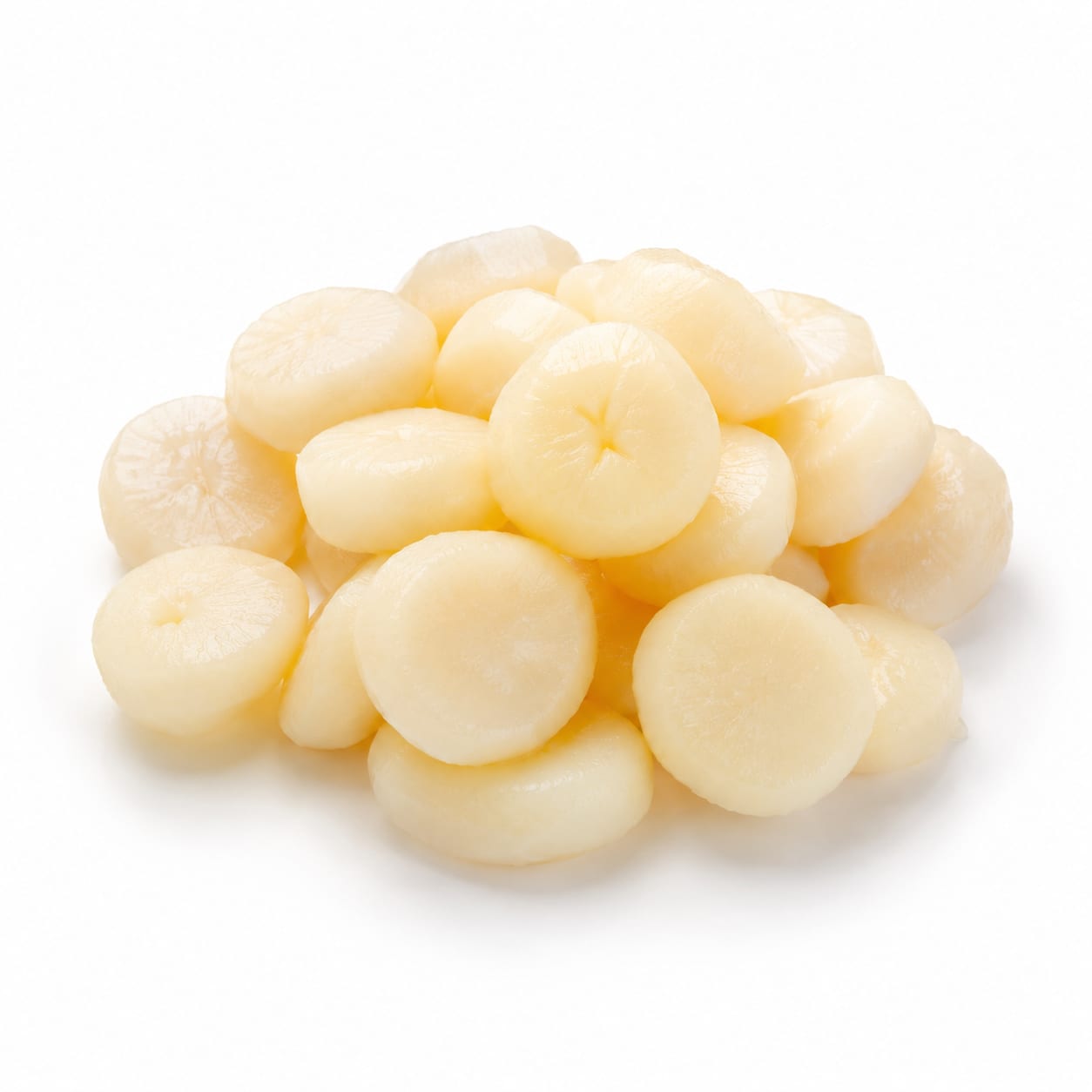
Water Chestnut
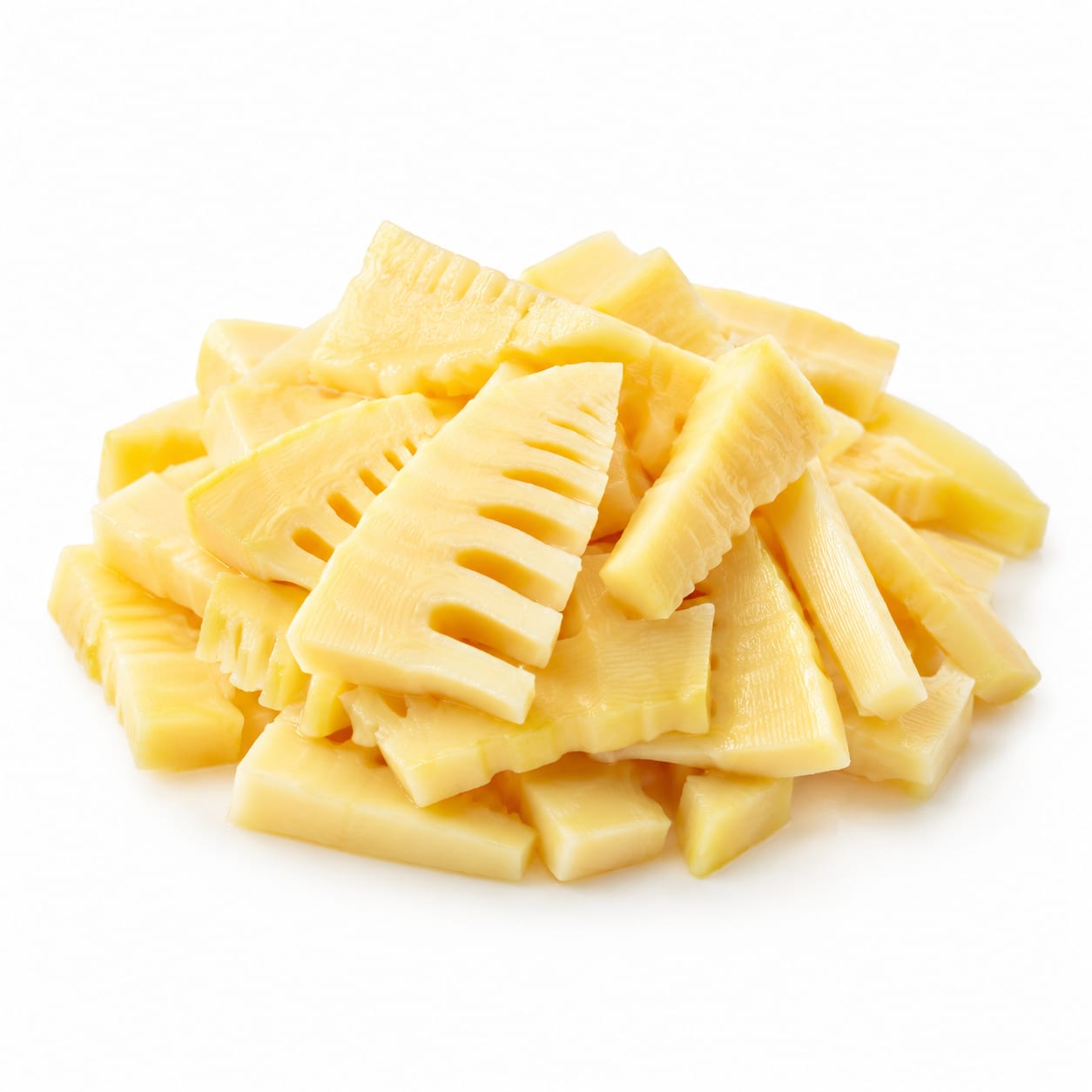
Bamboo Shoots
Bamboo Shoots win for most health goals thanks to fewer carbs, more fiber, and lower calories, but Water Chestnuts have their place when you want satisfying crunch and slightly more energy.
Bamboo Shoots score higher due to superior fiber-to-calorie ratio, lower carbohydrate load, and better fit for common health goals. Water Chestnuts remain a solid choice but their starch content is a meaningful drawback for many users.
Water Chestnuts give you more substance and starchy satisfaction, while Bamboo Shoots give you more fiber and fewer calories per bite.
At a glance
Executive summary
Overall
Bamboo Shoots
Healthier
Bamboo Shoots
More practical
Water Chestnut
Daily use
Bamboo Shoots
Key comparison lenses
low calorie crunchy vegetable comparison
Both are prized for their satisfying crunch and low calorie counts, making them direct substitutes in stir-fries and Asian dishes
weight management and satiety
Users comparing these are often looking for volume eating options that feel filling without adding calories
canned vs fresh sodium concerns
Both are frequently consumed canned, which dramatically changes their sodium profile and health impact
blood sugar and carb conscious eating
Water chestnuts are starchier than most people expect, while bamboo shoots are notably low in carbohydrates
digestive health and fiber
Bamboo shoots offer notably more fiber per calorie, making them relevant for gut health comparisons
Best choice for
Water Chestnut
- People wanting a crunchy, satisfying low-calorie snack with more substance
- Athletes needing slightly more carbs for energy replenishment
- Those who find very low-calorie foods unsatisfying and need more bulk
- Home cooks wanting texture that holds up better in long-cooked dishes
Bamboo Shoots
- Anyone counting calories or managing weight
- People monitoring blood sugar or following low-carb eating patterns
- Those prioritizing digestive health and fiber intake
- Anyone looking to maximize nutrient density per calorie
Least suitable for
Water Chestnut
- Strict low-carb dieters who need to minimize starch intake
- People carefully managing blood sugar spikes
- Those on very low calorie diets where every carb gram counts
Bamboo Shoots
- People with sensitive digestion who struggle with high-fiber foods
- Anyone needing calorie-dense options for weight gain
- Those who find bamboo shoots' slightly bitter taste off-putting
Deep comparison
Dimension by dimension
Each lens scores both foods and breaks down who each option suits.
- Dimension 1 · Priority 95Bamboo Shoots
Calorie Density and Weight Management
Water Chestnut · 55Bamboo Shoots · 88Bamboo Shoots have roughly half the calories per serving, making them far easier to eat in large volumes without overshooting your daily target.
Tradeoff
Water Chestnuts feel more substantial per serving, which can prevent overeating later, but they cost more calorically for that satisfaction.
Why it matters
When you are trying to lose or maintain weight, volume eating with low-calorie foods helps you feel full without the math anxiety.
Real-world impact
A full cup of Bamboo Shoots costs you about 13 calories. The same cup of Water Chestnuts runs about 60. That difference adds up over a week of stir-fries.
Water Chestnut
- Meals where you need more caloric substance to feel satisfied
- Post-workout dishes where extra carbs serve a purpose
Better for
- Strict calorie-restricted diets
- People who tend to underestimate portion sizes
Worse for
Bamboo Shoots
- Anyone tracking calories closely
- Large-portion eaters who want volume without the cost
- Weight loss phases where every calorie matters
Better for
- Those who feel hungry again quickly after very low-calorie meals
- Underweight individuals needing calorie density
Worse for
- Dimension 2 · Priority 85Bamboo Shoots
Carbohydrate Load and Blood Sugar
Water Chestnut · 40Bamboo Shoots · 82Water Chestnuts are surprisingly starchy for a vegetable, while Bamboo Shoots keep carbs minimal and blood sugar impact low.
Tradeoff
That starch in Water Chestnuts provides steadier energy and a more filling bite, but it can spike blood sugar more than expected for a 'vegetable.'
Why it matters
Many people assume all vegetables are low-carb. Water Chestnuts break that assumption and can quietly push you over your carb budget.
Real-world impact
If you are pairing these with rice and a sweet sauce, Water Chestnuts add hidden carbs to an already carb-heavy plate. Bamboo Shoots keep the carb load manageable.
Water Chestnut
- Active individuals who want carbs from whole food sources
- Endurance athletes needing gentle carb replenishment
Better for
- Diabetics managing strict carb limits
- Those surprised by starchy vegetables spiking glucose
Worse for
Bamboo Shoots
- Low-carb and keto-adjacent eaters
- People with insulin resistance or prediabetes
- Anyone pairing with other carb-heavy ingredients
Better for
- Situations where some carbohydrate energy would actually help
- Athletes in heavy training blocks
Worse for
- Dimension 3 · Priority 80Bamboo Shoots
Fiber and Digestive Health
Water Chestnut · 48Bamboo Shoots · 85Bamboo Shoots deliver significantly more fiber per calorie, supporting gut health and regularity far more efficiently.
Tradeoff
More fiber means more digestive work. If your gut is sensitive, Bamboo Shoots can cause bloating or discomfort, especially in larger portions.
Why it matters
Fiber is the nutrient most people consistently underconsume. Choosing the food that delivers more per bite makes hitting your daily target easier.
Real-world impact
A serving of Bamboo Shoots can provide roughly 2-3 grams of fiber for almost no calories. Water Chestnuts give you less fiber alongside more carbs, a less efficient trade.
Water Chestnut
- People with irritable bowel syndrome or fiber sensitivity
- Those transitioning to higher fiber who need to ramp up slowly
Better for
- People relying on these as a meaningful fiber source
- Those with constipation who need fiber-rich options
Worse for
Bamboo Shoots
- Anyone struggling to hit 25-30g fiber daily
- People managing cholesterol through dietary fiber
- Those wanting better satiety signals from their meals
Better for
- Individuals with inflammatory bowel conditions flaring up
- Anyone unaccustomed to high-fiber foods eaten in large amounts
Worse for
- Dimension 4 · Priority 72Water Chestnut
Culinary Texture and Versatility
Water Chestnut · 88Bamboo Shoots · 65Water Chestnuts maintain their signature crunch even after cooking, while Bamboo Shoots soften more and have a subtler texture contribution.
Tradeoff
That enduring crunch makes Water Chestnuts more fun to eat, but Bamboo Shoots absorb flavors more readily and integrate better into complex dishes.
Why it matters
If a food is not enjoyable to eat, you will not keep eating it regardless of its nutritional profile. Texture drives satisfaction.
Real-world impact
Water Chestnuts in a stir-fry still snap between your teeth after ten minutes in the pan. Bamboo Shoots go tender and soak up the sauce. Both have their moment.
Water Chestnut
- Dishes where textural contrast is the whole point
- Longer cooking times where you want crunch to survive
- Raw applications like salads and wraps
Better for
- Dishes where a crunchy texture would feel out of place
- Smooth purees or blended soups
Worse for
Bamboo Shoots
- Braised dishes where tenderness is preferred
- Soups and curries where flavor absorption matters more
- Recipes where you want the ingredient to blend in, not stand out
Better for
- Any dish where you specifically want that snappy crunch
- Raw salads where bamboo shoots' slight bitterness shows
Worse for
- Dimension 5 · Priority 78It depends
Sodium and Canned Processing Concerns
Water Chestnut · 50Bamboo Shoots · 50Both are commonly canned with significant sodium, making rinsing essential. Neither is inherently worse in this regard.
Tradeoff
Fresh versions of both are low-sodium and superior, but availability often forces the canned choice, which levels the playing field negatively.
Why it matters
Canned vegetables can quietly deliver 400-600mg of sodium per serving. If you are not rinsing, you may be getting a day's worth of sodium from a side dish.
Real-world impact
Opening a can of either without rinsing is like adding a quarter teaspoon of salt to your meal. Rinsing for 30 seconds cuts that by roughly 40 percent.
Water Chestnut
- Neither has an advantage here; both are equally problematic when canned
Better for
- People with hypertension using canned versions without rinsing
Worse for
Bamboo Shoots
- Neither has an advantage here; both are equally problematic when canned
Better for
- People with hypertension using canned versions without rinsing
Worse for
- Dimension 6 · Priority 75Bamboo Shoots
Nutrient Density Per Calorie
Water Chestnut · 52Bamboo Shoots · 80Bamboo Shoots pack more micronutrients and fiber into each calorie, making them a more efficient nutritional investment.
Tradeoff
Water Chestnuts offer more potassium and a small amount of B vitamins, but you pay more calories to get those nutrients.
Why it matters
When calories are limited, you want each one to carry as much nutritional value as possible. Efficiency matters for long-term health.
Real-world impact
Think of it as getting more vitamins and fiber per bite with Bamboo Shoots. Water Chestnuts charge you more calories for slightly less nutritional return.
Water Chestnut
- Those specifically seeking potassium from whole food sources
- People who do not need to be calorie-efficient
Better for
- Those trying to get maximum nutrition from minimal calories
Worse for
Bamboo Shoots
- Calorie-restricted eaters maximizing nutrient intake
- Anyone building meals around nutrient density principles
Better for
- Situations where potassium intake is the specific priority
Worse for
Timeline
Health impact over time
Short-term
Hours to days
Water Chestnut
- More immediate satiety from starch content, helping bridge gaps between meals
- Slightly higher energy availability from carbohydrates
- Can cause mild blood sugar rise in sensitive individuals
Bamboo Shoots
- Very low calorie intake per serving, which may not satisfy alone
- Fiber promotes quicker feelings of fullness with fewer calories
- May cause mild bloating if eaten in large amounts by those unaccustomed to high-fiber foods
Long-term
Months to years
Water Chestnut
- Regular consumption contributes starch that may impact insulin sensitivity if not accounted for
- Potassium content supports cardiovascular health over time
- Moderate fiber intake supports regularity but is not exceptional
Bamboo Shoots
- Consistent fiber intake supports gut microbiome diversity and digestive regularity
- Phytosterols in bamboo shoots may help maintain healthy cholesterol levels
- Very low calorie density supports sustainable weight management long-term
Risk profile
Safety & processing
Both Water Chestnuts and Bamboo Shoots are whole, minimally processed vegetables in their fresh form. The real concern is canned versions, which often contain added sodium and sometimes preservatives like calcium chloride for texture retention. Fresh is always the cleaner choice, but canned remains the most accessible option for most shoppers.
Water Chestnut
Canned sodium overload
mediumCanned Water Chestnuts typically contain 300-500mg sodium per serving. Rinsing reduces this significantly but does not eliminate it entirely.
Starch-related blood sugar impact
lowNot a safety risk per se, but the starchy nature can unexpectedly raise blood glucose in diabetics who assume all vegetables are low-carb.
Bamboo Shoots
Canned sodium overload
mediumSame concern as Water Chestnuts. Canned Bamboo Shoots often carry 400-600mg sodium per serving before rinsing.
Raw bamboo shoot toxicity
mediumFresh Bamboo Shoots contain cyanogenic glycosides that must be destroyed by boiling. Improperly prepared raw shoots can cause cyanide exposure. Canned versions are always pre-cooked and safe.
Digestive discomfort from high fiber
lowEating large portions without gradual introduction can cause gas, bloating, or cramping in sensitive individuals.
Who wins for whom
Audience fit
Same foods, different winners depending on your goal.
children
Water ChestnutChildren tend to enjoy the sweet crunch of Water Chestnuts more than the slightly bitter, fibrous texture of Bamboo Shoots.
daily consumption
Bamboo ShootsLower calorie density, higher fiber, and lower carb load make Bamboo Shoots more sustainable as a daily vegetable without nutritional tradeoffs.
diabetes
Bamboo ShootsMuch lower carbohydrate content and glycemic impact make Bamboo Shoots safer for blood sugar management.
elderly
Bamboo ShootsHigher fiber supports digestive regularity, which becomes increasingly important with age. The tender texture when cooked is also easier to chew.
muscle gain
Water ChestnutNeither is a muscle-building food, but Water Chestnuts provide slightly more carbohydrate energy to support training output.
weight loss
Bamboo ShootsBamboo Shoots deliver more fiber and fewer calories per serving, making it easier to maintain a calorie deficit without feeling deprived.
Your move
Decision guide
Choose Water Chestnut
- You want a crunchy, satisfying vegetable that holds its texture in cooked dishes
- You need slightly more carbohydrate energy from whole food sources
- You find very low-calorie vegetables unsatisfying and end up overeating later
- You are preparing food for kids who prefer sweeter, crunchier vegetables
Choose Bamboo Shoots
- You are managing your weight and want maximum volume for minimum calories
- You are watching your blood sugar or following a lower-carb eating pattern
- You want to increase your daily fiber intake efficiently
- You are making soups, curries, or braised dishes where tenderness and flavor absorption matter
Either works if
- You are adding vegetables to a balanced stir-fry and either works for texture
- You have access to fresh versions of both and want variety in your meals
- You are eating Asian cuisine and both are traditional ingredients in the dish
Avoid both if
- You are on a strict sodium restriction and only have access to canned versions
- You have a known allergy or sensitivity to either vegetable
- You are seeking a significant protein source, as neither delivers meaningful protein
Final recommendation
For most health-conscious eaters, Bamboo Shoots are the better default choice due to their superior fiber-to-calorie ratio and minimal carb load. Keep Water Chestnuts in rotation when you specifically want their enduring crunch or need a bit more substance in your meal. If using canned versions of either, always rinse thoroughly to cut sodium by roughly 40 percent.
Practical
Consumer tips
- 1
Always rinse canned Water Chestnuts and Bamboo Shoots for at least 30 seconds under cold water to remove excess sodium
- 2
If you find fresh Bamboo Shoots, boil them for at least 20 minutes before eating to remove naturally occurring cyanogenic compounds
- 3
Water Chestnuts can be eaten raw safely and are excellent in salads and fresh spring rolls for maximum crunch
- 4
Store leftover canned Bamboo Shoots in their liquid in the fridge and use within 3-4 days for best quality
- 5
Freeze fresh Water Chestnuts after peeling if you cannot use them quickly, as they lose crunch within days at room temperature
- 6
For the lowest sodium option, seek out vacuum-sealed pouches instead of cans when available