
Aquatic Vegetable
Water Celery
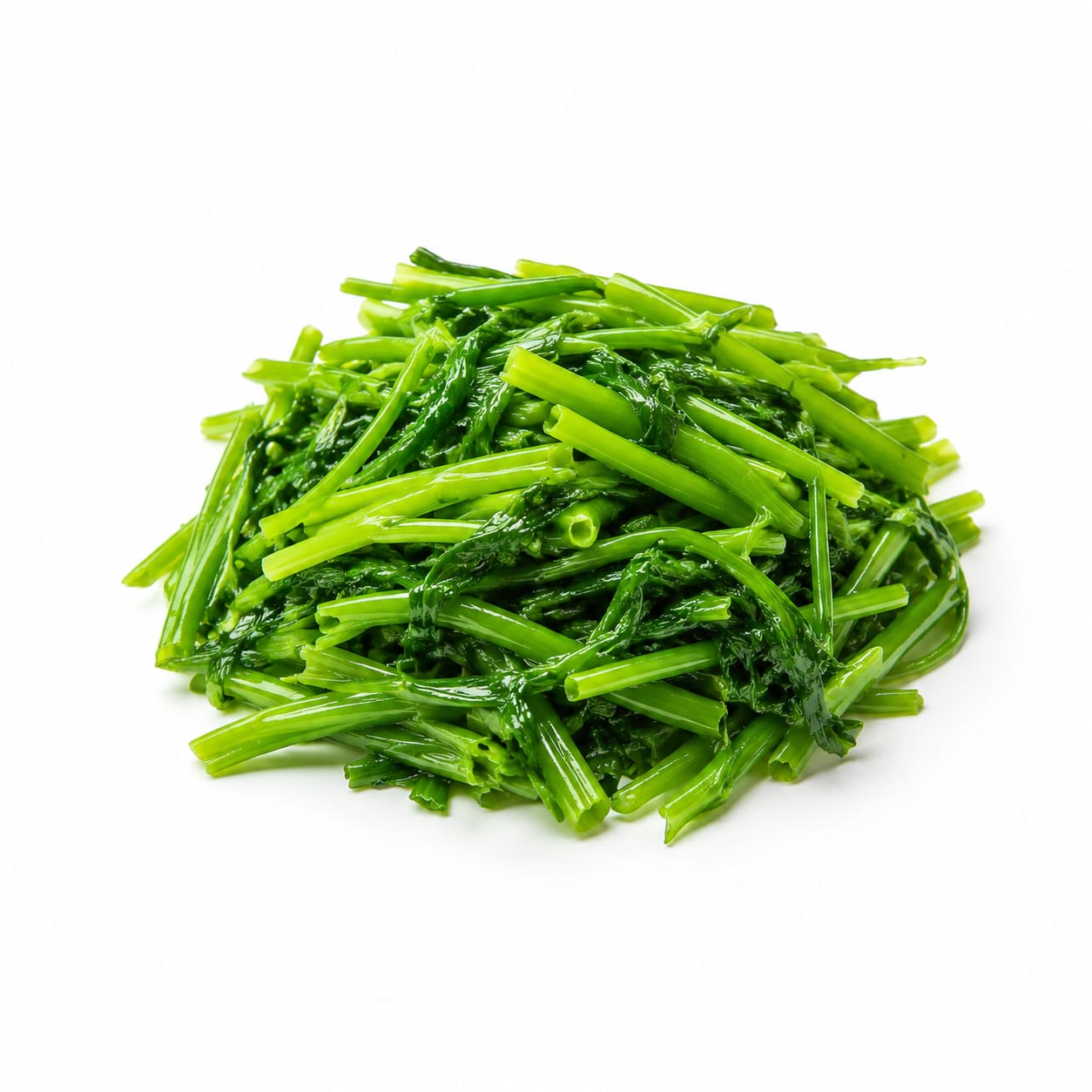
Water celery is a low-calorie, high-water aquatic vegetable commonly used in Asian cooking for its crisp texture and mild peppery flavor.
Water celery (Oenanthe javanica), also known as water dropwort or minari, is a perennial aquatic plant widely consumed in East Asian cuisines for its crisp texture and mildly peppery, celery-like flavor.
high-volume low-calorie aquatic vegetable
Typical serving · 100g
Common varieties · Java water dropwort, Japanese seri, Korean minari, Chinese water celery
Overall context score across nutrition, safety, and diet fit
At a glance
Quick facts
Simple indicators based on nutrition, processing, and diet fit.
The story
What makes it unique
Water celery is a fast-digesting, high-volume aquatic vegetable with a macronutrient profile dominated by water and dietary fiber. Its low energy density and fibrous structure promote gastric distension and satiety. As a minimally processed whole food, it retains its natural phytochemical profile, but requires thorough washing due to its aquatic growth environment.
Varieties: Java water dropwort · Japanese seri · Korean minari · Chinese water celery
Per 100g
Nutrition breakdown
Macro balance and key metrics at a glance.
Energy
Density 0.14 kcal/g
Protein
Carbs
Fat
Fiber
Sugar
0.8 g
Sodium
80 mg
Potassium
230 mg
Glycemic index
15
Glycemic load
0
Water content
94%
Standout compounds
Nutrient highlights
Vitamin A
moderateSupports vision and immune function
Vitamin C
moderatePromotes collagen synthesis and antioxidant defense
Dietary Fiber
moderateAids digestion and slows sugar absorption
Potassium
moderateHelps regulate blood pressure and fluid balance
Wellness map
Health scores & processing
NOVA processing scale
unprocessed · Whole food
Fresh water celery is a raw, whole plant food requiring no industrial processing.
Diet compatibility
- Weight loss
- Muscle gain
- Diabetes
- Gut health
- Low carb
- High protein
- Heart health
Relative standing
Food rankings
Qualitative ranks compared to similar whole foods.
- Satietygood
- Blood sugarexcellent
- Nutrient densitygood
- Fitness fuelpoor
- Processing qualityexcellent
Eat with confidence
Food safety profile
Water celery grows in aquatic environments which can harbor parasites or accumulate agricultural runoff. Thorough washing and cooking significantly reduces microbial risk. Foraging is dangerous due to toxic lookalikes.
Evidence confidence 85%
- Pesticidesmoderate
- Antibioticslow
- Heavy metalsmoderate
- Contaminationmoderate
Watch for
- Waterborne parasites
- Agricultural runoff
- Heavy metals from sediment
Safer choices
Cultivated water celery from reputable suppliers
Prep tips
Wash thoroughly under running water, soak in a mild vinegar solution, and blanch or cook to eliminate potential aquatic parasites.
Risk of misidentification with toxic wild relatives like hemlock water dropwort (Oenanthe crocata).
Deep dive
Health analysis
How this food may fit different goals and preparation choices.
Weight loss
Extremely low energy density allows large portion sizes with minimal caloric intake, promoting fullness without calorie surplus.
Blood sugar
Negligible impact on blood glucose due to low carbohydrate and sugar content coupled with dietary fiber.
Fitness & energy
Not a meaningful source of fuel for exercise; best used as a volume addition to meals rather than an energy source.
Gut health
Provides dietary fiber that supports bowel regularity and acts as a prebiotic, though the total fiber load per serving is small.
Processing quality
Consumed as a whole, unprocessed plant, preserving all natural micronutrients and fiber matrices.
Food safety
Primary concerns stem from its aquatic habitat, which necessitates thorough washing to remove potential waterborne parasites and sediment contaminants.
Common mistakes
Confusing edible water celery with toxic wild water hemlock varieties, or consuming it raw from unverified water sources.
Best preparation
Blanching, adding to soups, or lightly sautéing to kill potential parasites while retaining crispness.
Practical guide
Best use cases
When and how this food fits real eating patterns.
High-volume low-calorie eating
Add to soups and stews to bulk up meals without adding significant calories.
Flavorful salad base
Use blanched water celery as a crisp, peppery base for Asian-style salads.
Nutrient-dense garnish
Chop fresh to top dishes for a burst of fresh flavor and micronutrients.
Balance sheet
Pros & cons
Upsides
- Very low in calories
- High water content promotes hydration
- Minimal impact on blood sugar
- Contains beneficial antioxidants
- Versatile in Asian cuisine
Trade-offs
- Risk of waterborne parasites if eaten raw
- Dangerous toxic lookalikes in the wild
- Low in protein and macronutrients
- Can be difficult to find in standard grocery stores
Fit check
Who is it for?
Great match
- weight loss diets
- blood sugar management
- high-volume eating
- hydration
Consider alternatives
- strict muscle-building diets
- survival calorie-dense situations
- raw food diets without proper sourcing
Side by side
How it compares
Open the full head-to-head analysis for nutrition, safety, and practical tradeoffs.
This food
Water Celery
VS90% alike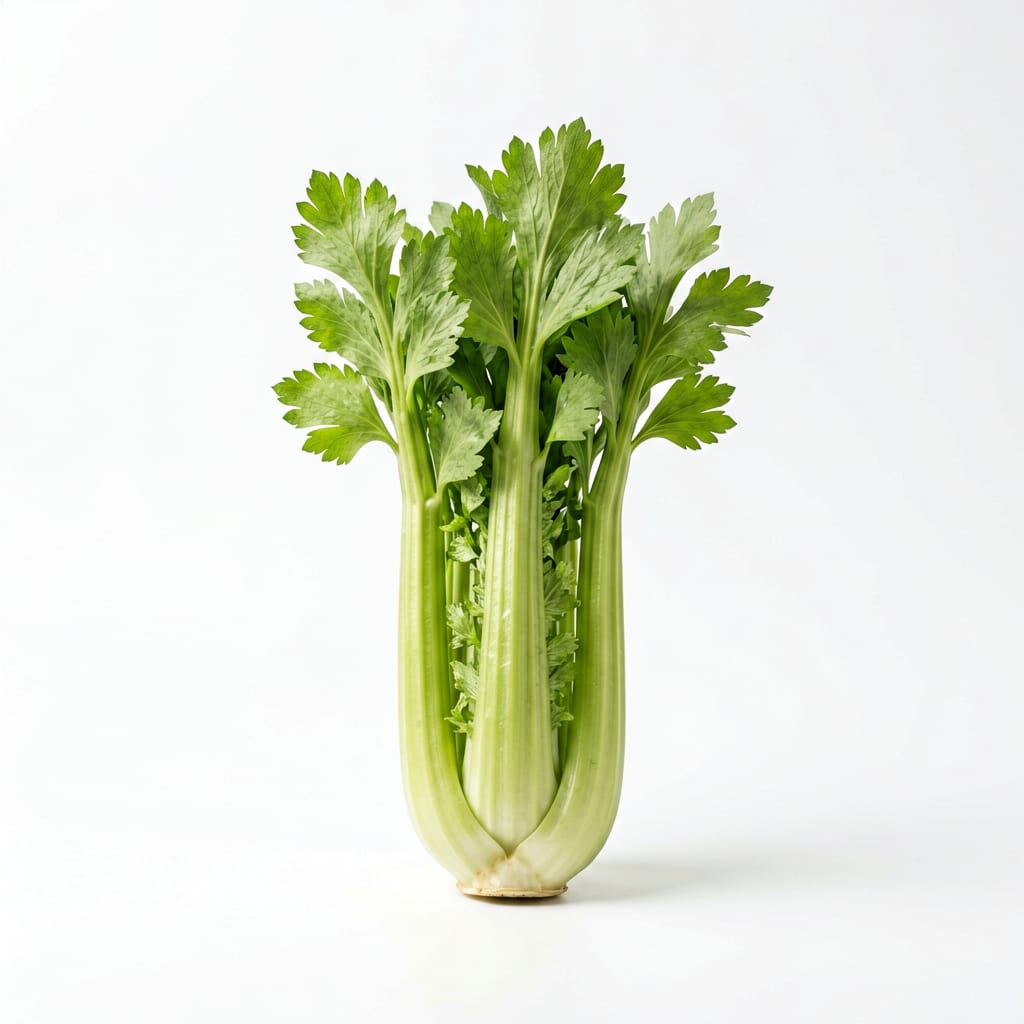
Compare with
Celery
Celery and water celery are both ultra-low calorie hydrating vegetables, but water celery offers a more peppery, herbaceous flavor.
Celery and water celery are both ultra-low calorie hydrating vegetables, but water celery offers a more peppery, herbaceous flavor.
This food
Water Celery
VS85% alike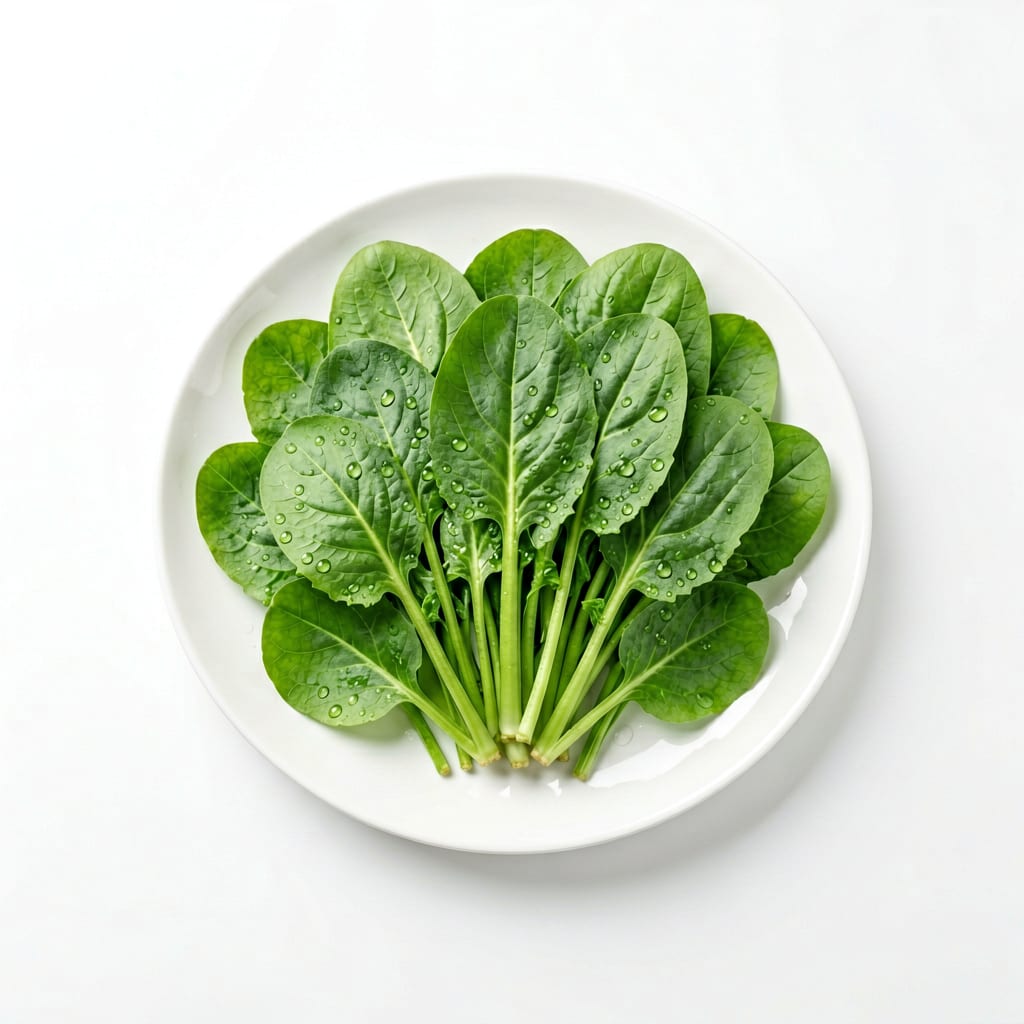
Compare with
Watercress
Watercress is slightly more nutrient-dense than water celery, but both are excellent low-calorie aquatic greens for salads.
Watercress is slightly more nutrient-dense than water celery, but both are excellent low-calorie aquatic greens for salads.
This food
Water Celery
VS80% alike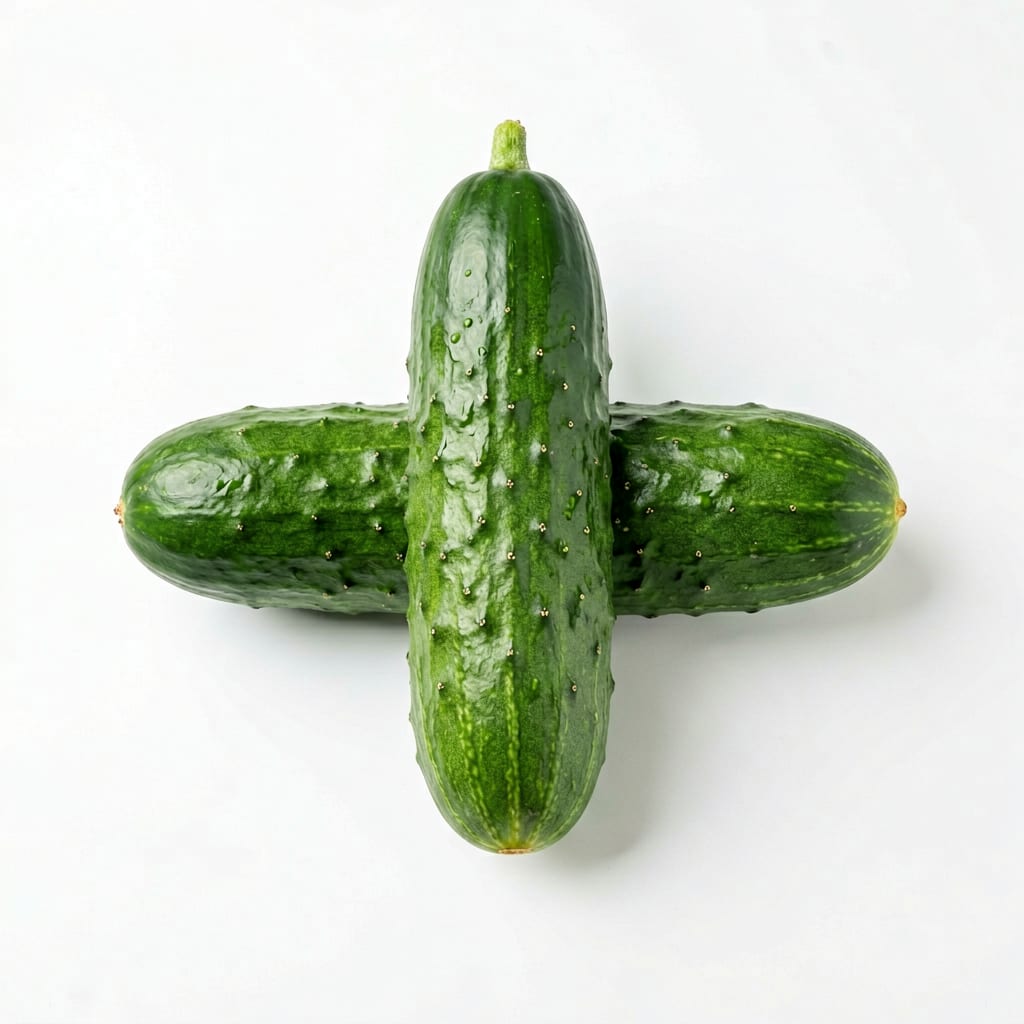
Compare with
Cucumber
Cucumbers provide more hydration and crunch, while water celery delivers a stronger peppery flavor and slightly more micronutrients.
Cucumbers provide more hydration and crunch, while water celery delivers a stronger peppery flavor and slightly more micronutrients.
This food
Water Celery
VS75% alike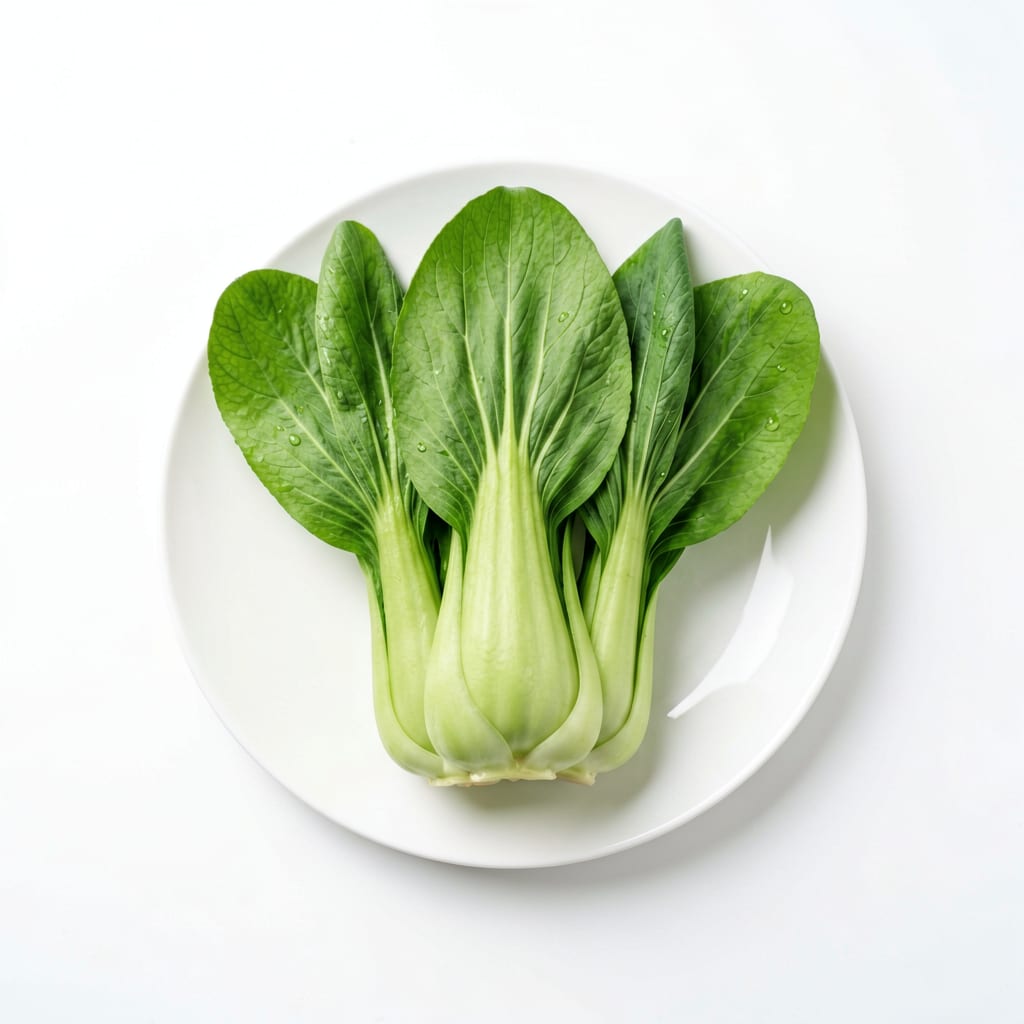
Compare with
Bok Choy
Bok choy offers more crunch and calcium, whereas water celery provides a distinct herbal taste for soups and salads.
Bok choy offers more crunch and calcium, whereas water celery provides a distinct herbal taste for soups and salads.
This food
Water Celery
VS70% alike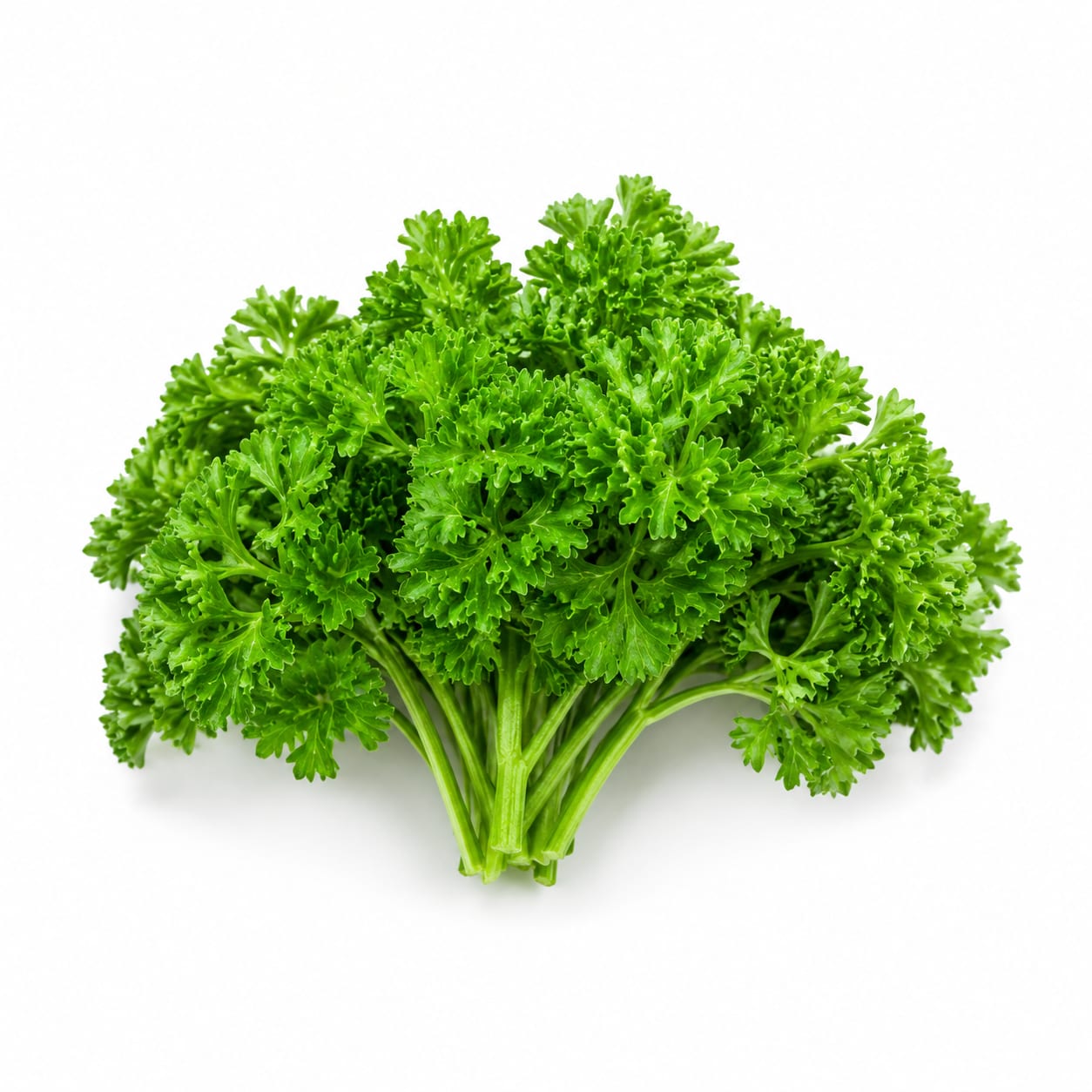
Compare with
Parsley
Parsley is used as a garnish, while water celery is eaten as a vegetable in larger quantities, providing more volume for fullness.
Parsley is used as a garnish, while water celery is eaten as a vegetable in larger quantities, providing more volume for fullness.
This food
Water Celery
VS65% alike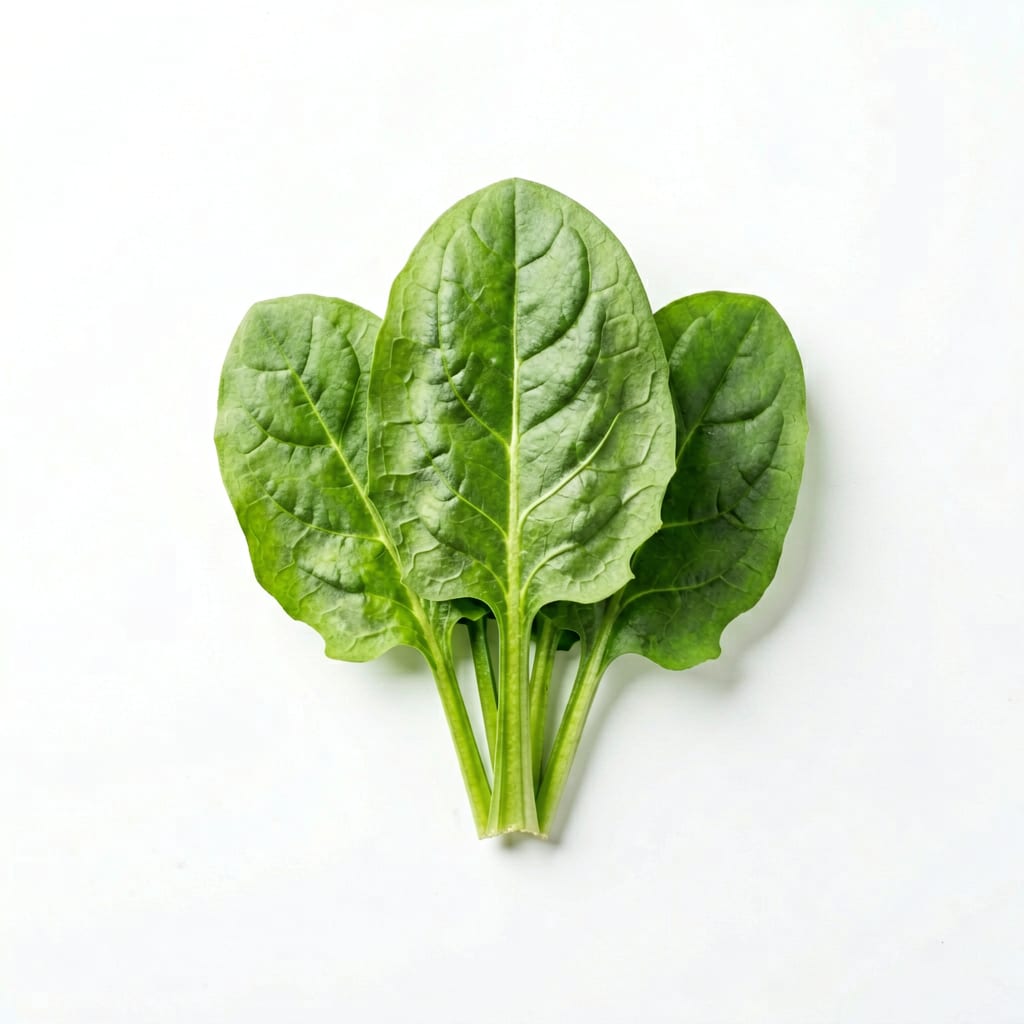
Compare with
Spinach
Spinach is significantly higher in iron and vitamins, but water celery offers a unique crisp texture and peppery taste.
Spinach is significantly higher in iron and vitamins, but water celery offers a unique crisp texture and peppery taste.
This food
Water Celery
VS60% alike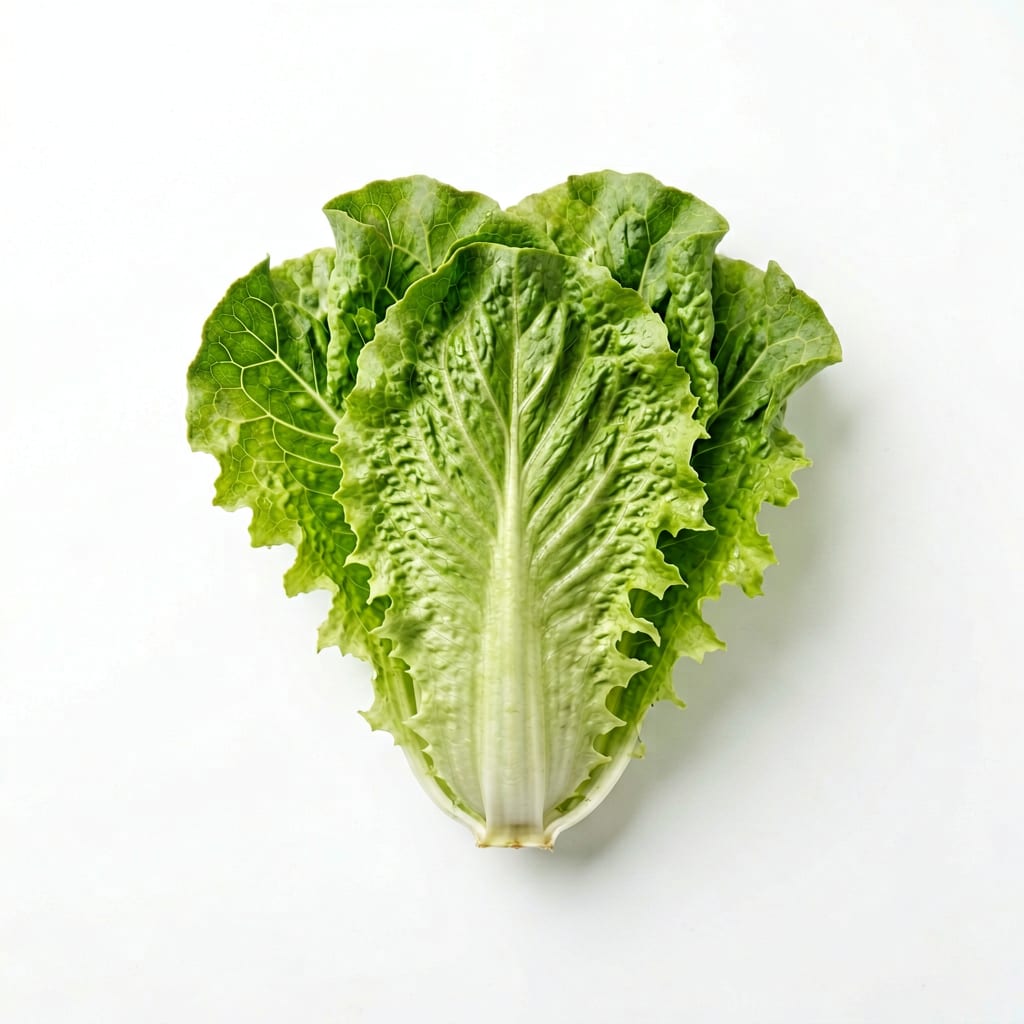
Compare with
Lettuce
Lettuce is milder and better for raw salads, while water celery brings a peppery kick and is best lightly cooked or blanched.
Lettuce is milder and better for raw salads, while water celery brings a peppery kick and is best lightly cooked or blanched.
This food
Water Celery
VS55% alike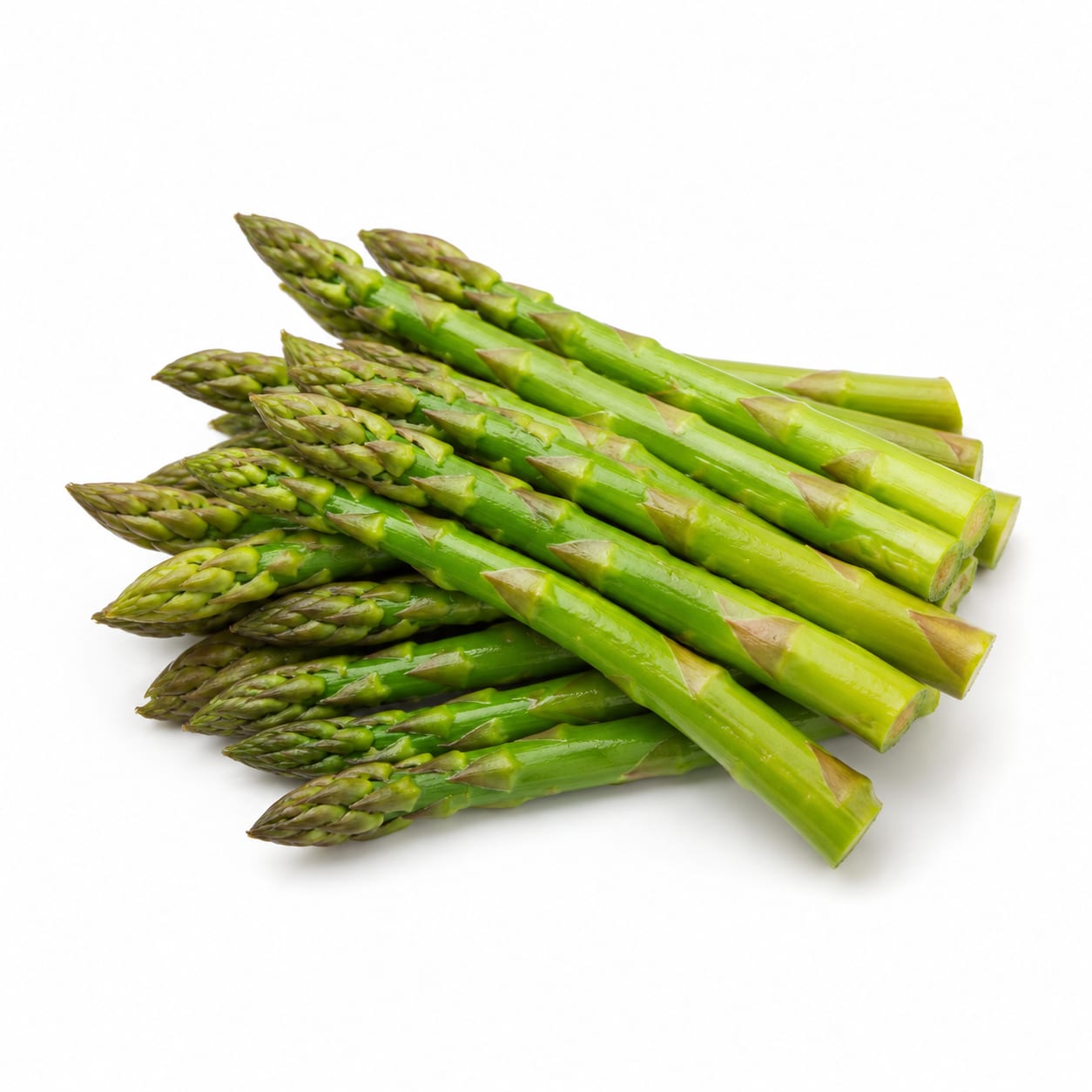
Compare with
Asparagus
Asparagus provides more fiber and folate, while water celery is lower in calories and better for high-volume eating.
Asparagus provides more fiber and folate, while water celery is lower in calories and better for high-volume eating.
This food
Water Celery
VS50% alike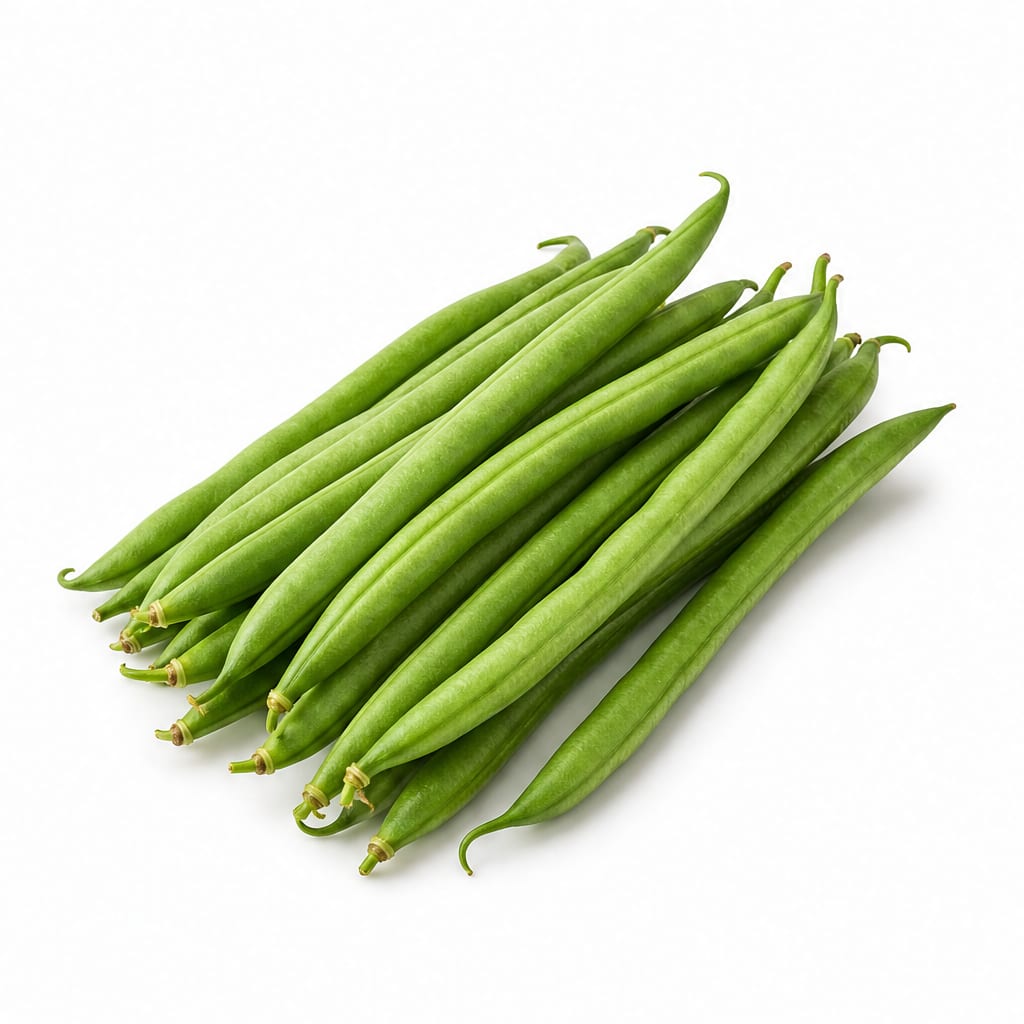
Compare with
Green Beans
Green beans offer more protein and fiber, making them better for satiety, while water celery is the better choice for strict low-calorie diets.
Green beans offer more protein and fiber, making them better for satiety, while water celery is the better choice for strict low-calorie diets.
This food
Water Celery
VS45% alike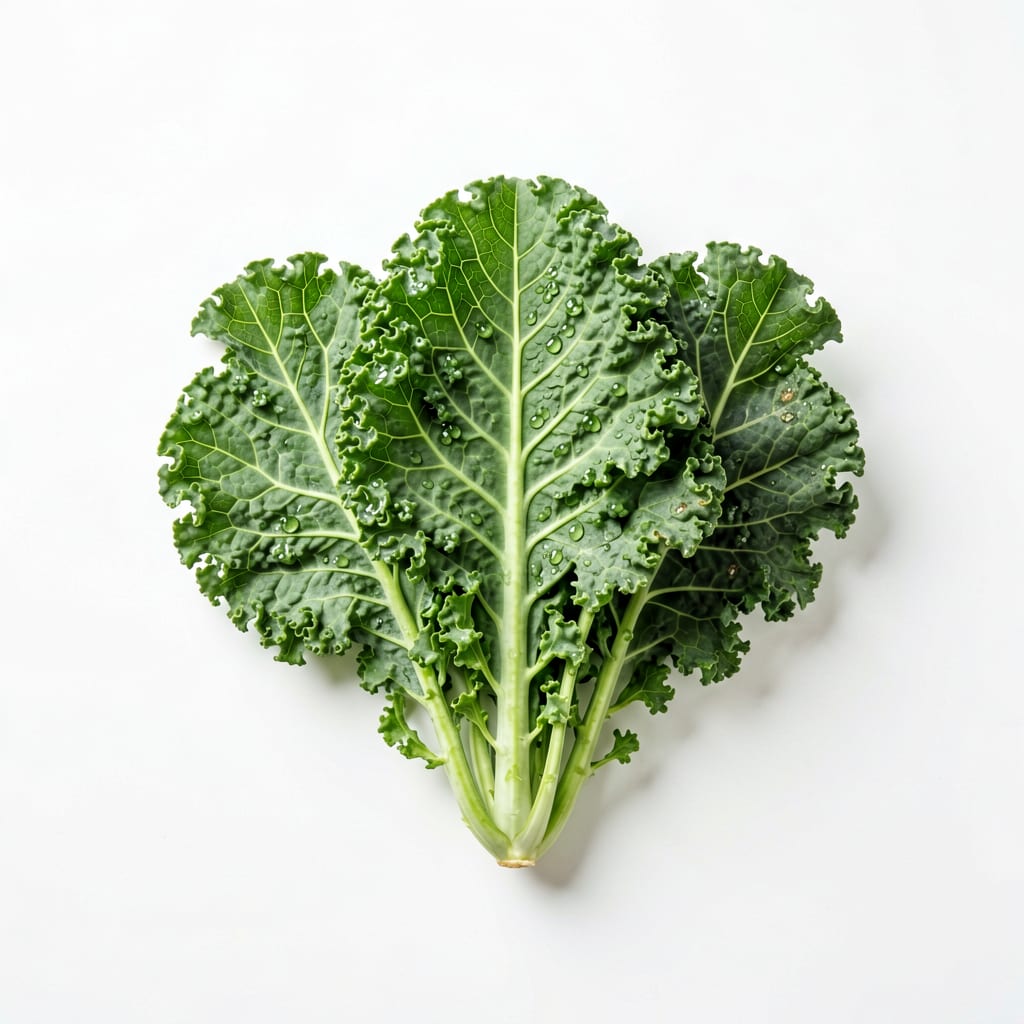
Compare with
Kale
Kale is far more nutrient-dense and filling, but water celery is much lower in calories and less bitter when cooked.
Kale is far more nutrient-dense and filling, but water celery is much lower in calories and less bitter when cooked.
Common questions
FAQ
Answers aligned with how people search for this food.
Is water celery good for weight loss?
Yes, water celery is excellent for weight loss because it is very low in calories and high in water, allowing you to eat large volumes without overconsuming calories.
Can diabetics eat water celery?
Yes, water celery has a very low glycemic index and minimal carbohydrates, making it a safe and healthy choice for managing blood sugar levels.
Is minari the same as water celery?
Yes, minari is the Korean name for water celery (Oenanthe javanica), a popular ingredient in Korean dishes like minari jeon (pancakes) and kimchi.
Can you eat water celery raw?
While it can be eaten raw in salads, blanching or cooking water celery is recommended to eliminate potential waterborne parasites from its aquatic growing environment.
Are there poisonous water celery lookalikes?
Yes, wild foraging is dangerous because edible water celery closely resembles hemlock water dropwort (Oenanthe crocata), which is highly toxic. Always buy from reputable sources.
What does water celery taste like?
Water celery has a crisp texture and a fresh, slightly peppery, and herbaceous flavor similar to a cross between celery, parsley, and watercress.
How do you prepare water celery safely?
Wash it thoroughly under running water, soak it in a vinegar solution, and blanch or cook it before eating to ensure safety from aquatic contaminants.
Transparency
Data confidence
Estimated confidence for nutrition data, interpretation, safety notes, and comparisons.
Nutrition data
Health analysis
Food safety
Comparisons