
Nutrition comparison
Water Celery vs Watercress: Which Is Actually Better for You?
Watercress crushes Water Celery on nutrient density, ranking as the #1 most nutrient-dense food studied. But Water Celery wins on price, shelf life, and snackability. See the full tradeoff breakdown.
Overall winner · Watercress
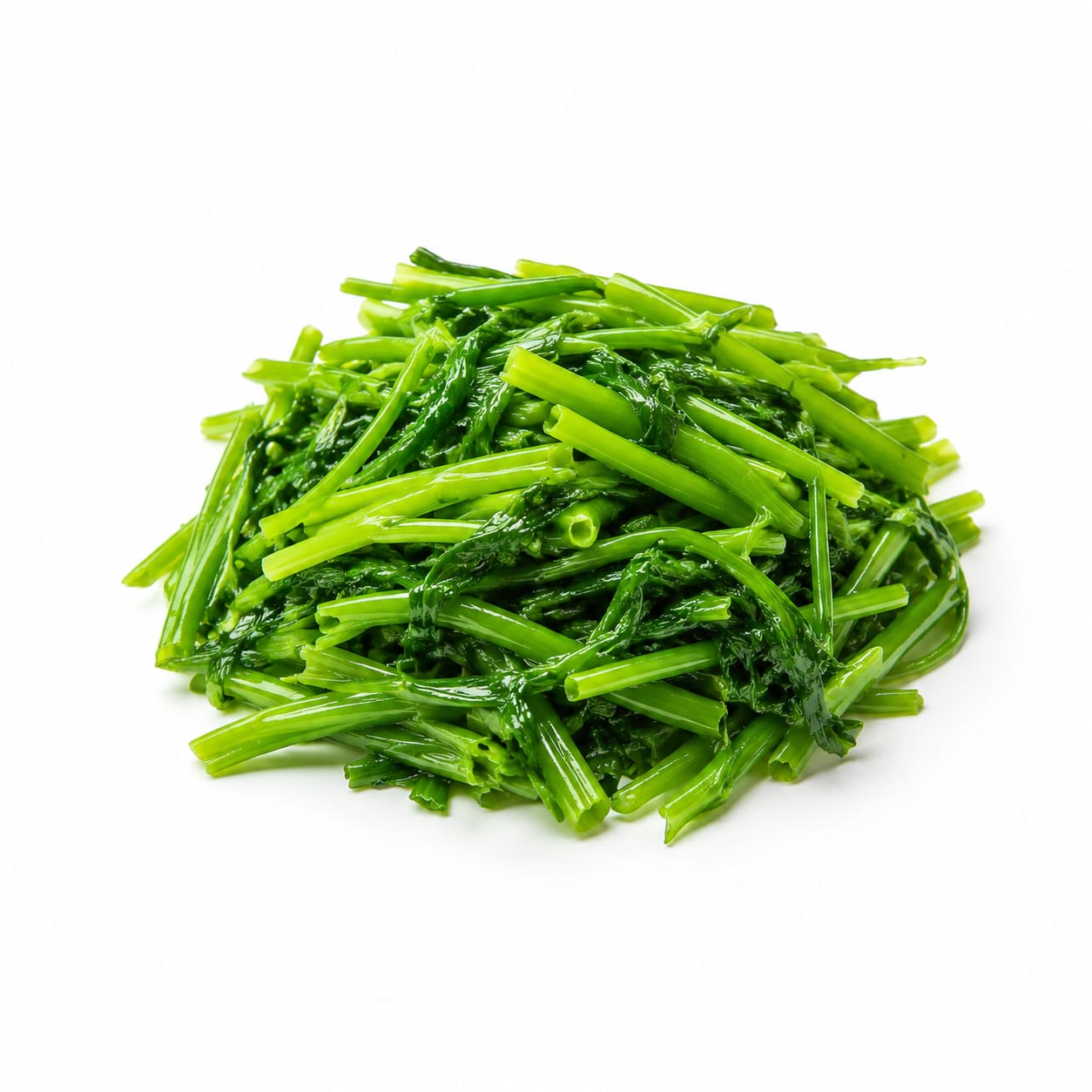
Water Celery
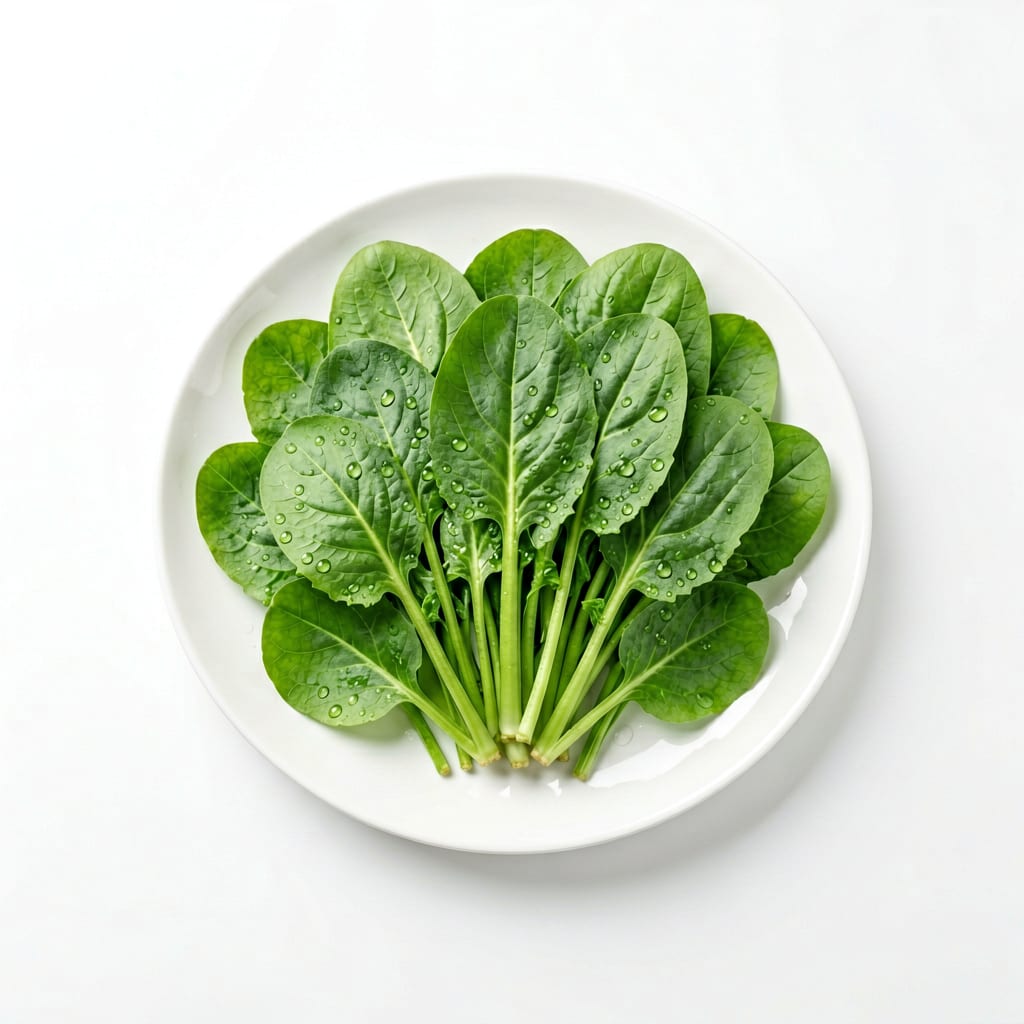
Watercress
Watercress obliterates Water Celery on nutrition but loses on convenience and price. If your goal is maximum nutrients per bite, Watercress is the clear winner. If you want a cheap, crunchy everyday snack, Water Celery still has a place.
Watercress scores significantly higher due to its exceptional nutrient density, ranking as one of the most nutrient-rich foods studied. Water Celery earns points for accessibility, crunch appeal, and culinary versatility but falls short on nearly every nutritional dimension. The gap is large but context-dependent: Water Celery is not unhealthy, just nutritionally lightweight.
Watercress gives you dramatically more vitamins, minerals, and antioxidants per calorie, but Water Celery is far more accessible, affordable, and versatile for daily snacking.
At a glance
Executive summary
Overall
Watercress
Healthier
Watercress
More practical
Water Celery
Daily use
It depends
Key comparison lenses
nutrient density per calorie
Watercress ranks #1 on the CDC nutrient density index while Water Celery is notably sparse in micronutrients, making this the starkest contrast between the two
antioxidant and disease-fighting potential
Watercress is packed with glucosinolates and phenolic compounds; Water Celery offers far less in this department
hydration and low-calorie snacking
Both are over 95% water and appeal to people seeking ultra-low-calorie crunchy or leafy snacks
practical everyday use and availability
Water Celery is cheaper, more available, and more versatile in cooking, while Watercress is often seasonal or specialty
food safety and contamination risk
Watercress grown in water carries a unique parasite risk; Water Celery has pesticide residue concerns due to its growing method
Best choice for
Water Celery
- Budget-conscious snackers who want crunch without calories
- People who need a portable, durable snack for work or commuting
- Cooking enthusiasts who want an aromatic base for soups and stir-fries
- Anyone who finds Watercress too peppery or hard to find
Watercress
- Nutrition maximizers who want the most vitamins per calorie possible
- People focused on cancer-fighting compounds and antioxidant intake
- Anyone looking to boost Vitamin K, Vitamin C, and iron naturally
- Salad lovers who enjoy peppery, bold flavors
Least suitable for
Water Celery
- Anyone relying on it as a significant nutrient source
- People seeking antioxidant-rich foods for inflammation reduction
- Those who want a leafy green for salads with real nutritional punch
Watercress
- People on tight grocery budgets in areas where it is expensive or unavailable
- Anyone with compromised immunity concerned about waterborne parasites from raw Watercress
- Those who dislike bitter or peppery flavors
Deep comparison
Dimension by dimension
Each lens scores both foods and breaks down who each option suits.
- Dimension 1 · Priority 95Watercress
Nutrient Density
Water Celery · 18Watercress · 98Watercress is one of the most nutrient-dense foods on Earth. Water Celery is mostly water with trace nutrients.
Tradeoff
You get dramatically more vitamins and minerals per calorie from Watercress, but Water Celery is cheaper and easier to eat in large volumes.
Why it matters
If you eat small portions or limited calories, nutrient density determines how well your body actually gets fed.
Real-world impact
A small handful of Watercress delivers more Vitamin K than you need in a day. You would need to eat an impractical amount of Water Celery to match it.
Water Celery
- Situations where volume eating for fullness matters more than micronutrient intake
Better for
- Reliance on Water Celery as a meaningful nutrient source
Worse for
Watercress
- Anyone eating small portions who needs maximum nutrition per bite
- People recovering from illness who need concentrated vitamins
Better for
- Situations where you need large quantities of food on a tight budget
Worse for
- Dimension 2 · Priority 90Watercress
Antioxidant and Anti-Cancer Potential
Water Celery · 22Watercress · 92Watercress contains potent glucosinolates and phenolic compounds linked to cancer-fighting activity. Water Celery offers modest antioxidants but far less.
Tradeoff
Watercress delivers compounds with real disease-fighting evidence; Water Celery has apigenin and luteolin but in much smaller meaningful quantities.
Why it matters
Long-term disease prevention is built on consistent intake of protective plant compounds, not just vitamins.
Real-world impact
Regular Watercress consumption has been shown to reduce DNA damage in white blood cells. Water Celery cannot make a comparable claim.
Water Celery
- People who find Watercress too strong-flavored and would simply eat no greens otherwise
Better for
- Relying on Water Celery alone for antioxidant protection
Worse for
Watercress
- Anyone with family history of cancer seeking dietary protection
- People managing chronic inflammation
Better for
- People on blood thinners who must limit Vitamin K intake
Worse for
- Dimension 3 · Priority 75Water Celery
Hydration and Satiety
Water Celery · 78Watercress · 65Both are over 95% water, but Water Celery's crunch and fiber structure make it more physically filling and satisfying to eat.
Tradeoff
Water Celery gives you more chewing satisfaction and stomach fill per calorie. Watercress wilts down to almost nothing, leaving you hungry sooner.
Why it matters
If you snack to feel full, the physical experience of eating matters as much as the nutrition label.
Real-world impact
Three celery sticks feel like a real snack. A cup of Watercress feels like a garnish that disappears in two bites.
Water Celery
- Afternoon snackers who need something to crunch on
- People who eat for volume and fullness on low-calorie diets
Better for
- Anyone expecting the hydration to replace actual water intake
Worse for
Watercress
- People who prefer lighter meals and do not rely on snacks for fullness
Better for
- People who find leafy greens unsatisfying as standalone snacks
Worse for
- Dimension 4 · Priority 85Watercress
Vitamin K and Bone Health
Water Celery · 30Watercress · 97Watercress is one of the best dietary sources of Vitamin K available. Water Celery contains only modest amounts.
Tradeoff
Watercress can nearly meet your daily Vitamin K needs in a single serving. Water Celery would require multiple stalks to make a dent.
Why it matters
Vitamin K is essential for bone density and blood clotting, and many people do not get enough.
Real-world impact
One cup of Watercress provides over 100% of your daily Vitamin K. Water Celery gives you about 15% per cup.
Water Celery
- People on warfarin or blood thinners who need controlled, consistent Vitamin K intake
Better for
- People relying on it as a primary Vitamin K source
Worse for
Watercress
- Postmenopausal women concerned about bone density
- Anyone looking to naturally boost Vitamin K without supplements
Better for
- Those on anticoagulant therapy who must avoid Vitamin K spikes
Worse for
- Dimension 5 · Priority 75Water Celery
Practicality and Accessibility
Water Celery · 88Watercress · 48Water Celery is available everywhere, stores well, and is cheap. Watercress is often seasonal, spoils quickly, and costs more.
Tradeoff
Water Celery wins on convenience, shelf life, and price. Watercress demands more effort to source, store, and use before it wilts.
Why it matters
The healthiest food only works if you actually buy it and eat it consistently.
Real-world impact
Water Celery sits in your crisper for a week without complaint. Watercress turns slimy in two days if you are not careful.
Water Celery
- Meal preppers who buy groceries once a week
- Families needing affordable produce in bulk
- Anyone who wants a grab-and-go snack with zero prep
Better for
- Gourmet cooks seeking bold, complex flavors
Worse for
Watercress
- People who shop frequently and enjoy using fresh specialty greens immediately
Better for
- Anyone who cannot shop every few days or hates food waste
Worse for
- Dimension 6 · Priority 70Water Celery
Culinary Versatility
Water Celery · 82Watercress · 58Water Celery works raw, cooked, juiced, in soups, stir-fries, and as a flavor base. Watercress is more limited to salads, sandwiches, and light cooking.
Tradeoff
Water Celery is a kitchen workhorse. Watercress is more of a specialty ingredient that shines in specific dishes but does not go everywhere.
Why it matters
A food you can use in ten different meals gets eaten more often than one that fits only two.
Real-world impact
Water Celery goes into mirepoix, snacks, juices, and stir-fries. Watercress is best in salads, soups, and as a garnish.
Water Celery
- Home cooks who want one ingredient that works across many recipes
- Juicing enthusiasts who want a mild base liquid
Better for
- Dishes where a bold, peppery green flavor is desired
Worse for
Watercress
- Food lovers who want a distinctive peppery flavor that elevates specific dishes
- Fans of elegant salads and sophisticated sandwich layers
Better for
- Cooking methods that require long heat exposure, which destroys Watercress nutrients
Worse for
Timeline
Health impact over time
Short-term
Hours to days
Water Celery
- Quick hydration from high water content
- Mild fullness from physical crunch and fiber bulk
- Very low blood sugar impact, essentially zero glycemic load
Watercress
- Rapid micronutrient delivery, especially Vitamin K and Vitamin C
- Noticeable peppery flavor that can stimulate digestion
- Very low blood sugar impact with negligible glycemic load
Long-term
Months to years
Water Celery
- Minimal contribution to long-term nutrient status without dietary variety
- Modest blood pressure support from natural sodium and potassium balance
- Low risk of overconsumption due to naturally limiting flavor and volume
Watercress
- Significant protection against chronic disease through consistent antioxidant and glucosinolate intake
- Stronger bone density support from exceptional Vitamin K levels
- Potential anti-cancer benefits supported by clinical evidence on DNA damage reduction
Risk profile
Safety & processing
Both Water Celery and Watercress are whole, unprocessed vegetables eaten close to their natural state. Neither typically contains added ingredients when purchased fresh. The main concern is not processing but growing practices: Water Celery ranks high on the EWG Dirty Dozen list for pesticide residues, while Watercress cultivation in water can involve different agricultural chemical exposures. Washing both thoroughly is essential.
Water Celery
Pesticide residue
mediumWater Celery consistently appears on the EWG Dirty Dozen list due to high pesticide residue detection. No protective skin means sprays contact the edible portion directly. Washing helps but does not remove all residues. Organic options significantly reduce this risk.
Allergic cross-reactivity
lowCelery allergy is one of the more common vegetable allergies, particularly in Europe, and can trigger reactions in people with birch pollen allergy. Severe reactions are rare but possible.
Watercress
Liver fluke contamination
mediumWatercress grown in wild or untreated water can harbor Fasciola hepatica, a liver fluke parasite. Commercially grown Watercress from regulated farms carries much lower risk. Avoid foraging wild Watercress from unknown water sources, especially in livestock areas.
Bacterial contamination from water sources
lowBecause Watercress grows in water, it can accumulate bacteria from contaminated sources. Reputable suppliers test water quality, but rinsing thoroughly before eating is still important.
Who wins for whom
Audience fit
Same foods, different winners depending on your goal.
children
Water CeleryChildren generally accept Water Celery more easily, especially with peanut butter or cream cheese. Watercress is too peppery for most kids and its parasite risk, while low from commercial sources, gives parents reasonable pause for raw consumption.
daily consumption
It dependsWater Celery is easier to eat daily due to availability, cost, and shelf life. Watercress is nutritionally superior but harder to keep stocked and use consistently. The best choice depends on whether you prioritize convenience or nutrient intake.
diabetes
WatercressBoth have negligible glycemic impact, but Watercress provides anti-inflammatory compounds that may help with insulin sensitivity over time. Water Celery is safe but offers no active metabolic benefit beyond being a harmless snack.
elderly
WatercressWatercress provides concentrated Vitamin K for bone health and antioxidants for cognitive protection, both critical for aging adults. The nutrient density matters more when appetite and food intake decrease. Ensure it is thoroughly washed and from reputable sources.
muscle gain
It dependsNeither food is relevant for muscle gain in any meaningful way. Both are essentially calorie-free garnishes. Water Celery has slightly more practical use as a vehicle for protein-rich dips like hummus or peanut butter.
weight loss
WatercressBoth are extremely low calorie, but Watercress provides far more nutrition per calorie, supporting metabolic health during caloric restriction. Water Celery offers more physical fullness, but the nutrient gap is significant enough to give Watercress the edge for sustainable weight loss.
Your move
Decision guide
Choose Water Celery
- You want a cheap, crunchy, everyday snack that requires zero effort
- You meal prep once a week and need produce that lasts
- You use vegetables as a vehicle for dips, hummus, or nut butter
- You are on a tight grocery budget and need volume for your money
- You find Watercress too peppery or cannot source it locally
Choose Watercress
- You want the most nutritionally powerful green you can eat
- You are focused on long-term disease prevention and antioxidant intake
- You shop frequently and enjoy using delicate greens fresh
- You want to naturally boost Vitamin K, iron, and Vitamin C intake
- You enjoy bold, peppery flavors in salads and sandwiches
Either works if
- You simply want a low-calorie, hydrating vegetable to add to meals
- You are building a diverse diet and want both crunch and nutrient density
- You rotate greens weekly to maximize dietary variety
Avoid both if
- You need a significant protein or calorie source for either food
- You are looking for a single vegetable to meet most of your nutritional needs
- You are on warfarin and must strictly limit Vitamin K, in which case avoid Watercress entirely and moderate Water Celery
Final recommendation
Eat Watercress when you can get it fresh and use it within a day or two. It is one of the most nutrient-dense foods you will ever encounter. Keep Water Celery as your reliable daily workhorse for snacking, cooking, and crunch. The ideal approach is not choosing one but using both: Watercress for nutrient intensity, Water Celery for practical volume. If forced to pick one for health outcomes alone, Watercress wins decisively.
Practical
Consumer tips
- 1
Buy organic Water Celery when possible to avoid high pesticide residues, as it consistently ranks on the Dirty Dozen list
- 2
Use Watercress within 48 hours of purchase and store it like fresh herbs, stems in water in the refrigerator
- 3
Never forage wild Watercress from unknown water sources due to liver fluke risk
- 4
Pair Water Celery with protein-rich dips like hummus or almond butter to turn a low-nutrient snack into a balanced one
- 5
Add Watercress to soups at the very end of cooking to preserve its heat-sensitive vitamins and glucosinolates
- 6
Blend Watercress into smoothies with fruit if the peppery flavor is too intense on its own
- 7
Wash both vegetables thoroughly under running water, not just soaking, to reduce surface contaminants