
Nutrition comparison
Water Celery vs Green Beans: Which Vegetable Actually Nourishes You?
Water celery is mostly water with crunch. Green beans deliver real fiber, vitamins, and lasting fullness. Compare nutrition, satiety, and practical value to choose wisely.
Overall winner · Green Beans
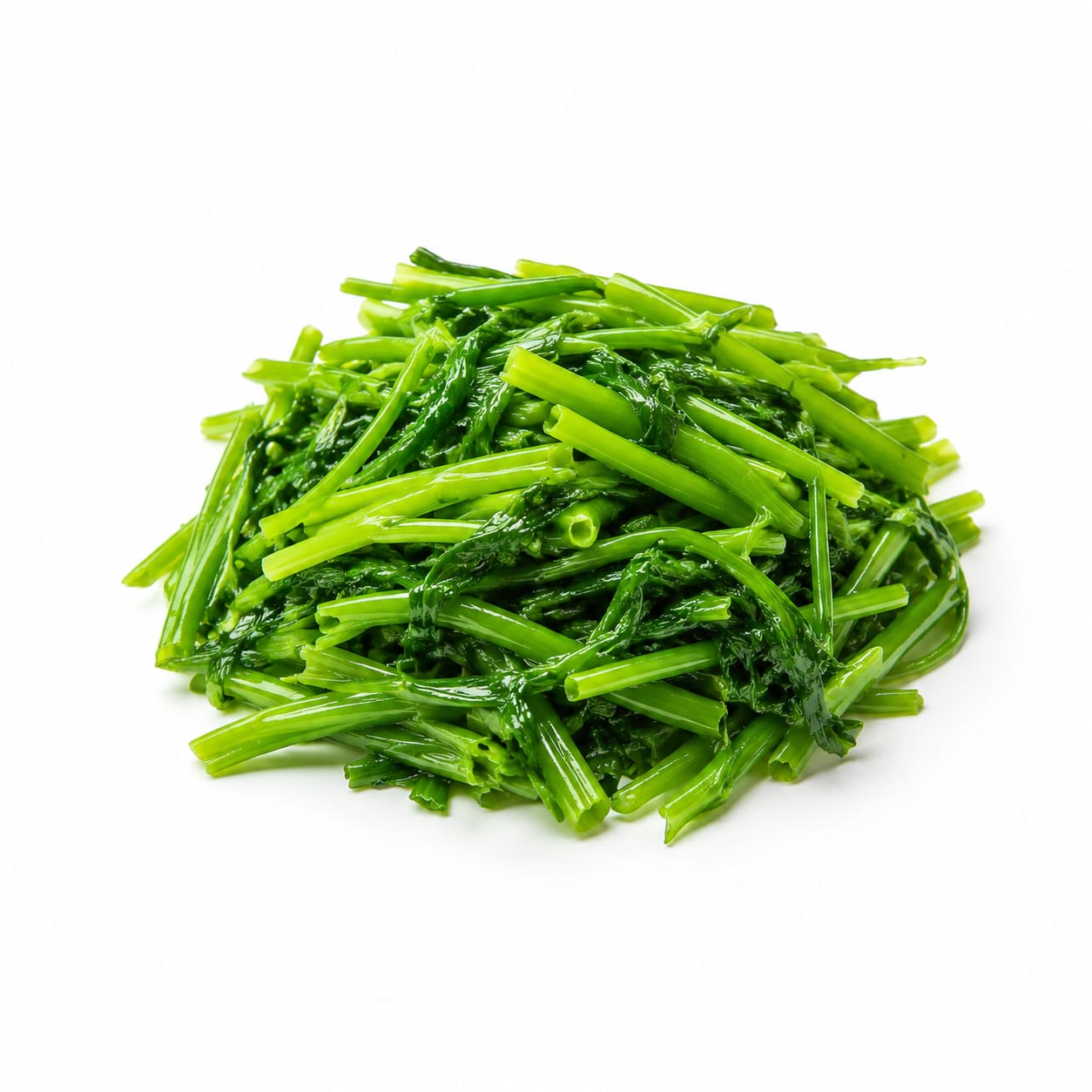
Water Celery
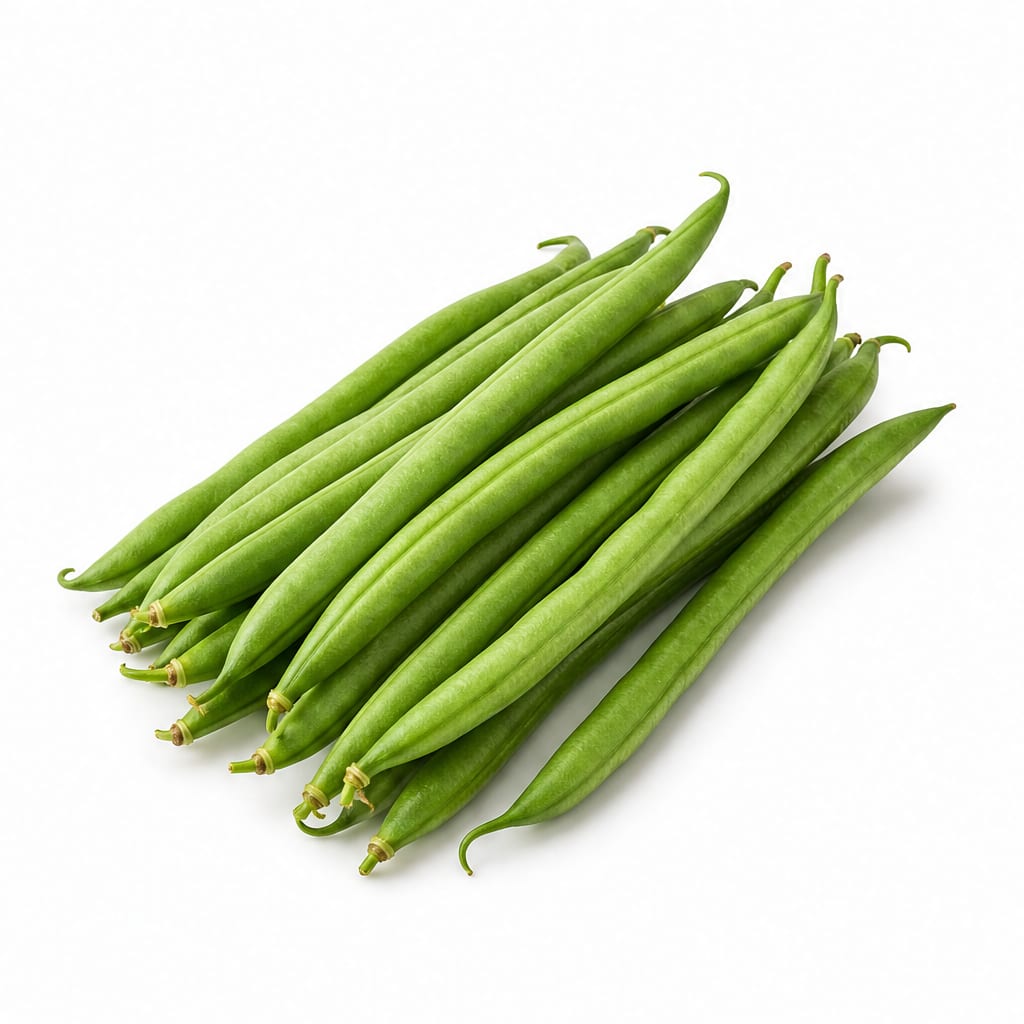
Green Beans
Green beans deliver substantially more nutrition, fiber, and lasting fullness per calorie. Water celery is nearly pure hydration with minimal sustenance.
Green beans score nearly double because they provide real nutrition, lasting satiety, and meal versatility. Water celery is essentially flavored water with crunch — useful but nutritionally hollow.
Water celery gives you maximum crunch and hydration with almost zero calories, while green beans actually nourish you and keep you satisfied for longer.
At a glance
Executive summary
Overall
Green Beans
Healthier
Green Beans
More practical
Green Beans
Daily use
Green Beans
Key comparison lenses
low calorie snacking
Both are classic diet foods, but they serve very different roles in weight management strategies
nutrient density comparison
Users choosing between these want to know which delivers more nutrition per bite
satiety and fullness
The biggest real-world difference is how satisfied you feel after eating each one
meal versatility
Green beans work as a side dish; celery is more of a snack or crudité component
digestive tolerance
Fiber differences and stringy textures affect how comfortably each food digests
Best choice for
Water Celery
- Mindless snacking without calorie consequences
- Hydration support during hot weather
- Vehicles for dips like hummus or peanut butter
- Blood pressure-friendly low-sodium snacking
- Fasting windows when you want crunch without breaking your fast
Green Beans
- Balanced meals needing a nutritious side dish
- Sustained energy without blood sugar spikes
- Getting real fiber and micronutrients, not just water
- Families wanting a vegetable kids will actually eat cooked
- Anyone who needs their vegetables to actually fill them up
Least suitable for
Water Celery
- Anyone relying on vegetables for meaningful nutrition
- People needing sustained energy from meals
- Those with jaw or dental issues from stringy textures
- Athletes requiring nutrient-dense fuel
Green Beans
- Raw food enthusiasts who dislike cooking
- People with severe lectin sensitivity
- Anyone needing ultra-low-fiber foods during digestive flares
Deep comparison
Dimension by dimension
Each lens scores both foods and breaks down who each option suits.
- Dimension 1 · Priority 92Green Beans
Satiety and Fullness
Water Celery · 18Green Beans · 68Green beans actually fill you up. Water celery disappears from your stomach almost immediately.
Tradeoff
You can eat massive volumes of water celery without gaining weight, but you will be hungry again within minutes.
Why it matters
If your vegetable cannot keep you full, you will eat more of other things — defeating the purpose of choosing a low-calorie food.
Real-world impact
A cup of green beans with dinner keeps you satisfied until bedtime. A cup of celery leaves you raiding the fridge an hour later.
Water Celery
- Volume eating when you just want to chew something
- Situations where feeling full is undesirable
Better for
- Anyone trying to use vegetables as a meal component
- People prone to overeating when unsatisfied
Worse for
Green Beans
- Preventing late-night snacking
- Making meals actually satisfying
- Reducing overall daily calorie intake through fullness
Better for
- Those who want to eat large volumes without fullness
Worse for
- Dimension 2 · Priority 90Green Beans
Nutrient Density
Water Celery · 22Green Beans · 75Green beans deliver meaningful amounts of vitamin C, vitamin K, folate, manganese, and fiber. Water celery offers traces of vitamin K and almost nothing else.
Tradeoff
Water celery's extreme low calorie count comes at the cost of being nearly nutritionally empty. Green beans cost slightly more calories but pay you back with real nutrients.
Why it matters
Eating should nourish you, not just occupy your mouth. Consistently choosing foods with minimal nutrients creates subtle deficiencies over time.
Real-world impact
A serving of green beans covers roughly 25% of your daily vitamin C and vitamin K needs. Water celery covers maybe 5% of vitamin K and calls it a day.
Water Celery
- Situations where calorie minimization trumps all other concerns
Better for
- Anyone at risk of nutrient deficiencies
- People eating limited diets who need each food to count
Worse for
Green Beans
- Meeting daily vitamin and mineral needs from food
- Supporting immune function through vitamin C
- Pregnancy nutrition due to folate content
- Bone health through vitamin K and silicon
Better for
- Strict calorie restriction below 1200 kcal
Worse for
- Dimension 3 · Priority 85Green Beans
Fiber Content
Water Celery · 25Green Beans · 78Green beans provide roughly 4 grams of fiber per cup. Water celery offers about 1.6 grams — and most of that is insoluble stringy material.
Tradeoff
Water celery's fiber is harsh and stringy, which can be uncomfortable to digest. Green beans offer gentler, more effective fiber that feeds gut bacteria properly.
Why it matters
Fiber is the single most underconsumed nutrient in modern diets. Choosing a vegetable that barely contributes makes hitting your daily 25-30g much harder.
Real-world impact
Two cups of green beans get you a third of the way to your daily fiber goal. You would need to eat an impractical amount of water celery to match that.
Water Celery
- Quick digestive transit when you need it
Better for
- People already struggling with low fiber intake
- Those with sluggish digestion
Worse for
Green Beans
- Gut microbiome health
- Cholesterol management
- Blood sugar stabilization
- Preventing constipation
Better for
- During acute digestive flares requiring low-fiber diets
Worse for
- Dimension 4 · Priority 72Water Celery
Hydration
Water Celery · 90Green Beans · 58Water celery is roughly 95% water, making it one of the most hydrating foods you can eat. Green beans are still moist but noticeably less so.
Tradeoff
That hydration comes at the expense of everything else. You are essentially eating expensive water with crunch.
Why it matters
In hot climates or during illness, high-water foods can supplement fluid intake. But plain water does this job better and cheaper.
Real-world impact
Munching water celery on a hot afternoon does help with hydration. But a glass of water plus some green beans gives you both fluids and nutrition.
Water Celery
- Hot weather snacking
- Post-illness hydration recovery
- People who struggle to drink enough water
Better for
- Anyone expecting hydration plus nourishment
Worse for
Green Beans
- Situations where hydration from food is not a priority
Better for
- Acute dehydration situations
Worse for
- Dimension 5 · Priority 80Green Beans
Blood Sugar Stability
Water Celery · 55Green Beans · 78Both foods have minimal impact on blood sugar, but green beans' fiber creates a steadier metabolic environment overall.
Tradeoff
Water celery will not spike blood sugar, but it also will not help stabilize it across a meal the way fiber-rich green beans can.
Why it matters
Stable blood sugar means fewer cravings, steadier energy, and better mood throughout the day.
Real-world impact
Adding green beans to a carb-heavy meal slows glucose absorption noticeably. Adding water celery does almost nothing for glycemic control.
Water Celery
- Snacking when blood sugar is already well-controlled
Better for
- Diabetics relying on vegetables to help manage glycemic response
Worse for
Green Beans
- Balancing high-carb meals
- Diabetics needing fiber to slow glucose absorption
- Preventing afternoon energy crashes
Better for
- Rare individuals with extreme carbohydrate malabsorption
Worse for
- Dimension 6 · Priority 75Green Beans
Culinary Versatility
Water Celery · 40Green Beans · 80Green beans work steamed, roasted, sautéed, in casseroles, stir-fries, and salads. Water celery is mostly a raw snack or aromatic base.
Tradeoff
Water celery adds flavor to stocks and crunch to salads, but it rarely carries a dish. Green beans can be the star of a side dish.
Why it matters
A vegetable you enjoy cooking gets eaten. A vegetable that feels like a chore becomes food waste.
Real-world impact
Green beans appear in cuisines worldwide as a proper side dish. Water celery is what you push to the side of your plate at parties.
Water Celery
- Raw snacking and dipping
- Aromatics for soups and stocks
- Adding crunch to salads
Better for
- Anyone wanting a satisfying cooked vegetable dish
- People who dislike raw vegetable textures
Worse for
Green Beans
- Family dinners as a cooked side
- Meal prep and batch cooking
- Holiday dishes like green bean casserole
- Stir-fries and sautés
Better for
- Quick no-prep snacking situations
Worse for
- Dimension 7 · Priority 70Water Celery
Calorie Efficiency
Water Celery · 92Green Beans · 65Water celery delivers roughly 16 calories per cup versus green beans at 31 calories. Both are extremely low, but water celery wins on sheer calorie minimization.
Tradeoff
Those saved 15 calories cost you most of your fiber, vitamins, and satiety. The tradeoff is almost never worth it.
Why it matters
For extreme calorie restriction under medical supervision, every calorie counts. For everyone else, nutrition per calorie matters more than calorie count alone.
Real-world impact
The calorie difference between one cup of each is roughly equivalent to one minute of walking. It is functionally meaningless for most people.
Water Celery
- Very low-calorie diets under medical supervision
- Fasting-mimicking protocols
- Volume eating strategies
Better for
- People who conflate low calorie with healthy
- Those at risk of undereating
Worse for
Green Beans
- Sustainable weight management through satiety
- Athletes who need nutrients, not just low calories
Better for
- Medically supervised very-low-calorie diets
Worse for
Timeline
Health impact over time
Short-term
Hours to days
Water Celery
- Immediate hydration boost from high water content
- Crunch satisfaction without calorie consequences
- Possible stomach discomfort from stringy fibers if not chewed thoroughly
- Minimal impact on blood sugar or energy levels
Green Beans
- Noticeable fullness after eating due to fiber content
- Steadier blood sugar after meals when eaten with carbs
- Mild digestive adjustment if you are not used to higher fiber intake
- Slight energy support from B-vitamins and iron
Long-term
Months to years
Water Celery
- Risk of using water celery as a crutch for restrictive eating patterns
- Potential nutrient shortfalls if replacing more nutritious vegetables
- Modest blood pressure support from natural nitrates and low sodium
- Dental wear possible from stringy texture if consumed excessively
Green Beans
- Improved gut health from consistent fiber intake
- Better blood sugar management over months and years
- Reduced cardiovascular risk from fiber and antioxidant compounds
- Support for bone density through vitamin K and silicon
Risk profile
Safety & processing
Both foods are whole vegetables typically eaten close to their natural state. Neither raises processing concerns when purchased fresh or frozen without sauces.
Water Celery
Pesticide residue
mediumCelery consistently appears on the Environmental Working Group's Dirty Dozen list due to pesticide residues. Washing helps but does not eliminate all residues. Organic is advisable.
Stringy fiber choking hazard
lowThe tough strings can pose a mild choking risk for young children or elderly individuals with swallowing difficulties. Cutting into smaller pieces mitigates this.
Green Beans
Lectin content in raw beans
mediumRaw green beans contain lectins that can cause digestive distress. Cooking eliminates this concern entirely. Never eat large quantities of raw green beans.
Canned sodium load
mediumCanned green beans often contain 400-800mg of sodium per serving. Choose frozen or fresh instead, or rinse canned versions thoroughly.
Who wins for whom
Audience fit
Same foods, different winners depending on your goal.
children
Green BeansCooked green beans are softer, easier to chew, and more nutrient-dense for growing bodies. Water celery's stringy texture is a choking concern for young kids.
daily consumption
Green BeansGreen beans contribute meaningful daily nutrition. Water celery is fine daily too, but it does not pull its nutritional weight as a regular vegetable serving.
diabetes
Green BeansThe fiber in green beans meaningfully slows glucose absorption when eaten with carbohydrate-containing meals. Water celery cannot replicate this effect.
elderly
Green BeansCooked green beans are gentler on aging teeth and digestion while providing bone-supporting vitamin K. Water celery's tough strings can be difficult to manage.
muscle gain
Green BeansNeither food is a protein source, but green beans provide slightly more protein and the micronutrients needed for recovery, such as vitamin C and manganese.
weight loss
Green BeansGreen beans create lasting fullness that prevents overeating later. Water celery's lack of satiety often leads to compensatory snacking.
Your move
Decision guide
Choose Water Celery
- You want a zero-guilt crunchy snack while watching TV
- You are using it as a delivery vehicle for hummus, guacamole, or peanut butter
- You need hydration support during hot weather or illness
- You are on a medically supervised very-low-calorie diet
- You want something to chew on during a fasting window without breaking your fast
Choose Green Beans
- You want a vegetable that actually nourishes you and fills you up
- You are building balanced meals for yourself or your family
- You need fiber to support digestion and gut health
- You want a versatile side dish that works steamed, roasted, or sautéed
- You care about getting real vitamins and minerals from your vegetables
Either works if
- You simply want more vegetables in your diet and enjoy both
- You are making a mixed vegetable platter or salad
- You are meal prepping and want variety in your produce
Avoid both if
- You have a known allergy to either food, which is rare but possible
- You are on a strict low-fiber diet during a digestive flare — consult your doctor
Final recommendation
Make green beans your everyday vegetable. They deliver real nutrition, genuine satiety, and culinary flexibility. Keep water celery around as a snack tool — not a nutritional strategy. If you are eating water celery, pair it with something nutrient-dense like hummus or nut butter so you actually get something from the experience.
Practical
Consumer tips
- 1
Buy organic water celery when possible — it is consistently high in pesticide residues
- 2
Choose frozen green beans over canned to avoid excessive sodium
- 3
If using canned green beans, rinse them thoroughly to remove roughly 40% of the added sodium
- 4
Peel the strings from water celery before eating if texture bothers you or your children
- 5
Roast green beans with olive oil and garlic at 425°F for 15 minutes — it transforms them completely
- 6
Pair water celery with protein-rich dips to make it an actually satisfying snack
- 7
Do not bother juicing water celery — you are just making expensive water that lacks the fiber
- 8
Steam green beans briefly for 4-5 minutes to preserve nutrients while making them tender