
Nutrition comparison
Water Celery vs Spinach: Which Leafy Green Is Better for You?
Compare Water Celery and Spinach nutrition, health benefits, and safety. Learn which green is better for kidney health, weight loss, bone strength, and daily nutrition.
Overall winner · Spinach
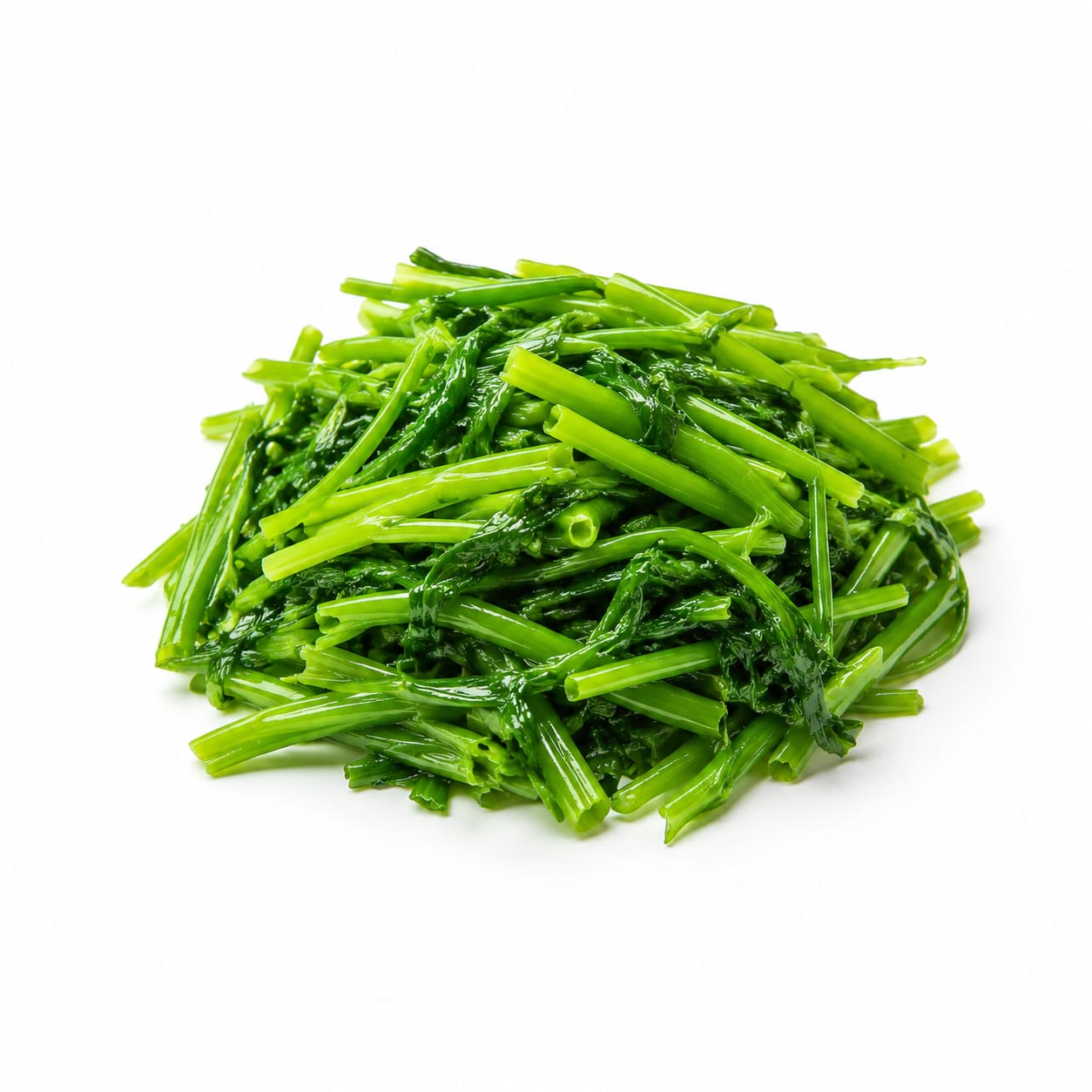
Water Celery
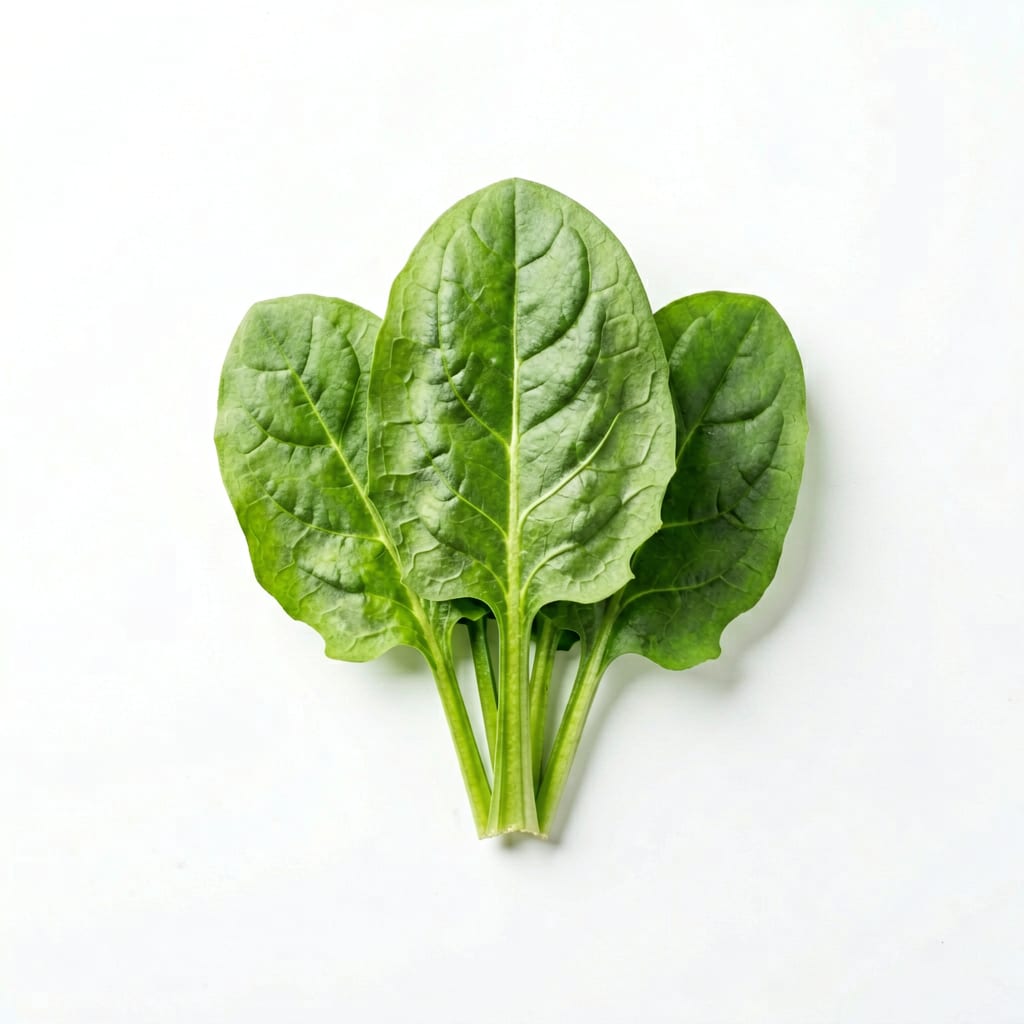
Spinach
Spinach delivers dramatically more nutrients per bite, making it the stronger daily choice for most people. Water Celery shines when you want something ultra-light and hydrating but falls short on substance.
Spinach scores significantly higher due to its superior nutrient density across nearly every vitamin and mineral category. Water Celery earns points for hydration, digestibility, and being oxalate-friendly, but its nutritional thinness keeps it well below Spinach for most health goals.
Spinach gives you far more vitamins, minerals, and antioxidants but comes with oxalate concerns. Water Celery is gentler on kidneys and incredibly refreshing but nutritionally thin.
At a glance
Executive summary
Overall
Spinach
Healthier
Spinach
More practical
Spinach
Daily use
Spinach
Key comparison lenses
nutrient density comparison
Spinach is famously nutrient-dense while Water Celery is lighter; users want to know if the calorie difference comes with a real nutritional gap
leafy green selection for daily salads
Both are used as leafy greens but offer very different nutritional profiles and flavor experiences
kidney stone and oxalate concerns
Spinach is high in oxalates which matters for susceptible individuals; Water Celery is a potential lower-oxalate alternative
hydration and light eating
Water Celery is extremely water-rich and refreshing, appealing to those seeking light, hydrating foods
iron and blood health
Spinach is often sought for iron content despite bioavailability issues; users want to know if Water Celery offers comparable benefits
Best choice for
Water Celery
- People prone to kidney stones who need low-oxalate greens
- Hot climates where hydrating, cooling foods feel better
- Light detox-style eating days when you want minimal digestive load
- Those who find spinach too heavy or metallic-tasting
Spinach
- Anyone seeking maximum nutrition from their greens
- Pregnant women needing folate and iron support
- People focused on bone health and vitamin K intake
- Those wanting versatile cooking greens for multiple recipes
Least suitable for
Water Celery
- Athletes needing nutrient-dense fuel for recovery
- People with iron deficiency seeking dietary support
- Anyone relying on a single green for daily nutrition
- Those who find water-rich vegetables unsatisfying
Spinach
- People with a history of calcium oxalate kidney stones
- Those on low-oxalate diets for gut healing protocols
- Individuals taking blood thinners who must limit vitamin K
- People who experience bloating from high-fiber greens
Deep comparison
Dimension by dimension
Each lens scores both foods and breaks down who each option suits.
- Dimension 1 · Priority 95Spinach
nutrient_density
Water Celery · 30Spinach · 92Spinach packs dramatically more nutrition into every serving. Water Celery is mostly water with modest vitamin content.
Tradeoff
You get refreshment and lightness with Water Celery but sacrifice the concentrated vitamins and minerals Spinach provides.
Why it matters
If your greens are a primary nutrient source, Spinach does far more heavy lifting per calorie.
Real-world impact
A single cup of Spinach covers over 180% of your vitamin K needs. Water Celery covers a small fraction of that.
Water Celery
- Eating large volumes without feeling stuffed
- Staying hydrated during hot weather
Better for
- Relying on it as your main vegetable for nutrients
- Preventing deficiencies on a restricted diet
Worse for
Spinach
- Meeting daily vitamin and mineral targets efficiently
- Getting more nutrition from smaller portions
Better for
- Eating very large quantities if sensitive to oxalates
- Keeping meals ultra-light before intense activity
Worse for
- Dimension 2 · Priority 88Spinach
vitamin_k_and_bone_health
Water Celery · 25Spinach · 95Spinach is one of the richest vegetable sources of vitamin K, critical for bone density and blood clotting. Water Celery provides only trace amounts.
Tradeoff
Spinach's vitamin K abundance is a major advantage for bones but requires careful management for people on blood thinners.
Why it matters
Vitamin K is one of the most commonly under-consumed nutrients, and Spinach is an exceptionally efficient way to get it.
Real-world impact
Regular Spinach consumption meaningfully supports bone health over decades. Water Celery contributes minimally here.
Water Celery
- People on warfarin who must keep vitamin K intake low and consistent
Better for
- Those relying on greens for bone-supporting nutrients
Worse for
Spinach
- Older adults concerned about osteoporosis
- Anyone wanting to naturally support bone density through diet
Better for
- Patients requiring stable, low vitamin K intake for medication management
Worse for
- Dimension 3 · Priority 82Spinach
iron_and_blood_support
Water Celery · 20Spinach · 70Spinach contains meaningful iron, though its oxalates reduce absorption. Water Celery provides very little iron.
Tradeoff
Spinach's iron is partially blocked by its own oxalates, so pairing it with vitamin C helps. Water Celery simply lacks iron altogether.
Why it matters
Iron deficiency is common, especially in women, and dietary sources matter even when not perfectly absorbed.
Real-world impact
Adding lemon juice to Spinach significantly improves iron absorption. Water Celery offers no comparable strategy since the iron barely exists.
Water Celery
- Those who get iron easily from other sources and just want a light green
Better for
- Anyone counting on greens as an iron source
Worse for
Spinach
- Vegetarians looking for plant-based iron contributions
- Women with higher iron needs during reproductive years
Better for
- People expecting Spinach iron to fully solve deficiency on its own
Worse for
- Dimension 4 · Priority 85Water Celery
oxalate_and_kidney_safety
Water Celery · 85Spinach · 25Water Celery is naturally low in oxalates, making it kidney-friendly. Spinach is one of the highest-oxalate foods commonly eaten.
Tradeoff
Spinach's nutrient richness comes bundled with compounds that can form kidney stones in susceptible people. Water Celery avoids this problem entirely.
Why it matters
For the roughly 10-15% of people who form oxalate stones, Spinach is genuinely risky. This is not a minor concern for them.
Real-world impact
A kidney stone sufferer may need to limit Spinach severely or boil it to reduce oxalates. Water Celery can be eaten freely.
Water Celery
- Anyone with a history of calcium oxalate kidney stones
- People following low-oxalate healing protocols
Better for
- People who assume all leafy greens are equally nutritious
Worse for
Spinach
- Those without kidney stone concerns who want maximum nutrition
Better for
- Stone-formers who eat large raw Spinach salads daily
Worse for
- Dimension 5 · Priority 72Water Celery
hydration_and_digestibility
Water Celery · 90Spinach · 60Water Celery is exceptionally water-rich and easy to digest. Spinach, while not heavy, contains more fiber and oxalates that can challenge sensitive stomachs.
Tradeoff
Water Celery goes down effortlessly and feels cooling. Spinach is still digestible for most but can cause bloating in sensitive individuals.
Why it matters
For people with IBS, gut healing needs, or hot-weather appetite loss, easy digestibility is a real daily quality-of-life factor.
Real-world impact
On a sweltering day or after illness, Water Celery feels like eating water with crunch. Spinach can feel heavier and more fibrous.
Water Celery
- Post-illness recovery when digestion is delicate
- Hot days when heavy foods feel unappealing
- People with IBS who react to fibrous greens
Better for
- Anyone who finds water-rich vegetables unsatisfying as a meal component
Worse for
Spinach
- Those who benefit from fiber's fullness and gut-health effects
- People wanting their greens to actually feel like a substantial food
Better for
- People who get bloated from raw leafy greens
Worse for
- Dimension 6 · Priority 78Spinach
antioxidant_and_eye_health
Water Celery · 28Spinach · 90Spinach is loaded with lutein, zeaxanthin, and beta-carotene that protect eyes and cells. Water Celery has modest antioxidant content.
Tradeoff
Spinach offers meaningful long-term eye and cellular protection. Water Celery refreshes but does not significantly contribute to antioxidant defenses.
Why it matters
Lutein and zeaxanthin are specifically concentrated in the retina and are hard to get from most foods. Spinach is a top source.
Real-world impact
Regular Spinach intake is associated with lower macular degeneration risk over decades. Water Celery cannot make this claim.
Water Celery
- Situations where refreshment matters more than long-term nutrient accumulation
Better for
- Those counting on their greens for eye-protective compounds
Worse for
Spinach
- Adults over 40 concerned about preserving vision
- Anyone wanting broad cellular protection from food
Better for
- People who dislike cooked Spinach and only eat it raw, reducing lutein absorption
Worse for
- Dimension 7 · Priority 70Spinach
culinary_versatility
Water Celery · 45Spinach · 88Spinach works raw, sautéed, blended, baked, and in cuisines worldwide. Water Celery is more niche, primarily used in Asian soups and stir-fries.
Tradeoff
Spinach fits into nearly any meal effortlessly. Water Celery has a distinctive flavor that works in specific dishes but limits broader use.
Why it matters
A green you can use in dozens of ways gets eaten more often. Versatility directly impacts nutritional consistency.
Real-world impact
You can throw Spinach into smoothies, eggs, pasta, and salads all week. Water Celery mostly shines in soups and Asian-style dishes.
Water Celery
- Cooks preparing Asian-style clear soups and hot pot
- Those wanting a unique crisp texture in stir-fries
Better for
- Anyone wanting a do-everything green for the fridge
- People unfamiliar with Asian cooking techniques
Worse for
Spinach
- Meal preppers who want one green that works everywhere
- Smoothie drinkers who want to blend greens seamlessly
Better for
- Cooks seeking a distinctive, unusual vegetable flavor
Worse for
Timeline
Health impact over time
Short-term
Hours to days
Water Celery
- Immediate hydration boost from very high water content
- Light, clean feeling in the stomach after eating
- Minimal digestive effort required
- Unlikely to cause bloating or gas
Spinach
- Noticeable fullness from fiber and nutrient density
- Possible mild bloating if eaten raw in large amounts by sensitive individuals
- Sustained energy from balanced micronutrient profile
- Vitamin K can temporarily affect blood clotting markers
Long-term
Months to years
Water Celery
- Consistent hydration support with minimal caloric intake
- Lower risk of oxalate-related kidney issues
- Possible nutrient shortfalls if used as a primary vegetable without variety
- Gentle on the digestive system over years of consumption
Spinach
- Stronger bone density from consistent vitamin K intake
- Better eye health protection from lutein and zeaxanthin
- Potential kidney stone formation in susceptible individuals with high intake
- Improved cardiovascular markers from folate and magnesium
Risk profile
Safety & processing
Both Water Celery and Spinach are whole, natural vegetables typically consumed with minimal processing. Neither carries meaningful additive concerns when purchased fresh.
Water Celery
Waterborne contamination
mediumWater Celery grows in aquatic environments where bacterial contamination can occur if water sources are polluted. Thorough washing is essential.
Misidentification with toxic lookalikes
highWater Celery resembles water hemlock, one of the most poisonous plants in North America. Only consume from trusted commercial sources.
Parasite exposure
lowAquatic growing conditions can harbor parasites. Cooking eliminates this risk effectively.
Spinach
Pesticide residue
mediumSpinach consistently appears on the EWG's Dirty Dozen list for high pesticide residue. Washing helps but does not remove all residues.
Oxalate accumulation
mediumRegular high consumption of raw Spinach can contribute to kidney stone formation in susceptible individuals over time.
Bacterial contamination from raw consumption
lowLike all leafy greens eaten raw, Spinach can carry E. coli or Salmonella. Pre-washed bagged Spinach has been linked to outbreaks.
Who wins for whom
Audience fit
Same foods, different winners depending on your goal.
children
SpinachSpinach delivers more growth-supporting nutrients like folate, iron, and vitamin A. Water Celery is safe but nutritionally insufficient as a primary green for developing kids.
daily consumption
SpinachSpinach's broader nutrient profile makes it a stronger daily staple for most people, provided oxalates are not a personal concern.
diabetes
SpinachSpinach's higher fiber and magnesium content supports better blood sugar regulation. Water Celery is not harmful but contributes less to glycemic control.
elderly
It dependsSpinach supports bone density and eye health which matter greatly for older adults, but those with kidney stone history should prefer Water Celery for its low oxalate content.
muscle gain
SpinachNeither is a protein powerhouse, but Spinach provides more magnesium and iron which support muscle function and recovery.
weight loss
SpinachBoth are extremely low in calories, but Spinach provides more nutrients and fiber per calorie, keeping you satisfied longer and reducing the urge to snack.
Your move
Decision guide
Choose Water Celery
- You have a history of kidney stones and need a low-oxalate green
- You live in a hot climate and crave hydrating, cooling foods
- You want something incredibly light that will not fill you up before a workout
- You are recovering from illness and need gentle, easy-to-digest vegetables
- You enjoy Asian-style soups and want an authentic ingredient
Choose Spinach
- You want maximum nutritional return from your vegetable choices
- Bone health, eye health, or iron intake are personal priorities
- You need a versatile green that works in smoothies, salads, and cooked dishes
- You are pregnant or planning pregnancy and need folate support
- You have no kidney stone concerns and want a daily nutrient powerhouse
Either works if
- You simply want more variety in your leafy green rotation
- Both are available fresh and you enjoy different textures on different days
- You are eating a diverse diet where neither green carries the full nutritional burden
Avoid both if
- You are on strict blood thinners and have not consulted your doctor about vitamin K intake
- You have severe oxalate sensitivity and cannot tolerate even moderate amounts
- You have known allergies to plants in the Apiaceae or Amaranthaceae families
Final recommendation
Make Spinach your daily driver for its unmatched nutrient density, but keep Water Celery in rotation for hot days, kidney-friendly meals, and Asian-inspired dishes. If you form kidney stones, flip that script: Water Celery becomes your safer staple while Spinach becomes an occasional treat, always cooked to reduce oxalates.
Practical
Consumer tips
- 1
Boil Spinach for 2-3 minutes and discard the water to reduce oxalate content by 30-87% if kidney stones are a concern
- 2
Pair Spinach with vitamin C sources like lemon juice or bell peppers to significantly boost iron absorption
- 3
Buy organic Spinach when possible since it consistently ranks high for pesticide residue
- 4
Only purchase Water Celery from reputable markets to avoid dangerous misidentification with toxic water hemlock
- 5
Rotate between multiple leafy greens weekly rather than relying on any single one for all your nutrients
- 6
Add Water Celery to clear soups at the last minute to preserve its crisp texture and refreshing quality
- 7
Freeze Spinach for smoothies — it blends better and retains most nutrients when frozen fresh