
Nutrition comparison
Water Celery vs Bok Choy: Nutrition, Safety, and Which Green to Choose
Compare Water Celery and Bok Choy side by side. Learn which offers more nutrients, which is safer, and which Asian green belongs in your weekly meal rotation.
Overall winner · Bok Choy
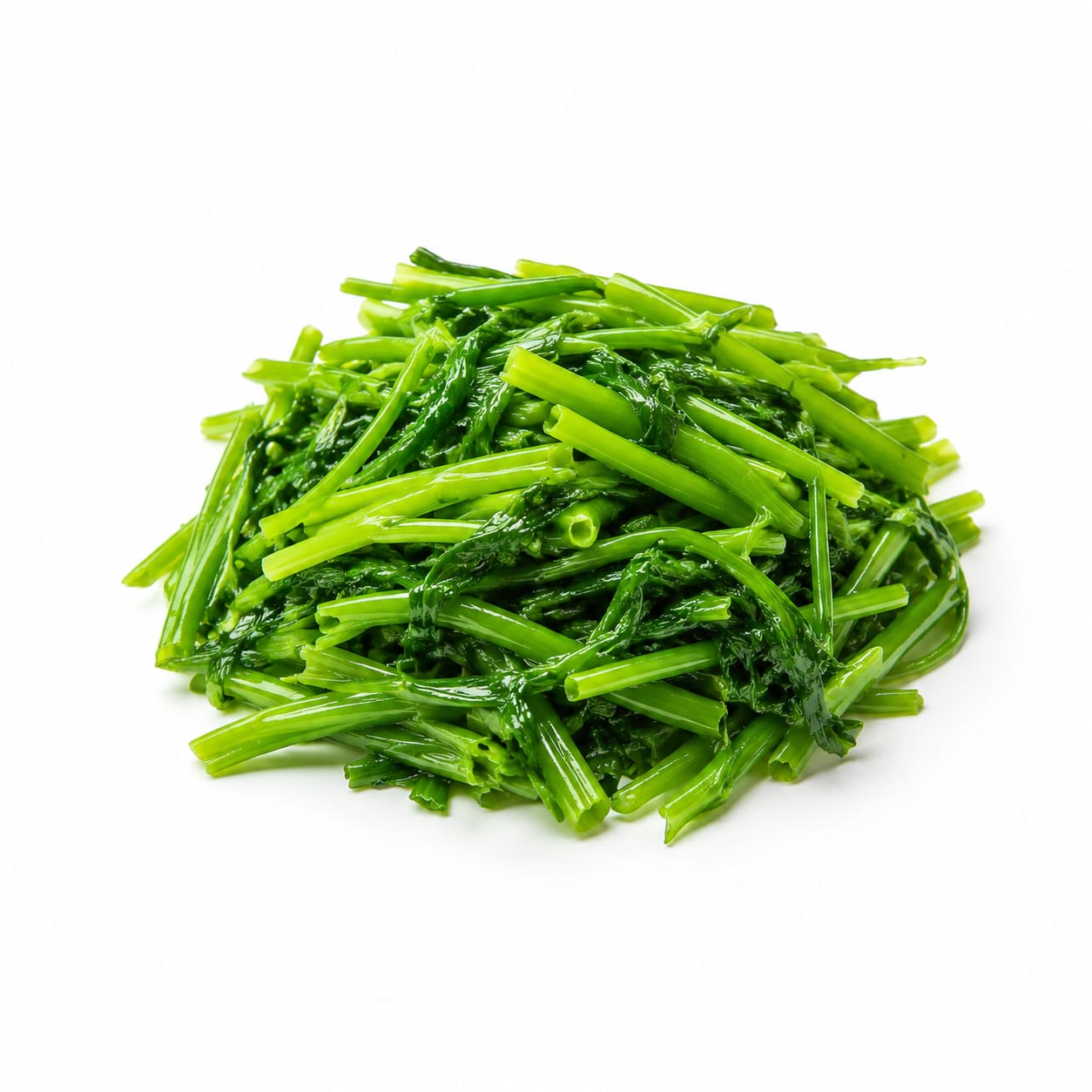
Water Celery
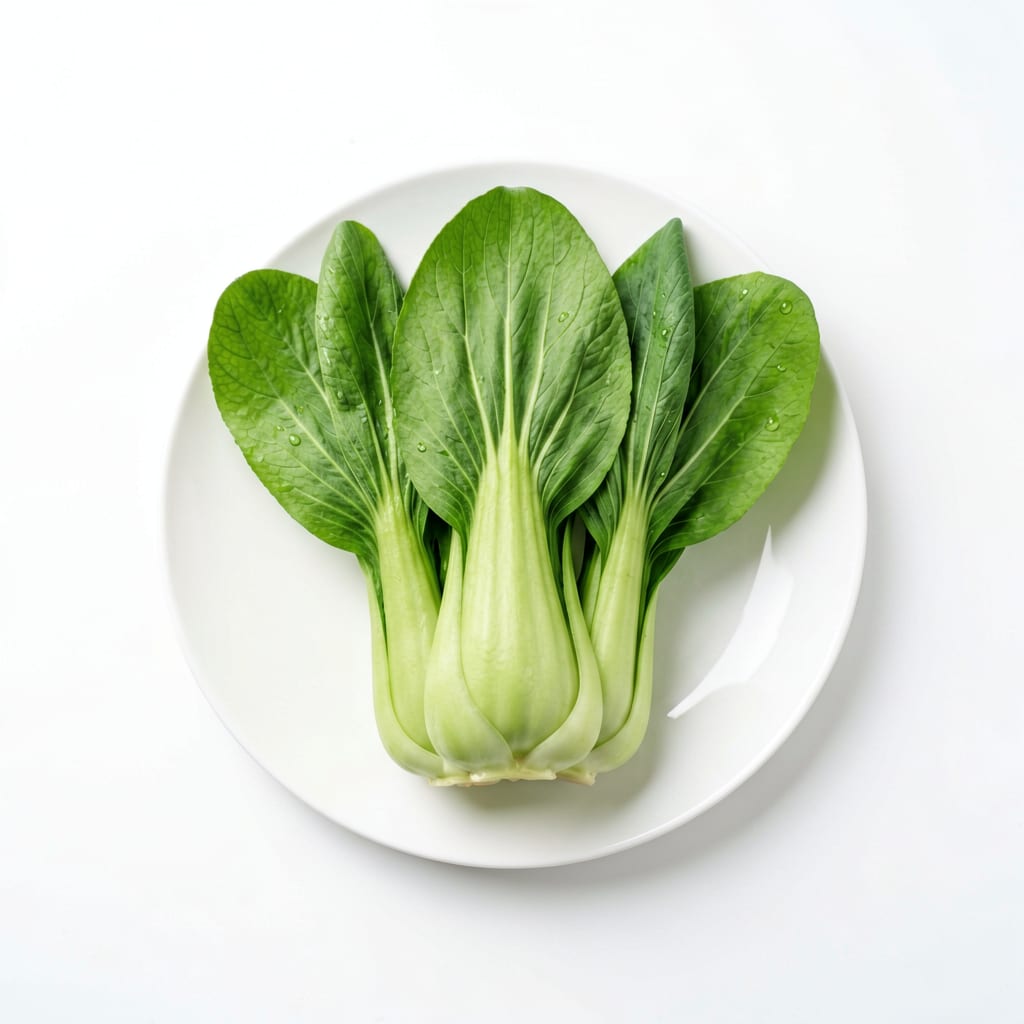
Bok Choy
Bok Choy delivers more nutrition per calorie, is far easier to find, and avoids the serious safety risks associated with Water Celery's toxic lookalikes.
Bok Choy scores significantly higher due to superior nutrient density, wider availability, and absence of dangerous lookalike risk. Water Celery remains a culturally valuable ingredient but carries real safety concerns and limited accessibility that lower its everyday utility score.
Water Celery offers a unique aromatic flavor and traditional medicinal heritage, but Bok Choy wins on nutrient density, safety, and everyday practicality.
At a glance
Executive summary
Overall
Bok Choy
Healthier
Bok Choy
More practical
Bok Choy
Daily use
Bok Choy
Key comparison lenses
nutrient density comparison
Both are low-calorie Asian greens, so maximizing vitamins and minerals per bite becomes the key decision factor
safety and contamination risk
Water Celery grows in aquatic environments and has dangerous lookalikes, making safety a critical differentiator
everyday accessibility
Bok Choy is a grocery store staple while Water Celery is specialty, so practical availability matters for daily use
cooking versatility
How easily each vegetable fits into meals determines long-term sustainability of choosing either
cruciferous benefits vs aquatic nutrients
Bok Choy offers glucosinolates unique to cruciferous vegetables, while Water Celery provides different aquatic-plant compounds
Best choice for
Water Celery
- Foragers and wild-food enthusiasts who can positively identify the plant
- Traditional Asian soup recipes where its specific aromatic flavor is essential
- Exploring unique regional cuisines and heritage dishes
Bok Choy
- Everyday home cooks wanting a reliable, nutrient-packed green
- Anyone seeking calcium and vitamin K from plant sources
- Meal preppers who want a versatile vegetable that stores well
Least suitable for
Water Celery
- Beginner foragers or anyone uncertain about plant identification
- Households with children where misidentification risk is unacceptable
- People who need easy grocery store access to their vegetables
Bok Choy
- Those with cruciferous vegetable sensitivities or thyroid concerns requiring iodine monitoring
- People specifically seeking the unique aromatic compounds found in aquatic plants
Deep comparison
Dimension by dimension
Each lens scores both foods and breaks down who each option suits.
- Dimension 1 · Priority 95Bok Choy
nutrient_density
Water Celery · 55Bok Choy · 88Bok Choy packs substantially more vitamins and minerals per serving, especially calcium, vitamin K, and folate.
Tradeoff
Water Celery provides some unique aquatic-plant phytonutrients, but the overall vitamin and mineral load is lower than Bok Choy.
Why it matters
When eating very low-calorie vegetables, every calorie should deliver maximum nutrition. Bok Choy makes each bite count more.
Real-world impact
A single cup of Bok Choy covers over half your daily vitamin A needs and nearly all your vitamin K, while Water Celery covers less of both.
Water Celery
- Obtaining unique aquatic-plant antioxidants not found in land vegetables
Better for
- Relying on it as a primary nutrient source
Worse for
Bok Choy
- Meeting daily calcium needs on a plant-based diet
- Getting sufficient vitamin K for bone health
- Maximizing folate intake during pregnancy planning
Better for
- Accessing the specific traditional compounds found in aquatic herbs
Worse for
- Dimension 2 · Priority 90Bok Choy
safety_and_misidentification_risk
Water Celery · 35Bok Choy · 92Water Celery has deadly toxic lookalikes in the wild, while Bok Choy is one of the safest vegetables you can buy.
Tradeoff
Water Celery's aquatic habitat means it can also absorb waterborne contaminants more readily than soil-grown Bok Choy.
Why it matters
Confusing Water Celery with water hemlock or other toxic Oenanthe species can be fatal. This is not a minor concern.
Real-world impact
Even experienced foragers have been poisoned by Water Celery lookalikes. Bok Choy from a grocery store carries essentially zero misidentification risk.
Water Celery
- Sourcing from wild or unverified suppliers
- Storing near other herbs where confusion could occur
Worse for
Bok Choy
- Families with children who need foolproof food safety
- Anyone sourcing vegetables from unfamiliar markets or wild harvesting
Better for
- Dimension 3 · Priority 85Bok Choy
cruciferous_health_benefits
Water Celery · 20Bok Choy · 90Bok Choy contains glucosinolates that break down into cancer-fighting compounds like sulforaphane. Water Celery does not.
Tradeoff
These compounds can interfere with thyroid function in very large amounts if iodine intake is low, but this is rarely a practical concern with normal consumption.
Why it matters
Regular cruciferous vegetable intake is one of the strongest dietary patterns linked to reduced cancer risk in long-term studies.
Real-world impact
Eating Bok Choy a few times per week contributes meaningfully to your body's cellular defense systems in ways Water Celery cannot replicate.
Water Celery
- Matching the glucosinolate benefits of cruciferous vegetables
Worse for
Bok Choy
- Long-term cancer risk reduction
- Supporting the body's natural detoxification pathways
- Reducing chronic inflammation markers
Better for
- Those with existing thyroid conditions who consume very large amounts raw
Worse for
- Dimension 4 · Priority 82Bok Choy
availability_and_convenience
Water Celery · 25Bok Choy · 90Bok Choy is available in nearly every supermarket. Water Celery is a specialty item requiring Asian markets or foraging.
Tradeoff
If you live near specialty Asian grocers, Water Celery becomes more accessible, but it still requires more effort to source consistently.
Why it matters
The best vegetable for your health is the one you can actually buy and eat regularly, not the one that's theoretically superior but hard to find.
Real-world impact
Most people can grab Bok Choy on any grocery run. Water Celery might require a dedicated trip to a specialty store or ordering online.
Water Celery
- Adding unique flavor to special-occasion dishes when you can find it
Better for
- Reliable meal prep schedules
- Living in areas without Asian grocery stores
Worse for
Bok Choy
- Consistent weekly meal planning
- Quick weeknight stir-fries without specialty shopping
- Budget-friendly nutrition at mainstream grocery prices
Better for
- Dimension 5 · Priority 78Bok Choy
cooking_versatility
Water Celery · 50Bok Choy · 85Bok Choy works raw in salads, grilled, steamed, stir-fried, and in soups. Water Celery is best in soups and specific traditional preparations.
Tradeoff
Water Celery's distinct aromatic flavor can elevate certain dishes in ways Bok Choy cannot, but its applications are narrower.
Why it matters
A versatile vegetable gets used more often and wasted less, making it a better investment for your fridge and your health.
Real-world impact
Bok Choy can be your go-to green for almost any cooking method. Water Celery shines in specific recipes but sits unused if those dishes aren't on the menu.
Water Celery
- Traditional Southeast Asian soup recipes calling for its specific aroma
- Adding a celery-like fragrance that Bok Choy cannot replicate
Better for
- Raw preparations and salads
- Grilling or roasting applications
Worse for
Bok Choy
- Quick stir-fries with garlic and ginger
- Grilled or roasted as a side dish
- Raw in salads and slaws
- Steamed as a light accompaniment to any protein
Better for
- Replicating the specific aromatic profile of aquatic herbs
Worse for
- Dimension 6 · Priority 72It depends
digestive_tolerance
Water Celery · 70Bok Choy · 68Both are gentle on digestion for most people, but Bok Choy's cruciferous fiber can cause bloating in sensitive individuals when eaten raw in large amounts.
Tradeoff
Water Celery may be slightly easier on sensitive stomachs, but the difference is small and cooking Bok Choy resolves most tolerance issues.
Why it matters
If you experience bloating from cruciferous vegetables, Water Celery could be a gentler alternative for soups.
Real-world impact
Most people tolerate both well. If raw Bok Choy causes gas, simply cooking it eliminates the problem for nearly everyone.
Water Celery
- People with known cruciferous sensitivity looking for a low-bloat alternative
Better for
Bok Choy
- Anyone who cooks their vegetables, which neutralizes most digestive concerns
Better for
- Eating large amounts raw if you have irritable bowel syndrome
Worse for
- Dimension 7 · Priority 80Bok Choy
calcium_and_bone_support
Water Celery · 40Bok Choy · 92Bok Choy is one of the best plant-based calcium sources, with excellent bioavailability. Water Celery provides minimal calcium.
Tradeoff
The calcium in Bok Choy is actually absorbed better than calcium from dairy because of its favorable ratio with other minerals.
Why it matters
For anyone avoiding dairy, Bok Choy is a top-tier calcium source that actually delivers on the promise.
Real-world impact
Two cups of cooked Bok Choy provide roughly 15-20% of daily calcium needs in a highly absorbable form. Water Celery provides a fraction of that.
Water Celery
- Contributing meaningfully to daily calcium requirements
Worse for
Bok Choy
- Dairy-free diets needing reliable calcium
- Older adults concerned about bone density
- Teenagers still building peak bone mass
Better for
Timeline
Health impact over time
Short-term
Hours to days
Water Celery
- Light hydration from high water content
- Mild aromatic compounds that may support digestion
- Very low calorie intake, unlikely to cause any digestive discomfort
Bok Choy
- Quick boost in vitamins A and K after just one serving
- Noticeable improvement in meal satiety due to fiber and water content
- Possible mild bloating if eaten raw in very large quantities by sensitive individuals
Long-term
Months to years
Water Celery
- Consistent consumption may provide unique aquatic-plant antioxidants, though research is limited
- Low nutritional density means it should not be a primary vegetable if eaten regularly
- Risk of misidentification remains a persistent safety concern with any foraged supply
Bok Choy
- Regular intake supports bone health through highly bioavailable calcium and vitamin K
- Glucosinolate consumption is associated with reduced cancer risk in large population studies
- Consistent cruciferous intake supports cardiovascular health and natural detoxification pathways
Risk profile
Safety & processing
Both vegetables are whole, minimally processed foods typically sold fresh. Neither carries meaningful additive concerns. The primary difference is that Water Celery sourced from contaminated waterways could carry environmental pollutants, while Bok Choy from commercial farms may have standard pesticide residues that washing removes effectively.
Water Celery
Toxic lookalike misidentification
highWater Celery resembles water hemlock and other toxic Oenanthe species. Water hemlock is one of the most poisonous plants in North America. Positive identification requires expertise.
Waterborne contamination
mediumAs an aquatic plant, Water Celery can accumulate heavy metals, agricultural runoff, and microorganisms from the water it grows in. Source matters greatly.
Parasite exposure
mediumAquatic plants can harbor parasites like Fasciolopsis when grown in contaminated water. Thorough cooking reduces this risk significantly.
Bok Choy
Pesticide residue
lowConventional Bok Choy may carry pesticide residues, but washing thoroughly or choosing organic eliminates most concern. It appears on EWG's cleaner produce lists.
Goitrogenic compounds
lowRaw Bok Choy contains goitrogens that can interfere with thyroid function, but this only matters with very large raw consumption and low iodine intake. Cooking neutralizes most goitrogens.
Who wins for whom
Audience fit
Same foods, different winners depending on your goal.
children
Bok ChoyBok Choy is safe, widely available, and its mild flavor can be introduced early. Water Celery's misidentification risk makes it inappropriate for households with children unless sourced from verified suppliers.
daily consumption
Bok ChoyBok Choy can be eaten daily with no safety concerns and accumulating health benefits. Water Celery's sourcing challenges and contamination risks make daily consumption impractical for most people.
diabetes
Bok ChoyBoth have negligible impact on blood sugar, but Bok Choy's higher fiber content provides marginally better glycemic stability when eaten as part of mixed meals.
elderly
Bok ChoyBok Choy's exceptional calcium bioavailability and vitamin K content directly support bone health concerns that become critical with aging. Its soft texture when cooked is also easy to chew.
muscle gain
Bok ChoyNeither is a protein source, but Bok Choy's calcium and vitamin K support bone health under training stress, and its versatility makes it easier to pair with protein-rich foods consistently.
weight loss
Bok ChoyBoth are extremely low in calories, but Bok Choy's higher fiber and nutrient content provides more satiety per serving, making it easier to fill up without overeating.
Your move
Decision guide
Choose Water Celery
- You are an experienced forager or buy from a trusted specialty supplier with verified sourcing
- You are cooking specific traditional Southeast Asian recipes where its unique aroma is irreplaceable
- You want to explore lesser-known aquatic vegetables for culinary adventure
Choose Bok Choy
- You want a nutrient-dense green you can find at any grocery store and cook any night of the week
- Bone health and calcium intake matter to you, especially on a dairy-free diet
- You want cancer-fighting glucosinolates from a cruciferous vegetable that actually tastes mild
- Safety and ease of identification are priorities for your household
Either works if
- You simply want a low-calorie vegetable to bulk out soups and both are available
- Digestive gentleness is your main concern and you plan to cook whichever you choose
Avoid both if
- You need a substantial protein or calorie source, as neither vegetable provides meaningful energy
- You are looking for a standalone meal rather than a component of a larger dish
Final recommendation
Make Bok Choy your everyday green. It delivers more nutrition, costs less, is available everywhere, and carries no dangerous lookalike risk. Save Water Celery for special traditional recipes when you can source it from a verified supplier. The safety gap alone makes this a clear decision for regular use, and Bok Choy's nutrient density advantage means you get more health value per bite anyway.
Practical
Consumer tips
- 1
Wash Bok Choy thoroughly between the leaves where grit hides, especially near the stem base
- 2
If you do buy Water Celery, only purchase from reputable Asian markets with established supply chains, never forage it yourself unless you are an expert
- 3
Cook Water Celery thoroughly to reduce any parasite or contamination risk from its aquatic growing environment
- 4
Store Bok Choy unwashed in a perforated bag in the crisper drawer and it will last over a week
- 5
Quick-braised Bok Choy with garlic, ginger, and a splash of soy sauce is one of the fastest nutritious side dishes you can make in under 5 minutes
- 6
If raw Bok Choy causes bloating, simply steam or stir-fry it. Cooking resolves nearly all cruciferous digestion issues.