
Nutrition comparison
Water Celery vs Kale: Which Low-Calorie Green Is Actually Better for You?
Water celery hydrates while kale nourishes. Compare these two popular greens on nutrient density, digestion, weight loss, and daily practicality to find which fits your health goals.
Overall winner · Kale
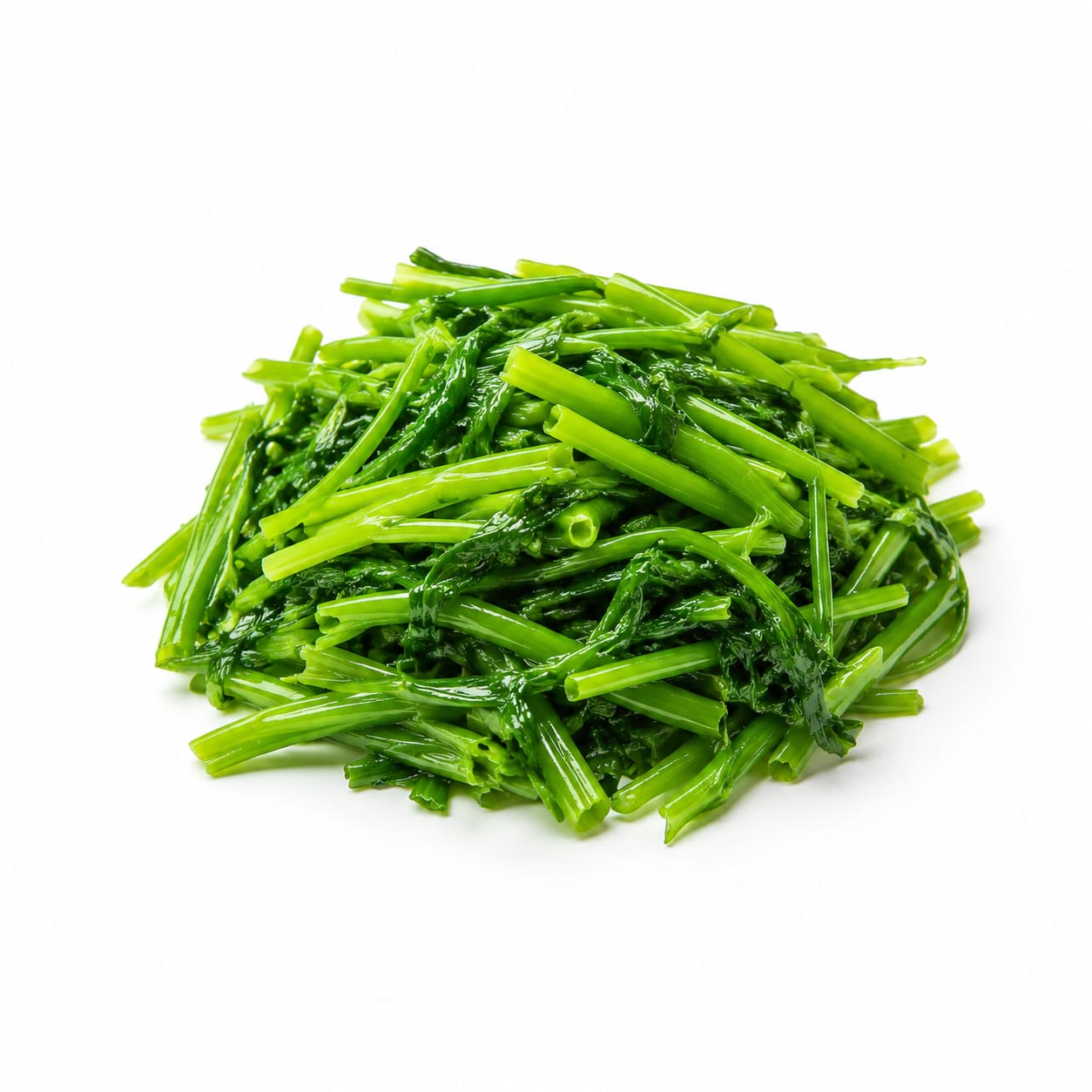
Water Celery
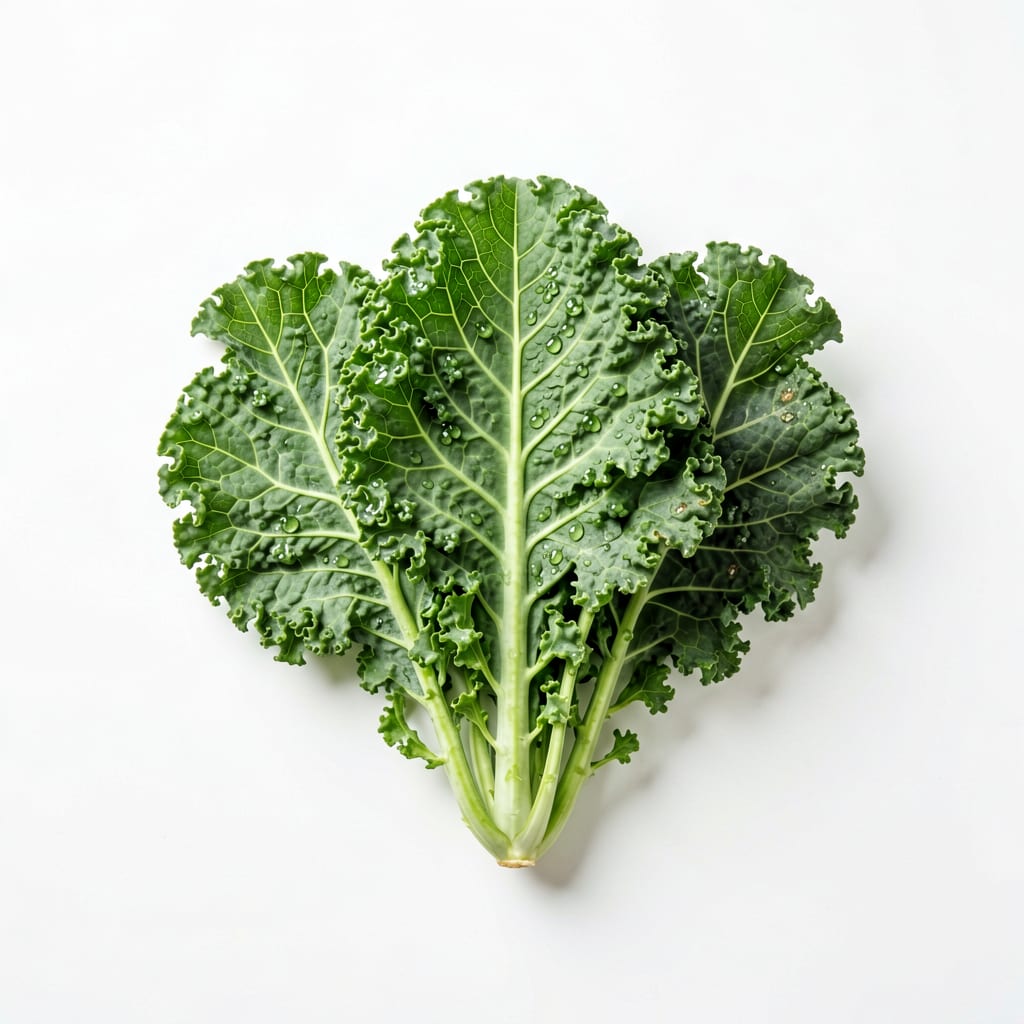
Kale
Kale delivers dramatically more nutrition per bite, but water celery offers superior hydration and easier digestion for sensitive stomachs.
Kale scores significantly higher due to its exceptional nutrient density, antioxidant content, and disease-fighting compounds. Water celery remains useful for hydration and low-calorie snacking but cannot compete on nutritional substance.
Nutritional firepower versus gentle hydration — kale feeds your cells while water celery fills your stomach with water.
At a glance
Executive summary
Overall
Kale
Healthier
Kale
More practical
Water Celery
Daily use
Kale
Key comparison lenses
nutrient density comparison
Kale is famously nutrient-dense while water celery is primarily water, making this the most critical differentiator
weight loss snack selection
Both are extremely low-calorie vegetables commonly chosen for weight management but serve different roles
hydration vs nourishment tradeoff
Water celery hydrates while kale nourishes, representing a fundamental choice between water volume and nutrient concentration
digestive tolerance
Kale can cause bloating in sensitive people while water celery is gentler on the digestive system
everyday practicality
Both require washing and prep but differ in versatility and ease of incorporation into meals
Best choice for
Water Celery
- Hot days when hydration matters most
- People with sensitive digestion or IBS
- Mindless snacking without calorie consequences
- Juice cleanses and broth bases
- Those who find kale too bitter or tough
Kale
- Anyone seeking maximum vitamins and minerals per calorie
- Smoothie boosters and nutrient-dense meals
- Bone health and immune support
- Meal prep that actually sustains energy
- People prioritizing long-term disease prevention
Least suitable for
Water Celery
- Those needing substantial nutrition from their vegetables
- Meal replacement or substantial side dishes
- People with celery allergy or birch pollen syndrome
- Anyone seeking satisfying, filling meals
Kale
- People on blood thinners who must limit vitamin K
- Those with thyroid concerns about goitrogens
- Individuals prone to bloating or gas from cruciferous vegetables
- Anyone wanting a light, refreshing snack
Deep comparison
Dimension by dimension
Each lens scores both foods and breaks down who each option suits.
- Dimension 1 · Priority 95Kale
Nutrient Density
Water Celery · 25Kale · 93Kale is one of the most nutrient-dense foods on the planet. Water celery is mostly water with trace nutrients.
Tradeoff
You would need enormous volumes of water celery to approach the vitamin and mineral content of a single serving of kale.
Why it matters
Nutrient density determines how much your body actually gets from each bite beyond just filling space.
Real-world impact
A cup of kale covers your daily vitamin K needs and most of your vitamin A. A cup of water celery covers about 5% of those.
Water Celery
- Volume eaters who want to feel full without nutrition concerns
Better for
- Recovery from illness when the body needs concentrated nutrients
Worse for
Kale
- Anyone eating limited calories who needs maximum nutritional return
- People who skip multivitamins and rely on food for micronutrients
Better for
- Situations where you want light refreshment without feeling loaded down
Worse for
- Dimension 2 · Priority 82Water Celery
Hydration and Refreshment
Water Celery · 92Kale · 55Water celery lives up to its name with roughly 95% water content and a crisp, refreshing crunch that feels like eating flavored water.
Tradeoff
Water celery quenches thirst while eating. Kale requires deliberate cooking or blending to feel refreshing.
Why it matters
Many people are chronically underhydrated, and water-rich foods contribute meaningfully to daily fluid intake.
Real-world impact
On a hot afternoon, crunching water celery feels revitalizing. Kale feels like eating a salad — satisfying but not thirst-quenching.
Water Celery
- Summer snacking and outdoor activities
- Post-workout refreshment when you want food and fluid simultaneously
- Replacing high-calorie crunchy snacks
Better for
- Situations where you need lasting energy and satiety from your food
Worse for
Kale
- Meals where you drink water separately and want substance instead
Better for
- Hot weather snacking when raw kale feels too heavy or bitter
Worse for
- Dimension 3 · Priority 80Kale
Satiety and Fullness
Water Celery · 35Kale · 72Kale's fiber and protein content create lasting fullness. Water celery fills you temporarily with water volume that passes quickly.
Tradeoff
Water celery gives instant stomach stretch but hunger returns fast. Kale keeps you satisfied longer between meals.
Why it matters
Foods that leave you hungry again within 30 minutes can trigger overeating later.
Real-world impact
Snacking on water celery alone often leads to reaching for more food within the hour. A kale salad can carry you to the next meal.
Water Celery
- Before dinner when you want to take the edge off hunger without ruining appetite
Better for
- Anyone trying to reduce snacking frequency throughout the day
Worse for
Kale
- Lunch that needs to sustain you through a busy afternoon
- Meal replacements or substantial salads
Better for
- Right before a meal when you want something light
Worse for
- Dimension 4 · Priority 78Water Celery
Digestive Tolerance
Water Celery · 82Kale · 48Water celery is gentle and easy to digest for most people. Raw kale can cause bloating, gas, and discomfort in sensitive individuals.
Tradeoff
Kale's tough fiber is great for gut health long-term but can be punishing for irritable digestive systems in the short-term.
Why it matters
A nutrient-dense food you cannot comfortably eat provides zero benefit in practice.
Real-world impact
People with IBS or sensitive stomachs often feel gassy and uncomfortable after raw kale. Water celery rarely causes digestive complaints.
Water Celery
- Those with IBS, bloating tendencies, or sensitive digestion
- Post-illness recovery when the gut needs gentle foods
- Elderly individuals with slower digestion
Better for
- Anyone who needs fiber to support regular bowel movements
Worse for
Kale
- Healthy digestive systems that benefit from robust fiber intake
- Building gut microbiome diversity over time
Better for
- Date nights or social events where bloating would be uncomfortable
- People already prone to gas from cruciferous vegetables
Worse for
- Dimension 5 · Priority 90Kale
Antioxidant and Disease-Fighting Power
Water Celery · 22Kale · 94Kale contains powerful antioxidants like quercetin, kaempferol, and glucosinolates linked to cancer prevention. Water celery has minimal antioxidant activity.
Tradeoff
Kale actively fights cellular damage and inflammation. Water celery simply does not cause harm — a much lower bar.
Why it matters
Long-term health outcomes are shaped by cumulative antioxidant intake over years and decades.
Real-world impact
Regular kale consumption is associated with reduced cancer risk and lower inflammation markers. Water celery has no such evidence behind it.
Water Celery
- Those who get antioxidants from other sources like berries and herbs
Better for
- Those relying on vegetables as their primary antioxidant source
Worse for
Kale
- Anyone with family history of cancer or chronic disease
- People seeking anti-inflammatory dietary patterns
- Longevity-focused eaters
Better for
- People on blood-thinning medications who must avoid excess vitamin K
Worse for
- Dimension 6 · Priority 72It depends
Versatility and Meal Integration
Water Celery · 68Kale · 70Water celery excels as a raw snack and soup base. Kale dominates in cooked dishes, smoothies, and substantial salads.
Tradeoff
Water celery is easier to grab and eat raw but limited in cooked applications. Kale transforms beautifully when cooked but requires more preparation.
Why it matters
A food you actually enjoy preparing and eating in multiple ways gets eaten more consistently.
Real-world impact
Water celery is a grab-and-go snack or a silent addition to soups. Kale stars in meals — baked chips, sautéed sides, smoothie boosts, and hearty salads.
Water Celery
- Quick snacking without preparation
- Flavor-neutral base for dips
- Adding crunch to salads without competing flavors
Better for
- Creating a satisfying main dish or substantial meal component
Worse for
Kale
- Smoothies where you want a nutrient boost without liquid dilution
- Cooked side dishes and stir-fries
- Meal-worthy salads that serve as a main course
Better for
- Quick raw snacking without washing, chopping, or massaging
Worse for
Timeline
Health impact over time
Short-term
Hours to days
Water Celery
- Quick hydration boost from high water content
- Temporary stomach fullness that fades within 30-60 minutes
- Minimal digestive discomfort for most people
- Very low blood sugar impact — almost no glycemic response
Kale
- Noticeable energy and satiety lasting 2-3 hours after a serving
- Possible bloating or gas if eaten raw in large amounts
- Blood sugar stabilization from fiber content
- Feeling of substantive nourishment rather than just filling up
Long-term
Months to years
Water Celery
- Maintained hydration habits if eaten regularly
- Possible nutrient shortfalls if relied on as a primary vegetable
- Very low risk of any adverse effects from overconsumption
- Minimal contribution to disease prevention compared to darker greens
Kale
- Stronger bones from consistent vitamin K intake
- Reduced inflammation markers and oxidative stress
- Improved cardiovascular risk profile from fiber and antioxidants
- Potential thyroid interference if consumed raw in extreme excess without iodine
Risk profile
Safety & processing
Both water celery and kale are whole, unprocessed vegetables that you buy fresh and eat as-is. Neither carries processing concerns. The main difference is that kale is more often sold pre-washed and bagged, which can introduce slight quality variation.
Water Celery
Pesticide residue
mediumConventional celery frequently appears on the Dirty Dozen list due to pesticide residue. Washing helps but does not eliminate all residues.
Allergic cross-reactivity
lowPeople with birch pollen allergy may experience oral allergy syndrome with raw celery, causing mouth and throat itching.
Kale
Pesticide residue
mediumKale has appeared on the Dirty Dozen list in recent years. Leafy greens can harbor pesticide residues that are difficult to wash off fully.
Goitrogenic compounds
lowRaw kale contains goitrogens that can interfere with thyroid function in susceptible individuals. Cooking significantly reduces this concern.
Contamination in pre-washed bags
lowBagged kale has been associated with occasional recalls due to bacterial contamination. Whole heads you wash yourself carry lower risk.
Who wins for whom
Audience fit
Same foods, different winners depending on your goal.
children
Water CeleryKids accept water celery more readily due to its mild flavor and fun crunch. Kale's bitterness and tough texture make it a hard sell for most children.
daily consumption
KaleDaily kale consumption builds cumulative nutrient benefits. Water celery daily is harmless but does not compound into meaningful health improvements over time.
diabetes
KaleKale's fiber slows sugar absorption and its antioxidants reduce diabetes-related inflammation. Water celery has minimal fiber despite having almost no sugar itself.
elderly
KaleKale's high vitamin K and calcium support bone density concerns common in aging. Water celery's gentle digestion is a plus but its nutrient contribution is too thin for elderly needs.
muscle gain
KaleNeither is a protein source, but kale provides more magnesium and vitamin K which support muscle and bone function during training.
weight loss
It dependsWater celery is the ultimate volume-eating snack with almost zero calories. Kale provides more satiety per calorie, reducing overall food intake throughout the day. Choose based on whether you need snacking volume or meal satisfaction.
Your move
Decision guide
Choose Water Celery
- You want a hydrating, crunchy snack that never causes bloating
- Raw kale bothers your stomach or makes you gassy
- You are volume eating during a cut and need maximum food for minimum calories
- You live in a hot climate and want refreshing foods
- You need a neutral-flavored vehicle for hummus or peanut butter
Choose Kale
- You want maximum nutritional return from every bite you eat
- Long-term disease prevention and anti-inflammatory eating are priorities
- You enjoy making smoothies, hearty salads, or cooked greens
- You can tolerate cruciferous vegetables without digestive issues
- You are not on blood-thinning medication that restricts vitamin K
Either works if
- You simply want more vegetables in your diet regardless of which one
- You are building a diverse salad with multiple greens
- Both are affordable and accessible at your local store
Avoid both if
- You have a blood-thinning medication and need consistent vitamin K intake — kale is too variable
- You have severe oral allergy syndrome triggered by raw vegetables
Final recommendation
Eat kale as your nutritional anchor and water celery as your hydrating snack. They complement each other perfectly — kale gives your body what it needs while water celery gives your mouth something to do between meals. If you must pick one, kale wins on substance by a wide margin.
Practical
Consumer tips
- 1
Buy organic for both vegetables since they frequently carry pesticide residues
- 2
Massage raw kale with olive oil and salt for 60 seconds to soften it and reduce bitterness
- 3
If raw kale causes bloating, try cooking it — steaming or sautéing makes it gentler on digestion while retaining most nutrients
- 4
Pair water celery with a protein-rich dip like hummus to make it a more satisfying snack
- 5
Freeze kale for smoothies — it blends better frozen and you never waste leaves going bad
- 6
Water celery loses crunch quickly — store it upright in water in the refrigerator to maintain crispness
- 7
If you are on warfarin or other blood thinners, talk to your doctor before adding daily kale due to its high vitamin K content