
Nutrition comparison
Water Celery vs Celery: Safety, Nutrition, and Which to Choose
Compare water celery and regular celery on nutrition, safety, taste, and availability. Learn why celery is the safer daily choice and when water celery shines in Asian cooking.
Overall winner · Celery
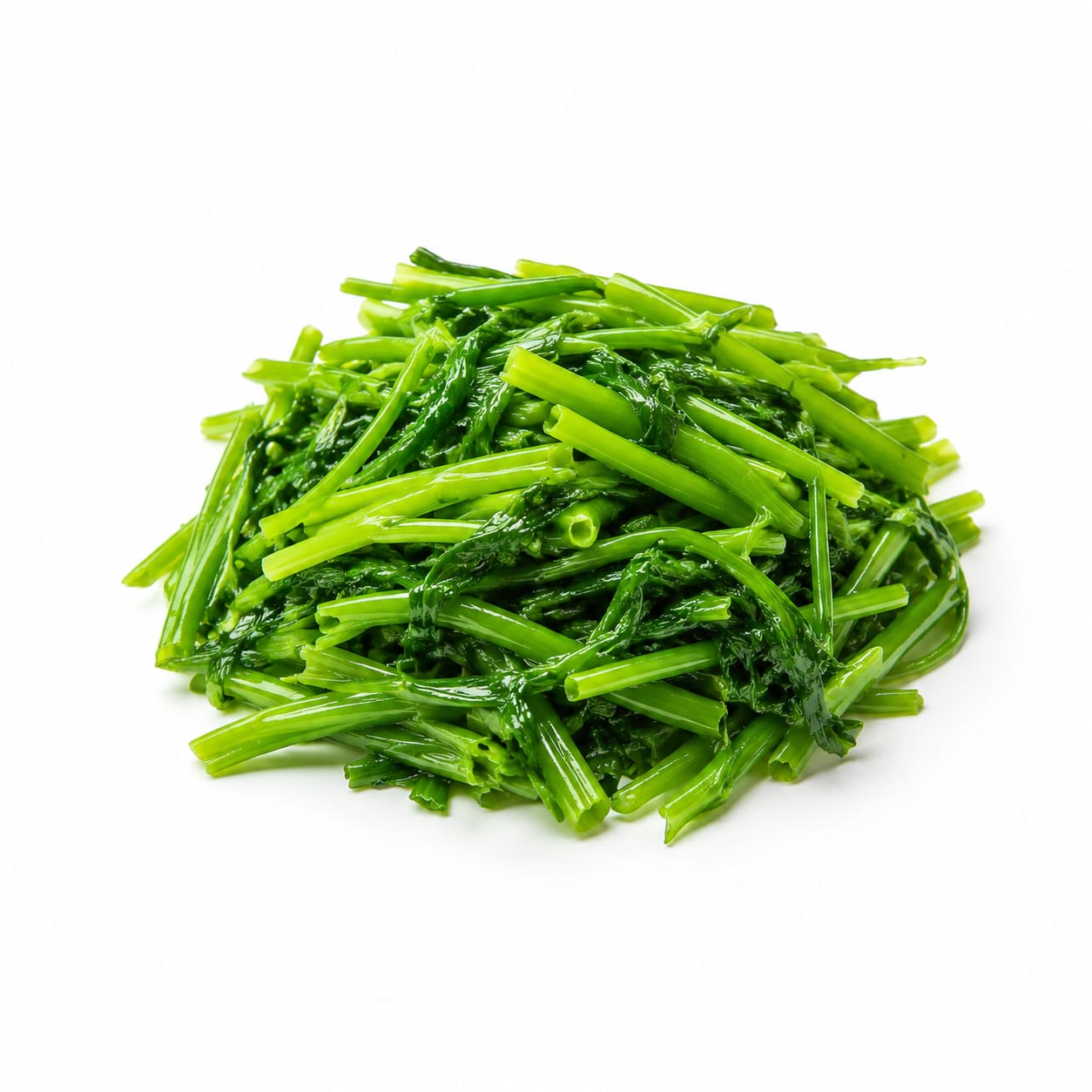
Water Celery
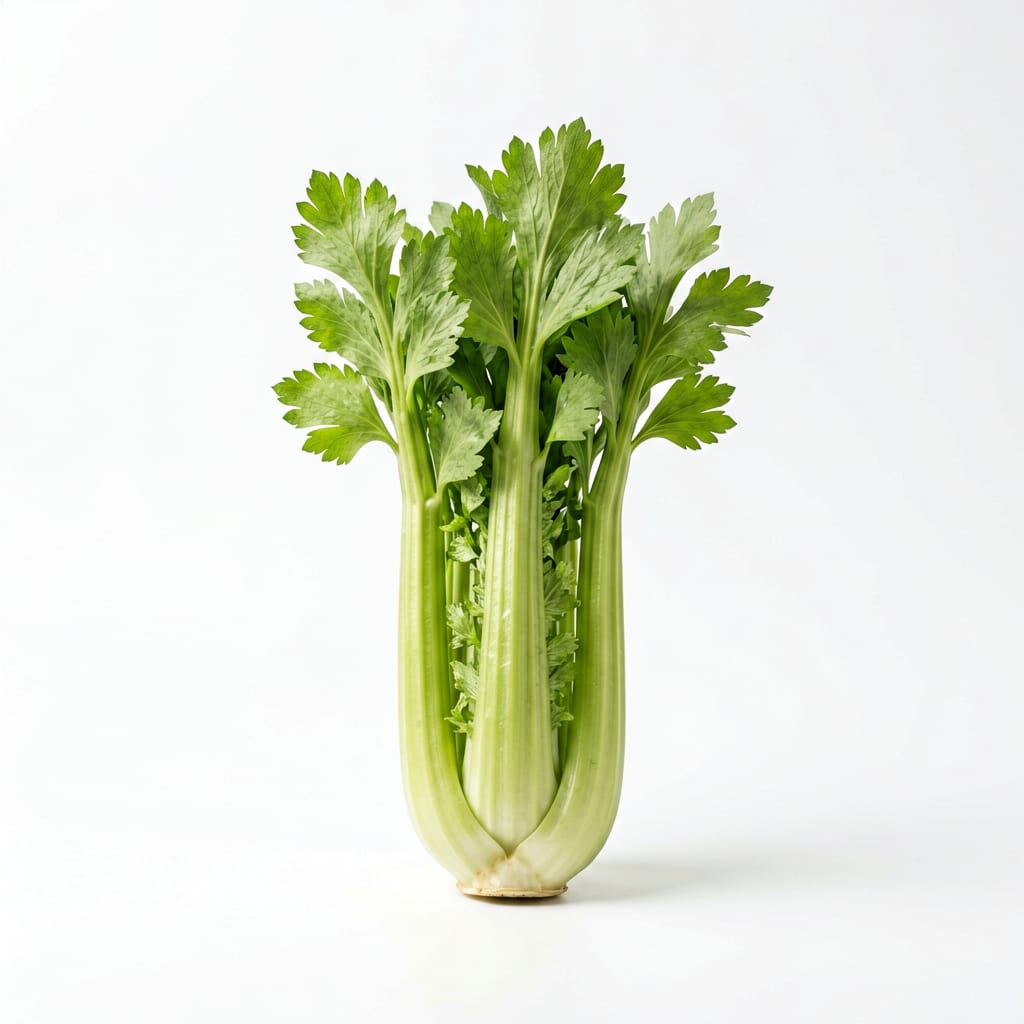
Celery
Celery wins for safety, availability, and everyday practicality, though water celery offers unique nutrients and culinary tradition in Asian cooking.
Celery scores notably higher due to universal availability, zero identification risk, and proven everyday versatility. Water celery loses ground on safety concerns and limited access, though it holds its own nutritionally.
Water celery brings interesting flavor and cultural authenticity to Asian dishes, but carries serious identification risks and is much harder to find. Celery is the safe, reliable choice for daily use.
At a glance
Executive summary
Overall
Celery
Healthier
Celery
More practical
Celery
Daily use
Celery
Key comparison lenses
safety and identification
Water celery has toxic lookalikes in the Oenanthe family, making proper identification critical
nutritional density comparison
Both are low-calorie hydrating vegetables but differ in vitamin and mineral profiles
culinary versatility
Regular celery is a kitchen staple worldwide while water celery is niche in Asian cuisine
hydration and weight management
Both are extremely low calorie and high water content, popular for weight loss snacking
accessibility and practicality
Water celery is hard to find outside Asian markets while celery is available everywhere
Best choice for
Water Celery
- Authentic Asian soup and stir-fry recipes
- Exploring new flavors and culinary traditions
- Those with access to reliable Asian markets with safe sourcing
Celery
- Everyday snacking and meal prep
- Weight loss and hydration goals
- Reliable, safe vegetable for families
Least suitable for
Water Celery
- Foraging beginners who might confuse it with toxic lookalikes
- Households without access to specialty Asian markets
- Anyone needing a readily available staple vegetable
Celery
- Authentic Southeast Asian recipes requiring water celery specifically
- Those seeking the unique aromatic flavor profile of water celery
Deep comparison
Dimension by dimension
Each lens scores both foods and breaks down who each option suits.
- Dimension 1 · Priority 95Celery
Safety and Identification Risk
Water Celery · 40Celery · 95Water celery belongs to the Oenanthe genus, which includes species that are extremely toxic and visually similar. Misidentification can be fatal. Celery has no such dangerous lookalikes.
Tradeoff
Water celery rewards with unique flavor but demands absolute certainty in sourcing. Celery offers peace of mind with zero identification risk.
Why it matters
One mistake foraging water celery can result in severe poisoning. This is not a theoretical risk — it causes real hospitalizations in Asia.
Real-world impact
If you buy water celery, only purchase from trusted markets. Never forage it yourself unless you are an expert.
Water Celery
- Experienced foragers with expert knowledge
- Cooked dishes where toxins are less relevant with proper sourcing
Better for
- Casual foragers
- Children who might mistake plants in the wild
Worse for
Celery
- Families with children
- Anyone who values safety certainty
- Beginners exploring new vegetables
Better for
- Dimension 2 · Priority 75It depends
Nutritional Value
Water Celery · 72Celery · 68Water celery edges ahead with slightly more vitamin C and unique phytonutrients from its aquatic growing environment. Celery offers more fiber per serving due to its tougher stalks.
Tradeoff
Water celery provides marginally more antioxidants and vitamin C, while celery delivers more fiber that supports digestion and fullness.
Why it matters
Both are low-calorie nutrient-dense choices. The differences are small but meaningful if you eat them regularly.
Real-world impact
For a daily snack habit, celery's fiber keeps you fuller longer. For occasional Asian dishes, water celery adds a micronutrient boost.
Water Celery
- Boosting vitamin C intake
- Adding aquatic-sourced antioxidants
- Variety in phytonutrient exposure
Better for
- Those needing high fiber intake
Worse for
Celery
- Improving digestion regularity
- Feeling fuller between meals
- Sustained fiber intake throughout the day
Better for
- Those seeking maximum vitamin C from vegetables
Worse for
- Dimension 3 · Priority 70Water Celery
Hydration and Low Calorie Density
Water Celery · 88Celery · 82Both are hydration powerhouses, but water celery's aquatic nature means slightly higher water content and even fewer calories per serving than regular celery.
Tradeoff
Water celery is marginally more hydrating and lower in calories, but the difference is small enough that both serve this purpose excellently.
Why it matters
For weight loss snacking, both foods let you eat large volumes with minimal caloric impact.
Real-world impact
Crunching on either vegetable before a meal can reduce overall calorie intake. The practical difference between them here is negligible.
Water Celery
- Maximum hydration on hot days
- Lowest possible calorie snacking
Better for
- Those who find very watery vegetables unsatisfying
Worse for
Celery
- More satisfying crunch that feels like eating
- Better paired with dips and nut butters for balanced snacks
Better for
- Dimension 4 · Priority 70Celery
Culinary Versatility
Water Celery · 45Celery · 90Celery is a foundational ingredient in cuisines worldwide — mirepoix, soups, salads, snacks, stir-fries, juices. Water celery is primarily used in specific Asian soups and stir-fries.
Tradeoff
Celery adapts to virtually any dish. Water celery excels in its niche but has limited applications outside Asian cooking.
Why it matters
A versatile vegetable gets used more and wasted less, making it more practical and cost-effective.
Real-world impact
Celery works in everything from chicken salad to Bloody Marys. Water celery shines in Vietnamese canh chua or Korean soups but feels out of place elsewhere.
Water Celery
- Authentic Southeast Asian recipes
- Exploring unique aromatic flavor profiles
Better for
- Western recipe adaptation
- Raw snacking preferences
Worse for
Celery
- Weeknight meal prep
- Raw snacking with dips
- Juicing and smoothies
- Sofrito and mirepoix bases
Better for
- Traditional Asian recipes specifically calling for water celery
Worse for
- Dimension 5 · Priority 60Celery
Availability and Cost
Water Celery · 25Celery · 95Celery is available in every grocery store year-round at low cost. Water celery requires specialty Asian markets and may be seasonal or regionally unavailable.
Tradeoff
Celery's ubiquity makes it an easy habit. Water celery's scarcity makes it a specialty ingredient, not a staple.
Why it matters
The healthiest vegetable is the one you actually eat regularly. Accessibility determines whether a food becomes a habit or a one-time purchase.
Real-world impact
Most people cannot find water celery within 20 miles of their home. Celery is available at any corner store.
Water Celery
- Those living near well-stocked Asian markets
- Cooking enthusiasts who seek out specialty ingredients
Better for
- Rural and suburban dwellers
- Those who shop at conventional grocery stores only
Worse for
Celery
- Busy households needing reliable staples
- Budget-conscious shoppers
- Anyone in areas without Asian markets
Better for
Timeline
Health impact over time
Short-term
Hours to days
Water Celery
- Excellent hydration after consumption
- Mild digestive support from water content
- Unique aromatic compounds may stimulate appetite in soups
Celery
- Quick hydration with more satisfying crunch
- Fiber supports immediate digestive regularity
- Natural sodium content aids electrolyte balance after exercise
Long-term
Months to years
Water Celery
- Regular consumption may support antioxidant status if safely sourced
- Low calorie density supports weight maintenance over time
- Risk of misidentification makes unsupervised regular consumption inadvisable
Celery
- Consistent fiber intake supports gut health and cholesterol management
- Daily snacking habit helps maintain healthy weight
- Polyphenols from regular consumption may support cardiovascular health
Risk profile
Safety & processing
Both vegetables are whole, minimally processed foods when purchased fresh. Neither typically contains additives. Celery ranks high on the EWG Dirty Dozen list for pesticide residues, so organic matters more for celery. Water celery's aquatic environment can concentrate waterborne contaminants.
Water Celery
Toxic lookalike misidentification
highSome Oenanthe species like Oenanthe crocata (hemlock water dropwort) are extremely poisonous and visually similar. Only purchase from trusted sources.
Aquatic contaminant accumulation
mediumGrows in water that may contain agricultural runoff, heavy metals, or parasites. Source quality matters significantly.
Parasitic contamination
mediumAquatic vegetables can harbor liver flukes and other waterborne parasites. Thorough cooking is recommended.
Celery
Pesticide residue
mediumCelery consistently ranks on the Dirty Dozen list. Washing helps but organic reduces exposure significantly.
Allergic cross-reactivity
lowSome individuals with mugwort or birch pollen allergies may experience oral allergy syndrome with raw celery.
Who wins for whom
Audience fit
Same foods, different winners depending on your goal.
children
CeleryCelery is safe, familiar, and easy to identify. Water celery's toxic lookalike risk makes it inappropriate for households with children without expert handling.
daily consumption
CeleryCelery's availability, safety, and versatility make it a sustainable daily habit. Water celery is better as an occasional specialty ingredient.
diabetes
CeleryCelery's higher fiber content slows any blood sugar response and supports steadier glucose levels.
elderly
CeleryCelery is easier to find, safer, and its fiber supports digestive health common in aging populations.
muscle gain
It dependsNeither is significant for muscle gain. Both serve as low-calorie sides. Celery pairs better with protein-rich dips.
weight loss
CeleryBoth are extremely low calorie, but celery's fiber provides more satiety and its crunch is more satisfying as a snack food.
Your move
Decision guide
Choose Water Celery
- You are cooking authentic Asian soups or stir-fries that specifically require it
- You have access to a trusted Asian market with reliable sourcing
- You want to explore new flavors and expand your culinary repertoire
Choose Celery
- You want a safe, everyday vegetable for snacking and cooking
- You are feeding a family and need reliable, accessible produce
- You are building a weight loss or hydration habit
- You value fiber intake and digestive regularity
Either works if
- You simply want a low-calorie hydrating vegetable
- Both are available and you want variety in your diet
Avoid both if
- You need calorie-dense foods to meet energy needs
- You have severe oral allergy syndrome to celery family plants
Final recommendation
Make celery your daily staple — it is safe, available, and versatile. Enjoy water celery as a specialty ingredient when cooking Asian recipes, but only from trusted market sources. Never forage water celery yourself.
Practical
Consumer tips
- 1
Buy organic celery when possible — it consistently tests high for pesticide residues
- 2
If trying water celery, only purchase from established Asian grocery stores with good turnover
- 3
Always cook water celery thoroughly to reduce any risk of waterborne parasites
- 4
Pair celery with hummus, nut butter, or guacamole for a more satisfying and balanced snack
- 5
Store celery wrapped in foil in the fridge — it stays crisp for weeks this way
- 6
If a recipe calls for water celery and you cannot find it, celery makes a reasonable though less aromatic substitute