
Nutrition comparison
Water Celery vs Parsley: Nutrition, Safety, and Which Green to Choose
Compare water celery and parsley head-to-head on nutrient density, hydration, vitamin K, safety risks, and daily practicality. Find out which green fits your health goals better.
Overall winner · Parsley
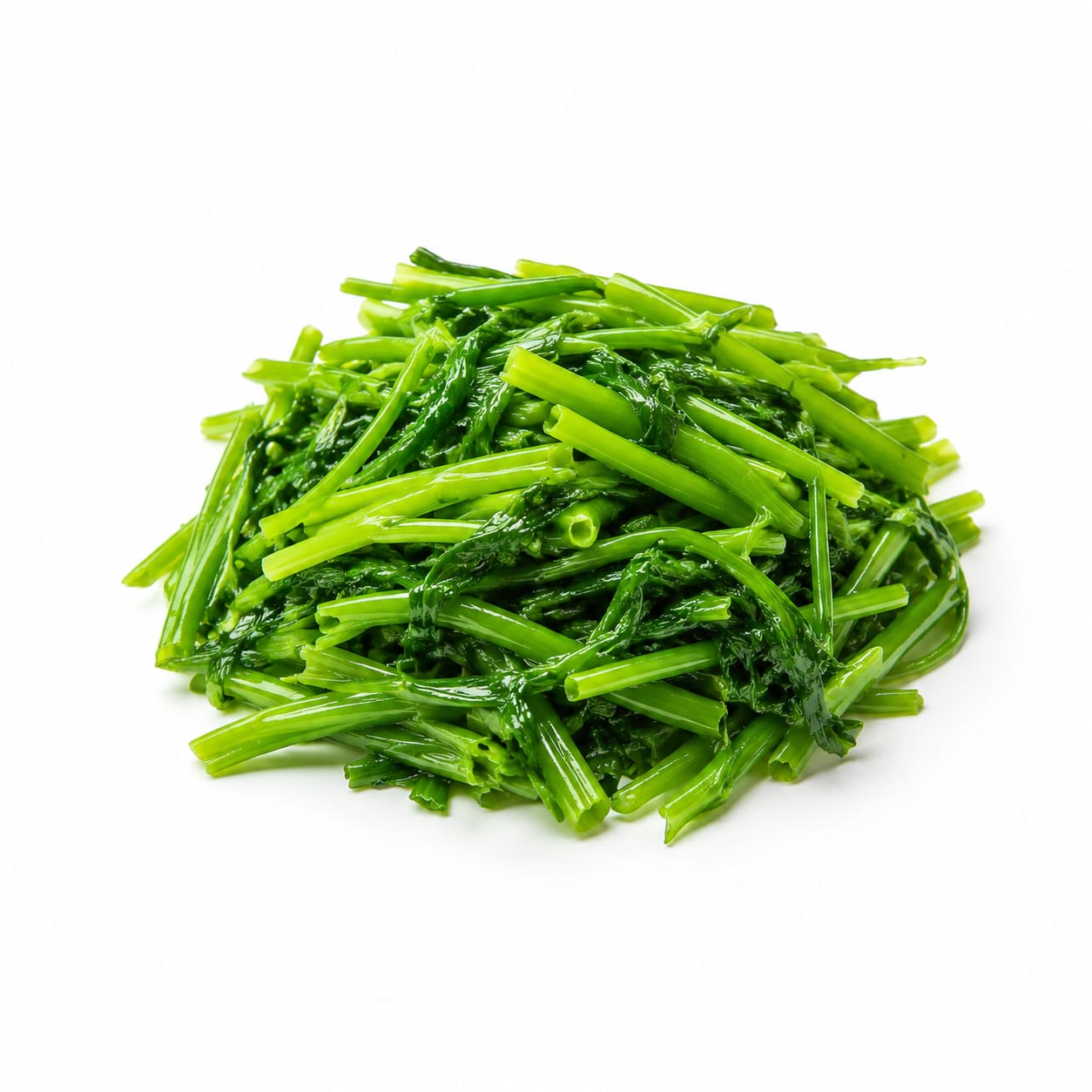
Water Celery
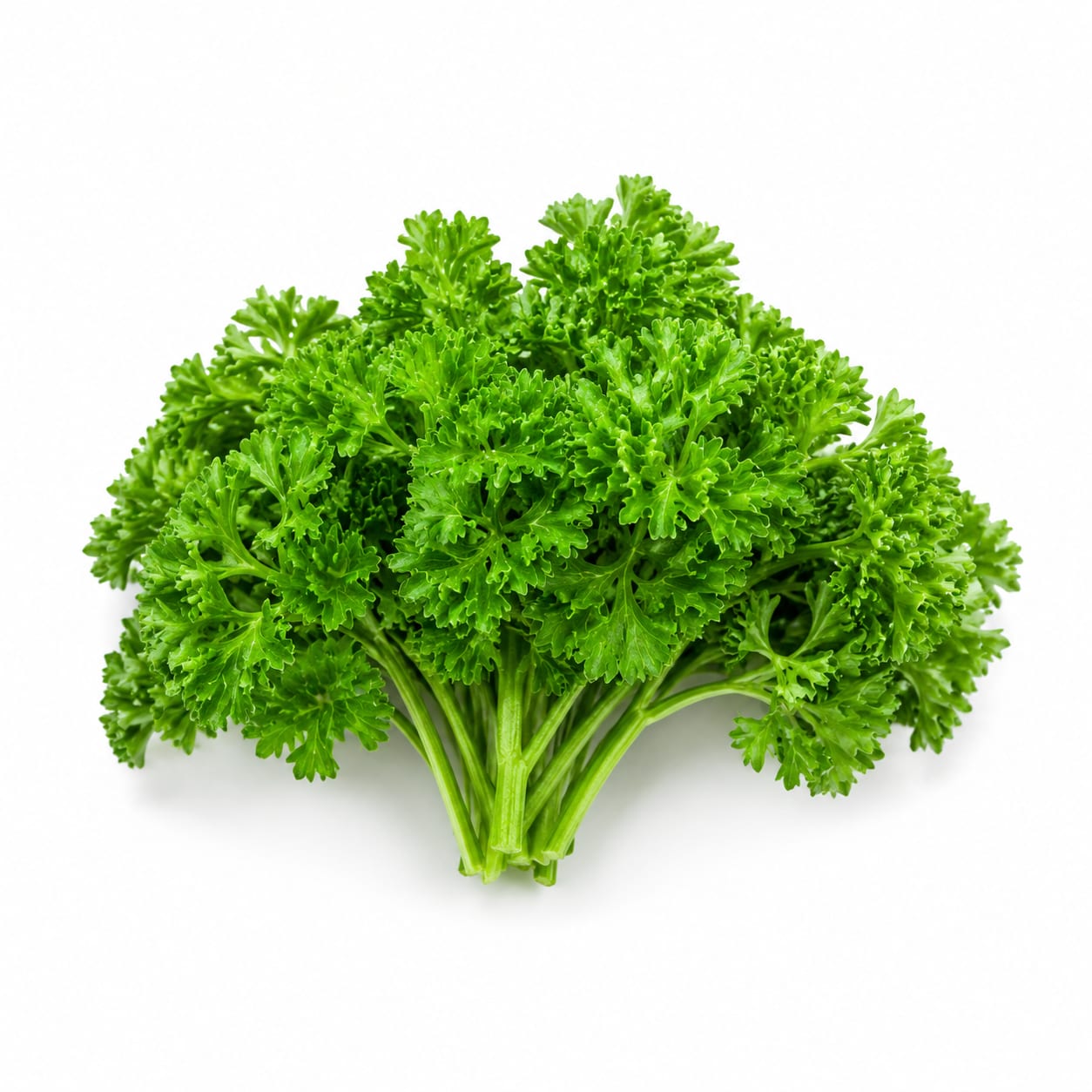
Parsley
Parsley dominates on nutrient density, delivering far more vitamins and minerals per calorie. Water celery offers superior hydration and a milder eating experience but cannot match parsley's nutritional punch.
Parsley wins convincingly on nutrient density and practicality. Water celery is pleasant and hydrating but nutritionally thinner and harder to source reliably.
Parsley gives you more nutrition in a smaller package; water celery gives you more volume and refreshment with less intensity
At a glance
Executive summary
Overall
Parsley
Healthier
Parsley
More practical
Parsley
Daily use
Parsley
Key comparison lenses
nutrient density per calorie
Both foods are extremely low-calorie greens, so which packs more nutrition per bite matters enormously
vitamin and mineral comparison
Parsley is legendary for vitamin K and iron; users want to know if water celery competes
culinary versatility and ease of use
Parsley is a kitchen staple; water celery is more niche and harder to find
hydration and light eating
Water celery excels as a refreshing, hydrating food; parsley is rarely eaten in volume
safety and toxicity awareness
Water celery has lookalike toxicity risks; parsley has apiol concerns in excess
Best choice for
Water Celery
- Hot weather hydration and light snacking
- People who find strong herb flavors overwhelming
- Large-volume low-calorie eating strategies
- Soups and broths where a mild celery note is desired
Parsley
- Boosting vitamin K and iron intake dramatically
- Garnishing and flavoring dishes daily
- Antioxidant-rich additions to smoothies or salads
- Anyone needing nutrient density in small portions
Least suitable for
Water Celery
- People on blood-thinning medications needing stable vitamin K intake
- Those seeking concentrated nutrition without bulk eating
- Regions where water celery is unavailable or misidentification risks exist
- Meal prep scenarios requiring long storage
Parsley
- People who dislike strong herbal flavors
- Large-quantity eating due to intense taste
- Those on warfarin who must limit vitamin K strictly
- Anyone needing high-calorie or substantial energy from greens
Deep comparison
Dimension by dimension
Each lens scores both foods and breaks down who each option suits.
- Dimension 1 · Priority 95Parsley
vitamin_and_mineral_density
Water Celery · 35Parsley · 92Parsley is one of the most nutrient-dense greens on the planet per calorie. Water celery provides modest nutrition by comparison.
Tradeoff
You would need to eat several times more water celery to approach the vitamin K, iron, and vitamin C that a small handful of parsley delivers
Why it matters
If you eat small portions or have limited appetite, parsley gives you far more nutritional value per bite
Real-world impact
A quarter cup of chopped parsley covers over 500% of your daily vitamin K needs; water celery cannot come close to that
Water Celery
- Those who prefer getting vitamins spread across larger meal volumes
Better for
- Situations requiring concentrated nutrition quickly
Worse for
Parsley
- Anyone needing efficient nutrient delivery in small amounts
- People with low iron or vitamin K concerns
- Smoothie and juice additions where concentration matters
Better for
- Those who must strictly limit vitamin K intake
Worse for
- Dimension 2 · Priority 78Water Celery
hydration_and_volume_eating
Water Celery · 88Parsley · 45Water celery is exceptionally hydrating and pleasant to eat in quantity. Parsley's strong flavor limits how much you can comfortably consume.
Tradeoff
Water celery lets you eat a full bowl of greens easily; parsley becomes overpowering after just a few sprigs
Why it matters
For people who find satisfaction in volume eating or need hydration from food, water celery feels far more enjoyable
Real-world impact
On a hot day, a bowl of water celery in broth is refreshing and filling; the same volume of parsley would be unpleasant
Water Celery
- Hot climates where food-based hydration helps
- Volume eaters who want to feel full on few calories
- Light snackers wanting something crisp and mild
Better for
- Anyone wanting maximum nutrition without eating large volumes
Worse for
Parsley
- Situations where small potent additions are preferred over bulk
Better for
- Those who want to eat a large satisfying portion of greens
Worse for
- Dimension 3 · Priority 82Parsley
antioxidant_and_anti_inflammatory_potential
Water Celery · 42Parsley · 85Parsley is rich in flavonoids, apigenin, and luteolin — compounds strongly linked to anti-inflammatory and anticancer benefits. Water celery has antioxidants but far less research backing.
Tradeoff
Parsley delivers proven antioxidant compounds in high concentrations; water celery offers gentler, less-studied benefits
Why it matters
If you are eating greens partly for long-term disease protection, parsley has much stronger evidence behind it
Real-world impact
Regular parsley intake is associated with reduced oxidative stress markers in studies; water celery lacks equivalent data
Water Celery
- Those who want mild anti-inflammatory support without strong flavors
Better for
- Evidence-based wellness routines focused on proven polyphenols
Worse for
Parsley
- Anyone prioritizing evidence-based antioxidant intake
- People concerned about chronic inflammation
Better for
- Those already on blood thinners where vitamin K complicates things
Worse for
- Dimension 4 · Priority 76Parsley
culinary_versatility_and_accessibility
Water Celery · 38Parsley · 82Parsley is available in nearly every grocery store and used in countless cuisines worldwide. Water celery is specialty, seasonal, and region-limited.
Tradeoff
Parsley fits seamlessly into daily cooking; water celery requires effort to find and knowledge to use safely
Why it matters
The best healthy food is the one you can actually buy and use regularly without friction
Real-world impact
You can add parsley to eggs, salads, soups, and sauces any day of the week; water celery requires an Asian market or foraging knowledge
Water Celery
- Cooking specific Asian soups or hot pot dishes
- Experienced foragers in appropriate regions
Better for
- Convenient weekly meal planning
- Anyone without access to specialty markets
Worse for
Parsley
- Everyday home cooking across all cuisines
- Meal prepping and weekly grocery shopping
- Beginners exploring herbs and greens
Better for
- Authentic Southeast Asian recipes specifically calling for water celery
Worse for
- Dimension 5 · Priority 65Water Celery
digestive_comfort_and_tolerance
Water Celery · 78Parsley · 55Water celery is gentle on the stomach with its high water content and mild fiber. Parsley can cause digestive discomfort in larger amounts due to its concentrated oils and fiber.
Tradeoff
Water celery is easier to digest in quantity; parsley is fine in small amounts but can irritate sensitive stomachs if overconsumed
Why it matters
People with IBS or sensitive digestion may find water celery more comfortable as a regular green
Real-world impact
Eating a cup of water celery feels light and easy; eating a cup of parsley would cause bloating for most people
Water Celery
- People with sensitive digestion or IBS
- Those who want a gentle post-meal palate cleanser
Better for
- Situations where you want digestive bitters to stimulate digestion
Worse for
Parsley
- Small-quantity use as flavor accent rather than bulk green
Better for
- Anyone prone to bloating from concentrated herbs
Worse for
Timeline
Health impact over time
Short-term
Hours to days
Water Celery
- Quick hydration due to very high water content
- Mild satiety from volume without heaviness
- Gentle digestive support without irritation
Parsley
- Rapid vitamin K and C intake boost even from small amounts
- Fresh breath and palate cleansing from chlorophyll and oils
- Possible stomach awareness if eating more than a few tablespoons
Long-term
Months to years
Water Celery
- Consistent hydration support if eaten regularly
- Modest contribution to overall vegetable intake variety
- Low risk of vitamin or mineral excess due to lower concentration
Parsley
- Substantial improvement in vitamin K status supporting bone and blood health
- Anti-inflammatory benefits from apigenin and other flavonoids with regular use
- Potential concern for those on anticoagulants due to extremely high vitamin K content
Risk profile
Safety & processing
Both water celery and parsley are whole, unprocessed greens typically consumed fresh. Neither carries meaningful processing concerns when bought whole and raw.
Water Celery
Toxic lookalike misidentification
highWater celery resembles water hemlock, one of the most poisonous plants in North America. Foraging without expert knowledge is extremely dangerous.
Waterborne contamination
mediumSince water celery grows in aquatic environments, it can accumulate pollutants, heavy metals, or bacteria from contaminated water sources.
Parasite exposure
mediumAquatic plants can harbor parasites like Fasciolopsis when grown in unsanitary water. Thorough cooking eliminates this risk.
Parsley
Vitamin K excess for anticoagulant users
mediumParsley's extreme vitamin K content can interfere with warfarin and other blood thinners if consumed inconsistently in large amounts.
Apiol toxicity in very large doses
lowParsley contains apiol, which in extremely high supplemental doses can affect liver and kidneys. Culinary amounts are safe.
Pesticide residue
lowConventional parsley can carry pesticide residue. Washing thoroughly or choosing organic reduces this concern.
Who wins for whom
Audience fit
Same foods, different winners depending on your goal.
children
Water CeleryWater celery's mild taste and crisp texture are more kid-friendly than parsley's intense herbal flavor
daily consumption
ParsleyParsley is easy to add to daily meals in small amounts and delivers consistent nutritional benefits; water celery is harder to source and use regularly
diabetes
ParsleyParsley's higher fiber and antioxidant content per serving offers better blood sugar support, and its strong flavor prevents overconsumption
elderly
ParsleyParsley's exceptional vitamin K and iron content supports bone density and anemia prevention, both critical concerns for older adults
muscle gain
It dependsNeither food contributes meaningful protein or calories for muscle building; both are supplementary greens at best
weight loss
Water CeleryWater celery's high volume and near-zero calories let you eat satisfying portions, while parsley's strong flavor limits how much you can consume
Your move
Decision guide
Choose Water Celery
- You want a refreshing, hydrating green for hot days or light meals
- You find strong herb flavors unpleasant and prefer mild vegetables
- You are preparing Asian soups, hot pots, or stir-fries where water celery is traditional
- You enjoy volume eating and want to feel full on minimal calories
Choose Parsley
- You want maximum nutrition from every bite of greens you eat
- You need to boost vitamin K, iron, or antioxidant intake efficiently
- You cook regularly and want a versatile herb that enhances nearly any savory dish
- You can source it easily and want a daily health-promoting habit
Either works if
- You simply want more variety in your vegetable intake
- Both are available and you enjoy different greens for different meals
- You are looking for low-calorie flavor enhancers and fresh additions
Avoid both if
- You are on strict warfarin therapy and must carefully control vitamin K intake from all sources
- You cannot reliably identify water celery and are foraging — the lookalike risk is too dangerous
- You need substantial calories or protein and are relying on greens as a primary food source
Final recommendation
Keep parsley in your weekly rotation for its unmatched nutrient density and kitchen versatility. Add water celery when you can find it safely sourced and want something refreshing and hydrating. Parsley is the smarter daily habit; water celery is the enjoyable occasional addition.
Practical
Consumer tips
- 1
Never forage water celery unless you are with an expert — confusing it with water hemlock can be fatal
- 2
Add chopped parsley to eggs, soups, grain bowls, and salads for an easy daily nutrient boost
- 3
If buying water celery, choose cultivated sources from reputable Asian markets rather than wild-harvested
- 4
Wash parsley thoroughly or buy organic to minimize pesticide residue
- 5
Use parsley stems in stock for flavor — they contain many of the same nutrients as the leaves
- 6
Cook water celery briefly in soups to reduce any potential parasite risk while preserving its delicate texture
- 7
If you are on blood thinners, talk to your doctor before making parsley a daily habit due to its extreme vitamin K content