
Nutrition comparison
Water Celery vs Cucumber: Nutrition, Safety, and Which Hydrating Vegetable Wins
Comparing water celery and cucumber for hydration, nutrition, and safety. Learn which low-calorie vegetable is better for weight loss, daily snacking, and your specific health goals.
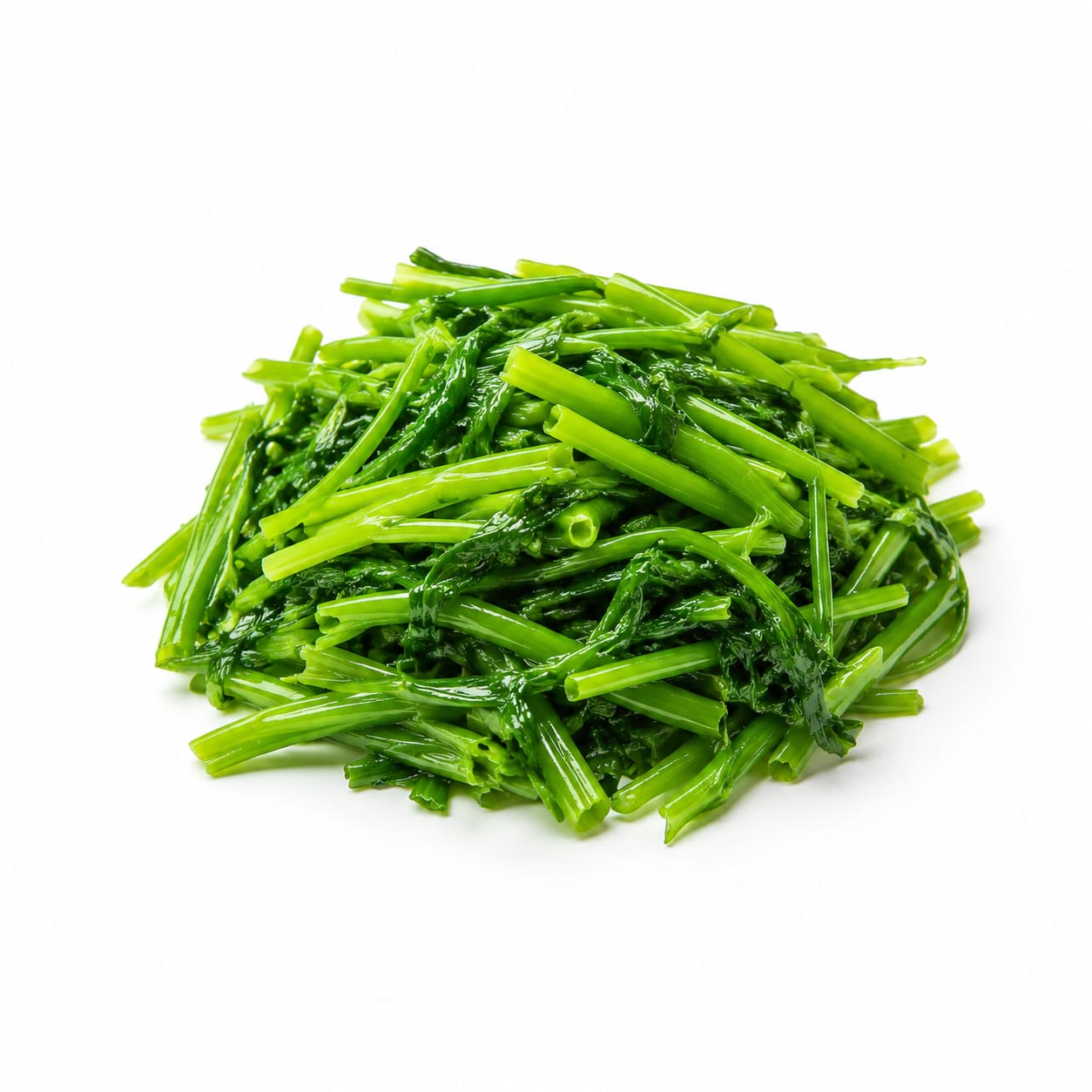
Water Celery
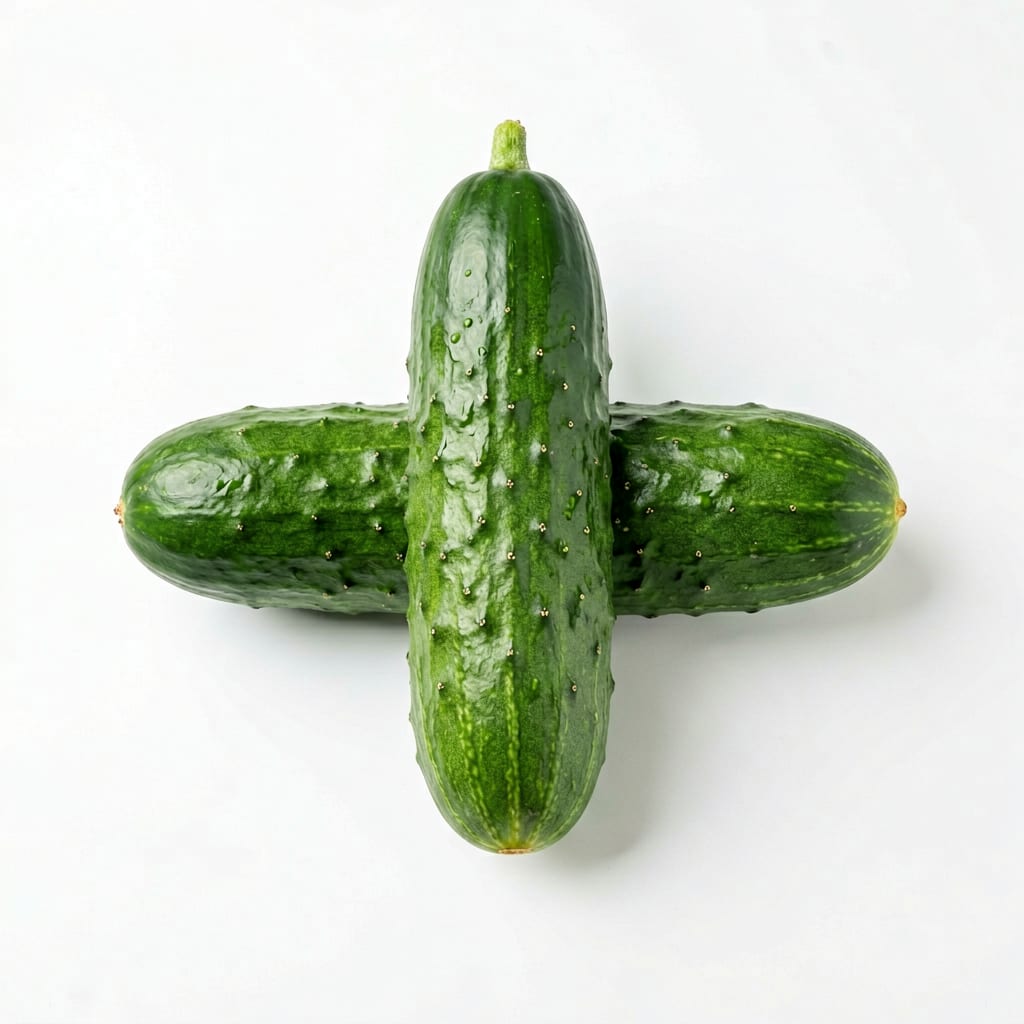
Cucumber
Cucumber wins on safety and everyday practicality; water celery offers more micronutrients but carries identification risks and limited availability.
Water celery edges ahead on nutritional merit but loses ground on safety concerns and everyday accessibility. Cucumber's reliability and ease of use give it a slight overall advantage for most people's daily lives.
Water celery delivers more vitamins and minerals per bite, but cucumber is the safer, more accessible choice you can actually eat daily without worry.
At a glance
Executive summary
Overall
It depends
Healthier
Water Celery
More practical
Cucumber
Daily use
Cucumber
Key comparison lenses
low calorie snacking and hydration
Both foods are extremely high in water and very low in calories, making them top picks for hydrating snacks
weight management support
Users comparing these are likely looking for volume eating options that fill them up without calories
nutrient density per calorie
With such low calorie counts, the micronutrient return per bite becomes the real differentiator
safety and identification concerns
Water celery has toxic lookalikes in the wild, making proper identification critical
culinary versatility and accessibility
Cucumber is universally available while water celery is regional and less familiar to most consumers
Best choice for
Water Celery
- People seeking maximum micronutrient density per calorie
- Those with access to properly sourced Asian water celery
- Anyone wanting a flavorful, aromatic addition to soups and stir-fries
- Traditional medicine enthusiasts looking for anti-inflammatory herbs
Cucumber
- Anyone wanting a safe, no-thinking-required hydrating snack
- Meal preppers who need something that stores well for days
- Families with children who need mild, approachable vegetables
- People who snack throughout the day and need something guilt-free
Least suitable for
Water Celery
- Foragers who cannot confidently identify it from toxic lookalikes
- People without access to Asian grocery stores or reliable suppliers
- Anyone who needs a grab-and-go snack with zero preparation
- Those unfamiliar with proper cooking methods for aquatic vegetables
Cucumber
- People looking for strong flavor or aromatic complexity
- Anyone seeking significant vitamin or mineral intake from vegetables
- Those who find watery, mild textures unappealing
- Traditional Asian recipes that specifically require water celery
Deep comparison
Dimension by dimension
Each lens scores both foods and breaks down who each option suits.
- Dimension 1 · Priority 95Cucumber
hydration_and_calorie_density
Water Celery · 88Cucumber · 94Both are hydration powerhouses, but cucumber is roughly 96% water with only 15 calories per cup, making it one of the lowest-calorie foods in existence.
Tradeoff
Water celery has slightly more calories but brings more flavor and nutrients per ounce, so you get more functional value per bite even if pure hydration favors cucumber.
Why it matters
When you are reaching for either of these, you are likely hot, thirsty, or trying to fill up without calories. Cucumber does that job slightly better.
Real-world impact
On a hot afternoon, cucumber slices feel like eating chilled water. Water celery is refreshing too but has a more assertive, herbaceous quality that feels less like pure refreshment.
Water Celery
- Post-workout rehydration with added electrolytes
- Meals where you want hydration plus flavor contribution
Better for
- Times when you want something completely neutral-tasting
Worse for
Cucumber
- Pure thirst-quenching on hot days
- Maximum volume eating with minimum calories
- Late-night snacking with almost zero caloric impact
Better for
- Meals where you hoped the vegetable would contribute actual nutrition
Worse for
- Dimension 2 · Priority 88Water Celery
micronutrient_density
Water Celery · 76Cucumber · 48Water celery contains notably more vitamin A, vitamin C, calcium, and iron than cucumber, which is nutritionally quite sparse beyond vitamin K.
Tradeoff
You get more vitamins and minerals from water celery, but you would need to eat a large volume of either to move the needle significantly on your daily intake.
Why it matters
If you are choosing between low-calorie vegetables, picking the one that actually contributes nutrients makes your limited calorie budget work harder.
Real-world impact
A cup of water celery in a soup gives you a meaningful vitamin C boost. A cup of cucumber gives you water with a faint nutritional whisper.
Water Celery
- Building nutrient density into low-calorie meals
- Supporting immune function during cold season
- Adding mineral content to bone-health-focused diets
Better for
- Being relied on as a sole vegetable source for vitamins
Worse for
Cucumber
- Vitamin K intake for blood clotting and bone health
- Situations where any nutrition is just a bonus anyway
Better for
- Anyone hoping for meaningful vitamin A, C, or iron from their vegetables
Worse for
- Dimension 3 · Priority 85Cucumber
safety_and_contamination_risk
Water Celery · 52Cucumber · 90Water celery has dangerous wild lookalikes including toxic hemlock water dropwort, while cucumber is one of the safest vegetables to identify and consume.
Tradeoff
Water celery from a trusted grocery source is perfectly safe, but the foraging risk is real and severe. Cucumber has essentially zero identification risk.
Why it matters
A vegetable you cannot safely identify is a vegetable that can kill you. This is not theoretical — hemlock water dropwort poisoning is well-documented.
Real-world impact
You can hand a cucumber to a toddler without a second thought. Handing wild-harvested water celery to anyone requires expert-level confidence in identification.
Water Celery
- Experienced foragers who know the Oenanthe genus well
- Store-bought sources with clear labeling and supply chain trust
Better for
- Amateur foraging in any context
- Regions where toxic Oenanthe species grow near edible ones
Worse for
Cucumber
- Families with children
- Beginners exploring new vegetables
- Anyone who forages casually without expert training
Better for
- Conventional farming pesticide exposure on non-organic varieties
Worse for
- Dimension 4 · Priority 80Cucumber
culinary_versatility_and_accessibility
Water Celery · 55Cucumber · 88Cucumber works in salads, sandwiches, smoothies, pickles, and snacks across virtually every cuisine. Water celery is mainly used in East and Southeast Asian cooking.
Tradeoff
Cucumber adapts to anything; water celery brings a unique aromatic quality that cannot be replicated but only fits certain dishes.
Why it matters
A vegetable you can use ten ways gets eaten ten times more often than one that only fits two recipes.
Real-world impact
Cucumber sits in every grocery store in America. Water celery requires an Asian market or specialty supplier, which limits how often it appears on your plate.
Water Celery
- Authentic Asian soups and hot pot dishes
- Stir-fries where its celery-like aroma enhances the dish
- Traditional medicinal broths and teas
Better for
- Western-style meal prep routines
- Raw snacking without cooking knowledge
Worse for
Cucumber
- Quick snacks with hummus or dip
- Salads of any cuisine type
- Smoothies where a mild flavor is preferred
- Pickling and fermentation projects
Better for
- Any dish where you want the vegetable to be the flavor star
Worse for
- Dimension 5 · Priority 72Cucumber
digestive_tolerance_and_comfort
Water Celery · 65Cucumber · 82Cucumber is gentle on most digestive systems, especially when peeled. Water celery is typically cooked, which helps, but its fiber and aromatic compounds can bother sensitive stomachs.
Tradeoff
Raw cucumber is easier to digest for most people, but water celery is almost always cooked, which softens its fiber and reduces digestive risk.
Why it matters
If you have IBS or a sensitive gut, the wrong vegetable can cause bloating or discomfort that outweighs any nutritional benefit.
Real-world impact
Cucumber slices after a heavy meal feel light and soothing. Water celery in a soup is comforting but can feel slightly heavy if your stomach is already upset.
Water Celery
- Warm, cooked dishes that are easier on cold-sensitive digestion
- Traditional soup-based meals that are gentle when slow-cooked
Better for
- Raw consumption for people with sensitive digestion
- Those sensitive to aromatic plant compounds
Worse for
Cucumber
- Raw snacking without digestive worry
- Post-meal palate cleansing
- People with IBS who tolerate low-FODMAP foods
Better for
- People sensitive to cucurbitacins in the skin
- Those who get bloated from high-water raw vegetables
Worse for
- Dimension 6 · Priority 70Water Celery
anti_inflammatory_and_antioxidant_value
Water Celery · 74Cucumber · 52Water celery contains flavonoids and phenolic compounds with documented anti-inflammatory activity. Cucumber has modest antioxidant content, mostly in the skin.
Tradeoff
Water celery has more bioactive compounds, but you would need to eat it regularly in meaningful amounts to see real anti-inflammatory effects.
Why it matters
Chronic inflammation drives most modern disease. Choosing foods that actively fight it matters more than most people think.
Real-world impact
Regular water celery consumption in traditional Asian diets correlates with lower inflammatory markers, but cucumber is more of a neutral player than an active fighter.
Water Celery
- Anti-inflammatory eating patterns
- Traditional food-as-medicine approaches
- Diets targeting joint pain or chronic inflammation
Better for
- People who expect immediate, noticeable anti-inflammatory effects
Worse for
Cucumber
- Mild, non-irritating hydration during inflammatory flares
- Anyone who just wants a neutral food that does not trigger anything
Better for
- Being counted on as a meaningful source of antioxidants
Worse for
Timeline
Health impact over time
Short-term
Hours to days
Water Celery
- Quick hydration with added electrolytes from mineral content
- Mild satiety from fiber and water volume combined
- Aromatic compounds may stimulate digestion and appetite regulation
Cucumber
- Rapid hydration with almost zero digestive effort
- Immediate feeling of fullness from sheer water volume
- Cooling sensation that can reduce perceived body heat
Long-term
Months to years
Water Celery
- Consistent intake supports vitamin A and C status over time
- Flavonoid consumption may contribute to lower inflammatory markers
- Traditional use suggests benefits for blood pressure regulation, though evidence is preliminary
Cucumber
- Excellent for maintaining healthy hydration habits long-term
- Vitamin K contribution supports bone density with regular consumption
- Very low calorie density helps sustain weight management without feeling deprived
Risk profile
Safety & processing
Both are whole, unprocessed vegetables in their natural state. Water celery is typically sold fresh and cooked at home. Cucumber is eaten raw or cooked with no processing needed. Neither raises ultra-processing concerns.
Water Celery
Toxic lookalike misidentification
highHemlock water dropwort (Oenanthe crocata) looks similar and is extremely toxic. Only consume water celery from verified commercial sources unless you are an expert forager.
Aquatic environment contamination
mediumWater celery grows in water, which can harbor parasites or pollutants. Cooking thoroughly eliminates most risk.
Pesticide residue
lowStandard produce pesticide concerns apply. Washing and cooking reduce exposure significantly.
Cucumber
Pesticide residue on skin
mediumCucumbers are on the EWG's Dirty Dozen list. Peeling or choosing organic significantly reduces exposure.
Wax coatings
lowConventional cucumbers often have edible wax coatings to retain moisture. Peeling removes this concern.
Cucurbitacin toxicity
lowVery rarely, cucumbers can produce bitter cucurbitacins that cause digestive upset. If it tastes unusually bitter, discard it.
Who wins for whom
Audience fit
Same foods, different winners depending on your goal.
children
CucumberCucumber's mild taste and fun crunch make it kid-friendly. Water celery's stronger flavor and safety identification concerns make it less suitable for young children.
daily consumption
CucumberCucumber is available everywhere, requires no cooking, and poses no safety concerns. It is the easier daily habit by a wide margin.
diabetes
CucumberCucumber has virtually zero impact on blood sugar and is widely recommended as a safe snack for diabetics. Water celery is also fine but less studied in this context.
elderly
CucumberCucumber is easy to chew, gentle on digestion, and requires no cooking knowledge. Water celery needs proper preparation and carries more digestive variability.
muscle gain
It dependsNeither food contributes meaningful protein or calories for muscle building. Both are essentially hydration sides, not muscle fuel.
weight loss
CucumberCucumber's extreme low calorie count and high volume make it the ultimate crunch-without-consequences food. You can eat cups of it for virtually no caloric cost.
Your move
Decision guide
Choose Water Celery
- You have access to a trusted Asian grocery with properly labeled water celery
- You want more micronutrients from your low-calorie vegetables
- You are cooking Asian soups or stir-fries where its flavor shines
- You are interested in traditional food-as-medicine approaches
Choose Cucumber
- You want a safe, everyday hydrating snack with zero thinking required
- You are meal prepping and need something that lasts all week
- You have kids or family members who prefer mild flavors
- You cannot reliably identify water celery or source it safely
Either works if
- You just want something refreshing and low-calorie to crunch on
- Hydration is your primary goal
- You enjoy rotating different vegetables through your week
Avoid both if
- You need calorie-dense foods to meet energy needs
- You are looking for protein or significant macronutrient contribution
- You have a severe oral allergy syndrome triggered by raw vegetables
Final recommendation
Keep cucumber as your daily default for its safety, availability, and ease. Add water celery when you find it from a trusted source and want to boost your micronutrient intake with a flavorful, aromatic vegetable that brings more to the table nutritionally. Think of cucumber as your reliable daily driver and water celery as a specialty upgrade for specific meals.
Practical
Consumer tips
- 1
Always buy water celery from reputable stores, never forage it yourself unless you have expert training
- 2
Peel conventional cucumbers to remove pesticide residue and wax coatings, or choose organic when possible
- 3
Cook water celery thoroughly to eliminate any aquatic parasite risk and improve digestibility
- 4
Add cucumber to your water bottle for flavor that encourages more hydration throughout the day
- 5
Freeze cucumber slices for a cooling summer snack that takes longer to eat
- 6
Store water celery like fresh herbs — wrapped in damp paper towel in the fridge — and use within a few days
- 7
If water celery tastes unusually bitter, discard it immediately as this may indicate contamination or misidentification