
Nutrition comparison
Water Celery vs Lettuce: Which Low-Calorie Green Is Actually Better for You?
Water Celery delivers more nutrients and flavor per bite, but Lettuce wins on convenience and cost. Compare these two light greens to find which fits your goals.
Overall winner · Water Celery
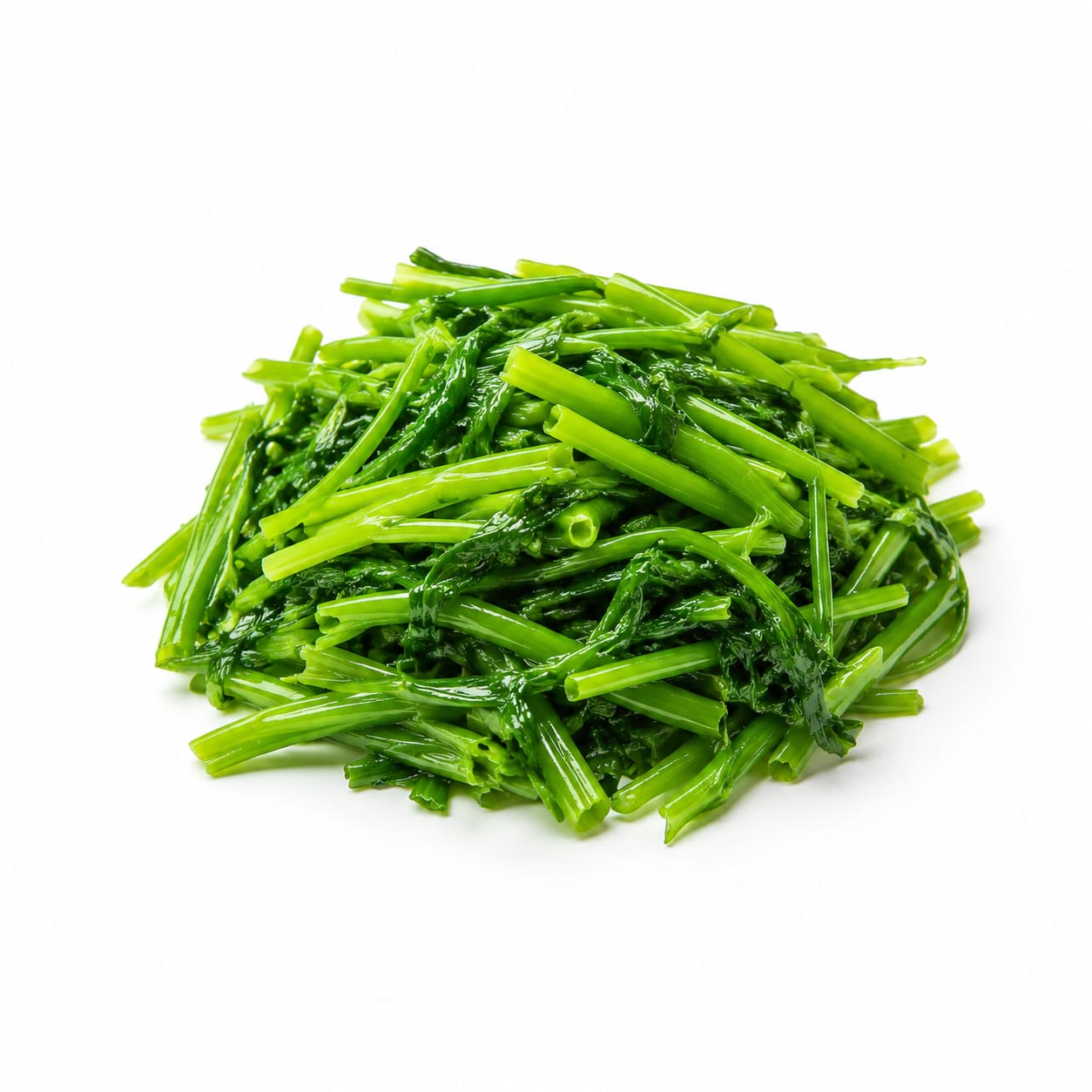
Water Celery
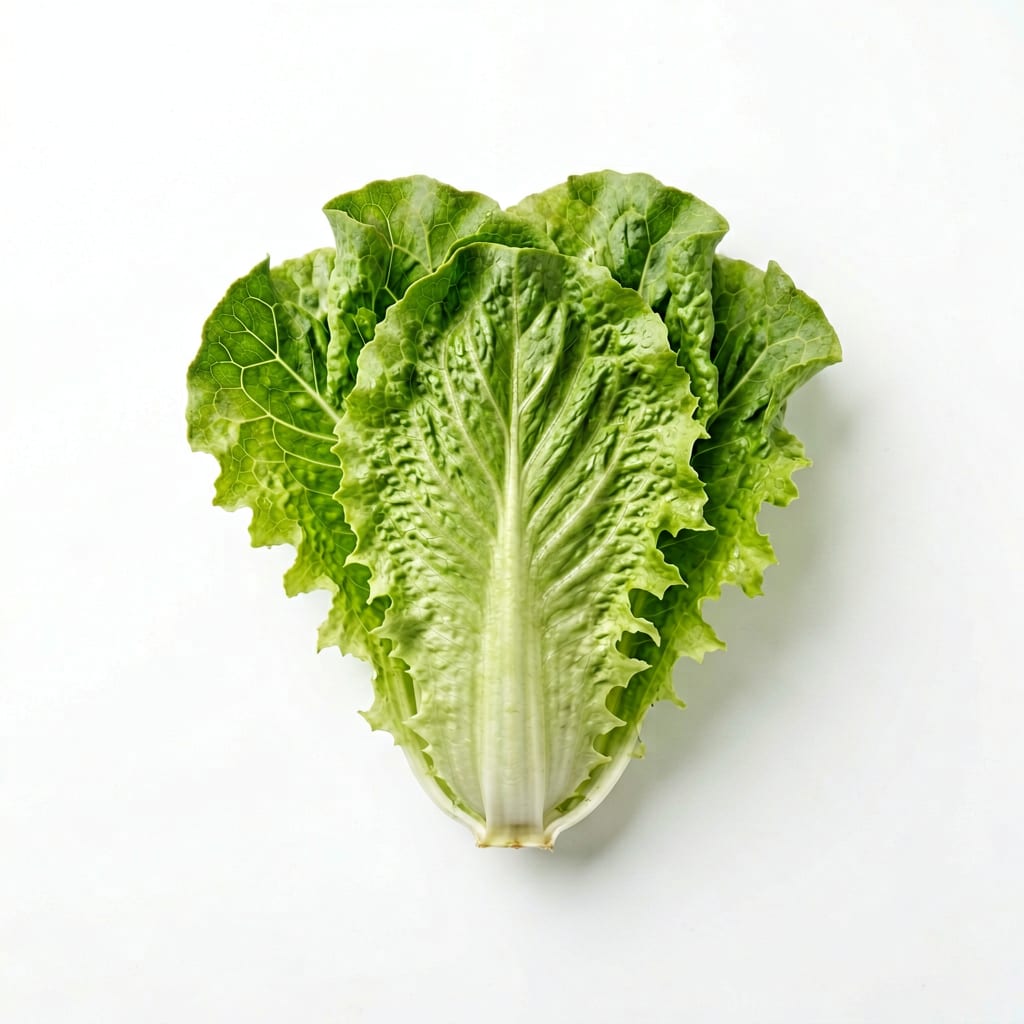
Lettuce
Water Celery edges out Lettuce with stronger flavor, more fiber, and higher concentrations of key vitamins, though Lettuce wins on convenience and mildness.
Water Celery scores higher on nutritional merit and satiety, but Lettuce's widespread availability, lower cost, and everyday practicality narrow the gap significantly.
Water Celery offers more nutrition and satisfaction per serving, but Lettuce is easier to find, cheaper, and more versatile as a neutral base.
At a glance
Executive summary
Overall
Water Celery
Healthier
Water Celery
More practical
Lettuce
Daily use
Lettuce
Key comparison lenses
low calorie bulk eating
Both foods are prized for filling plates with minimal calories, making volume eating their primary shared use case
nutrient density comparison
Users choosing between these want to know which delivers more vitamins and minerals per bite since neither offers significant macros
salad base selection
Both compete as salad foundations, but their textures and flavors create very different eating experiences
hydration and water intake
Both are extremely high in water content, often chosen to support hydration goals
digestive gentleness
People with sensitive stomachs often choose between these as safe, light vegetable options
Best choice for
Water Celery
- People wanting maximum nutrients from their salad base
- Those seeking stronger flavor without adding dressing
- Anyone focused on fiber intake and digestive regularity
- Cooking applications like soups and stir-fries
Lettuce
- Meal preppers needing a cheap, accessible salad foundation
- People with sensitive palates who prefer mild flavors
- Anyone building large volume meals on a budget
- Families wanting a universally accepted green
Least suitable for
Water Celery
- People who dislike strong vegetal or peppery flavors
- Those needing a neutral canvas for bold dressings
- Shoppers at stores that rarely stock specialty greens
Lettuce
- Anyone seeking significant nutritional impact from greens
- People wanting a filling vegetable that reduces hunger
- Those tired of bland salads who want more flavor naturally
Deep comparison
Dimension by dimension
Each lens scores both foods and breaks down who each option suits.
- Dimension 1 · Priority 90Water Celery
Nutrient Density
Water Celery · 72Lettuce · 45Water Celery delivers notably more vitamin A, vitamin C, and minerals per serving than Lettuce, which is mostly water with trace nutrients.
Tradeoff
You get more vitamins with Water Celery, but neither food is a nutritional powerhouse compared to darker greens like spinach or kale.
Why it matters
If your salad is your main vegetable intake, the base green matters more than you'd think.
Real-world impact
Choosing Water Celery over Lettuce is like getting a small multivitamin with your meal instead of just crunchy water.
Water Celery
- Boosting vitamin A intake for skin and eye health
- Getting more immune-supporting vitamin C
- Adding mineral variety including potassium and calcium
Better for
- People who assume all greens are nutritionally equal and overestimate the gap
Worse for
Lettuce
- Avoiding any strong flavors that might clash with supplements taken with food
Better for
- Anyone relying on salad as a significant nutrient source
Worse for
- Dimension 2 · Priority 82Water Celery
Satiety and Fullness
Water Celery · 60Lettuce · 38Water Celery's firmer texture and higher fiber content make it more filling, while Lettuce barely registers on the hunger scale.
Tradeoff
Neither food will truly satisfy hunger alone, but Water Celery at least slows you down and requires more chewing.
Why it matters
Mindless snacking on Lettuce can leave you hungrier than before, triggering cravings shortly after.
Real-world impact
A Water Celery salad keeps you occupied longer; a Lettuce salad disappears in minutes and leaves you reaching for more food.
Water Celery
- Afternoon snacking where you want to feel like you ate something
- Slowing down meal pace for better digestion
Better for
- Times when you want a light palate cleanser between courses
Worse for
Lettuce
- Post-meal when you want something light without feeling full
Better for
- Anyone trying to use salad as a weight loss tool without adding protein
Worse for
- Dimension 3 · Priority 78Water Celery
Flavor and Eating Experience
Water Celery · 70Lettuce · 40Water Celery brings a distinctive celery-like, slightly peppery flavor that makes salads interesting on their own. Lettuce is essentially flavorless.
Tradeoff
Water Celery's strong personality means it dominates dishes, while Lettuce quietly supports other ingredients without competing.
Why it matters
Boring salads lead to heavy dressing use, which undermines the health benefits of choosing greens in the first place.
Real-world impact
Water Celery salads need less dressing to taste good, saving you calories and sodium without trying.
Water Celery
- Minimalist eaters who enjoy vegetables without heavy sauces
- Reducing hidden calories from dressings and toppings
Better for
- Dishes where the green should be invisible background texture
Worse for
Lettuce
- Showcasing expensive or flavorful dressings, toppings, and proteins
- Picky eaters who find strong vegetable flavors off-putting
Better for
- Anyone eating salads plain and finding them depressing
Worse for
- Dimension 4 · Priority 75Water Celery
Fiber Content
Water Celery · 65Lettuce · 35Water Celery contains roughly double the fiber of Lettuce, making it meaningfully better for digestion and blood sugar stability.
Tradeoff
More fiber means more chewing and potential bloating if you're not used to it, while Lettuce is gentler on sensitive stomachs.
Why it matters
Fiber is the nutrient most people lack, and every gram counts when you're trying to reach daily targets.
Real-world impact
A Water Celery side dish actually contributes to your fiber goals; Lettuce is essentially a rounding error.
Water Celery
- Supporting regular digestion and gut health
- Stabilizing blood sugar when eaten with carbohydrates
Better for
- Rapid fiber increase can cause gas if introduced too quickly
Worse for
Lettuce
- People with IBS or fiber sensitivity who need gentle foods
- Recovery meals after digestive illness
Better for
- Chronic constipation sufferers who need every fiber gram possible
Worse for
- Dimension 5 · Priority 72Lettuce
Availability and Cost
Water Celery · 30Lettuce · 90Lettuce is available everywhere, year-round, and cheap. Water Celery is a specialty green found mainly in Asian markets and seasonal shops.
Tradeoff
You pay a convenience and price premium for Water Celery's superior nutrition and flavor.
Why it matters
The healthiest vegetable is the one you actually buy and eat regularly, not the one you can't find.
Real-world impact
Lettuce is a grocery store staple; Water Celery might require a special trip or online order.
Water Celery
- Culinary enthusiasts who shop at specialty markets anyway
- Home gardeners who can grow it easily in water features
Better for
- Rural areas with limited produce selection
- People who meal prep on Sundays when specialty shops are closed
Worse for
Lettuce
- Budget-conscious shoppers feeding a family
- Anyone who values one-stop grocery convenience
Better for
- No real downside here — Lettuce wins availability decisively
Worse for
- Dimension 6 · Priority 68It depends
Culinary Versatility
Water Celery · 62Lettuce · 65Lettuce excels as a raw salad base and wrap, while Water Celery shines in both raw and cooked applications like soups and stir-fries.
Tradeoff
Lettuce is more versatile for Western-style dishes; Water Celery opens up Asian cooking techniques that Lettuce can't handle.
Why it matters
If you cook hot dishes with greens, Water Celery is far more useful. If you only make cold salads, Lettuce is easier.
Real-world impact
Water Celery in a stir-fry adds crunch and flavor that holds up to heat; Lettuce turns slimy and sad in cooked dishes.
Water Celery
- Hot dishes like soups, stews, and stir-fries
- Asian-inspired meals where its flavor profile belongs
- Pickle and ferment applications
Better for
- Traditional Western sandwich stacking
Worse for
Lettuce
- Classic American salads and sandwich layers
- Lettuce wraps with fillings
- Burger and taco night
Better for
- Any cooked application whatsoever
Worse for
- Dimension 7 · Priority 55Lettuce
Hydration Value
Water Celery · 70Lettuce · 75Both are over 95% water, but Lettuce's slightly higher water content and easier consumption volume make it marginally better for hydration.
Tradeoff
The difference is negligible in practice — both are essentially crunchy water with trace nutrients.
Why it matters
Only relevant if you're specifically eating greens to increase fluid intake during hot weather.
Real-world impact
Eating a large Lettuce salad on a summer day hydrates you slightly more than the same volume of Water Celery, but the gap is trivial.
Water Celery
- Still contributes meaningfully to daily fluid intake
Better for
- Not a meaningful difference worth deciding on
Worse for
Lettuce
- Maximum water content per gram consumed
- Easier to eat in large volumes quickly
Better for
- Not a meaningful difference worth deciding on
Worse for
Timeline
Health impact over time
Short-term
Hours to days
Water Celery
- Improved hydration from high water content
- Mild digestive stimulation from fiber and natural plant compounds
- Satisfying crunch that slows eating pace
Lettuce
- Quick hydration with almost no digestive effort
- Very gentle on upset stomachs
- Minimal satiety signal — may increase hunger shortly after eating
Long-term
Months to years
Water Celery
- Better fiber intake supporting gut microbiome diversity
- Higher cumulative vitamin A and C intake supporting immune function
- Flavonoid compounds may offer mild anti-inflammatory benefits
Lettuce
- Consistent low-calorie volume eating supporting weight maintenance
- Minimal risk of any adverse reaction or intolerance
- Very low cumulative nutritional contribution if relied on as primary vegetable
Risk profile
Safety & processing
Both Water Celery and Lettuce are whole, unprocessed vegetables typically sold fresh and raw. Neither carries meaningful processing concerns unless pre-washed bagged versions with preservatives are purchased.
Water Celery
Aquatic contamination
mediumWater Celery grows in or near water, increasing potential exposure to waterborne bacteria and parasites if sourced from questionable water supplies.
Pesticide residue
mediumLeafy greens typically retain pesticide residue on surfaces; always wash thoroughly, especially from conventional farming.
Lettuce
E. coli and Salmonella outbreaks
mediumLettuce has been repeatedly linked to foodborne illness outbreaks due to industrial processing and distribution practices in bagged salad products.
Pesticide residue
mediumLettuce frequently appears on the Environmental Working Group's Dirty Dozen list for high pesticide residue levels.
Who wins for whom
Audience fit
Same foods, different winners depending on your goal.
children
LettuceLettuce's mild taste and familiar crunch make it far more acceptable to young palates than Water Celery's assertive flavor.
daily consumption
LettuceLettuce's easy availability, low cost, and neutral flavor make it more sustainable as a daily staple for most people.
diabetes
Water CeleryWater Celery's higher fiber content slows glucose absorption slightly more, and its stronger flavor reduces cravings for sugary additions.
elderly
LettuceLettuce is easier to chew and gentler on aging digestive systems, while still providing hydration and minimal nutrition.
muscle gain
It dependsNeither food contributes meaningful protein or calories for muscle building. Both serve only as plate fillers alongside actual protein sources.
weight loss
Water CeleryWater Celery's stronger flavor and higher fiber reduce the need for calorie-dense dressings, making it easier to maintain a deficit without feeling deprived.
Your move
Decision guide
Choose Water Celery
- You want more nutrition and flavor from your salad base
- You cook Asian dishes and need a green that handles heat
- You're trying to reduce dressing dependency for calorie control
- You have access to specialty markets or grow your own
Choose Lettuce
- You need an affordable, available everyday salad green
- You prefer mild flavors that let other ingredients shine
- You're feeding picky eaters or children
- You want a reliable option at any grocery store anytime
Either works if
- Your primary goal is low-calorie volume eating
- You're adding greens purely for crunch and hydration
- You plan to load the salad with other nutrient-dense toppings anyway
Avoid both if
- You're looking for a significant protein or calorie source
- You need a vegetable that provides lasting energy and fullness
- You have severe digestive issues requiring cooked vegetables only
Final recommendation
Keep Lettuce as your convenient daily staple, but swap in Water Celery when you can find it — especially for Asian-inspired meals or when you want a salad that actually tastes like something on its own. The best approach is rotating both to get Lettuce's practicality and Water Celery's nutritional edge.
Practical
Consumer tips
- 1
Buy whole heads of Lettuce instead of pre-bagged to reduce foodborne illness risk and save money
- 2
Wash Water Celery especially thoroughly due to its aquatic growing conditions
- 3
If Water Celery is unavailable, regular celery leaves offer a similar flavor profile as a substitute
- 4
Use Lettuce within 3-5 days of purchase for best texture; Water Celery lasts slightly longer when kept damp
- 5
Pair either green with a healthy fat like olive oil to absorb fat-soluble vitamins more effectively
- 6
Grow Water Celery at home in a water garden — it's one of the easiest greens to cultivate yourself