
Nutrition comparison
Water Celery vs Asparagus: Which Low-Calorie Vegetable Is Better for You?
Compare Water Celery and Asparagus nutrition, health benefits, and best uses. Find out which vegetable wins for weight loss, gut health, and daily snacking.
Overall winner · Asparagus
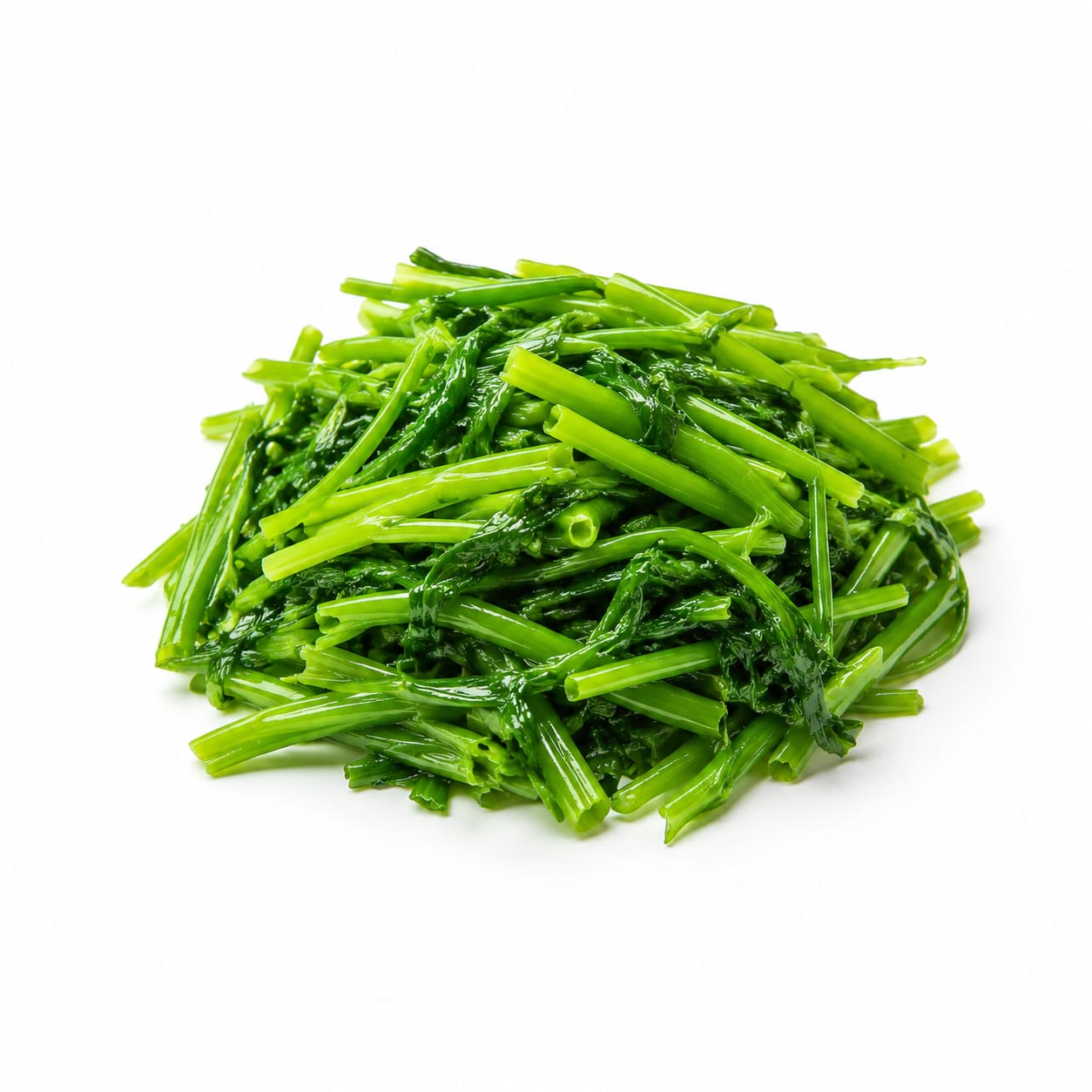
Water Celery
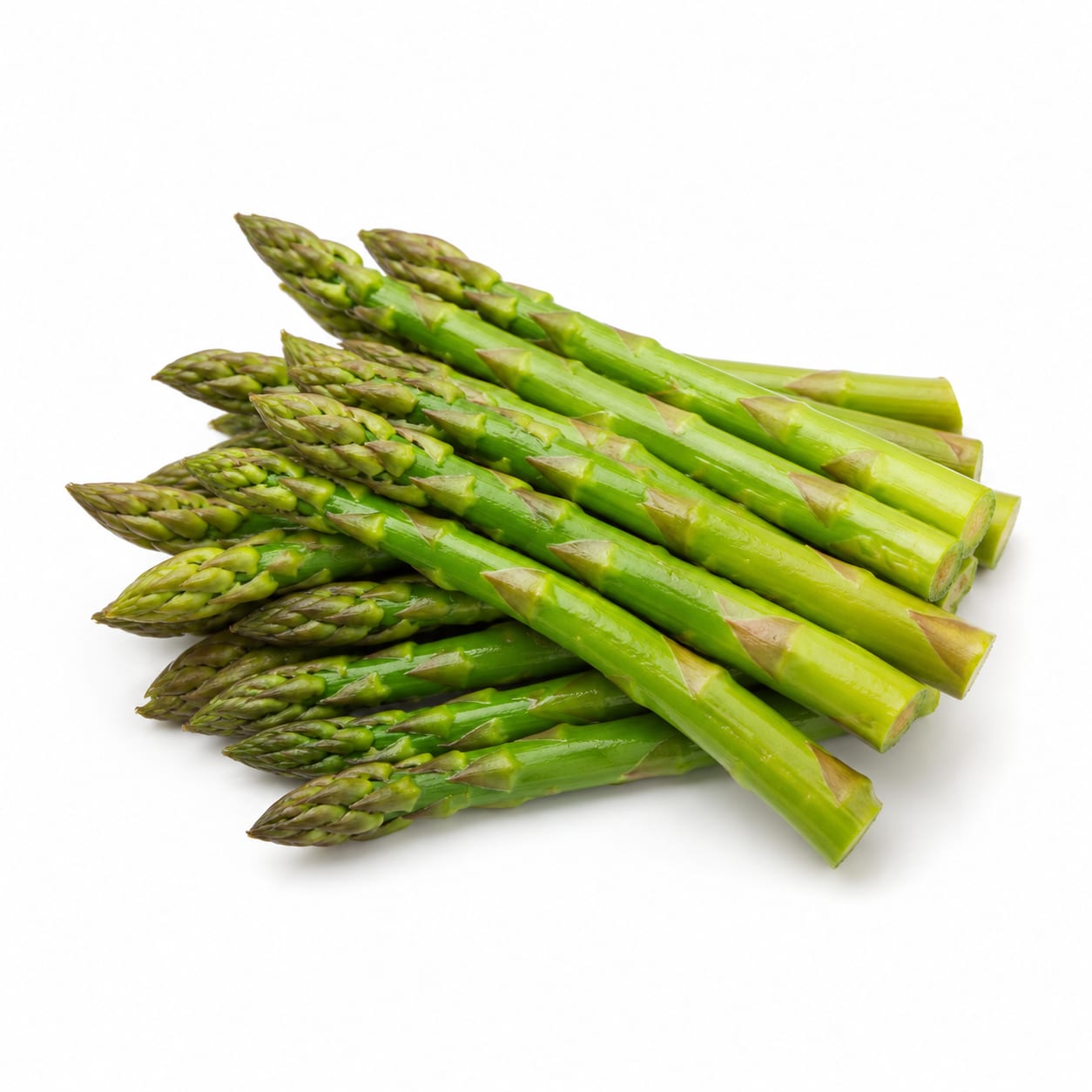
Asparagus
Asparagus delivers far more nutrition per calorie, but Water Celery wins on crunch, hydration, and grab-and-go convenience.
Asparagus scores notably higher due to its superior vitamin, mineral, and antioxidant density. Water Celery remains valuable for hydration and snacking convenience but offers less nutritional payoff per serving.
Asparagus is the nutrient powerhouse with folate, prebiotics, and antioxidants; Water Celery is the ultra-hydrating, endlessly snackable crunch machine with fewer nutrients per serving.
At a glance
Executive summary
Overall
Asparagus
Healthier
Asparagus
More practical
Water Celery
Daily use
It depends
Key comparison lenses
nutrient density comparison
Both are low-calorie vegetables, so the real question is which delivers more nutrition per bite
weight loss snack selection
Users comparing these are likely looking for satisfying low-calorie options
digestive health benefits
Both offer fiber but with different profiles and prebiotic potential
meal versatility
Practical cooks want to know which fits more recipes and eating occasions
hydration and crunch appeal
Water Celery's signature crunch and water content is a unique selling point
Best choice for
Water Celery
- People wanting a zero-effort hydrating snack
- Anyone tracking calories who wants volume eating
- Those who need a crunchy vehicle for dips and nut butters
- Hot weather hydration support
Asparagus
- Pregnant women needing folate
- Anyone focused on gut health and prebiotic fiber
- People wanting anti-inflammatory nutrients
- Those seeking more satiety from fewer stalks
Least suitable for
Water Celery
- People needing dense nutrition in small portions
- Anyone with celery allergy or birch pollen sensitivity
- Those on low-sodium diets watching even natural sodium
Asparagus
- People who need instant no-prep snacking
- Anyone bothered by asparagus-induced urine odor
- Those on a very tight grocery budget
Deep comparison
Dimension by dimension
Each lens scores both foods and breaks down who each option suits.
- Dimension 1 · Priority 95Asparagus
nutrient_density
Water Celery · 40Asparagus · 88Asparagus packs significantly more vitamins and minerals per calorie than Water Celery.
Tradeoff
Water Celery gives you more physical food volume, but Asparagus gives you more actual nutrition in fewer bites.
Why it matters
If you eat limited calories or small portions, choosing Asparagus means each bite works harder for your health.
Real-world impact
A single serving of Asparagus covers over half your daily folate and vitamin K needs; Water Celery covers very little.
Water Celery
- Volume eaters who prioritize quantity of food
Better for
- Those relying on vegetables as a primary nutrient source
Worse for
Asparagus
- Anyone eating small portions who needs nutrient efficiency
- Pregnant women seeking natural folate sources
- People with increased vitamin K requirements
Better for
- People who feel unsatisfied eating small portions
Worse for
- Dimension 2 · Priority 88Asparagus
fiber_and_digestive_health
Water Celery · 50Asparagus · 82Asparagus contains inulin, a prebiotic fiber that feeds beneficial gut bacteria, giving it a clear digestive health edge.
Tradeoff
Water Celery provides gentle insoluble fiber that keeps things moving; Asparagus actively nourishes your microbiome.
Why it matters
Prebiotic fiber has lasting benefits for immunity, mood, and inflammation beyond basic digestion.
Real-world impact
Regular Asparagus eaters support a healthier gut ecosystem; Water Celery mainly adds bulk to stool.
Water Celery
- People with sensitive digestion who need gentle fiber
- Anyone experiencing bloating from prebiotic foods
Better for
- People specifically seeking prebiotic benefits
Worse for
Asparagus
- Those building a gut-friendly eating pattern
- People taking probiotics who want to feed those beneficial bacteria
- Anyone managing inflammatory gut conditions
Better for
- Those with FODMAP sensitivities who react to inulin
Worse for
- Dimension 3 · Priority 78Water Celery
hydration_and_crunch
Water Celery · 95Asparagus · 55Water Celery is essentially crunchy water, making it the ultimate hydrating snack with satisfying texture.
Tradeoff
You get more hydration and textural satisfaction from Water Celery, but less nutritional substance.
Why it matters
Crunch is psychologically satisfying and helps with mindful eating; hydration supports energy and focus.
Real-world impact
Reaching for Water Celery instead of chips gives you the crunch craving satisfaction without the calories.
Water Celery
- Hot days when you want food that hydrates
- Emotional eaters who need crunch satisfaction
- Anyone replacing processed crunchy snacks
Better for
- Those wanting a substantial side dish
Worse for
Asparagus
- People who prefer tender, cooked vegetable textures
Better for
- Snackers who find cooked vegetables unsatisfying
Worse for
- Dimension 4 · Priority 82Asparagus
antioxidant_and_anti_inflammatory_value
Water Celery · 45Asparagus · 85Asparagus is rich in glutathione and other anti-inflammatory compounds; Water Celery offers modest antioxidant benefits.
Tradeoff
Asparagus actively fights inflammation at a higher level; Water Celery contributes but less dramatically.
Why it matters
Chronic inflammation drives aging, joint pain, and disease; food choices compound over decades.
Real-world impact
Regular Asparagus consumption supports your body's master antioxidant system more effectively.
Water Celery
- Those getting antioxidants from other abundant sources
Better for
- People relying heavily on this vegetable for antioxidant defense
Worse for
Asparagus
- Anyone managing chronic inflammation
- People concerned about cellular aging
- Those with joint issues or autoimmune tendencies
Better for
- Dimension 5 · Priority 75Water Celery
convenience_and_versatility
Water Celery · 85Asparagus · 65Water Celery requires zero cooking and pairs with everything from hummus to peanut butter; Asparagus needs trimming and usually cooking.
Tradeoff
Water Celery is the faster everyday snack; Asparagus rewards you with more elegant meal possibilities.
Why it matters
The food you actually eat always beats the food that sits in your fridge unused.
Real-world impact
Water Celery gets grabbed on busy afternoons; Asparagus tends to wait for weekend cooking.
Water Celery
- Busy professionals needing instant snack options
- Parents packing quick lunchbox vegetables
- Anyone who hates cooking but wants raw veggie intake
Better for
- Anyone wanting a featured vegetable dish
Worse for
Asparagus
- Home cooks wanting a impressive side dish
- Those who enjoy roasting and grilling vegetables
- People planning dinner parties or date nights
Better for
- People with minimal cooking time or equipment
Worse for
- Dimension 6 · Priority 85It depends
weight_loss_support
Water Celery · 78Asparagus · 76Water Celery offers more volume per calorie for mindless snacking; Asparagus provides more satiety per serving through nutrients.
Tradeoff
Water Celery lets you eat more physical food; Asparagus makes you feel more nourished with less.
Why it matters
Different eating styles need different strategies: volume eaters vs nutrient-focused eaters.
Real-world impact
Munching through Water Celery sticks occupies your mouth longer; a serving of Asparagus satisfies deeper hunger.
Water Celery
- Volume eaters who need large portions to feel satisfied
- Nighttime snackers wanting low-calorie crunch
- Anyone replacing high-calorie crunchy foods
Better for
- Those who feel hungry despite eating large volumes
Worse for
Asparagus
- Nutrient-focused dieters who eat smaller balanced meals
- Those who feel satisfied by nutrient-rich foods
- People wanting anti-inflammatory support during weight loss
Better for
- Grazers who need something to munch on for extended periods
Worse for
Timeline
Health impact over time
Short-term
Hours to days
Water Celery
- Quick hydration boost from high water content
- Immediate crunch satisfaction reducing urge for processed snacks
- Very low blood sugar impact, safe for glucose-sensitive individuals
- Mild natural sodium intake that can support electrolyte balance after sweating
Asparagus
- Noticeable urine odor within hours due to asparagusic acid breakdown
- Prebiotic fiber may cause temporary bloating in sensitive individuals
- Steady energy from balanced micronutrient content
- Quick folate and vitamin K contribution toward daily needs
Long-term
Months to years
Water Celery
- Consistent hydration support for kidney and skin health
- Modest blood pressure benefits from natural nitrates
- Low calorie intake sustainability without nutrient density
- Possible insufficient nutrition if relied on as a primary vegetable
Asparagus
- Stronger gut microbiome diversity from regular prebiotic intake
- Reduced inflammation markers from glutathione and antioxidant compounds
- Better pregnancy outcomes through consistent folate intake
- Improved bone density from high vitamin K content
Risk profile
Safety & processing
Both Water Celery and Asparagus are whole, natural vegetables typically consumed with minimal processing. Neither carries meaningful additive concerns when purchased fresh.
Water Celery
pesticide_residue
mediumConventional Water Celery frequently appears on the Dirty Dozen list due to pesticide retention in its stalks; washing helps but does not eliminate all residues.
allergic_cross_reactivity
lowPeople with birch pollen allergy may experience oral allergy syndrome with raw Water Celery, causing mouth itching or swelling.
Asparagus
pesticide_residue
lowAsparagus typically ranks well on pesticide residue tests and often appears on the Clean Fifteen list.
urinary_discomfort_awareness
lowAsparagusic acid metabolites cause strong urine odor in most people; harmless but sometimes alarming for those unaware of this effect.
Who wins for whom
Audience fit
Same foods, different winners depending on your goal.
children
Water CeleryKids often accept the mild crunch of Water Celery more readily, especially with a dip; Asparagus texture and flavor can be a harder sell.
daily consumption
It dependsWater Celery is easier to eat daily due to convenience; Asparagus is more impactful nutritionally but requires more preparation effort.
diabetes
AsparagusBoth have minimal blood sugar impact, but Asparagus offers more fiber and chromium which support glucose metabolism.
elderly
AsparagusOlder adults benefit more from Asparagus's folate, vitamin K for bone health, and prebiotic fiber for age-related gut changes.
muscle gain
AsparagusAsparagus provides more anti-inflammatory support and micronutrients that aid recovery alongside protein intake.
weight loss
It dependsWater Celery for volume snacking; Asparagus for nutrient-dense meals that satisfy with less food.
Your move
Decision guide
Choose Water Celery
- You want a grab-and-go snack that requires zero preparation
- Hydration is a priority, especially in hot weather or after exercise
- You need a low-calorie crunchy substitute for chips or crackers
- You pack lunches and need something that stays crisp all day
- You are volume eating and want to feel like you ate a lot
Choose Asparagus
- You are pregnant or trying to conceive and need natural folate
- Gut health and microbiome support are priorities
- You want maximum nutrition from your vegetable choices
- You enjoy cooking and want a versatile side dish for meals
- Anti-inflammatory eating is important for your health goals
Either works if
- You simply want more vegetables in your diet and enjoy both
- Blood sugar management is your main concern since both are excellent
- You rotate vegetables for dietary diversity and variety
Avoid both if
- You need calorie-dense foods due to unintentional weight loss
- You have specific allergies to either vegetable family
Final recommendation
Keep both in your rotation. Use Water Celery for daily raw snacking and hydration, and Asparagus for cooked meals where nutrient density matters most. If budget forces a choice, Asparagus gives you more health value per dollar spent.
Practical
Consumer tips
- 1
Buy organic Water Celery when possible since it retains pesticides more than most vegetables
- 2
Store Water Celery wrapped in foil in the fridge to keep it crisp for weeks
- 3
Snap Asparagus stalks at their natural breaking point to remove the woody ends effortlessly
- 4
Roast Asparagus with olive oil at 400°F for 12 minutes for the best flavor and nutrient retention
- 5
Pair Water Celery with protein-rich dips like hummus or almond butter to make it more satiating
- 6
Blanch Asparagus briefly before adding to salads for better texture and digestibility
- 7
Freeze Asparagus within two days of purchase if you cannot use it fresh