
Grain Product
Udon
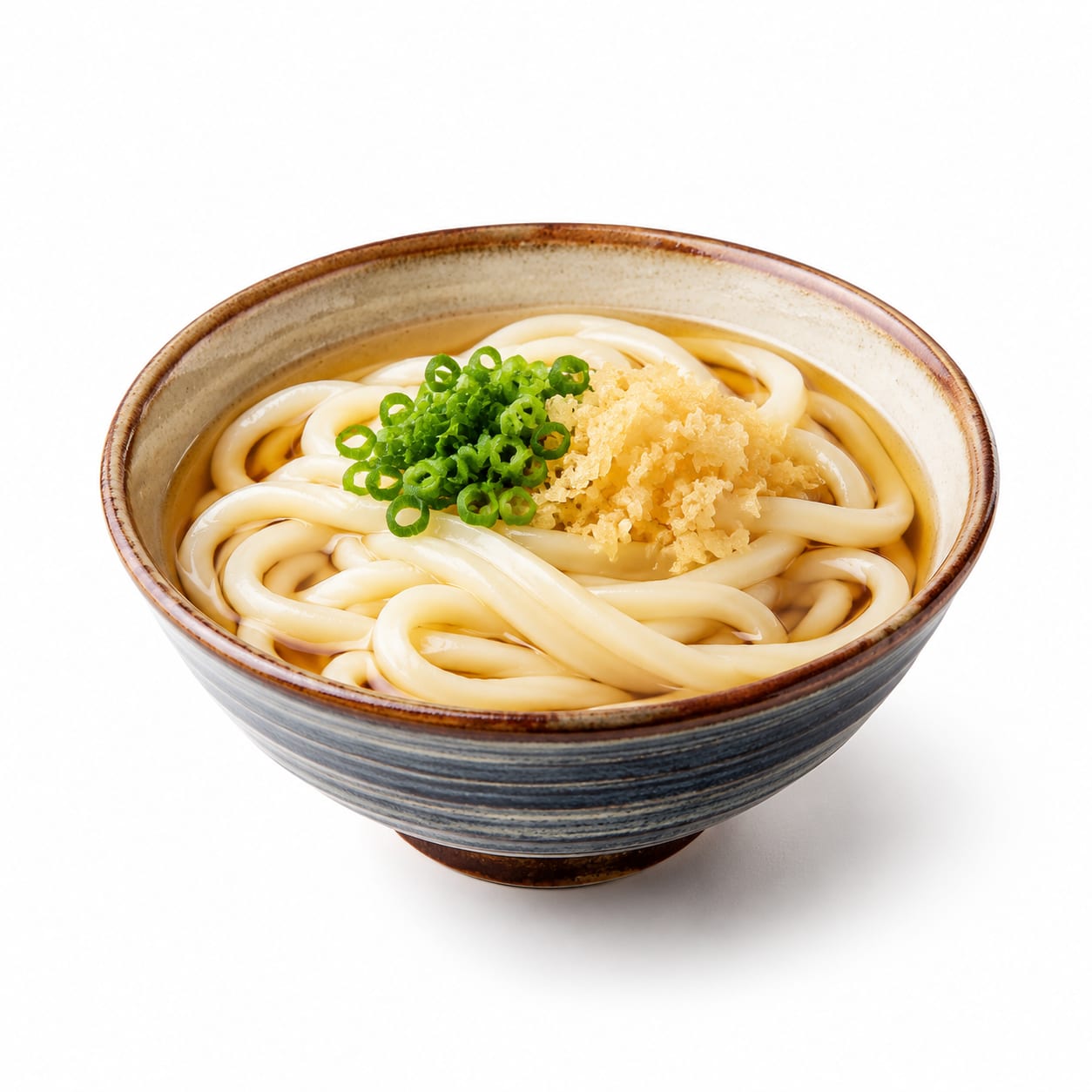
Udon is a thick Japanese wheat noodle known for its chewy texture and quick-digesting carbohydrates.
Udon is a thick, chewy Japanese noodle made from wheat flour, water, and salt, commonly served in a mild dashi-based broth or stir-fried.
fast-digesting refined carbohydrate source
Typical serving · 200g
Common varieties · fresh udon, dried udon, frozen udon, curly udon, inaniwa udon
Overall context score across nutrition, safety, and diet fit
The story
What makes it unique
Udon is a refined wheat carbohydrate with rapid digestion speed and low fiber content, resulting in quick gastric emptying and moderate satiety. Its macronutrient profile is dominated by starch, causing a swift glycemic response. Processing involves milling wheat to remove the bran and germ, stripping away micronutrients and prebiotic fiber.
Varieties: fresh udon · dried udon · frozen udon · curly udon · inaniwa udon
Per 100g
Nutrition breakdown
Macro balance and key metrics at a glance.
Energy
Density 1.30 kcal/g
Protein
Carbs
Fat
Fiber
Sugar
0 g
Sodium
400 mg
Potassium
30 mg
Glycemic index
55
Glycemic load
15
Water content
68%
Standout compounds
Nutrient highlights
Carbohydrates
highRapid energy supply for muscles and brain
Selenium
moderateSupports antioxidant function and thyroid health
Manganese
moderateAssists in metabolism and bone formation
Folate
lowImportant for cell division and DNA synthesis
Wellness map
Health scores & processing
NOVA processing scale
moderate · Whole food
Standard udon is a processed culinary ingredient made from refined wheat flour, water, and salt. It becomes ultra-processed (NOVA 4) only if sold as an instant noodle with artificial flavor packets and preservatives.
Diet compatibility
- Weight loss
- Muscle gain
- Diabetes
- Gut health
- Low carb
- High protein
- Heart health
Relative standing
Food rankings
Qualitative ranks compared to similar whole foods.
- Satietypoor
- Blood sugarmoderate
- Nutrient densitypoor
- Fitness fuelgood
- Processing qualitymoderate
Eat with confidence
Food safety profile
Udon noodles pose very low risk of microbial contamination when properly cooked. Primary concerns involve potential pesticide residues in conventionally grown wheat and acrylamide formation if noodles are fried at high temperatures.
Evidence confidence 90%
- Pesticideslow
- Antibioticslow
- Heavy metalslow
- Contaminationlow
Watch for
- acrylamide
- glyphosate residues
Safer choices
Organic whole wheat udon
Prep tips
Rinse cooked noodles under warm water to remove excess surface starch and sodium from the boiling liquid before adding to broth.
Standard grain product regulations apply; minimal specific concerns for the noodles themselves, though sodium in accompanying broths is a dietary concern.
Deep dive
Health analysis
How this food may fit different goals and preparation choices.
Weight loss
Moderate calorie density combined with low fiber means it is easy to overconsume; pair with vegetables and lean protein to increase fullness.
Blood sugar
Refined wheat causes a rapid rise in blood sugar; diabetics should monitor portions carefully and avoid sugary broths.
Fitness & energy
Excellent fast-digesting carbohydrate source for pre-workout energy or post-workout glycogen replenishment.
Gut health
Low fiber content offers minimal prebiotic benefits; relies heavily on added vegetables or fermented accompaniments for gut support.
Processing quality
Refined grain product stripped of bran and germ; lacks the micronutrient density and fiber of whole grain alternatives.
Food safety
Very low risk of microbial contamination when properly cooked; primary concern is agricultural residues in conventional wheat.
Common mistakes
Drinking all the broth turns a moderate-calorie meal into a high-sodium meal; neglecting to add protein or veggies makes it unsatiating.
Best preparation
Boil and rinse, then add to a light dashi broth with plenty of bok choy, mushrooms, and tofu or lean chicken.
Practical guide
Best use cases
When and how this food fits real eating patterns.
Pre-workout carb loading
Provides easily digestible carbohydrates for sustained energy during intense exercise.
Post-workout recovery
Fast-digesting carbs help replenish glycogen stores quickly after endurance training.
Easy digestion meals
Bland, soft texture makes it suitable for settling the stomach when dealing with mild digestive distress.
Balance sheet
Pros & cons
Upsides
- Fast-digesting carbohydrate source for athletic energy
- Very low fat content
- Versatile base that absorbs flavors from healthy broths
- Soft texture is easy on the digestive system
Trade-offs
- Low dietary fiber reduces satiety
- Refined grain causes rapid blood sugar spikes
- Traditional preparations are very high in sodium
- Lacks significant micronutrients
Fit check
Who is it for?
Great match
- pre-workout carb loading
- post-workout recovery
- easy digestion meals
Consider alternatives
- strict low-carb diets
- diabetic meal plans
- high-volume weight loss eating
Side by side
How it compares
Open the full head-to-head analysis for nutrition, safety, and practical tradeoffs.
This food
Udon
VS85% alike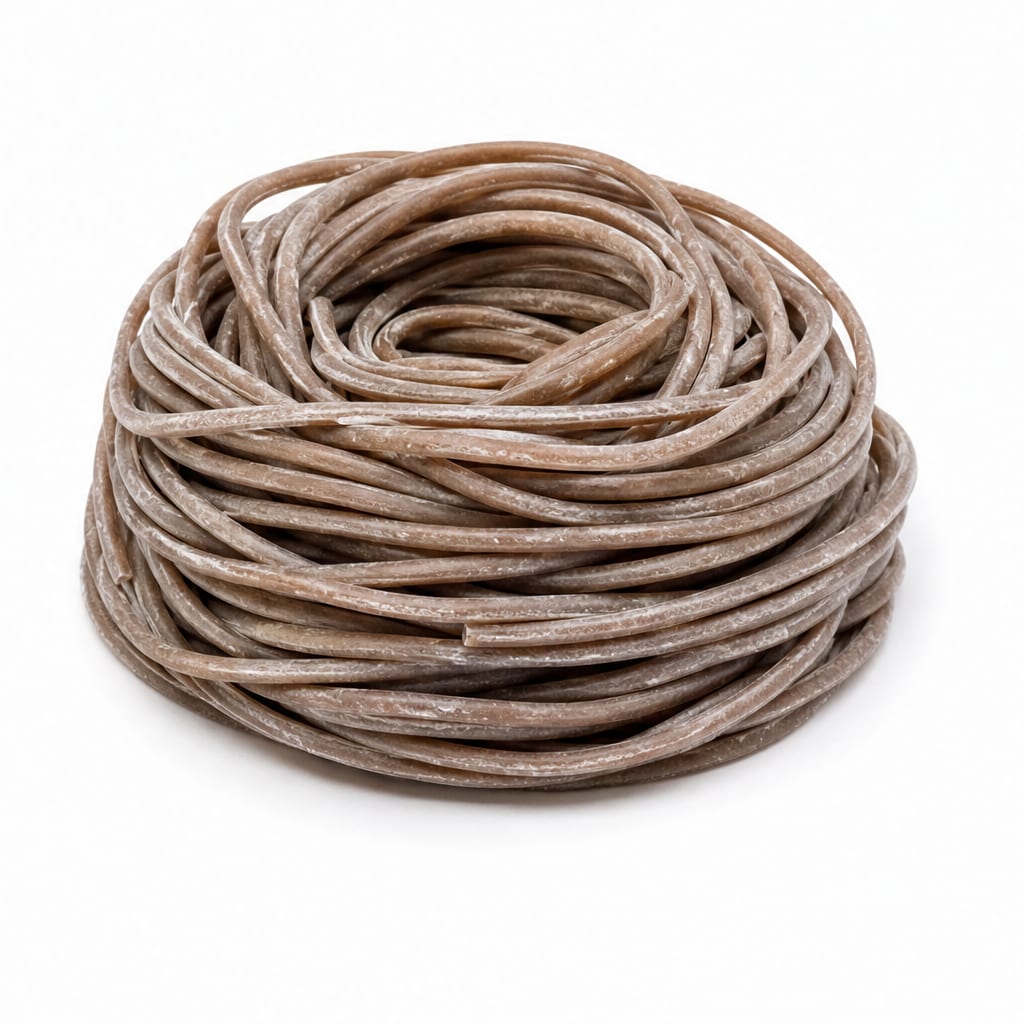
Compare with
Soba Noodles
Soba is made from buckwheat, offering more protein and fiber, while udon is refined wheat with a softer, chewier texture.
Soba noodles provide more fiber and protein for better satiety, while udon offers faster-digesting carbs for quick pre-workout energy.
This food
Udon
VS90% alike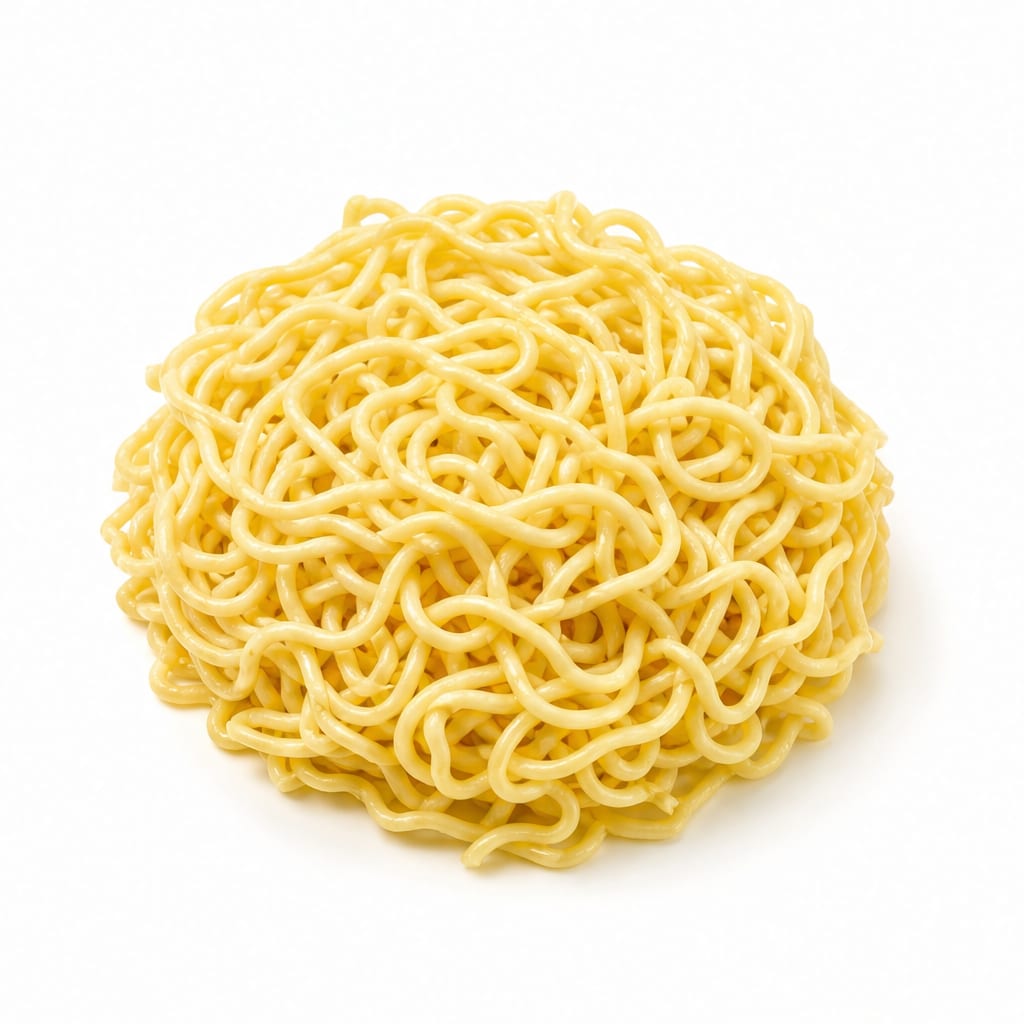
Compare with
Ramen Noodles
Udon is thicker and typically served in a lighter dashi, while ramen is thinner and served in rich, fatty bone broth.
Udon is better for weight loss due to its lighter broth, while ramen provides more satiety from higher fat and protein content.
This food
Udon
VS80% alike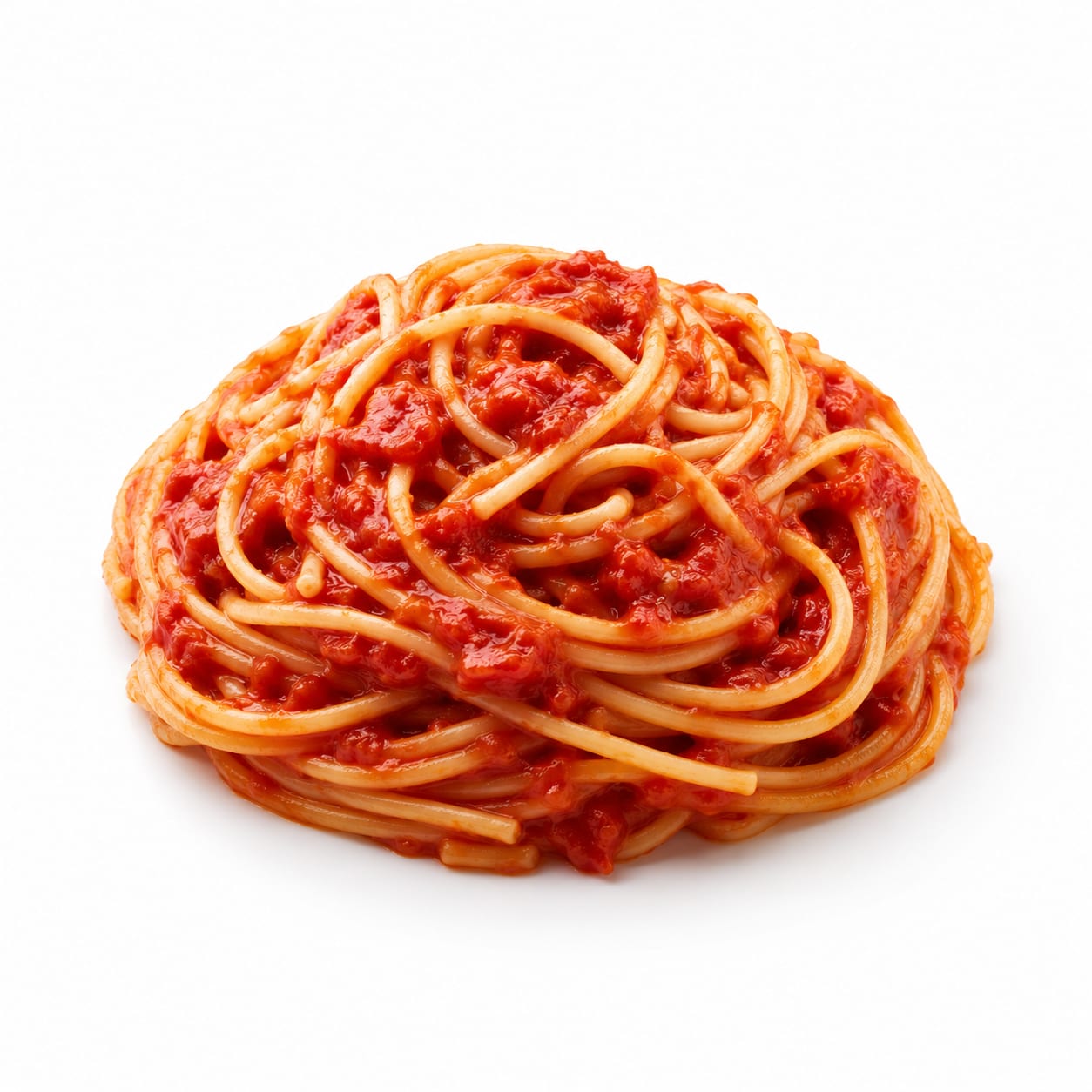
Compare with
Spaghetti
Spaghetti is typically made from durum wheat and served with sauce, while udon is made from soft wheat and served in broth.
Spaghetti offers slightly more protein and slower digestion, while udon provides quicker energy and a lighter feel for pre-workout meals.
This food
Udon
VS75% alike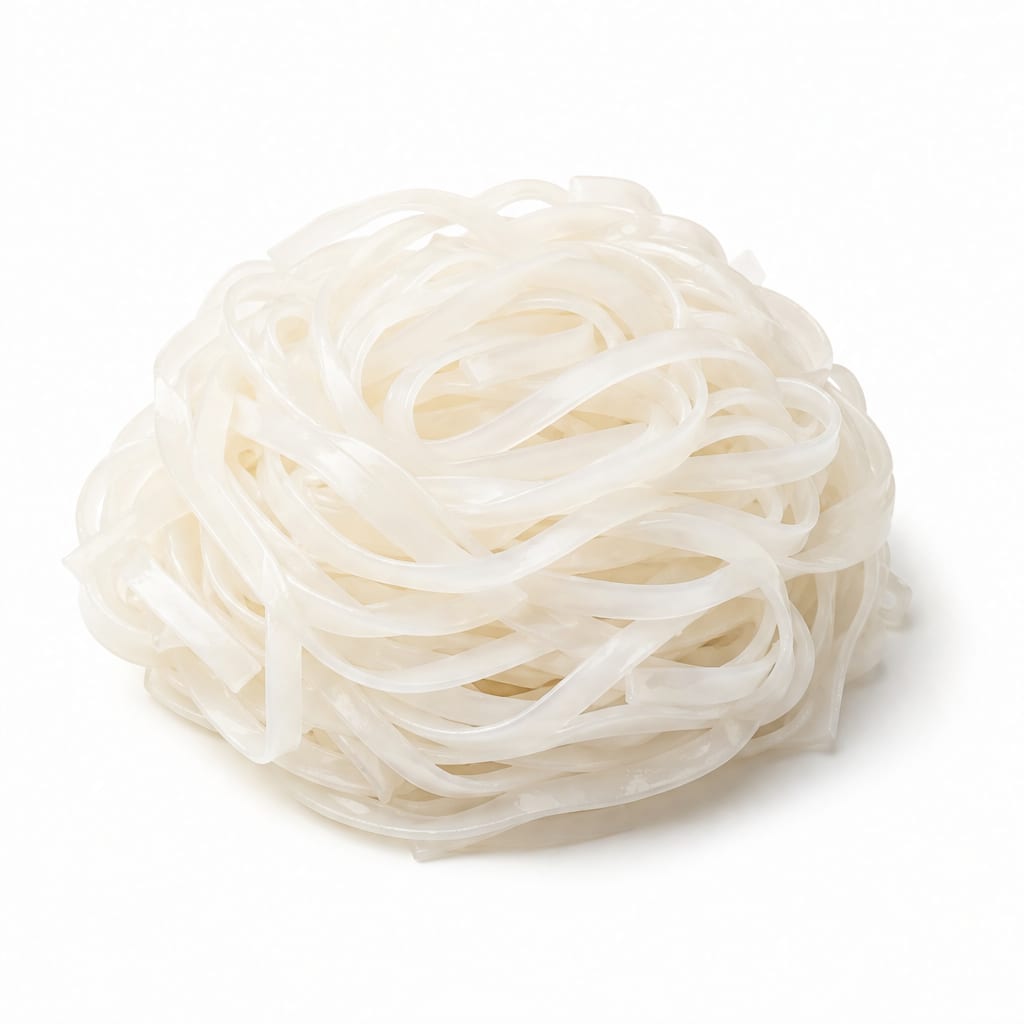
Compare with
Rice Noodles
Rice noodles are gluten-free and slightly lower in calories, while udon has a chewier texture and more protein.
Rice noodles are lower in calories and gluten-free, while udon provides a more substantial, chewier bite with slightly more protein.
This food
Udon
VS40% alike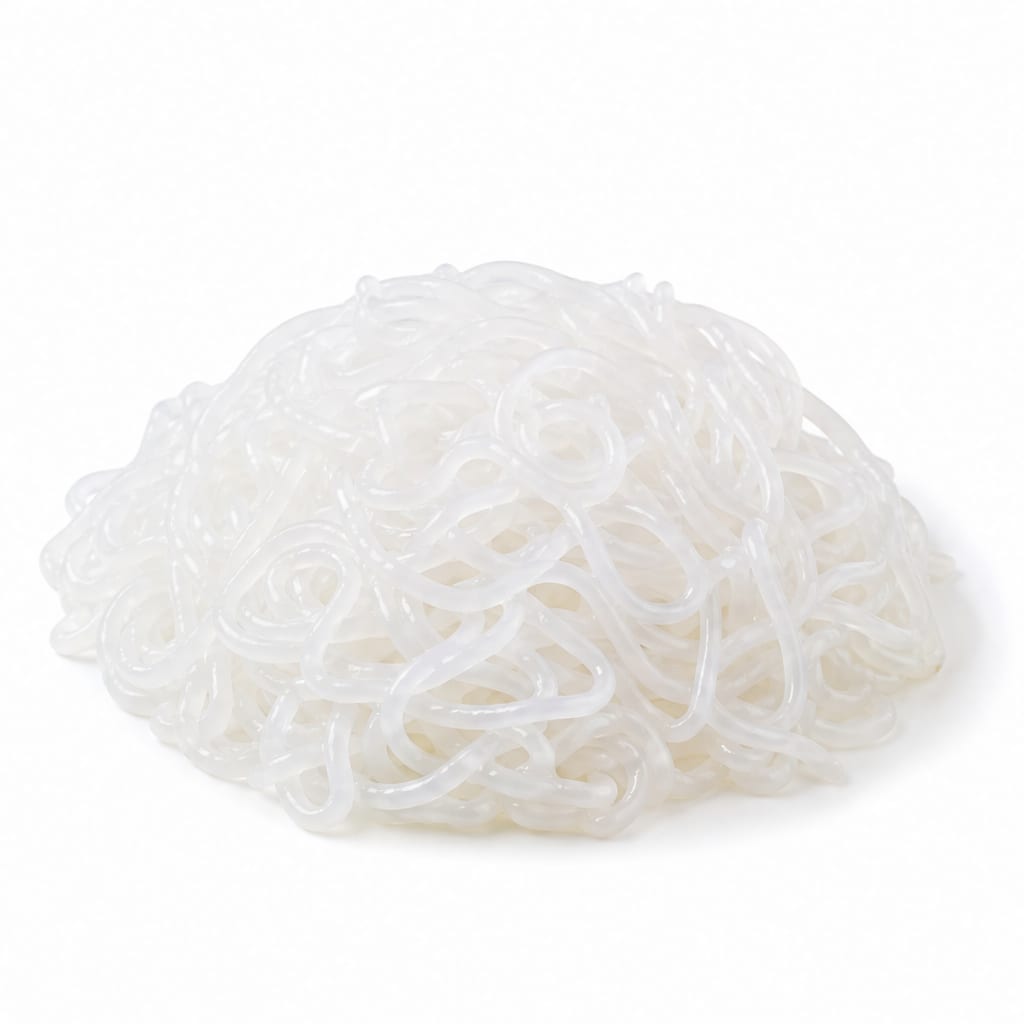
Compare with
Shirataki Noodles
Shirataki is essentially zero-calorie and zero-carb, while udon is a high-carb, calorie-dense energy source.
Shirataki noodles win for weight loss and blood sugar control with virtually zero calories, while udon is far superior for athletic carb-loading.
This food
Udon
VS70% alike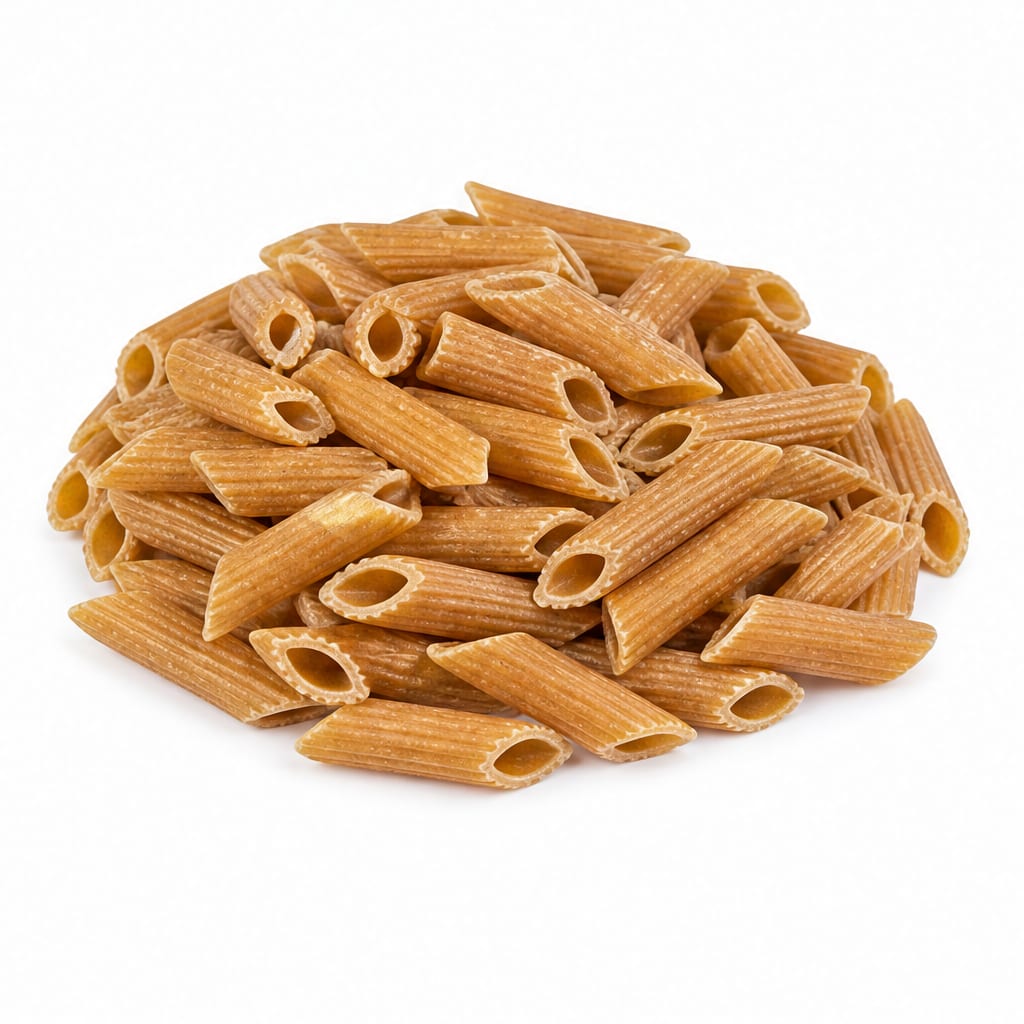
Compare with
Whole Wheat Pasta
Whole wheat pasta retains the bran and germ, offering significantly more fiber and nutrients than refined udon.
Whole wheat pasta beats udon in fiber, satiety, and blood sugar control, but udon digests faster for quick workout energy.
This food
Udon
VS95% alike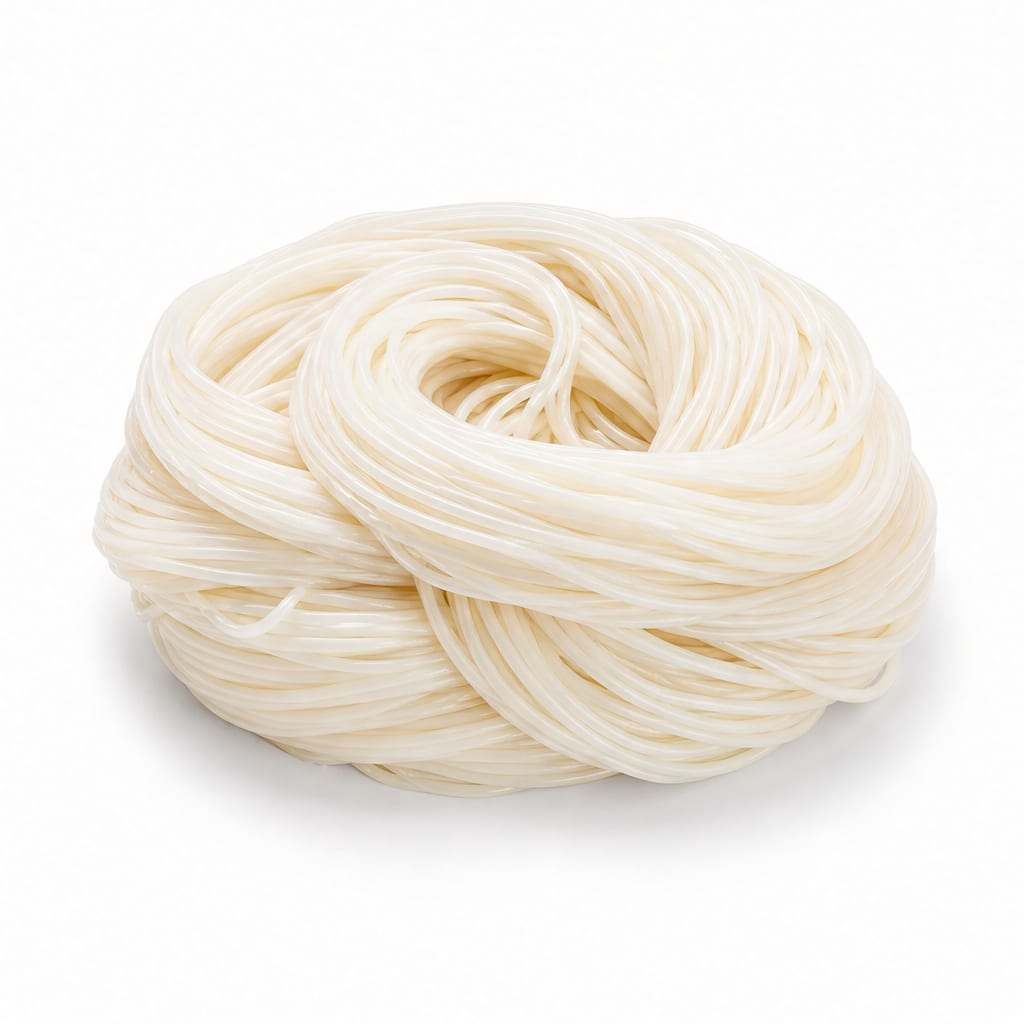
Compare with
Somen Noodles
Somen are very thin and delicate, while udon is thick and chewy. Both are refined wheat with similar nutrition.
Somen and udon have similar refined carb profiles, but somen is slightly lower in calories per volume, while udon provides a more filling, chewy texture.
This food
Udon
VS85% alike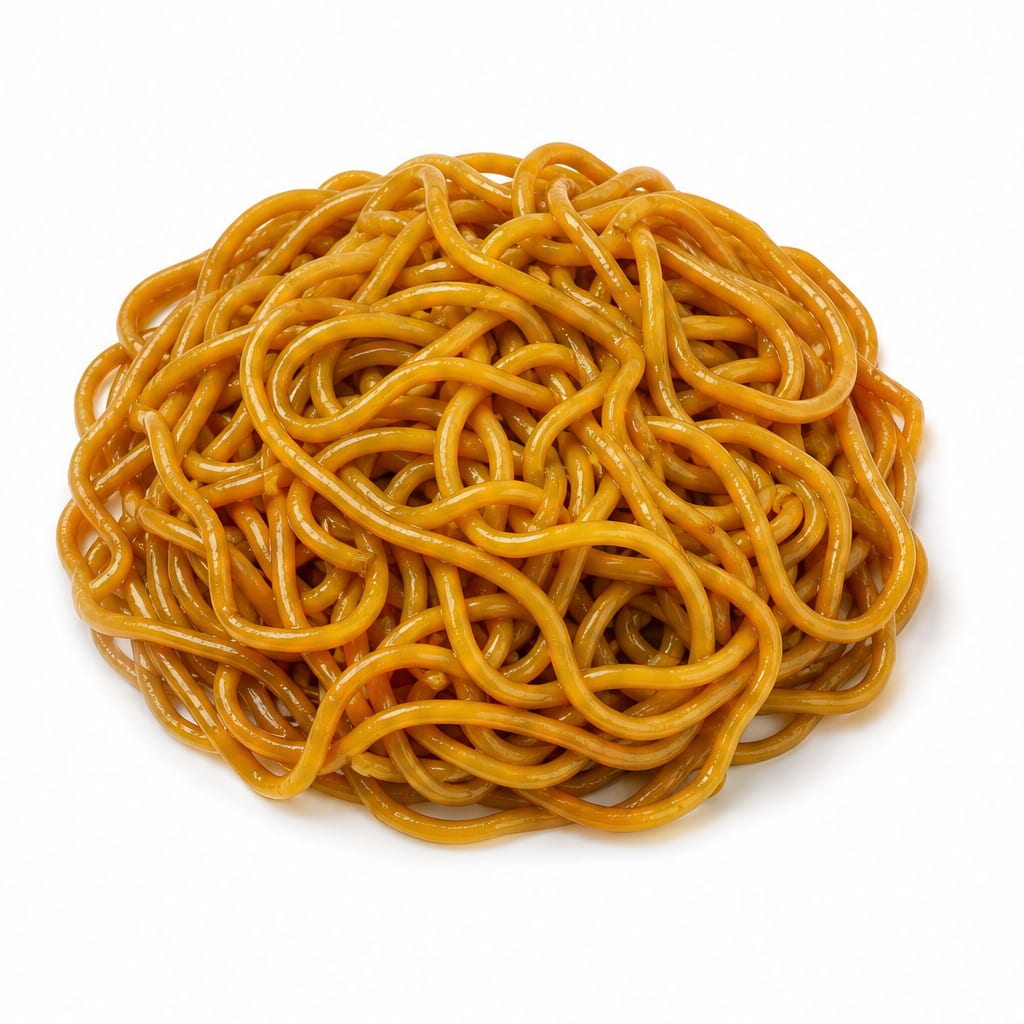
Compare with
Lo Mein
Lo mein is stir-fried with oil and sauce, making it higher in fat and calories than boiled udon in broth.
Udon in broth is lower in calories and fat than oil-heavy lo mein, making udon the better choice for weight management.
This food
Udon
VS30% alike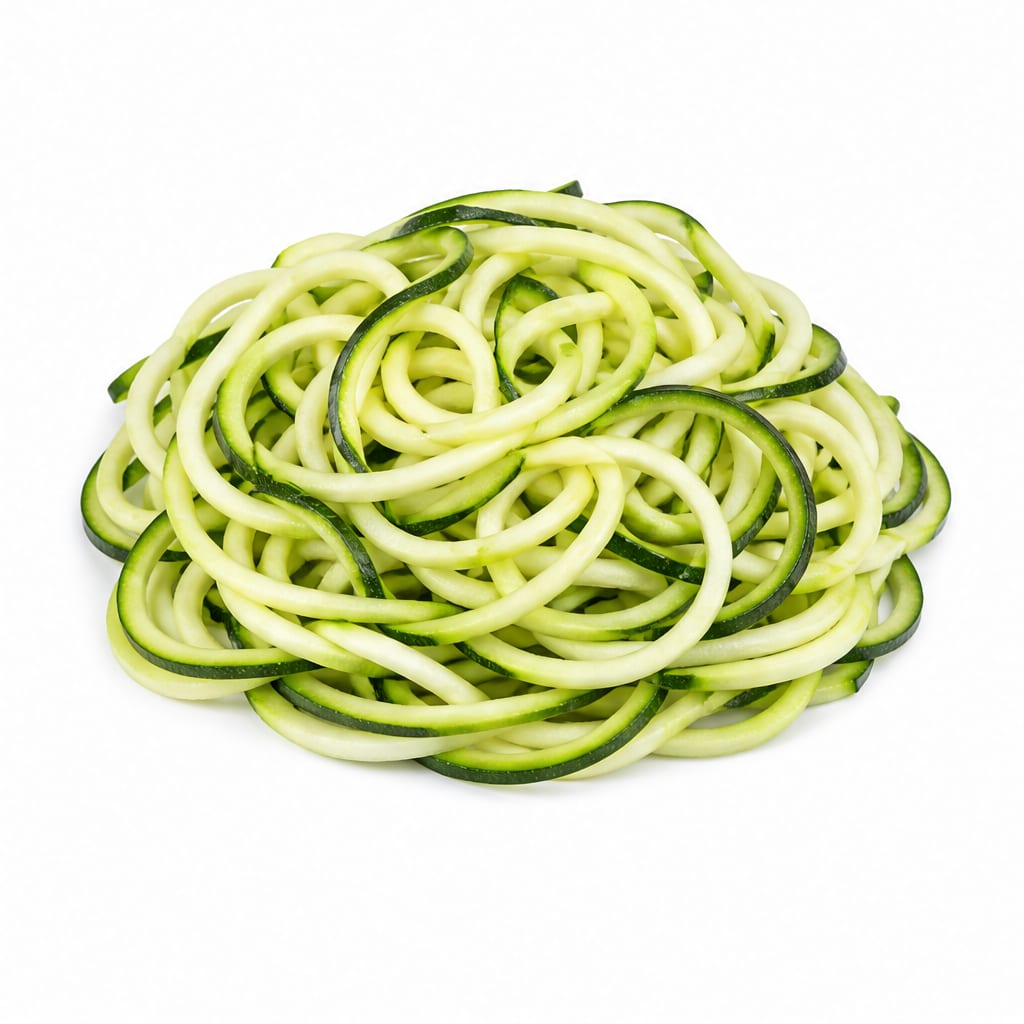
Compare with
Zucchini Noodles
Zucchini noodles are a low-calorie vegetable, while udon is a high-calorie refined grain.
Zucchini noodles are superior for weight loss and blood sugar, while udon provides the dense carbs needed for intense physical activity.
This food
Udon
VS60% alike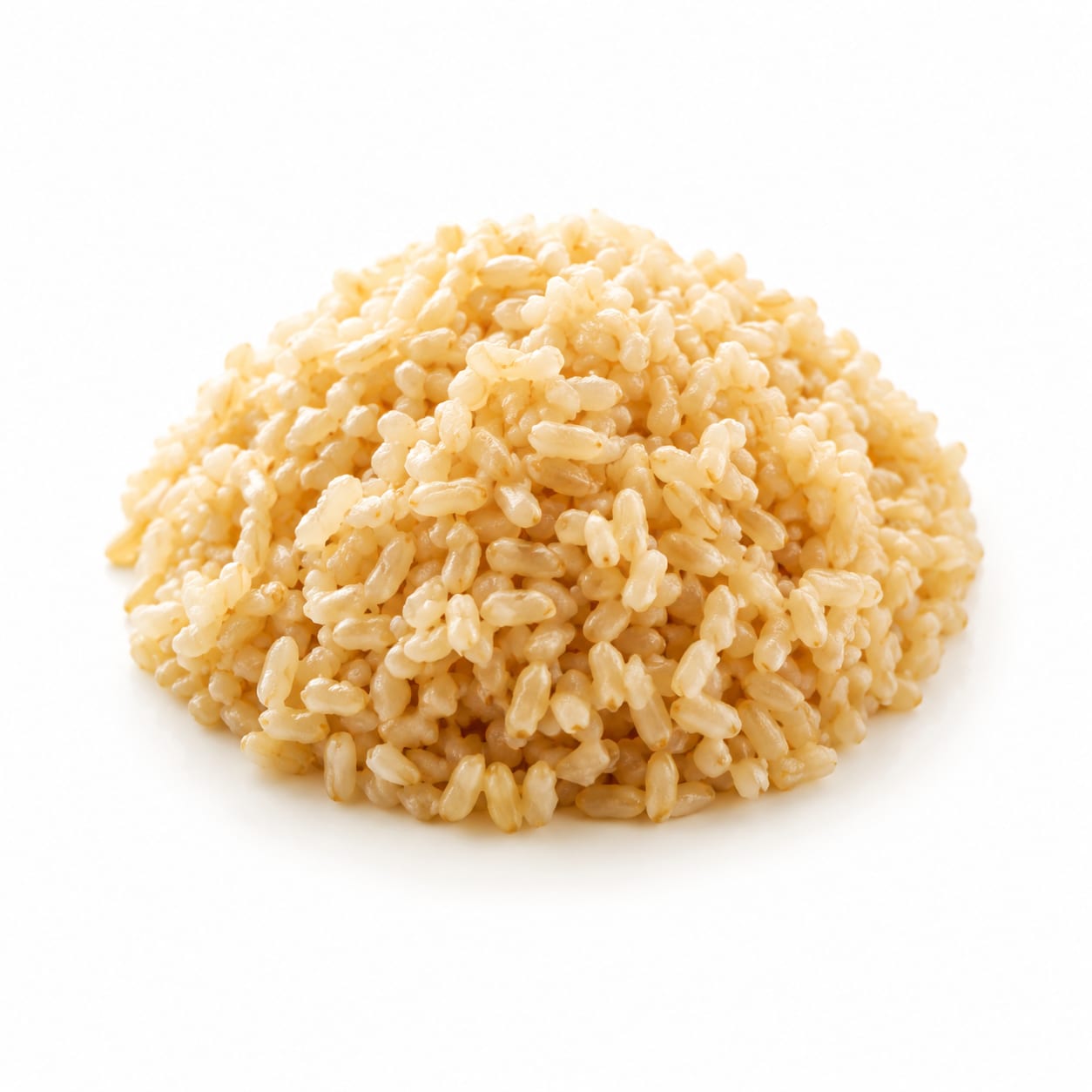
Compare with
Brown Rice
Brown rice is a whole grain with high fiber, while udon is a refined grain with faster digestion.
Brown rice offers better fiber and blood sugar control, while udon provides faster-digesting carbs for immediate pre-workout fuel.
Common questions
FAQ
Answers aligned with how people search for this food.
Are udon noodles healthy?
Udon provides quick energy but is a refined carbohydrate with low fiber. Its healthiness depends largely on portion size and what you pair it with, such as vegetables and lean protein.
How many calories are in udon noodles?
There are about 130 calories per 100g of cooked udon. A typical restaurant bowl contains 300-400g of noodles, totaling 390-520 calories before broth and toppings.
Is udon better than ramen for weight loss?
Udon is generally better for weight loss because it is served in a lighter dashi broth, whereas ramen uses a rich, fatty pork or chicken bone broth that is much higher in calories.
Can diabetics eat udon noodles?
Udon can spike blood sugar due to its refined wheat content. Diabetics should eat small portions, ensure they add fiber and protein, and monitor their blood glucose response.
Does udon have a lot of sodium?
The noodles themselves have moderate sodium, but the traditional dipping broth or soup is very high in sodium. Rinsing the noodles and limiting broth intake reduces sodium significantly.
Is udon gluten-free?
No, udon is made from wheat flour and contains gluten. Those with celiac disease or gluten sensitivity should choose 100% buckwheat soba or rice noodles instead.
Is udon good for pre-workout?
Yes, udon is an excellent pre-workout meal. The fast-digesting carbohydrates provide quick energy without weighing heavily in the stomach.
What is the difference between udon and soba?
Udon is a thick, chewy noodle made from wheat, while soba is a thinner noodle made from buckwheat. Soba is generally higher in fiber and protein and has a lower glycemic impact.
Transparency
Data confidence
Estimated confidence for nutrition data, interpretation, safety notes, and comparisons.
Nutrition data
Health analysis
Food safety
Comparisons